NATO Signals Readiness to Defend Europe Amid Iranian Threats to Military Sites
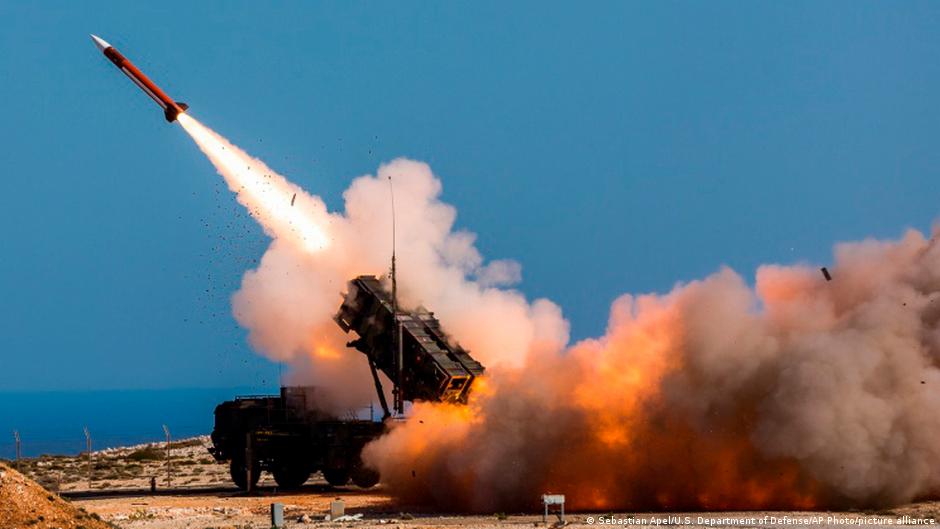
NATO confirms readiness to respond to Iranian threats targeting European military bases, highlighting rising geopolitical tensions with regional economic implications.

NATO confirms readiness to respond to Iranian threats targeting European military bases, highlighting rising geopolitical tensions with regional economic implications.

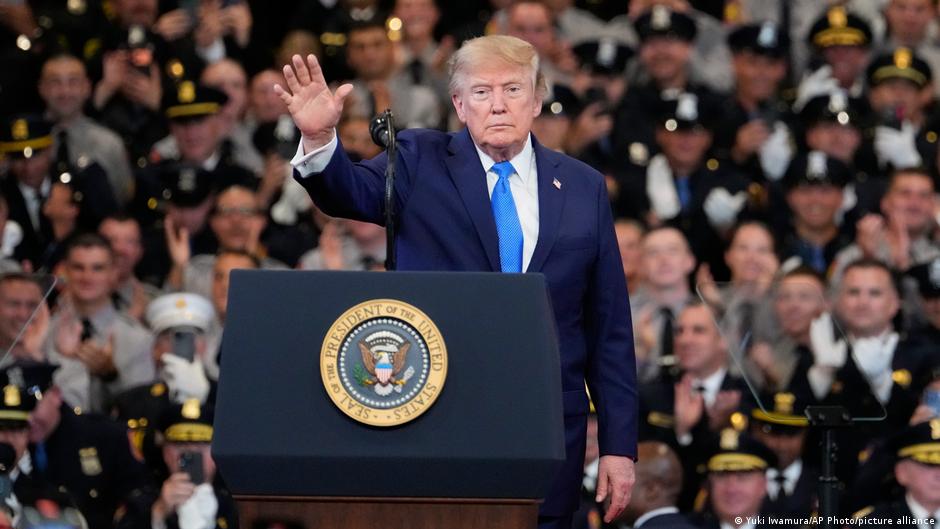
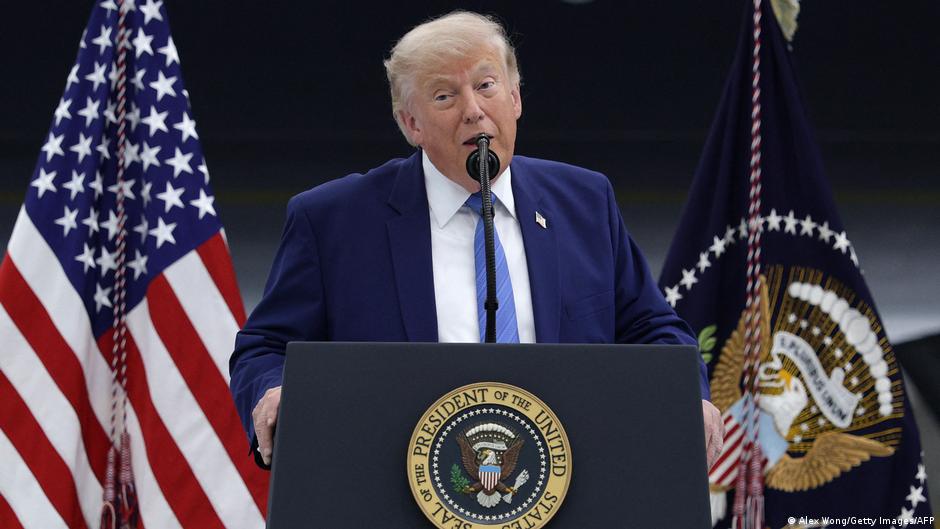
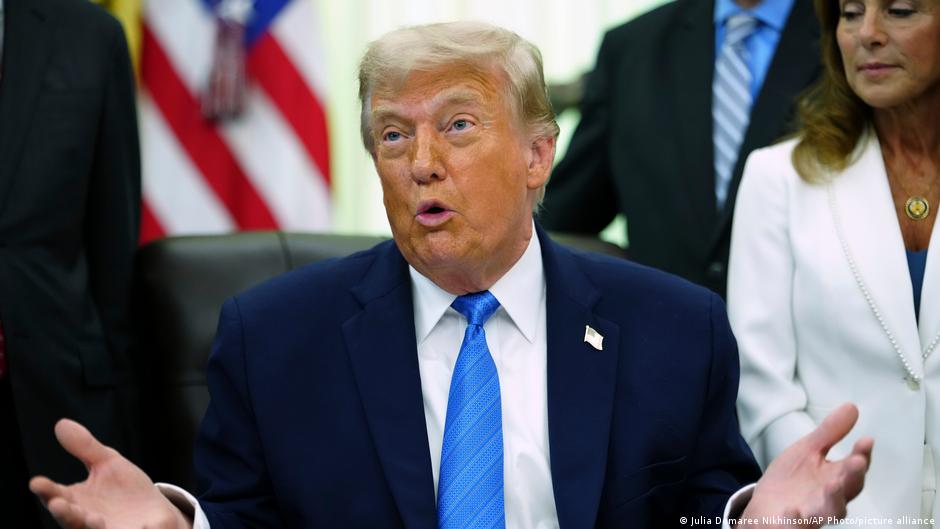
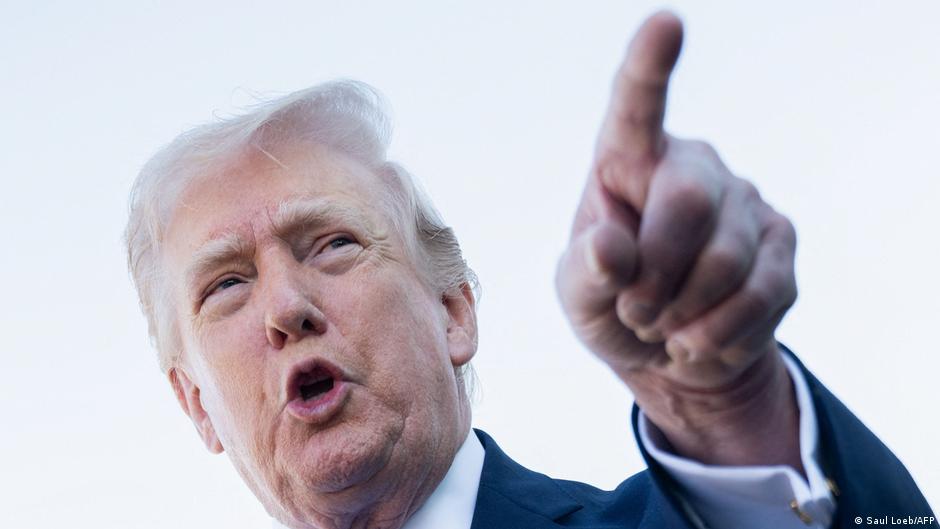
US President Trump threatens Oman with bombing over its involvement in Strait of Hormuz negotiations amid renewed US-Iran tensions and regional instability.

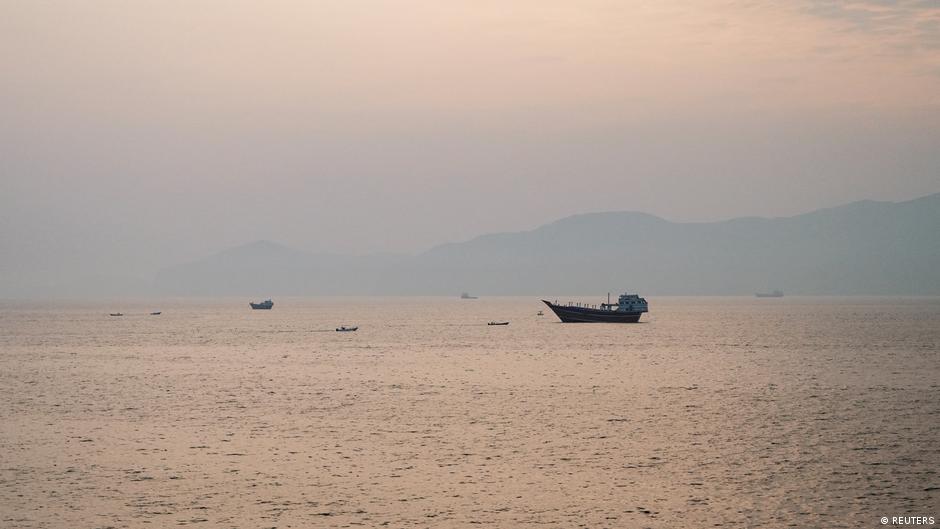
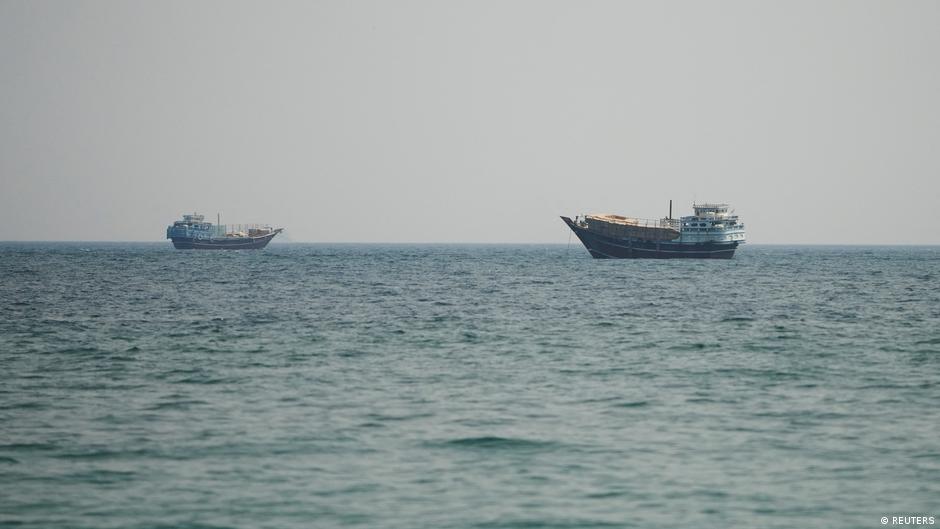
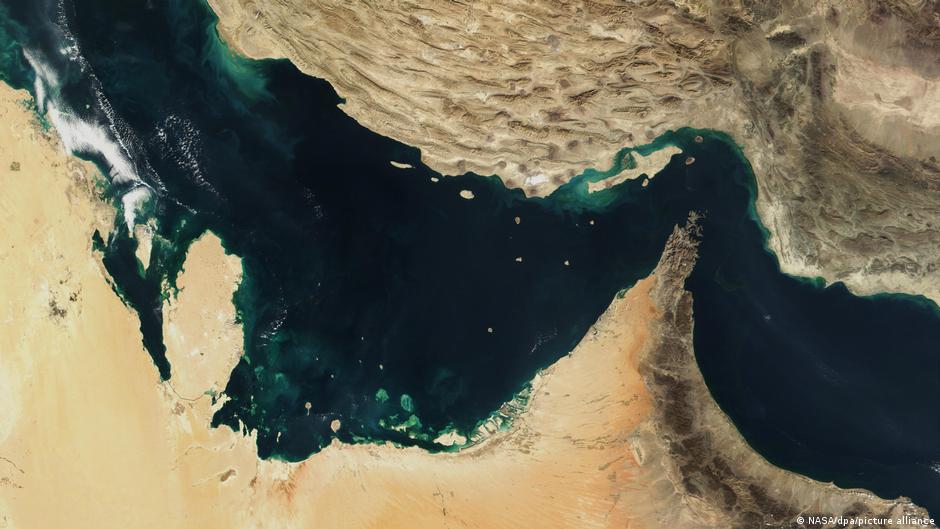
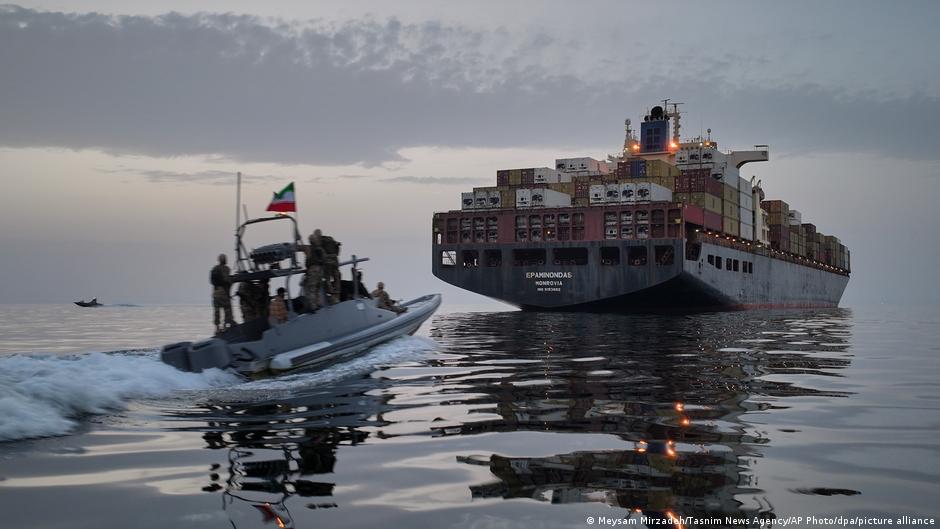
Iran's IRGC claims a tanker was mined in the Strait of Hormuz after unauthorized passage, signaling heightened risks to global oil transit through this strategic chokepoint.

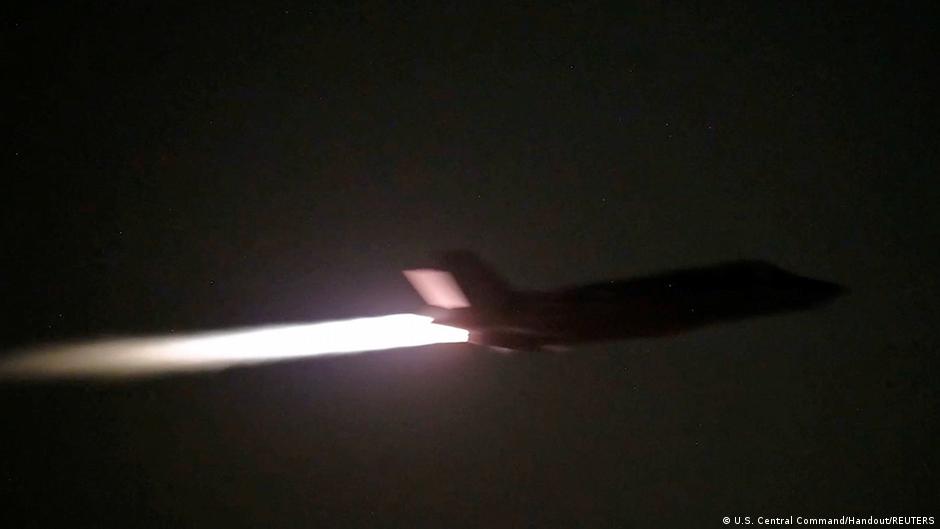
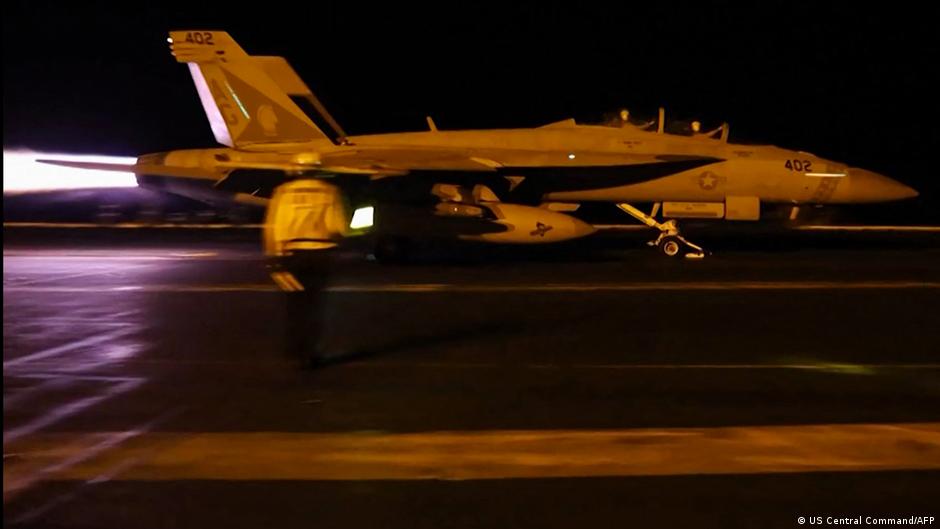
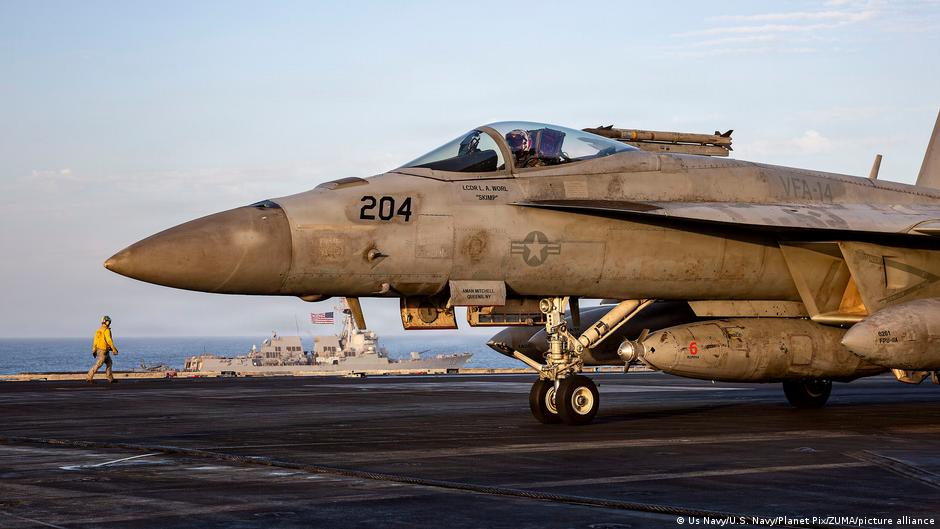
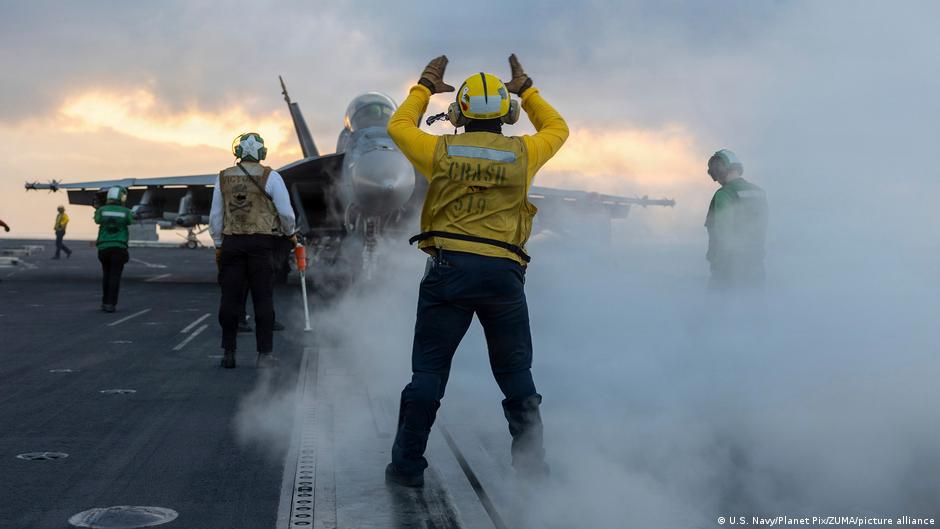
The US military conducted its 11th night of strikes against Iran targeting strategic infrastructure to counter threats to Gulf shipping amid escalating conflict in the Middle East.

The US has launched ten consecutive days of attacks against Iran, targeting military infrastructure amid reciprocal strikes and disruptions in the strategic Strait of Hormuz.

US forces have launched nine consecutive nights of strikes against Iran, prompting Iranian retaliation and impacting shipping through the strategic Strait of Hormuz, with broader implications for global energy markets.

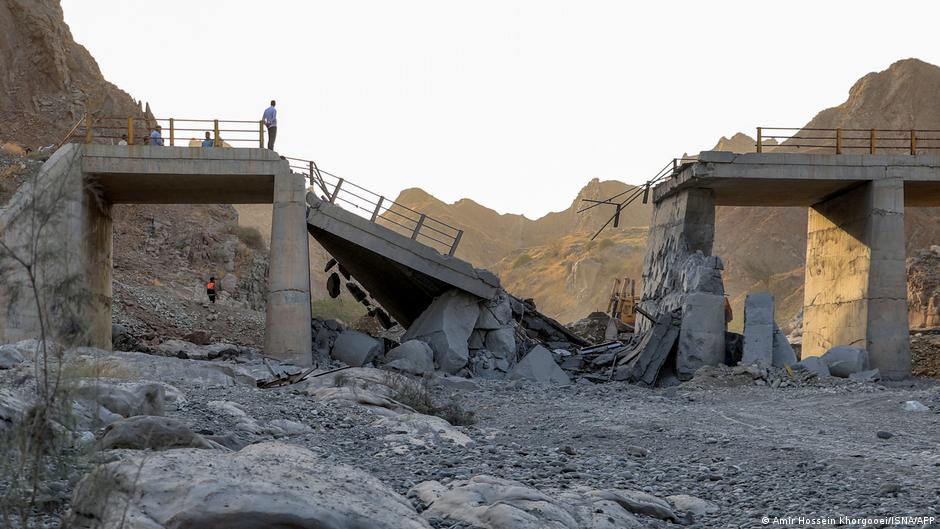
The US has launched new strikes targeting Iranian infrastructure, prompting Tehran to vow retaliatory attacks amid escalating tensions and risks to regional stability.

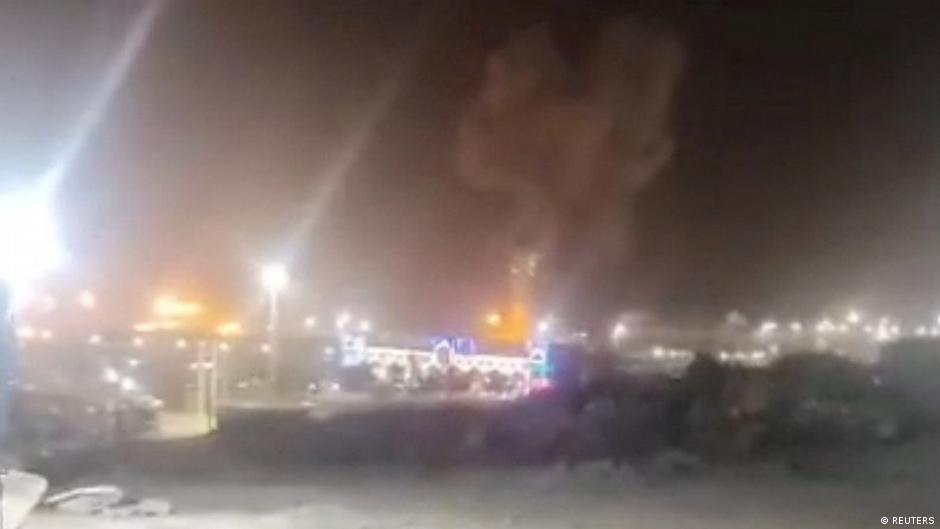
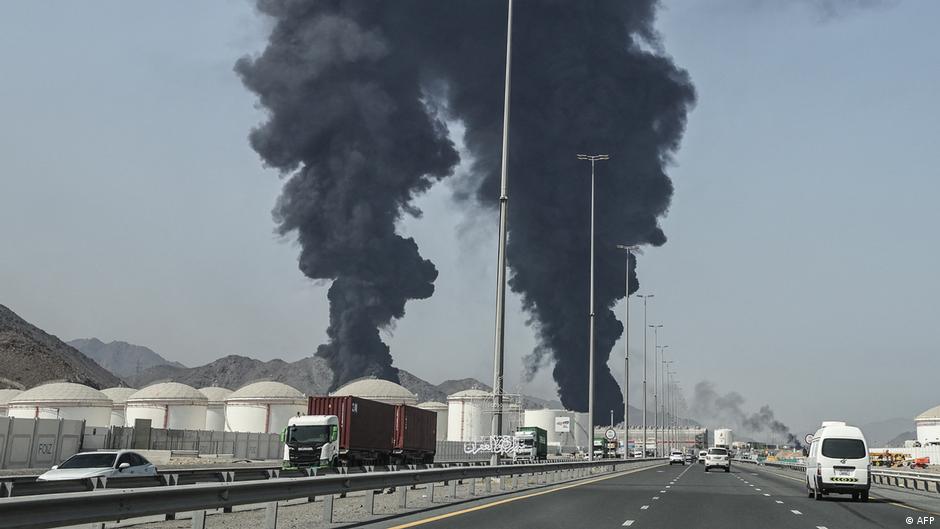
The US launched airstrikes on Iranian military and infrastructure sites, prompting retaliatory attacks on US bases in Bahrain and Kuwait, escalating tensions with significant economic ramifications.

The US is pursuing the revival of an Iraq-Syria oil pipeline to bypass the Strait of Hormuz, aiming to reduce Iran's influence and enhance global energy security amid regional tensions.

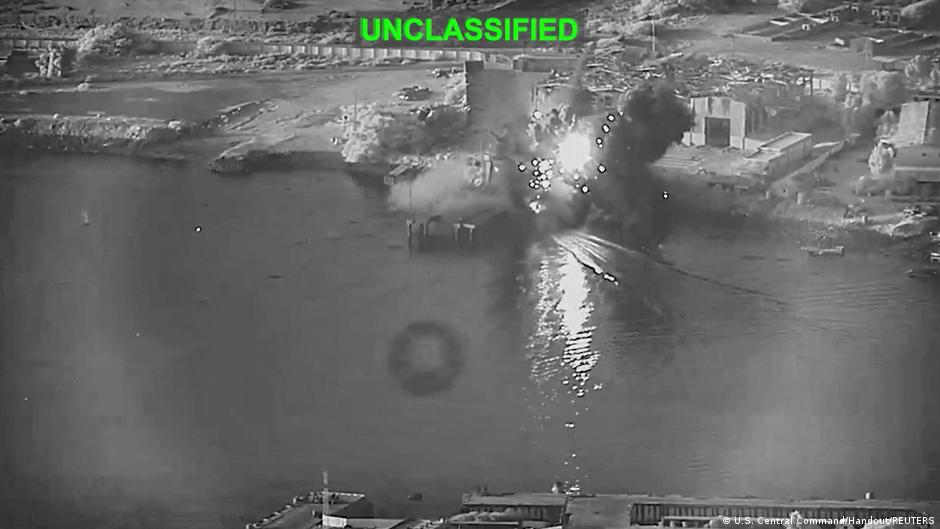
The US military launched new strikes against Iran targeting its ability to attack commercial vessels in the Strait of Hormuz amid escalating regional tensions threatening global oil trade.

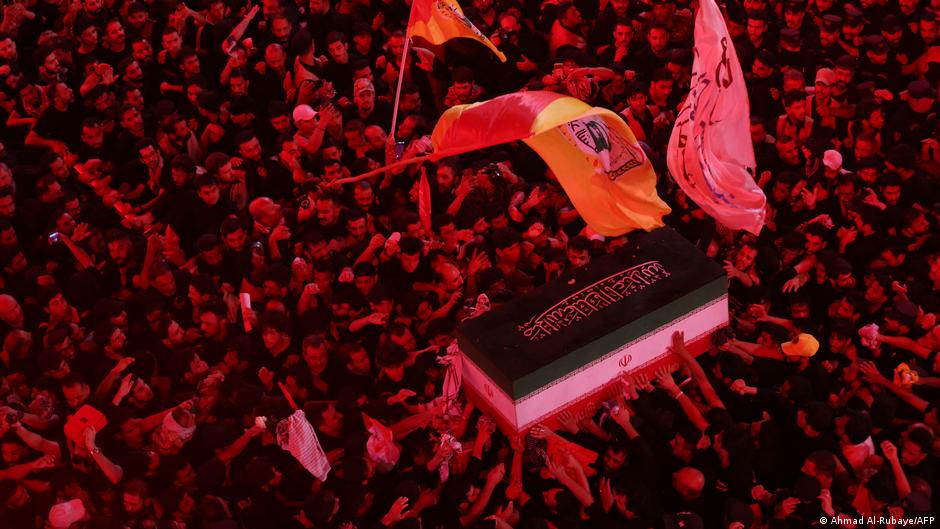
Iran buried former Supreme Leader Ali Khamenei in a closed ceremony amid regional tensions and uncertainty over his successor's public presence.

US airstrikes targeted Iranian military sites following drone attacks on commercial tankers in the Strait of Hormuz, escalating regional tensions and threatening global oil supply routes.

US airstrikes targeted Iranian military sites after a drone attack on a commercial ship in the Strait of Hormuz, escalating tensions and impacting global oil markets.

The US and Iran have agreed on a communication channel to prevent incidents in the Strait of Hormuz, setting a 60-day roadmap for comprehensive agreements including maritime and regional conflict issues.

The US threatens to impose transit fees on vessels passing through the Strait of Hormuz if talks with Iran fail, signaling a new economic lever in Middle East geopolitics.

Reports claim the UAE agreed to unfreeze billions of dollars in Iranian oil revenues to halt attacks, amid emerging US-Iran peace talks, though UAE denies these claims.

President Trump cancels June 11 airstrikes on Iran amid progress in multilateral negotiations involving regional allies, averting immediate military escalation.

Renewed US strikes on Iran have led Tehran to close the Strait of Hormuz, escalating regional tensions with significant impacts on global energy markets.

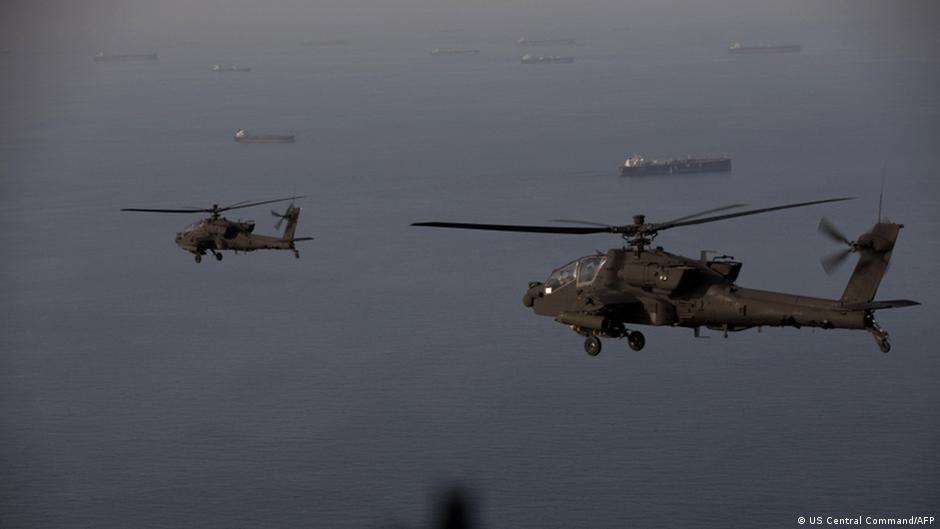
The US resumed airstrikes on Iran following the downing of an Apache helicopter over the Strait of Hormuz, reflecting escalating regional tensions with significant economic implications.

President Trump delays a planned military strike on Iran following Gulf leaders' intervention, as serious negotiations continue amid complex US-Iran tensions.

The UAE has secretly targeted Iran with military strikes amid escalating attacks, reshaping Gulf economic security and regional relations.

Iran mandates detailed vessel information for tanker passage through the Strait of Hormuz amid geopolitical tensions and potential transit fees, impacting global oil trade dynamics.

Oxfam reveals a 56% rise in German DAX 40 CEOs’ pay since 2019, while average worker wages remain below pre-pandemic levels, highlighting deepening economic inequality.