Zelensky Says U.S.-Russia Diesel Deal Risks Financing a Longer War
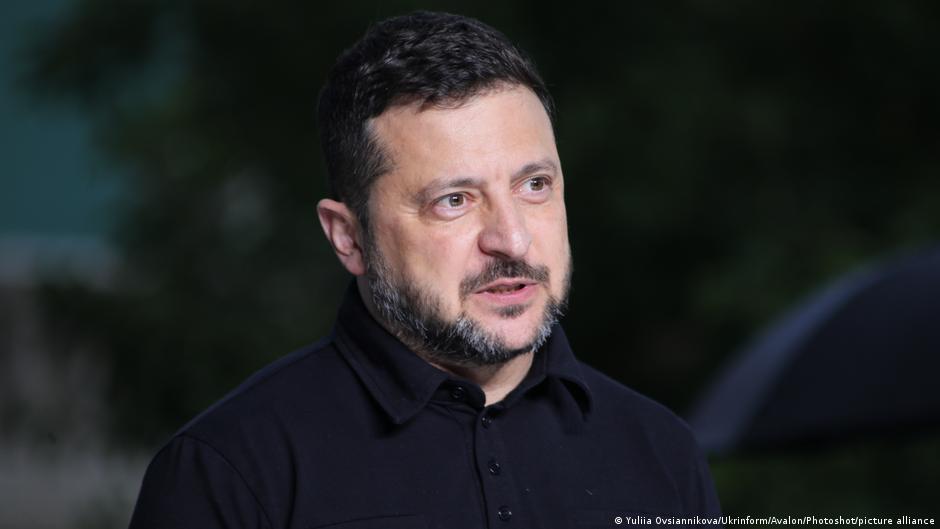
Zelensky warned that a U.S.-Russia diesel deal could strengthen Moscow’s war economy unless tied to clear de-escalation commitments.

Zelensky warned that a U.S.-Russia diesel deal could strengthen Moscow’s war economy unless tied to clear de-escalation commitments.

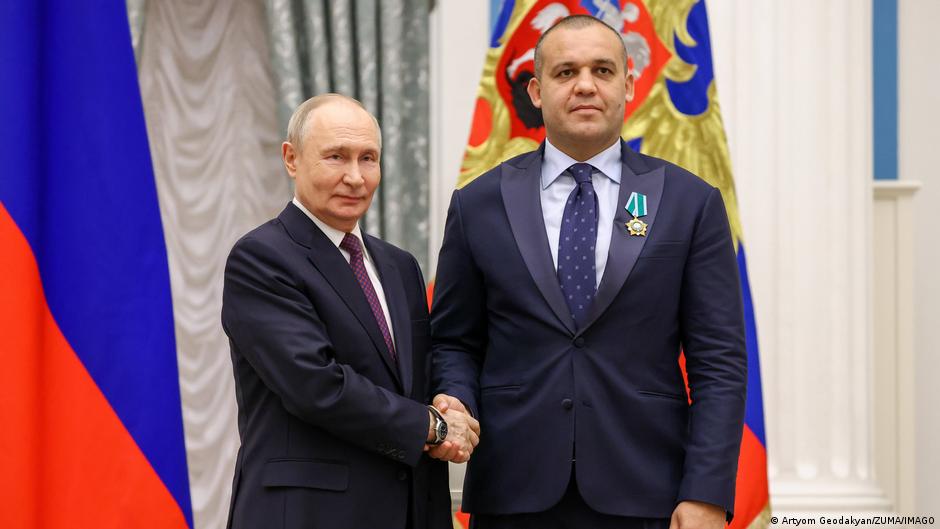
Umar Kremlev says Donald Trump Jr. repaid wedding-event costs, but the episode keeps scrutiny on political access and private finance.

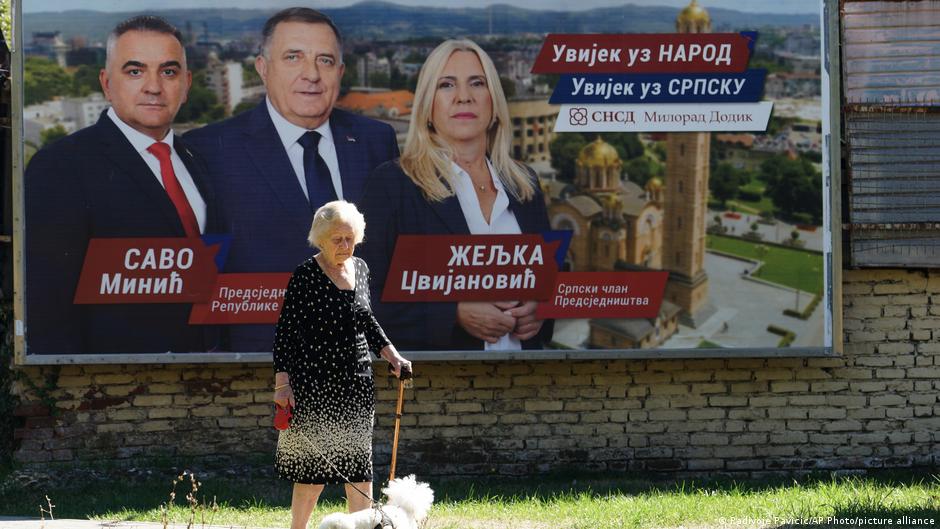
Ruling parties and Milorad Dodik’s allies prevailed in Bosnia’s elections, reinforcing continuity within the country’s fragmented Dayton system.

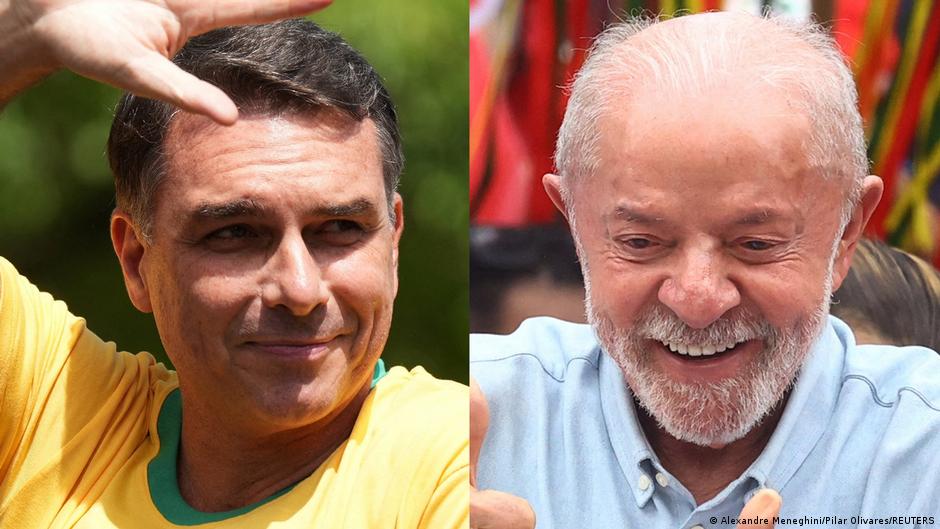
Brazil’s presidential race heads to an October 25 runoff after Flavio Bolsonaro led Lula da Silva in the first round with 47.03 percent.

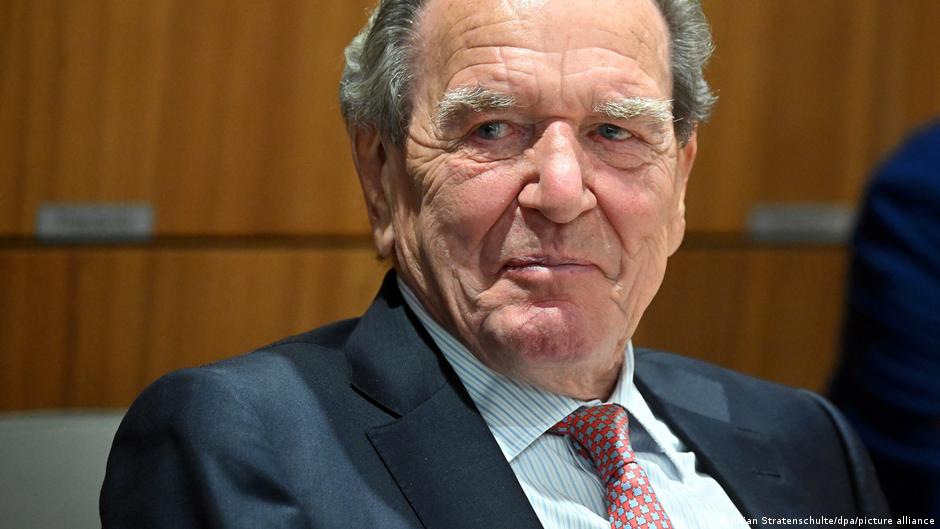
Gerhard Schröder’s new Hyperglobus role has reignited German debate over Russia exposure, political access and corporate risk.

Western governments are preparing contingency plans to move embassies from Kyiv as Russian strikes intensify against Ukraine’s cities and energy system.

Maria Kolesnikova urges the EU to use diplomacy and sanctions relief to free Belarusian political prisoners and reduce Russia’s influence.

The EU declined to accelerate part of a €90 billion Ukraine loan, arguing that early disbursement would shift the war-financing gap into 2027.

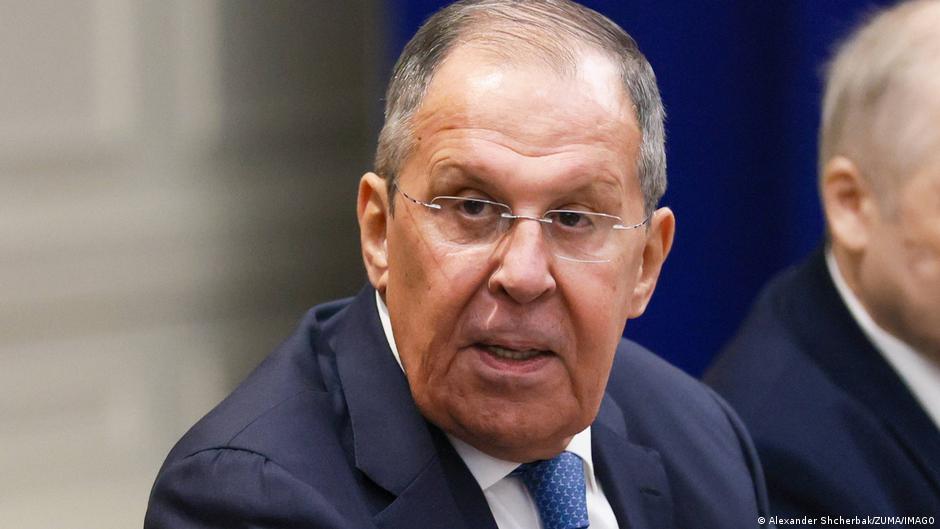
Lavrov said Russia will not pause operations for Ukraine talks, framing diplomacy as part of a wider contest over time, arsenals and leverage.

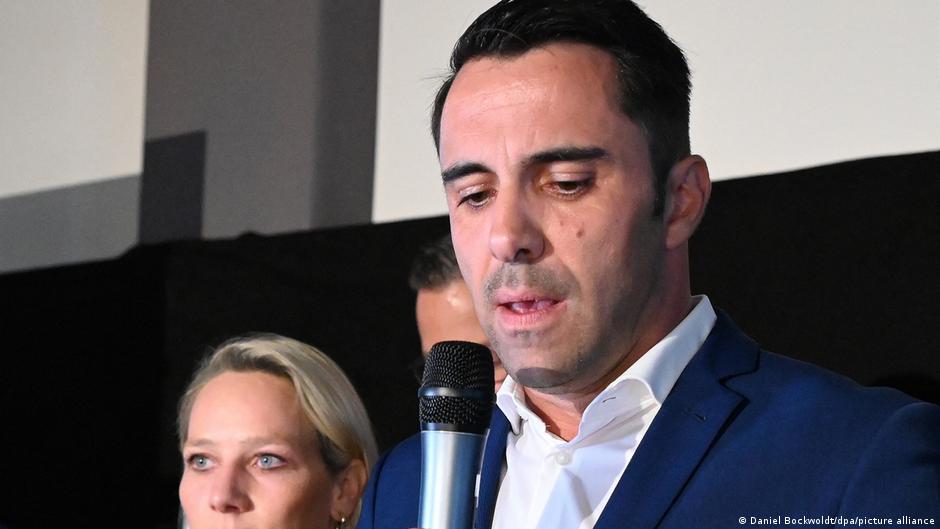
Daniel Peters resigned after the CDU won just 4.9% in Mecklenburg-Western Pomerania, missing a state parliament for the first time.

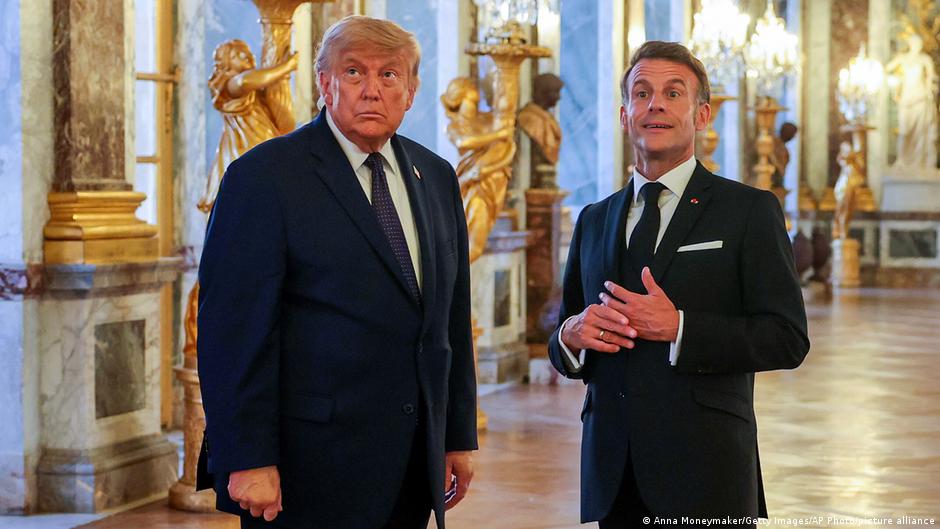
Macron said France and the U.S. would seek a moratorium on strikes against Ukraine’s energy and civilian infrastructure while boosting air defenses.

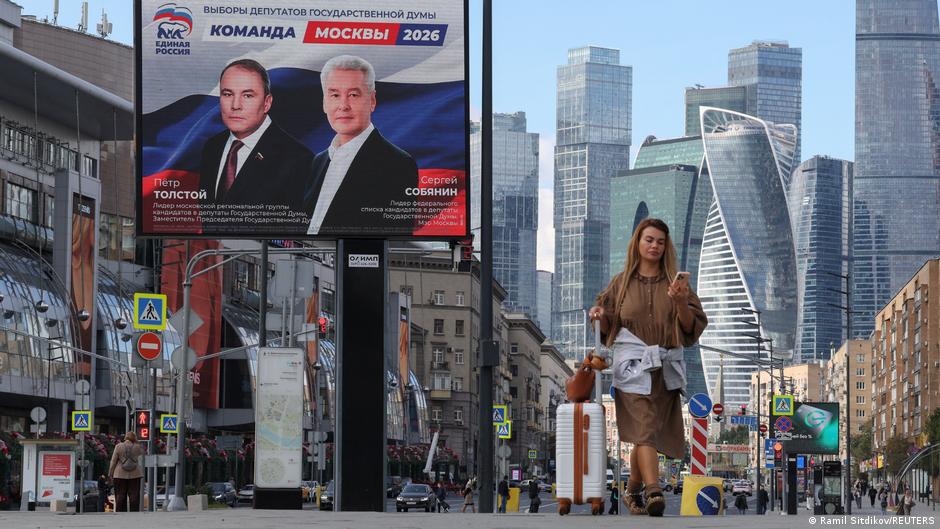
Partial results put United Russia on track for a State Duma constitutional majority, reinforcing Russia’s centralized wartime economic model.

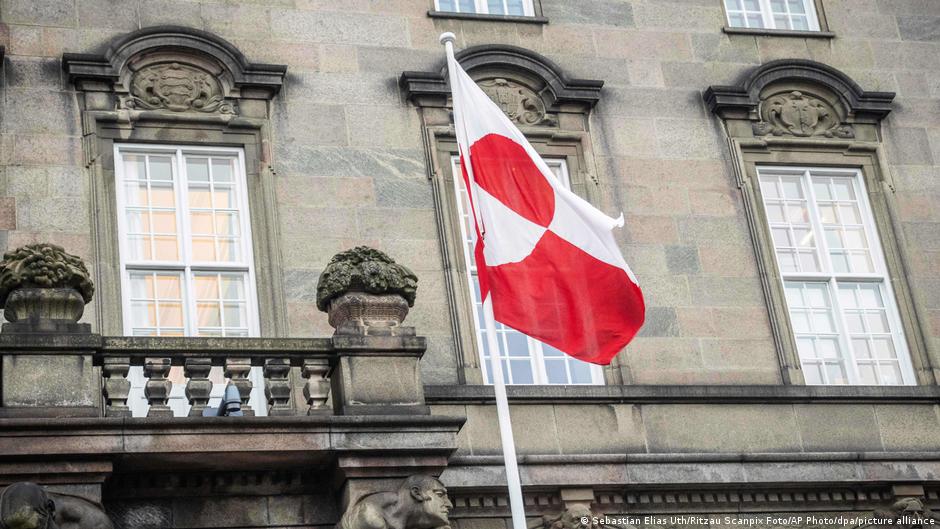
The Greenland arrangement could reshape Arctic security, investment screening and resource access while leaving key legal details unresolved.

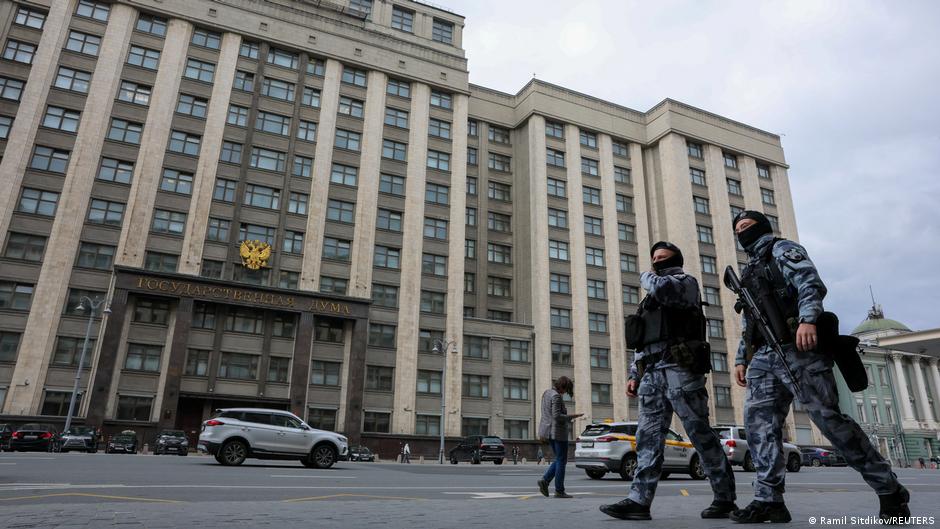
Russia began a three-day State Duma vote that includes occupied Ukrainian territories and excludes anti-war parties from the party-list race.

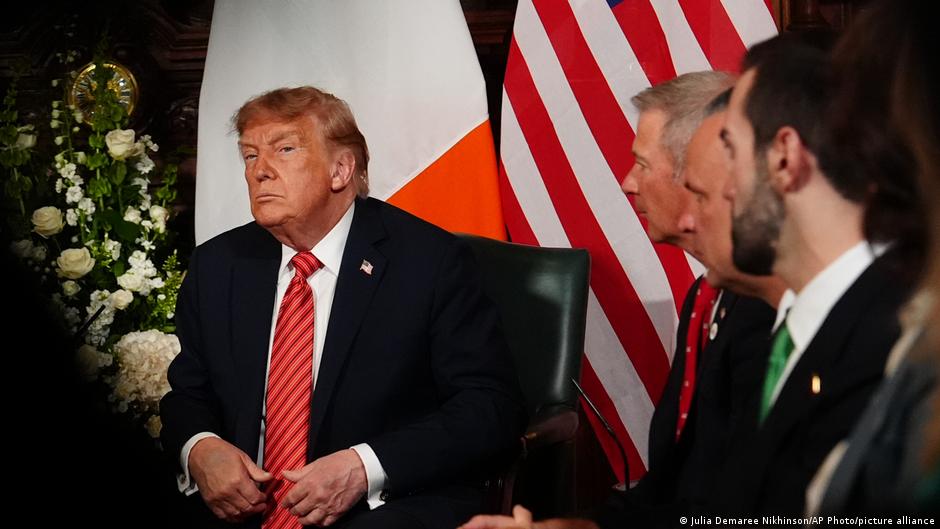
Trump said the United States will remove a 10 percent tariff on Irish whiskey, a move welcomed by Ireland’s whiskey industry.

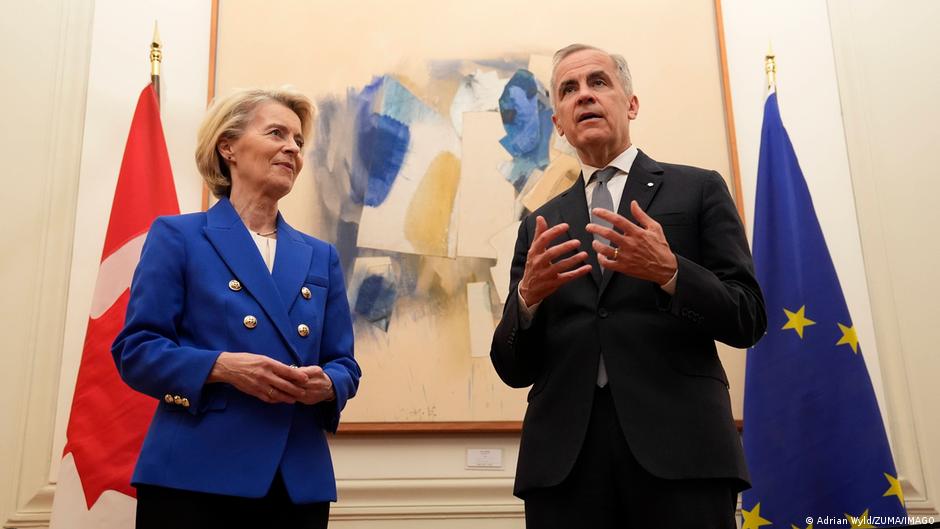
Canada is negotiating to join the EU’s €90 billion Ukraine loan as Ottawa seeks deeper European ties and less reliance on the U.S.

Georgia detained ex-defense minister Giorgi Baramidze in a treason and sabotage case tied to his comments on the Abkhazia war.

Lukashenko says Belarus will inspect all armed forces up to mobilization level, a move with military, administrative and economic implications.

AfD’s projected win in Saxony-Anhalt drew sharp reactions from Poland, France and the Czech Republic, exposing wider European economic and political strains.

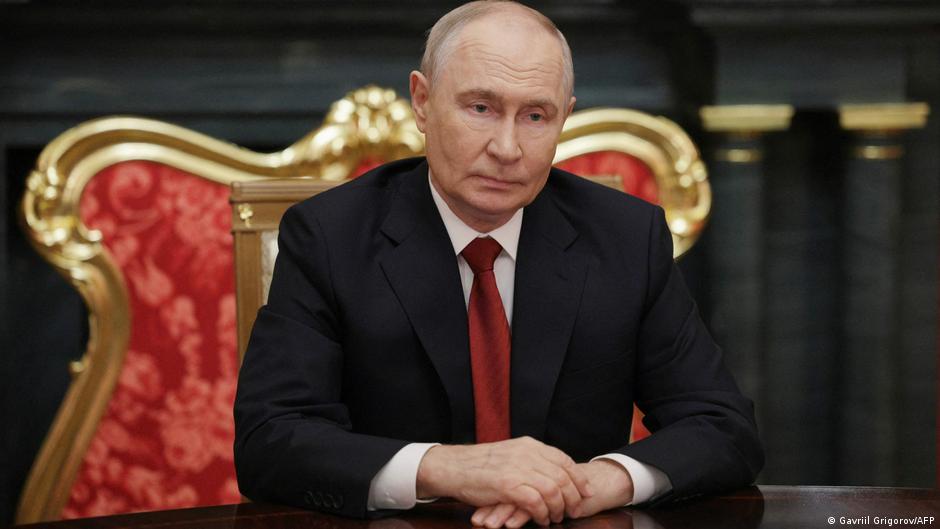
Putin’s support for using medically unfit volunteers in drone defense highlights Russia’s search for manpower while denying new mobilization.

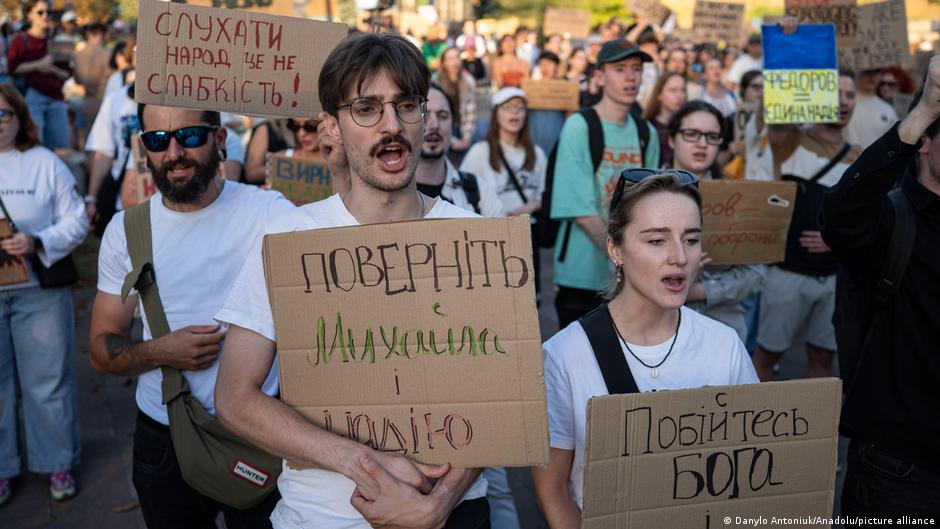
Protests in Kyiv and other cities demand reinstatement of Mykhailo Fedorov as defense minister, criticizing recent government appointments and calling for reform continuity amid governance challenges.

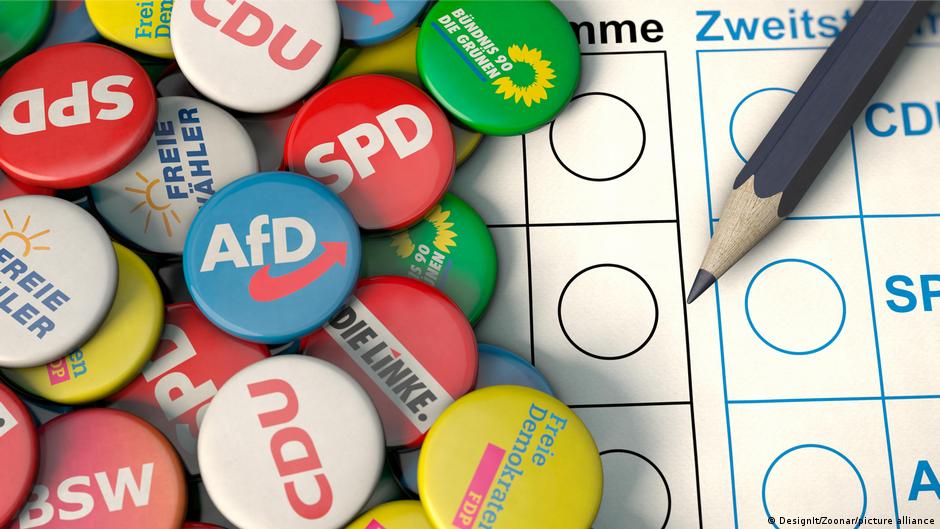
Germany’s CDU/CSU support falls to 20%, with far-right AfD leading polls ahead of key state elections, reflecting volatile voter behavior and shifting political allegiances.

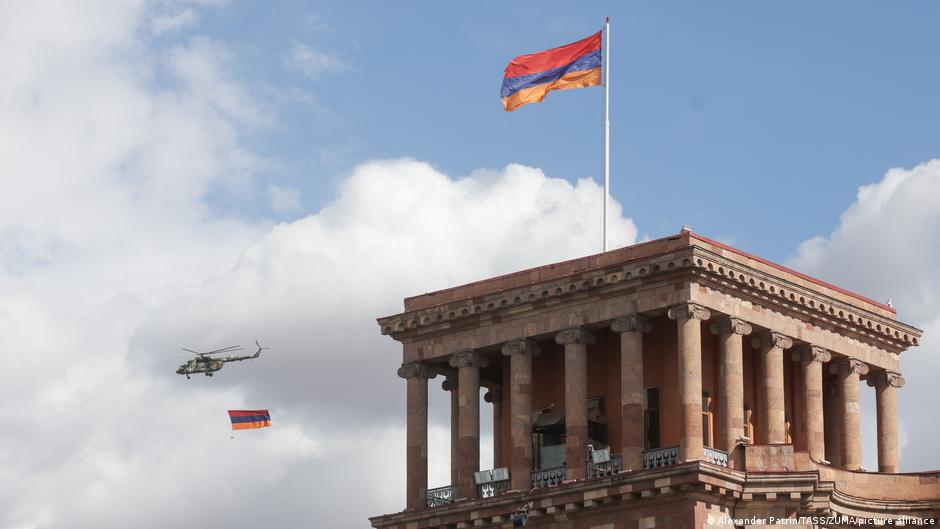
Armenia's Central Electoral Commission conducted a partial vote recount after opposition requests, revealing minor changes but affirming the ruling party's victory in the June parliamentary elections.

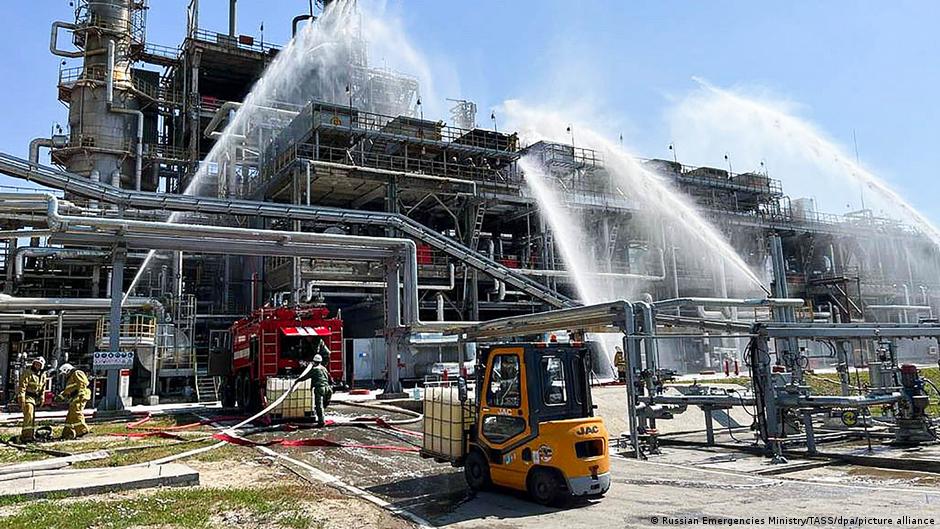
Drone attacks have ignited fires at oil storage and refining facilities in Russia's Rostov and Saratov regions, exposing vulnerabilities in critical energy infrastructure.

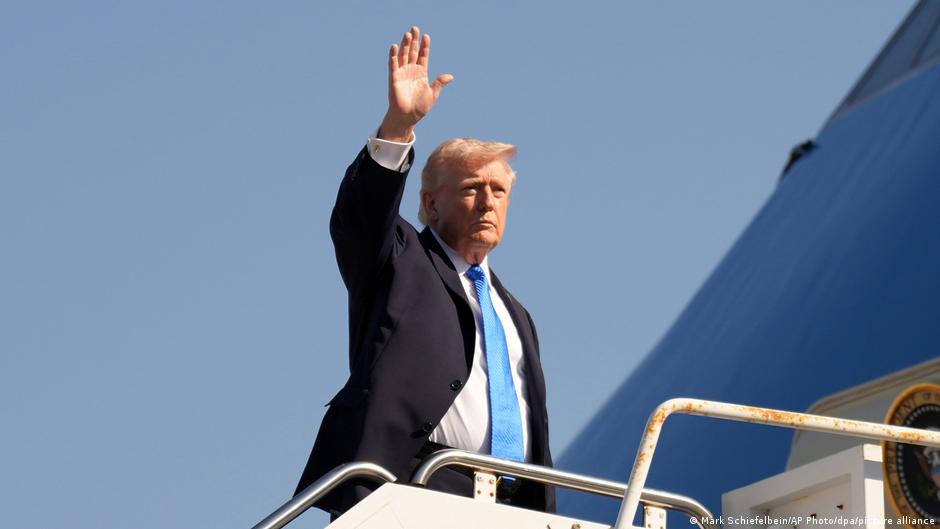
Palm Beach International Airport in Florida will be renamed after President Trump, changing its IATA code to DJT, signaling a potent mix of political branding and economic strategy.

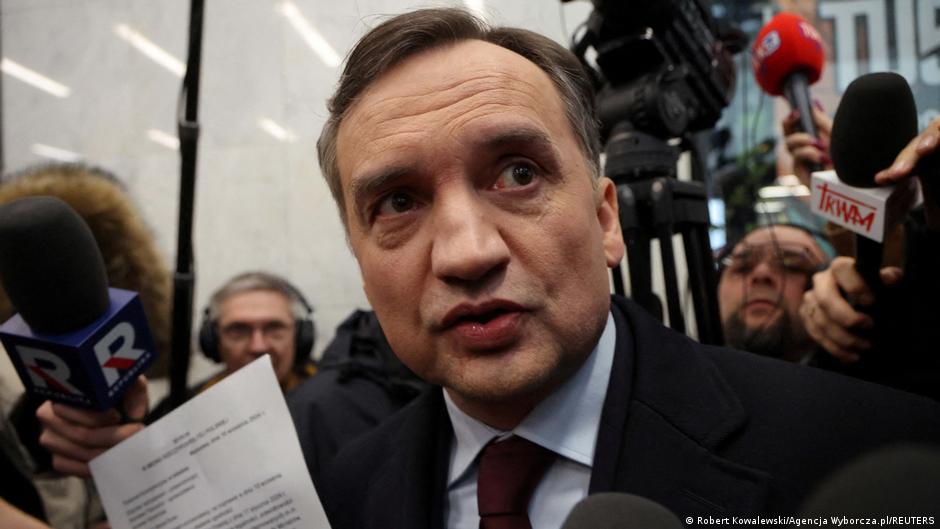
Former Polish Justice Minister Zbigniew Ziobro fled Hungary for the US amid extradition efforts by Poland and Hungary’s new government after Orbán’s era.

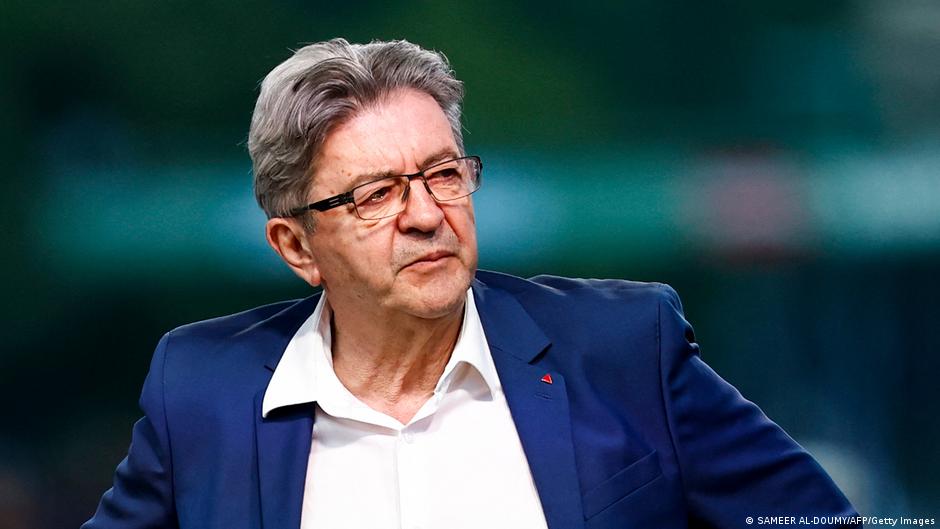
Jean-Luc Mélenchon confirms candidacy for France's 2027 presidential election, setting the stage for a far-left versus far-right contest amid pivotal economic and political shifts.