US Sends First Humanitarian Aid Flight to Cuba Amidst Escalating Economic Sanctions
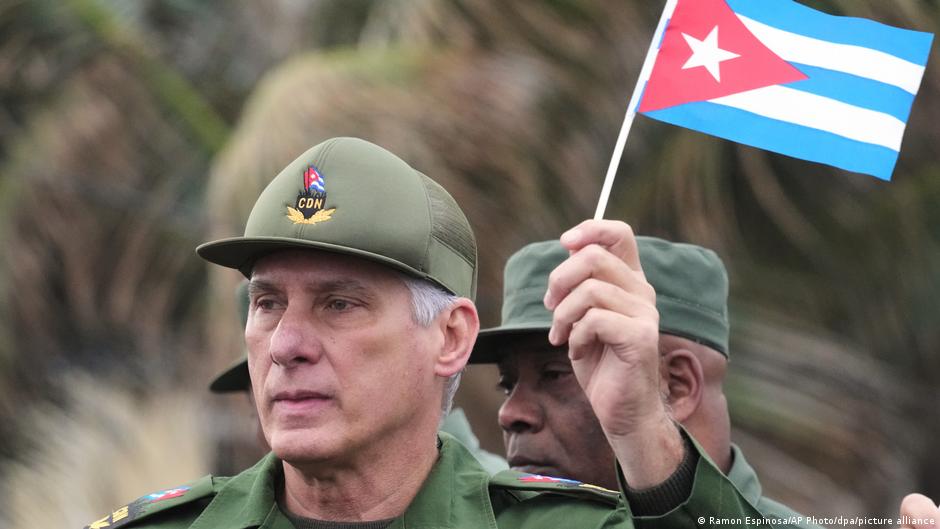
The US begins delivering a $100 million humanitarian aid package to Cuba amidst heightened sanctions and military threats, highlighting a complex policy approach.

The US begins delivering a $100 million humanitarian aid package to Cuba amidst heightened sanctions and military threats, highlighting a complex policy approach.

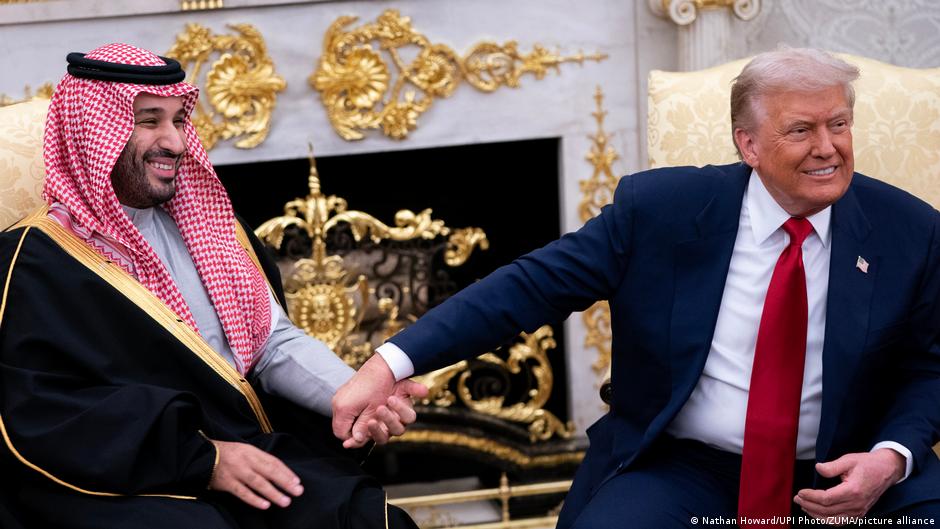
The Trump administration's tentative approval for Saudi uranium enrichment without strong IAEA safeguards raises proliferation concerns amid expanding nuclear energy cooperation.

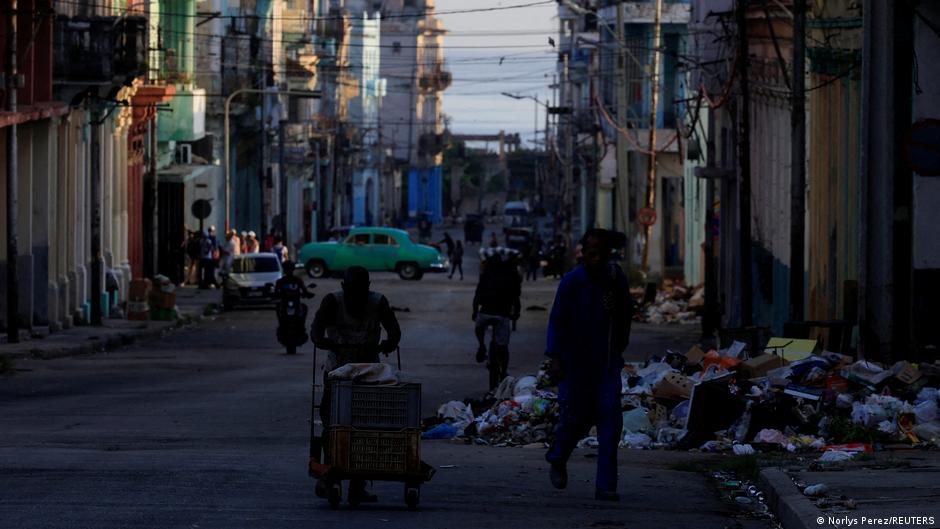
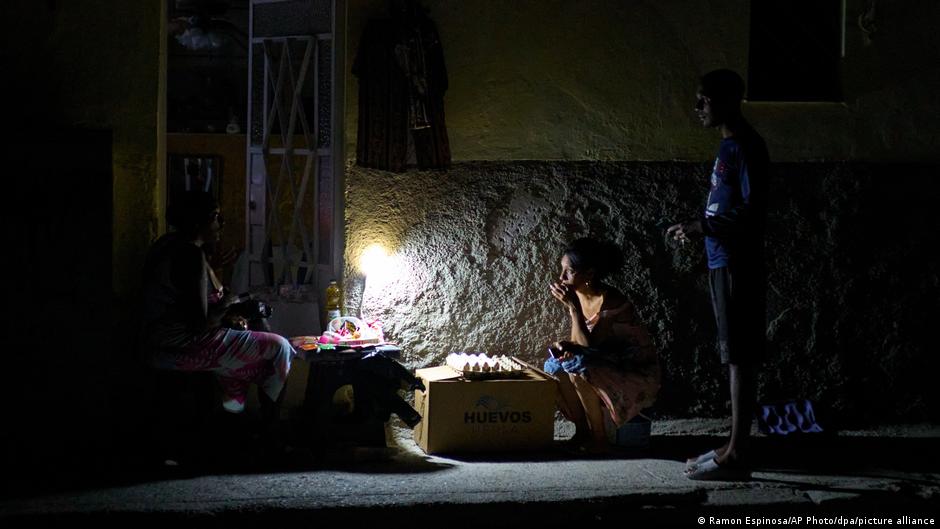
Cuba's nationwide blackout on July 6 highlights the deepening energy crisis driven by U.S. sanctions and stalled diplomatic negotiations.

Far-right businessman Abelardo de la Espriella wins Colombia’s presidency, promising deregulation and militarized crime control, signaling a shift from leftist reforms under Gustavo Petro.

US intelligence warns Israel may disrupt the US-Iran deal, citing Israeli security concerns and political calculations amid ongoing regional tensions.

The US imposes sanctions on Cuba’s state oil company CUPET, intensifying economic pressure amid political tensions and a worsening energy crisis.

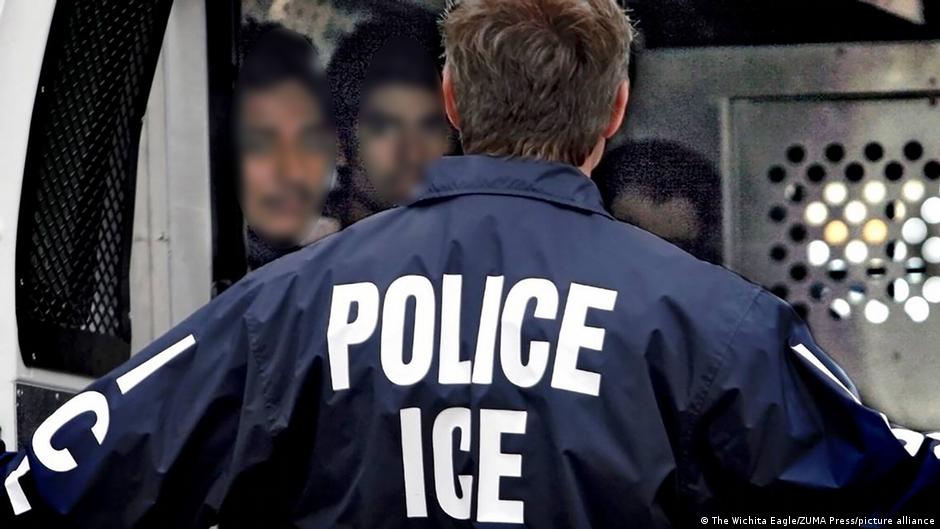
The US Congress approved $70 billion funding for immigration enforcement agencies amid controversy over fatal shootings and internal leadership changes.

A U.S. federal judge invalidated the Trump-era $100,000 H-1B visa fee as an unlawful tax, highlighting limits on executive power and implications for high-skilled immigration.

The US expands sanctions targeting Cuban President DÃaz-Canel and Raúl Castro’s family amid escalating tensions and Cuba’s worsening economic crisis.

The US House approves a resolution restricting President Trump from continuing war with Iran without Congressional consent, highlighting shifting political and economic concerns.

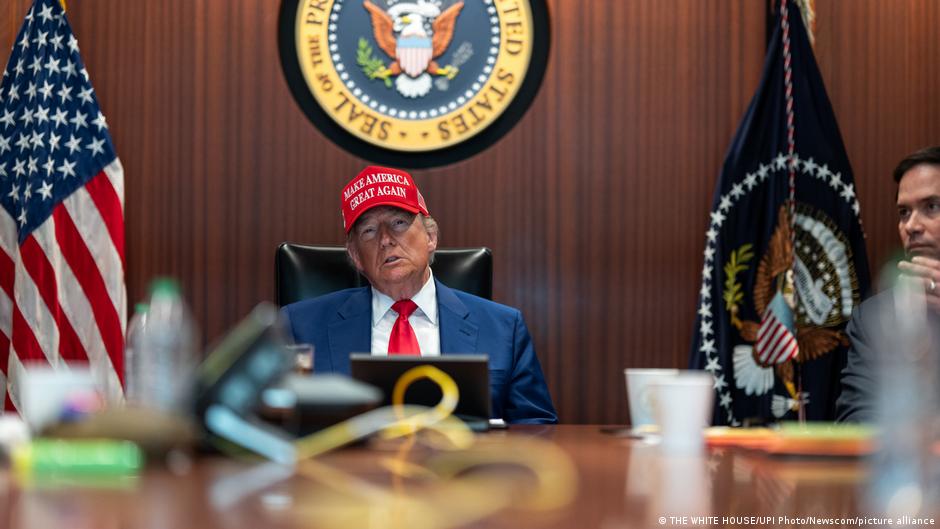
President Trump demands Iran adhere to strict 'red lines,' including a permanent ban on nuclear weapons, as negotiations for a potential agreement continue amid cautious diplomacy.

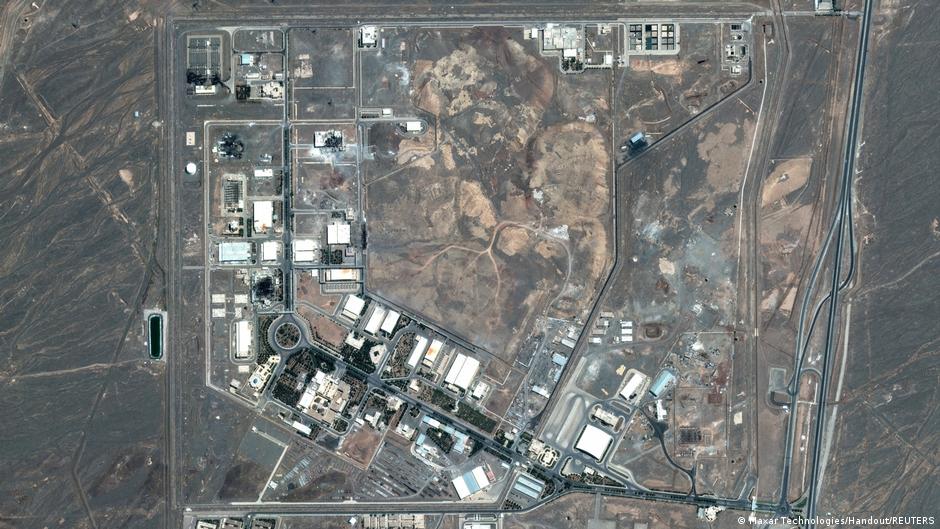
Donald Trump announces plans for Iran's enriched uranium to be destroyed either in the US or on-site under IAEA supervision amid escalating nuclear tensions.

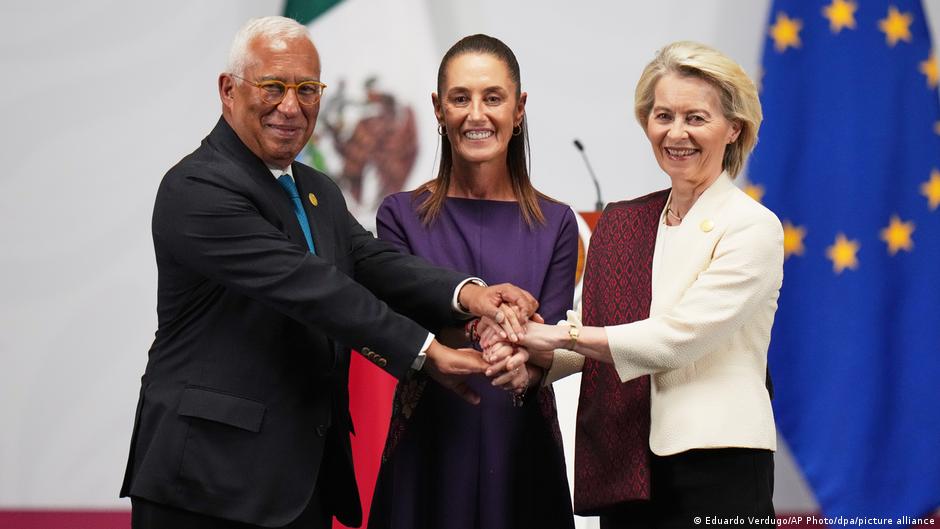
The EU and Mexico finalize a decade-long trade agreement eliminating most tariffs and reducing barriers, aiming to boost exports and investment amid shifting global trade dynamics.

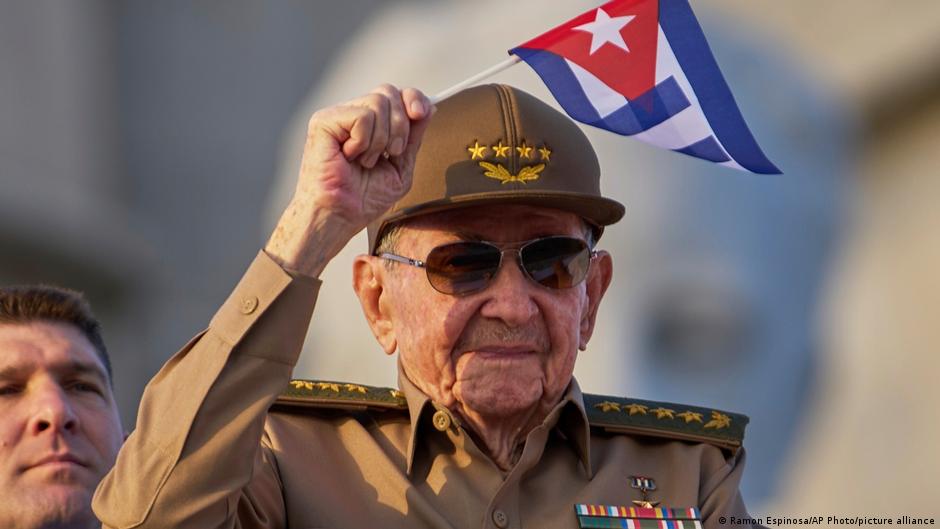
The US charges Raul Castro with conspiracy to murder over a 1996 incident killing four American pilots, signaling intensified tensions and complex economic consequences for Cuba.

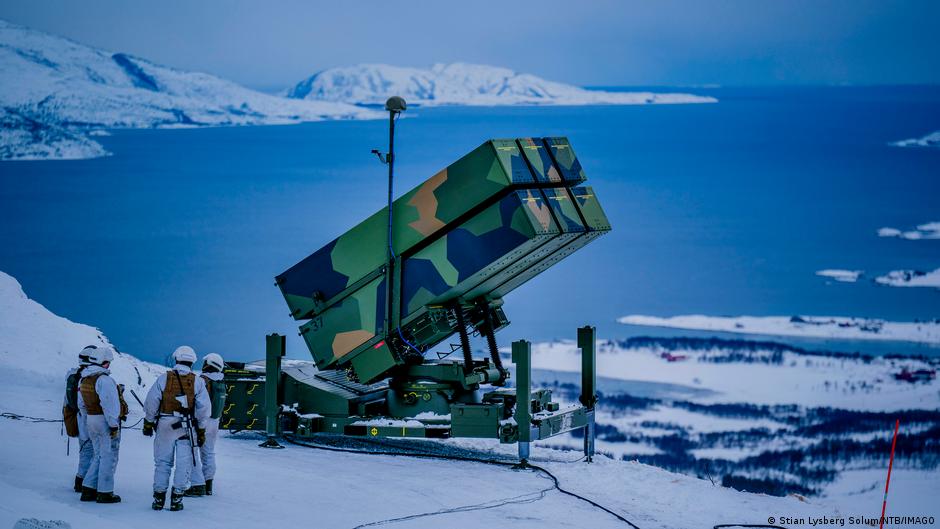
Germany is fast-tracking its own long-range missile development following the U.S. refusal to station Tomahawk missiles, aiming to counter Russian Iskander threats and bolster European deterrence.

The US delays arms shipments to Europe to replenish stocks amid Iran conflict, impacting NATO allies and signaling shifts in defense priorities and economic supply chains.

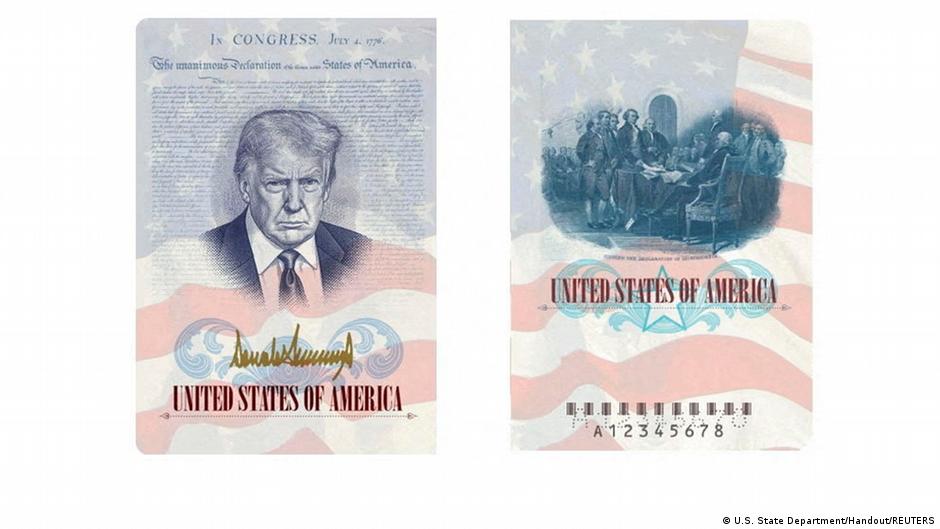
The US plans limited edition passports featuring President Trump’s portrait for the 250th independence anniversary, reflecting broader shifts in national symbolism and economic implications.

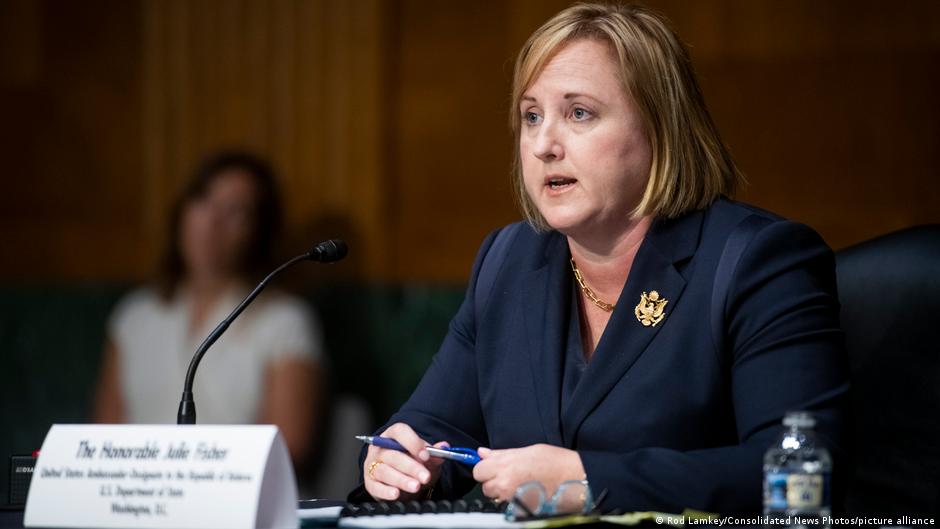
Julie Davis plans to leave her post as US Chargé d’Affaires in Ukraine amid administration disagreements, reflecting broader shifts in Washington’s policy and impacting regional stability.

President Trump halts US negotiators’ travel to Pakistan for talks with Iran, citing strategic leverage, logistical challenges, and internal Iranian disarray amid ongoing ceasefire.

US Labor Secretary Lori Chavez-DeRemer resigns amid misconduct allegations, highlighting mounting cabinet instability and potential impacts on economic governance.

The US Senate rejected a Democratic-led resolution to end military actions against Iran, reflecting ongoing disputes over presidential war powers and congressional authority.

The Trump administration wants GM, Ford and other manufacturers to help produce weapons, echoing WWII-era industrial mobilization.