Trump Delays ‘Hellish’ Russia Sanctions, Prioritizing Ukraine Talks
Trump has delayed sweeping tariffs on Russia and its energy partners, using the sanctions threat to support Ukraine talks and discourage Moscow from assisting Iran.

Trump has delayed sweeping tariffs on Russia and its energy partners, using the sanctions threat to support Ukraine talks and discourage Moscow from assisting Iran.

A bipartisan House bill would seek to ban Russian oil purchases after Trump announced an agreement on Russian diesel supplies.

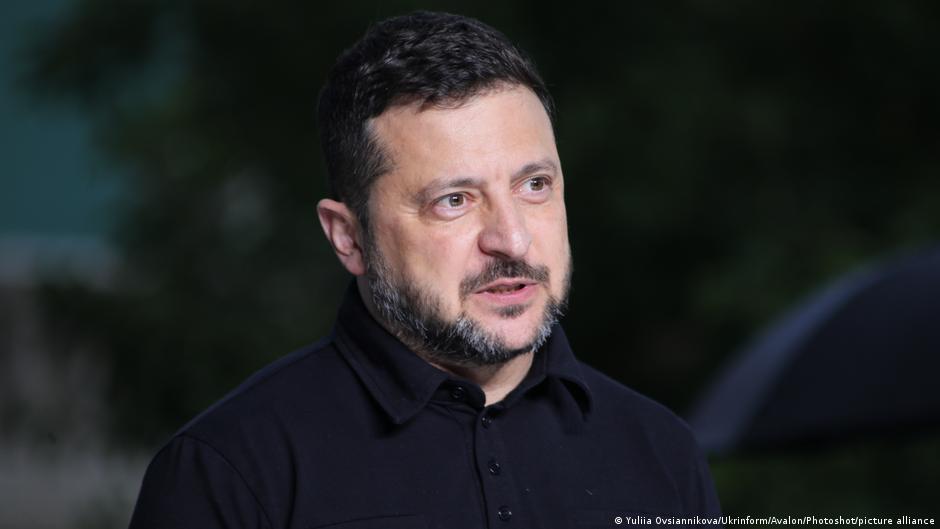
Zelensky warned that a U.S.-Russia diesel deal could strengthen Moscow’s war economy unless tied to clear de-escalation commitments.

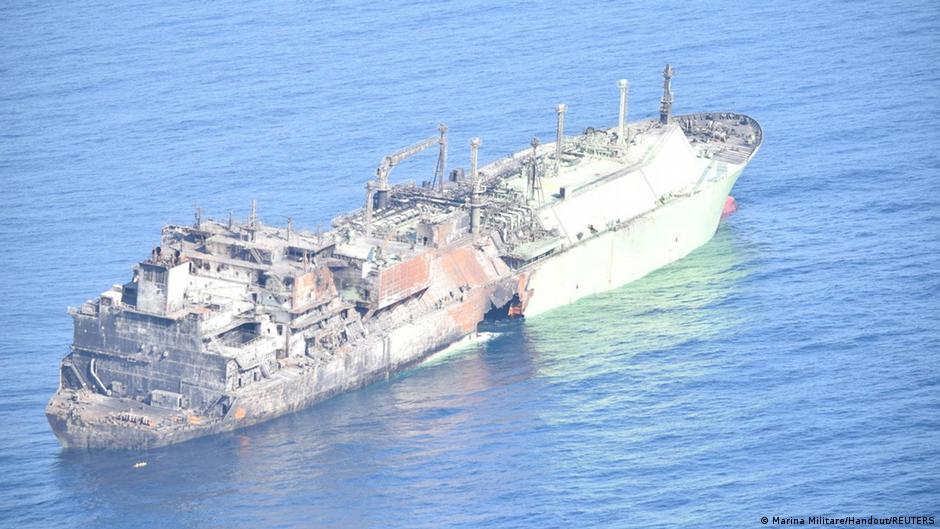
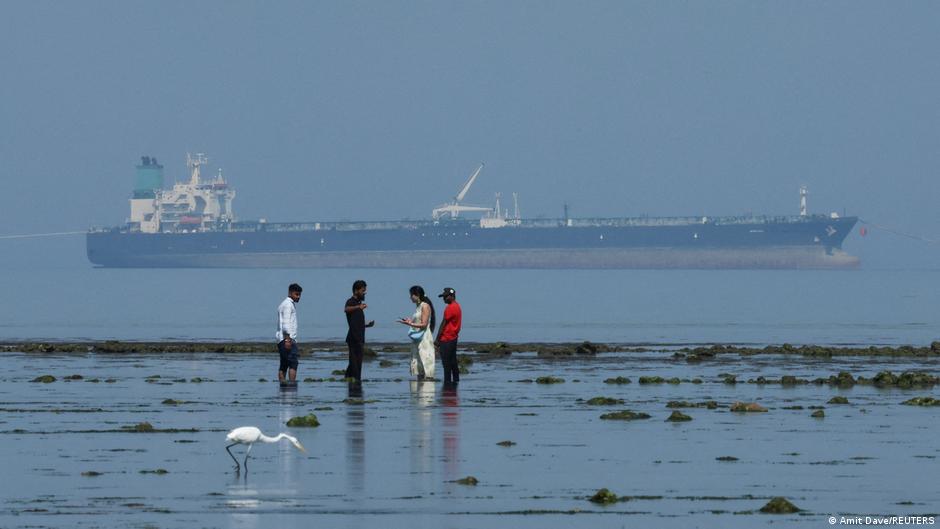
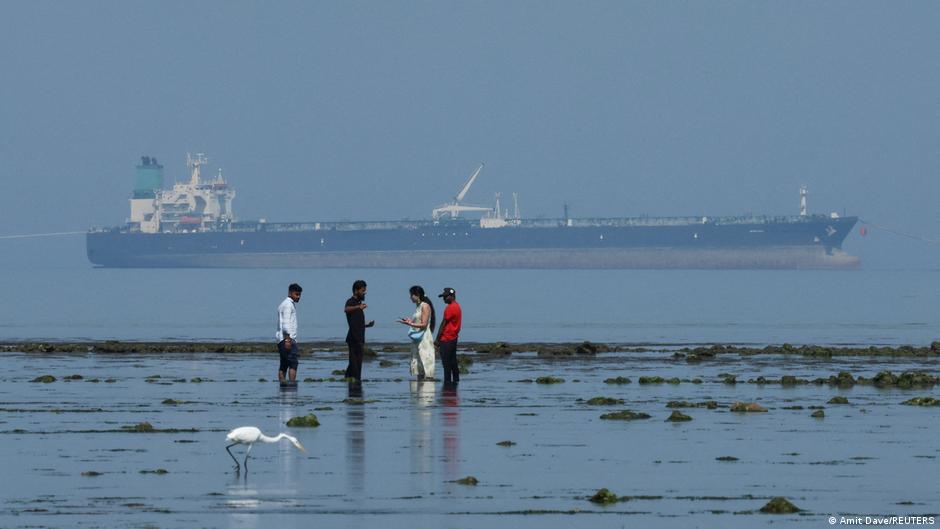
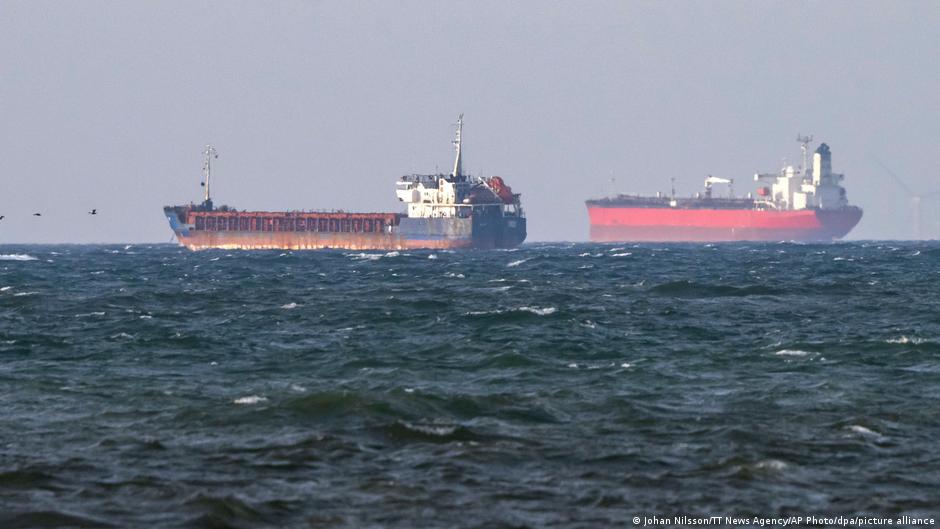
A tanker fire near Sochi exposes the mounting economic risks around Black Sea shipping, Russian oil exports and shadow-fleet logistics.

Russia’s ship registry grew 36% as sanctions pressure pushed shadow-fleet vessels toward Russian registration, CREA says.

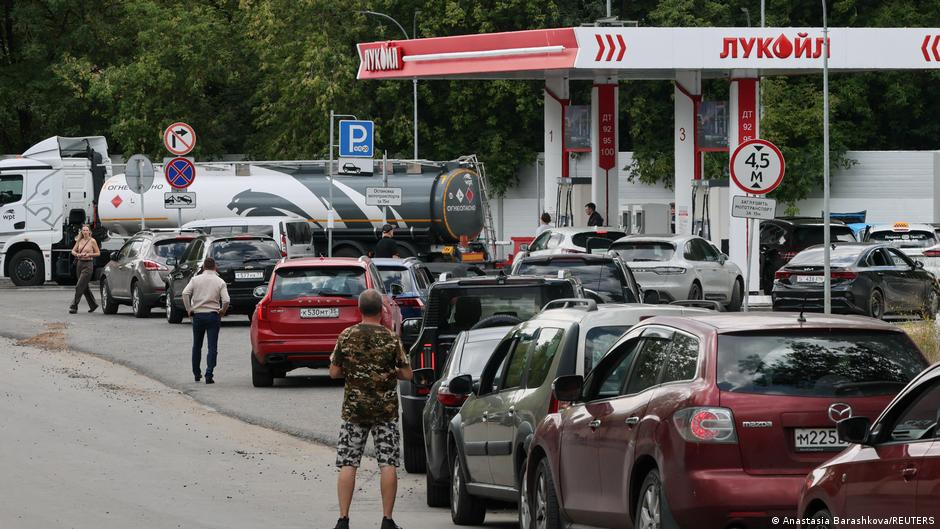
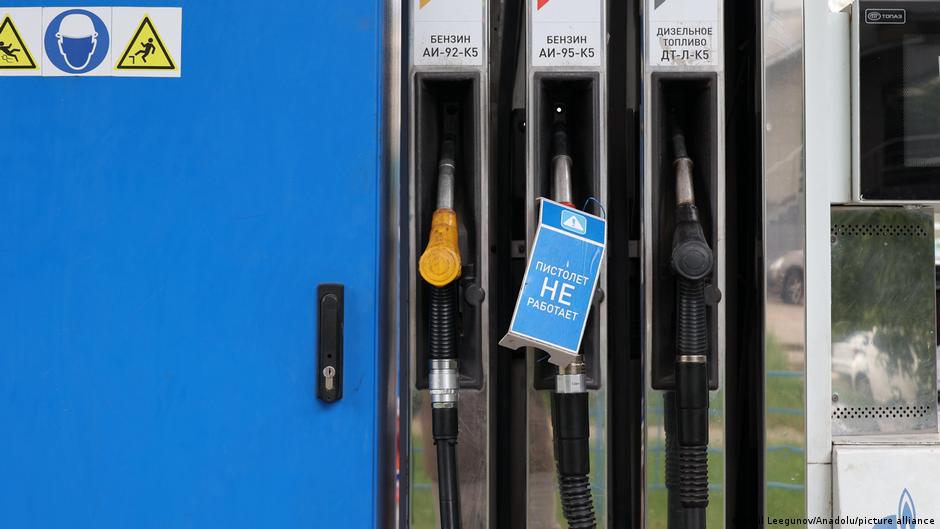
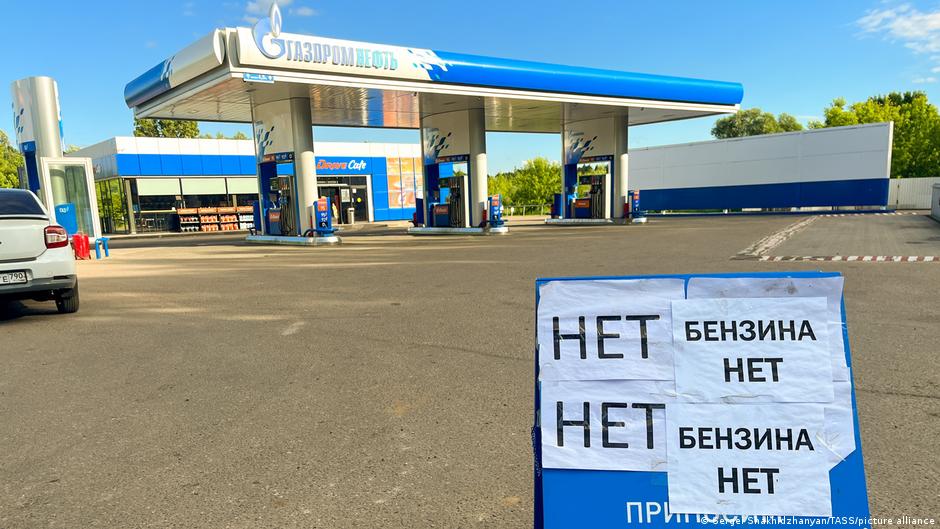
Kaluga and Zabaikalsky Krai have restored gasoline limits as refinery strikes deepen Russia’s second wave of fuel shortages.

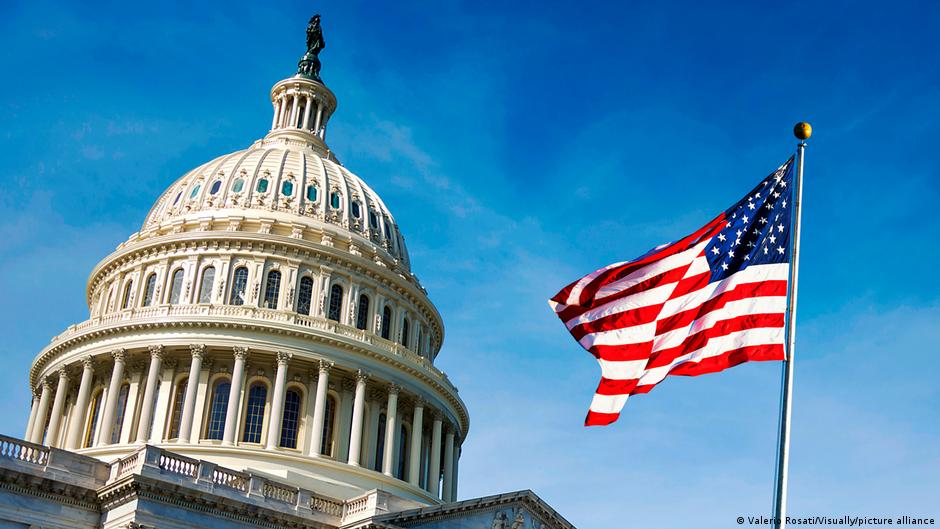
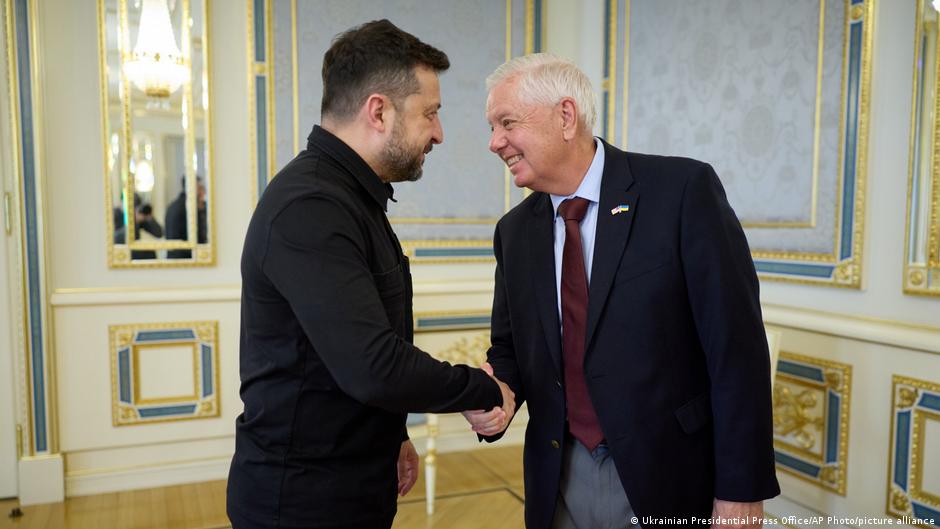
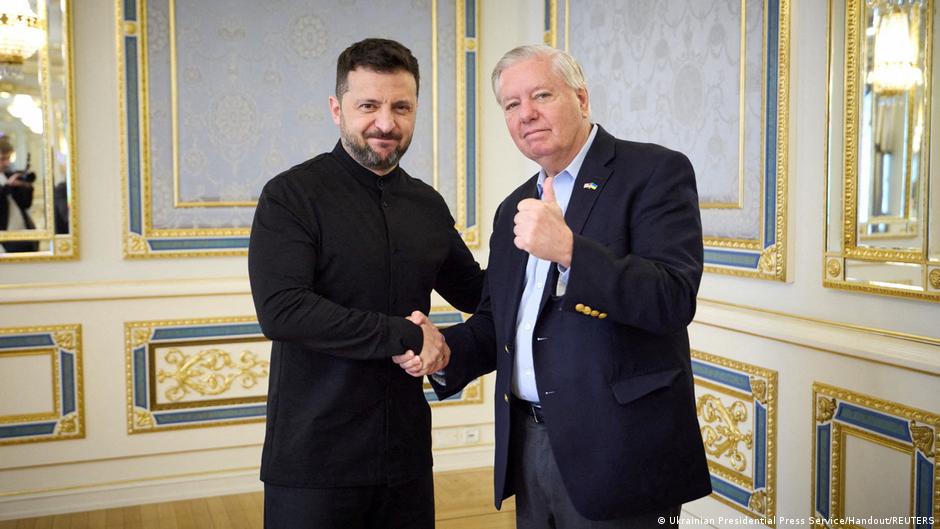
Trump signed the Graham sanctions law, giving him broad authority to target Russian energy buyers, banks, officials and sanctions evasion networks.

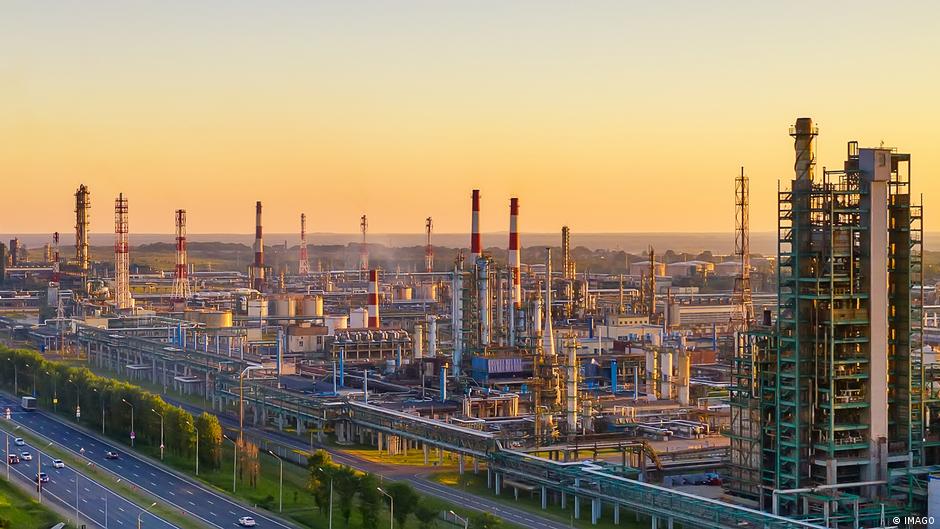
Drone damage has halted the Yaroslavl refinery, adding to Russia’s fuel shortages and exposing vulnerabilities in wartime refining capacity.

The House advanced a bill allowing Trump to impose 100% tariffs on major buyers of Russian energy, setting up a full vote this week.

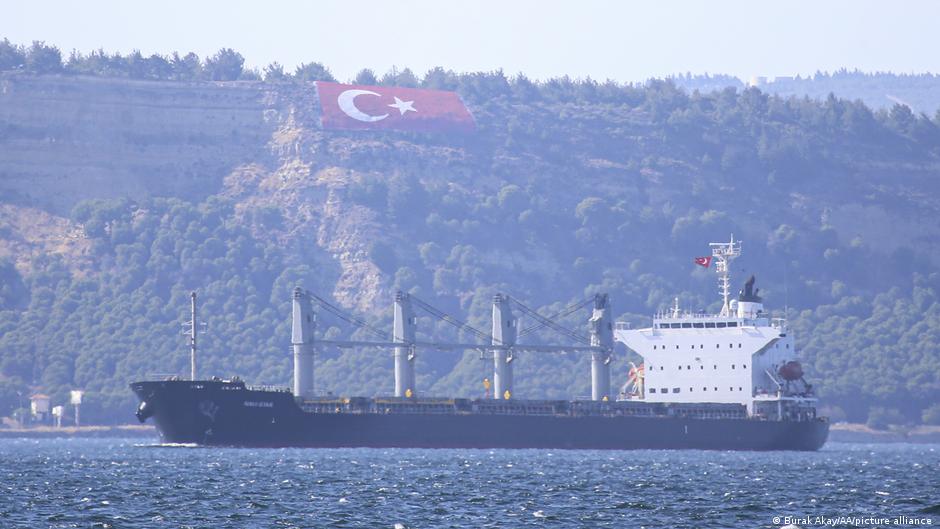
Turkey has reopened its straits to commercial ships after a temporary halt linked to security concerns amid escalating Russian-Ukrainian maritime conflicts.

The US Senate has approved a broad sanctions package targeting Russia’s economy, with strong support from the EU and Ukraine to intensify pressure amid ongoing conflict.

Russia permits sale of Euro-2 to Euro-4 fuels until 2027, citing energy infrastructure damage and a fuel supply crisis triggered by conflict-related disruptions.

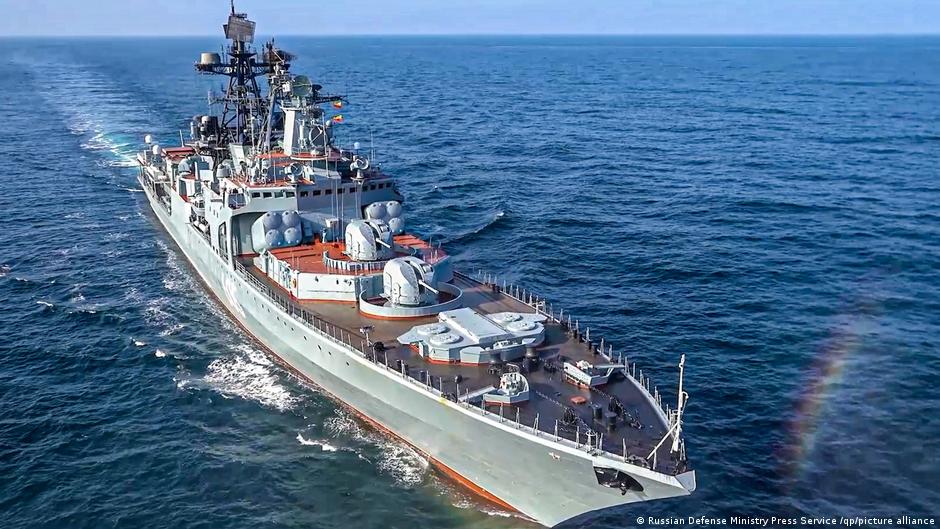
Russia has repositioned the Northern Fleet destroyer Admiral Levchenko to the Baltic Sea near Germany to protect its maritime shadow fleet amid increased sanctions and tensions.

The U.S. Senate advances the Graham Sanctions bill to impose steep tariffs on Russia and its energy partners, signaling a strategic intensification of economic pressure.

Russia’s oil and gas revenues in July may exceed last year’s by 60%, driven by higher prices and taxes despite EU sanctions aimed at restricting budget financing.

Russia’s oil product production index fell nearly 22% in June amid war-inflicted damage to refining capacity, signaling deep structural economic challenges.

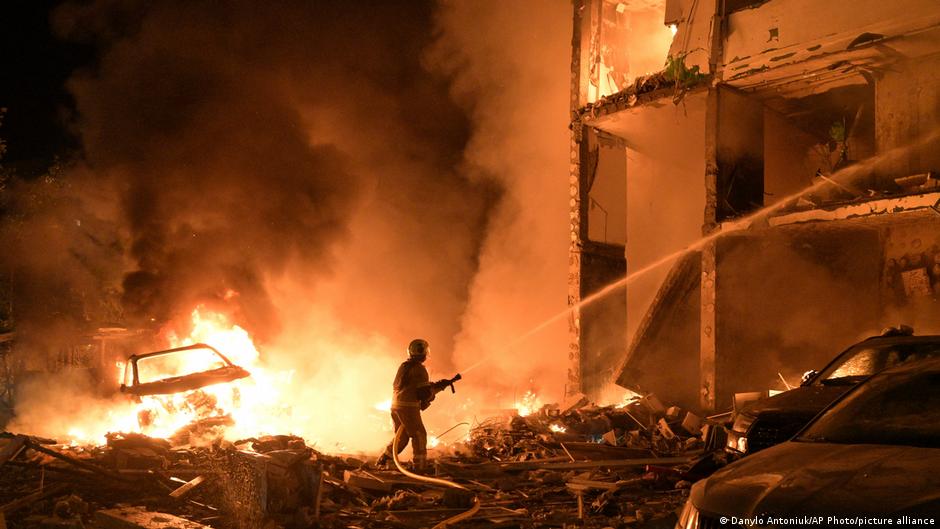
Russian ballistic missile attacks on Kyiv resulted in six injuries and significant infrastructural damage amid escalating civilian casualties and strategic drone strikes.

In June 2024, Russia reduced its drone and missile strikes on Ukraine significantly, signaling possible operational and economic adjustments amid ongoing conflict dynamics.

Italy and France express doubts over the EU’s proposed entry ban on Russian combatants, fearing enforcement challenges and unintended restrictions on all Russian nationals.

Russia's maritime oil exports reached their highest weekly volume in 2026 amid US sanctions relief for Iran and lower global prices, highlighting complex geopolitical and economic challenges.

Widespread fuel sales restrictions are imposed across Russia due to production slowdowns following targeted drone strikes on oil refineries, affecting 53 regions.

The EU agreed to extend sanctions on Russia for one year, reflecting political shifts and signaling deeper economic impacts amid ongoing conflict in Ukraine.

The UK has issued an indefinite license allowing imports of Russian-origin diesel and kerosene to ease fuel prices amid geopolitical energy disruptions.

The US ended its temporary easing of sanctions on Russian oil, a move that had bolstered Russia's revenues amid global energy price volatility and geopolitical tensions.

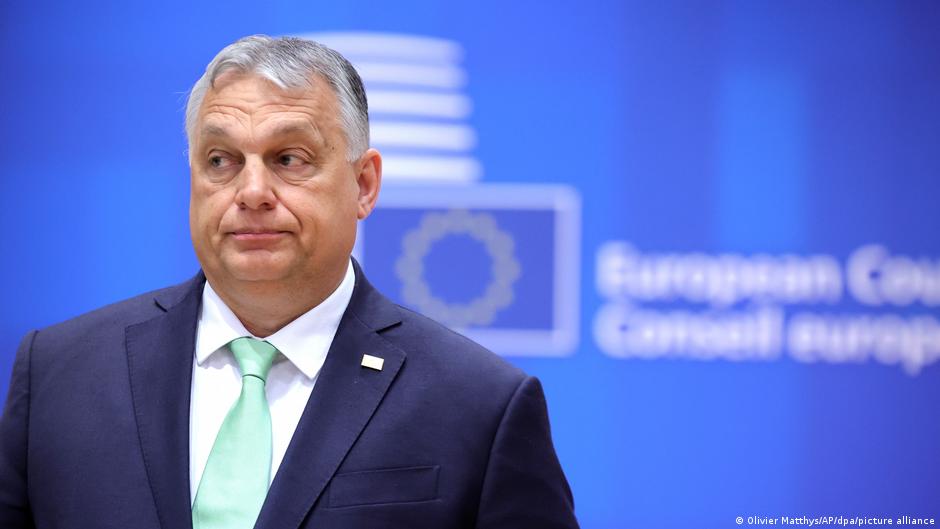
Viktor Orban declines his parliamentary mandate after electoral defeat, signaling a strategic shift as Hungary's new government under Peter Magyar prepares to take office.

The US will not extend sanctions exemptions allowing purchases of Russian and Iranian oil products at sea, tightening energy restrictions amid geopolitical tensions and economic consequences.

The US has extended its temporary waiver on sanctions against Russian oil exports until May 16, 2024, amid rising energy prices and complex geopolitical factors affecting global markets.

Slovakia will block the EU’s 20th sanctions package on Russia until its oil supply through the Druzhba pipeline via Ukraine is restored, highlighting energy security tensions.