Berlin Ukraine Summit Links Security Guarantees to Europe’s Economic Future
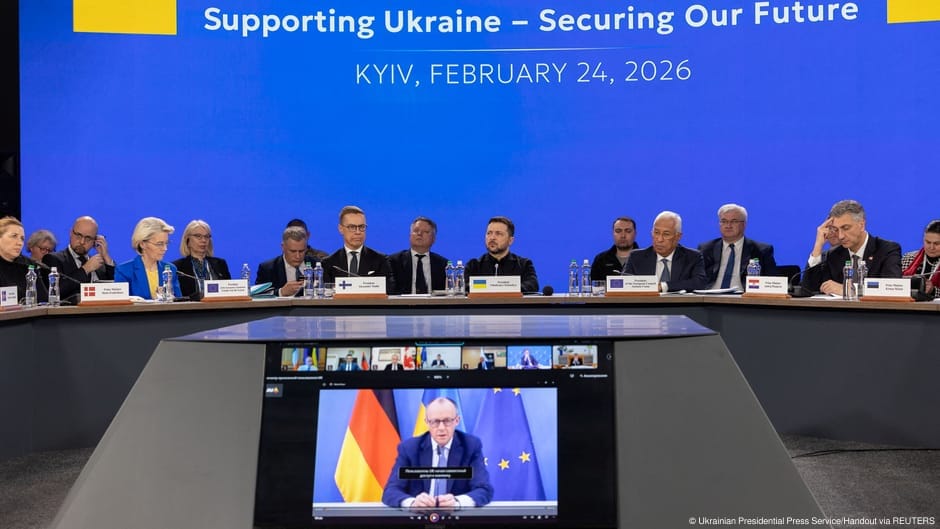
Berlin talks will connect military aid and security guarantees for Ukraine with Europe’s long-term fiscal, industrial and geopolitical stability.

Berlin talks will connect military aid and security guarantees for Ukraine with Europe’s long-term fiscal, industrial and geopolitical stability.

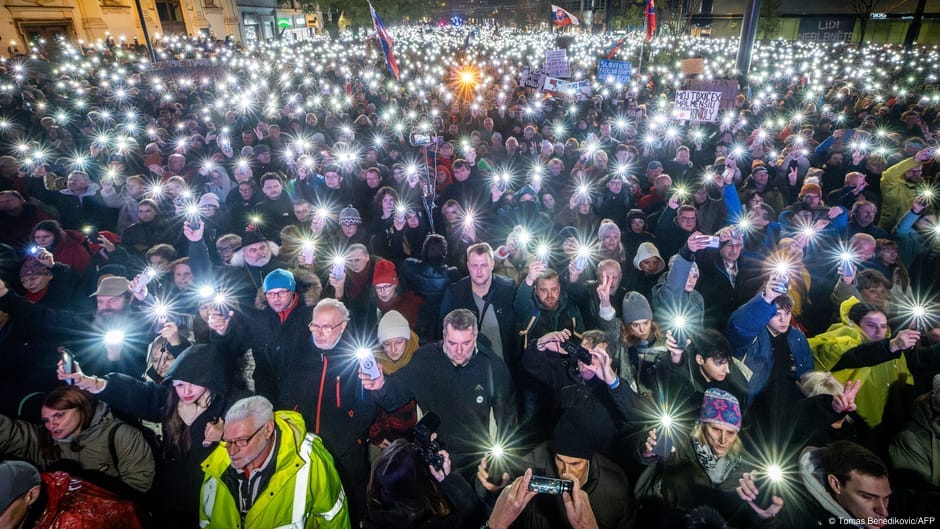
Mass protests against Robert Fico’s government reveal growing concern that political and institutional uncertainty could weaken Slovakia’s economic model.

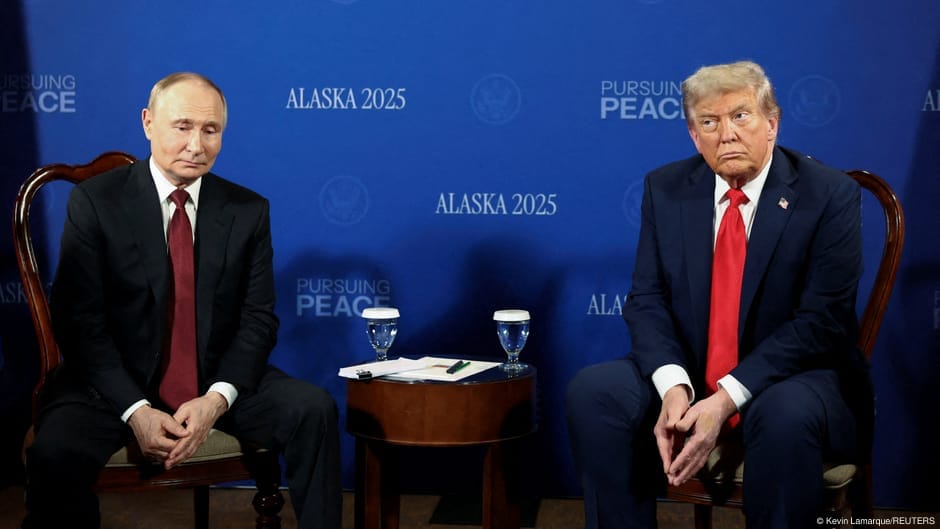
Trump, Putin and Xi are expected to open three-way nuclear arms talks at APEC, while Ukraine remains outside the planned Shenzhen agenda.

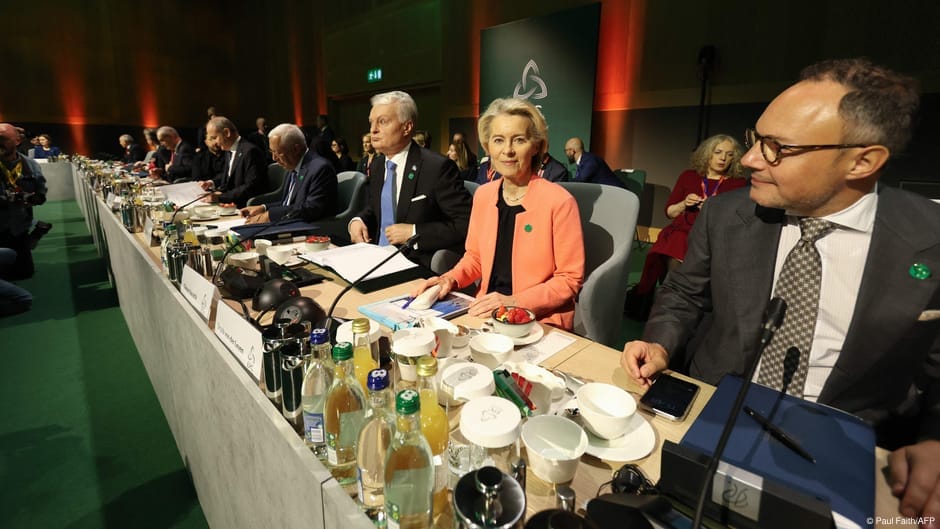
Nearly 40 European states have adopted a security charter that broadens cooperation and could reshape defense spending, fiscal priorities and transatlantic burden-sharing.

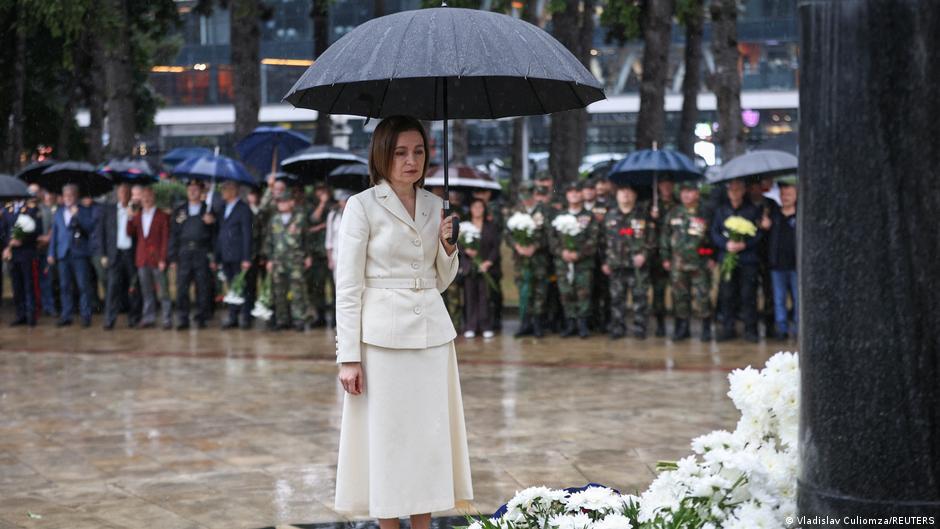
A new Romanian power link gives Moldova more supply options, reduces reliance on Transnistrian generation and supports its wider shift toward the EU.

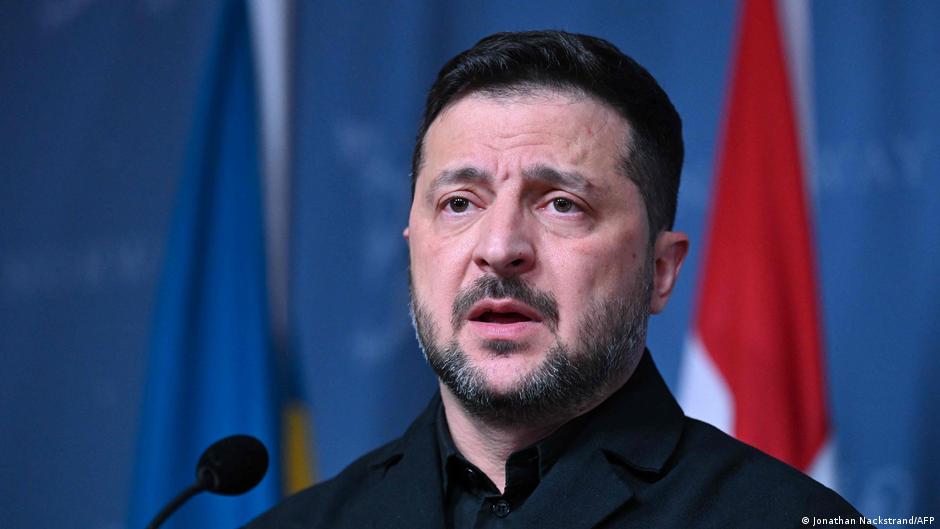
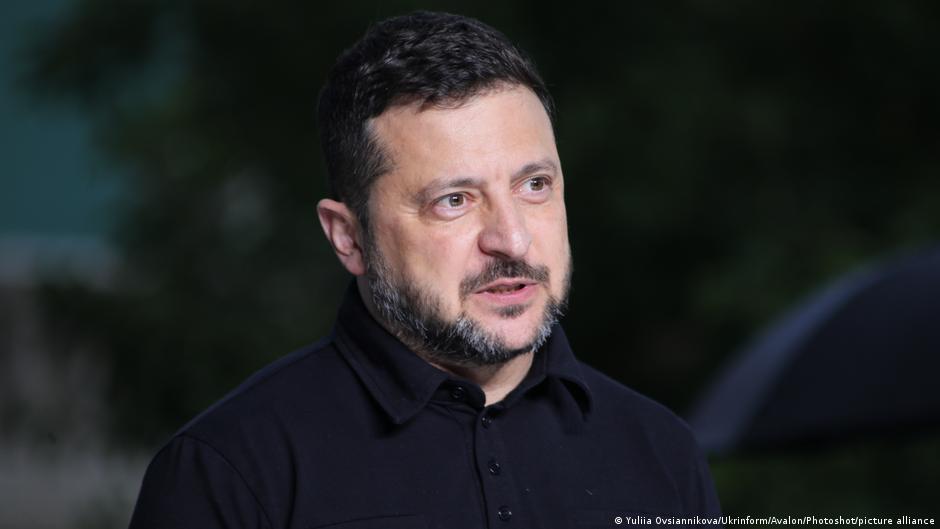
Zelensky expects Democratic control of Congress to expand US military and financial support for Ukraine and reinforce transatlantic coordination.

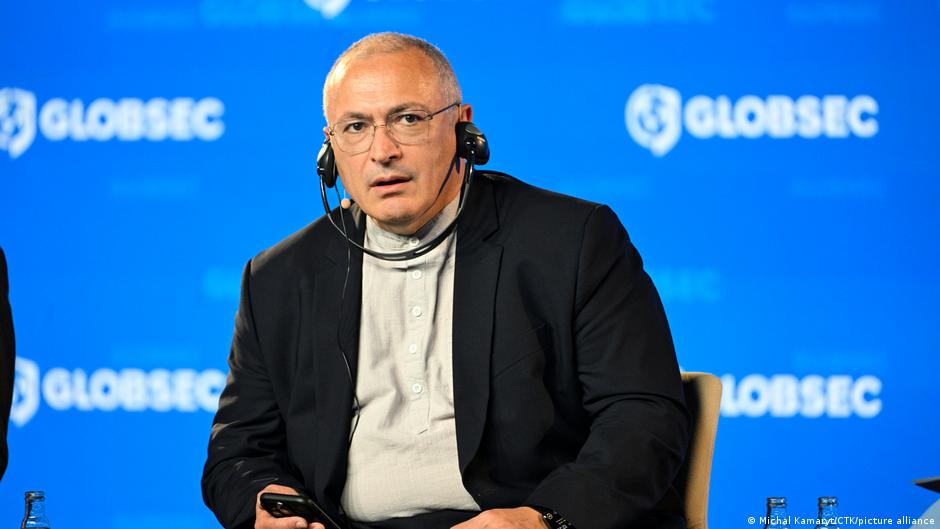
Mikhail Khodorkovsky says Europe needs credible exit routes for Russian elites while avoiding a punitive transition that could trigger armed resistance and renewed authoritarianism.

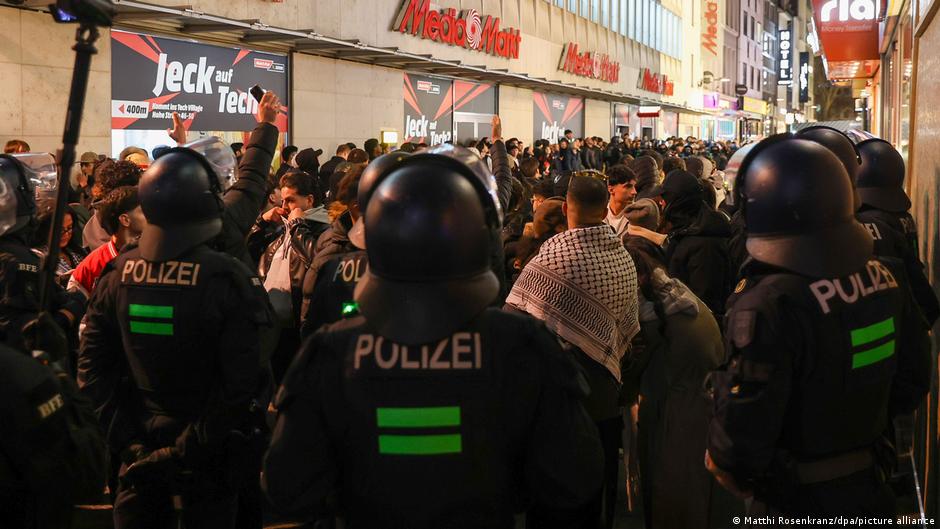
Youth protests across Germany turned violent, exposing deeper disputes over living costs, social spending, climate policy and the distribution of public resources.

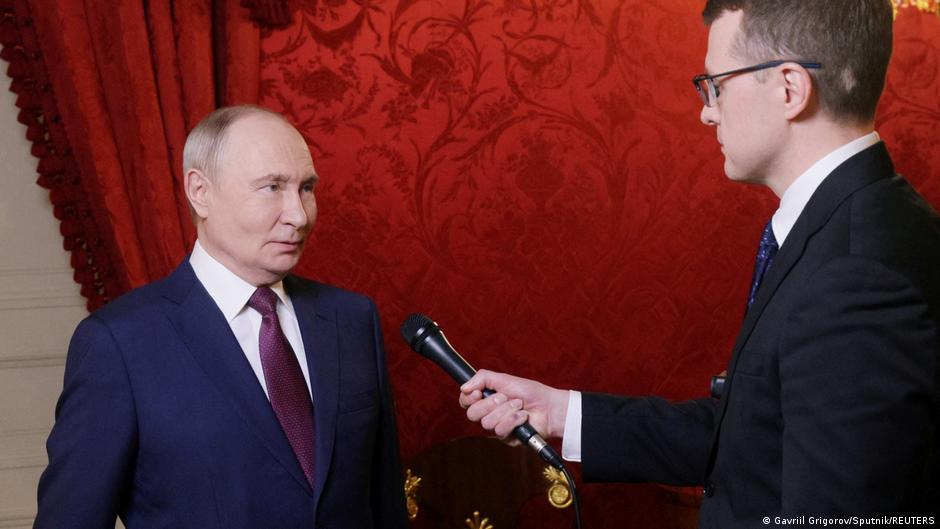
Putin backed renewed US-mediated talks with Kyiv but rejected freezing the war along the current front, leaving territorial demands as the central obstacle.

Trump said Putin is more interested than Zelensky in a Ukraine peace deal, while Kyiv urged U.S. pressure over Russia’s energy ceasefire violations.

Germany’s long-term welfare rolls have reignited debate over Bürgergeld, work requirements and the structural barriers keeping people out of work.

Zelensky warned that a U.S.-Russia diesel deal could strengthen Moscow’s war economy unless tied to clear de-escalation commitments.

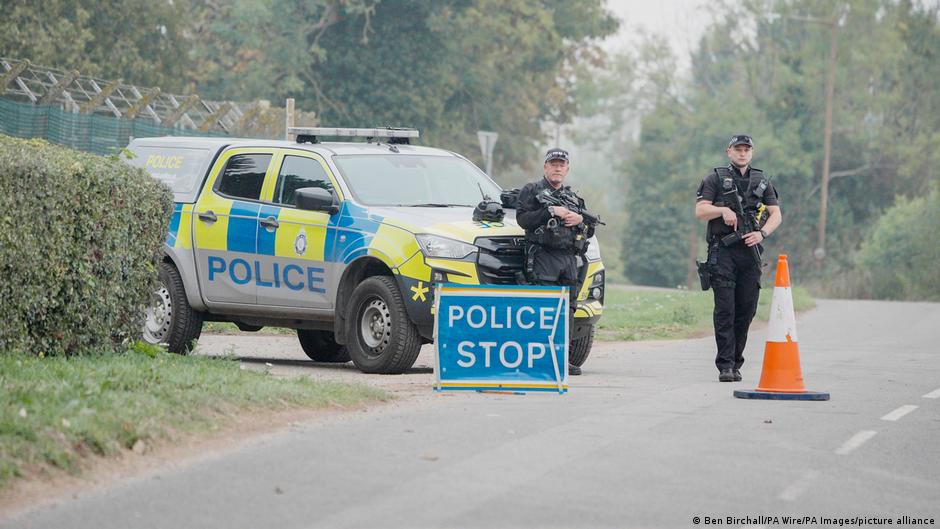
Two Latvian citizens were detained after breaching RAF Molesworth, prompting scrutiny of security risks around NATO and US-linked facilities in Britain.

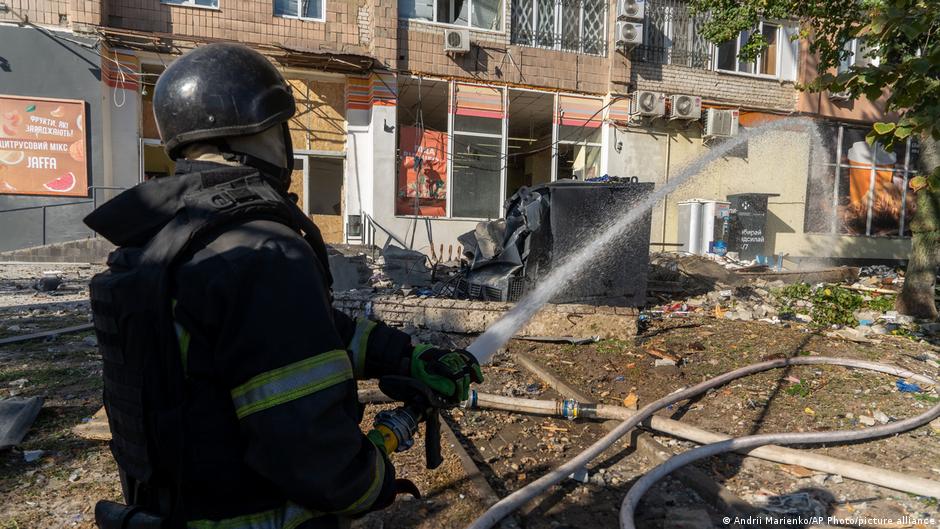
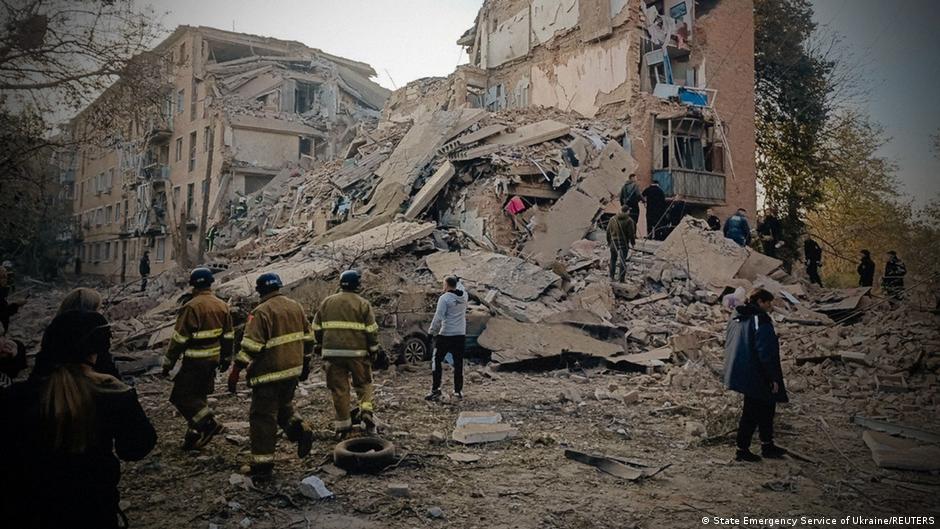
Ukraine said 28 people were killed in a Russian missile and drone barrage, while Zelensky linked the attack to sanctions pressure and oil revenue.

Western governments are preparing contingency plans to move embassies from Kyiv as Russian strikes intensify against Ukraine’s cities and energy system.

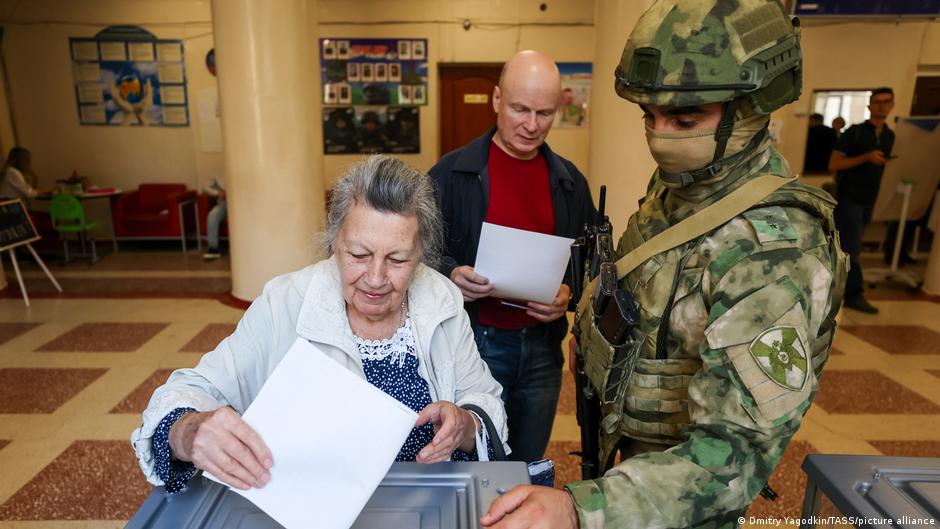
Kyiv sanctioned 44 people tied to Russia’s Duma vote in occupied Ukrainian regions, targeting Moscow’s effort to normalize control.

The EU will add €710 million in humanitarian aid, with major allocations for Africa, migration pressures, Ukraine and crisis response.

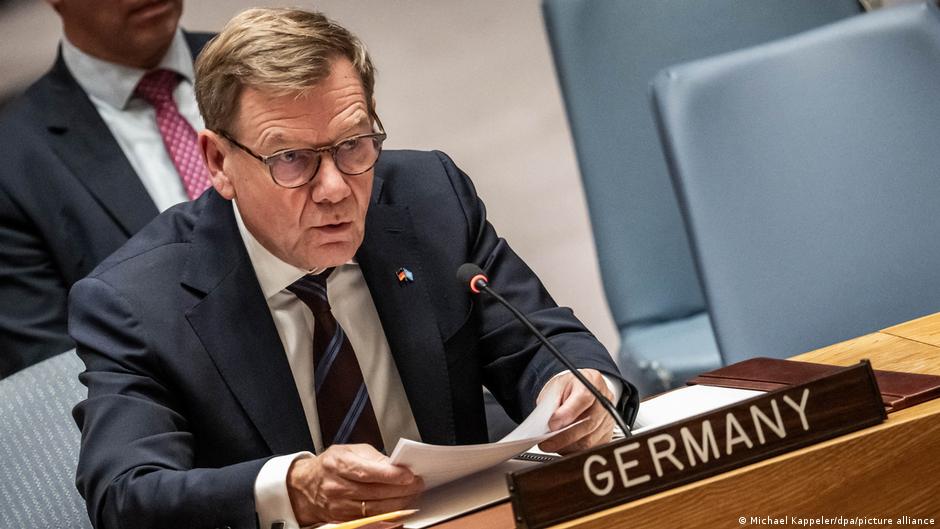
Germany says Putin’s possible G20 attendance should be judged by whether Russia first signals seriousness on Ukraine through a ceasefire.

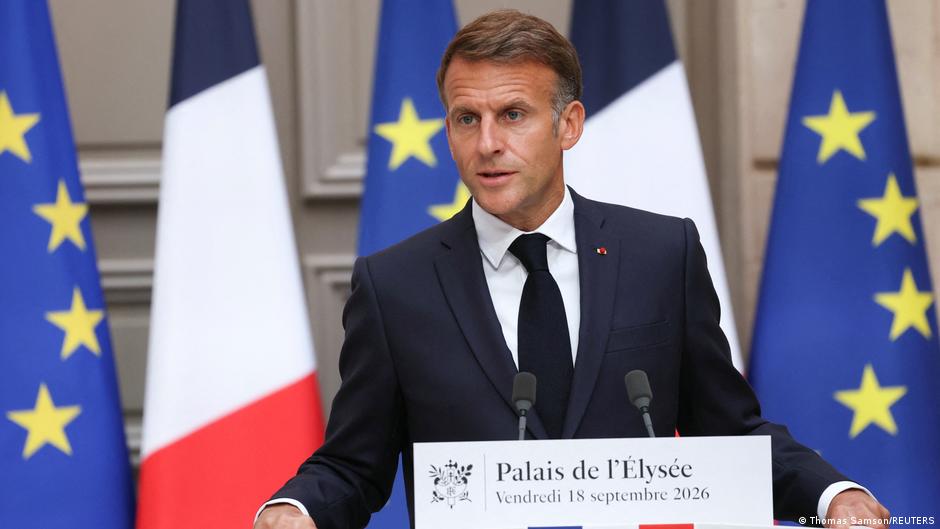
Macron says France sees a Russian mobilization of about 300,000 as credible and warns Europe may face wider hybrid attacks.

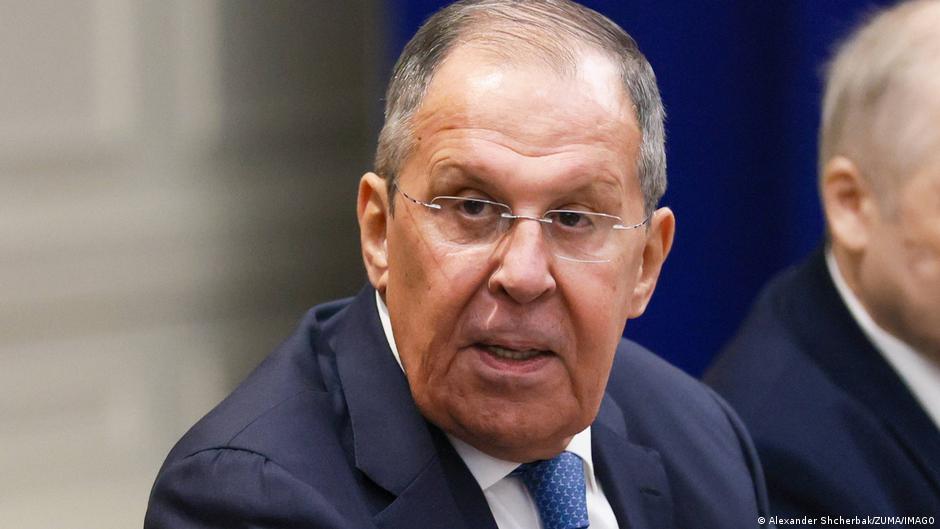
Lavrov said Russia will not pause operations for Ukraine talks, framing diplomacy as part of a wider contest over time, arsenals and leverage.

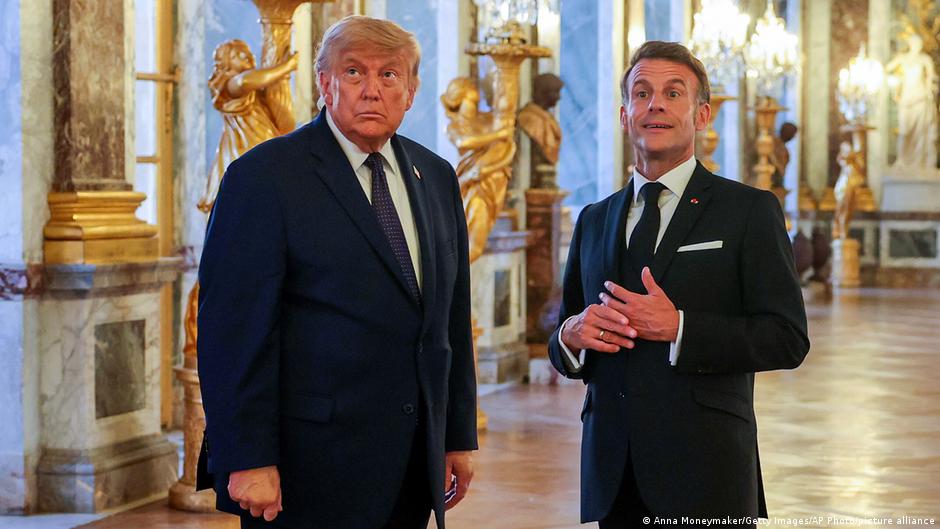
Macron said France and the U.S. would seek a moratorium on strikes against Ukraine’s energy and civilian infrastructure while boosting air defenses.

The Left Party’s Berlin victory puts housing expropriation, coalition arithmetic and fiscal risks at the center of the city’s next government.

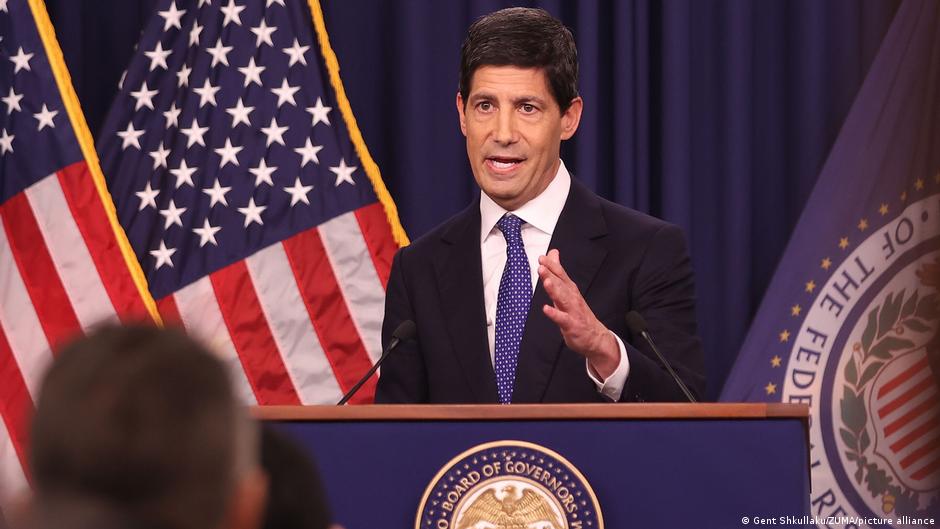
The Fed lifted rates to 3.75-4 percent, citing persistent inflation and reviving tensions between price stability, credit costs and politics.

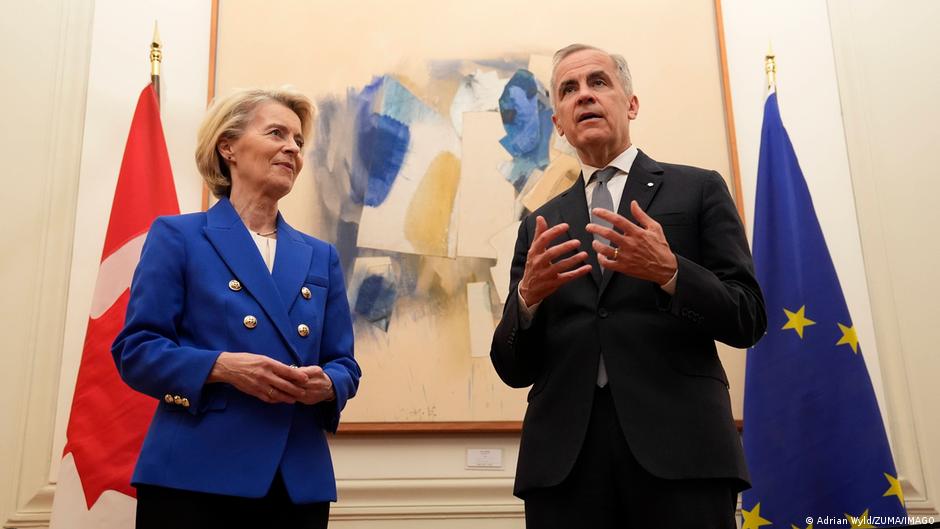
Canada is negotiating to join the EU’s €90 billion Ukraine loan as Ottawa seeks deeper European ties and less reliance on the U.S.

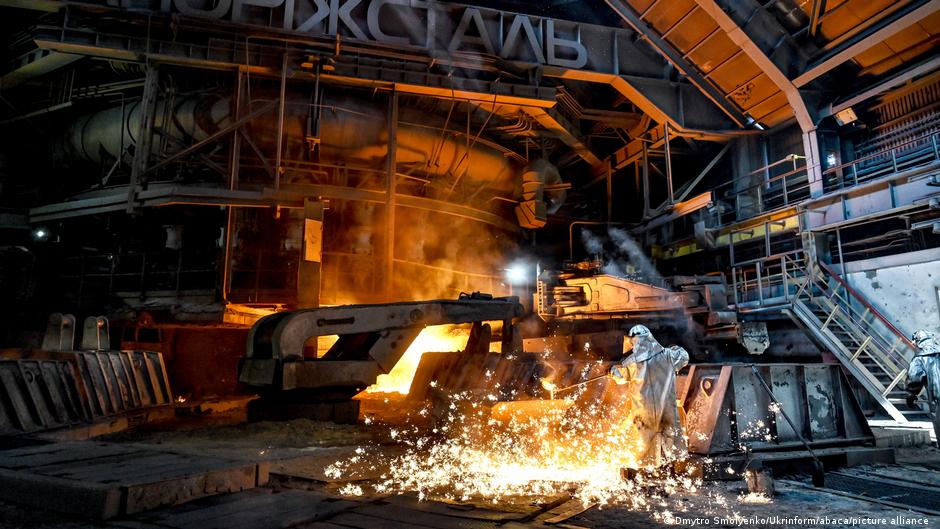
Critical damage at Zaporizhstal threatens Ukrainian steel output, regional employment and tax revenues after repeated Russian missile strikes.

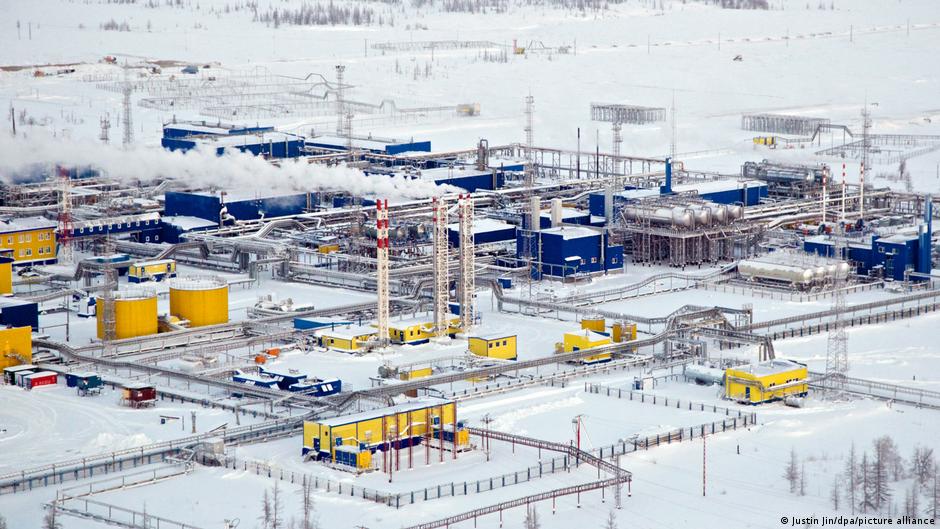
A first reported drone attack on Yamal-Nenets puts Russia’s Arctic gas infrastructure under new scrutiny as economic risks widen.

Germany's 2027 budget plans increased spending and borrowing, focusing on defense amid Russia-related security concerns, raising debates over economic growth and fiscal sustainability.

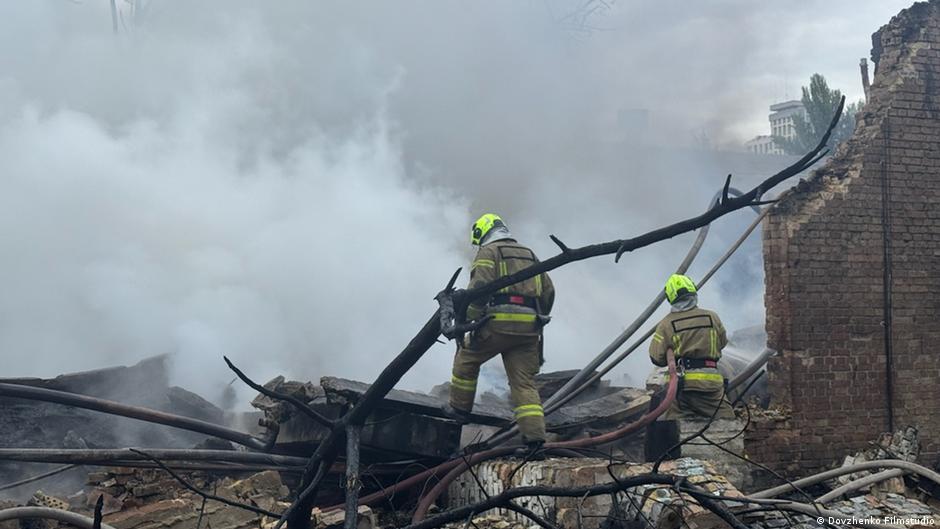
Russian ballistic missile attacks on Kyiv and other key Ukrainian regions highlight increasing economic risks and infrastructure damage amid ongoing conflict.

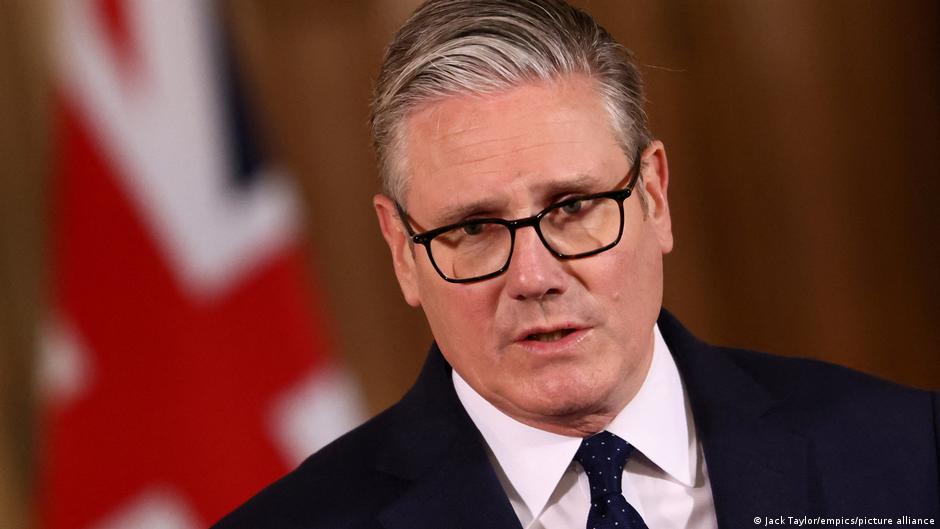
The UK plans to boost defense spending by £18 billion amid political unrest, raising questions about economic sustainability and strategic priorities.

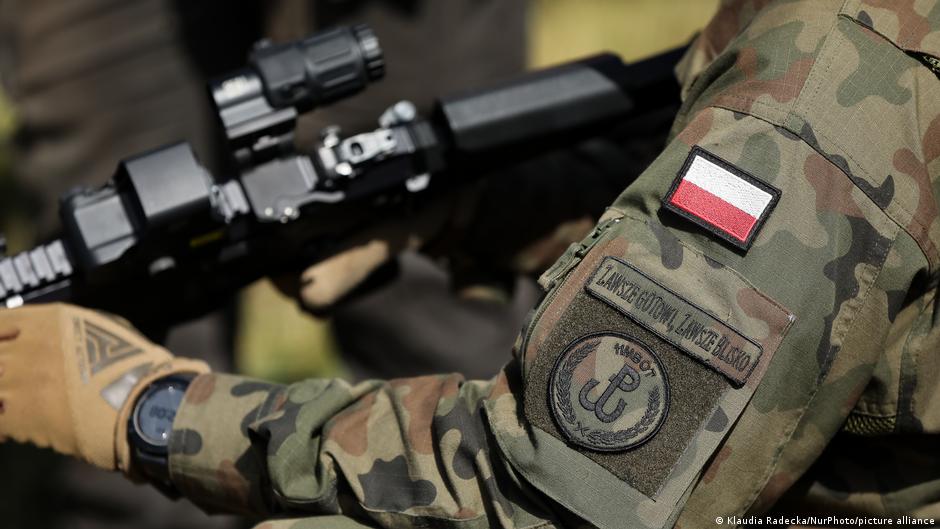
Poland signs a €44 billion EU loan agreement under SAFE to modernize its defense forces despite presidential veto, raising important questions about future fiscal impacts.

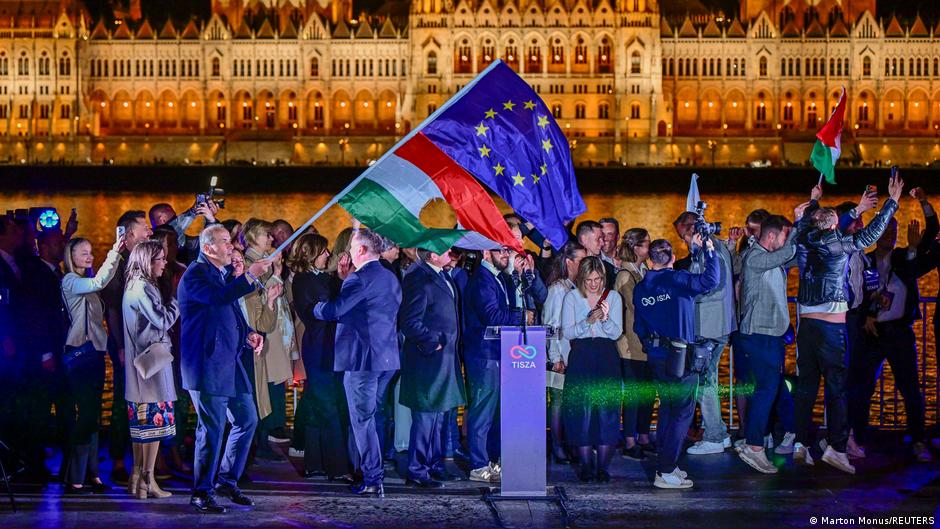
Hungary's new government initiates talks to lift the EU’s freeze on €35 billion in funds withheld over democratic concerns under Orban’s administration.