Slovak Protests Expose Economic Risks of Fico’s Political Realignment
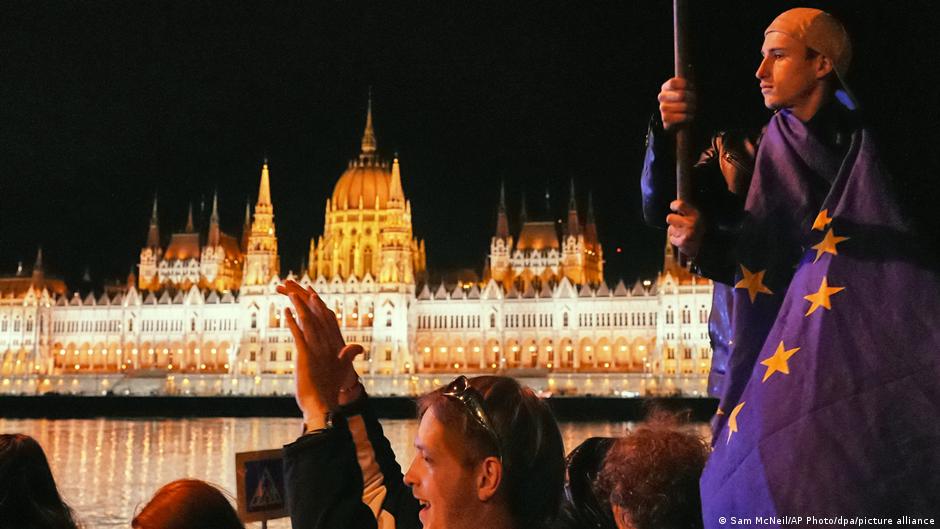
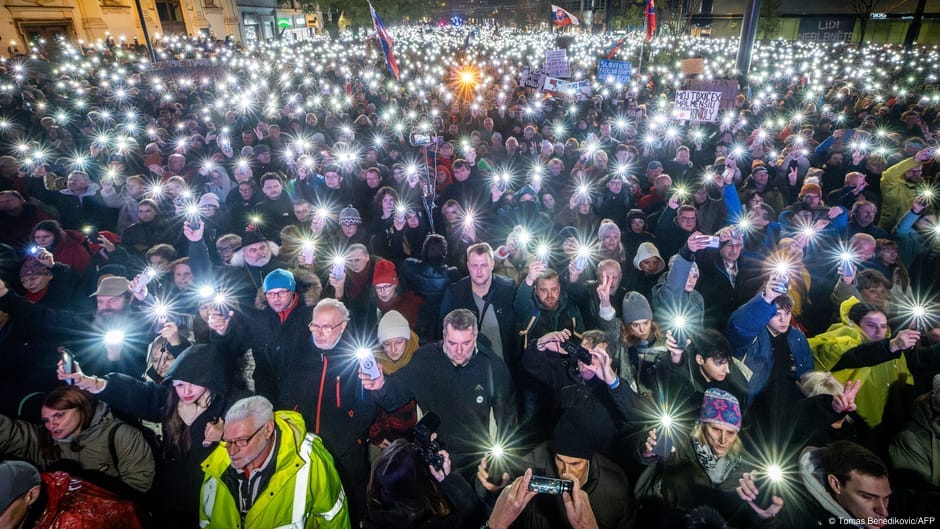
Mass protests against Robert Fico’s government reveal growing concern that political and institutional uncertainty could weaken Slovakia’s economic model.

Mass protests against Robert Fico’s government reveal growing concern that political and institutional uncertainty could weaken Slovakia’s economic model.

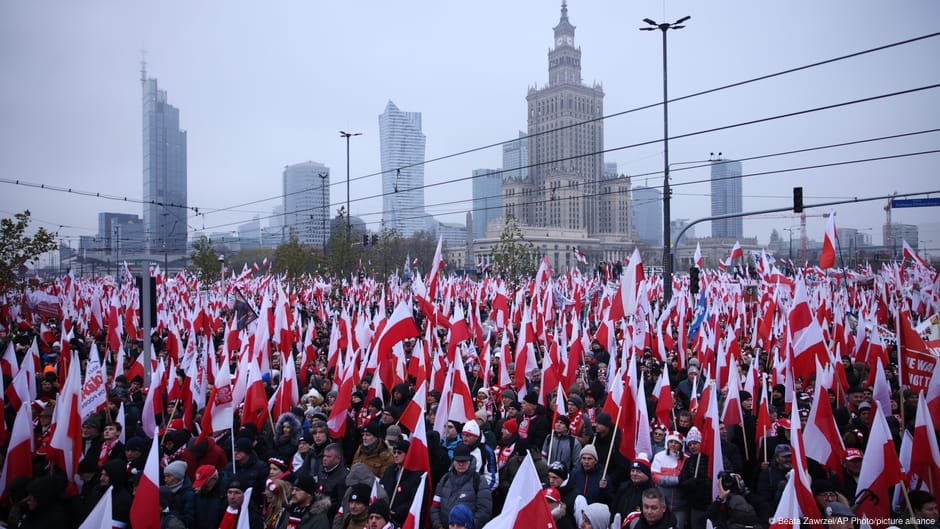
A 250,000-strong Warsaw march highlighted how nationalism and conflict over Poland’s Constitutional Tribunal could shape institutional and economic confidence.

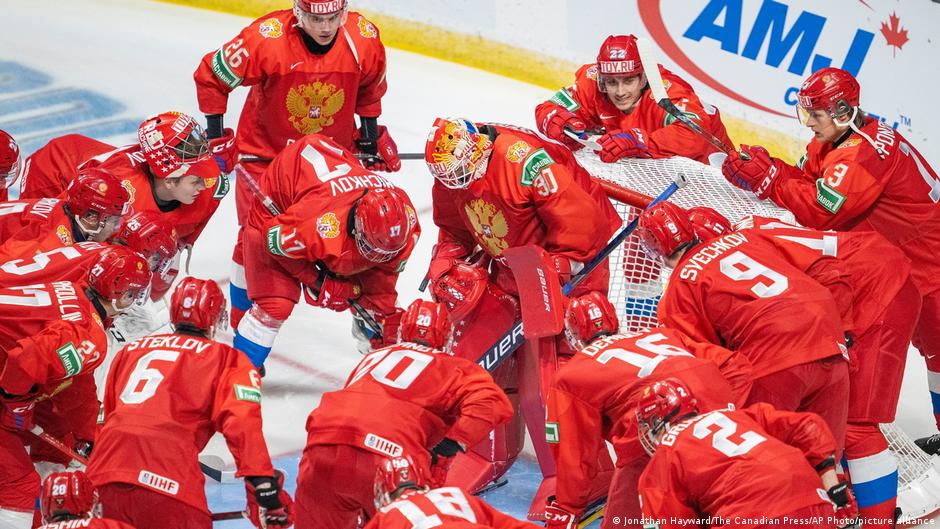
Canada will deny entry to Russian and Belarusian participants at the 2027 World Juniors, highlighting the limits of sports arbitration amid geopolitical sanctions.

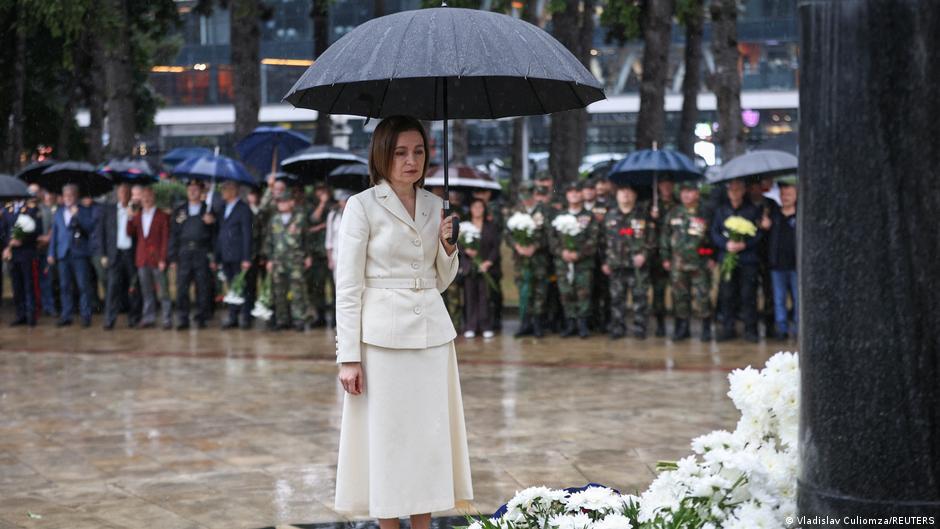
A new Romanian power link gives Moldova more supply options, reduces reliance on Transnistrian generation and supports its wider shift toward the EU.

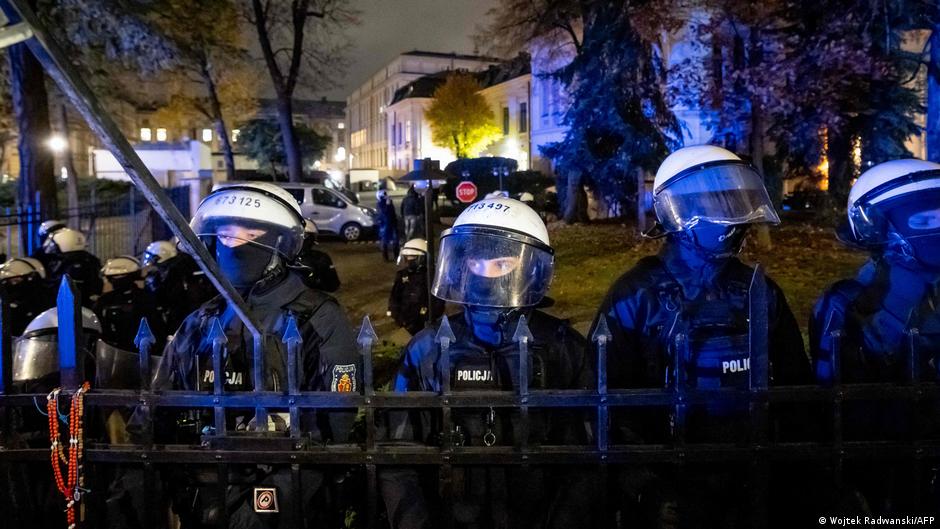
Poland’s Constitutional Tribunal crisis has become a test of judicial authority, political legitimacy and the institutional stability underpinning investment.

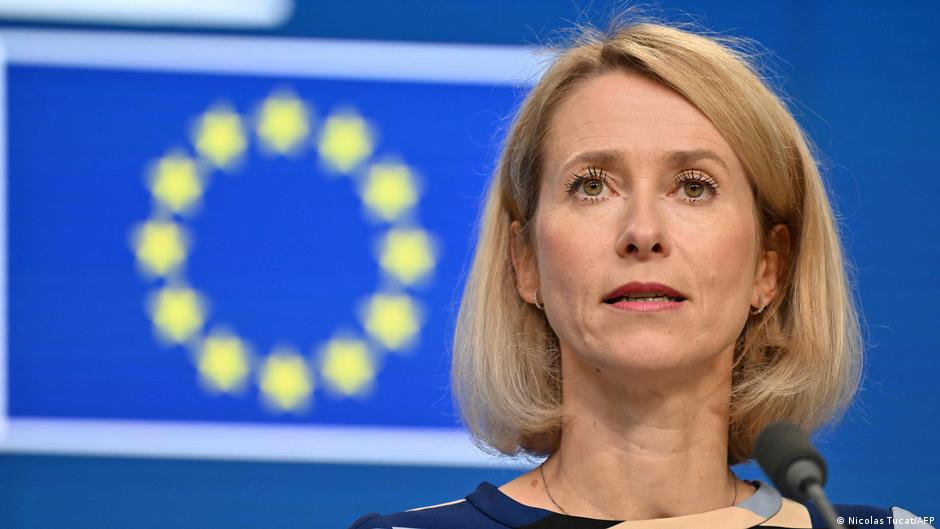
Kaja Kallas said Russia showed no readiness for Ukraine peace talks at the G20 meeting, reinforcing expectations of prolonged economic and diplomatic strain.

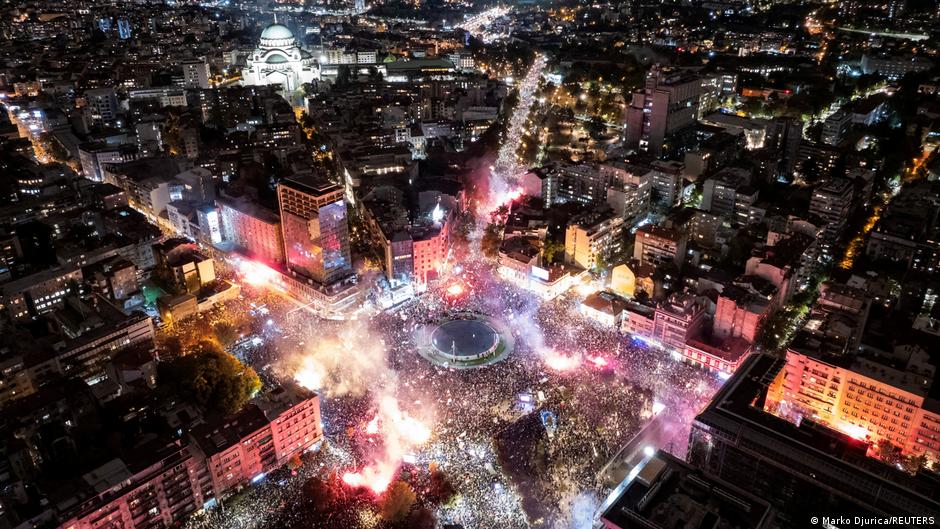
A student-led movement is challenging Aleksandar Vucic as anger over alleged corruption turns Serbia’s snap election into a test of its governing model.

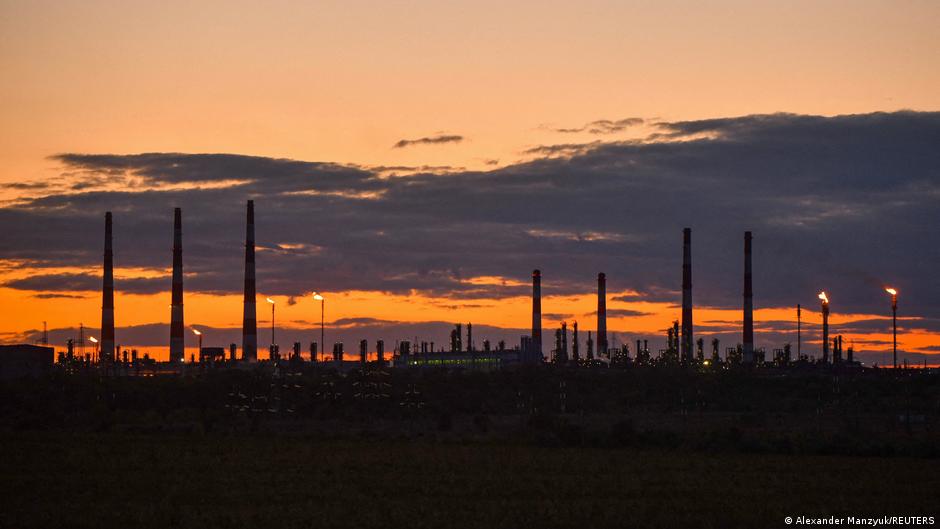
A reported US peace proposal would restore Russian pipeline gas to Europe, challenging the EU’s 2027 phaseout and reopening the debate over cost and dependency.

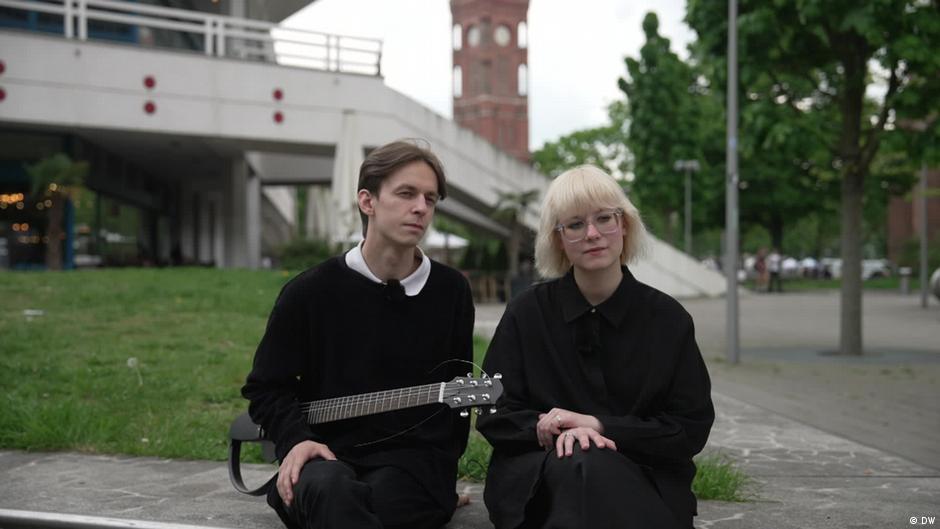
Russia’s designation of two StopTime musicians as “foreign agents” shows how political enforcement can reshape cultural work and accelerate creative migration.

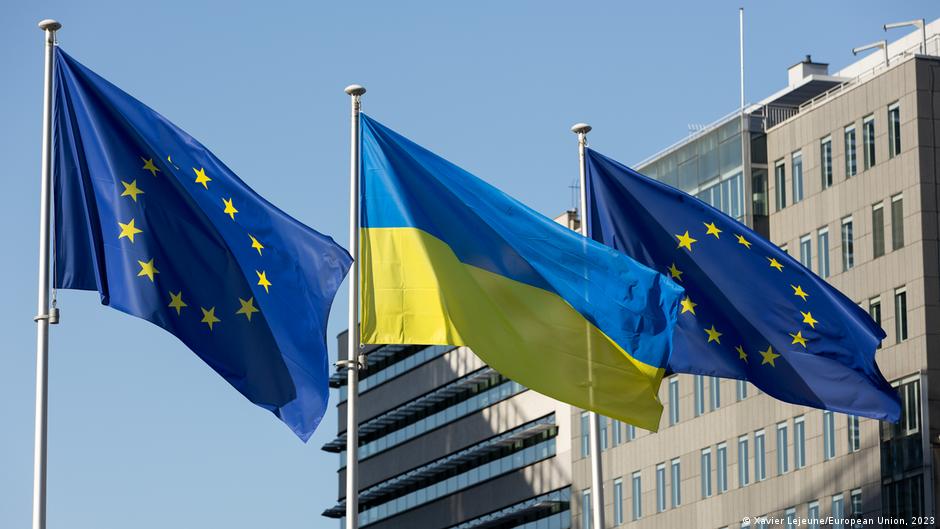
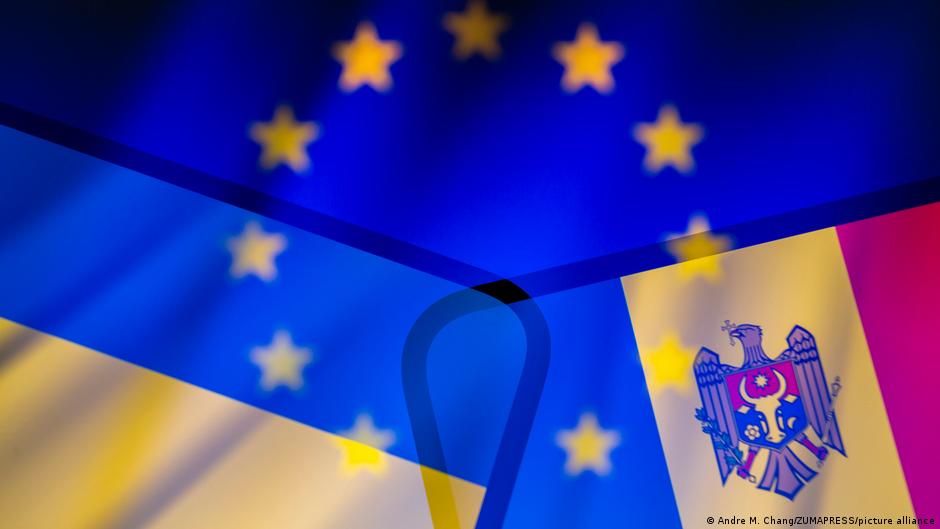
EU states agreed to open internal market and competitiveness accession clusters for Ukraine and Moldova, deepening reform and economic integration talks.

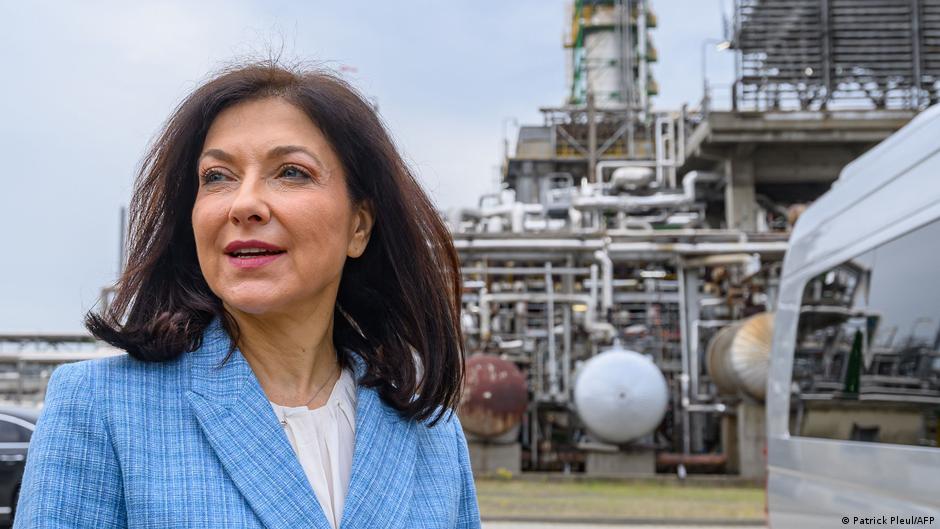
Katherina Reiche warned that the Left Party’s Berlin victory and expropriation plans could harm Germany’s investment climate.

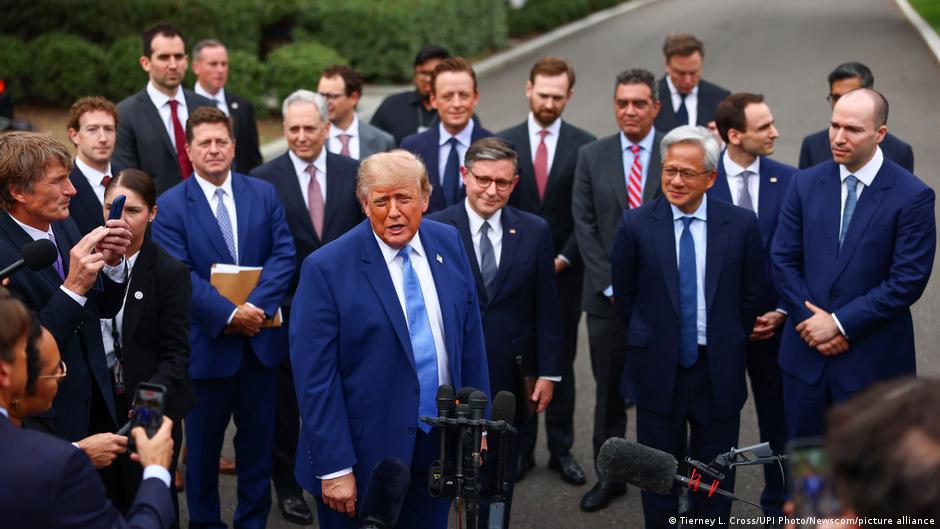
Trump’s AI pact relies on voluntary company oversight, raising questions about safety, competition and America’s race with China.

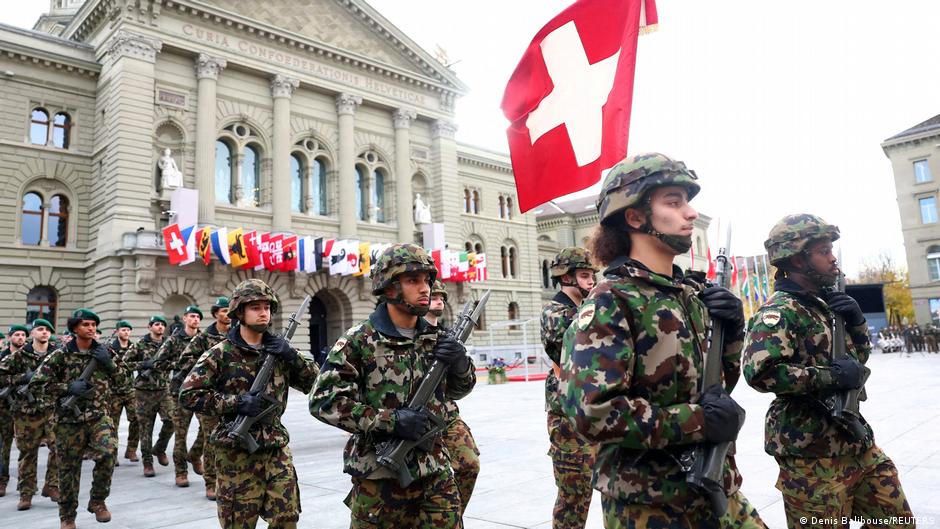
Swiss voters rejected a neutrality initiative that would have restricted sanctions policy and limited cooperation with military alliances.

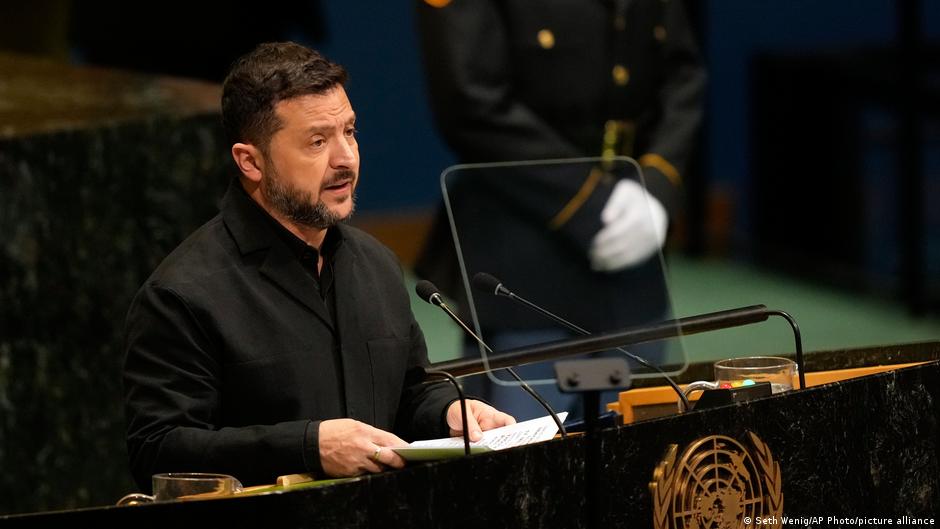
Zelenskyy told the UN that Putin is spreading the idea of war globally and said Ukraine aims to weaken Russia’s ability to finance the conflict.

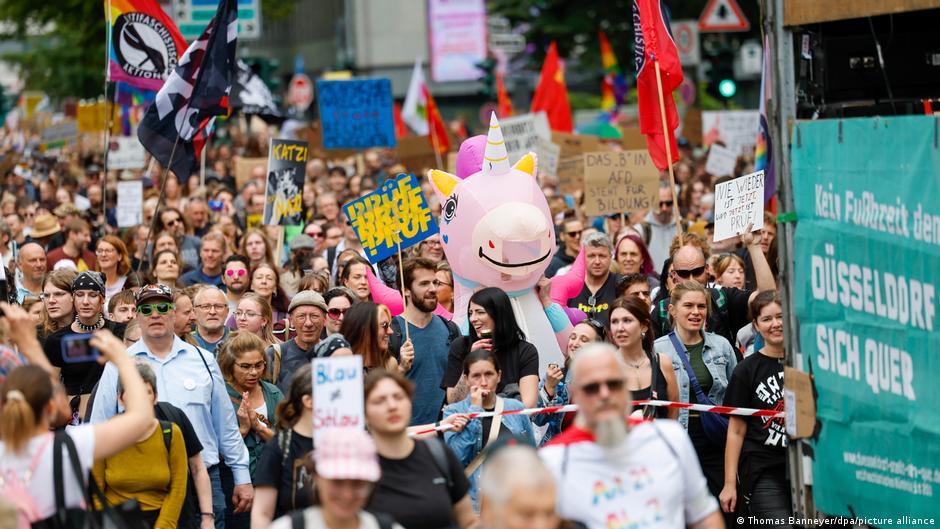
Mass protests across Germany against right-wing extremism show how the AfD debate is becoming an institutional and economic risk.

France warned CNews it could face criminal proceedings if former RT France chief Ksenia Fedorova returns to its programming by video link.

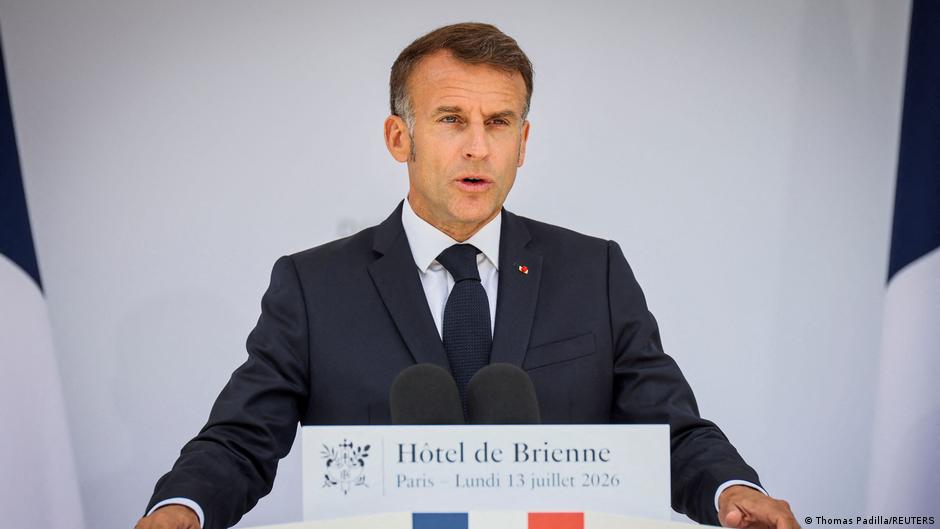
Macron is asking Brussels to craft an EU-wide ban on social media for children under 15 after France’s national law was blocked.

Uzbekistan has overhauled registration, licensing, tax policy and business-rights protection since 2016, redrawing the framework for private enterprise.

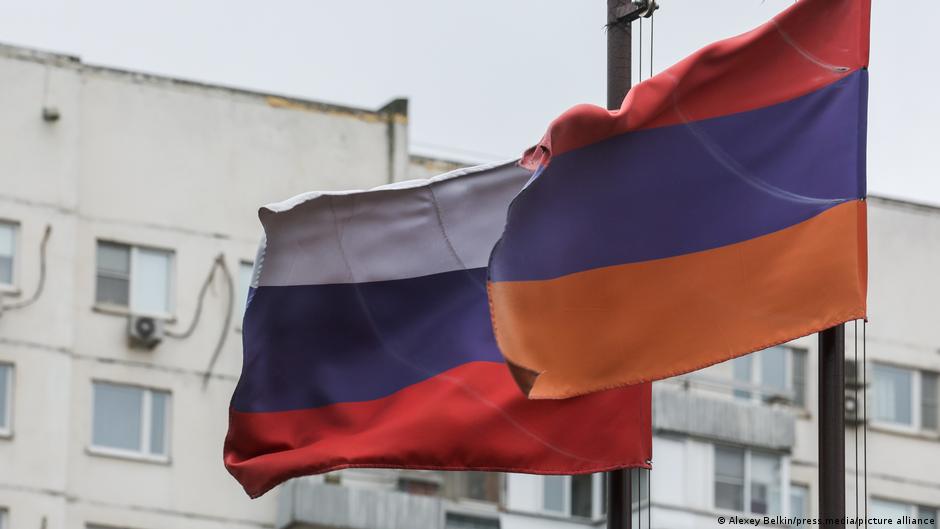
Putin says Armenia’s move toward EU membership would effectively mean quitting the EAEU, deepening a dispute over trade rules, integration and regional influence.

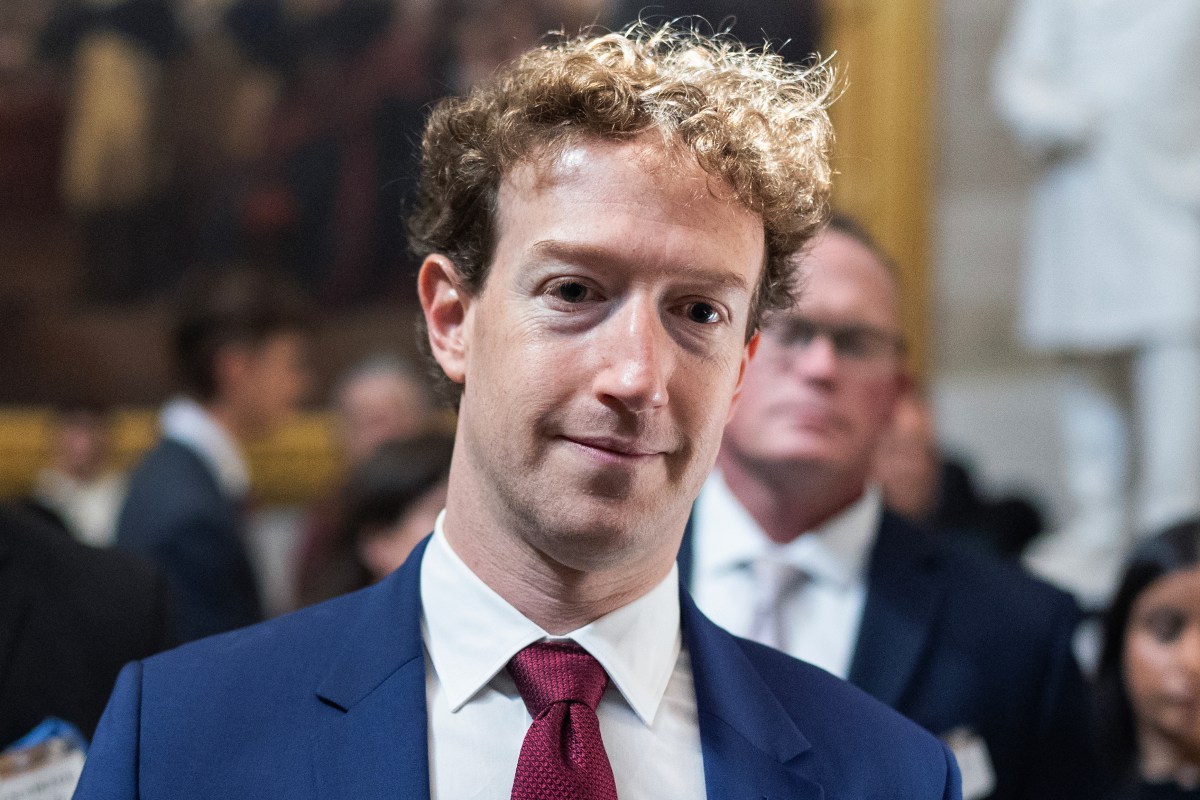
Meta’s $18 billion settlement mandates new child-safety rules reliant on flawed age-verification tech, raising privacy concerns and reshaping digital platform regulation.

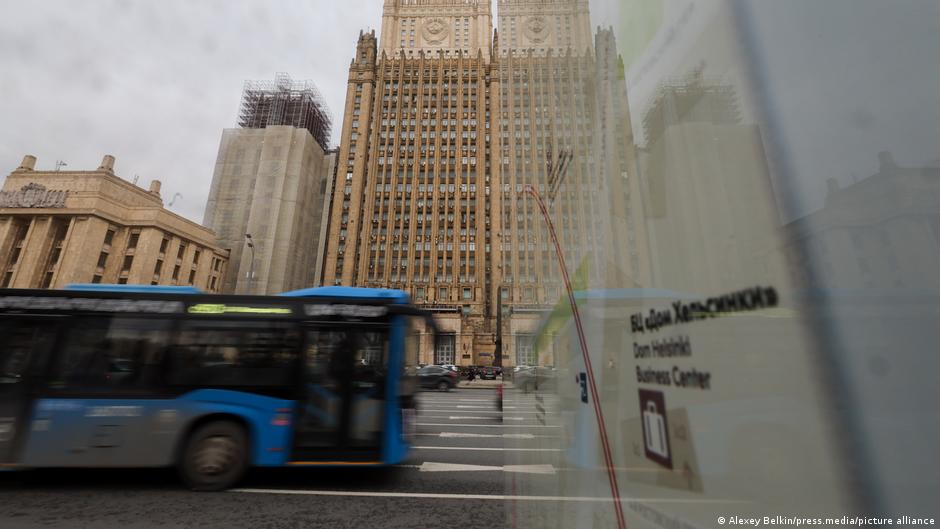
Russia has eased vehicle operation restrictions, enabling individuals with limb loss to drive buses and trucks, reflecting evolving labor policies amid veteran reintegration challenges.

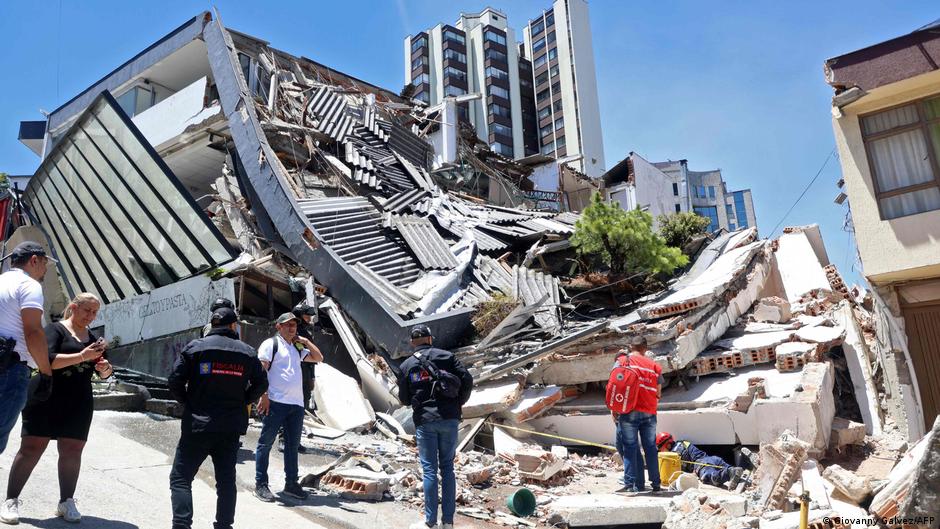
Colombia’s recent 7.4 magnitude earthquake has caused significant loss of life and widespread infrastructure damage, challenging the country’s economic stability and disaster preparedness.

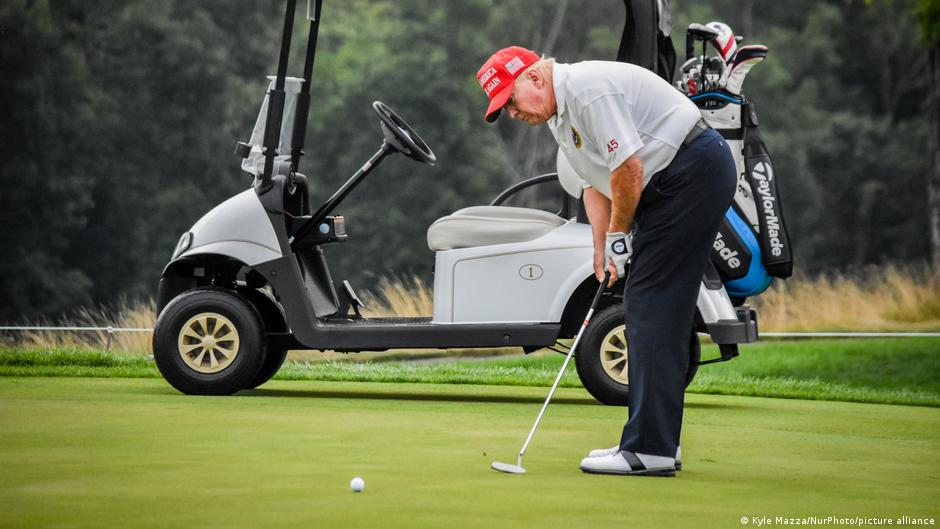
NORAD F-16 fighters intercepted two civilian aircraft violating temporary flight restrictions over Trump’s New Jersey golf club, highlighting tensions between security and civil aviation operations.
Montenegro plans to end visa-free travel for Russian and Belarusian citizens by October 31, 2026, aligning with EU accession requirements and impacting migration and economic ties.

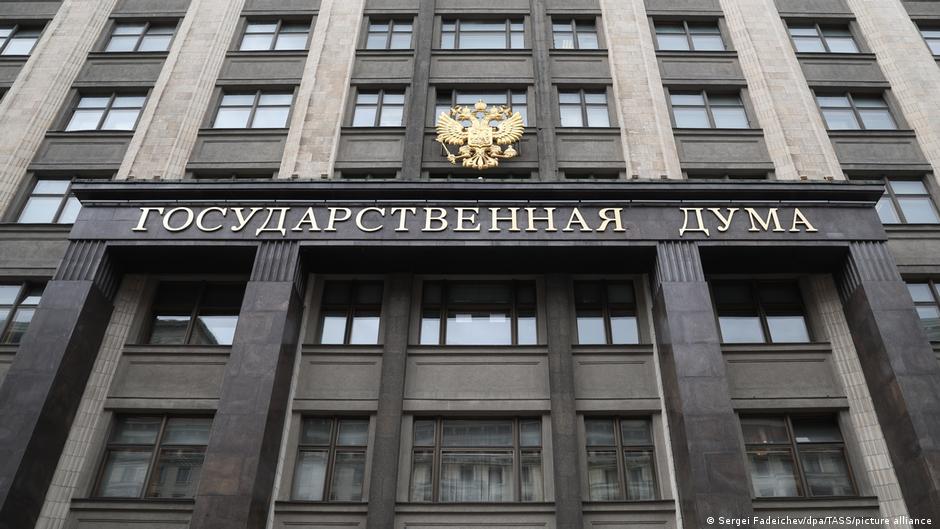
Russia’s State Duma amends fuel dampener rules and import compensations to stabilize domestic fuel prices amid refinery disruptions and export limits.

Hungary blocks Ukraine’s EU accession talks on key economic chapters, citing concerns over Western Balkans' accession timing and signaling challenges for Ukraine’s integration.

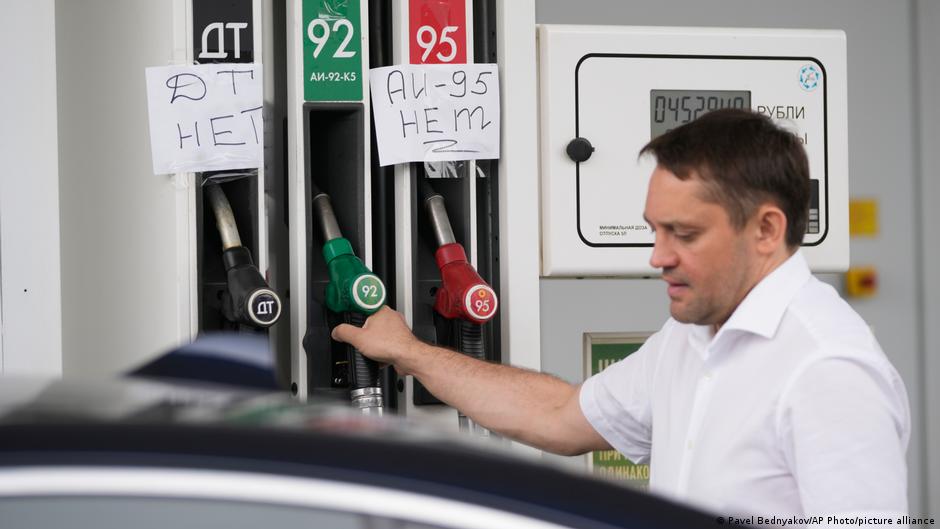
Russia permits use of higher-sulfur Euro-3 fuels domestically until 2026 to alleviate refinery disruptions caused by ongoing conflict, with implications for energy security and environmental standards.
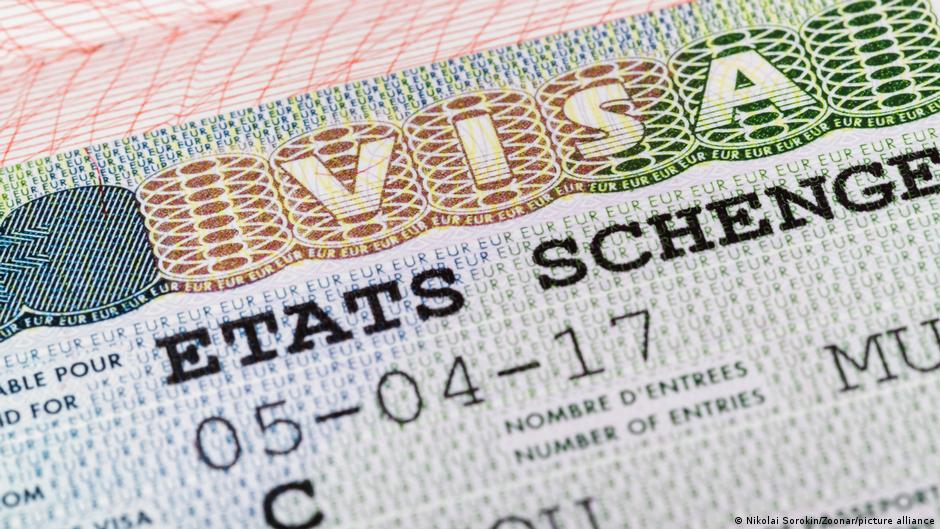
France has imposed stricter Schengen visa rules for Russians, requiring personal submission and biometric data, joining Italy, Spain, and Hungary in tightening EU visa policies.

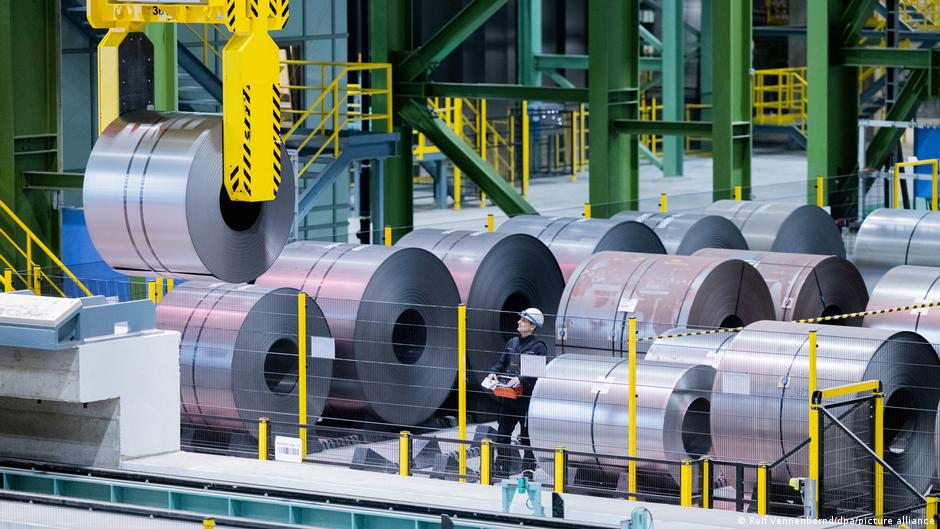
The EU tightens steel import regulations, cutting duty-free quotas by 47% and imposing a 50% tariff on excess imports to protect domestic industry from cheap steel flooding.

Far-right businessman Abelardo de la Espriella wins Colombia’s presidency, promising deregulation and militarized crime control, signaling a shift from leftist reforms under Gustavo Petro.

The EU has commenced formal accession talks with Ukraine and Moldova, initiating the first negotiation cluster that moves the process from preparation to substantive reform discussions.

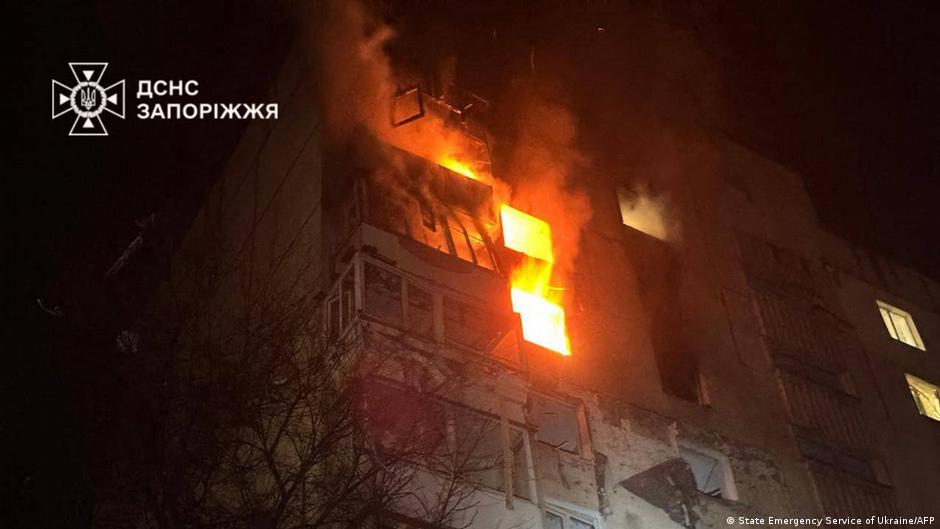
Russian drone strikes on Ukrainian cities Zaporizhzhia and Konotop caused civilian casualties and infrastructure damage, highlighting the conflict's severe economic and humanitarian impact.

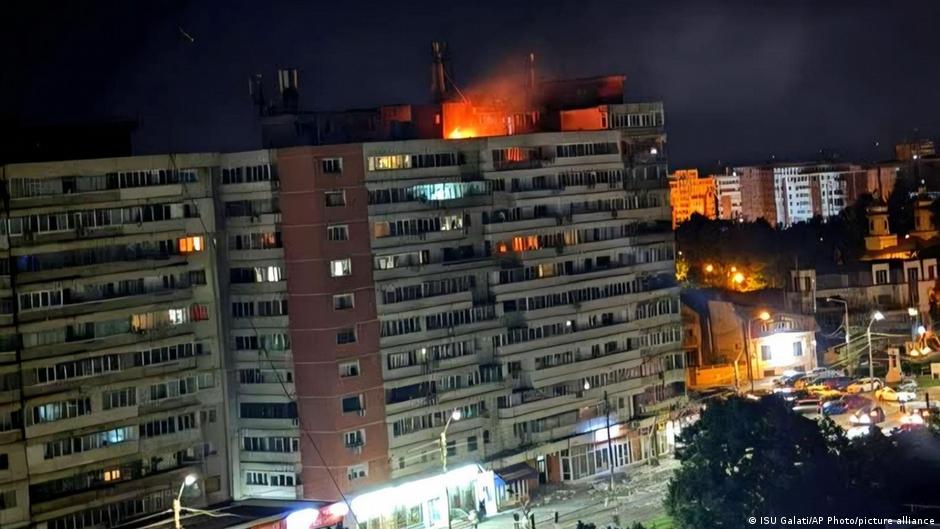
A Russian-origin drone crashed into a Romanian residential building near Ukraine, prompting NATO to call for enhanced air defense and highlighting broader regional security challenges.

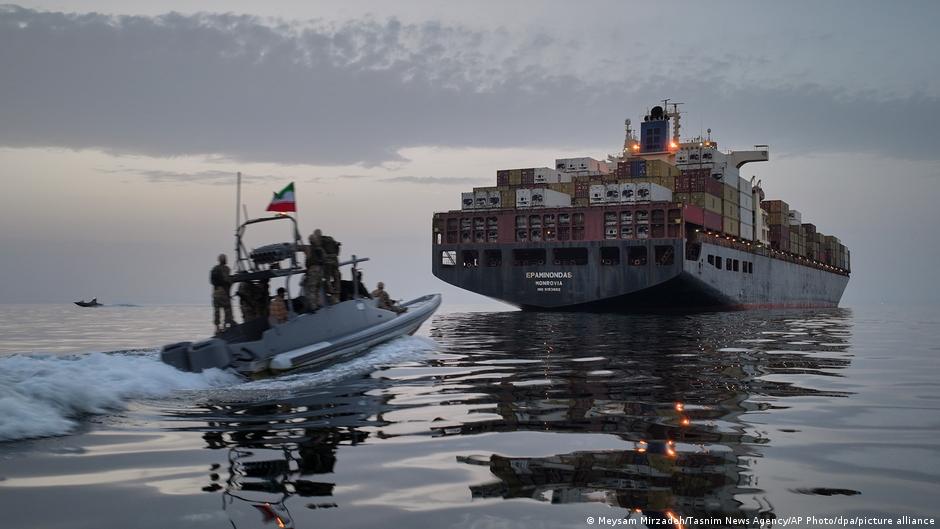
Iran mandates detailed vessel information for tanker passage through the Strait of Hormuz amid geopolitical tensions and potential transit fees, impacting global oil trade dynamics.

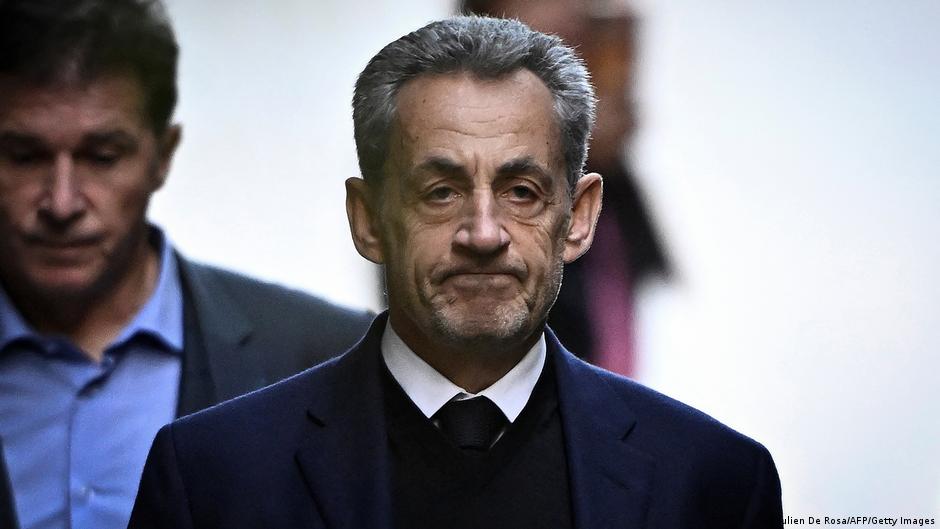
Nicolas Sarkozy receives conditional early release after being convicted for overspending in the 2012 French presidential campaign, highlighting ongoing judicial scrutiny of political finance.

The EU-Mercosur free trade agreement begins temporarily, promising industrial growth amid legal and environmental challenges within the European Union.

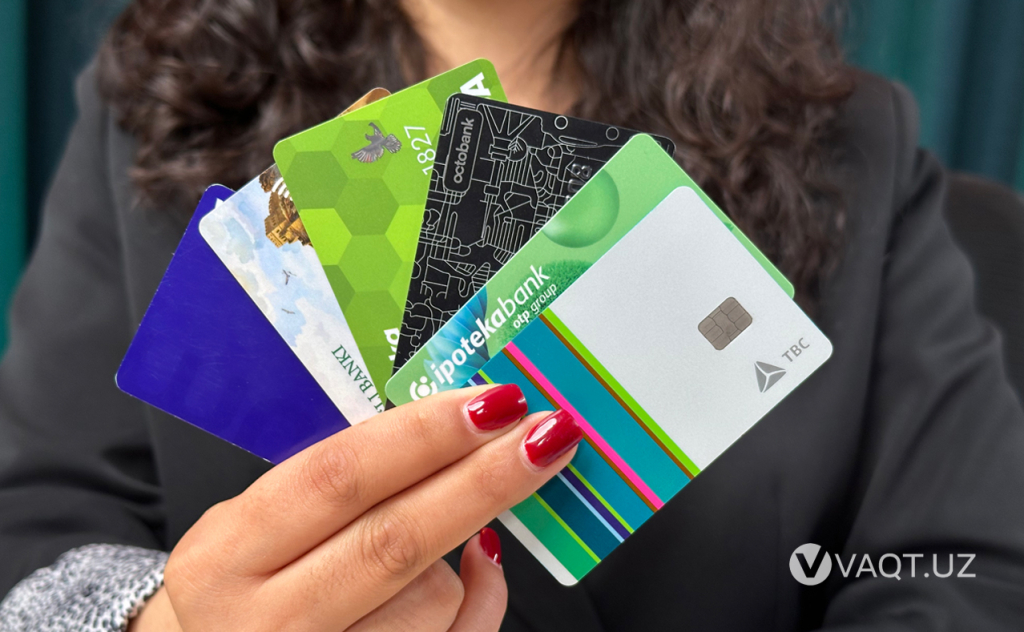
Uzbek banks will now maintain a minimum card balance during automatic loan repayments, protecting customers from full account depletion starting April 15, 2025.

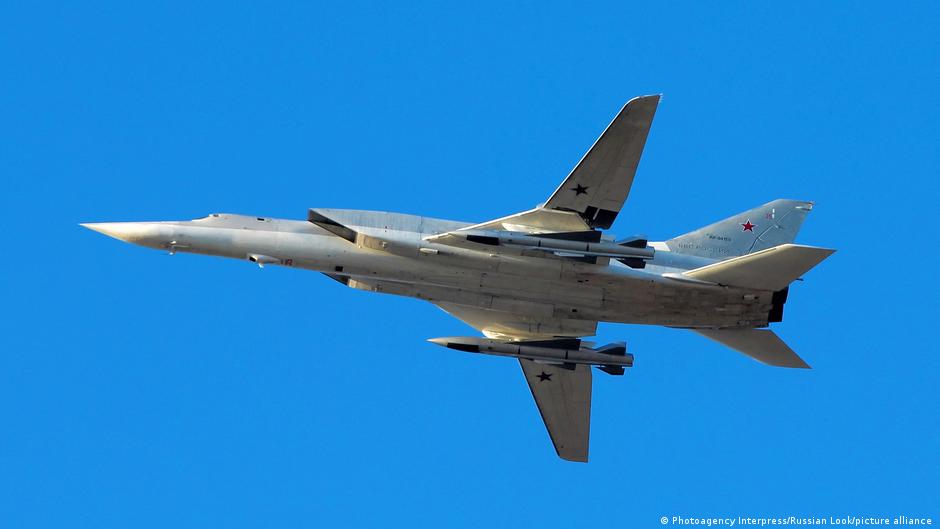
NATO intercepted Russian strategic bombers over the Baltic Sea on April 20, highlighting rising military tensions and economic implications for regional security and defense spending.

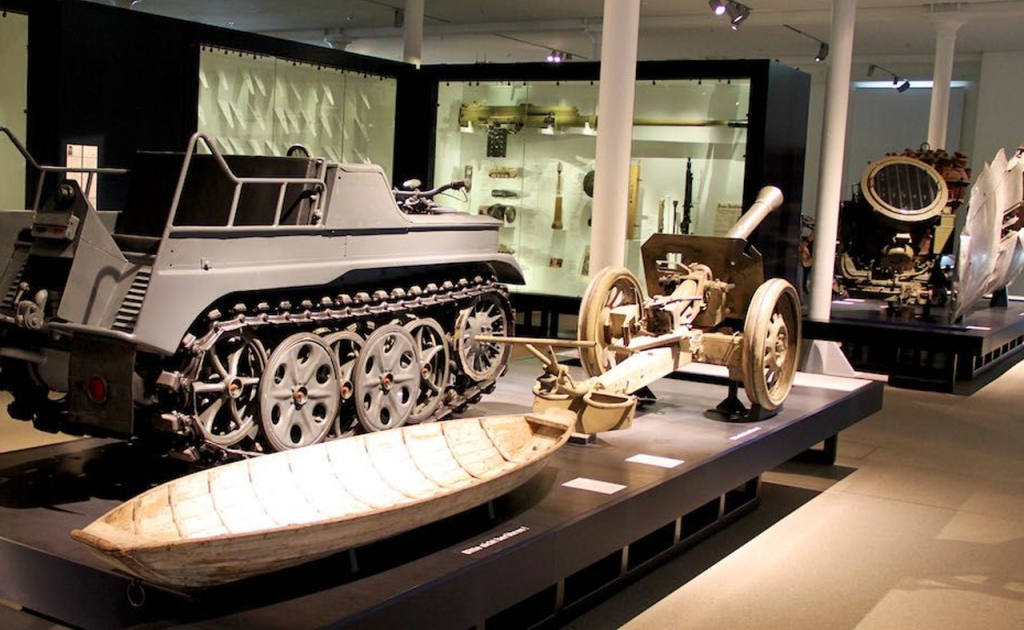
Germany's Bundeswehr Military Museum in Koblenz restricts entry for Uzbek citizens and other Central Asian nationals under new security laws, impacting cultural and economic exchanges.