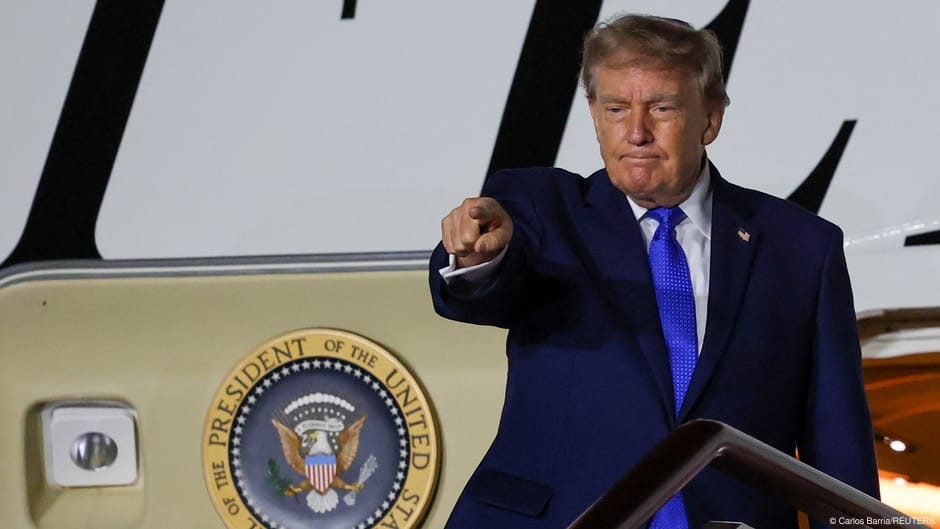
Trump Backs Kyiv’s Role as Great-Power Diplomacy Tests Ukraine’s Agency
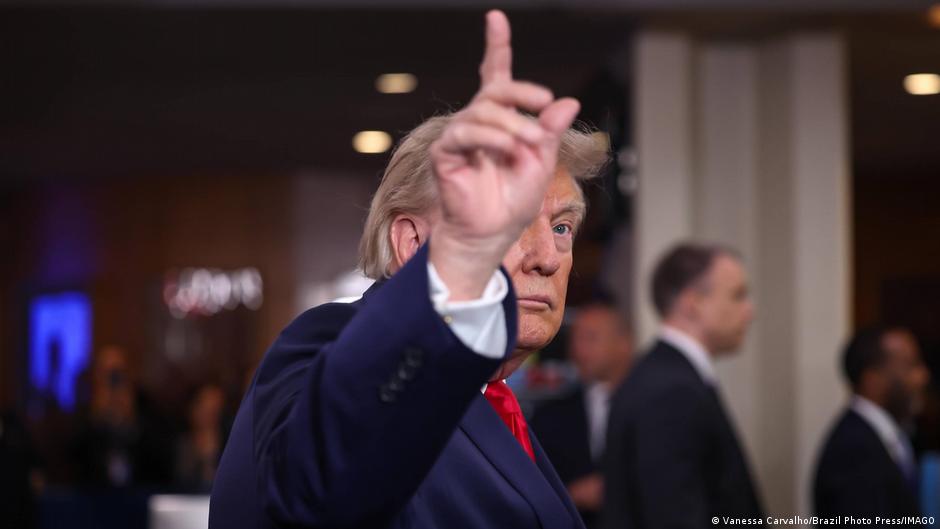
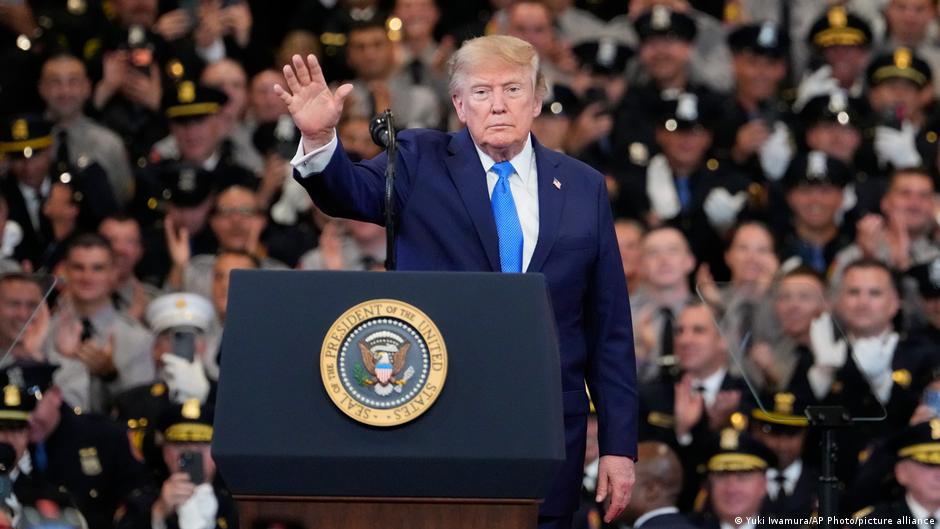
Trump endorsed Kyiv’s right to participate in decisions on the war, even as a US-China-Russia peace declaration omitted Ukraine.

Trump endorsed Kyiv’s right to participate in decisions on the war, even as a US-China-Russia peace declaration omitted Ukraine.

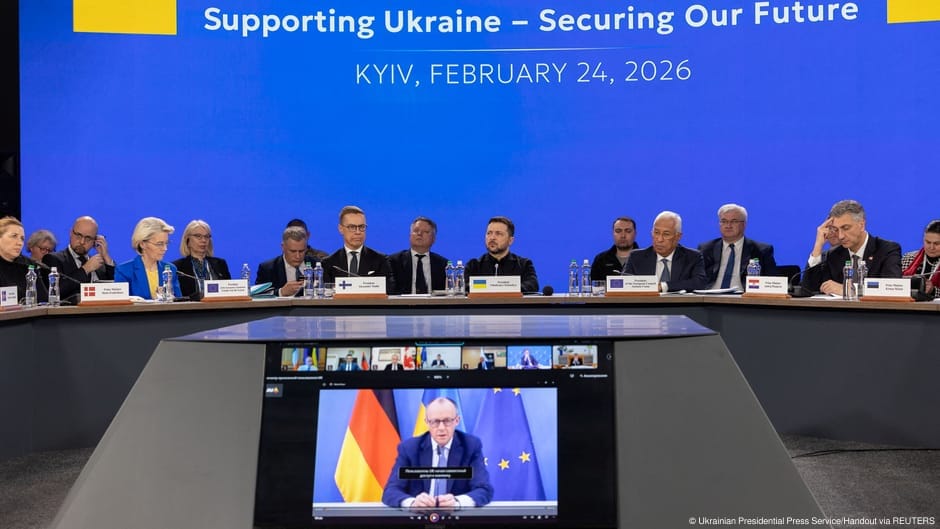
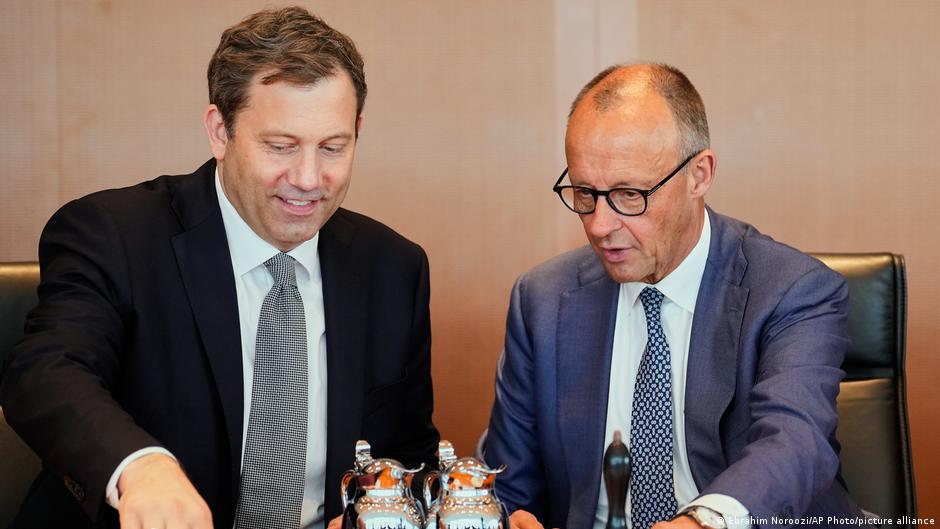
Berlin talks will connect military aid and security guarantees for Ukraine with Europe’s long-term fiscal, industrial and geopolitical stability.

Most Germans view Russia as a threat, but an almost even split over Russian energy supplies exposes a persistent conflict between security and economic concerns.

Washington is widening the Ukraine peace process to include Europe, linking any settlement to NATO, long-term security costs and economic credibility.

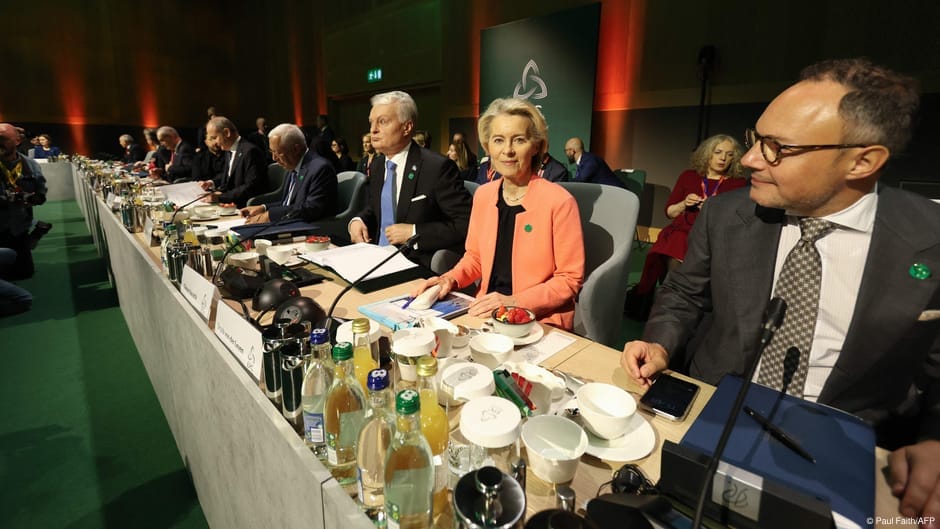
Nearly 40 European states have adopted a security charter that broadens cooperation and could reshape defense spending, fiscal priorities and transatlantic burden-sharing.

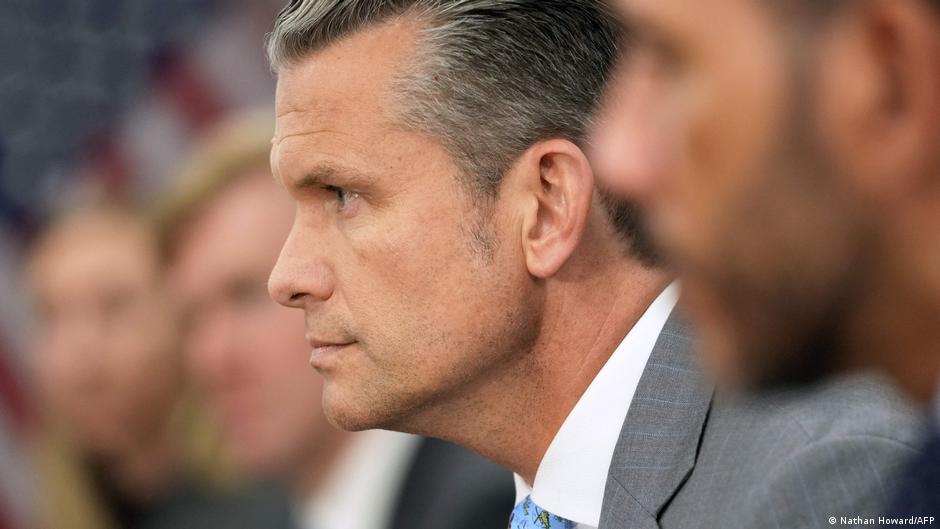
Thomas Massie’s impeachment resolution against Pete Hegseth turns the Iran war into a wider test of congressional authority, military spending and geopolitical risk.

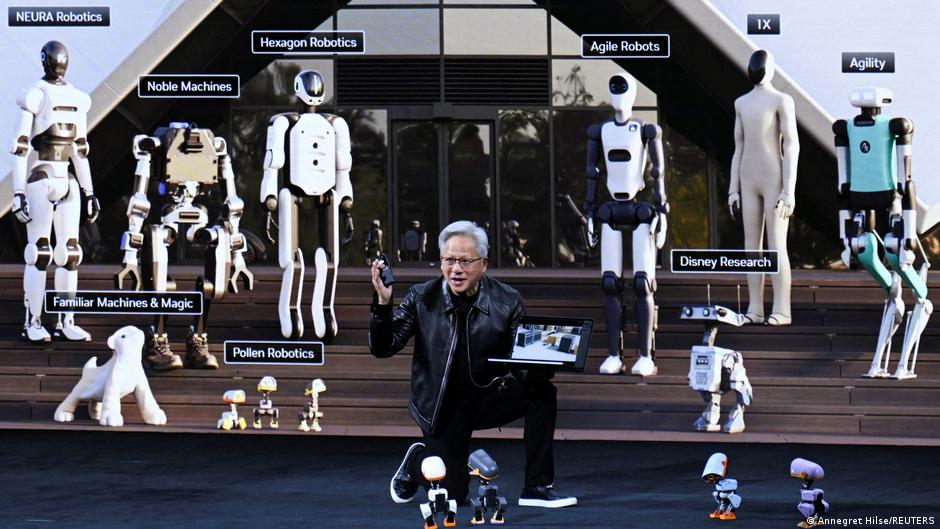
Nvidia’s investigation of CEO Jensen Huang places corporate governance at the center of the US-China contest over AI chips and strategic technology.

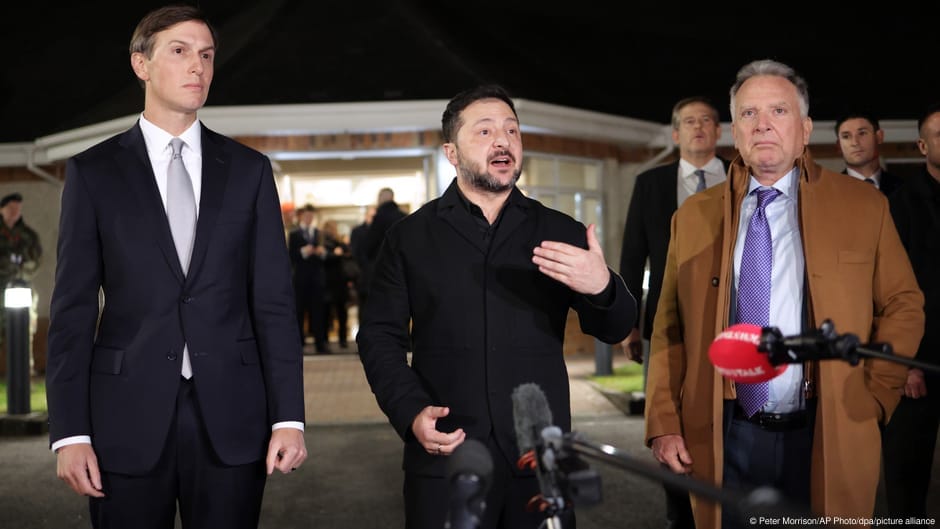
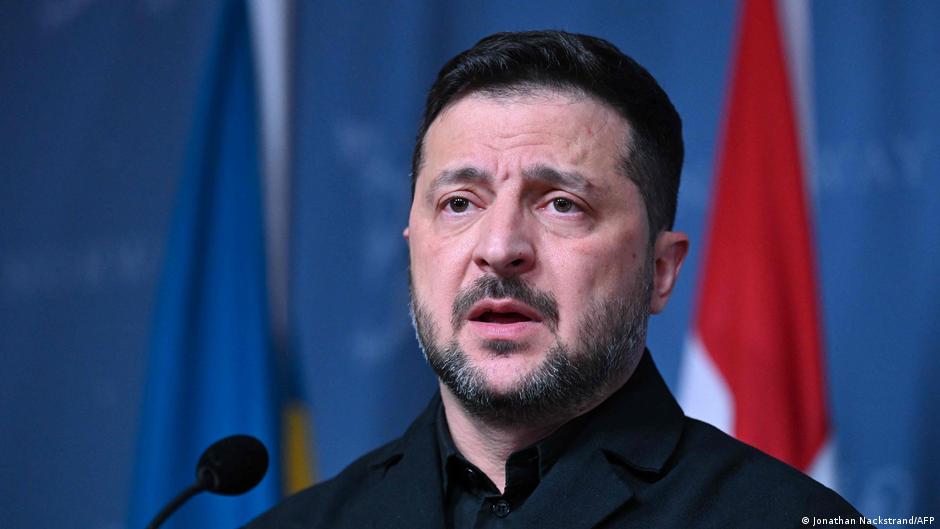
Zelensky expects Democratic control of Congress to expand US military and financial support for Ukraine and reinforce transatlantic coordination.

Bulgaria’s presidential runoff will pair Iliyana Yotova against Andrey Gyurov after a first round marked by 22.2% turnout and growing debate over Ukraine.

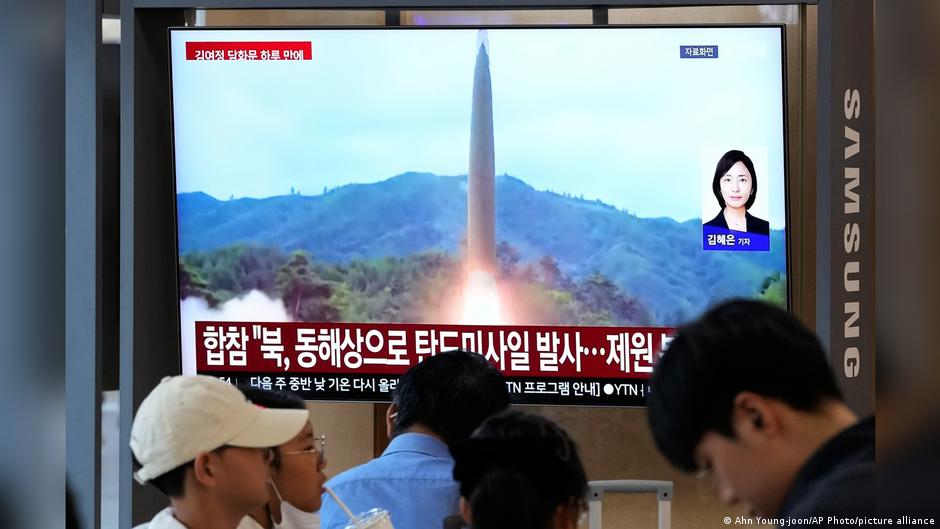
North Korea’s reported missile launch adds economic risk to renewed peninsula tensions after Seoul accused Pyongyang of an armistice violation.

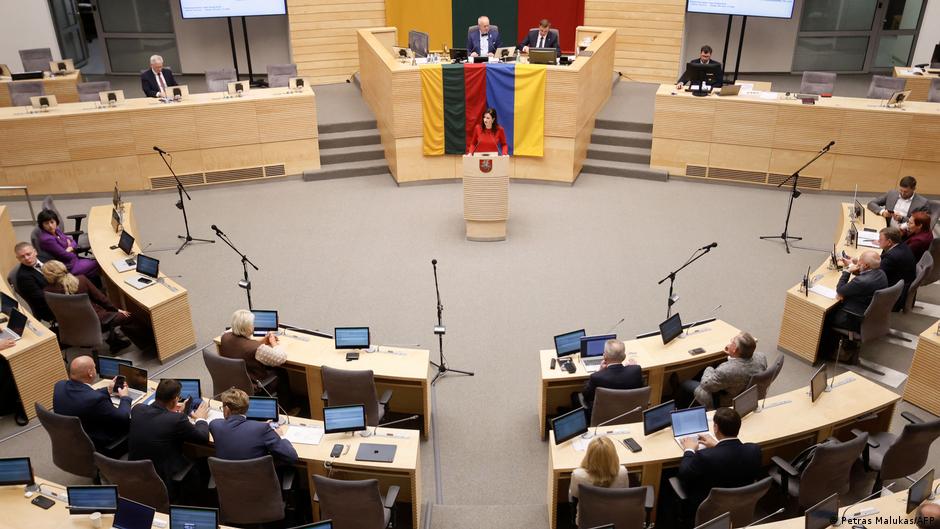
Lithuania’s proposed property restrictions would bar Russian and Belarusian citizens from buying real estate near strategic sites.

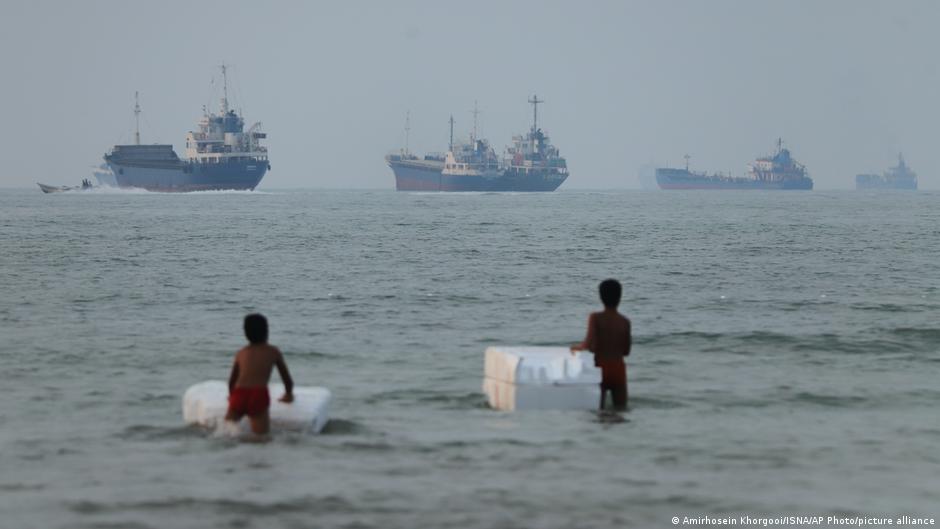
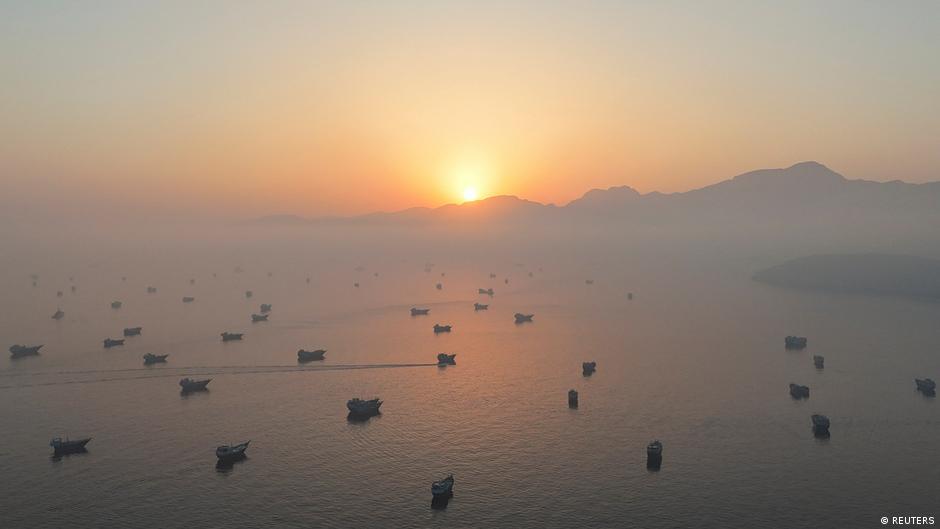
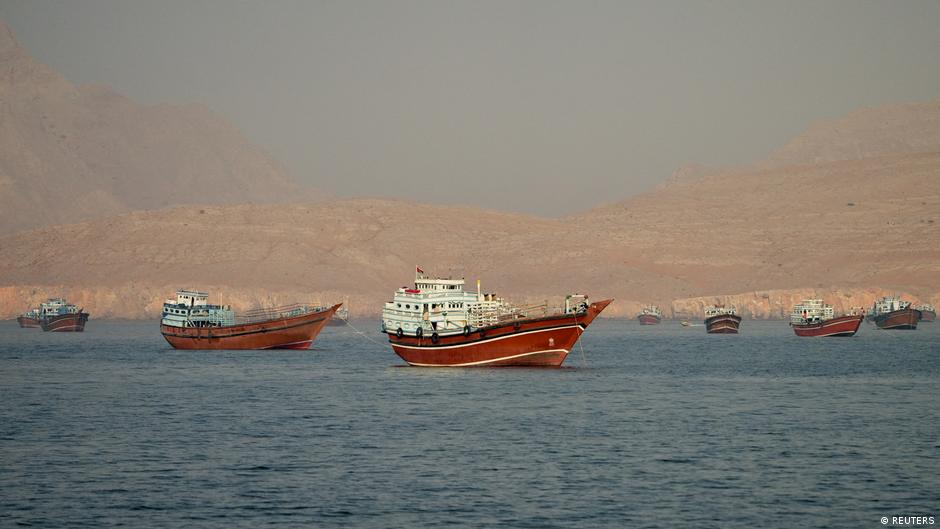
U.S. and Iranian officials held mediated talks in New York as threats, sanctions and Hormuz shipping risks framed the economic stakes.

The House advanced a bill allowing Trump to impose 100% tariffs on major buyers of Russian energy, setting up a full vote this week.

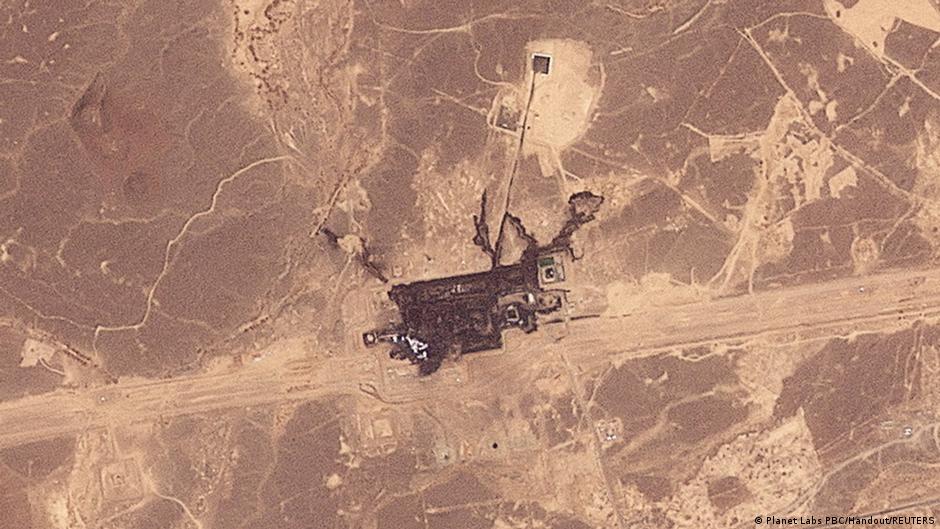
A prolonged halt on Saudi Arabia’s East-West pipeline could cut global oil supply by 4%, exposing the fragility of export routes.

Germany plans a broad anti-sabotage shield after the Leipzig drone incident, with major implications for infrastructure, cyber defense and business costs.

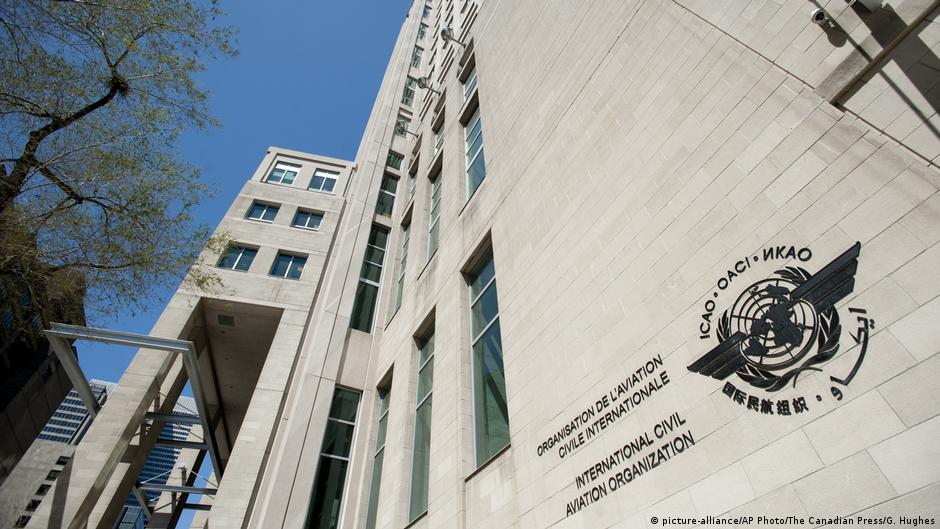
ICAO’s appeal after Ukraine’s warning over Russian airspace highlights how conflict risk is becoming a deeper structural cost for global aviation.

US President Trump threatens Oman with bombing over its involvement in Strait of Hormuz negotiations amid renewed US-Iran tensions and regional instability.

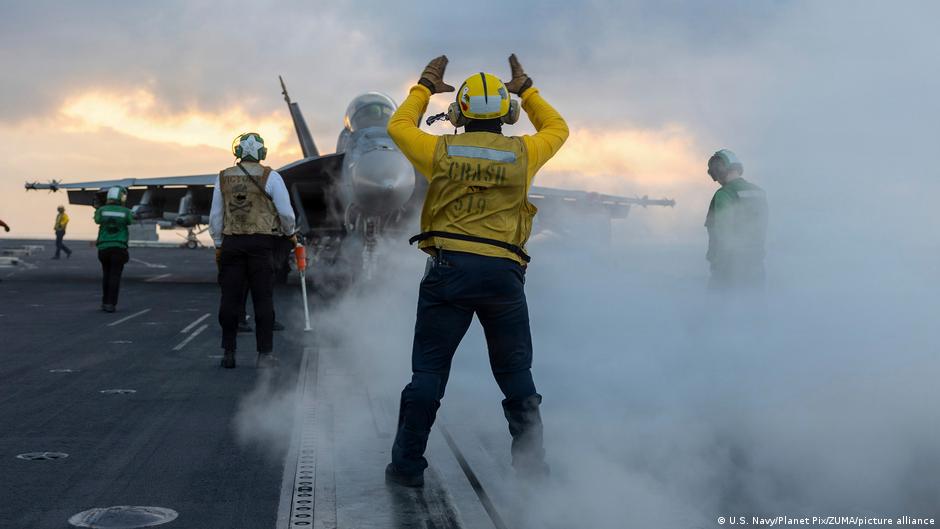
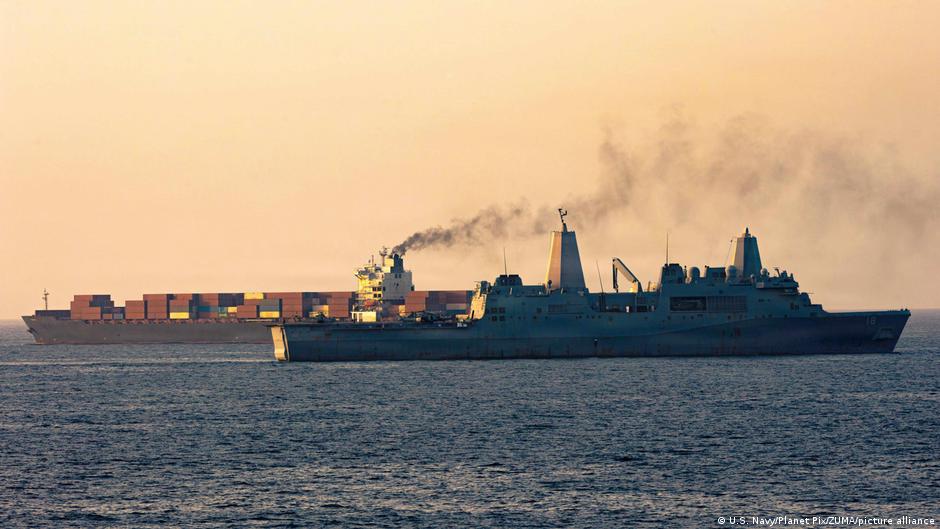
US military strikes on Iran following attacks on commercial vessels heighten risks of conflict and disrupt critical energy trade routes through the Strait of Hormuz.

Germany's 2027 budget plans increased spending and borrowing, focusing on defense amid Russia-related security concerns, raising debates over economic growth and fiscal sustainability.

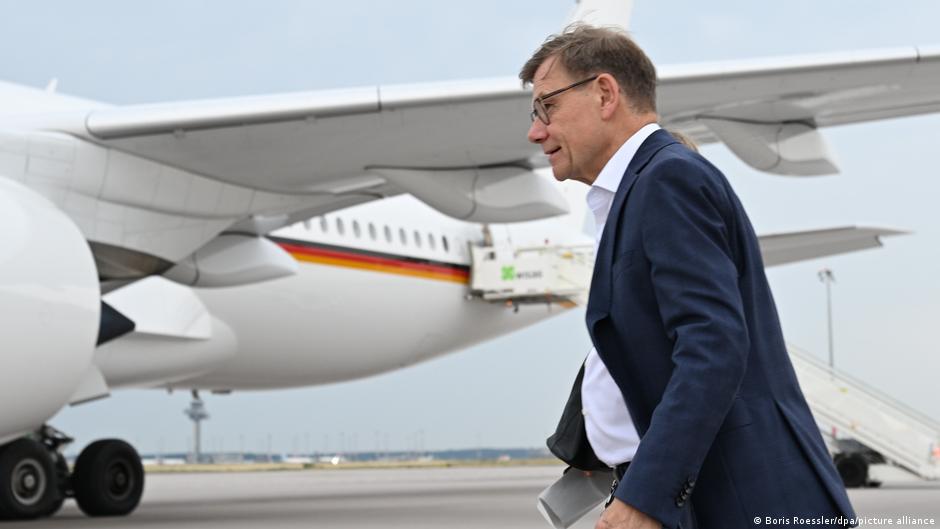
German and US foreign ministers met in Washington to reaffirm their indispensable partnership amid global crises, ahead of the NATO summit and renewed US-Iran talks.

US airstrikes targeted Iranian military sites after a drone attack on a commercial ship in the Strait of Hormuz, escalating tensions and impacting global oil markets.

The US has lifted its naval blockade of the Strait of Hormuz, enabling renewed Iranian oil exports and opening a 60-day negotiation period aimed at a comprehensive peace agreement.

Pakistan announces immediate reopening of the Strait of Hormuz following a US-Iran peace memorandum, signaling a potential shift in regional stability and global energy markets.

A coalition of 22 countries condemns Iran for attacks on their territories targeting Jewish communities and dissidents, urging an immediate halt to these operations.

The US House approves a resolution restricting President Trump from continuing war with Iran without Congressional consent, highlighting shifting political and economic concerns.

The US struck a Gambian-flagged ship enforcing the Strait of Hormuz blockade, reflecting deep geopolitical tensions that disrupt critical energy trade routes and impact global markets.

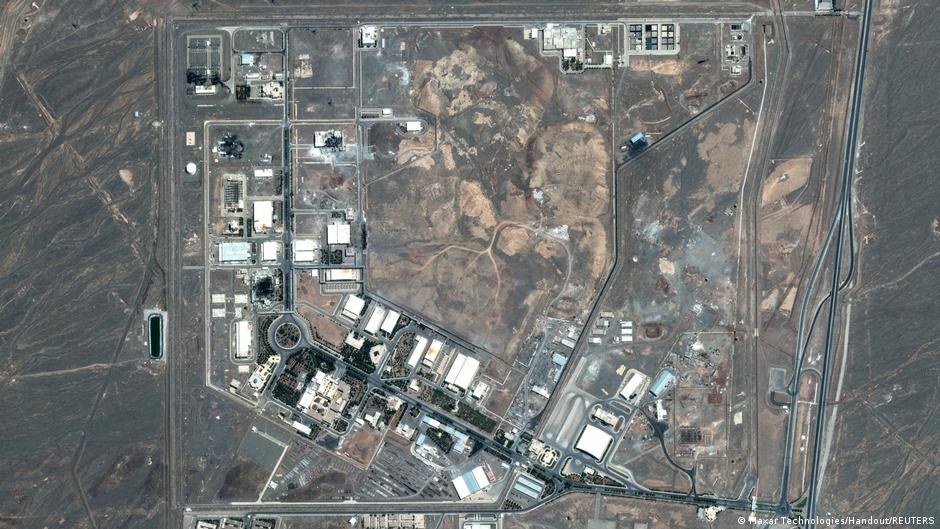
Donald Trump announces plans for Iran's enriched uranium to be destroyed either in the US or on-site under IAEA supervision amid escalating nuclear tensions.

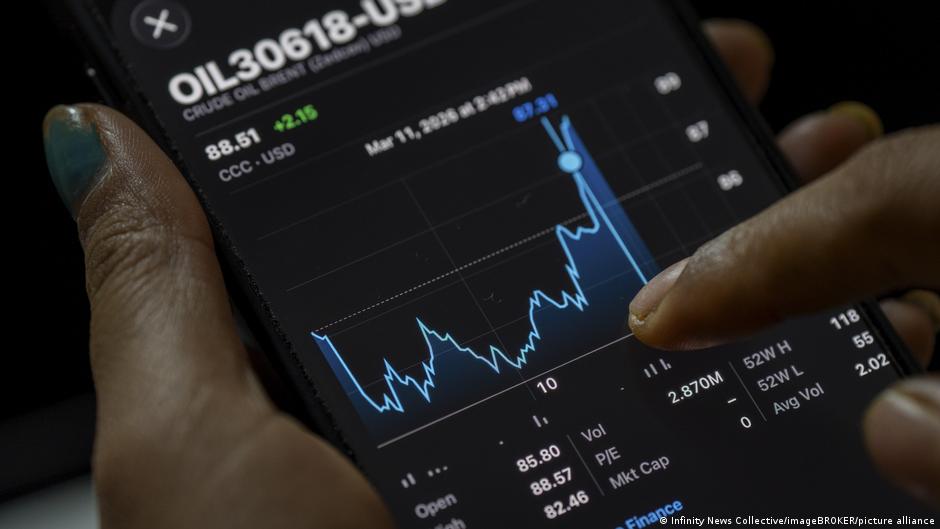
US-Iran tensions trigger a 7% rise in Brent oil prices amid threats of long-term blockade, exposing the economic vulnerabilities of global energy markets.

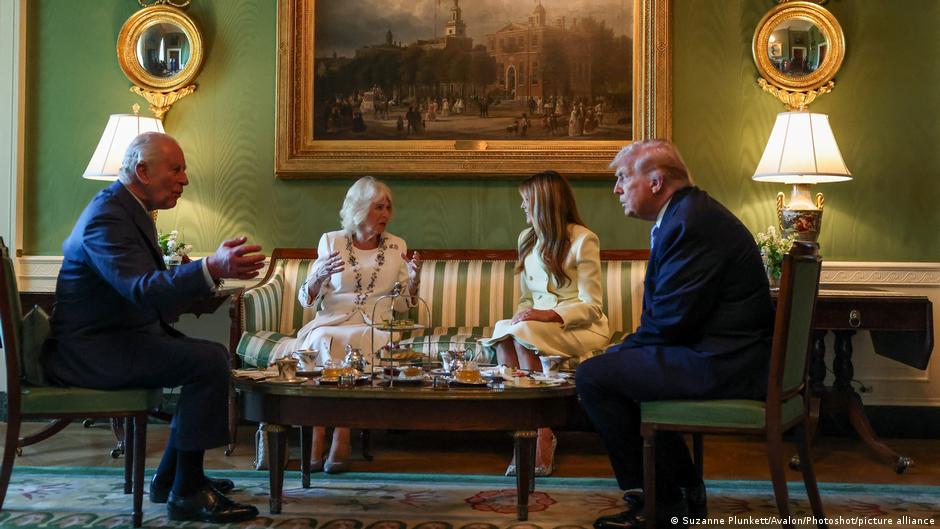
King Charles III’s U.S. visit underscores growing strains in Anglo-American relations amid divergent Iran policy and evolving NATO dynamics, signaling shifts in transatlantic security and economic cooperation.

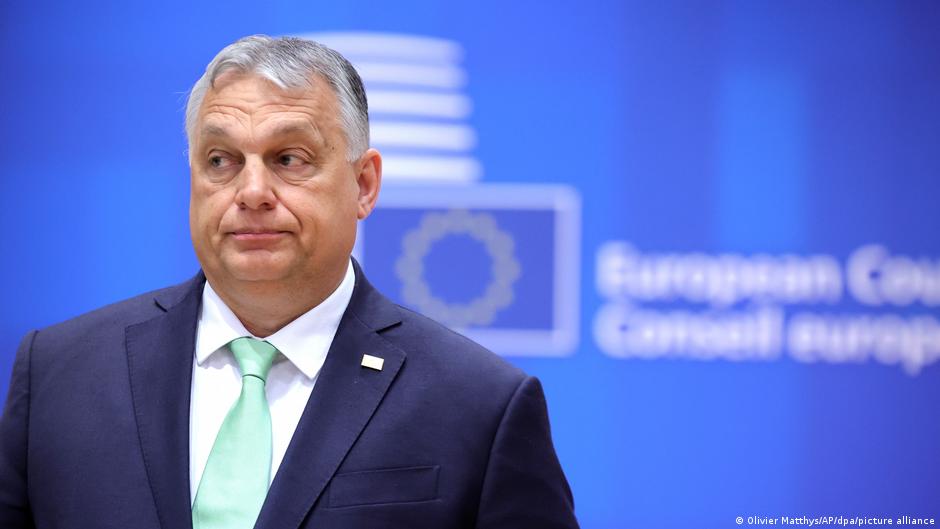
Viktor Orban declines his parliamentary mandate after electoral defeat, signaling a strategic shift as Hungary's new government under Peter Magyar prepares to take office.