US Gas Proposal Tests Europe’s Postwar Energy Strategy and Economic Resolve
A reported US peace proposal would restore Russian pipeline gas to Europe, challenging the EU’s 2027 phaseout and reopening the debate over cost and dependency.

A reported US peace proposal would restore Russian pipeline gas to Europe, challenging the EU’s 2027 phaseout and reopening the debate over cost and dependency.

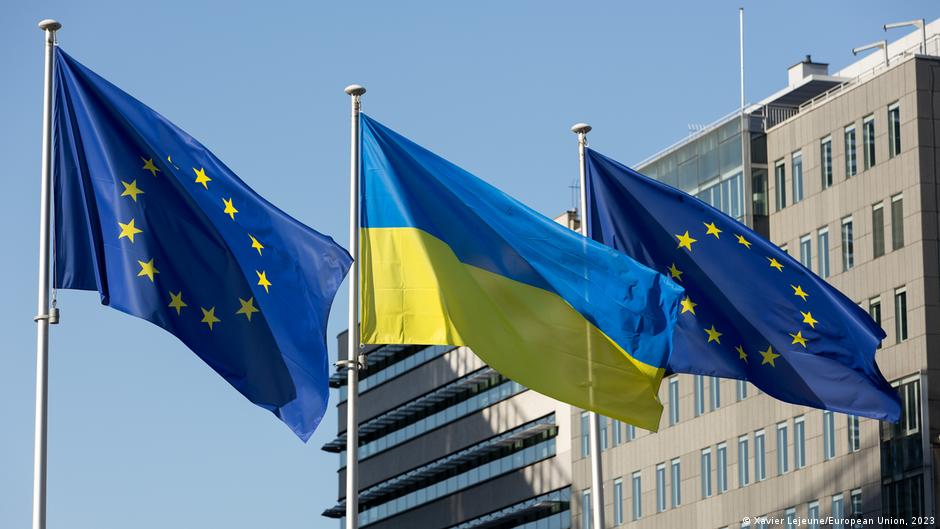
EU states agreed to open internal market and competitiveness accession clusters for Ukraine and Moldova, deepening reform and economic integration talks.

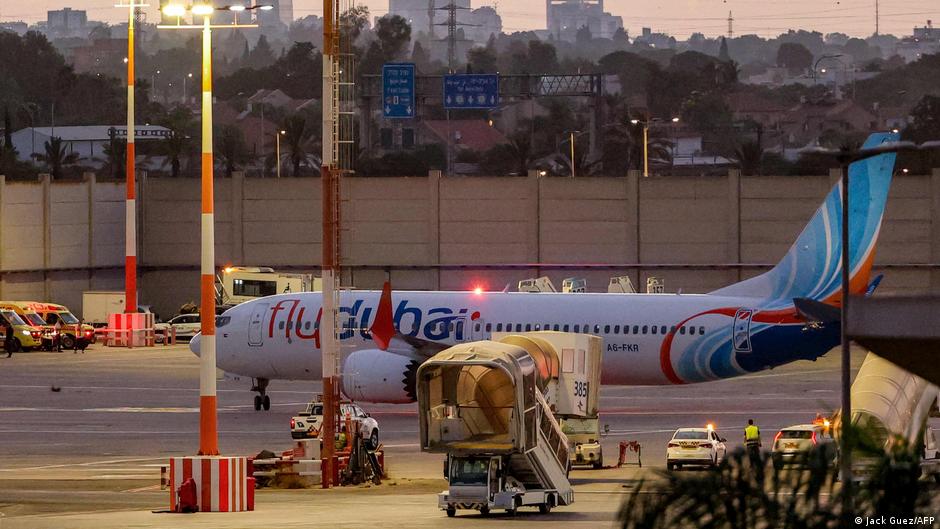
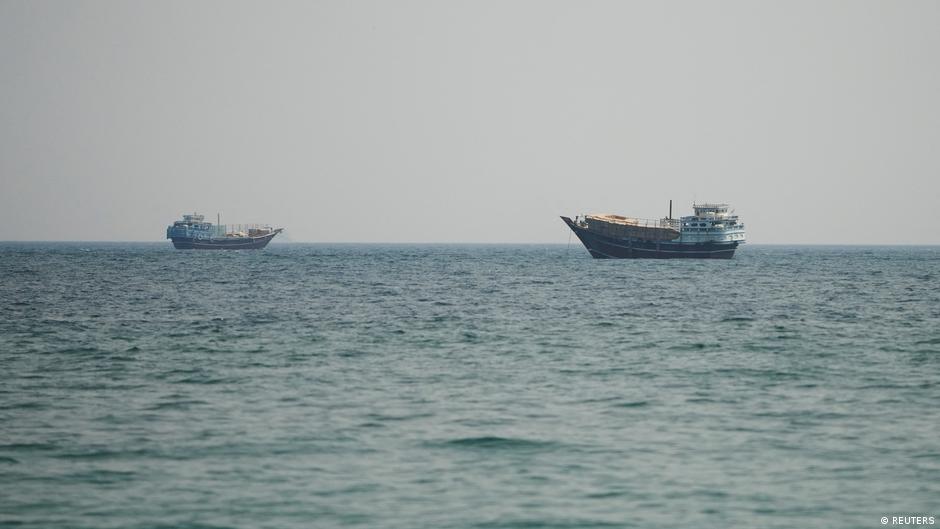
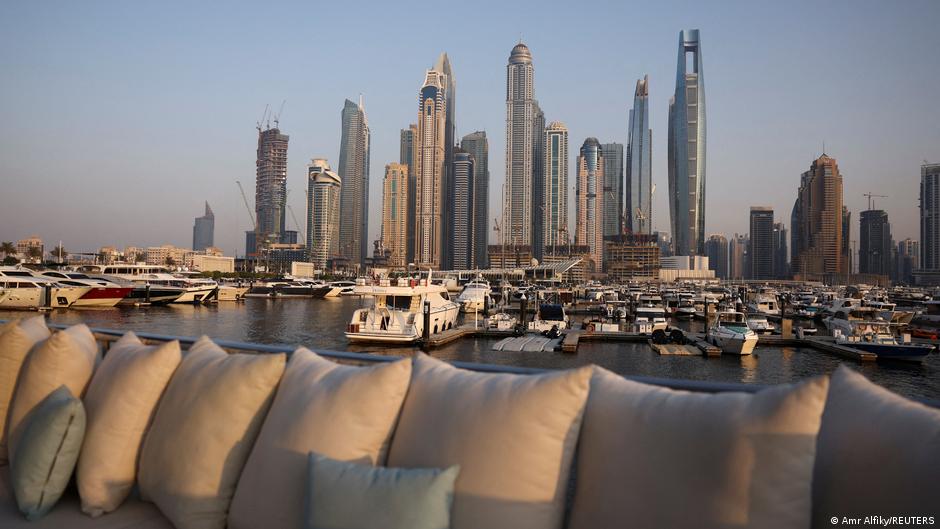
Flydubai’s Israel flight suspension turns a cockpit security incident into a test of Gulf-Israel aviation, diplomacy and economic connectivity.

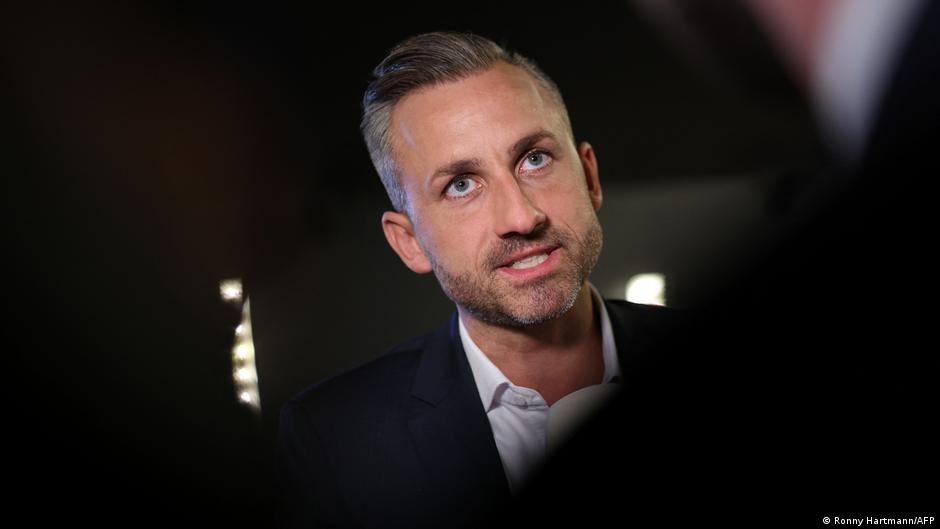
AfD’s 43.8 percent win in Saxony-Anhalt leaves no clear governing majority and raises major questions over energy, sanctions and eastern Germany’s economy.

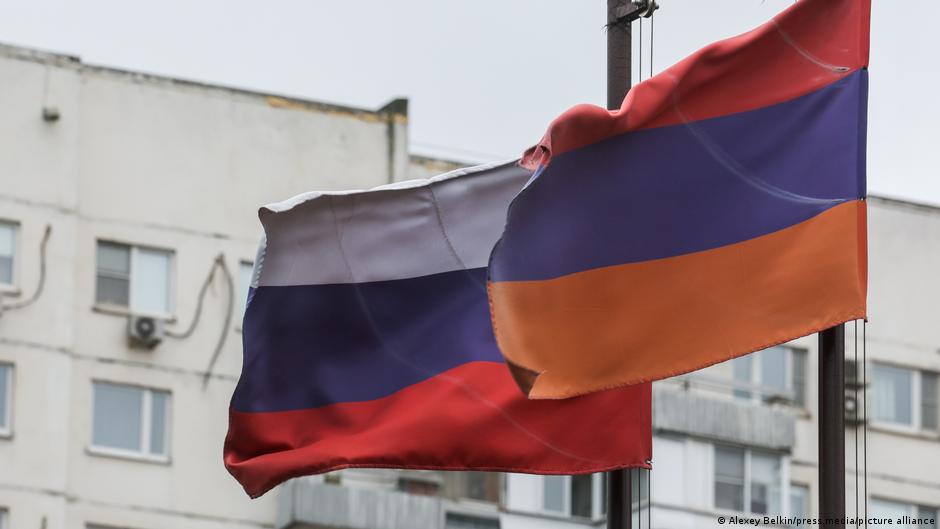
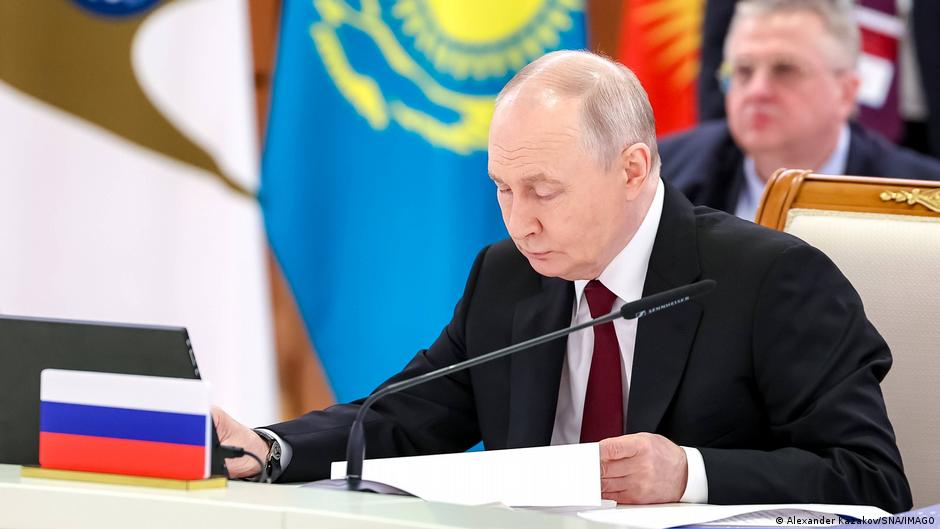
Putin says Armenia’s move toward EU membership would effectively mean quitting the EAEU, deepening a dispute over trade rules, integration and regional influence.

Foreign investment in Germany rose to 86 billion euros in 2025, with EU capital still dominant as US inflows fell and UK investment surged.

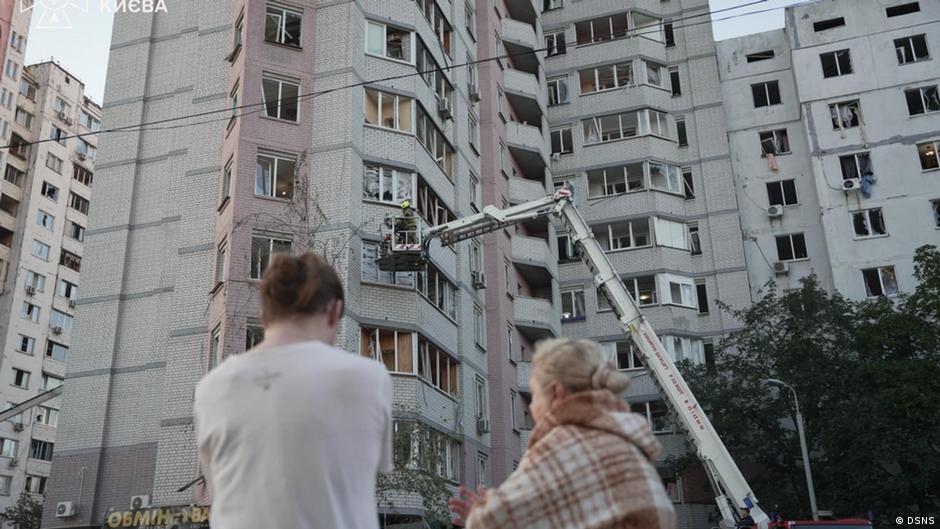
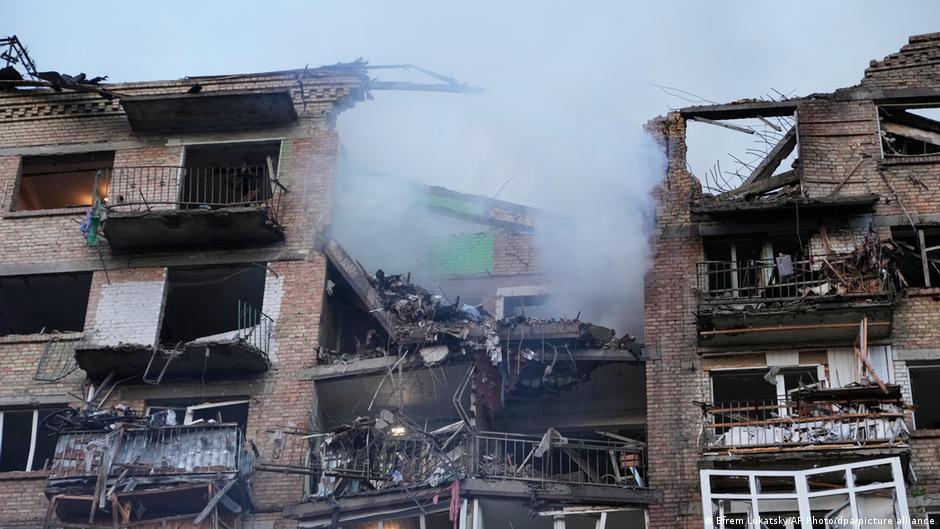
Russian missile and drone attacks on Kyiv and Kryvyi Rih resulted in casualties and industrial damage, highlighting significant economic disruption amid ongoing conflict.

The US has introduced new 50% tariffs on Canadian goods, escalating trade tensions and challenging the USMCA agreement with significant economic implications for both countries.

Hungary blocks Ukraine’s EU accession talks on key economic chapters, citing concerns over Western Balkans' accession timing and signaling challenges for Ukraine’s integration.

The US is pursuing the revival of an Iraq-Syria oil pipeline to bypass the Strait of Hormuz, aiming to reduce Iran's influence and enhance global energy security amid regional tensions.

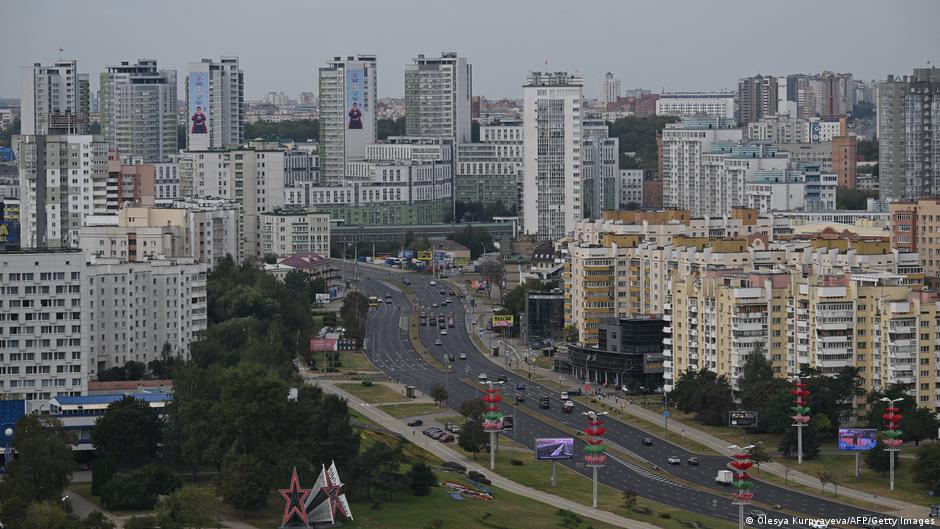
Belarus advises citizens to avoid travel to Russia’s border regions due to drone attacks amid the Ukraine conflict, highlighting growing security risks and economic disruptions.

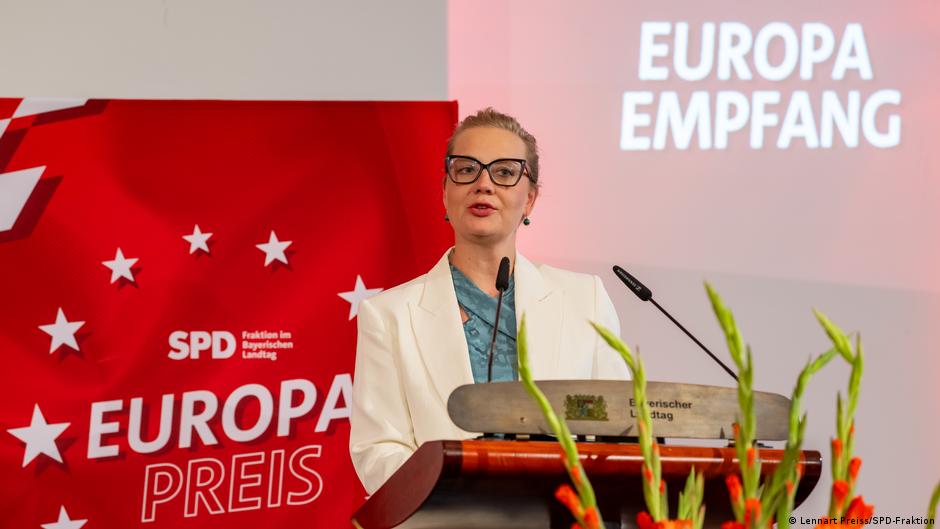
The Bavarian SPD faction awarded Julia Navalnaya the European Prize for her courageous resistance to Russia’s authoritarian regime and advocacy for human rights.

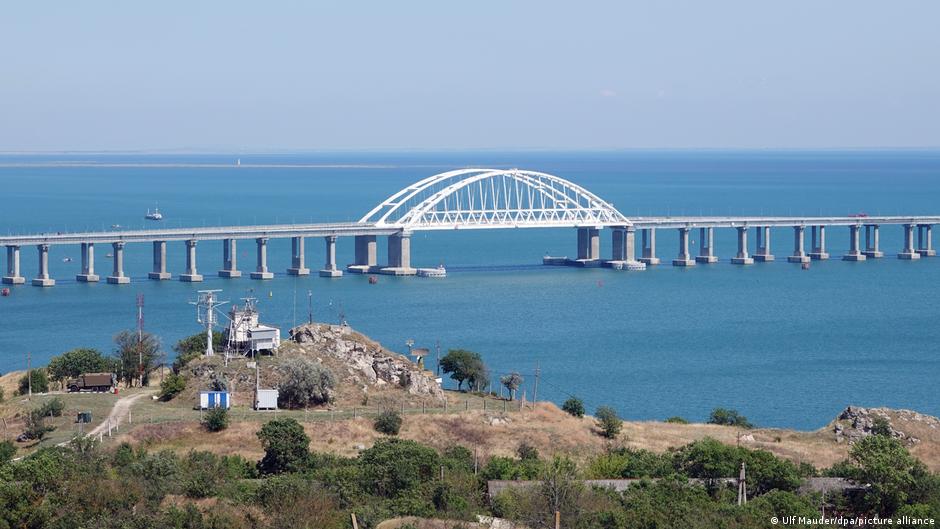
Ukrainian drone attacks on Crimea's infrastructure, including Kerch port and Sevastopol, highlight strategic vulnerabilities and economic implications for the Russian-occupied peninsula.

US envoy Stephen Whitcoff travels to Switzerland for nuclear talks with Iran, delayed by ongoing Lebanon conflict and ceasefire demands, amid high economic and geopolitical stakes.

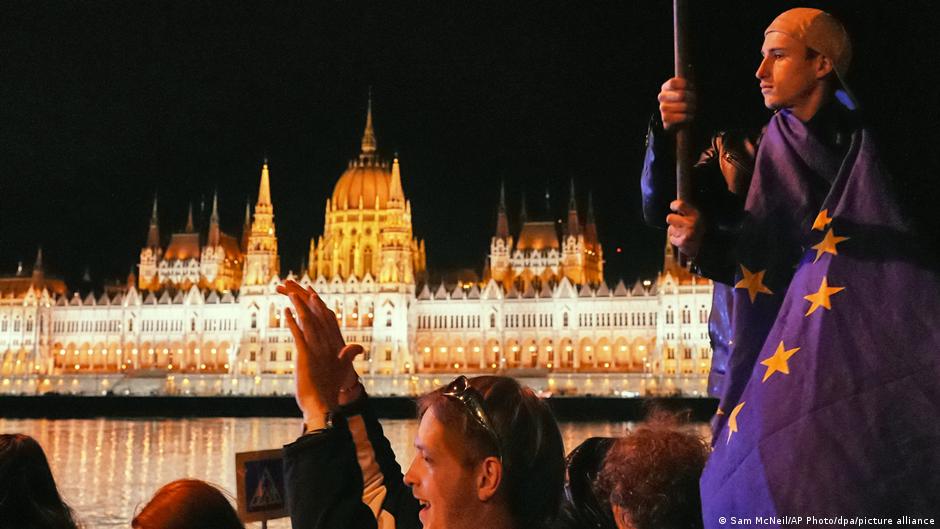
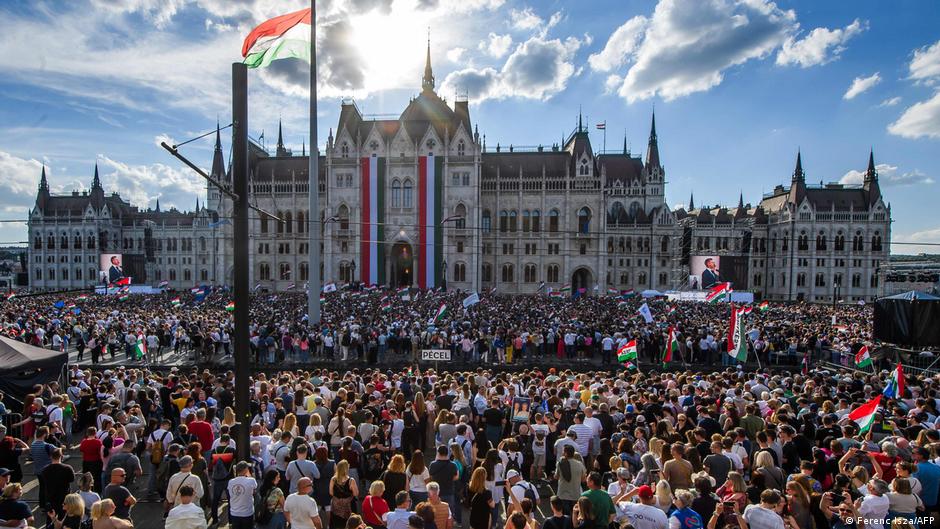
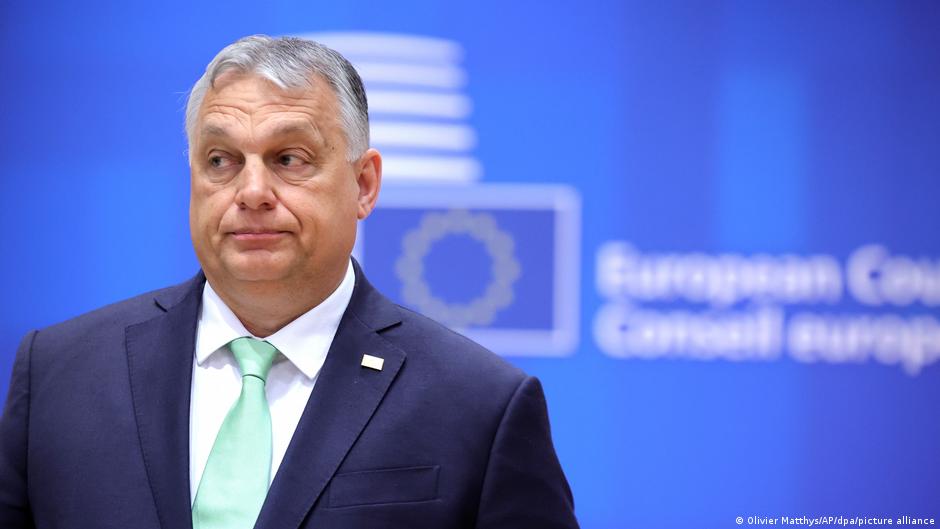
Hungary’s parliament limits prime ministerial terms to two four-year periods, barring Viktor Orbán from returning after five terms.

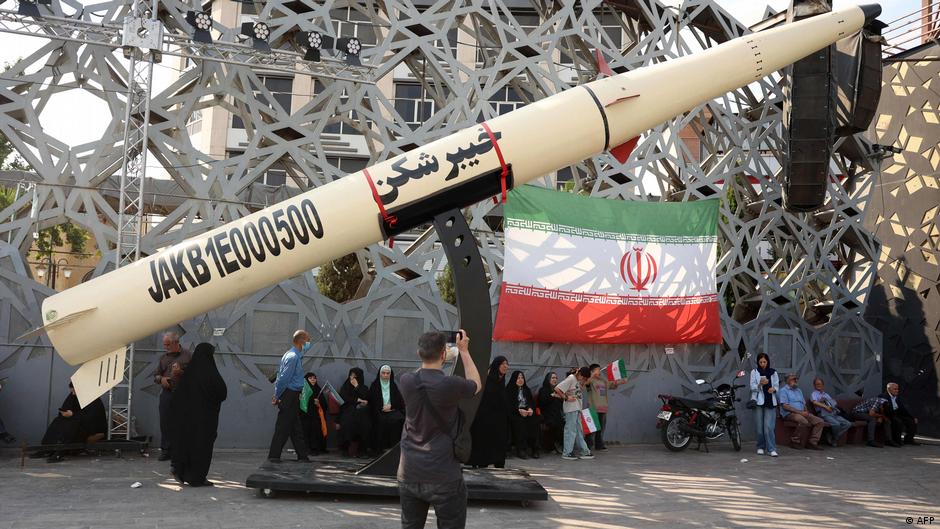
Iran has largely restored its missile arsenal during a ceasefire period, possibly aided by recent Russian missile transfers, complicating US efforts to curtail Tehran's military capabilities.

Reports claim the UAE agreed to unfreeze billions of dollars in Iranian oil revenues to halt attacks, amid emerging US-Iran peace talks, though UAE denies these claims.

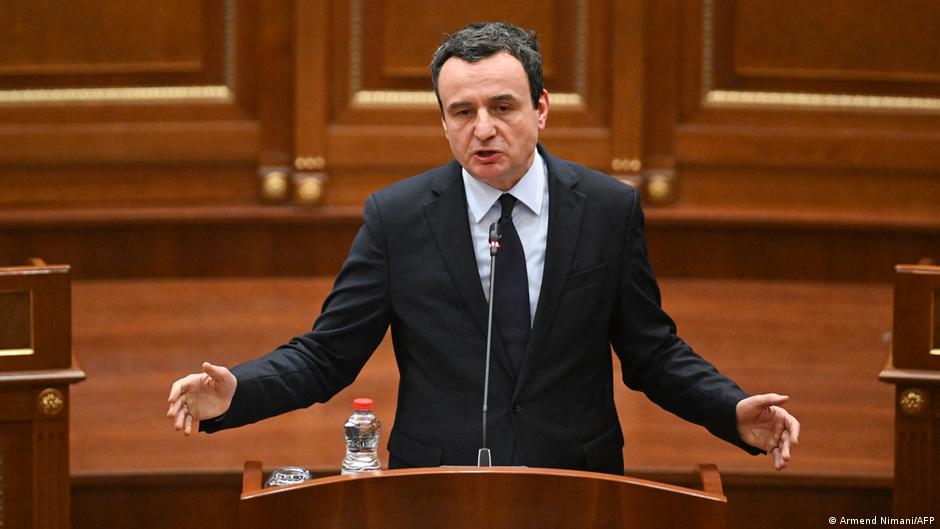
Kosovo’s Self-Determination party wins 43% in third election within 18 months, facing coalition challenges amid political instability and EU integration pressures.

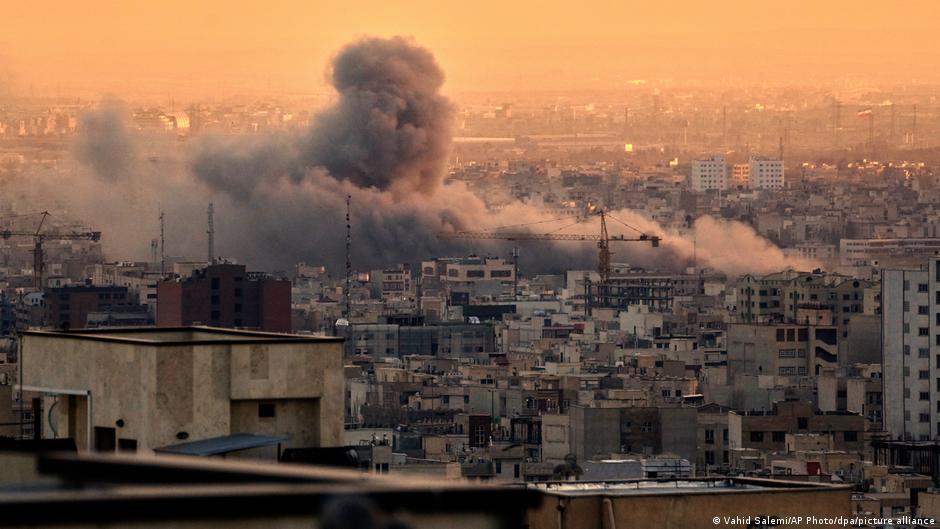
Israel strikes Iranian targets in retaliation for missile attacks amid US efforts to negotiate peace with Tehran, highlighting regional tensions and economic risks.

Russia warns Armenia of increased tariffs and economic restrictions if it leaves the Eurasian Economic Union amid rising geopolitical tensions and EU rapprochement.

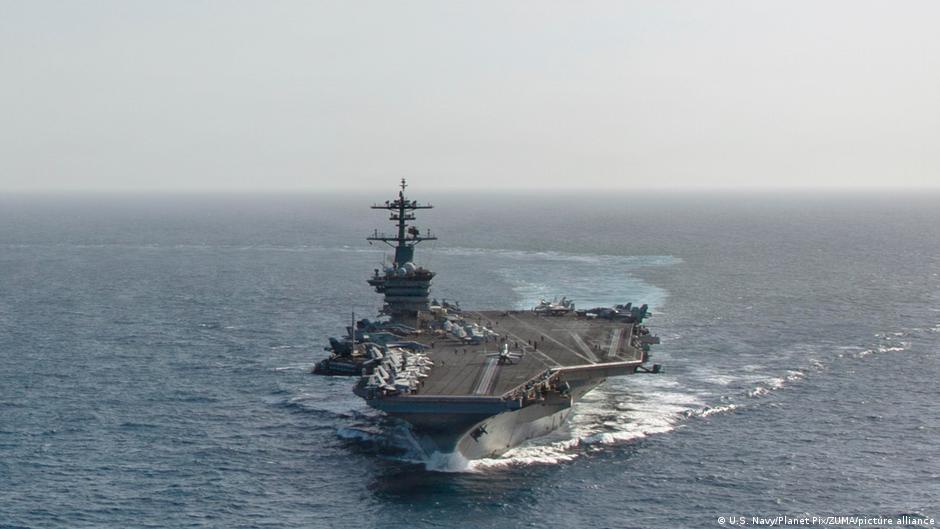
The US military conducted defensive strikes on southern Iran to counter threats amid ongoing peace talks, highlighting fragile regional stability and potential economic repercussions.

Russia intensified its assault on Kyiv with drones and ballistic missiles, threatening Ukraine’s urban infrastructure and economic recovery amid ongoing conflict.

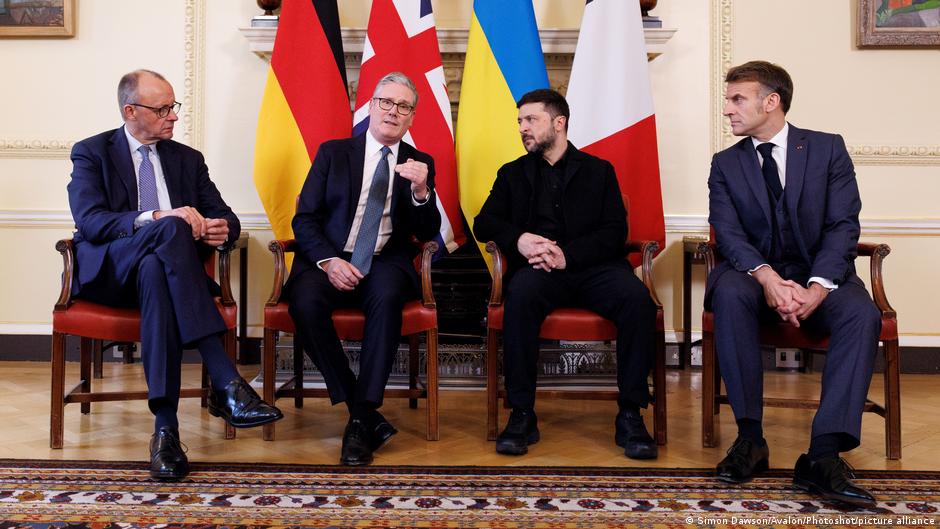
Ukraine’s European allies hold high-level talks with President Zelenskyy to discuss revitalizing peace diplomacy amid stalled negotiations with Russia.

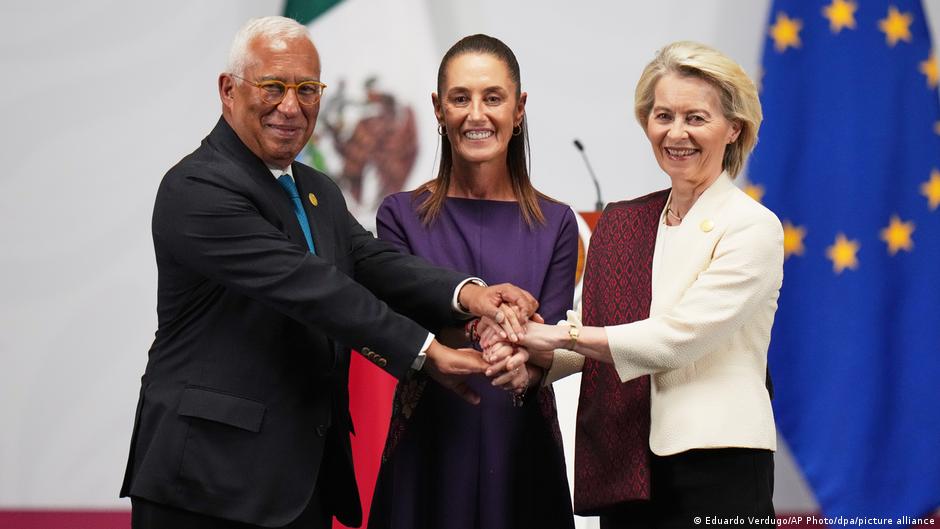
The EU and Mexico finalize a decade-long trade agreement eliminating most tariffs and reducing barriers, aiming to boost exports and investment amid shifting global trade dynamics.

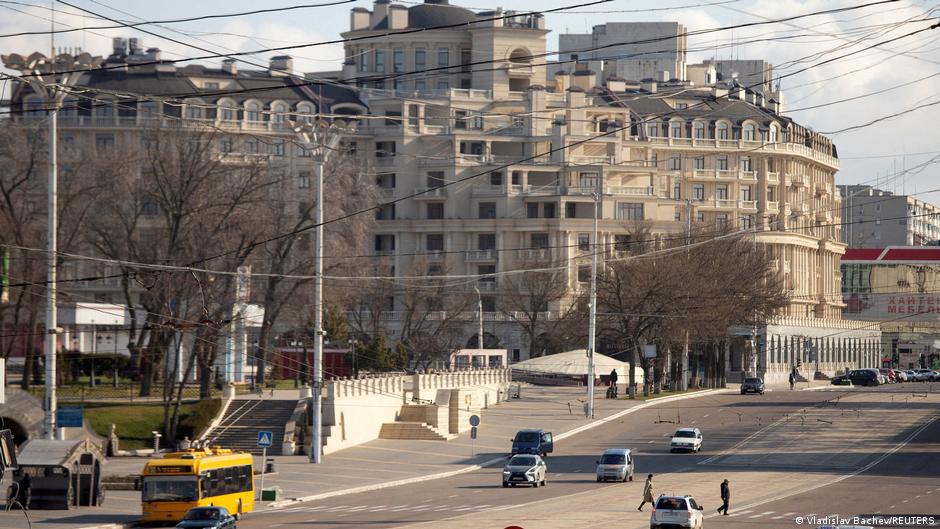
Russia has simplified citizenship for Transnistrian residents, removing language and history tests to deepen geopolitical influence and economic integration in the breakaway region.

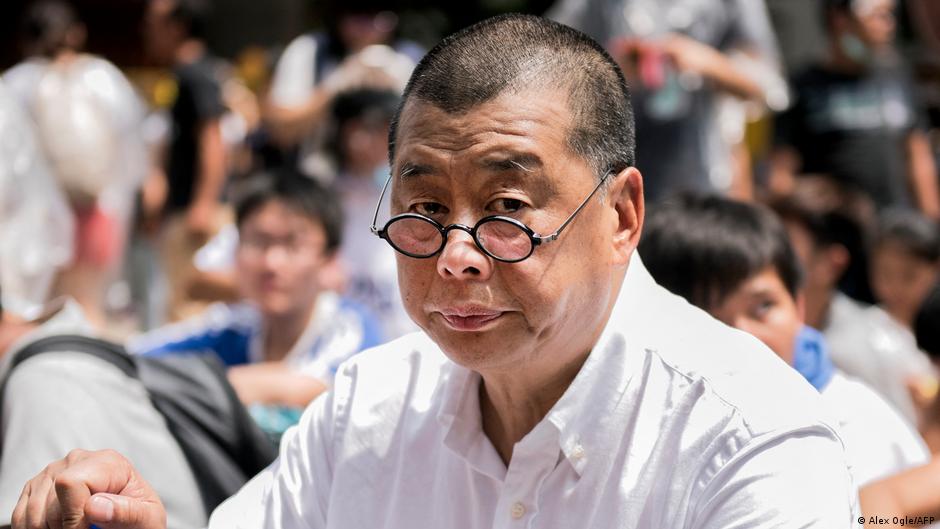
Donald Trump revealed Beijing's refusal to release Hong Kong media tycoon Jimmy Lai, sentenced to 20 years for pro-democracy activism, highlighting deeper US-China tensions.

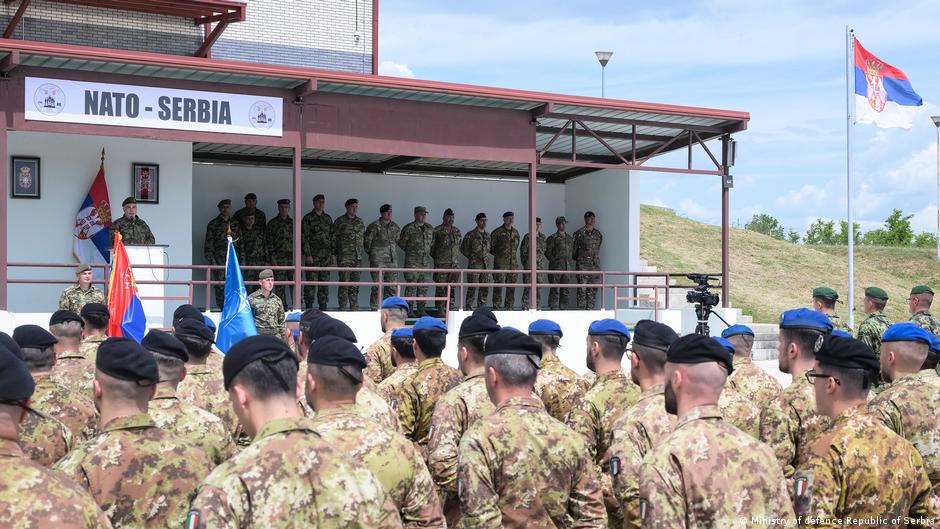
Serbia holds its first joint military exercises with NATO under the Partnership for Peace program, balancing military neutrality and regional geopolitical complexities.

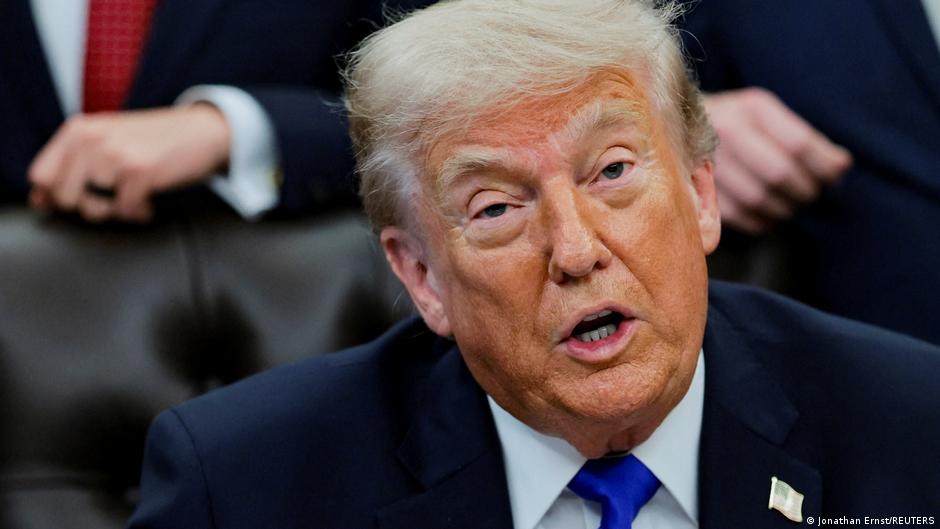
US President Trump announced significant progress in talks with Iran, with a potential deal to end years of conflict over Iran's nuclear program and sanctions.

The EU-Mercosur free trade agreement begins temporarily, promising industrial growth amid legal and environmental challenges within the European Union.

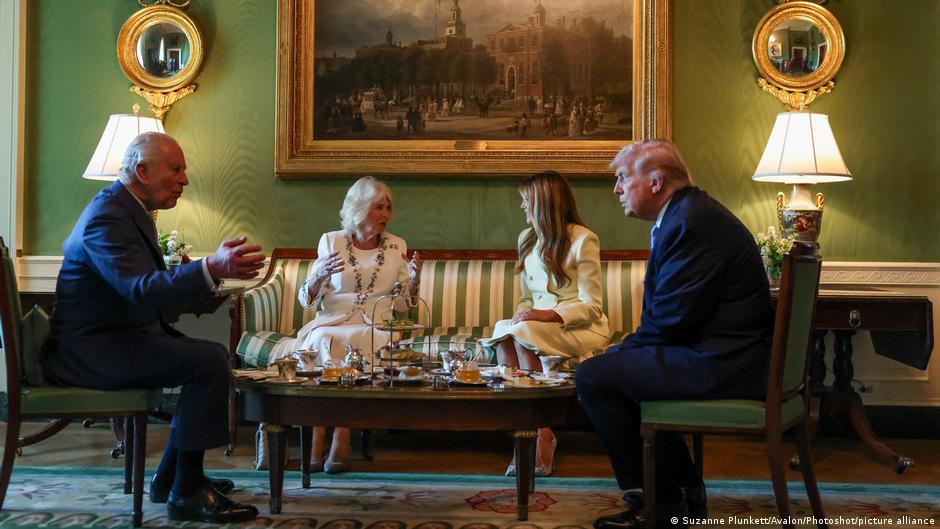
King Charles III’s U.S. visit underscores growing strains in Anglo-American relations amid divergent Iran policy and evolving NATO dynamics, signaling shifts in transatlantic security and economic cooperation.

Viktor Orban declines his parliamentary mandate after electoral defeat, signaling a strategic shift as Hungary's new government under Peter Magyar prepares to take office.

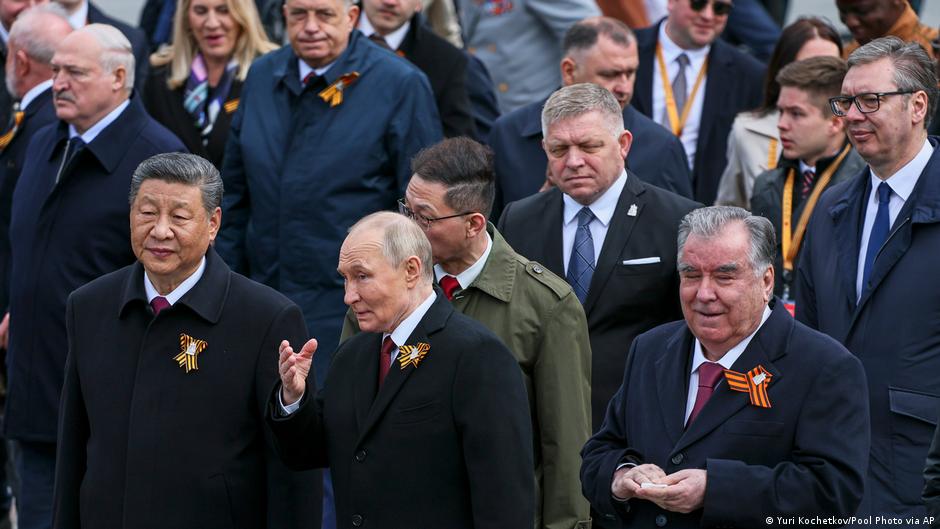
Lithuania and Latvia deny airspace access to Slovak Prime Minister Robert Fico en route to Moscow’s May 9 Victory Day events, illustrating ongoing EU-Russia tensions.

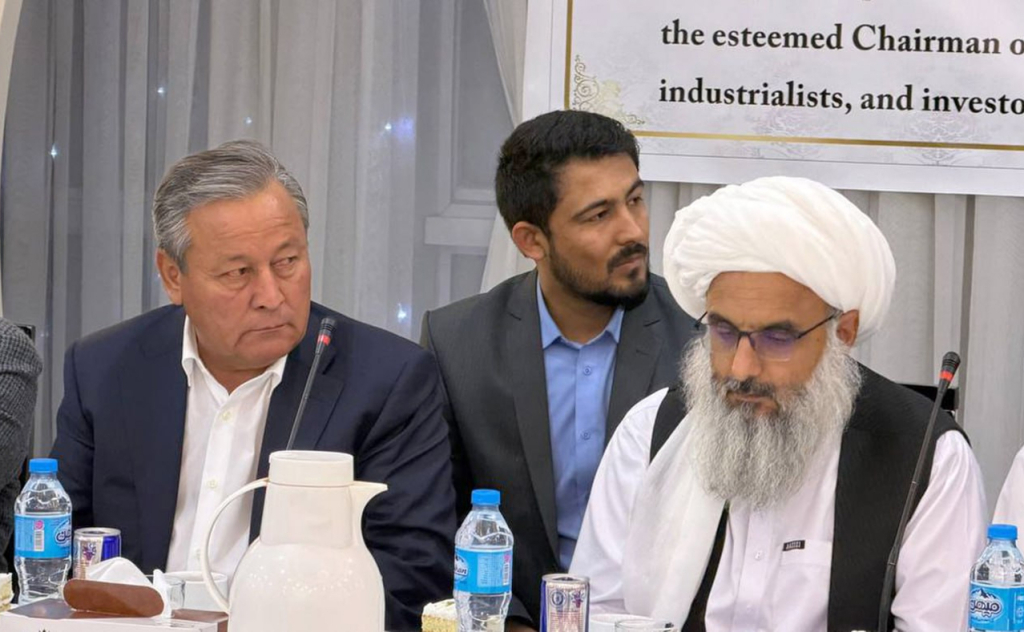
A business forum in Herat led to $300 million in trade agreements between Uzbek and Afghan entrepreneurs, highlighting evolving economic cooperation and integration.

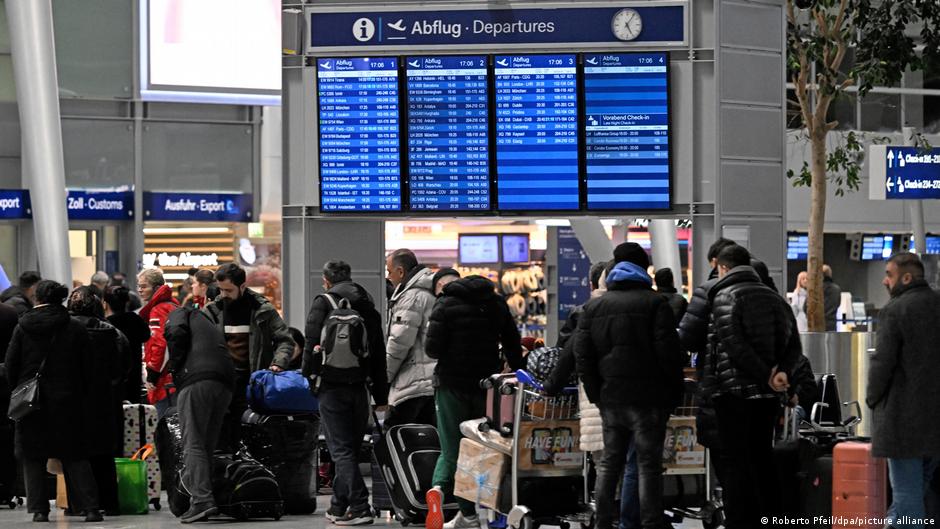
The EU's new biometric Entry/Exit System has caused multi-hour queues at airports, threatening economic disruption to travel and tourism during peak season.