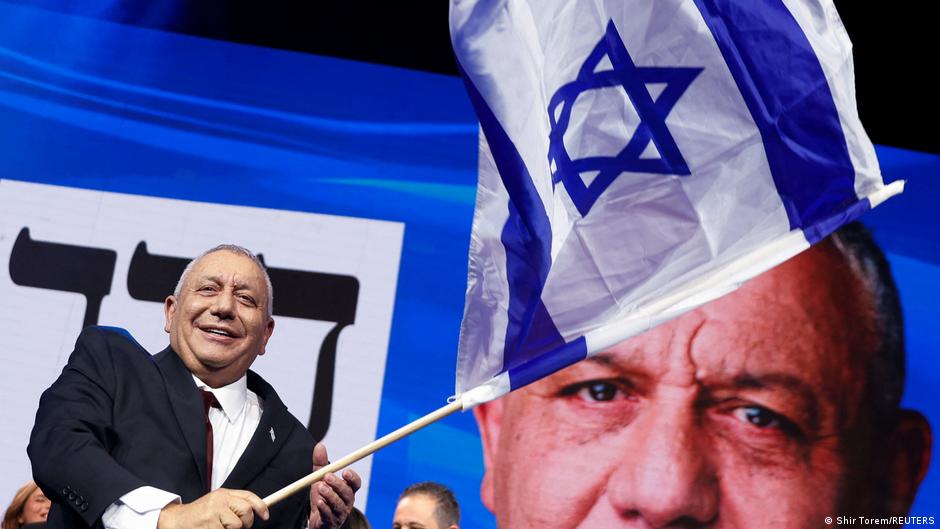
Eisenkot Gets Mandate as Israel Faces a High-Stakes Coalition Test
Gadi Eisenkot has 28 days to build a coalition, with Arab parties holding the balance amid political fragmentation and economic uncertainty.

Gadi Eisenkot has 28 days to build a coalition, with Arab parties holding the balance amid political fragmentation and economic uncertainty.

Santiago Peña’s detention turns the Ueno liquidity crisis into a wider test of Paraguay’s banking supervision, political accountability and economic resilience.

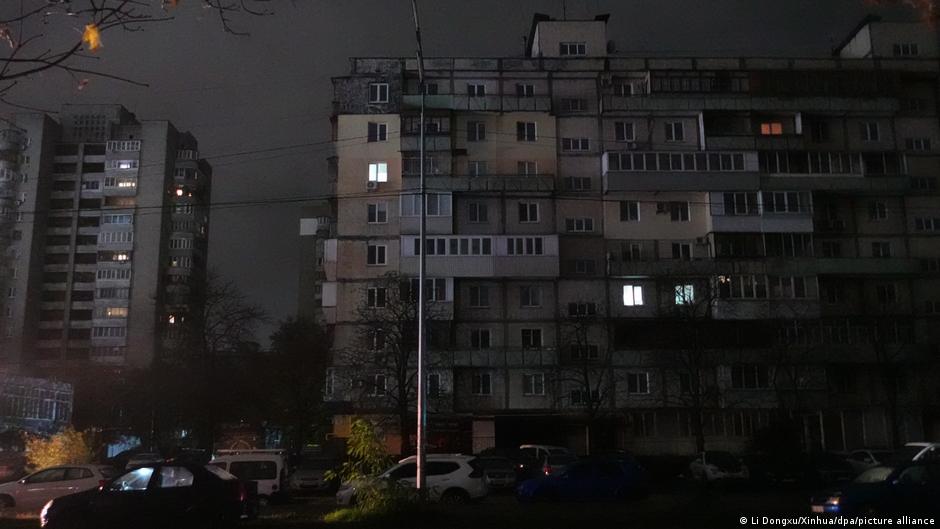
A dispute between Zelensky and Kyiv Mayor Klitschko reveals how energy attacks, repair bottlenecks and divided authority threaten Ukraine’s urban economy.

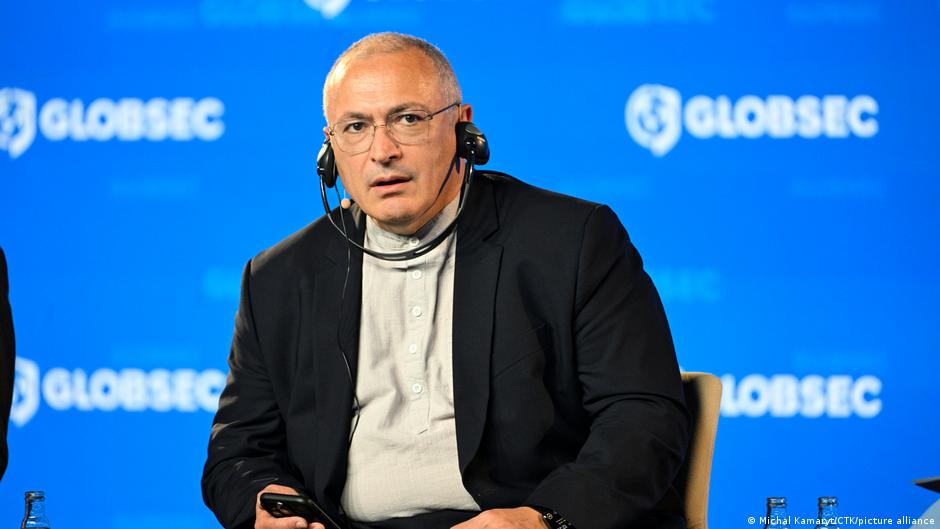
Mikhail Khodorkovsky says Europe needs credible exit routes for Russian elites while avoiding a punitive transition that could trigger armed resistance and renewed authoritarianism.

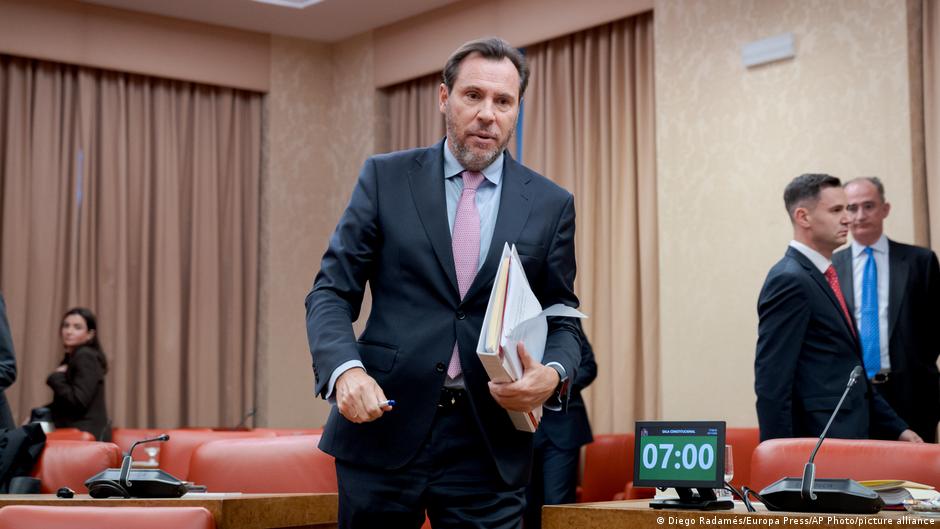
Óscar Puente resigned after the Toledo rail crash killed 69 people, deepening scrutiny of Spain’s safety systems, infrastructure spending and political accountability.

The Pentagon watchdog’s decision exposes the risks created when essential military communications depend on privately controlled satellite infrastructure.

SpaceX’s restoration of Starlink access in Ukraine exposes the strategic and economic risks of relying on privately controlled wartime infrastructure.

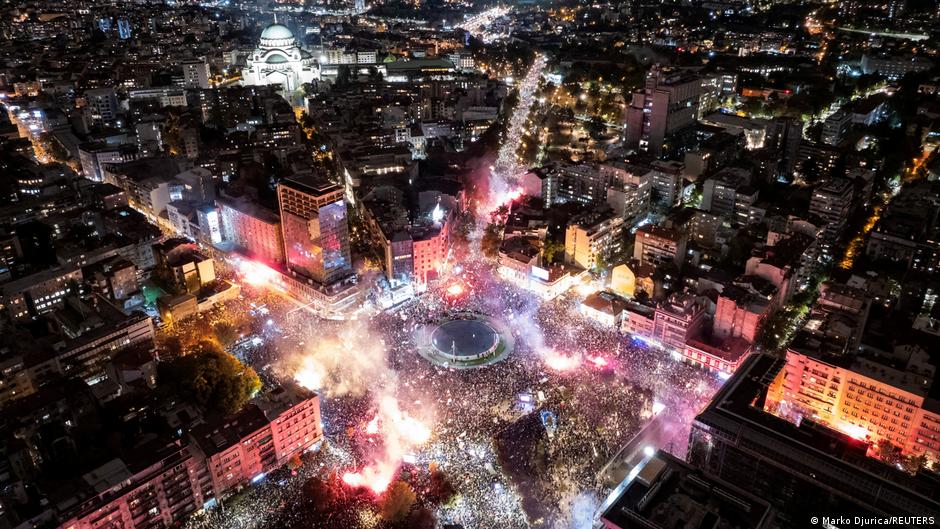
A student-led movement is challenging Aleksandar Vucic as anger over alleged corruption turns Serbia’s snap election into a test of its governing model.

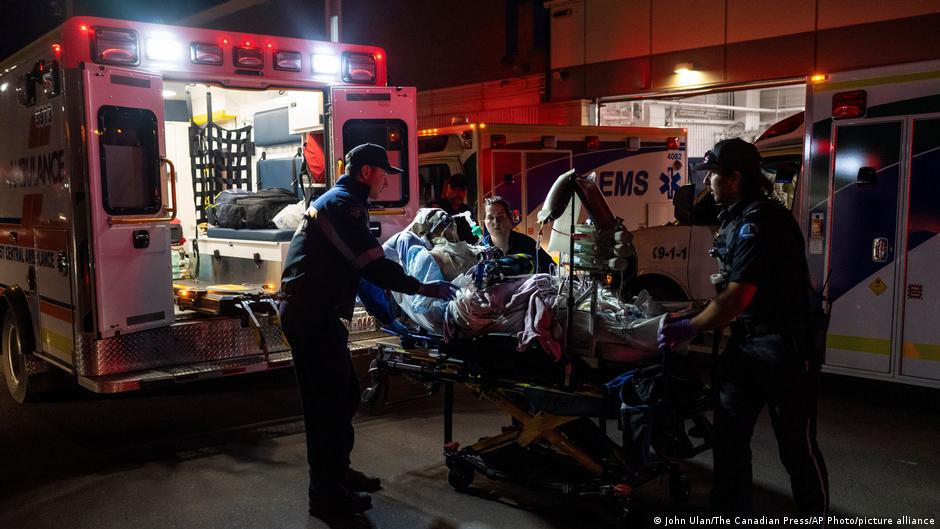
Four Canadian soldiers were killed and dozens injured as a fast-moving wildfire swept through an army exercise at Base Wainwright in Alberta.

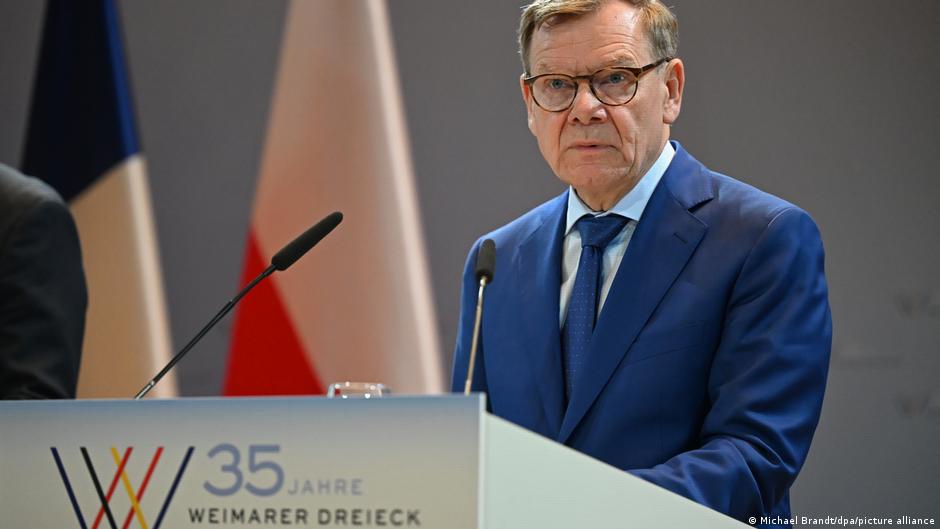
Finland’s foreign minister is pressing the EU to halt Russian tourist visas, framing mobility as part of Europe’s sanctions response.

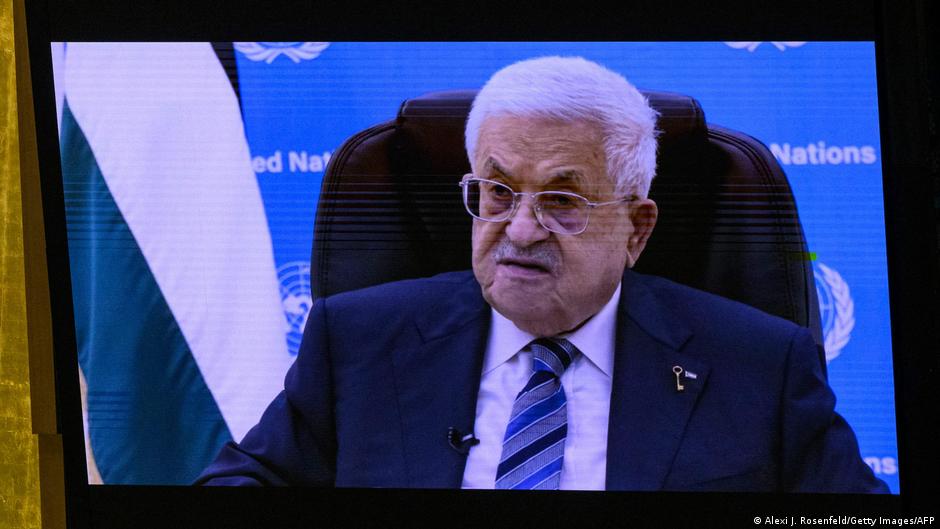
Palestinian elections have been delayed until September 2027, extending political uncertainty around Gaza’s governance and reconstruction.

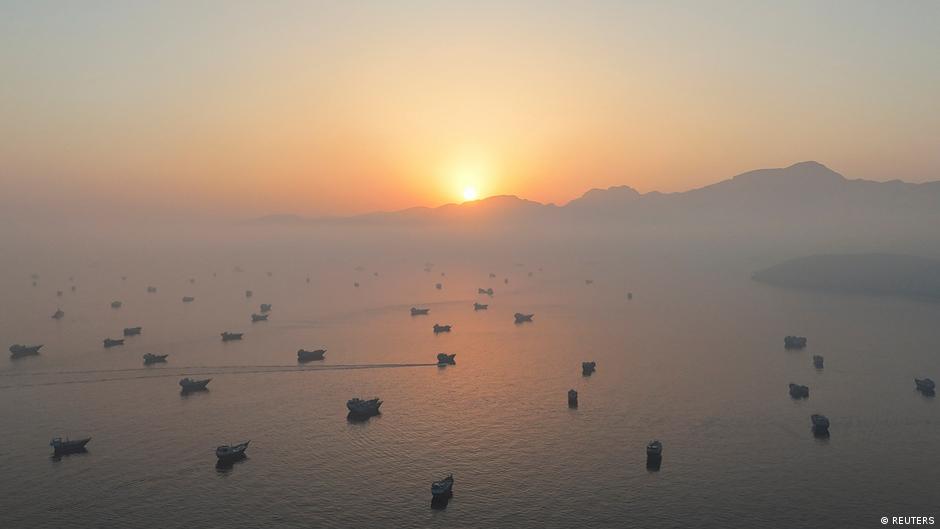
A U.S. strike disabled a Panama-flagged cargo ship near Iran, deepening Gulf trade risks as tanker attacks and fuel prices add economic pressure.

Kyiv sanctioned 44 people tied to Russia’s Duma vote in occupied Ukrainian regions, targeting Moscow’s effort to normalize control.

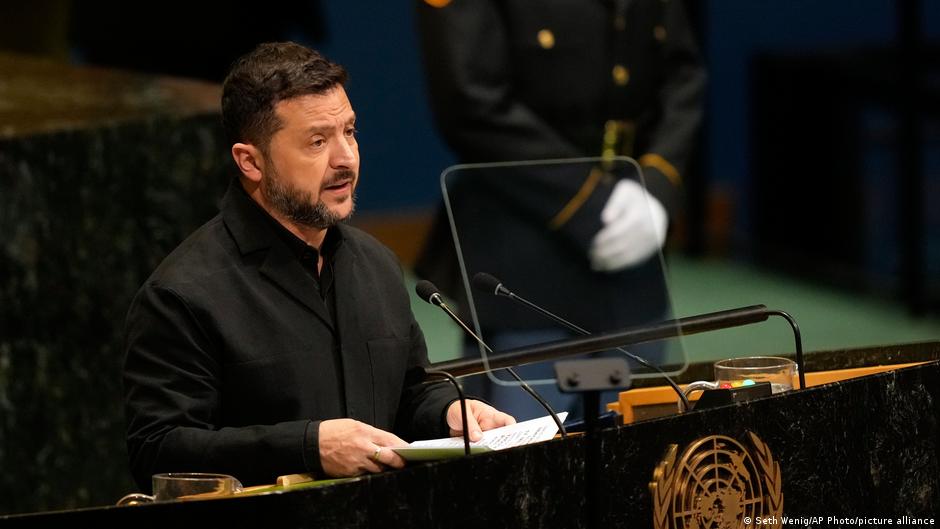
Zelenskyy told the UN that Putin is spreading the idea of war globally and said Ukraine aims to weaken Russia’s ability to finance the conflict.
The discovery of 572 remains at Chemmani has revived Sri Lanka’s unresolved debate over wartime disappearances and accountability.

Georgia detained ex-defense minister Giorgi Baramidze in a treason and sabotage case tied to his comments on the Abkhazia war.

Germany’s foreign minister says Ukraine aid should also benefit German defense firms, linking support for Kyiv to industrial policy and taxpayer accountability.

Meta’s $18 billion settlement mandates new child-safety rules reliant on flawed age-verification tech, raising privacy concerns and reshaping digital platform regulation.

Latvia has publicly listed 170 companies trading with Russia and Belarus amid the Ukraine war, aiming to increase transparency and influence economic behavior.

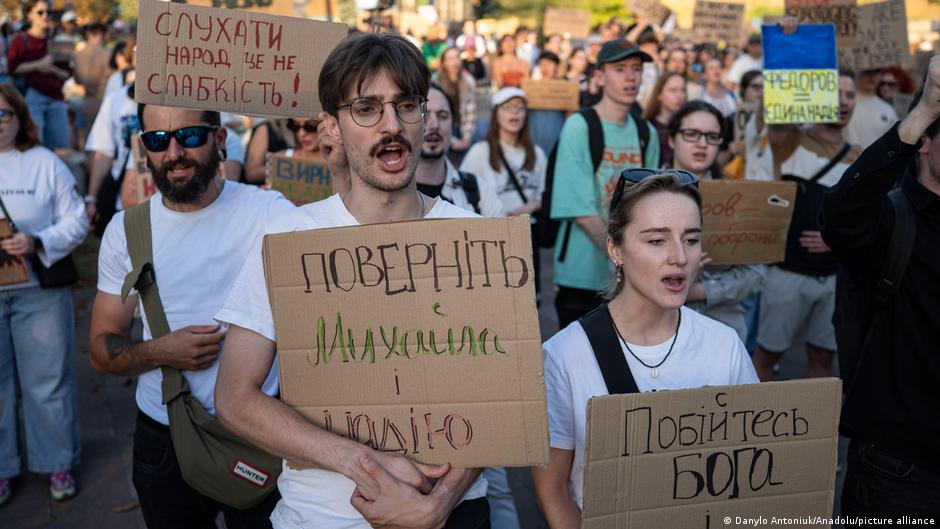
Protests in Kyiv and other cities demand reinstatement of Mykhailo Fedorov as defense minister, criticizing recent government appointments and calling for reform continuity amid governance challenges.

Ukraine sanctions 13 ships and 28 companies over illegal grain exports from Russian-occupied territories, aiming to disrupt unauthorized sales and assert economic sovereignty.

Reports reveal at least 345 executed Ukrainian POWs and widespread torture, highlighting severe war crimes with significant legal and economic consequences amid ongoing conflict.

Russia's Prosecutor General has declared the American Human Rights Foundation "undesirable" due to its critical projects and leadership changes in 2024.

Vladimir Osechkin halts Gulagu.net citing a global human rights crisis and increasing repression in Russia, highlighting structural challenges for activists and international law.

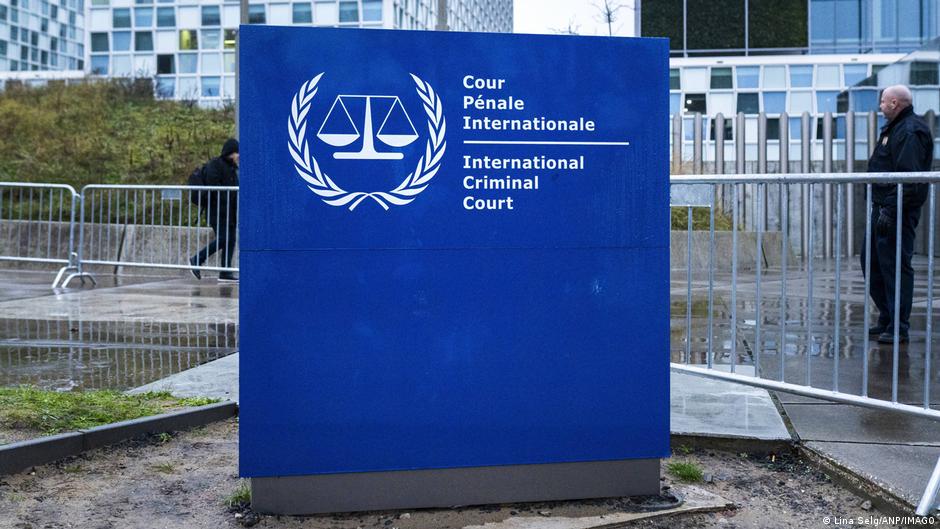
Germany reaffirms its commitment to the International Criminal Court as the US intensifies opposition, framing the court as a threat to American sovereignty and launching a diplomatic campaign against it.

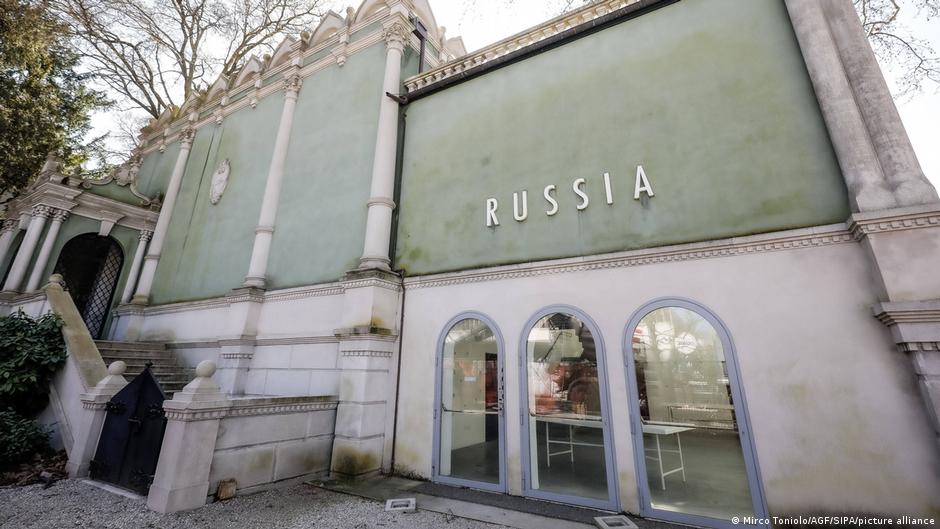
The EU recommends withdrawing €2 million funding from the Venice Biennale due to Russia’s participation, raising concerns about democratic values and sanction compliance amid geopolitical tensions.

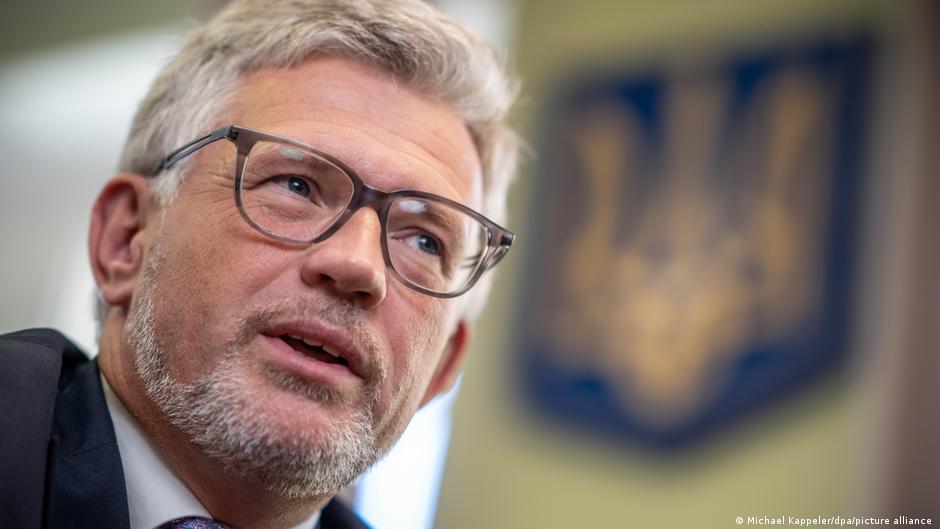
Ukraine urges the UN to ban Russian military from peacekeeping missions after documented sexual crimes, challenging UN accountability amid ongoing conflict.

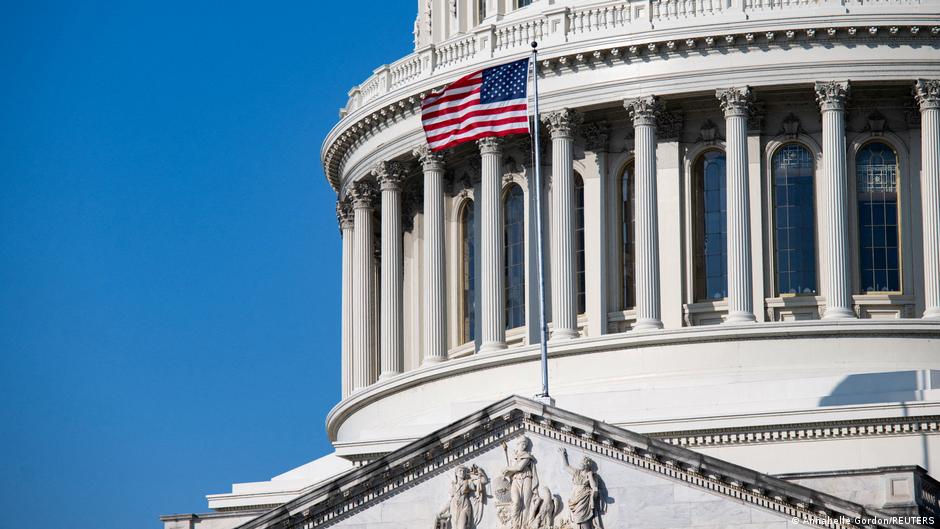
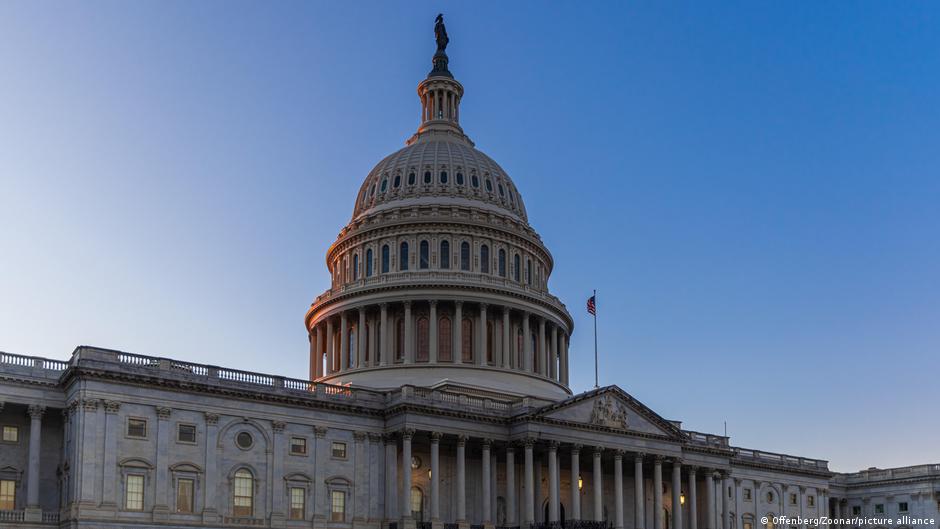
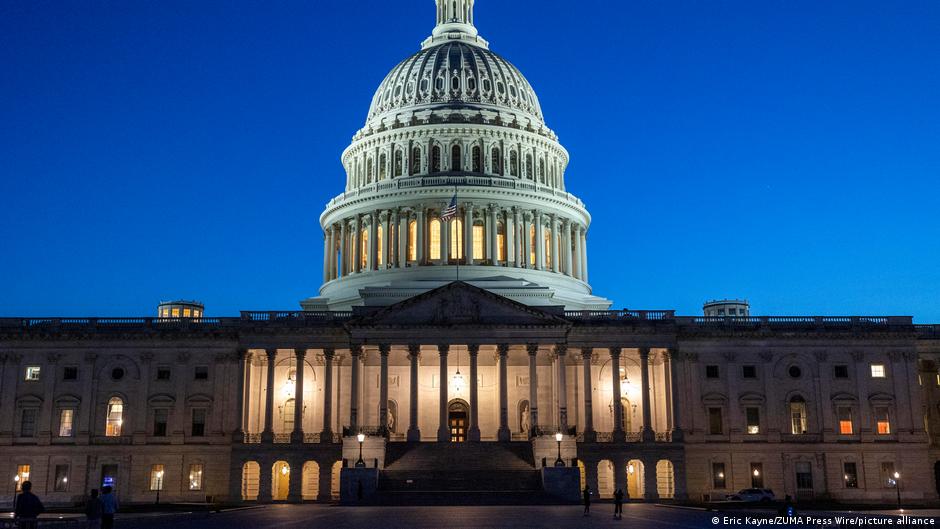
The US House approves a resolution restricting President Trump from continuing war with Iran without Congressional consent, highlighting shifting political and economic concerns.

The EU plans to restrict US tech giants like Microsoft and Google from public cloud contracts in strategic sectors, aiming to boost digital sovereignty.

Filmmaker Andrei Zvyagintsev’s anti-war plea was rejected by the Kremlin, highlighting the silencing of millions of Russians who lack a voice amid the ongoing conflict.

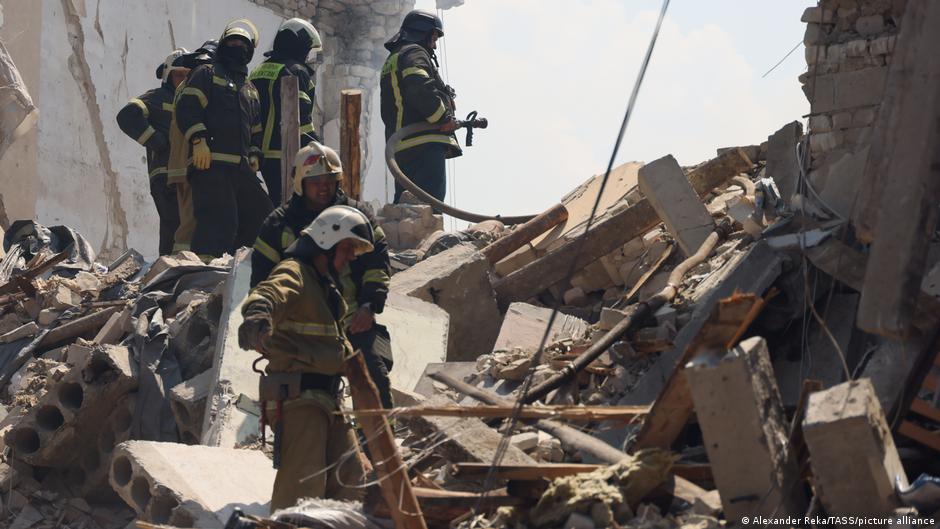
The strike on Starobilsk's pedagogical university dormitory has killed 21 and injured 63, highlighting the severe civilian impact and long-term economic consequences in conflict zones.

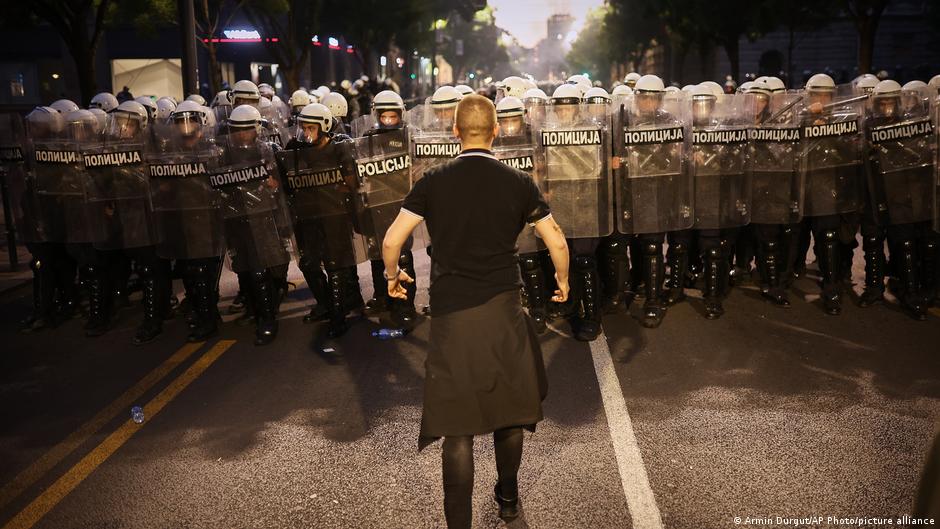
Violent protests in Belgrade expose Serbia's ongoing struggles with corruption, governance failures, and economic instability following a deadly infrastructure collapse.

The US Senate advances a resolution requiring presidential congressional approval for military actions against Iran, highlighting constitutional and economic challenges.

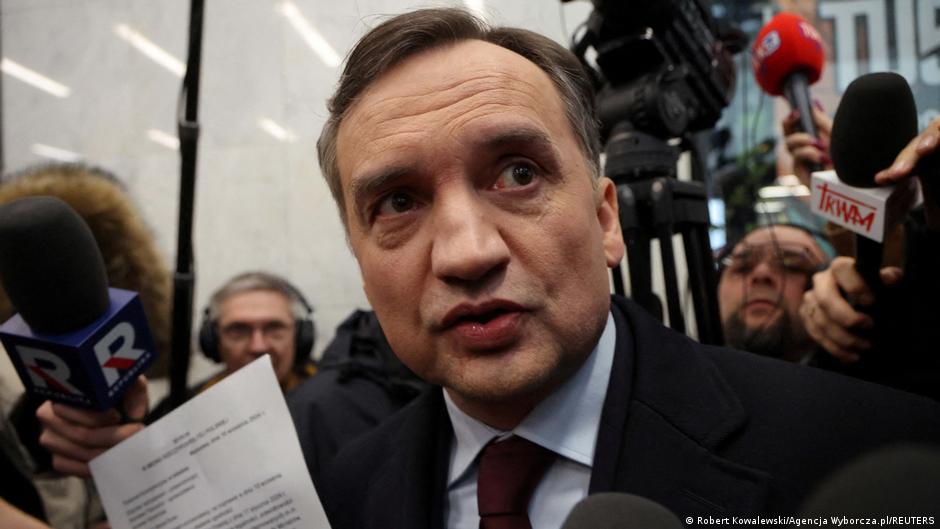
Former Polish Justice Minister Zbigniew Ziobro fled Hungary for the US amid extradition efforts by Poland and Hungary’s new government after Orbán’s era.

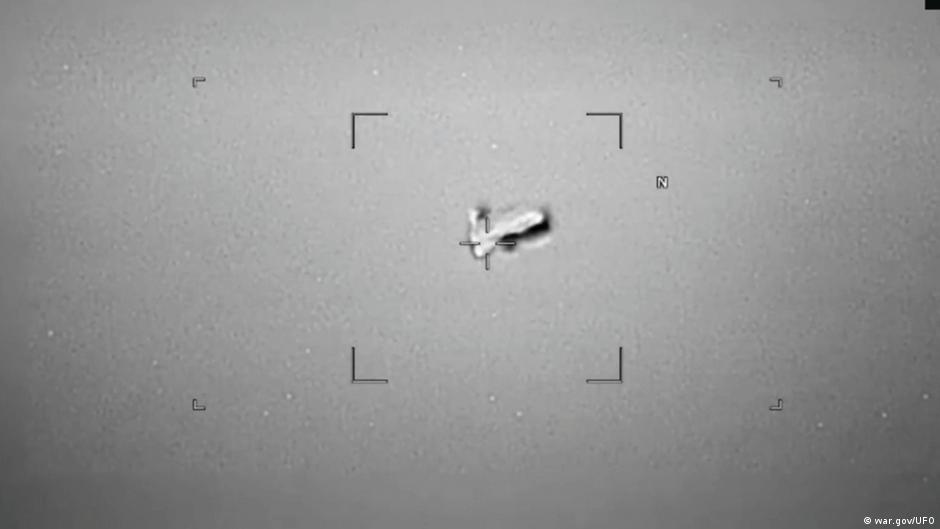
The US Department of Defense has launched a historic project releasing 161 declassified UFO files, promoting transparency and interagency collaboration amid sustained public interest.

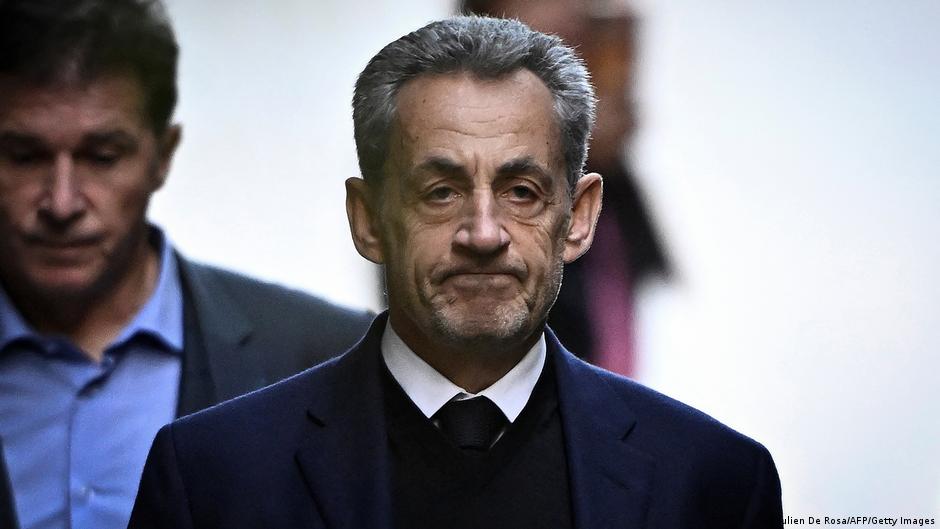
Nicolas Sarkozy receives conditional early release after being convicted for overspending in the 2012 French presidential campaign, highlighting ongoing judicial scrutiny of political finance.

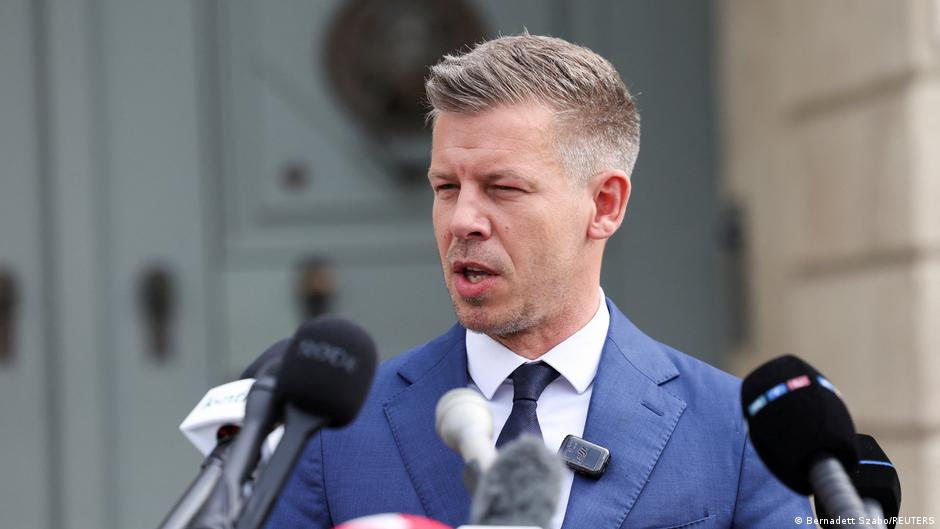
Hungary’s parliamentary elections saw opposition party Tisa claim a majority, challenging results amid fraud allegations tied to a misleading candidate with the same name as an opposition leader.

The US Senate rejected a Democratic-led resolution to end military actions against Iran, reflecting ongoing disputes over presidential war powers and congressional authority.