US Signals Economic Reengagement by Removing Syria from Terrorism Sponsor List
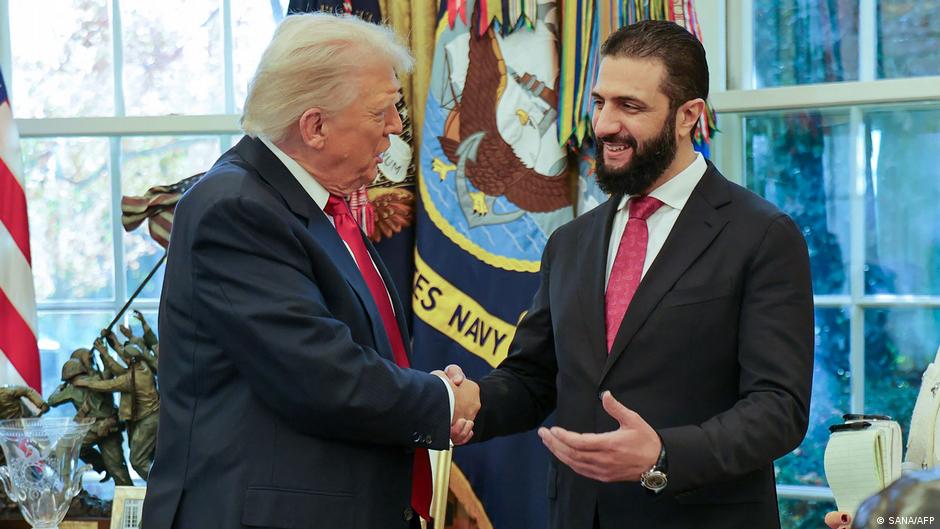
The US plans to remove Syria from its terrorism sponsor list, enabling investments and economic reintegration after years of sanctions and military disengagement.

The US plans to remove Syria from its terrorism sponsor list, enabling investments and economic reintegration after years of sanctions and military disengagement.

Gazprom and Russia's Defense Ministry have launched mobile fire groups to protect gas infrastructure, blending civilian employment with reservist military duties amid rising security concerns.

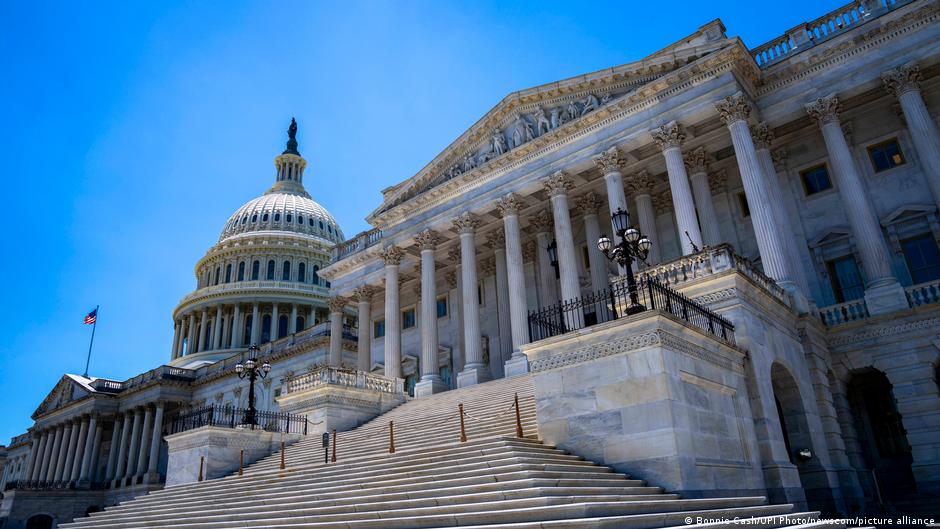
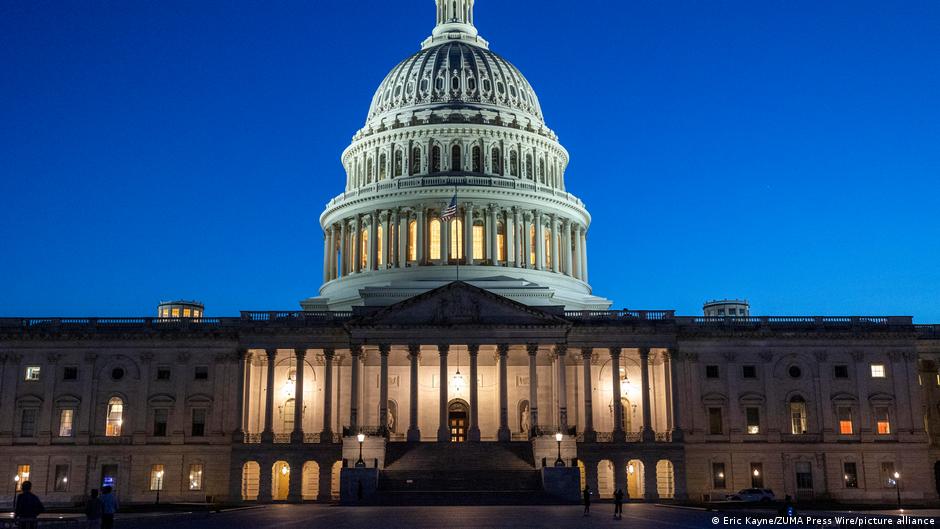
The US Senate voted 50-48 in favor of a resolution urging troop withdrawal from Iran conflict zones, signaling growing congressional concern despite the resolution's symbolic nature.

Belgium issued one-day visas to five Taliban representatives to participate in EU talks on Afghan migration and deportation, reflecting complex geopolitical and economic challenges.

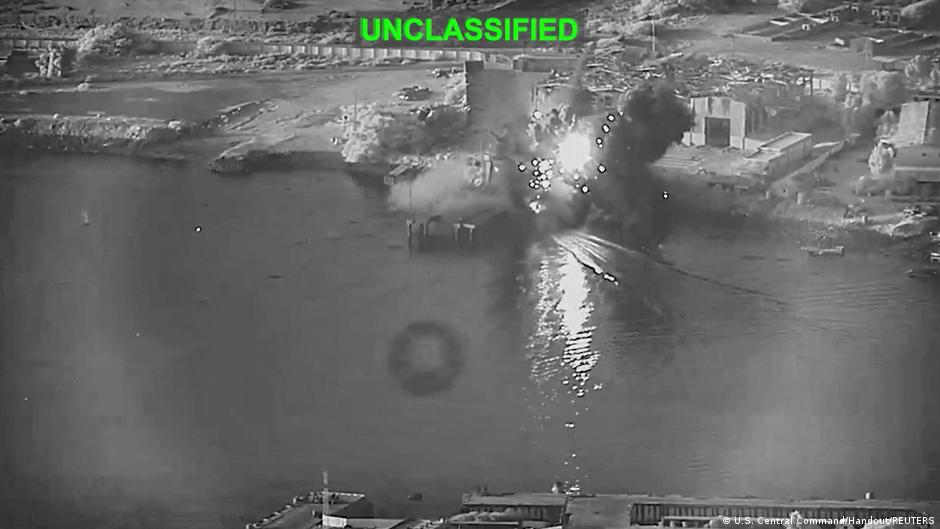
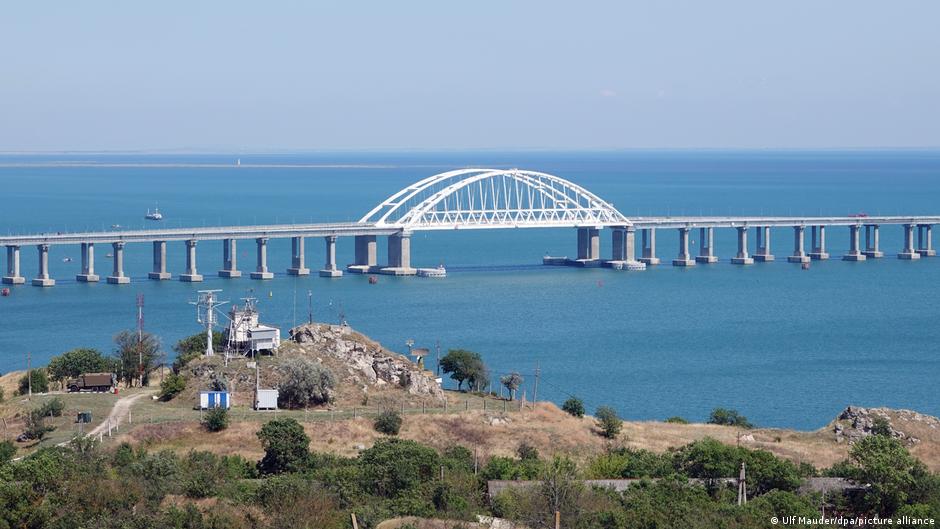
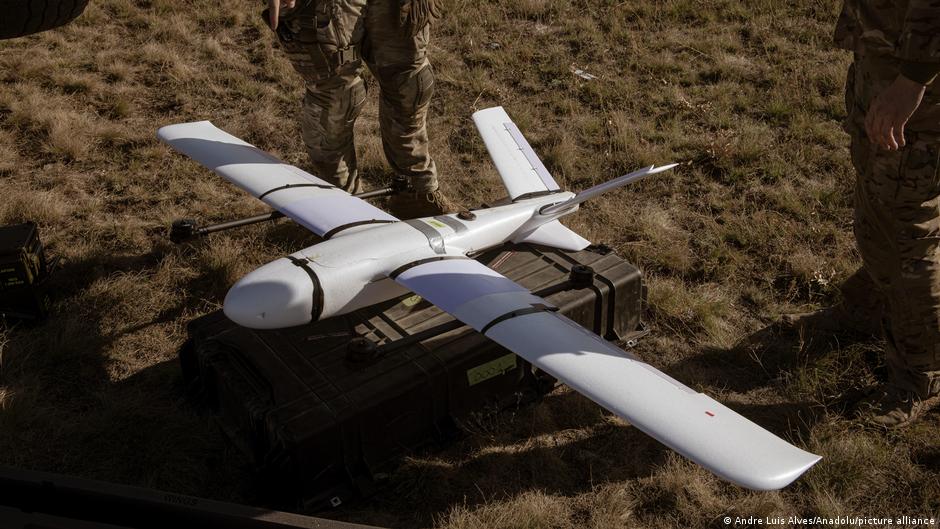
Ukrainian drone attacks on Crimea's infrastructure, including Kerch port and Sevastopol, highlight strategic vulnerabilities and economic implications for the Russian-occupied peninsula.

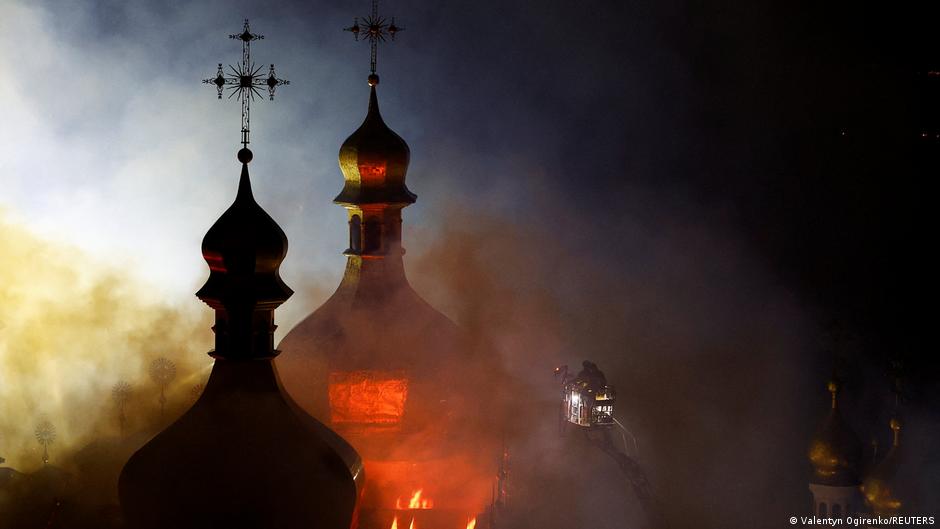
Russian missile strikes on Kyiv and Kharkiv have caused nine deaths and damaged the UNESCO-listed Kyiv Pechersk Lavra, reflecting the broader economic and cultural costs of the conflict.

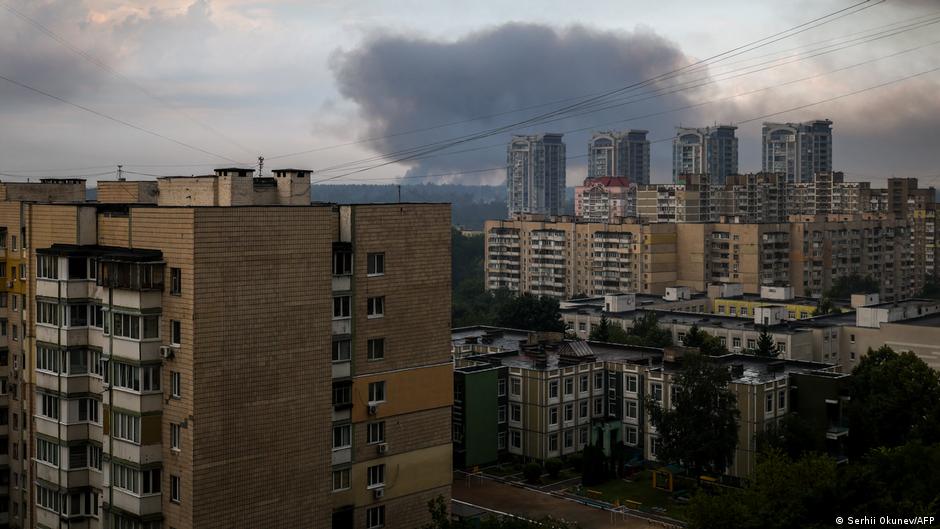
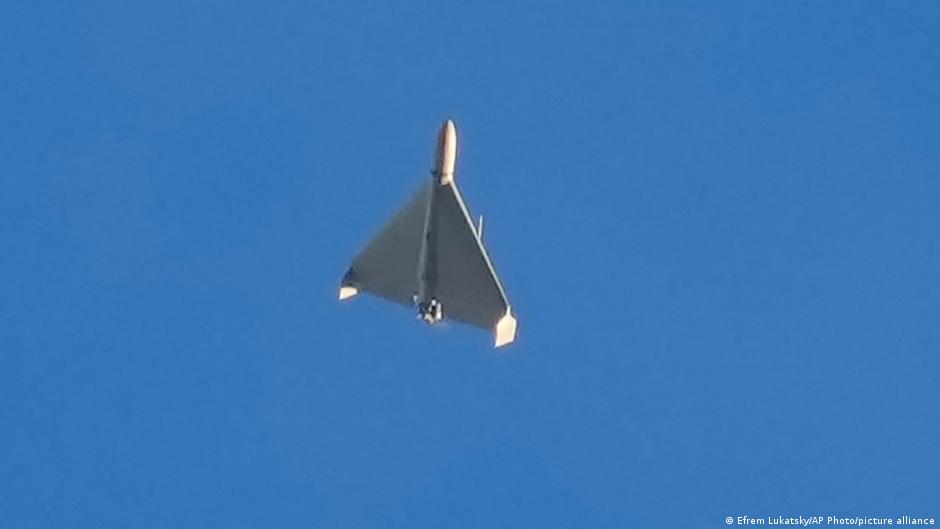
Drone attacks in Russia's Tula region and Ukraine's Kyiv reflect escalating conflict with significant civilian casualties and deep economic and infrastructural repercussions.

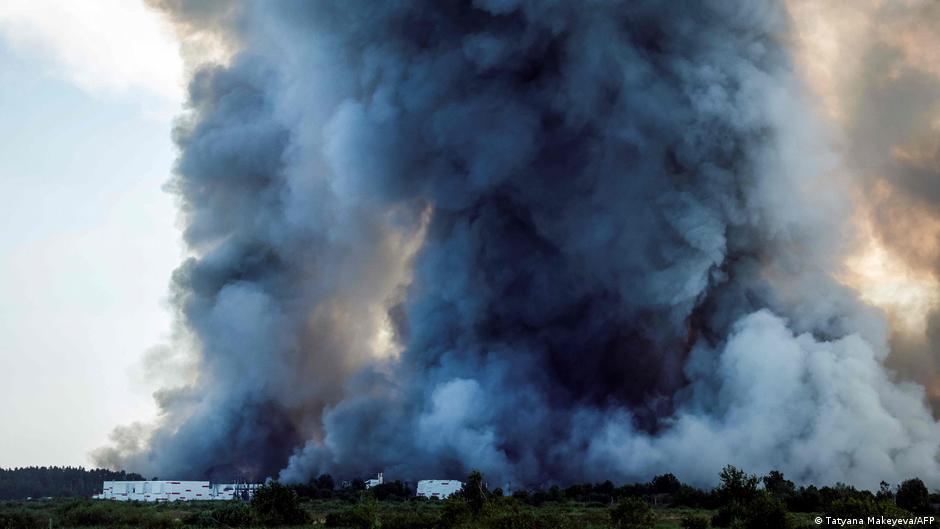
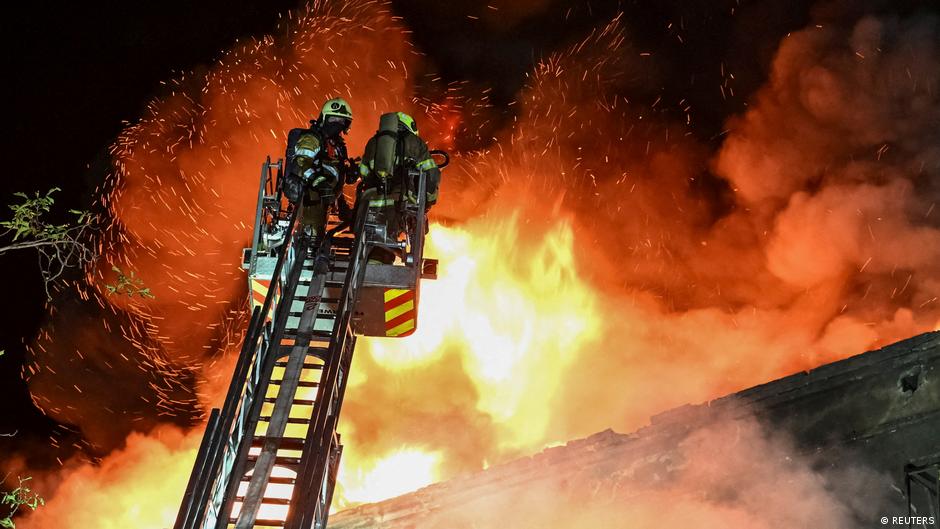
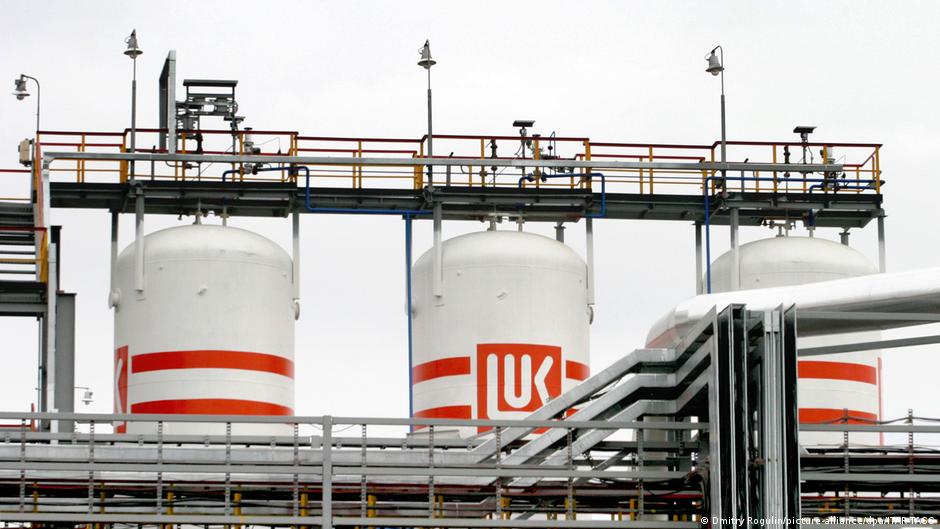
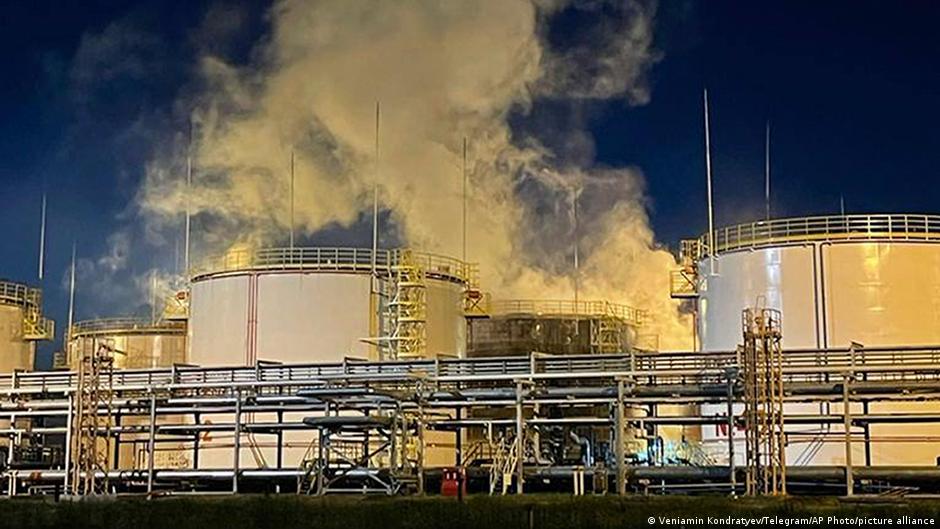
Drone attacks on Russian chemical and oil facilities caused fires and disrupted operations, exposing vulnerabilities in critical industrial infrastructure amid geopolitical conflict.

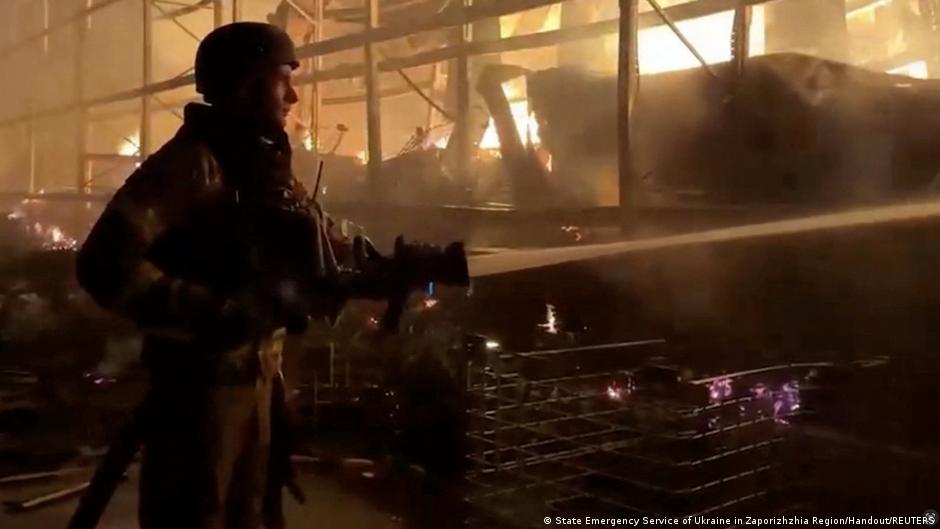
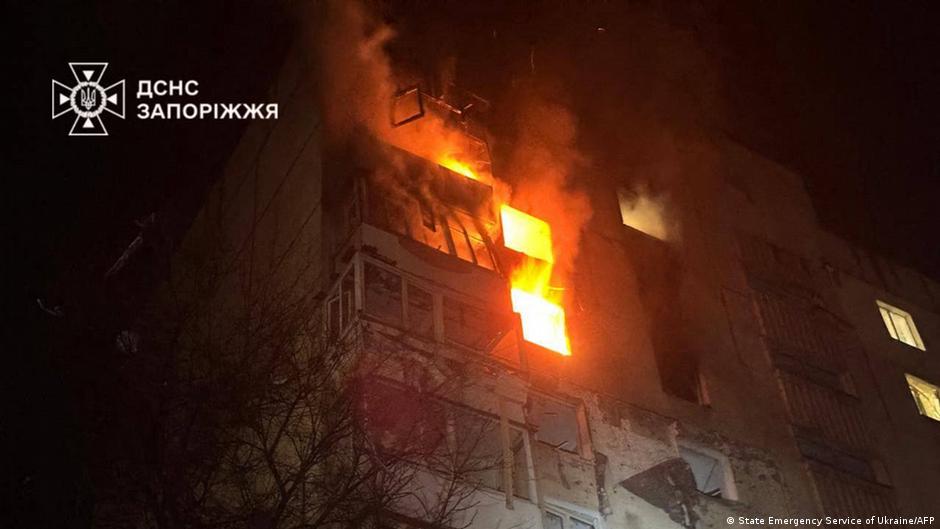
Russian attacks on Zaporizhzhia have caused fires and power outages, highlighting the region's infrastructure vulnerabilities amid ongoing conflict and economic challenges.

Ukraine apologized to Greece over a maritime drone incident near Lefkada, highlighting expanded security risks and economic implications in the Mediterranean amid Russia’s ongoing aggression.

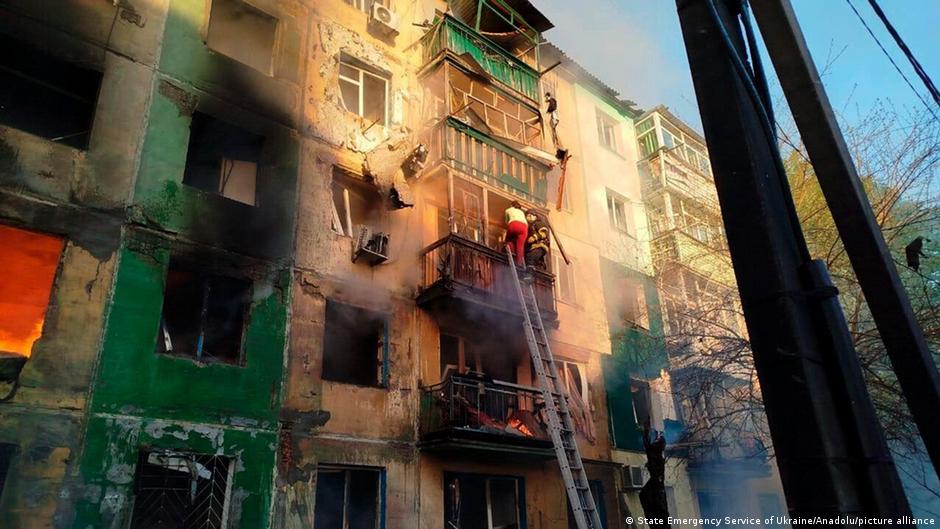
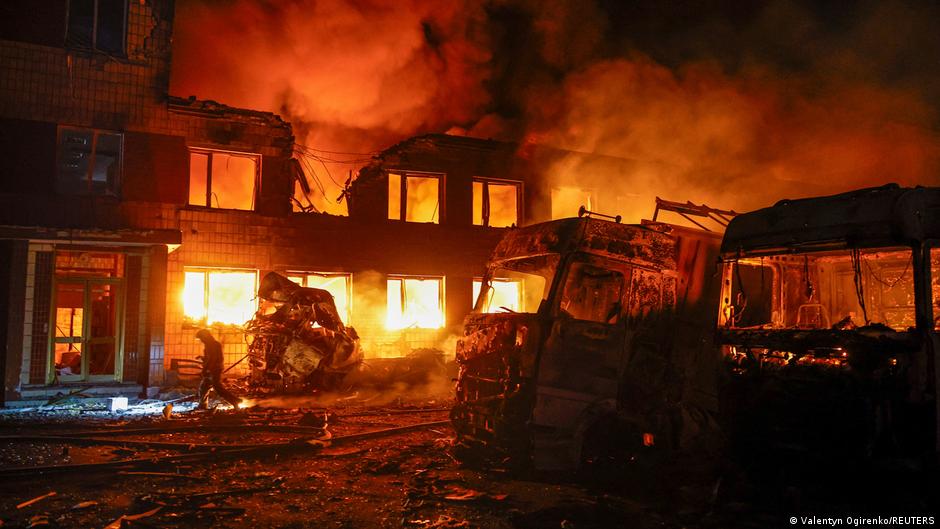
Russian drone strikes on Ukrainian cities Zaporizhzhia and Konotop caused civilian casualties and infrastructure damage, highlighting the conflict's severe economic and humanitarian impact.

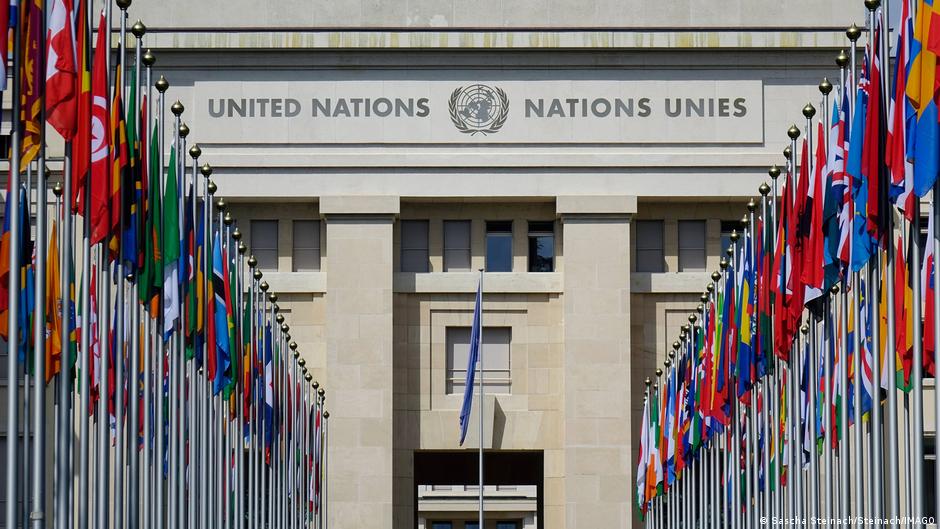
The UN faces bankruptcy as delayed payments from the US and China, combined with cuts from other donors, force drastic operational reductions and threaten global programs.

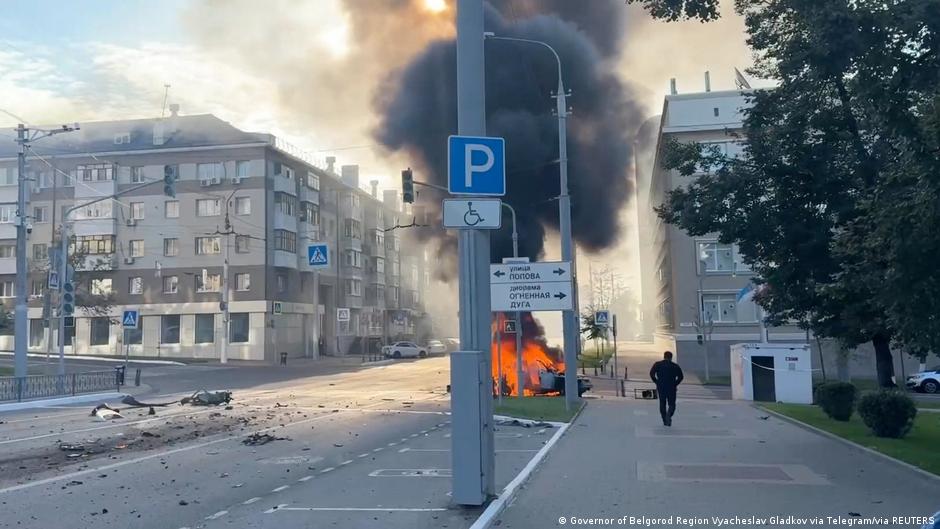
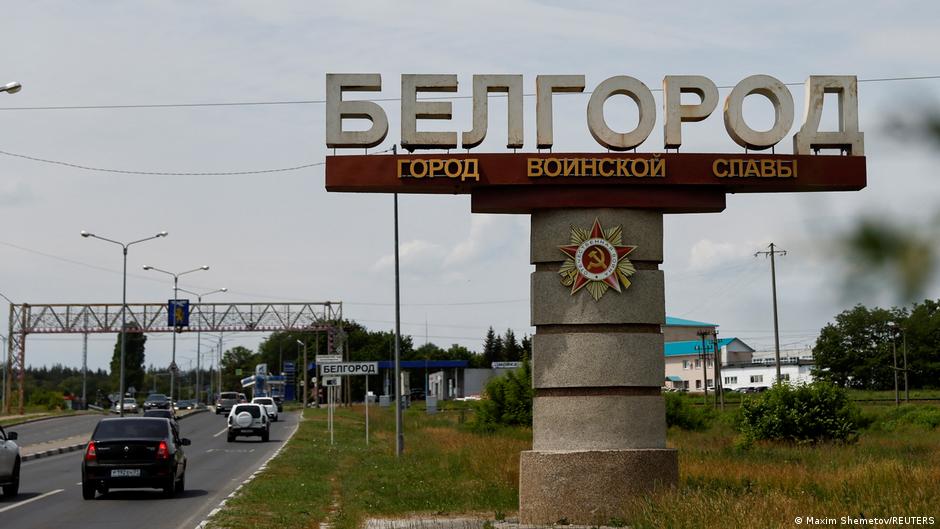
Belgorod authorities have restored mobile internet and street lighting after months of restrictions driven by security concerns, balancing civilian needs with defense imperatives.

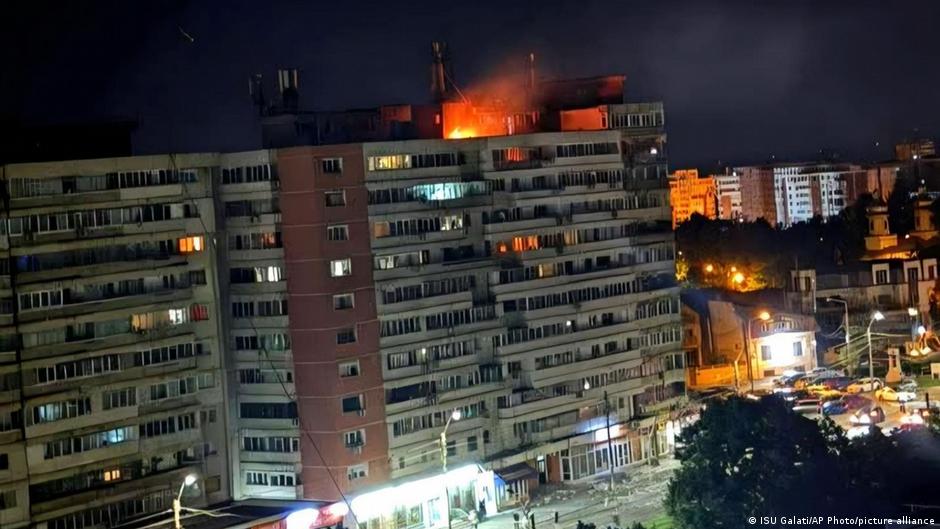
A Russian-origin drone crashed into a Romanian residential building near Ukraine, prompting NATO to call for enhanced air defense and highlighting broader regional security challenges.

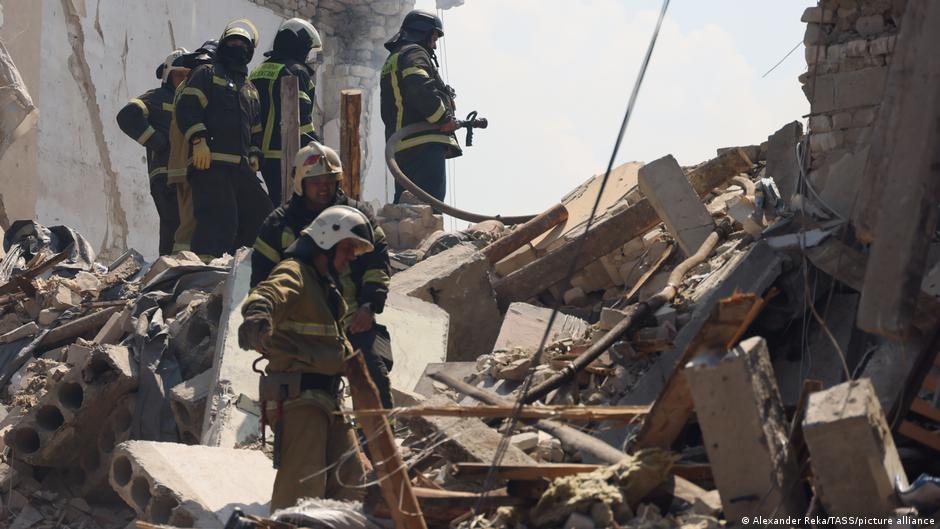
The strike on Starobilsk's pedagogical university dormitory has killed 21 and injured 63, highlighting the severe civilian impact and long-term economic consequences in conflict zones.

Ukraine's drone strikes have forced Russia's Nizhny Novgorod refinery to halve its processing capacity, disrupting a significant portion of the country’s fuel production.

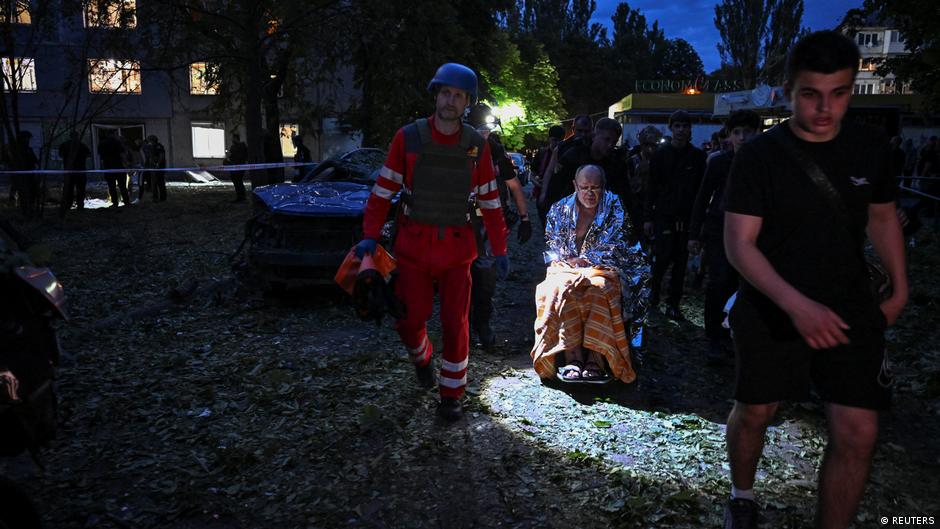
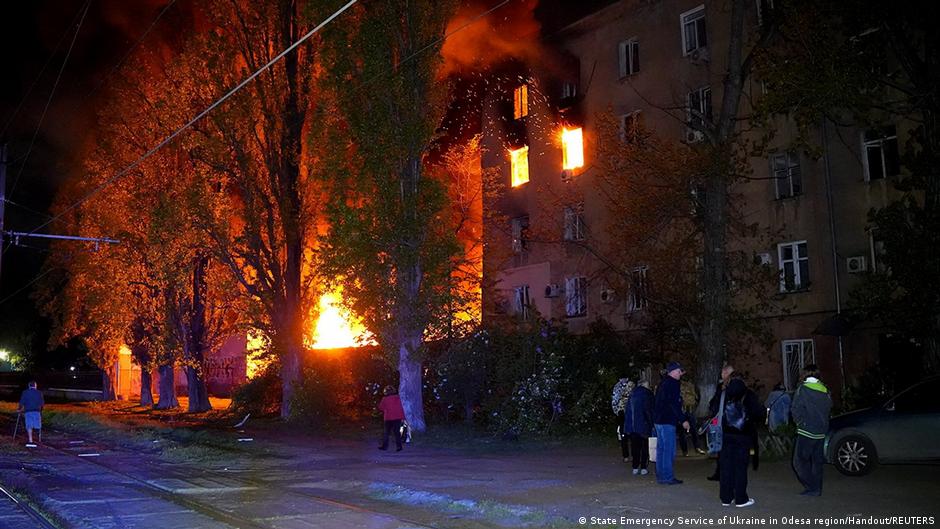
Russian drone and missile strikes have caused injuries and damaged civilian infrastructure in Odessa and Dnipro, raising concerns about the broader economic and social impact of ongoing conflict.

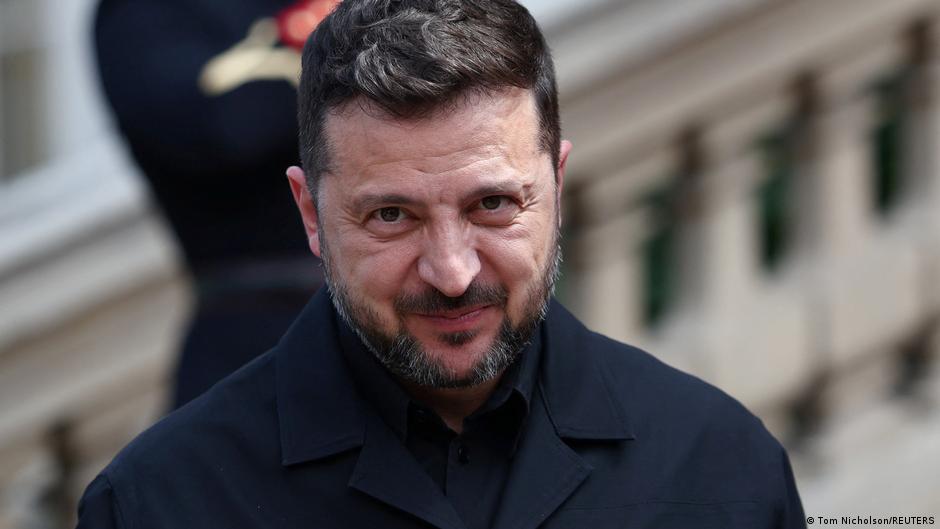
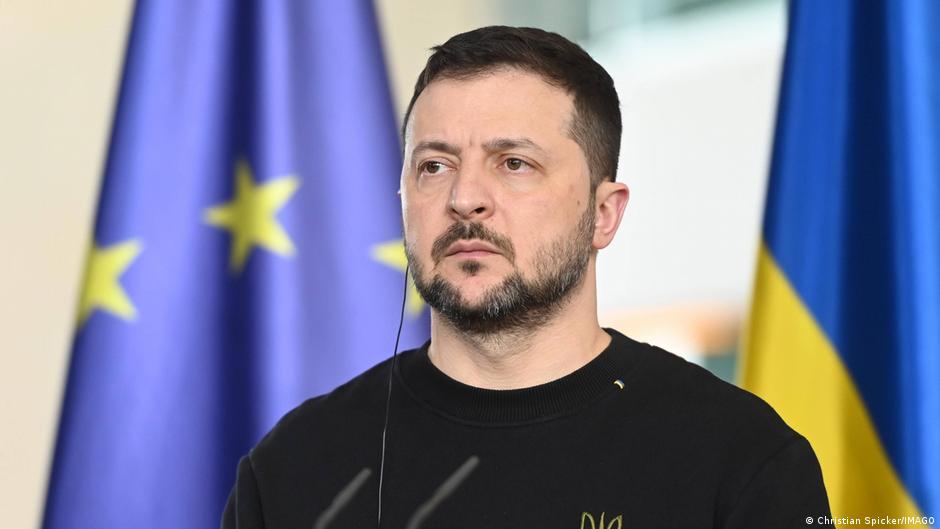
Ukrainian President Zelensky met with German intelligence leaders to advance air defense cooperation and drone production amid escalating aerial attacks on Kyiv.

Latvia’s Defense Minister resigned after drone incursions linked to Ukraine-Russia conflict exposed vulnerabilities in airspace security and raised political and economic concerns.

US-Iran tensions trigger a 7% rise in Brent oil prices amid threats of long-term blockade, exposing the economic vulnerabilities of global energy markets.

A Russian drone strike on Odessa injured at least three civilians and damaged residential buildings, posing significant challenges to the city's economic resilience and civilian safety.

Drone attacks on April 18 set fires at oil depots in Russia’s Krasnodar region and Sevastopol, exposing vulnerabilities in energy infrastructure amidst ongoing conflict.

The US Senate rejected a Democratic-led resolution to end military actions against Iran, reflecting ongoing disputes over presidential war powers and congressional authority.