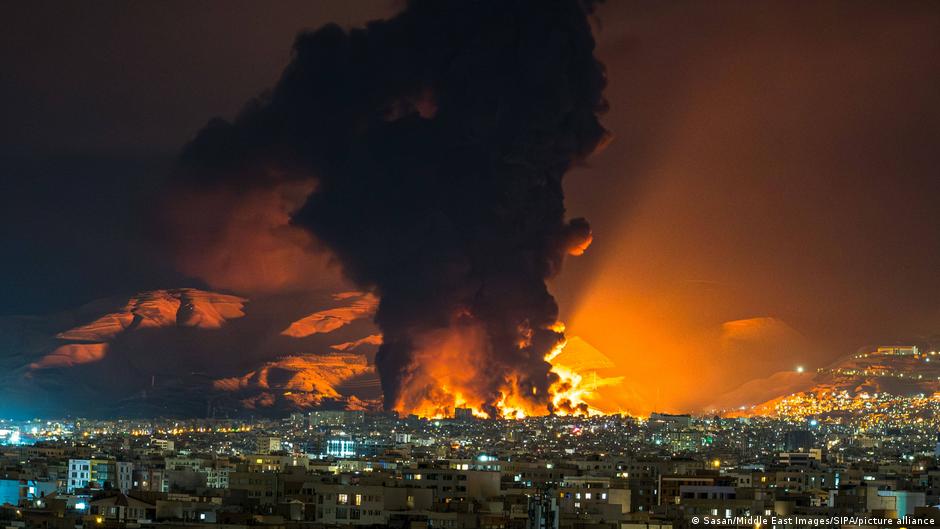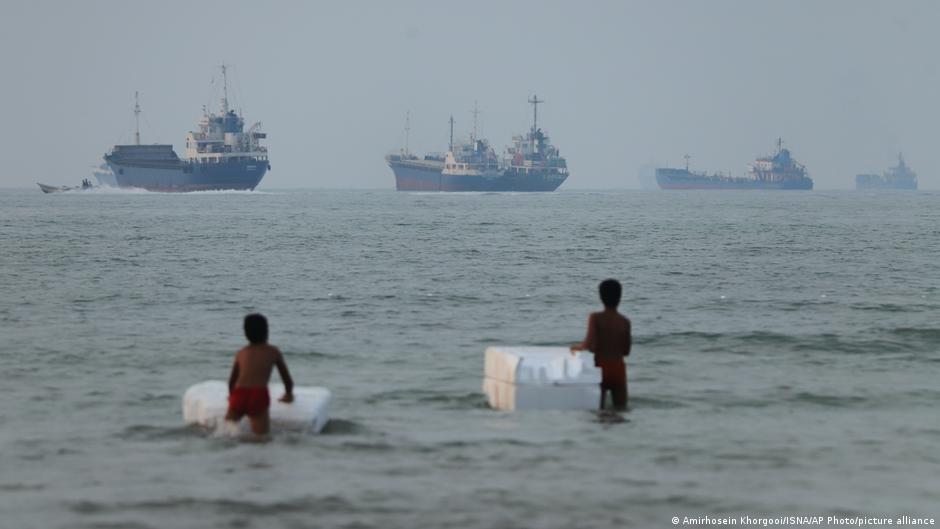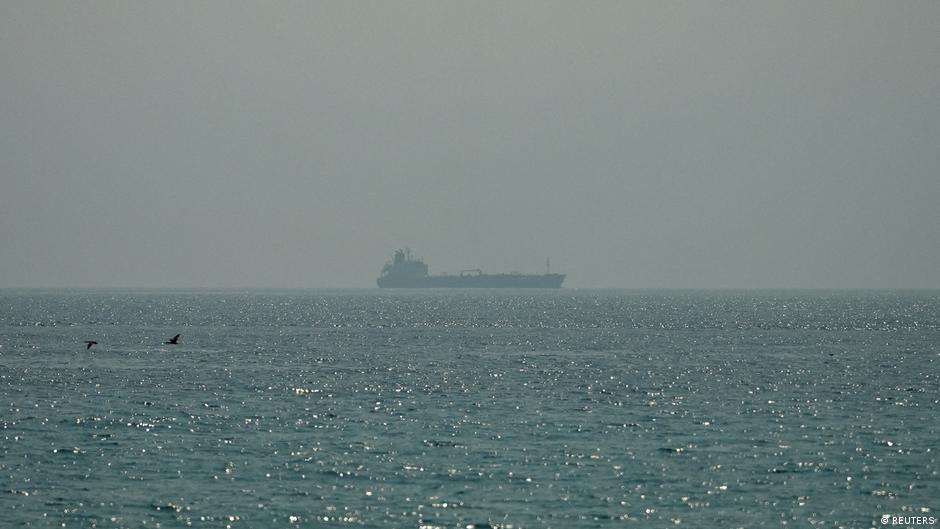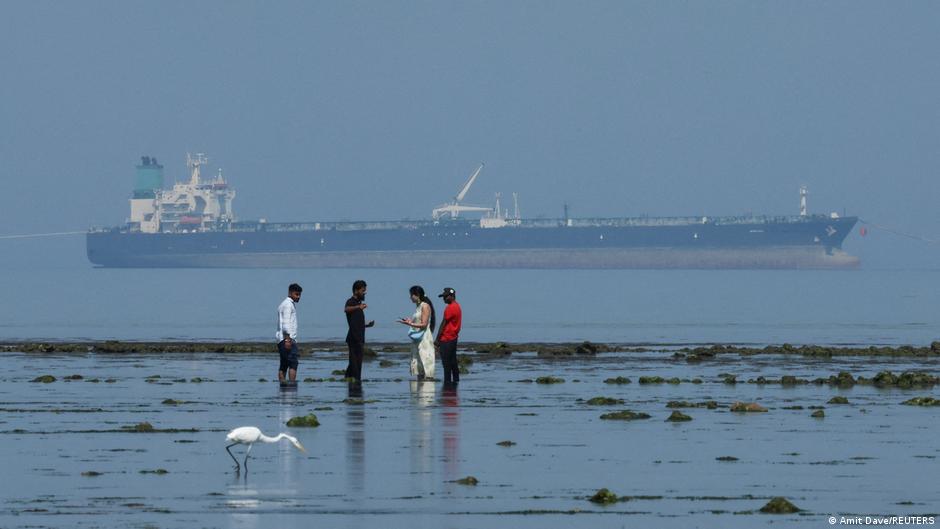
Tanker Fire off Sochi Highlights Economic Risks in the Black Sea
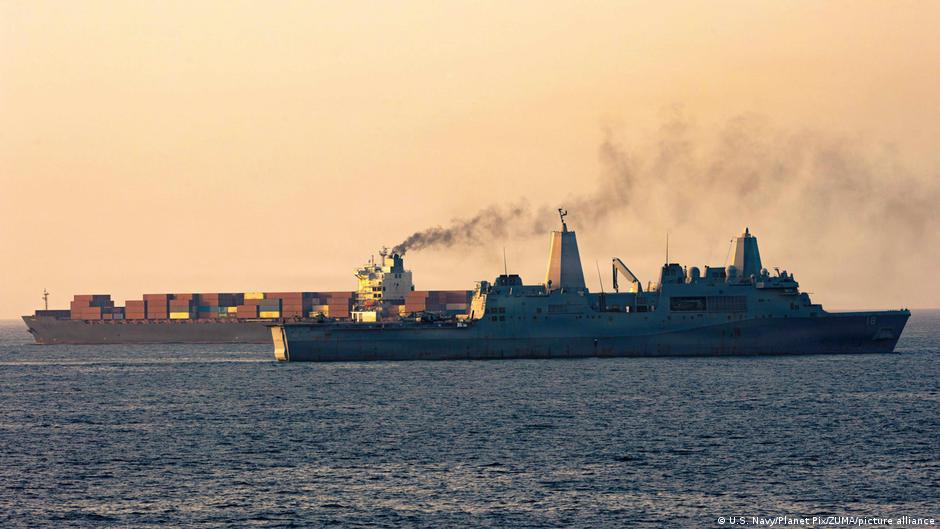
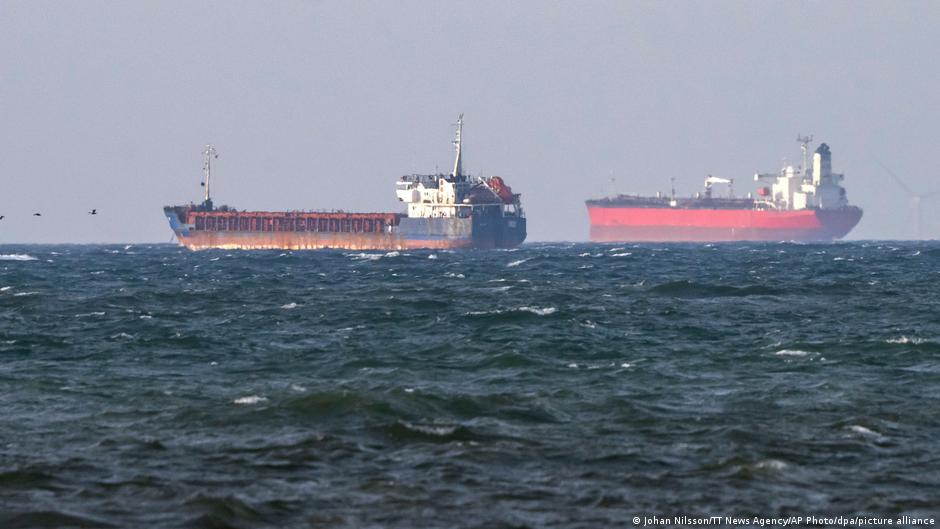
A tanker fire near Sochi exposes the mounting economic risks around Black Sea shipping, Russian oil exports and shadow-fleet logistics.

A tanker fire near Sochi exposes the mounting economic risks around Black Sea shipping, Russian oil exports and shadow-fleet logistics.

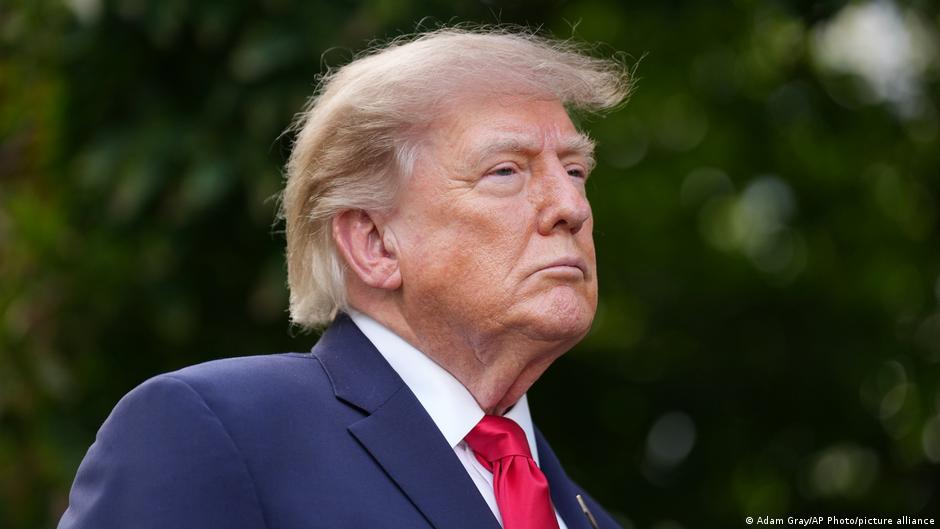
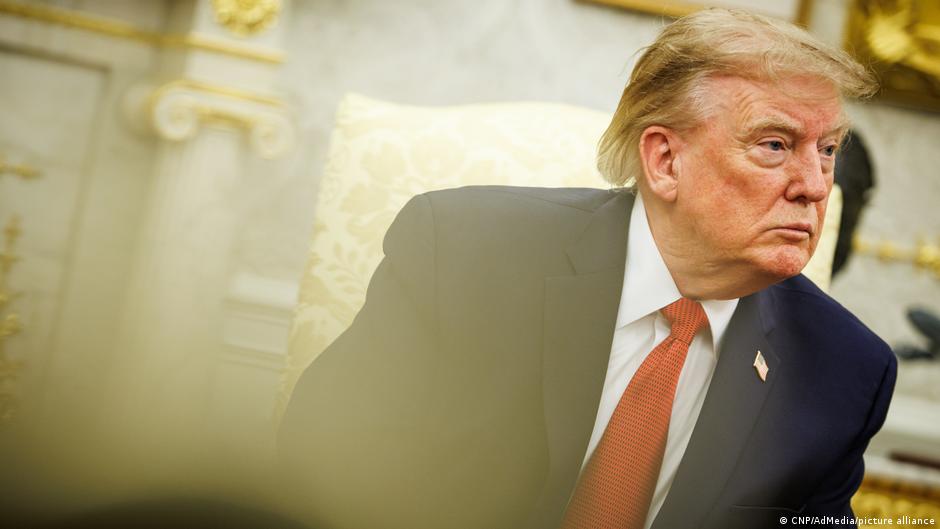
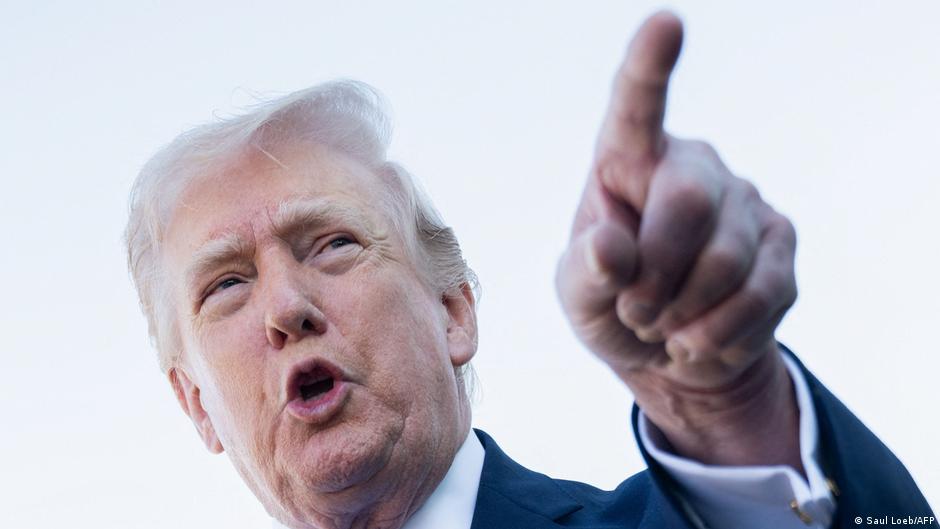
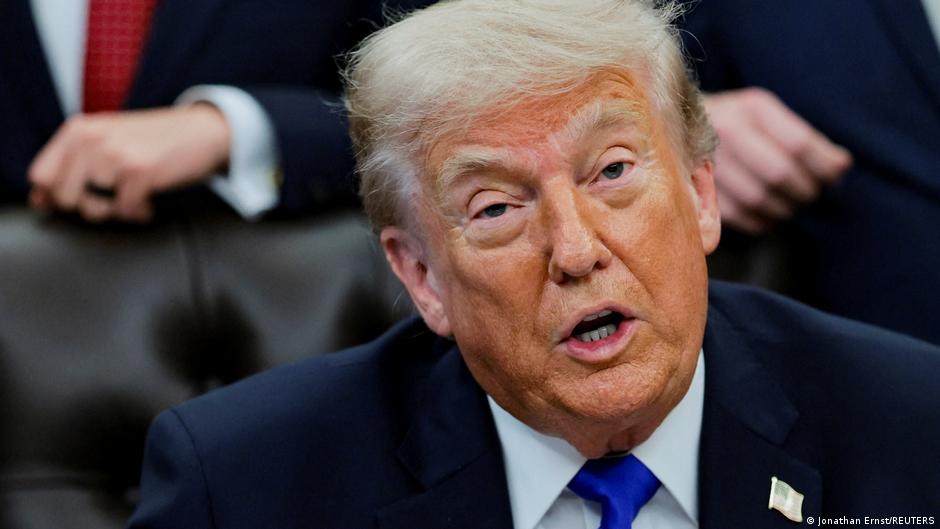
Trump expects renewed Iran talks after rejecting Tehran’s Hormuz proposal, with sanctions, oil flows and nuclear demands shaping the standoff.

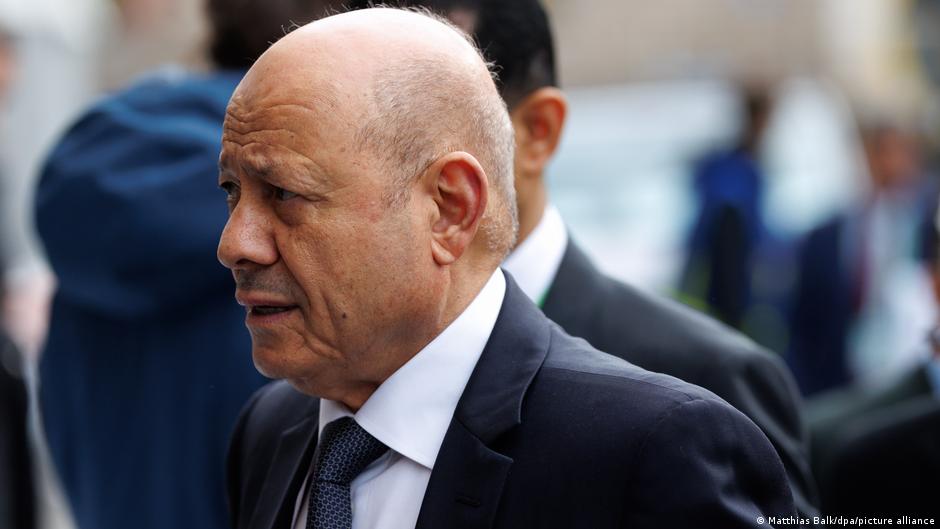
Yemen’s mobilization call comes as Houthi gains near the Red Sea and Bab el-Mandeb raise risks for trade, oil exports and energy prices.

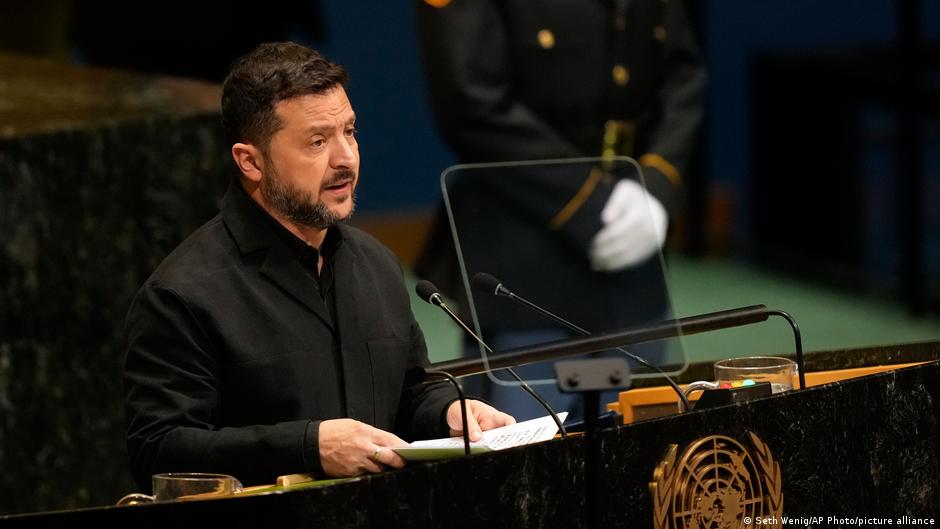
Zelenskyy told the UN that Putin is spreading the idea of war globally and said Ukraine aims to weaken Russia’s ability to finance the conflict.

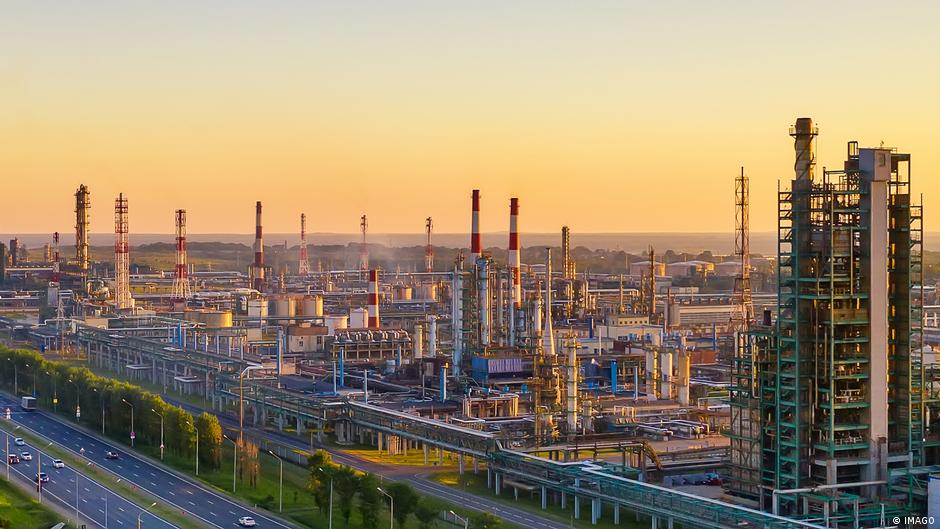
Drone damage has halted the Yaroslavl refinery, adding to Russia’s fuel shortages and exposing vulnerabilities in wartime refining capacity.

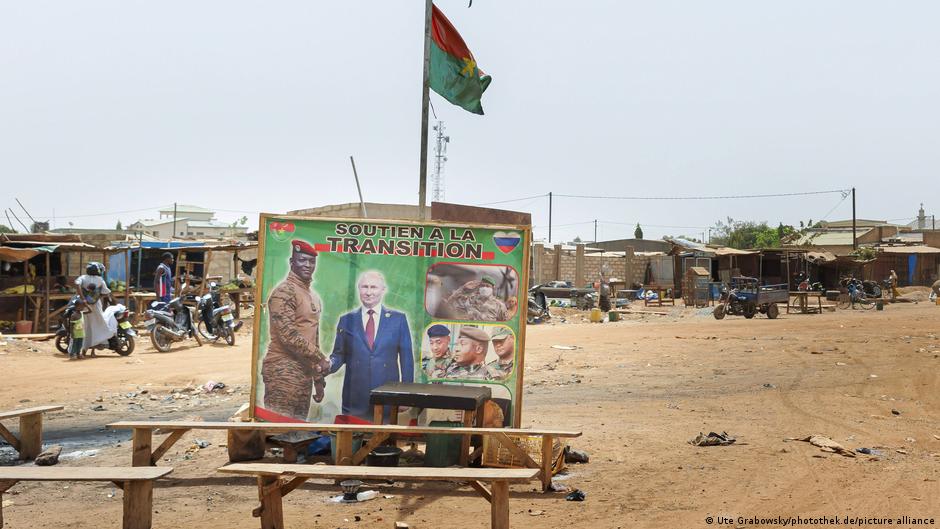
Russia has created a shadow air fleet using military and private aircraft to sustain its operations in Africa’s Sahel, evading Western sanctions through complex logistics.

President Trump announces a comprehensive economic war against Iran, threatening massive sanctions on countries supporting Tehran amid escalating regional tensions.

Venezuela released 131 political prisoners after initial reconciliation talks, agreeing also on judicial reforms amid ongoing economic and political challenges.

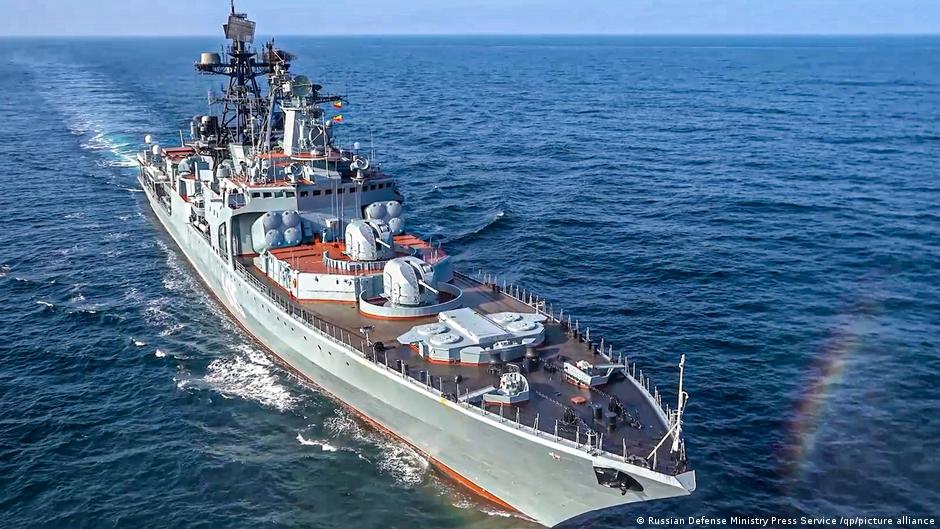
Russia has repositioned the Northern Fleet destroyer Admiral Levchenko to the Baltic Sea near Germany to protect its maritime shadow fleet amid increased sanctions and tensions.

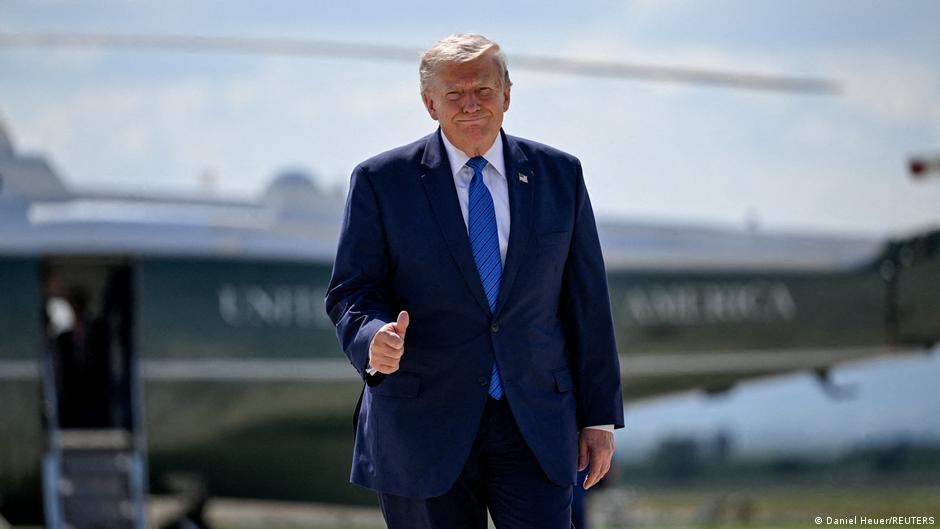
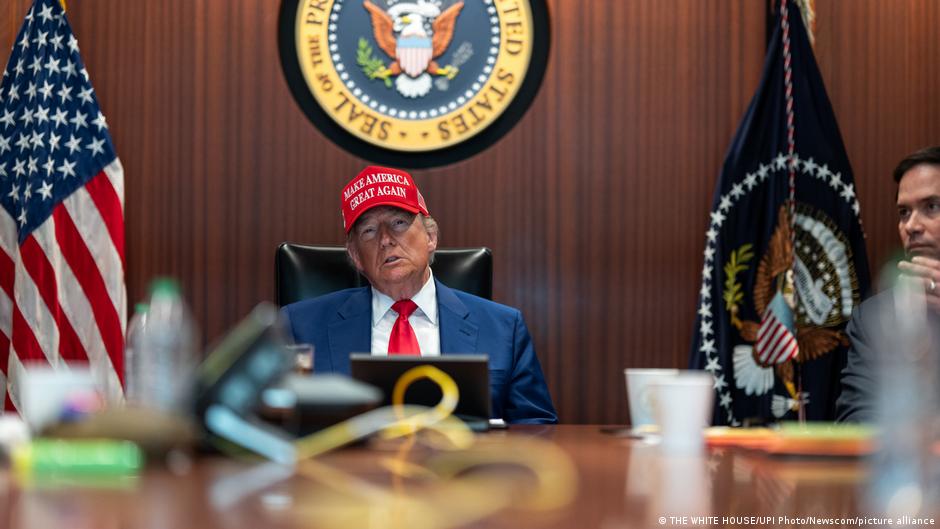
President Trump announces a new negotiation phase with Iran, postponing military strikes to pursue a deal addressing nuclear and regional security, amid ongoing US-Iran tensions.

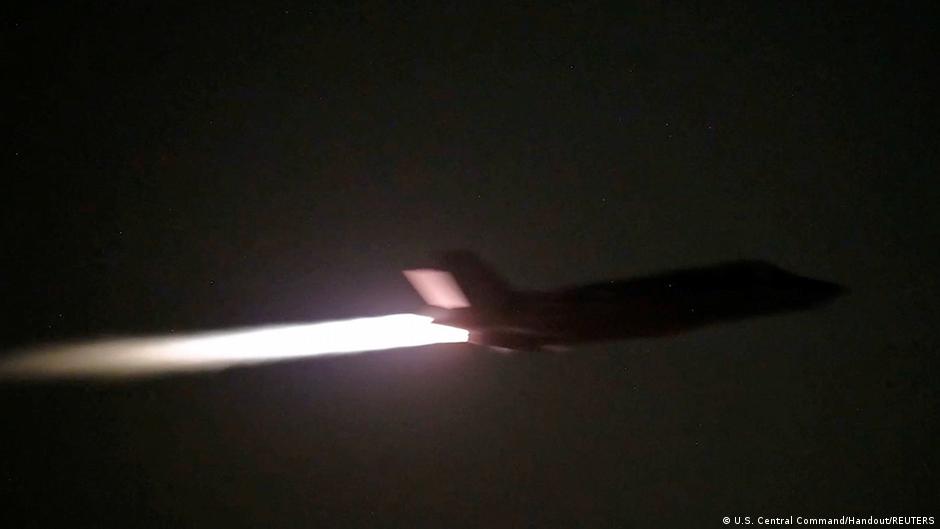
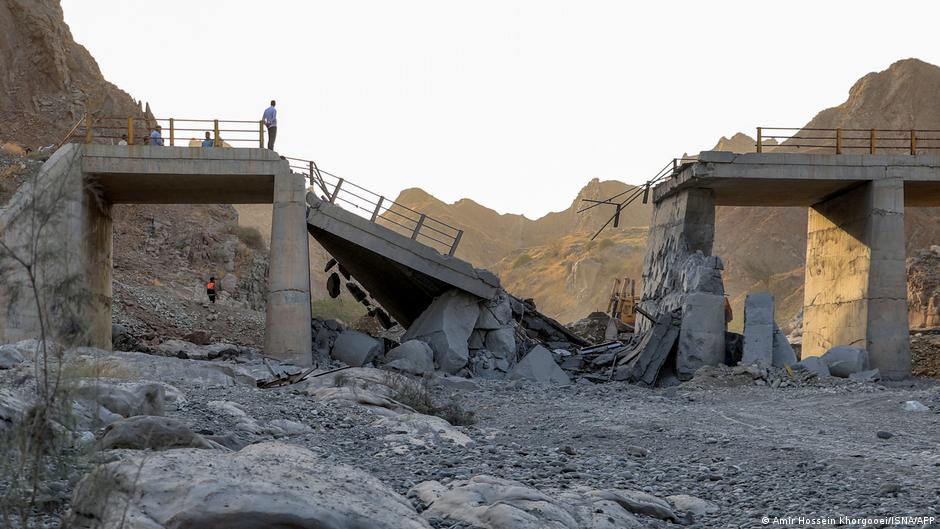
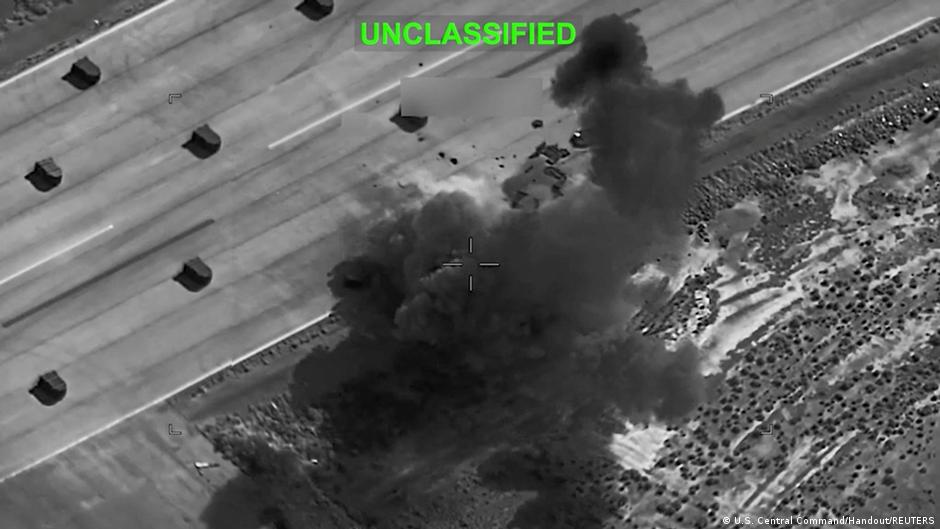
The US military conducted its 11th night of strikes against Iran targeting strategic infrastructure to counter threats to Gulf shipping amid escalating conflict in the Middle East.

US forces have launched nine consecutive nights of strikes against Iran, prompting Iranian retaliation and impacting shipping through the strategic Strait of Hormuz, with broader implications for global energy markets.

The US is pursuing the revival of an Iraq-Syria oil pipeline to bypass the Strait of Hormuz, aiming to reduce Iran's influence and enhance global energy security amid regional tensions.

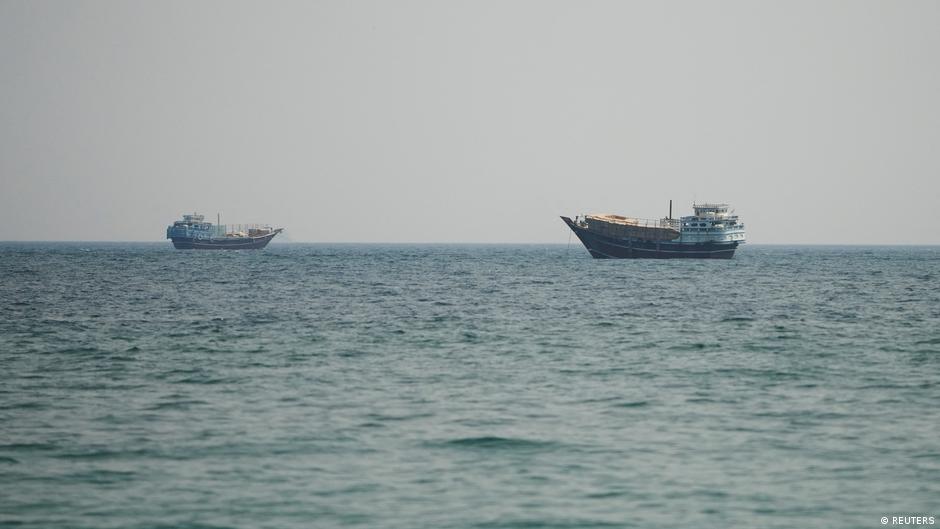
US strikes on Iran escalate following attacks on civilian vessels in the Strait of Hormuz, causing closure of a vital oil shipping route and raising global economic concerns.

The US has launched new military strikes against Iran to prevent interference with shipping in the Strait of Hormuz, escalating tensions amid sanctions and regional retaliations.

US military strikes on Iran following attacks on commercial vessels heighten risks of conflict and disrupt critical energy trade routes through the Strait of Hormuz.

The US and Iran have agreed to a temporary ceasefire until June 30, ahead of talks in Qatar addressing the reopening of the Strait of Hormuz, a critical oil shipping route.

Russia's maritime oil exports reached their highest weekly volume in 2026 amid US sanctions relief for Iran and lower global prices, highlighting complex geopolitical and economic challenges.

The EU agreed to extend sanctions on Russia for one year, reflecting political shifts and signaling deeper economic impacts amid ongoing conflict in Ukraine.

The US has lifted its naval blockade of the Strait of Hormuz, enabling renewed Iranian oil exports and opening a 60-day negotiation period aimed at a comprehensive peace agreement.

Pakistan announces immediate reopening of the Strait of Hormuz following a US-Iran peace memorandum, signaling a potential shift in regional stability and global energy markets.

US forces intercepted four Iranian drones targeting the Strait of Hormuz and struck radar stations, highlighting escalating tensions impacting global energy security.

The US struck a Gambian-flagged ship enforcing the Strait of Hormuz blockade, reflecting deep geopolitical tensions that disrupt critical energy trade routes and impact global markets.

President Trump demands Iran adhere to strict 'red lines,' including a permanent ban on nuclear weapons, as negotiations for a potential agreement continue amid cautious diplomacy.

President Trump delays a planned military strike on Iran following Gulf leaders' intervention, as serious negotiations continue amid complex US-Iran tensions.

The US ended its temporary easing of sanctions on Russian oil, a move that had bolstered Russia's revenues amid global energy price volatility and geopolitical tensions.

Following high-level talks, China signals renewed interest in purchasing U.S. oil and soybeans, highlighting evolving trade ties and potential geopolitical shifts involving Iran.

US President Trump announced significant progress in talks with Iran, with a potential deal to end years of conflict over Iran's nuclear program and sanctions.

Global oil reserves fell by a record 200 million barrels in April amid Middle East tensions, signaling tightening supply conditions despite weakening demand.

Iran has presented a detailed 14-point peace proposal to the US, outlining conditions for ending the Middle East conflict amid ongoing military and economic tensions.

US-Iran tensions trigger a 7% rise in Brent oil prices amid threats of long-term blockade, exposing the economic vulnerabilities of global energy markets.

The US will not extend sanctions exemptions allowing purchases of Russian and Iranian oil products at sea, tightening energy restrictions amid geopolitical tensions and economic consequences.

The US has extended its temporary waiver on sanctions against Russian oil exports until May 16, 2024, amid rising energy prices and complex geopolitical factors affecting global markets.