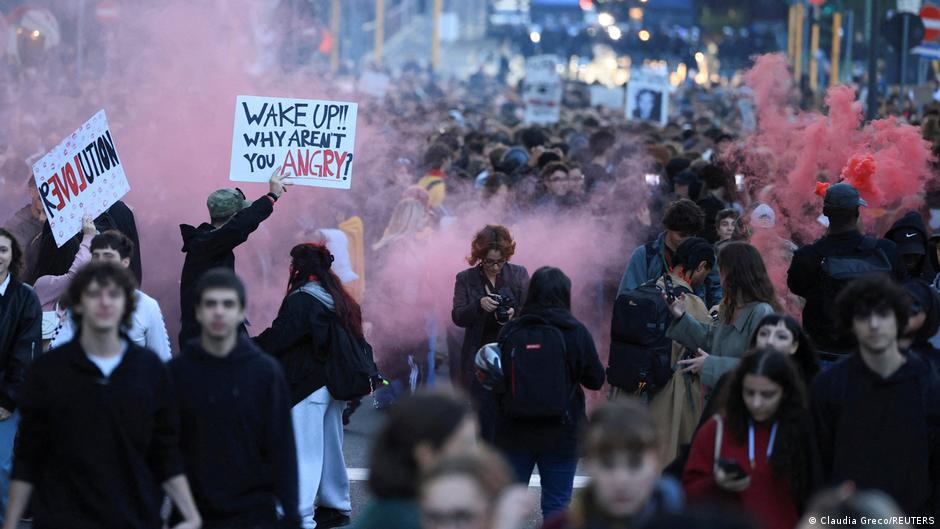
Italy’s Cost-of-Living Protests Expose Deepening Economic Strains
Protests across Italy link household price pressures with opposition to military spending and the Meloni government, raising economic and political risks.

Protests across Italy link household price pressures with opposition to military spending and the Meloni government, raising economic and political risks.

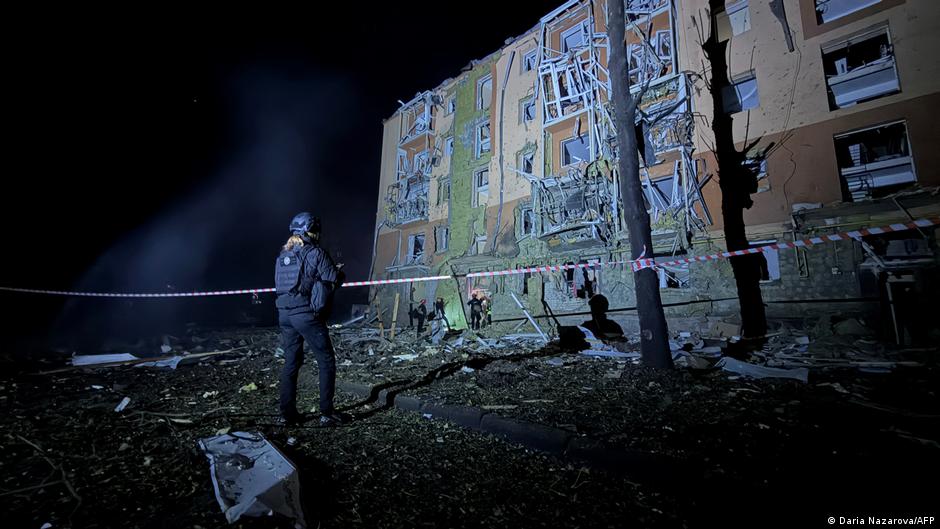
Russian strikes killed two people, disrupted electricity supplies and halted work at an automotive wiring plant, widening the war’s economic costs.

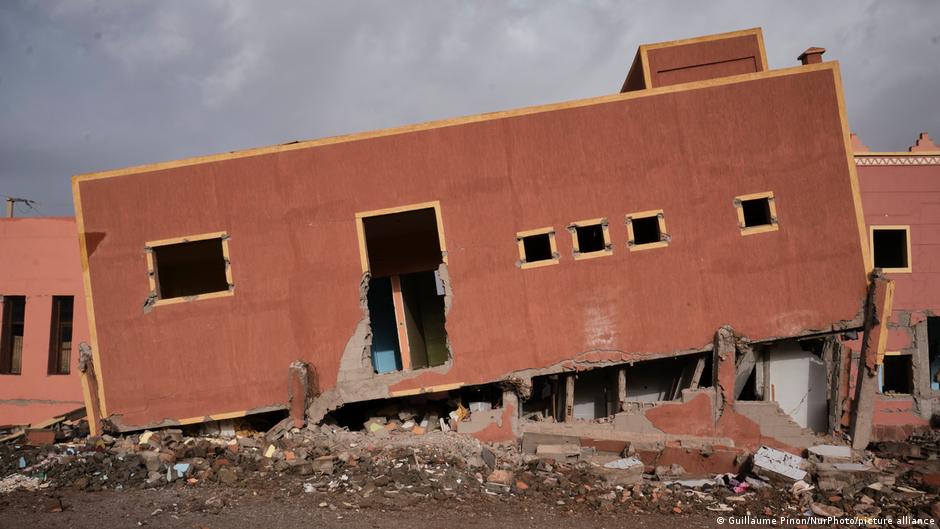
The attack disrupted energy, digital, power and transport infrastructure, exposing the economic risks created by concentrated urban networks.

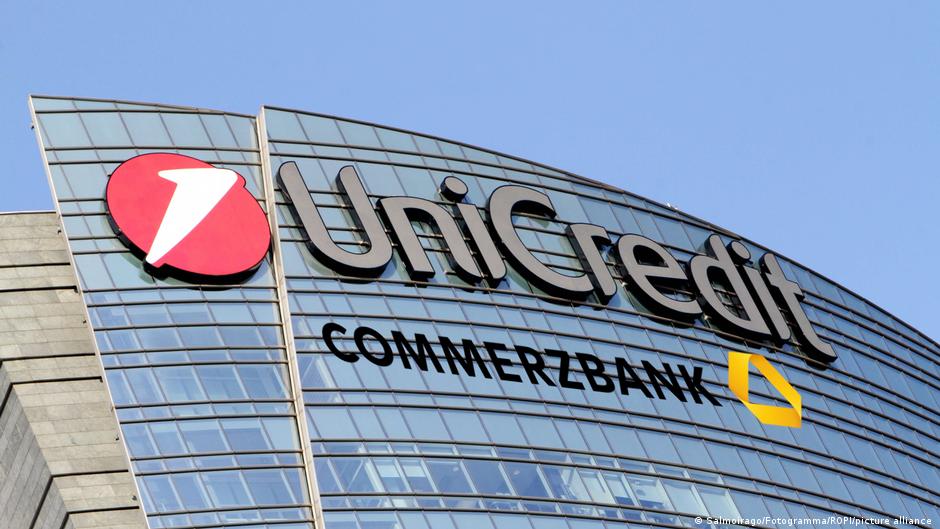
ECB approval gives UniCredit a route to control Commerzbank, testing Europe’s banking integration against German concerns over jobs and business lending.

EU leaders remain divided over a nearly €2 trillion seven-year budget as fiscal restraint, proposed bloc-wide levies and election risks complicate a compromise.

The EU is preparing new funding for Ukrainian drones and missiles as Brussels links wartime defense needs with long-term financing and reforms.

MEPs backed a €115 million Agile programme to speed support for European SMEs developing disruptive defence technologies.

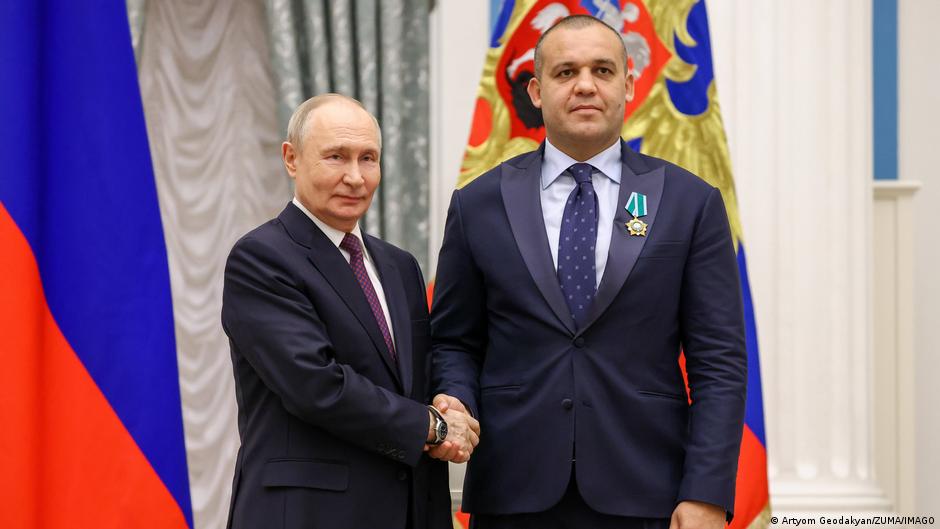
Umar Kremlev says Donald Trump Jr. repaid wedding-event costs, but the episode keeps scrutiny on political access and private finance.

Brazil’s presidential race heads to an October 25 runoff after Flavio Bolsonaro led Lula da Silva in the first round with 47.03 percent.

Western governments are preparing contingency plans to move embassies from Kyiv as Russian strikes intensify against Ukraine’s cities and energy system.

The EU will add €710 million in humanitarian aid, with major allocations for Africa, migration pressures, Ukraine and crisis response.

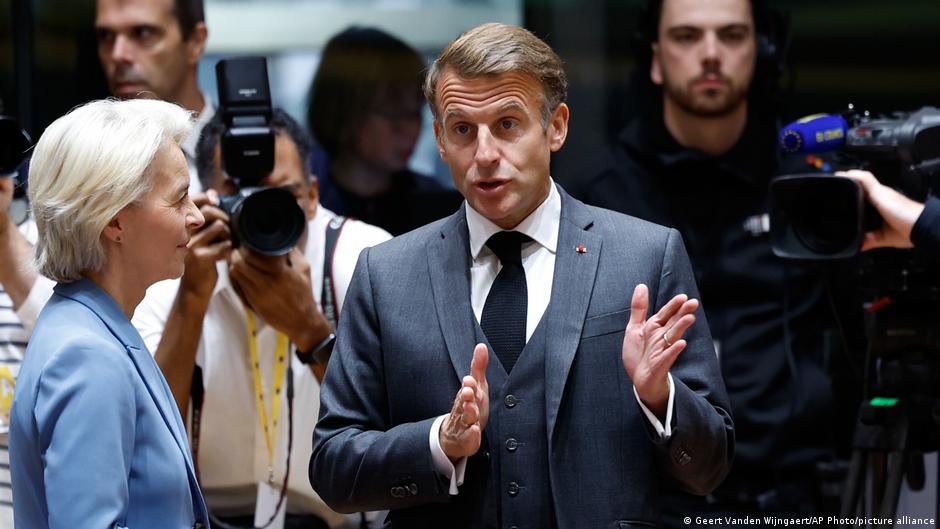
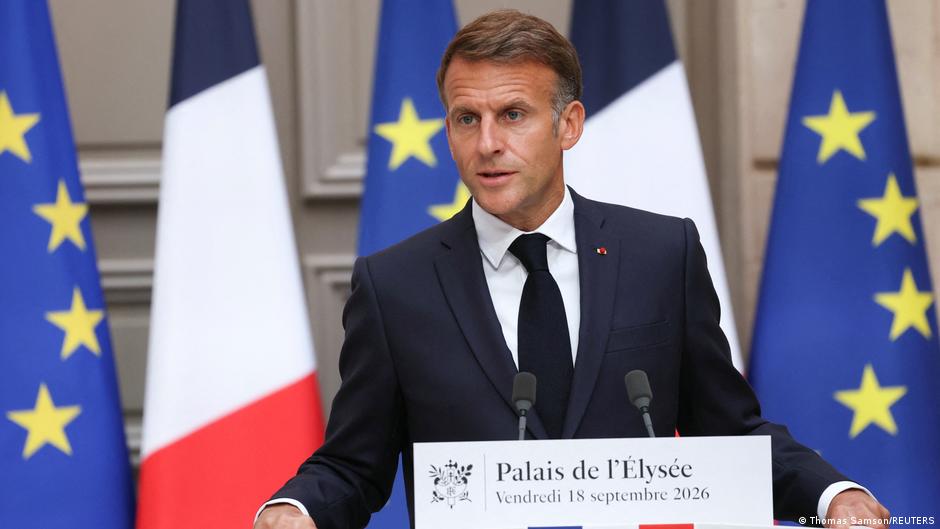
Macron says France sees a Russian mobilization of about 300,000 as credible and warns Europe may face wider hybrid attacks.

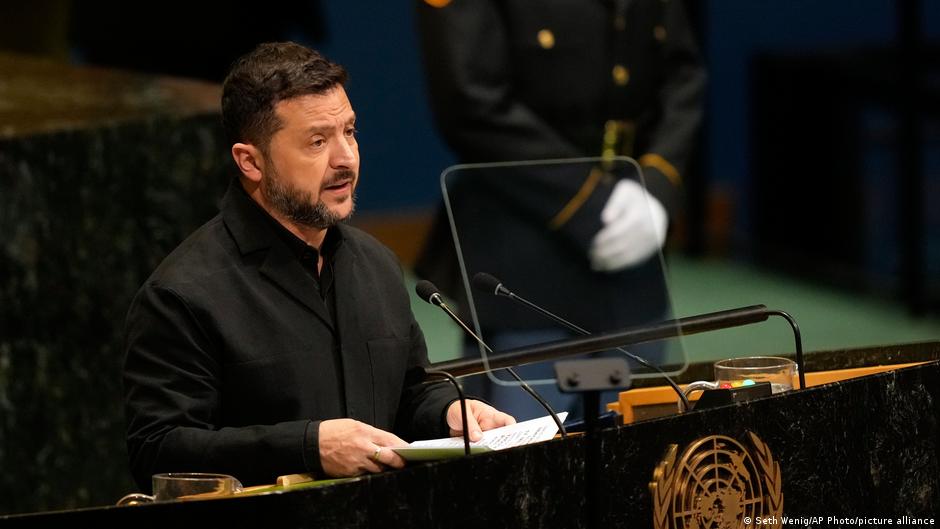
Zelenskyy told the UN that Putin is spreading the idea of war globally and said Ukraine aims to weaken Russia’s ability to finance the conflict.

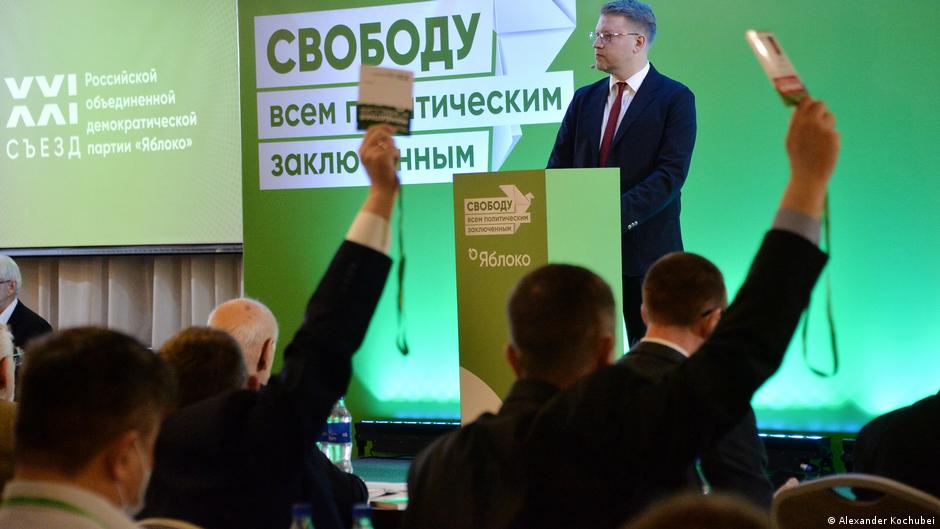
Yabloko’s projected Novgorod seat may preserve its ballot access for future State Duma races after federal exclusions and campaign restrictions.

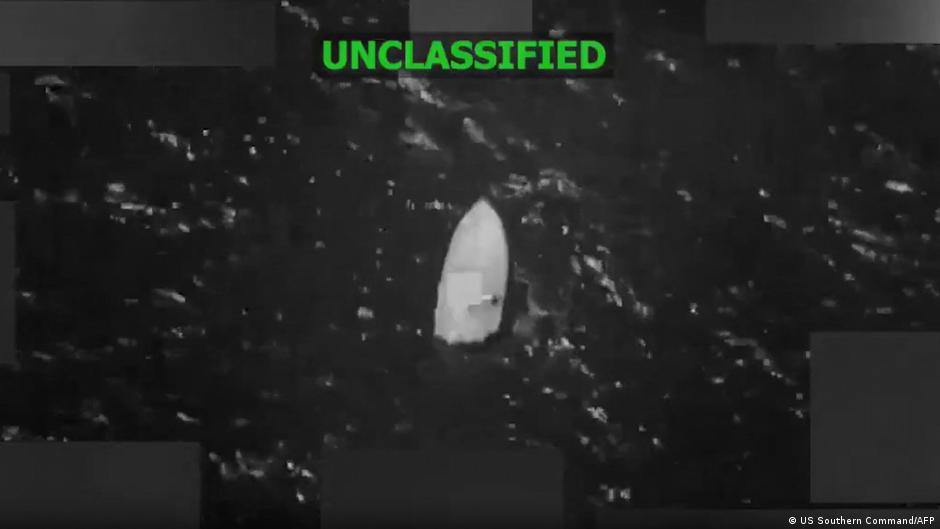
A new U.S. strike in the Caribbean killed four alleged drug traffickers, deepening legal concerns and economic risks around a yearlong campaign.

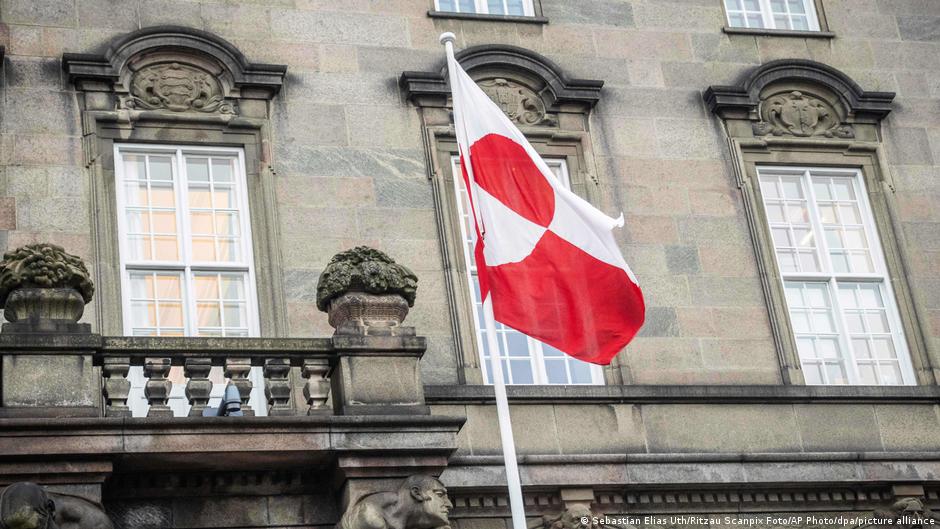
The Greenland arrangement could reshape Arctic security, investment screening and resource access while leaving key legal details unresolved.

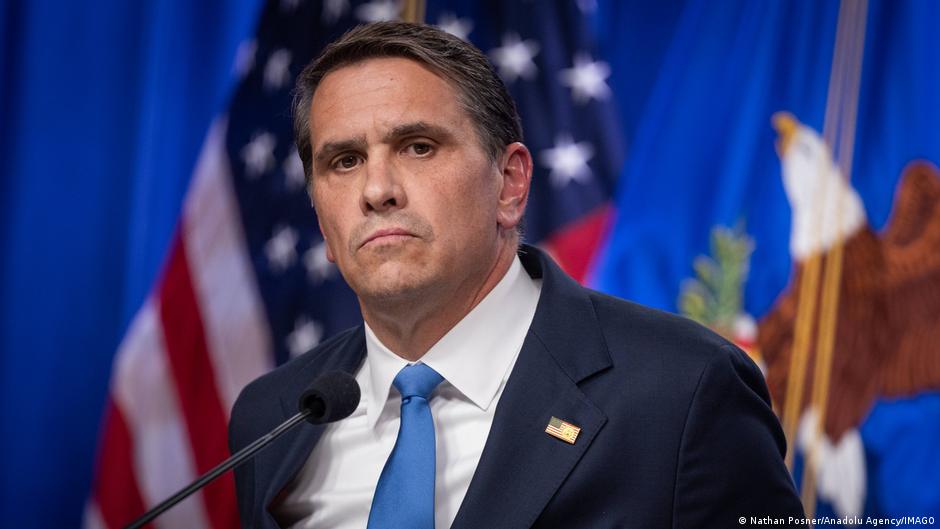
U.S. prosecutors allege RIS Network financed attacks on Ukraine's allies and plotted killings of Russian dissidents abroad.

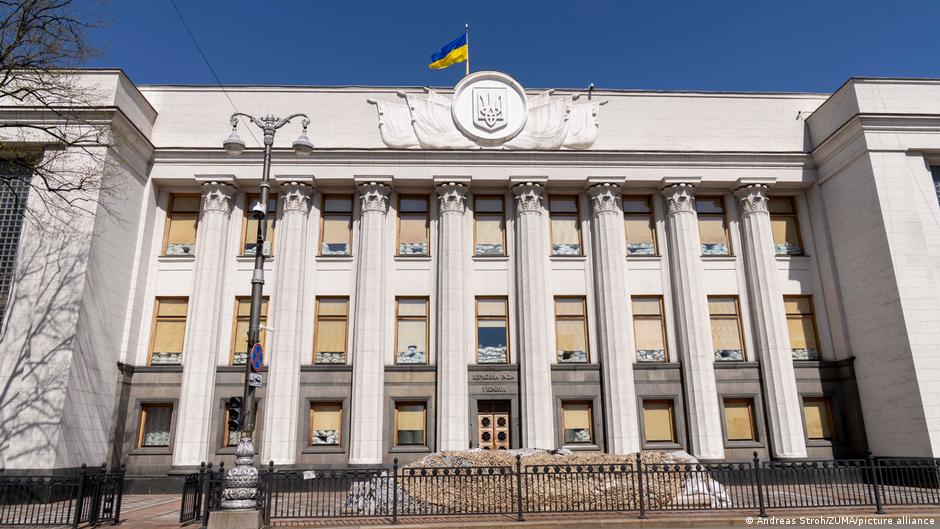
Zelensky says Ukraine’s parliament must pass difficult bills tied to billions in Western aid as defense costs and war damage widen the budget gap.

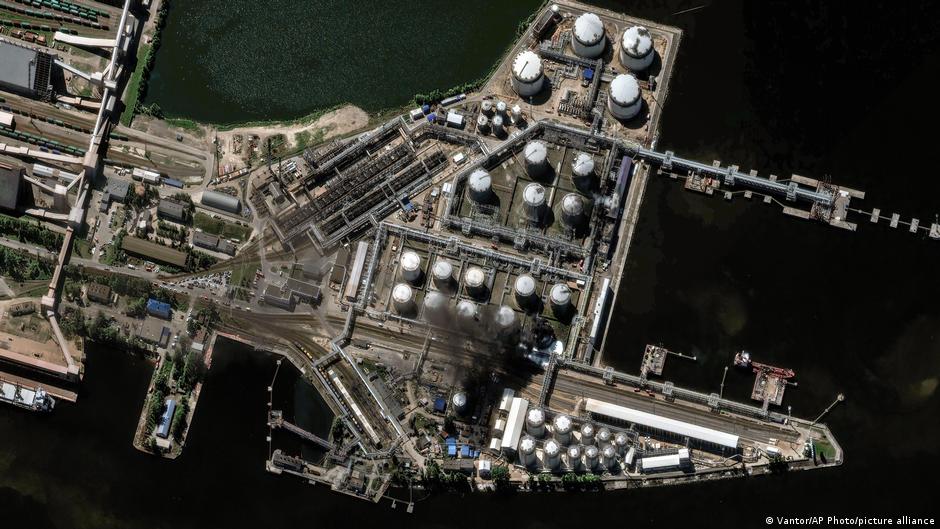
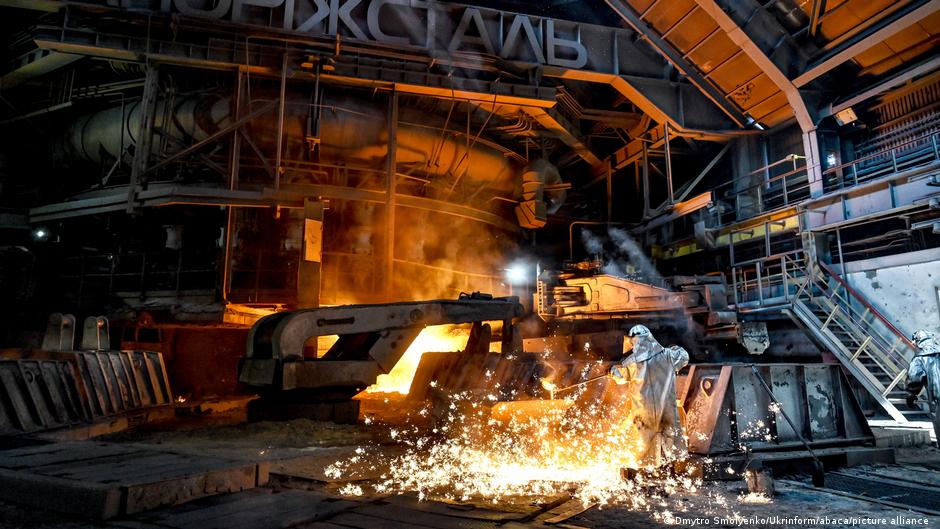
Critical damage at Zaporizhstal threatens Ukrainian steel output, regional employment and tax revenues after repeated Russian missile strikes.

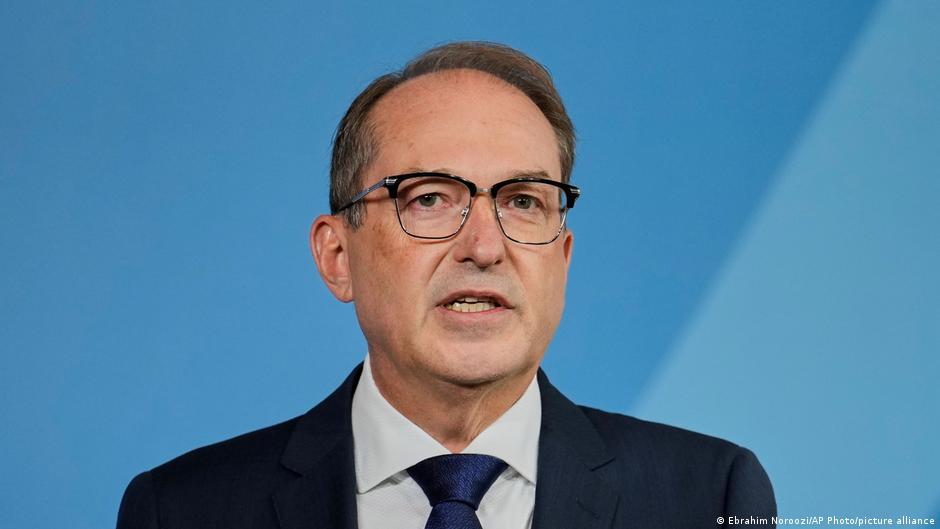
Germany plans a broad anti-sabotage shield after the Leipzig drone incident, with major implications for infrastructure, cyber defense and business costs.

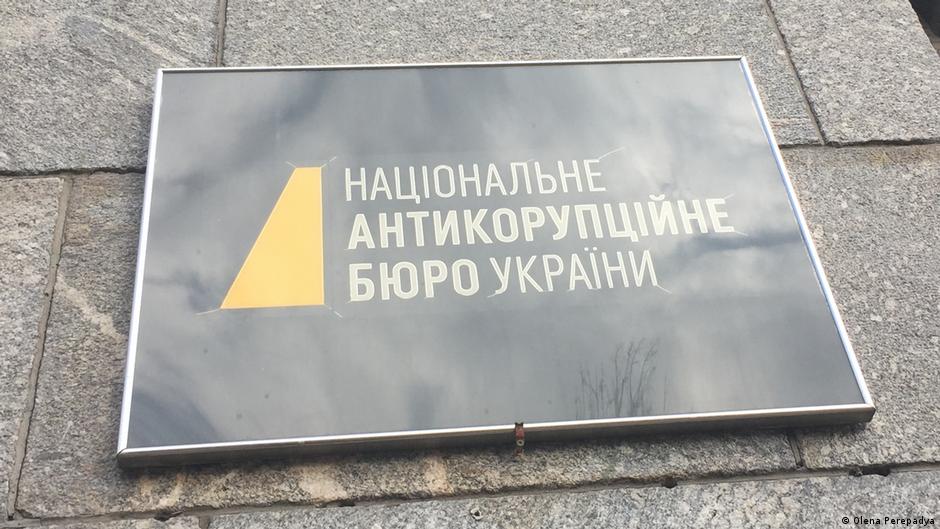
Ukraine’s anti-corruption raids point to a wider wartime economy of scam call centers, asset laundering and alleged official protection.

Uzbekistan has overhauled registration, licensing, tax policy and business-rights protection since 2016, redrawing the framework for private enterprise.

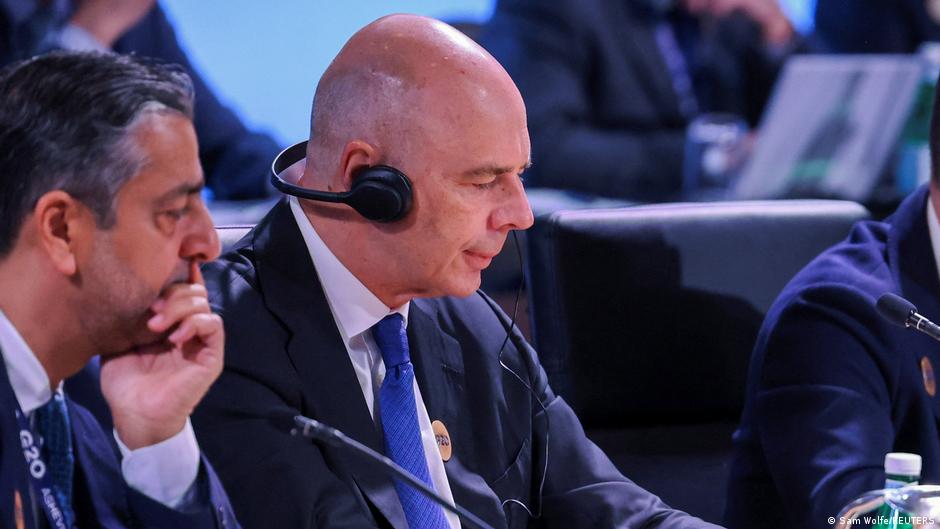
Bessent reportedly told Siluanov that U.S. sanctions pressure on Russia will not ease before the war in Ukraine ends.

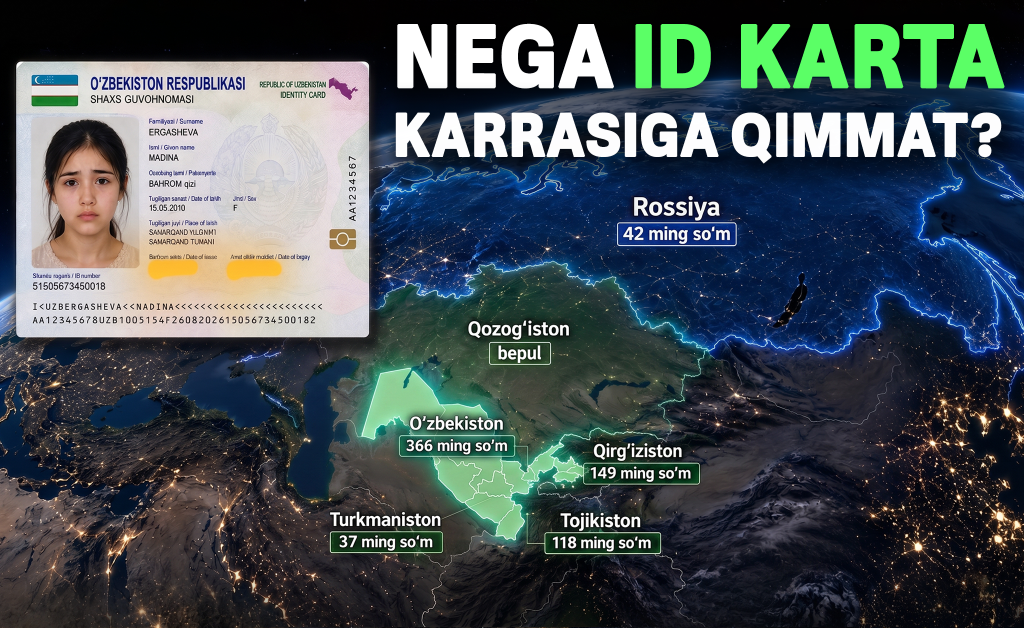
Uzbekistan's first ID card fee is under scrutiny as regional comparisons show neighbors treating initial identity documents as a lower-cost or free public service.

Uzbekistan auctions its 100% stake in the 'Fonon' jewelry plant amid ongoing financial difficulties, significant debts, and asset encumbrances challenging state industrial reforms.

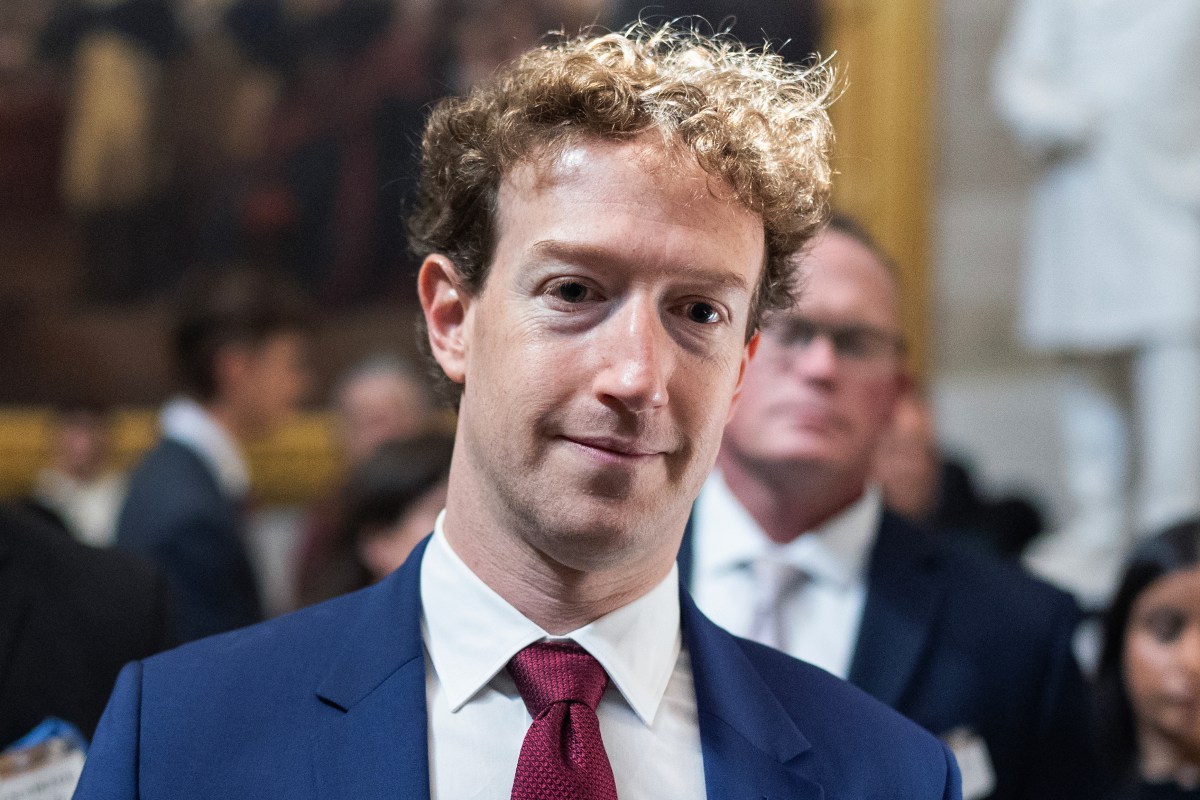
Meta’s $18 billion settlement mandates new child-safety rules reliant on flawed age-verification tech, raising privacy concerns and reshaping digital platform regulation.

Russia reportedly recruits criminal groups to sabotage European defense plants, challenging NATO’s unity and testing alliance response thresholds.

Humo payment system tripled its net profit to 410.9 billion UZS in H1 2026, despite losing tax incentives, highlighting strong revenue growth and operational efficiency.
Uzbekistan advances its digital transformation with plans for a national navigation system, unified public administration platform, and expanded IT sector incentives.

Russia’s State Duma amends fuel dampener rules and import compensations to stabilize domestic fuel prices amid refinery disruptions and export limits.

The IMF has approved a €604 million disbursement to Ukraine under its EFF program, noting satisfactory progress but delays in structural reforms amid ongoing conflict.

Germany's 2027 budget plans increased spending and borrowing, focusing on defense amid Russia-related security concerns, raising debates over economic growth and fiscal sustainability.

Gazprom and Russia's Defense Ministry have launched mobile fire groups to protect gas infrastructure, blending civilian employment with reservist military duties amid rising security concerns.

The US threatens to impose transit fees on vessels passing through the Strait of Hormuz if talks with Iran fail, signaling a new economic lever in Middle East geopolitics.

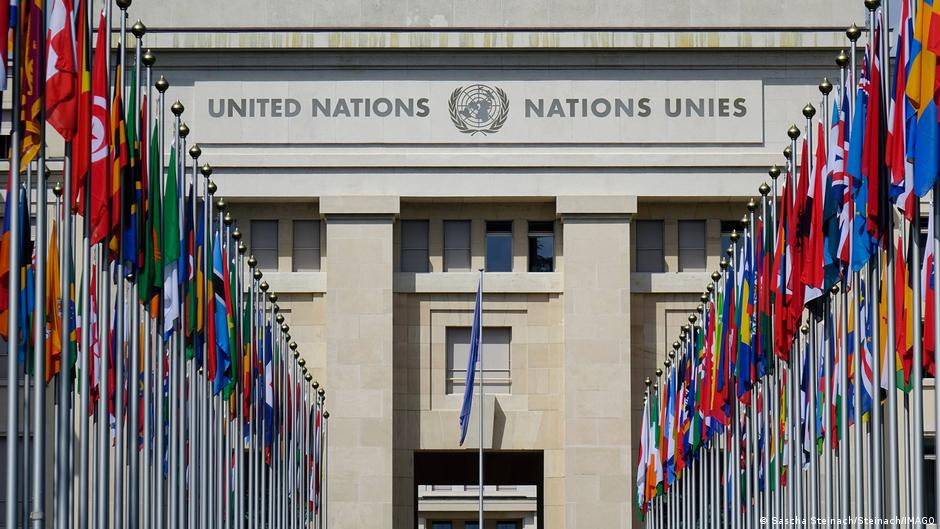
The UN faces bankruptcy as delayed payments from the US and China, combined with cuts from other donors, force drastic operational reductions and threaten global programs.

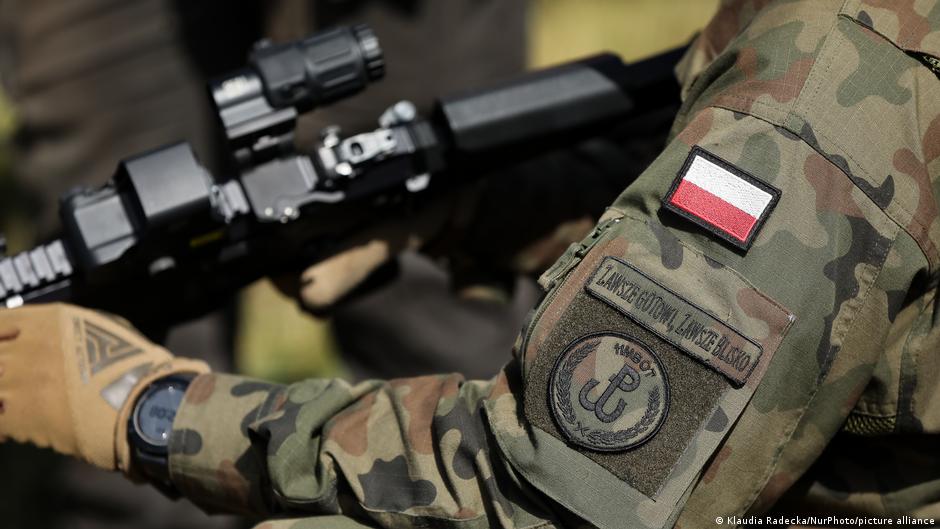
Poland signs a €44 billion EU loan agreement under SAFE to modernize its defense forces despite presidential veto, raising important questions about future fiscal impacts.

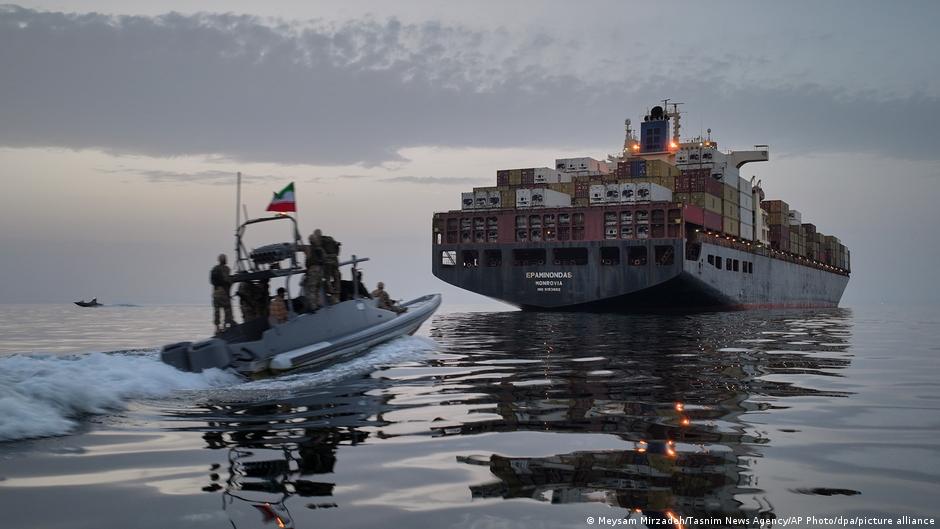
Iran mandates detailed vessel information for tanker passage through the Strait of Hormuz amid geopolitical tensions and potential transit fees, impacting global oil trade dynamics.

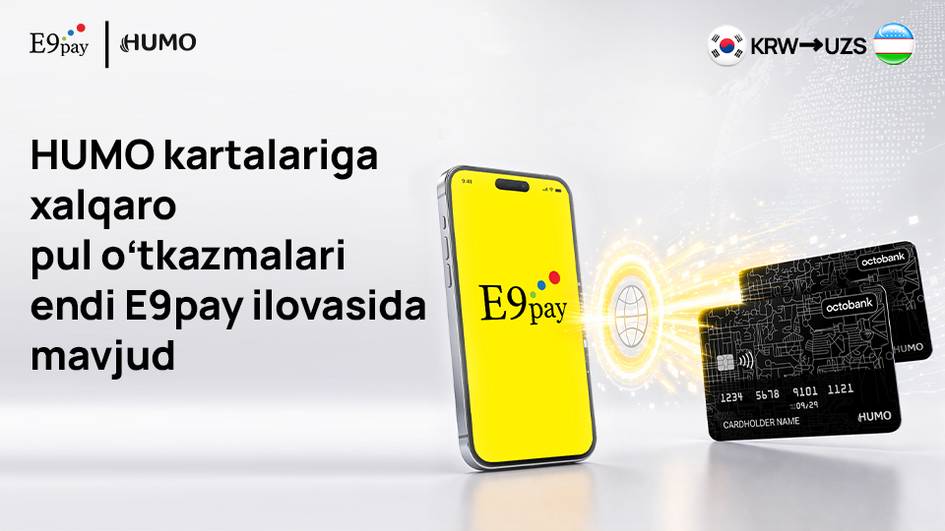
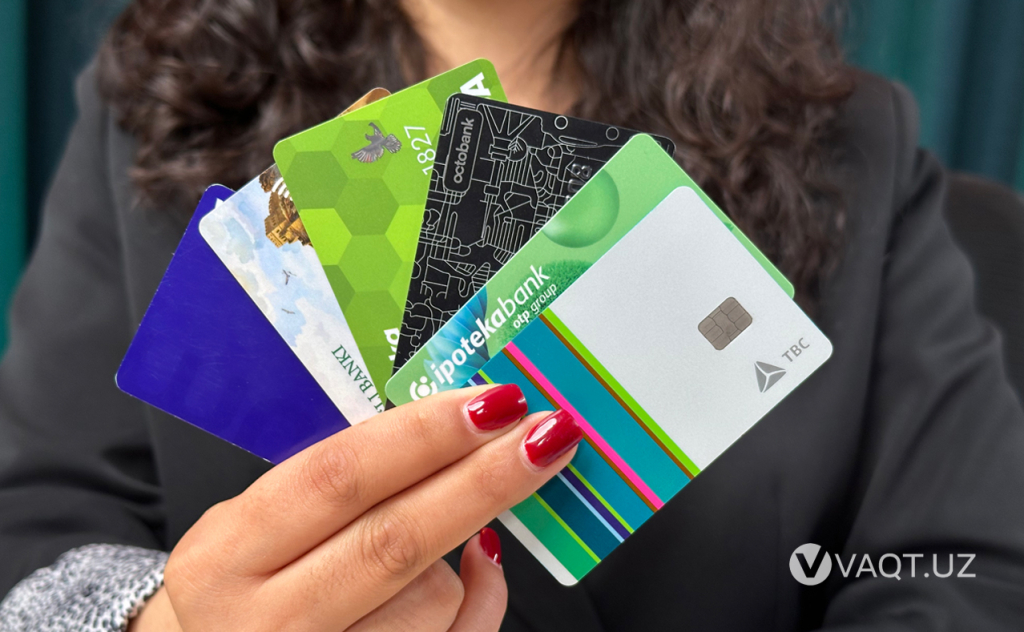
Octobank has launched a new service enabling direct money transfers from South Korea to Uzbekistan's HUMO cards via E9PAY, enhancing remittance efficiency and regional fintech integration.

Uzbek payment companies Click, Payme, and Paynet reveal distinct profit growth patterns in early 2026, with Paynet's massive dividend-fueled surge reshaping market dynamics.

Uzbek banks will now maintain a minimum card balance during automatic loan repayments, protecting customers from full account depletion starting April 15, 2025.

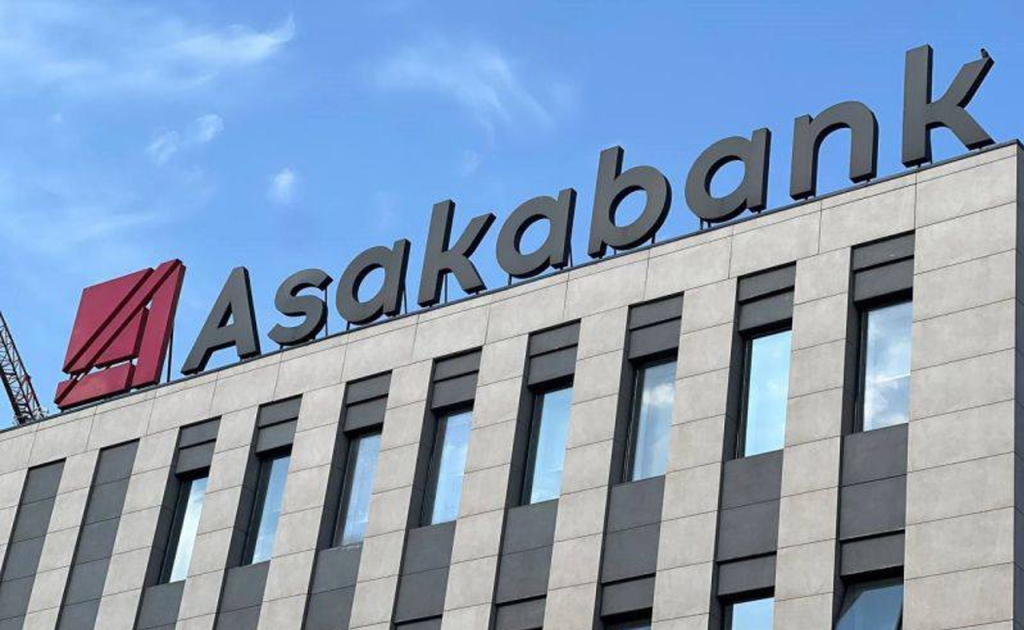
Uzbekistan accelerates Asakabank privatization by transferring assets, injecting capital, and aligning operations with market principles to strengthen banking sector reforms.

Tencent, Kaspi.kz’s CEO, and key investors acquired six million shares, signaling confidence in the fintech’s growth and expanding global partnerships.

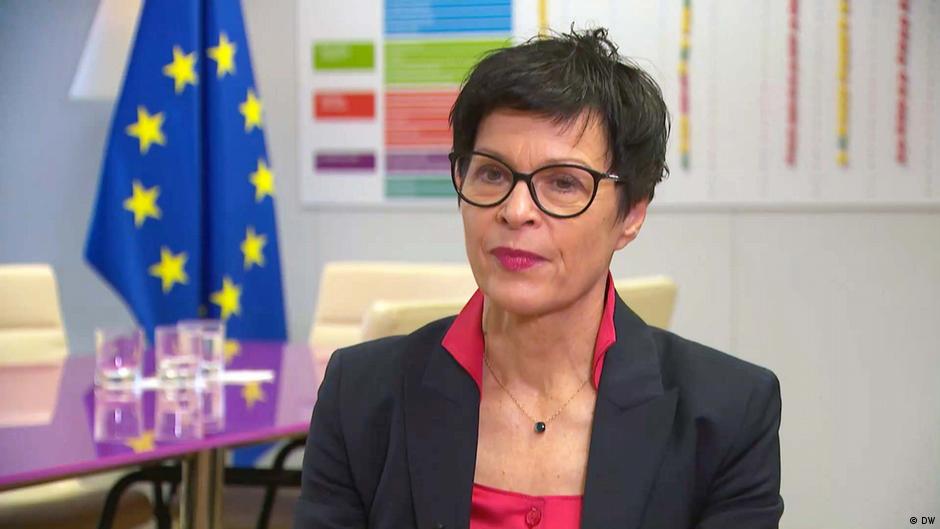
The EU warns Serbia may lose €1.5 billion in reform funding amid concerns over democratic backsliding and judicial independence, threatening its EU accession prospects.

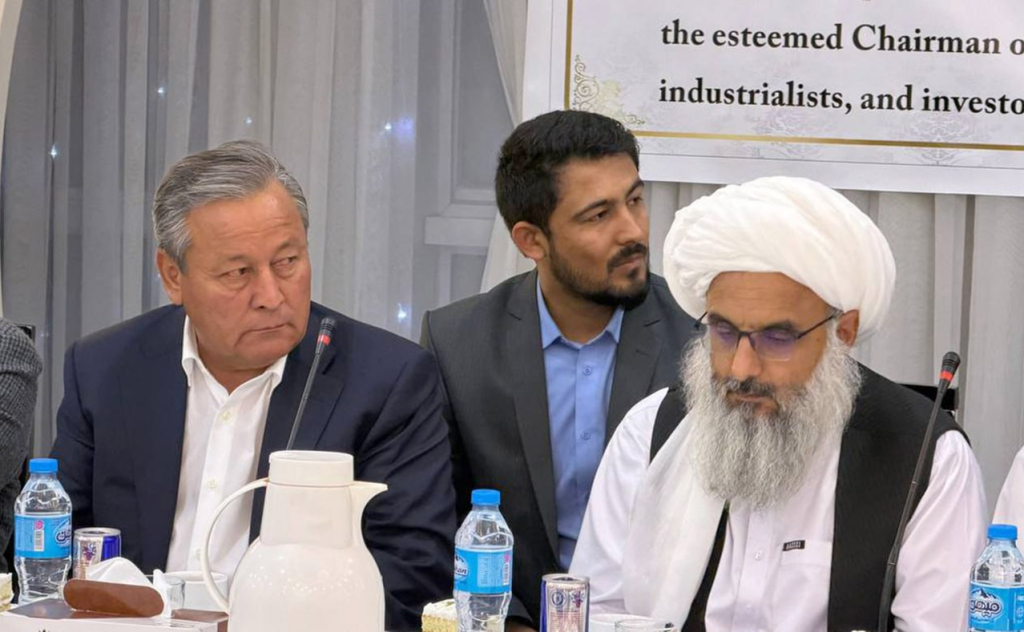
A business forum in Herat led to $300 million in trade agreements between Uzbek and Afghan entrepreneurs, highlighting evolving economic cooperation and integration.