How Uzbekistan Recast Its Business Climate Over a Decade of Market Reform
Uzbekistan has overhauled registration, licensing, tax policy and business-rights protection since 2016, redrawing the framework for private enterprise.

Uzbekistan has overhauled registration, licensing, tax policy and business-rights protection since 2016, redrawing the framework for private enterprise.

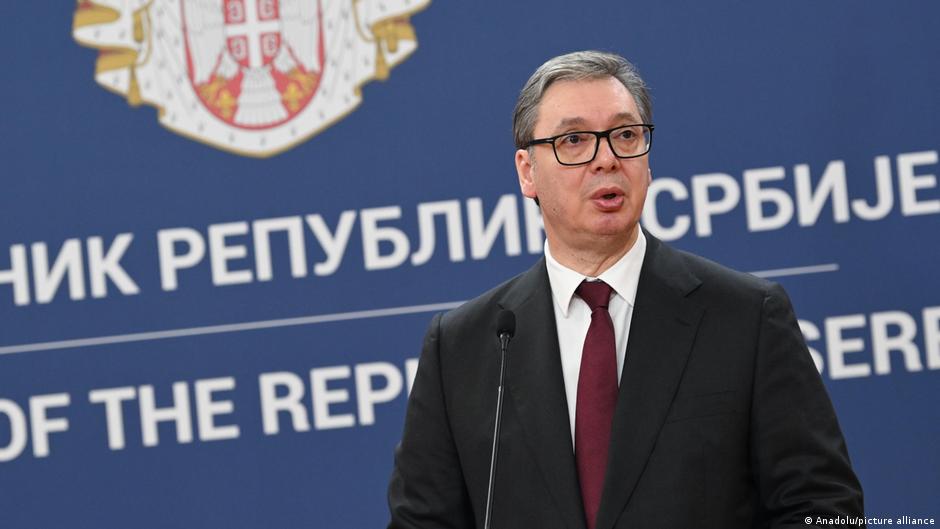
Serbia announces early parliamentary elections in October 2024 amid prolonged protests demanding anti-corruption reforms and political change.

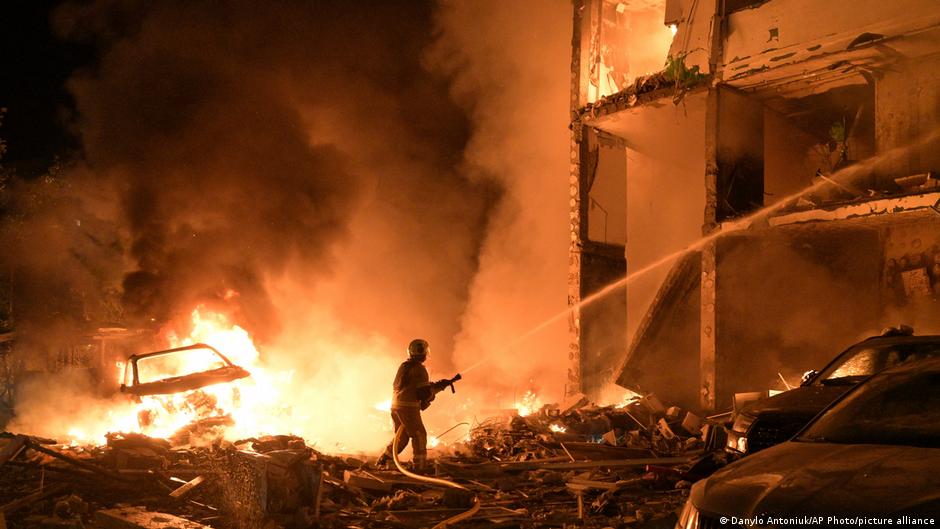
Russian attacks on Ukrainian regions cause civilian deaths and extensive infrastructure damage, highlighting severe humanitarian and economic impacts amid ongoing conflict.

Lithuania warns Russia may use captured Ukrainian drones to attack Baltic infrastructure, escalating hybrid warfare risks with significant economic and security impacts.
Uzbekistan advances its digital transformation with plans for a national navigation system, unified public administration platform, and expanded IT sector incentives.

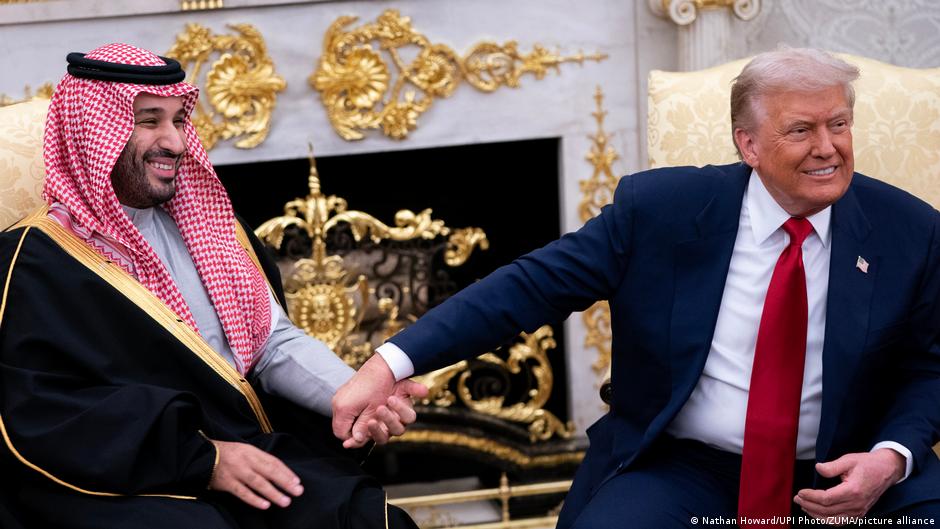
The Trump administration's tentative approval for Saudi uranium enrichment without strong IAEA safeguards raises proliferation concerns amid expanding nuclear energy cooperation.

Hungary blocks Ukraine’s EU accession talks on key economic chapters, citing concerns over Western Balkans' accession timing and signaling challenges for Ukraine’s integration.

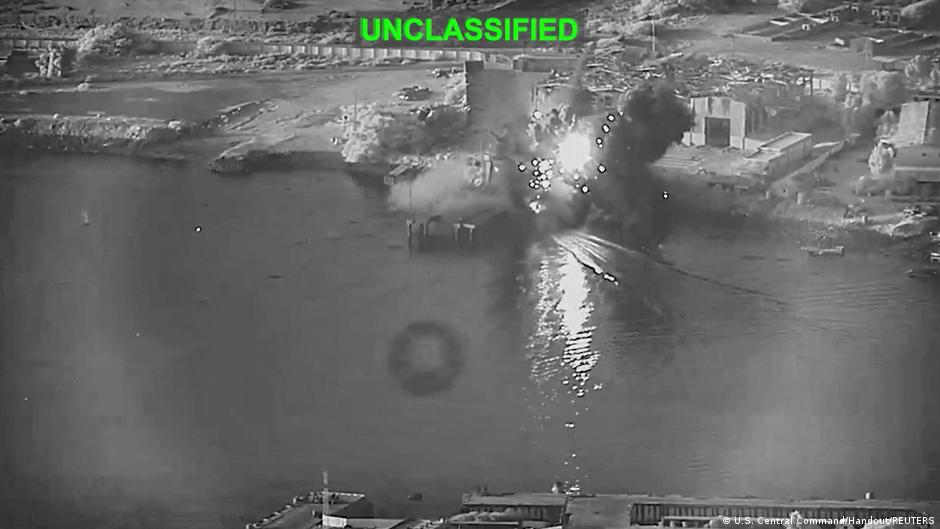
The US has launched new strikes targeting Iranian infrastructure, prompting Tehran to vow retaliatory attacks amid escalating tensions and risks to regional stability.

Russian missile and drone attacks on Kyiv and Kharkiv cause civilian injuries and infrastructure damage, worsening Ukraine's economic and urban stability.

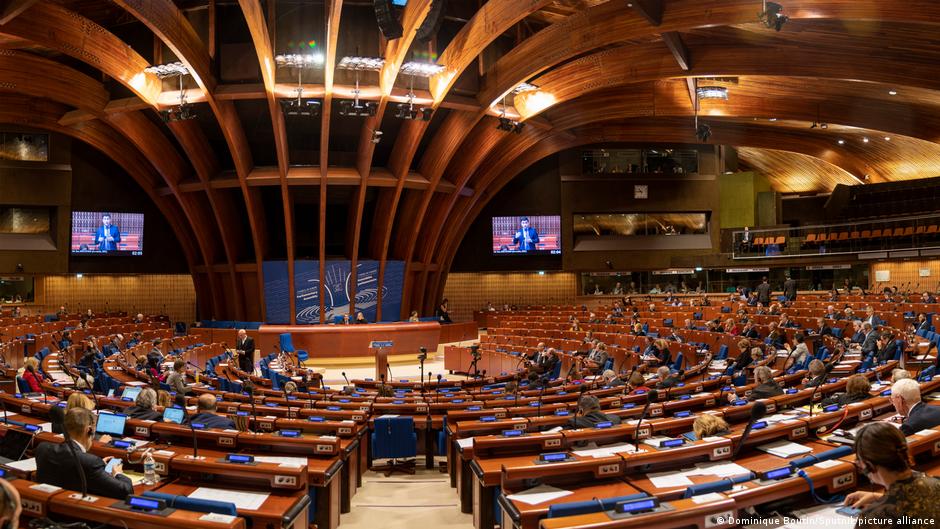
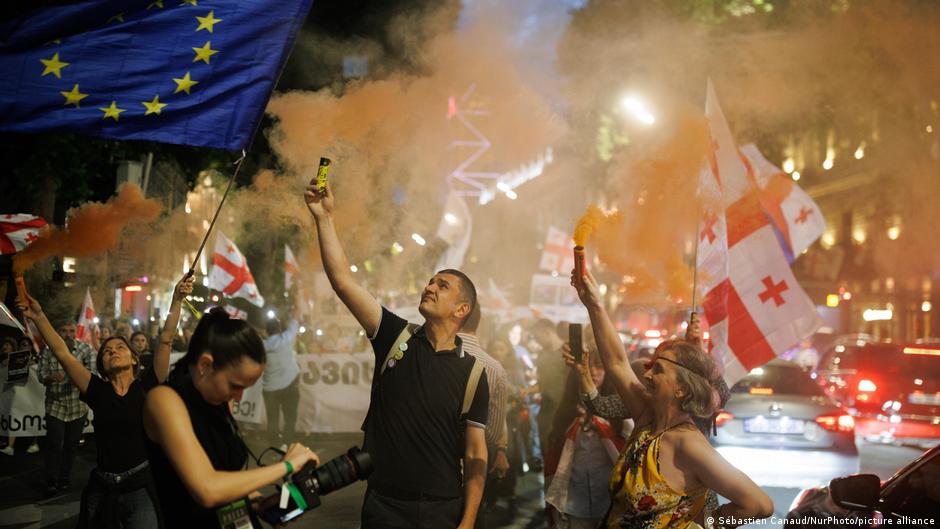
PACE has passed a resolution criticizing Georgia's democratic decline, urging the repeal of repressive laws and cessation of opposition persecution amid political tensions.

The US targets five Cuban state enterprises controlling 40% of GDP, intensifying economic sanctions amid historic political tensions and legal claims over nationalized assets.

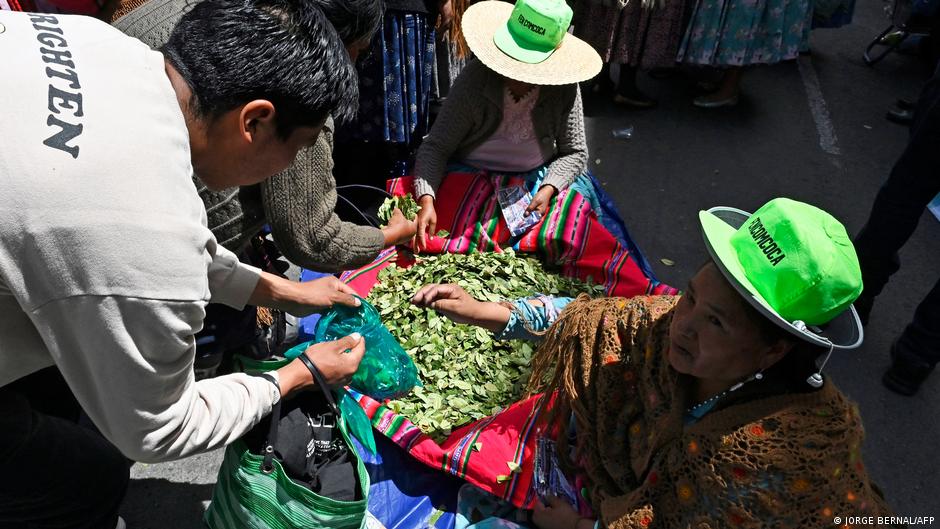
Bolivia and the United States have signed their first drug control cooperation agreement in 18 years, marking a tentative renewal of collaboration amid Bolivia’s status as a leading cocaine producer.

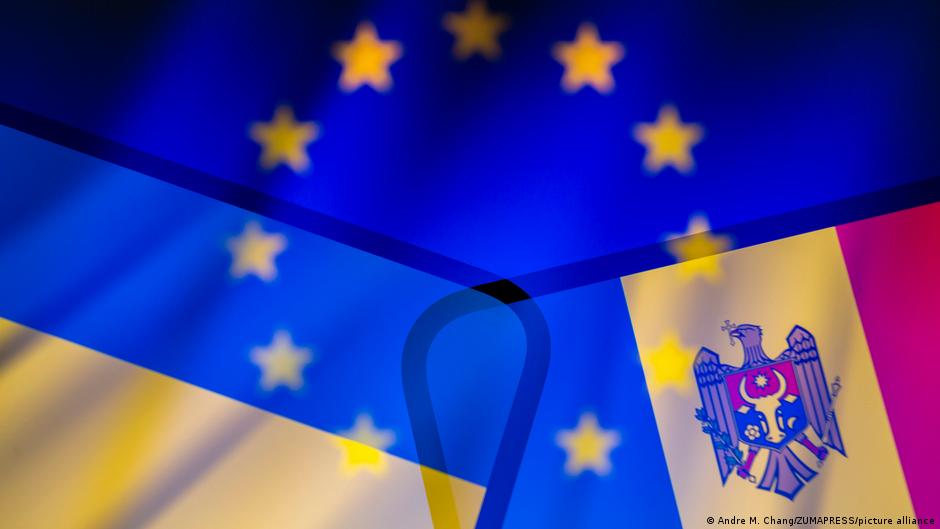
The EU has commenced formal accession talks with Ukraine and Moldova, initiating the first negotiation cluster that moves the process from preparation to substantive reform discussions.

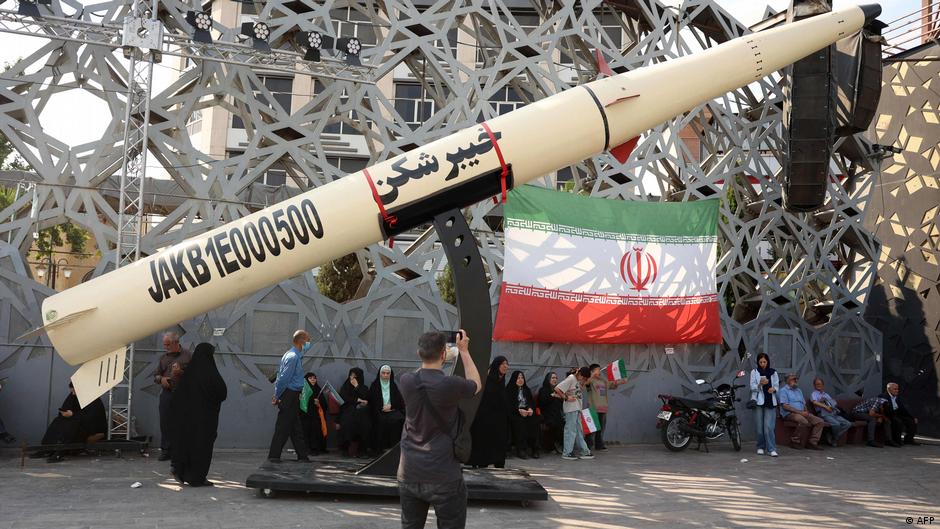
Iran has largely restored its missile arsenal during a ceasefire period, possibly aided by recent Russian missile transfers, complicating US efforts to curtail Tehran's military capabilities.

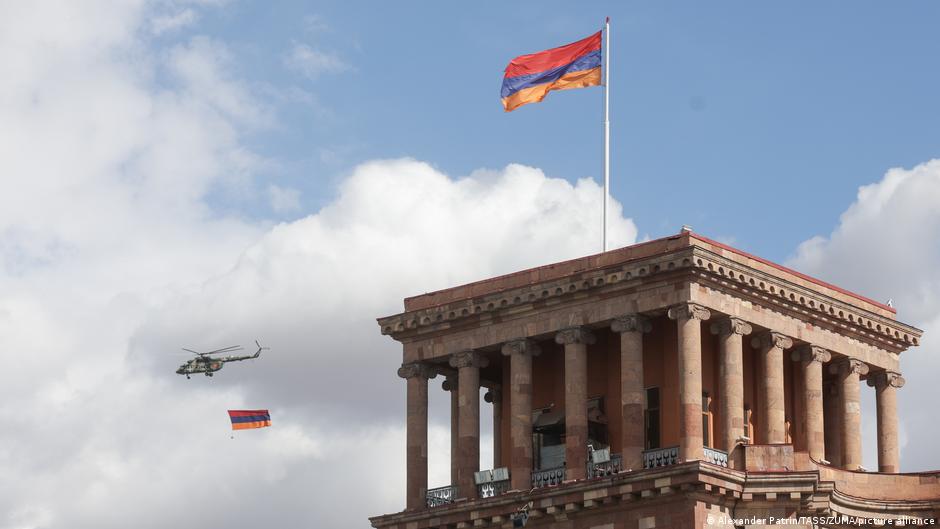
Armenia's Central Electoral Commission conducted a partial vote recount after opposition requests, revealing minor changes but affirming the ruling party's victory in the June parliamentary elections.

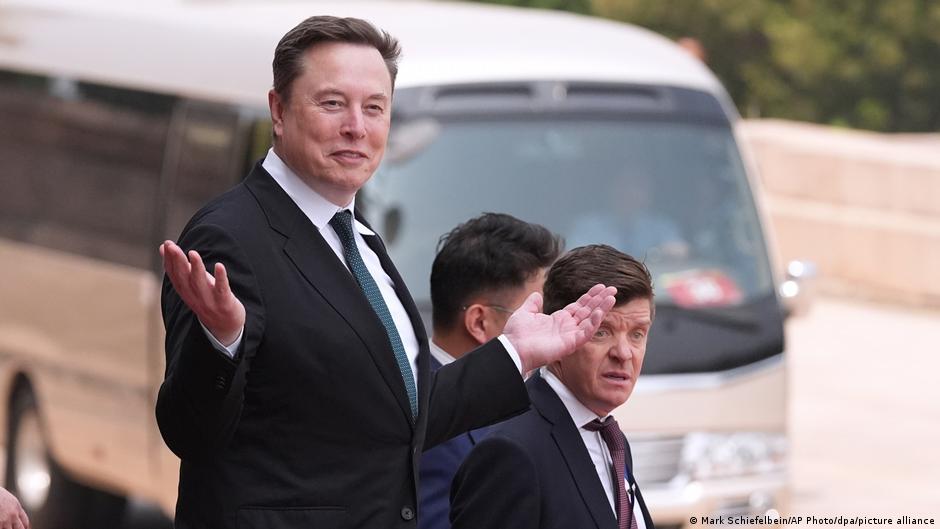
SpaceX’s $75 billion IPO, valued at $1.77 trillion, sets a historic benchmark, reflecting transformative economic shifts in the commercial space industry and broader markets.

Russian drone strikes on Ukraine's Dnipropetrovsk region injured 12 civilians and damaged residential and industrial infrastructure, intensifying economic and humanitarian challenges.

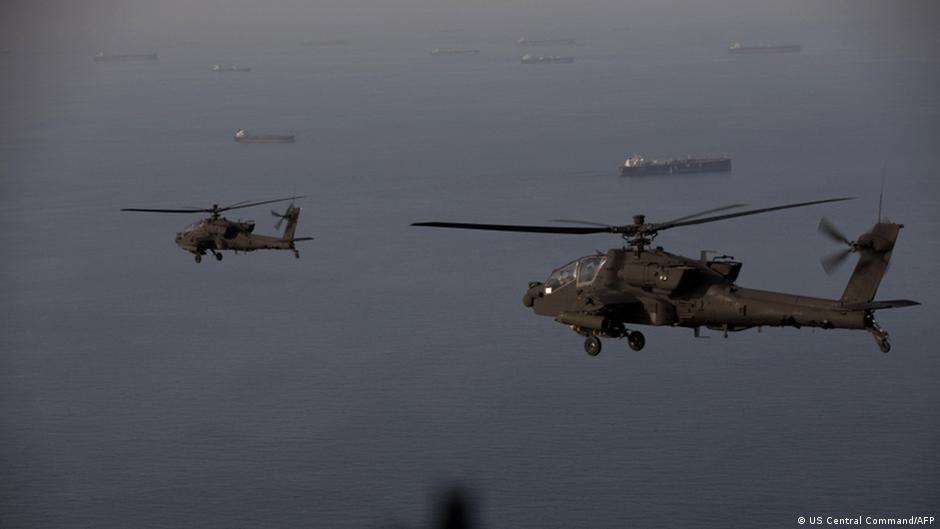
The US resumed airstrikes on Iran following the downing of an Apache helicopter over the Strait of Hormuz, reflecting escalating regional tensions with significant economic implications.

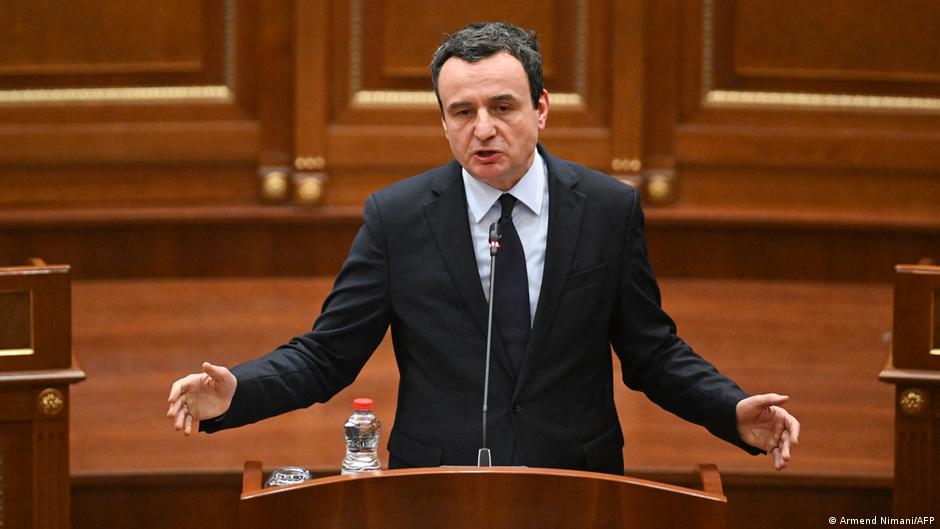
Kosovo’s Self-Determination party wins 43% in third election within 18 months, facing coalition challenges amid political instability and EU integration pressures.

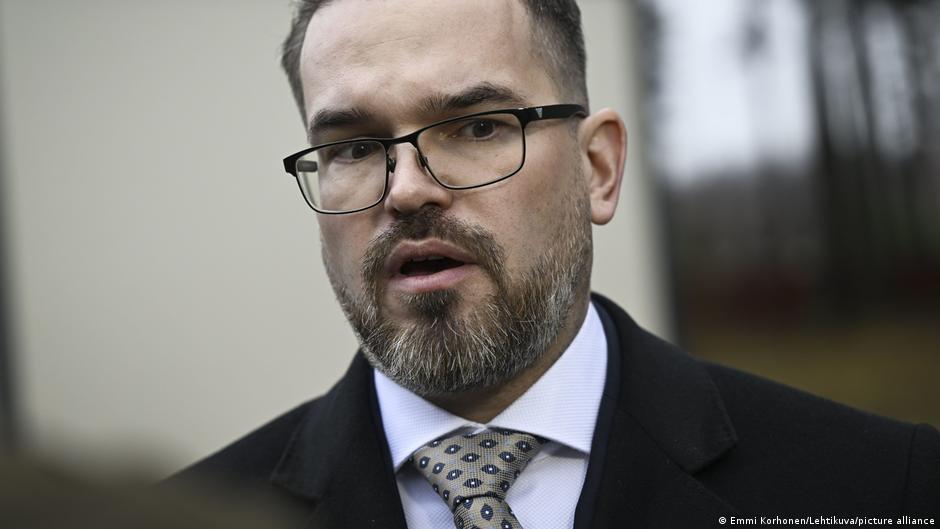
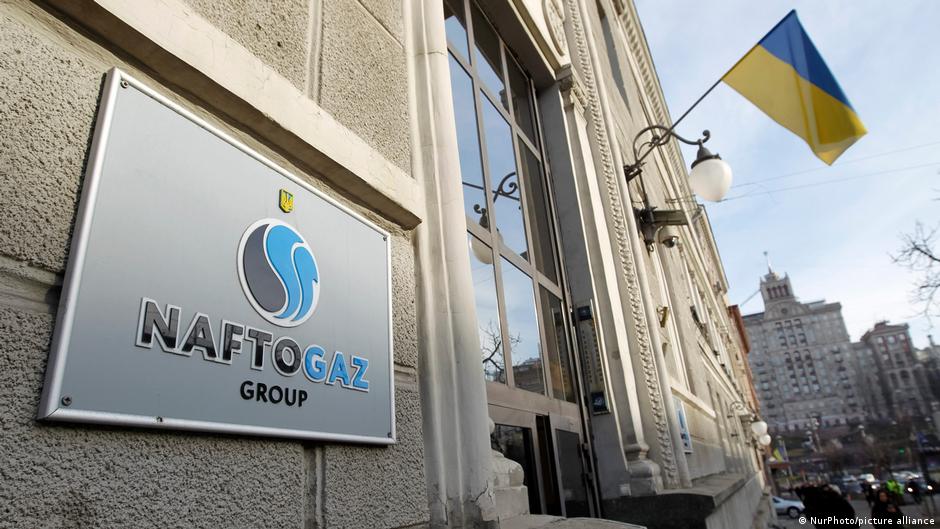
Finland has seized €3.7 million in Russian assets following Ukraine's Naftogaz arbitration claims over Crimean property, reflecting broader economic and geopolitical tensions.

Rheinmetall secures a €5.7 billion arms contract with Romania, funded by the EU's Security Action for Europe program, signaling a strategic push for European defense autonomy.

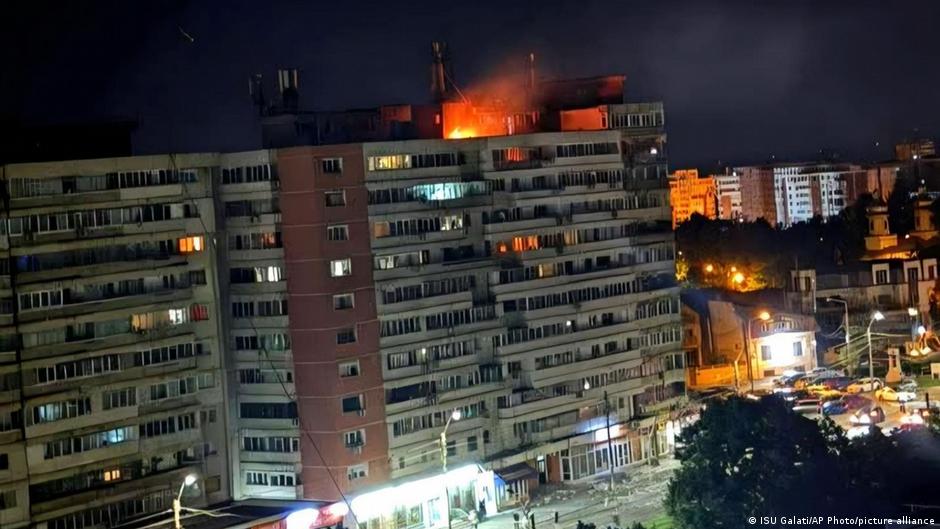
A Russian-origin drone crashed into a Romanian residential building near Ukraine, prompting NATO to call for enhanced air defense and highlighting broader regional security challenges.

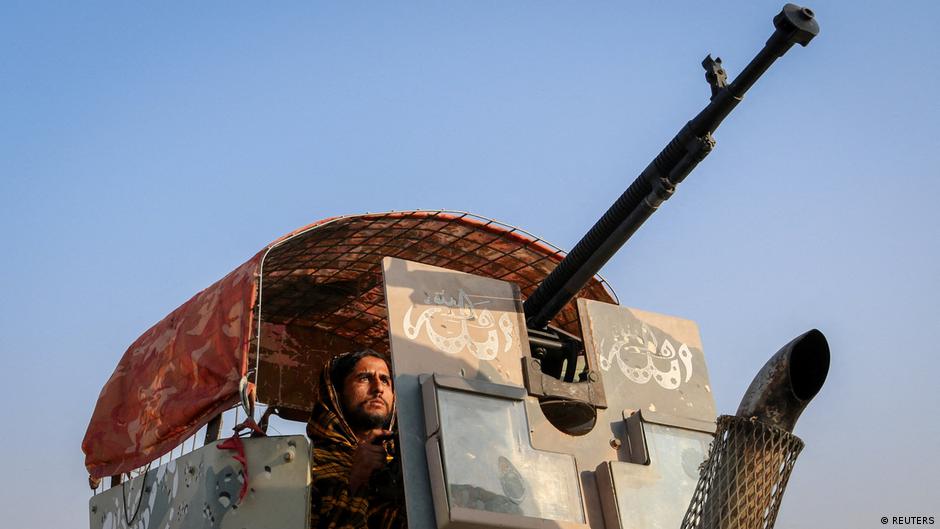
Russia and the Taliban signed a military-technical cooperation agreement that may enable arms transfers and reshape regional security and economic dynamics.

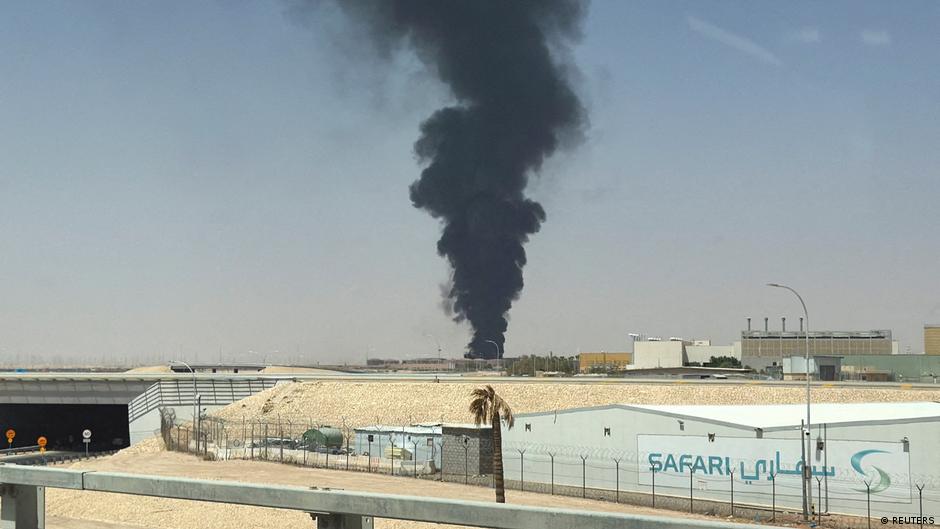
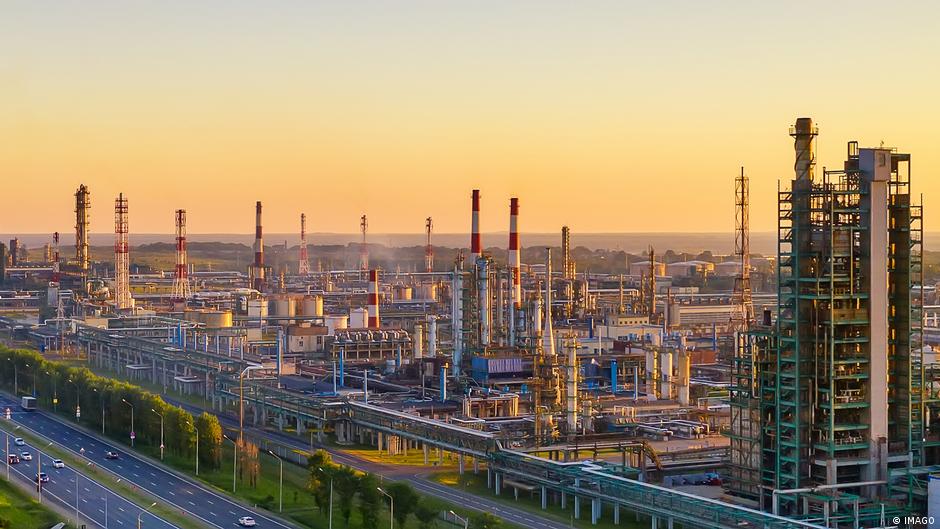
Russia plans temporary export limits on diesel and aviation kerosene to stabilize domestic fuel markets after drone attacks reduced refinery output.

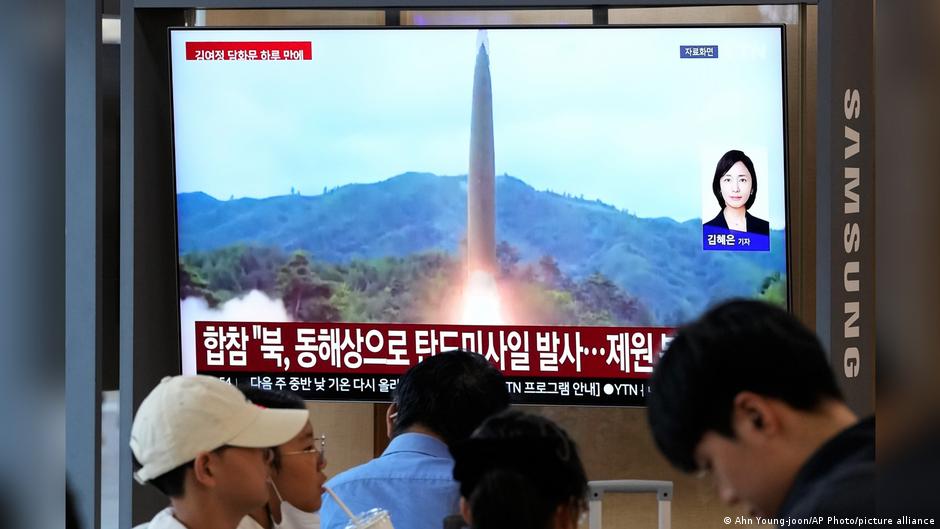
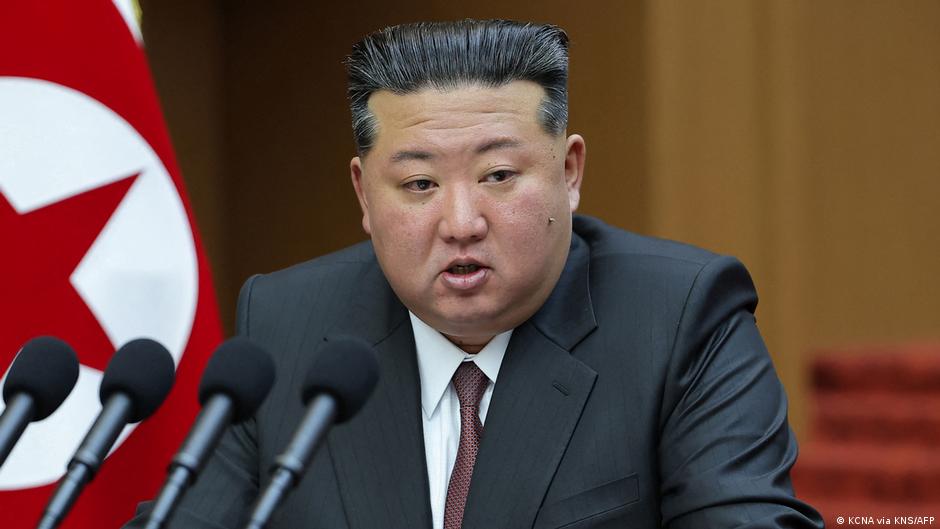
North Korea has conducted missile tests of tactical ballistic, artillery, and precision cruise missiles, signaling advancements in military modernization and strategic deterrence.

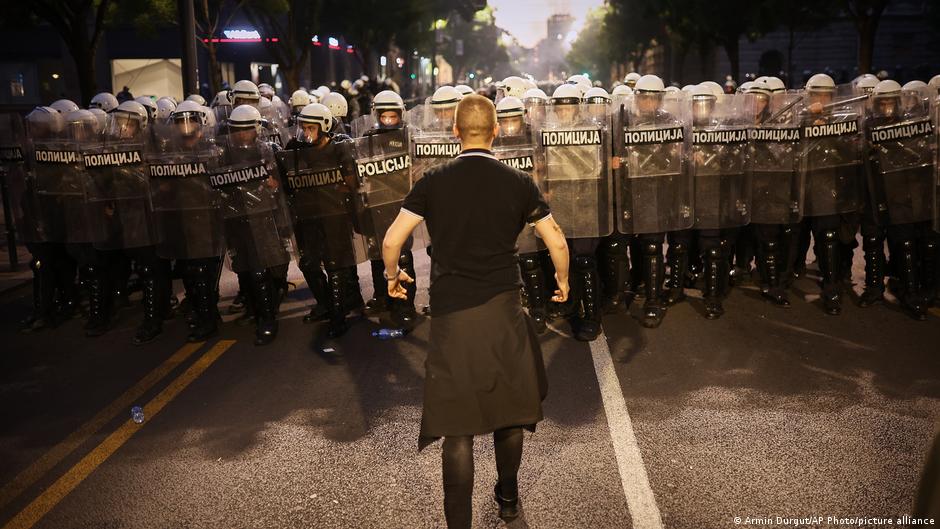
Violent protests in Belgrade expose Serbia's ongoing struggles with corruption, governance failures, and economic instability following a deadly infrastructure collapse.

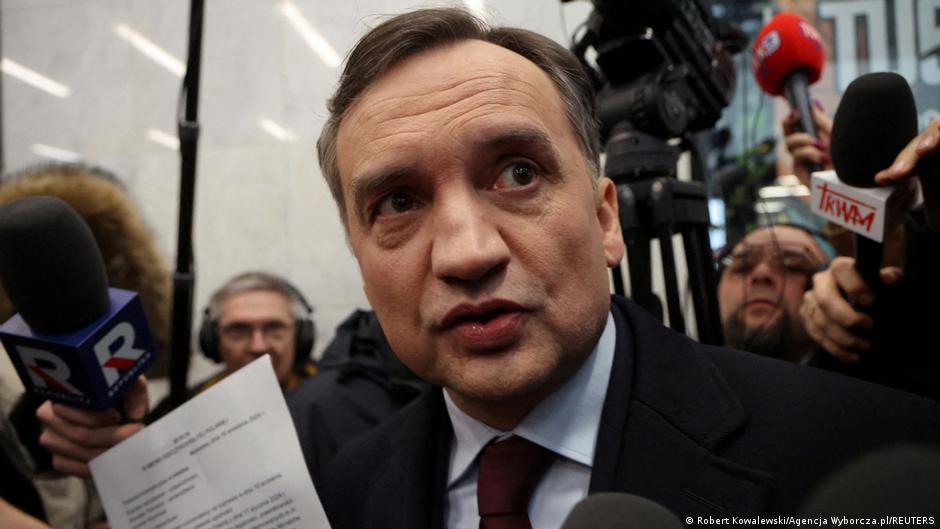
Former Polish Justice Minister Zbigniew Ziobro fled Hungary for the US amid extradition efforts by Poland and Hungary’s new government after Orbán’s era.

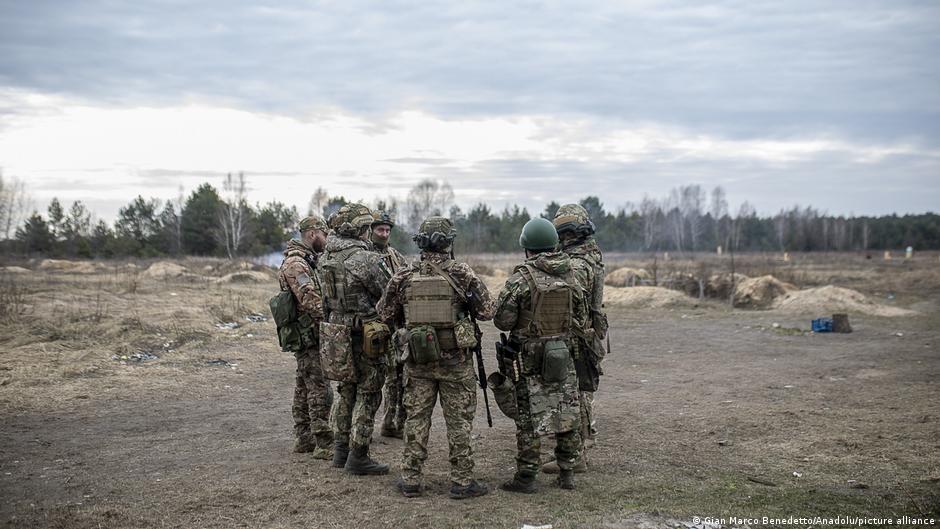
During the May 9 ceasefire, both Ukraine and Russia rotated troops and reinforced forces, using the pause strategically despite ongoing skirmishes.

Italy and Germany express concern over Israel's interception of a humanitarian flotilla destined for Gaza, calling for adherence to international law amid ongoing blockade tensions.

Uzbekistan faces rising urban divorce rates with one in three city marriages ending in divorce, alongside declining marriages and birth rates, posing future demographic challenges.

Uzbekistan's banks expanded their loan portfolios in Q1 2026 but faced a rise in problematic loans, especially in state-owned banks, highlighting growing credit risks amid economic growth.
Germany attributes recent phishing attacks via Signal messenger targeting politicians and military personnel to Russia, raising concerns about cybersecurity and espionage.

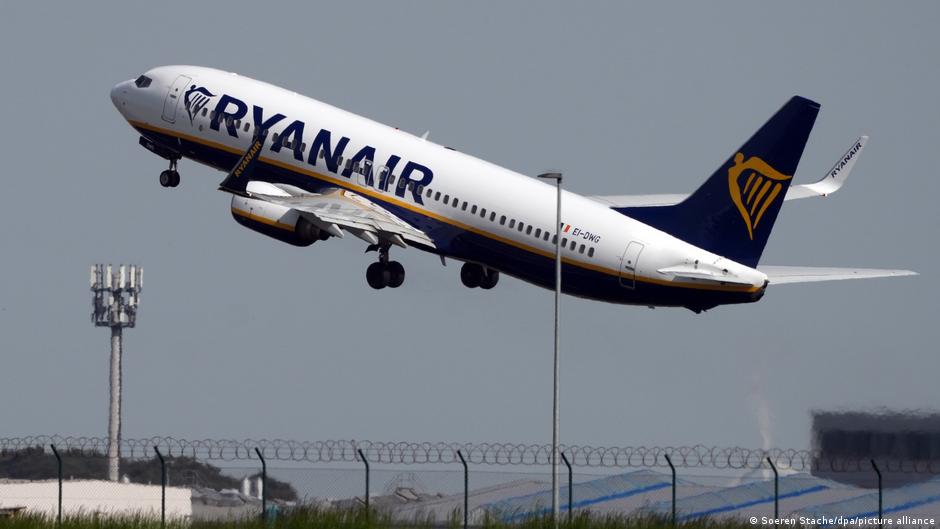
Ryanair plans to close its Berlin base and halve flights by 2026, citing Germany's rising aviation taxes and fees that threaten the viability of budget airlines.

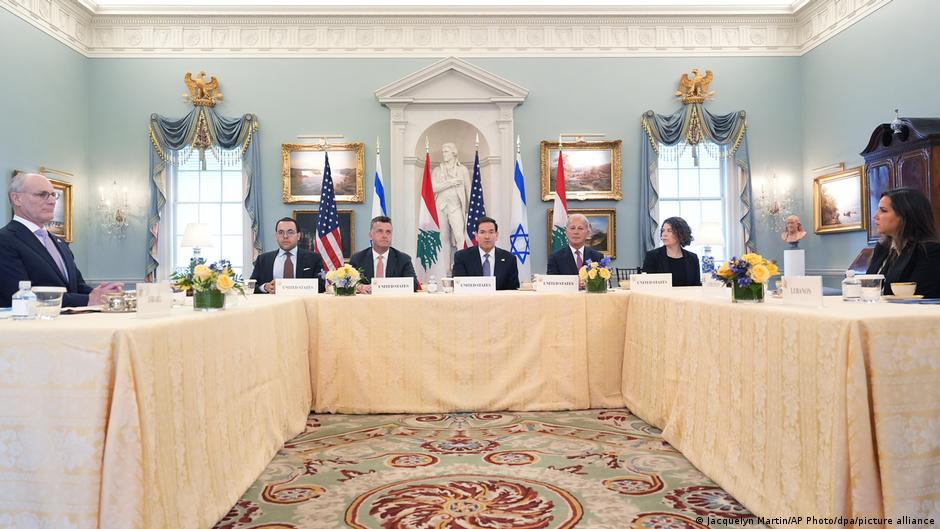
The US brokered a three-week extension of the Israel-Lebanon ceasefire, signaling renewed dialogue amidst complex geopolitical and economic challenges surrounding Hezbollah.

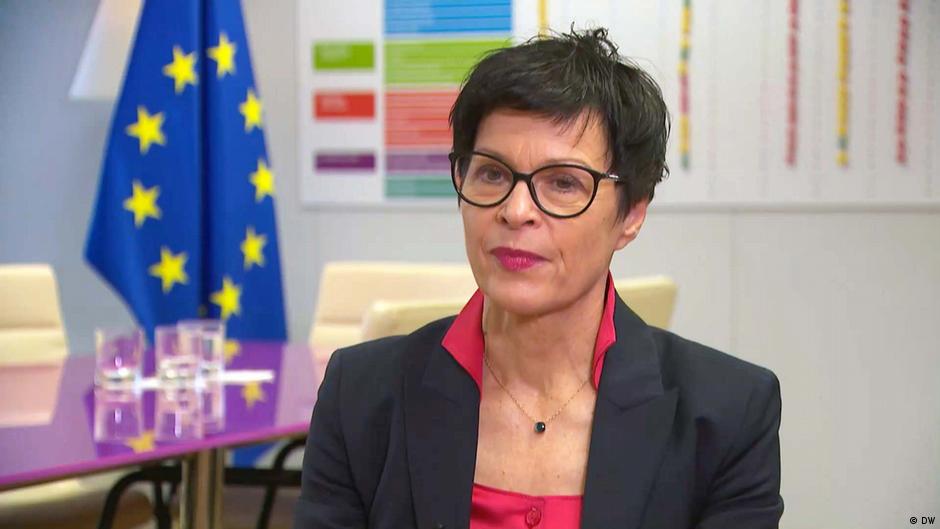
The EU warns Serbia may lose €1.5 billion in reform funding amid concerns over democratic backsliding and judicial independence, threatening its EU accession prospects.

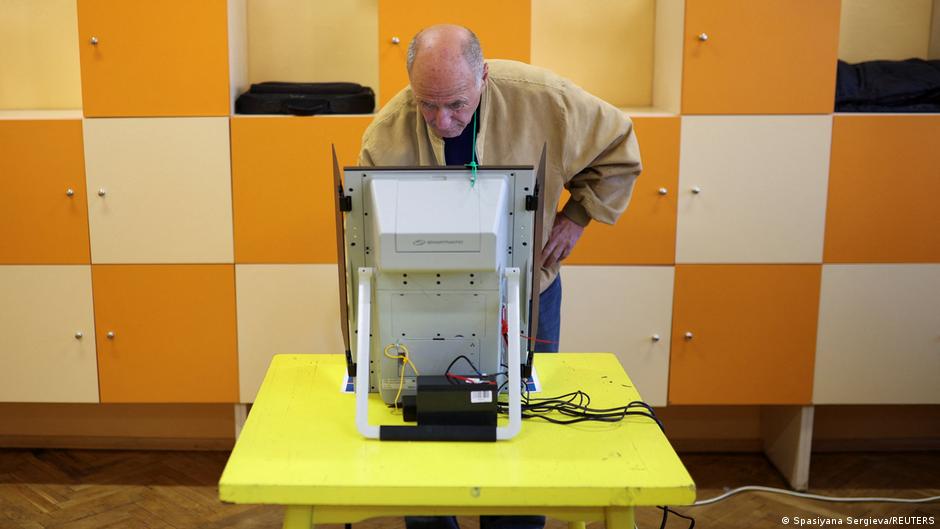
Former President Rumen Radev’s coalition leads Bulgaria’s parliamentary elections, reflecting widespread demand for anti-corruption reforms and institutional change amid political instability.

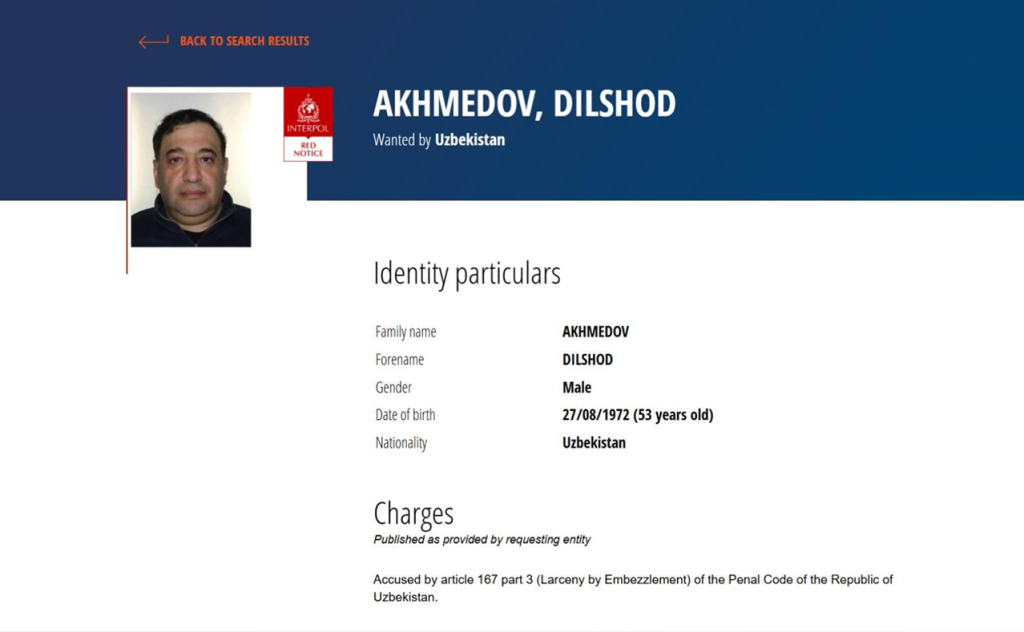
Former chairman of Uzbekistan's O‘zmetkombinat, Dilshod Ahmedov, is internationally wanted over large-scale embezzlement amid ongoing investigations into state asset misappropriation.