Business
Distress Call Exposes Economic Risks Behind Russia’s Shadow Fleet
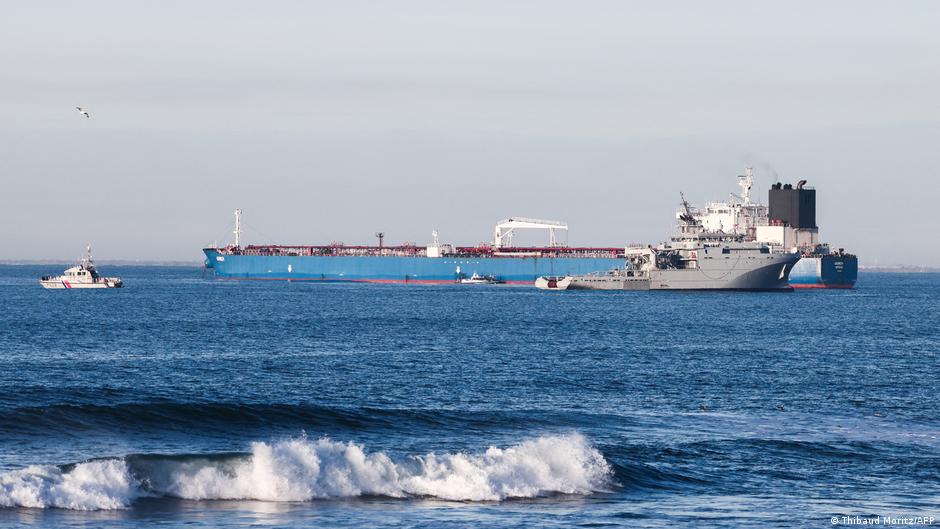
MYRA’s Atlantic distress call highlights the rising operational and economic risks surrounding sanctions-evasion oil shipping.
By Editorial Team — October 25, 2026
MYRA’s Atlantic distress call highlights the rising operational and economic risks surrounding sanctions-evasion oil shipping.
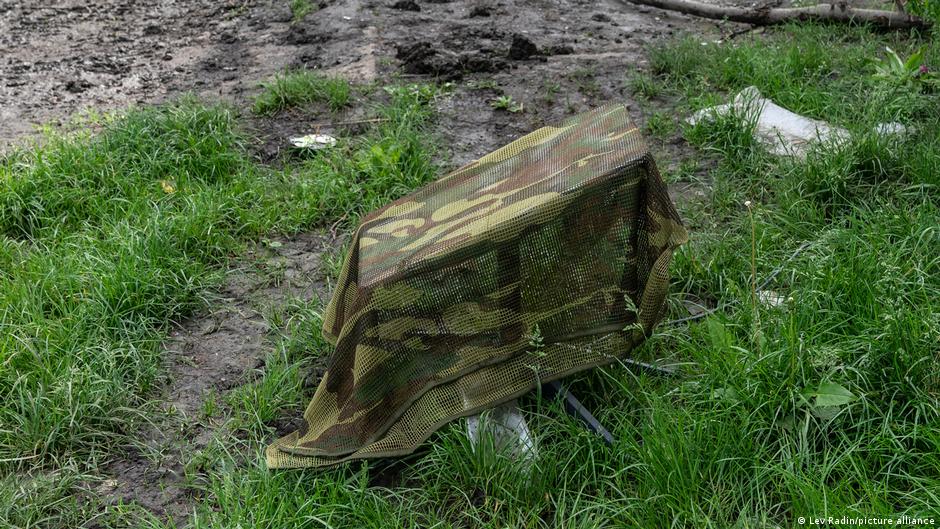
SpaceX’s restoration of Starlink access in Ukraine exposes the strategic and economic risks of relying on privately controlled wartime infrastructure.
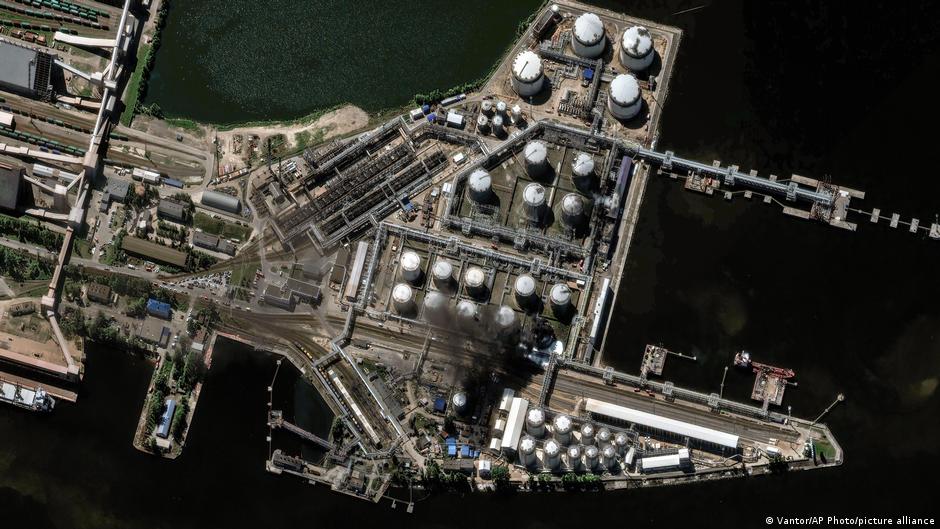
The attack disrupted energy, digital, power and transport infrastructure, exposing the economic risks created by concentrated urban networks.
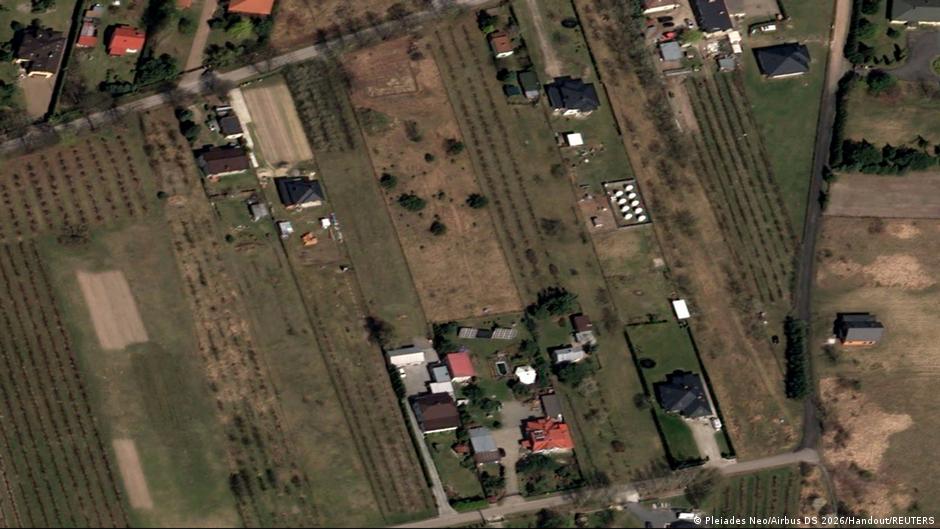
The suspected arson attack near Warsaw shows how limited physical sabotage can generate wider costs for infrastructure security, insurers and European governments.
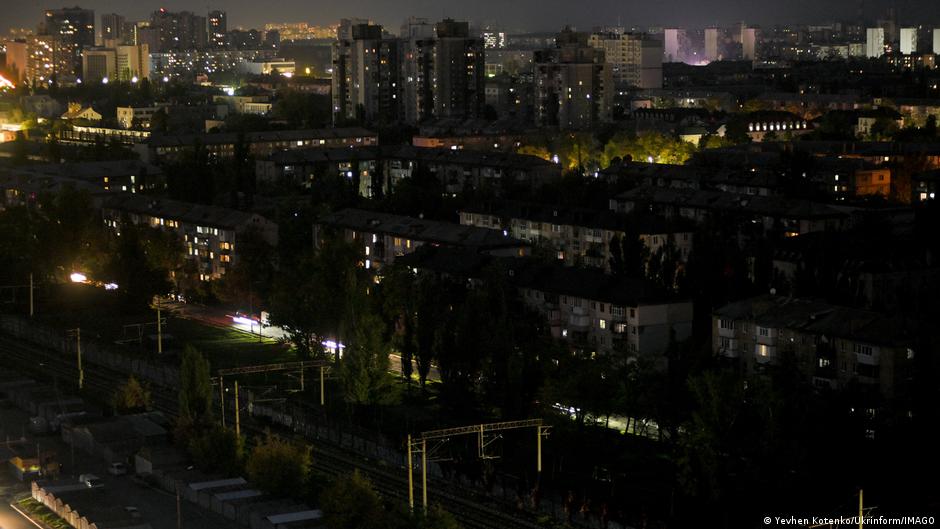
Russian attacks disrupted electricity and water services in Kyiv and Lutsk, exposing the economic vulnerability of Ukraine’s interconnected urban infrastructure.

A tanker fire near Sochi exposes the mounting economic risks around Black Sea shipping, Russian oil exports and shadow-fleet logistics.
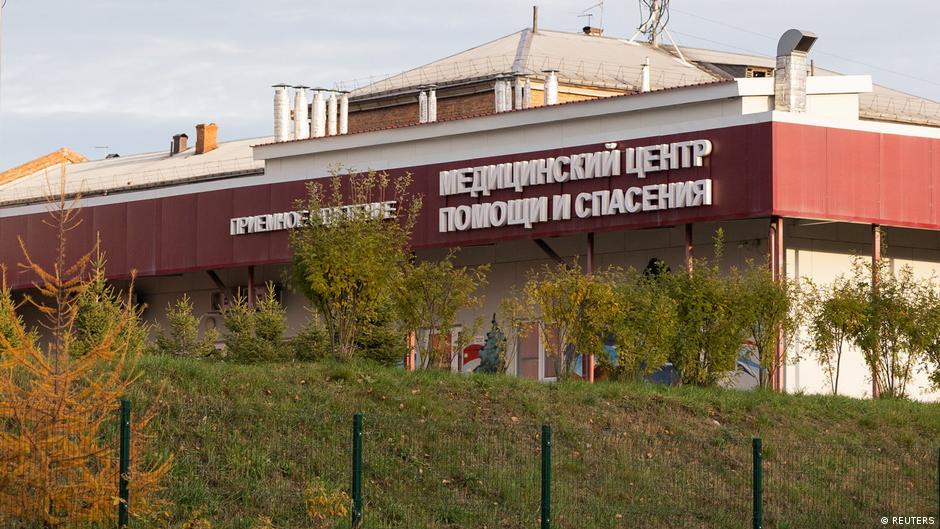
A reported possible plague-linked death in Irkutsk has prompted WHO inquiries, hospital quarantines and a planned Trump-Putin call.

Trump said the U.S. is ready to help Russia as reports from Irkutsk raised public-health concerns and prompted border precautions in Central Asia.

Ruling parties and Milorad Dodik’s allies prevailed in Bosnia’s elections, reinforcing continuity within the country’s fragmented Dayton system.
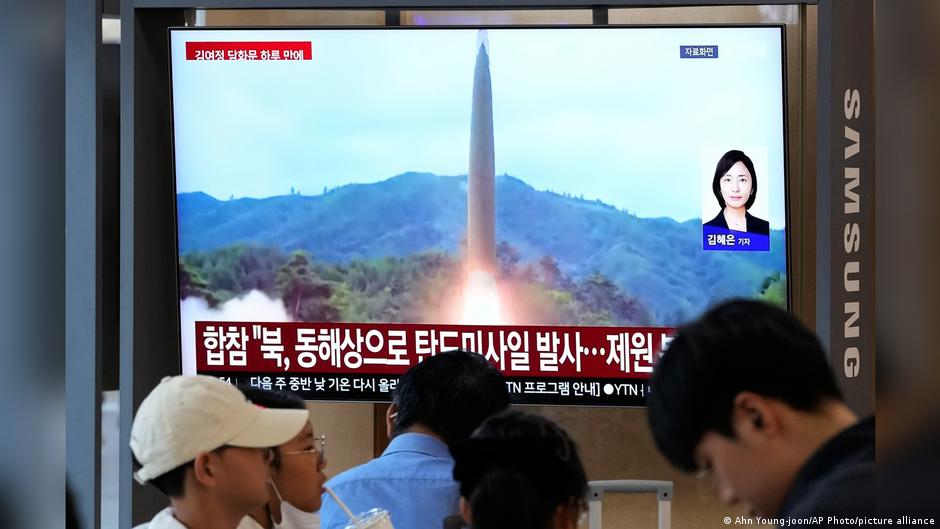
North Korea’s reported missile launch adds economic risk to renewed peninsula tensions after Seoul accused Pyongyang of an armistice violation.
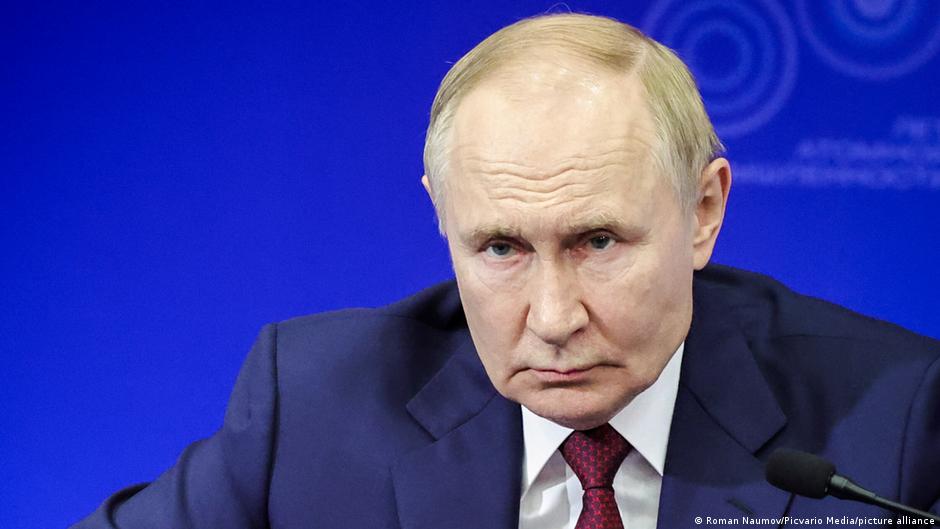
Putin’s Valdai speech sharpened nuclear rhetoric and war claims, adding to Europe’s long-term economic and security risk premium.
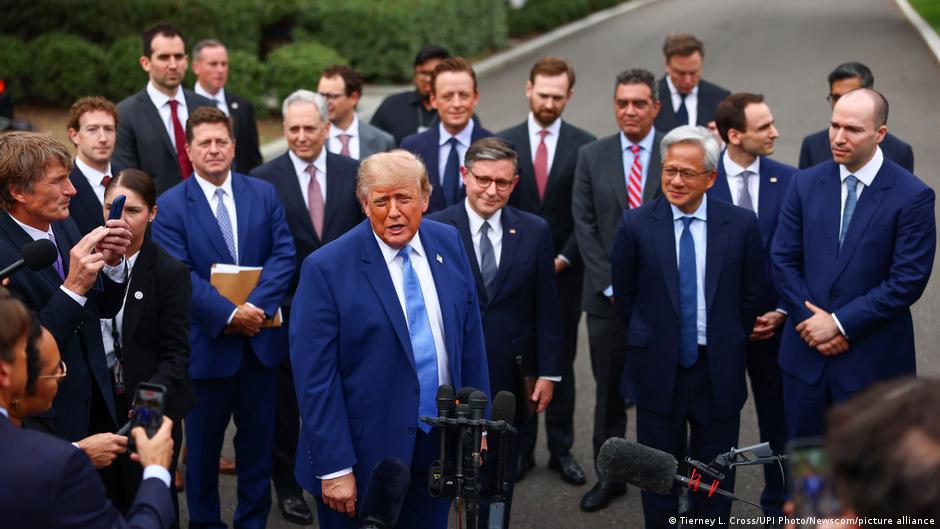
Trump’s AI pact relies on voluntary company oversight, raising questions about safety, competition and America’s race with China.
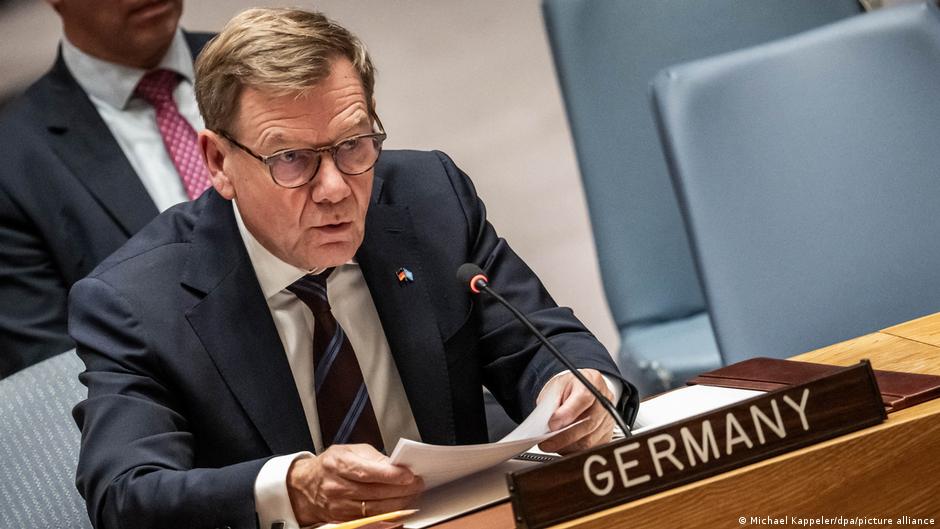
Germany says Putin’s possible G20 attendance should be judged by whether Russia first signals seriousness on Ukraine through a ceasefire.

Yemen’s mobilization call comes as Houthi gains near the Red Sea and Bab el-Mandeb raise risks for trade, oil exports and energy prices.

German investigators are probing whether a drone crash near the Wunstorf air base involved explosives and may be linked to Leipzig sabotage.
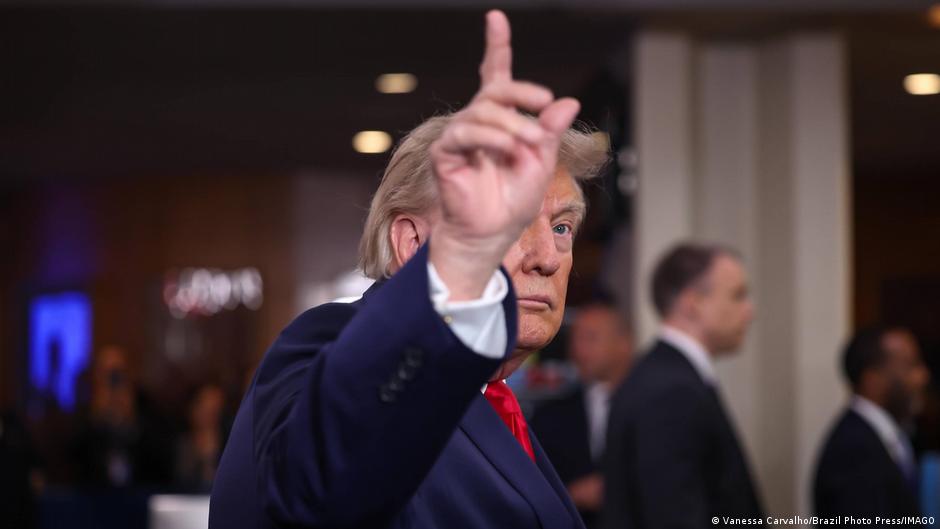
U.S. and Iranian officials held mediated talks in New York as threats, sanctions and Hormuz shipping risks framed the economic stakes.
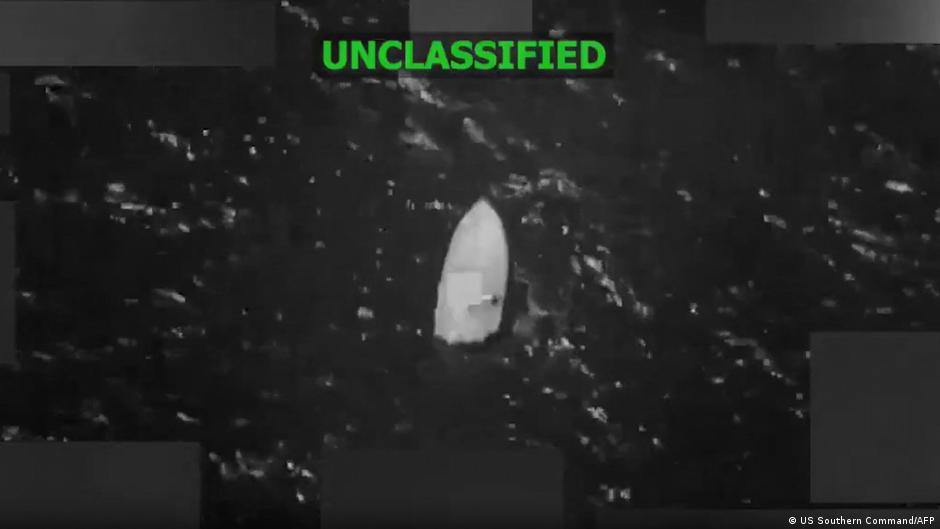
A new U.S. strike in the Caribbean killed four alleged drug traffickers, deepening legal concerns and economic risks around a yearlong campaign.
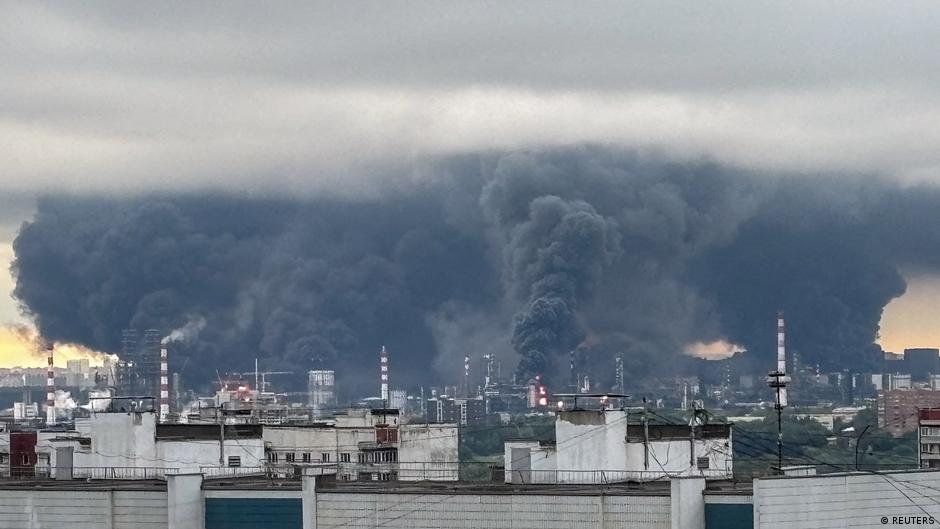
Reported drone attacks near Moscow killed two people and disrupted refineries, logistics sites, housing and airports, widening Russia’s economic exposure.

Mass protests across Germany against right-wing extremism show how the AfD debate is becoming an institutional and economic risk.

Zelensky expects late-September talks with a US delegation on grain exports, energy security and the economic pressures shaping diplomacy.
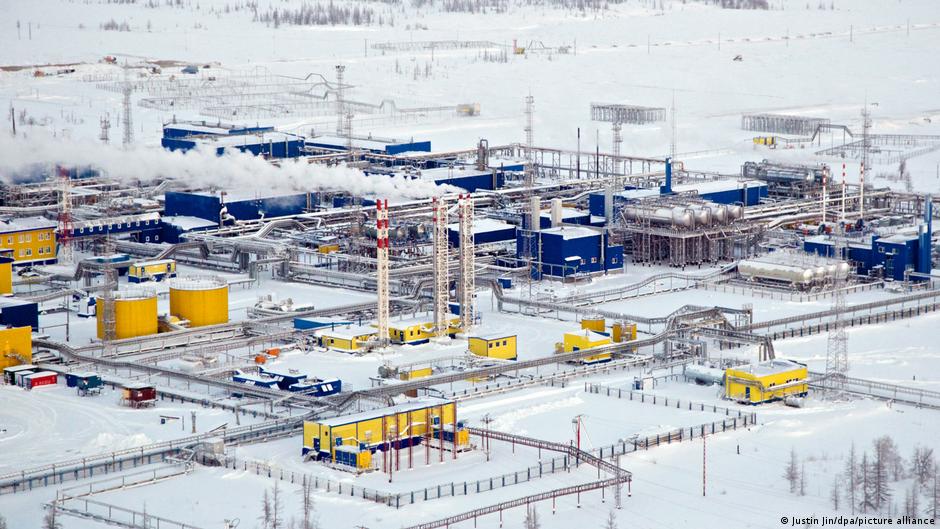
A first reported drone attack on Yamal-Nenets puts Russia’s Arctic gas infrastructure under new scrutiny as economic risks widen.
Ukraine’s anti-corruption raids point to a wider wartime economy of scam call centers, asset laundering and alleged official protection.
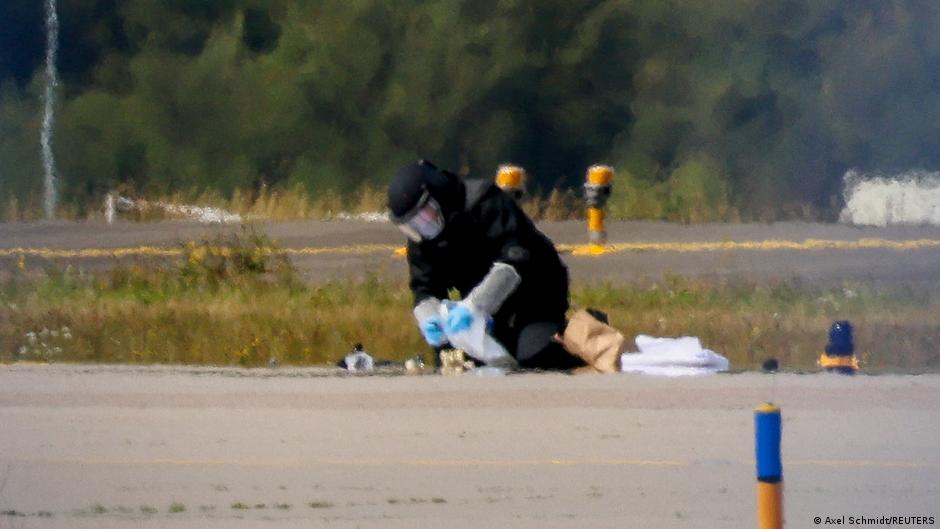
Latvia says a suspect in the Leipzig sabotage case had been living in Russia, deepening scrutiny of Europe’s logistics, visa and sanctions systems.
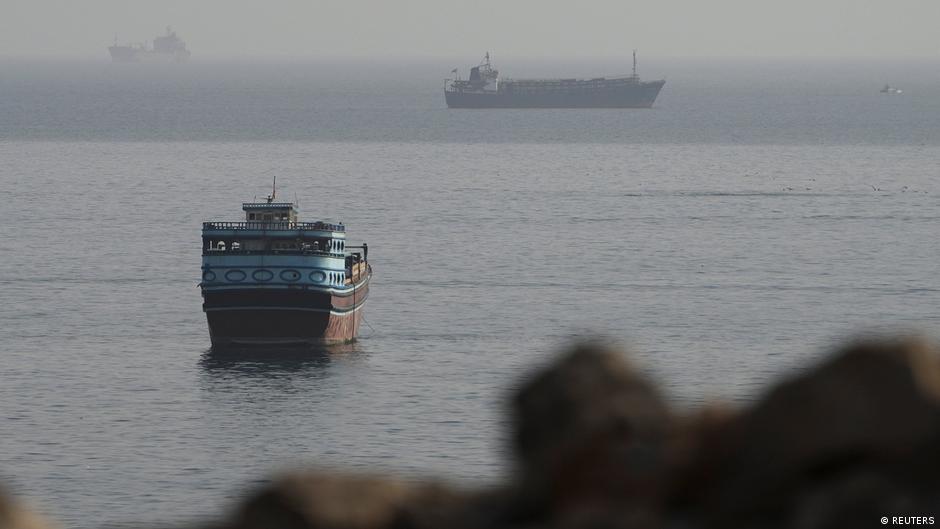
US forces disabled a Panama-flagged cargo ship attempting to breach Iran's blockade in the Strait of Hormuz, highlighting escalating maritime tensions and economic risks.
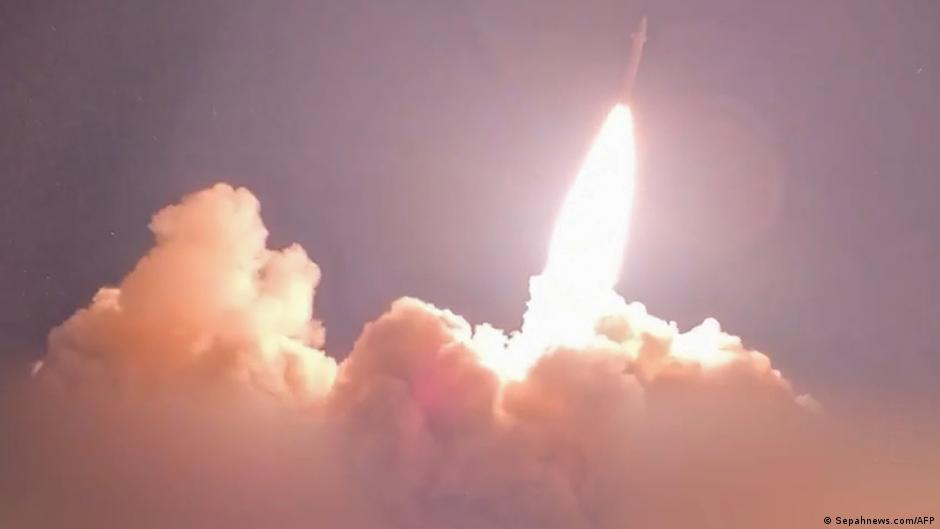
The US intercepted ballistic missiles launched from Iran targeting American forces, underscoring escalating tensions and the complex economic risks in the Middle East.

President Zelensky warns of Russia's plans to expand military mobilization in 2026 and deepen military ties with North Korea, reflecting structural strains in Moscow's war efforts.
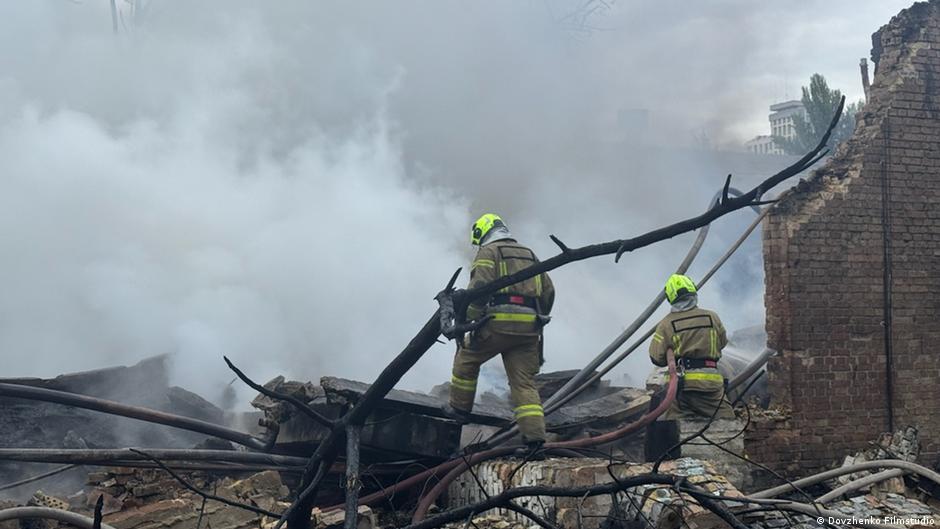
Russian ballistic missile attacks on Kyiv and other key Ukrainian regions highlight increasing economic risks and infrastructure damage amid ongoing conflict.
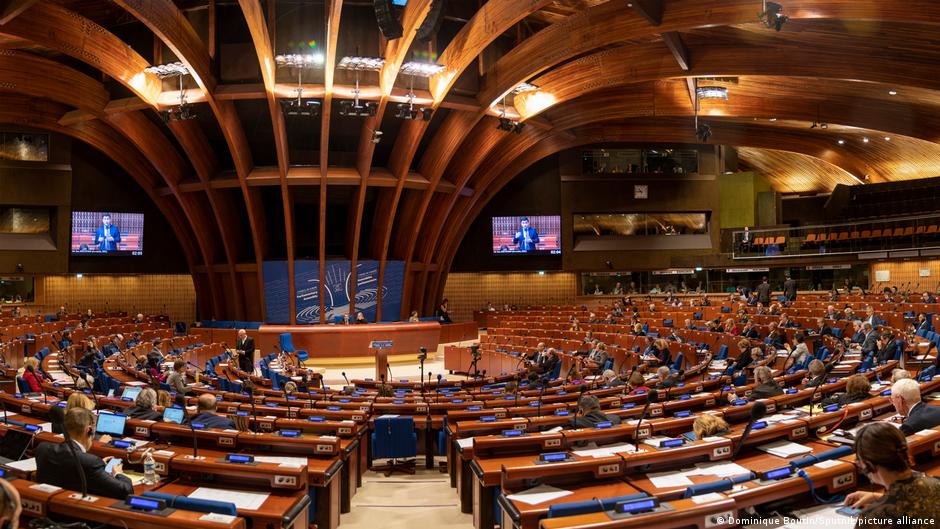
PACE has passed a resolution criticizing Georgia's democratic decline, urging the repeal of repressive laws and cessation of opposition persecution amid political tensions.
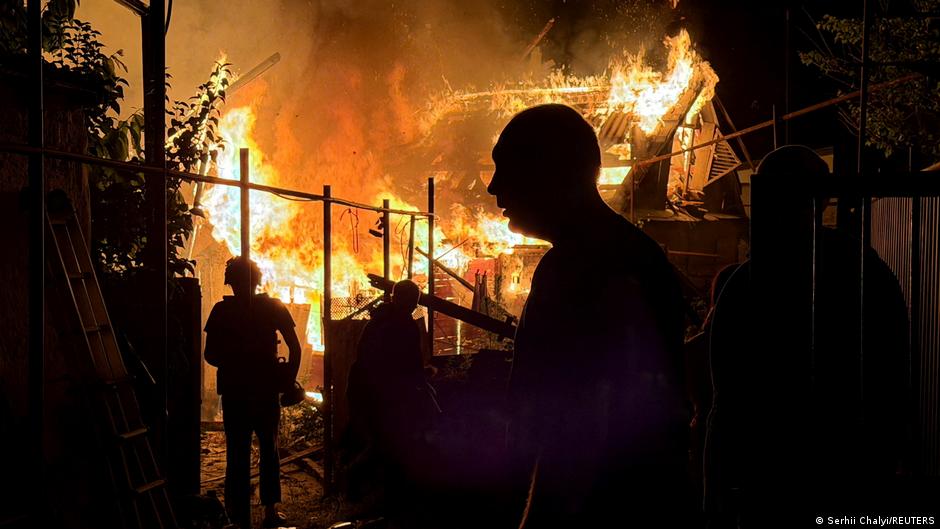
Russian missile strikes on Zaporizhzhia injured civilians and damaged infrastructure, highlighting the growing economic and humanitarian toll in southeastern Ukraine.
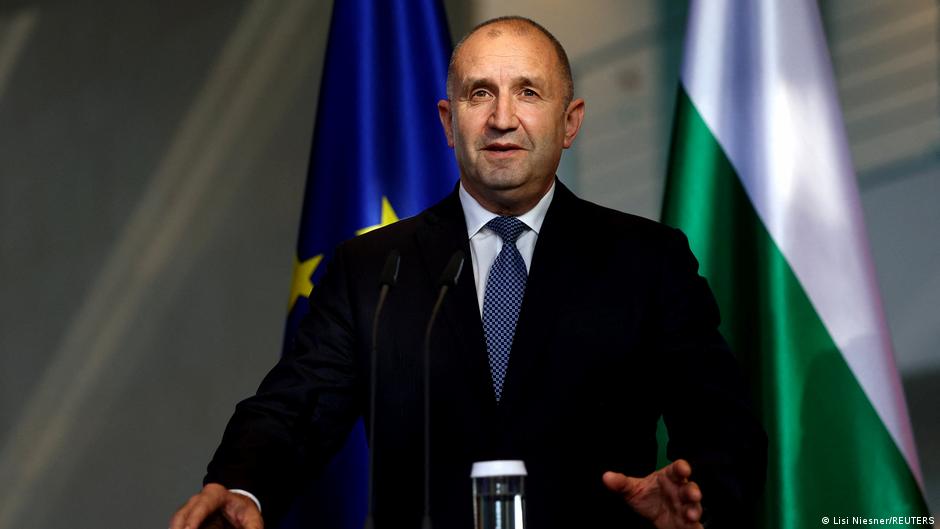
Bulgaria plans to veto the EU’s expanded sanctions on Russia, citing risks to its economy and opposing restrictions on the Russian Orthodox Patriarch.
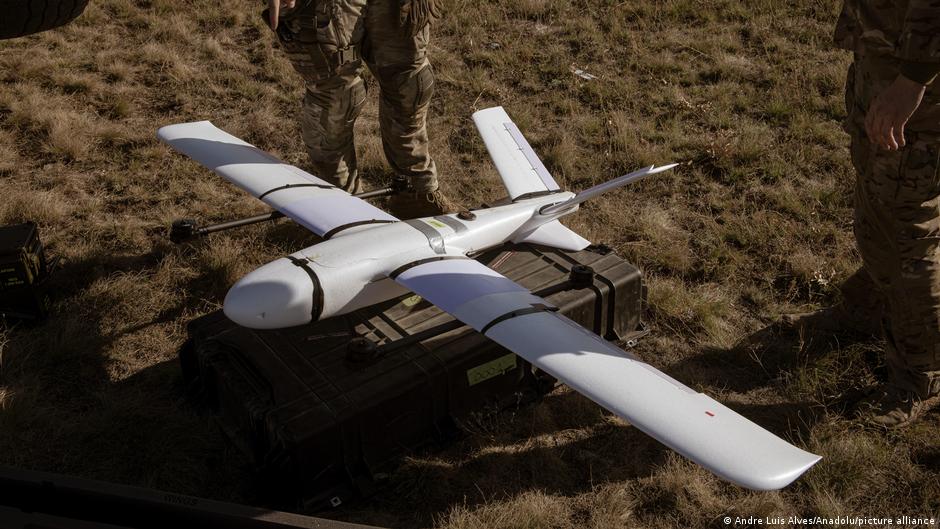
Drone attacks in Russia's Tula region and Ukraine's Kyiv reflect escalating conflict with significant civilian casualties and deep economic and infrastructural repercussions.
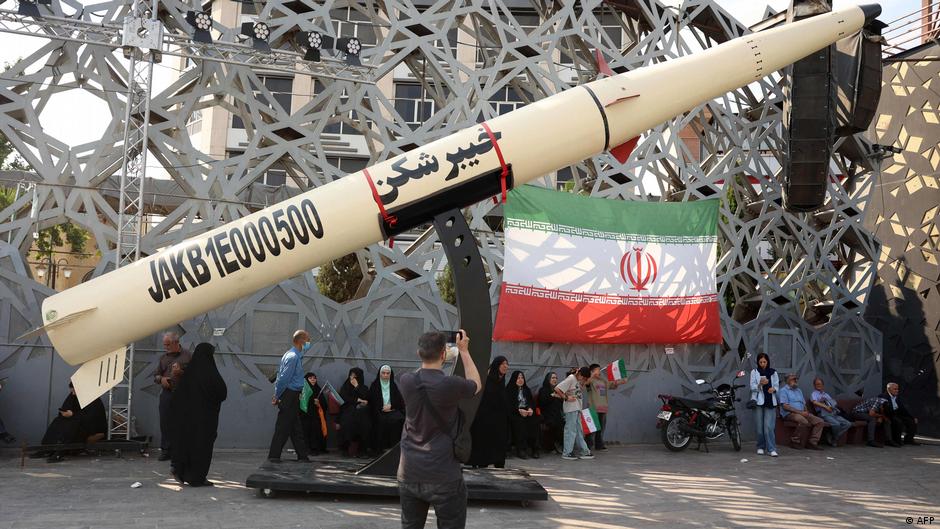
Iran has largely restored its missile arsenal during a ceasefire period, possibly aided by recent Russian missile transfers, complicating US efforts to curtail Tehran's military capabilities.
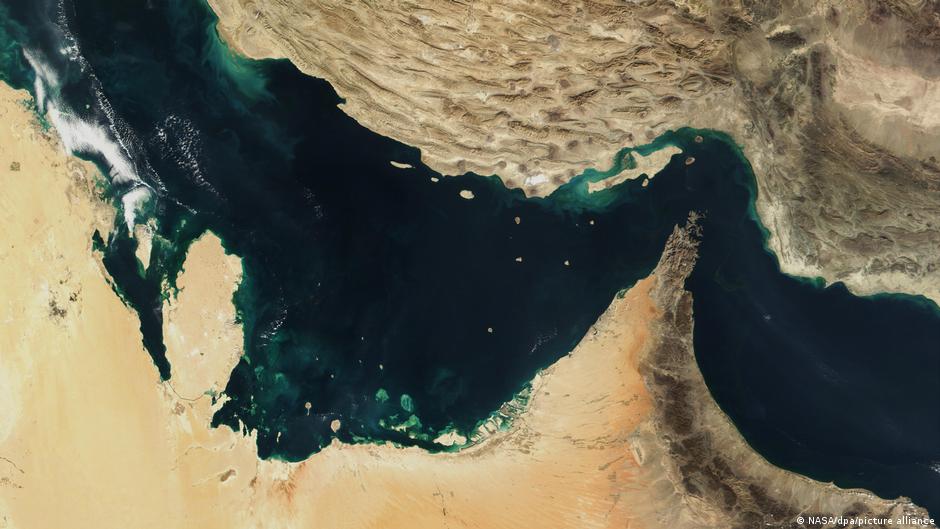
Renewed US strikes on Iran have led Tehran to close the Strait of Hormuz, escalating regional tensions with significant impacts on global energy markets.
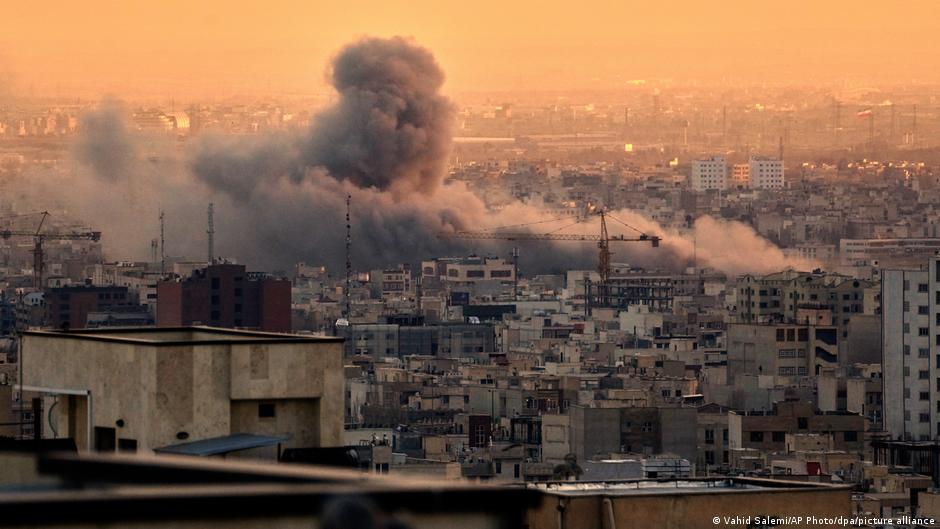
Israel strikes Iranian targets in retaliation for missile attacks amid US efforts to negotiate peace with Tehran, highlighting regional tensions and economic risks.

Ukraine apologized to Greece over a maritime drone incident near Lefkada, highlighting expanded security risks and economic implications in the Mediterranean amid Russia’s ongoing aggression.
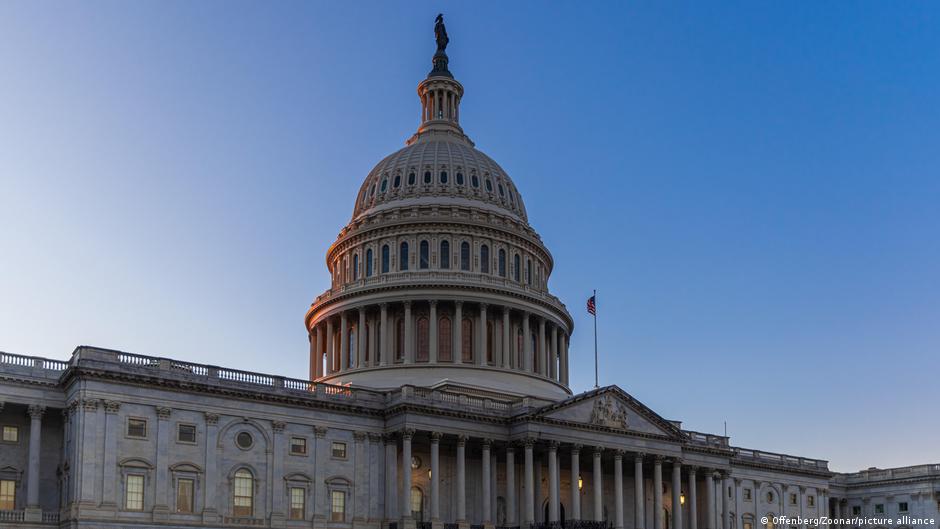
The US Senate advances a resolution requiring presidential congressional approval for military actions against Iran, highlighting constitutional and economic challenges.
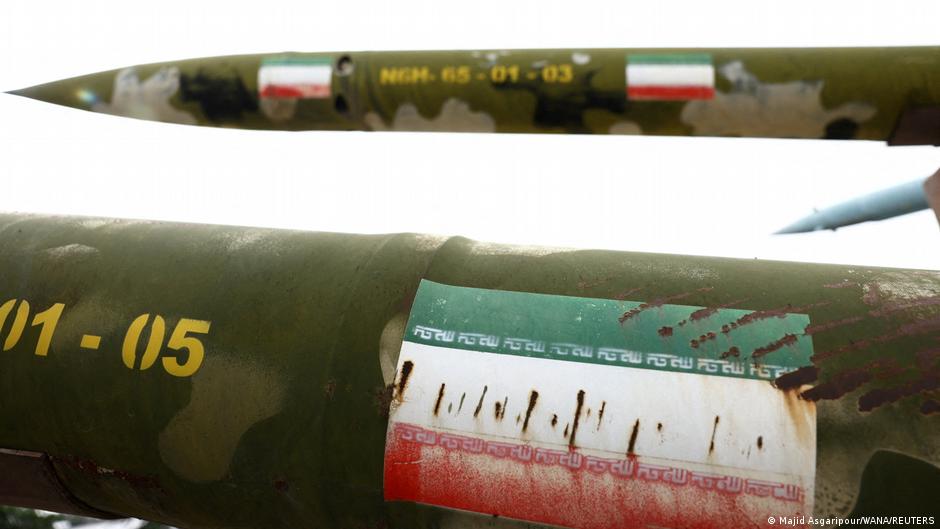
Iran's missile and drone attacks on the UAE disrupt Gulf stability, threatening vital trade routes and regional economic security in a renewed escalation.
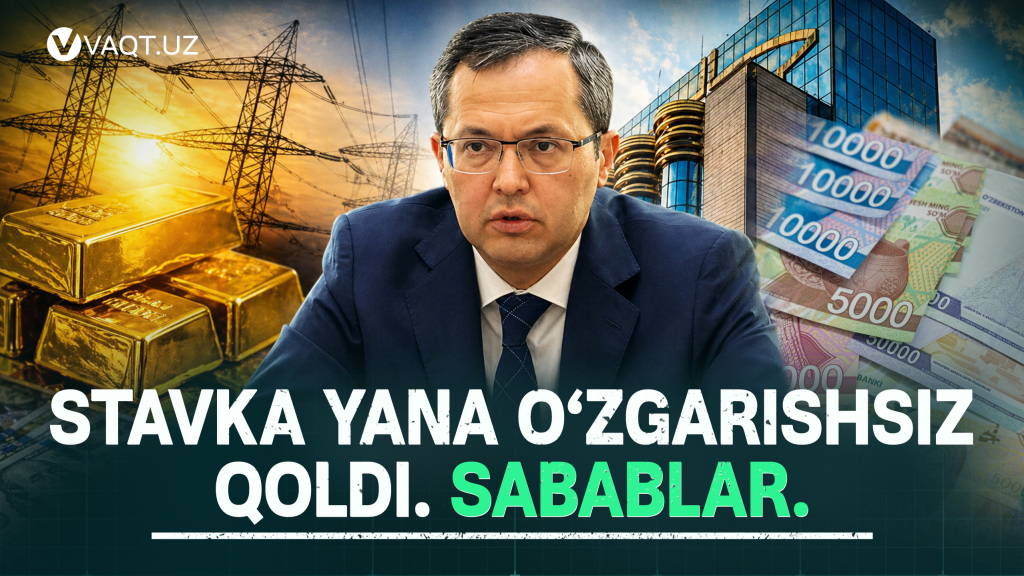
The Central Bank holds the key interest rate at 14%, citing ongoing food price inflation and external economic risks despite a general decline in inflation.

US-Iran tensions trigger a 7% rise in Brent oil prices amid threats of long-term blockade, exposing the economic vulnerabilities of global energy markets.
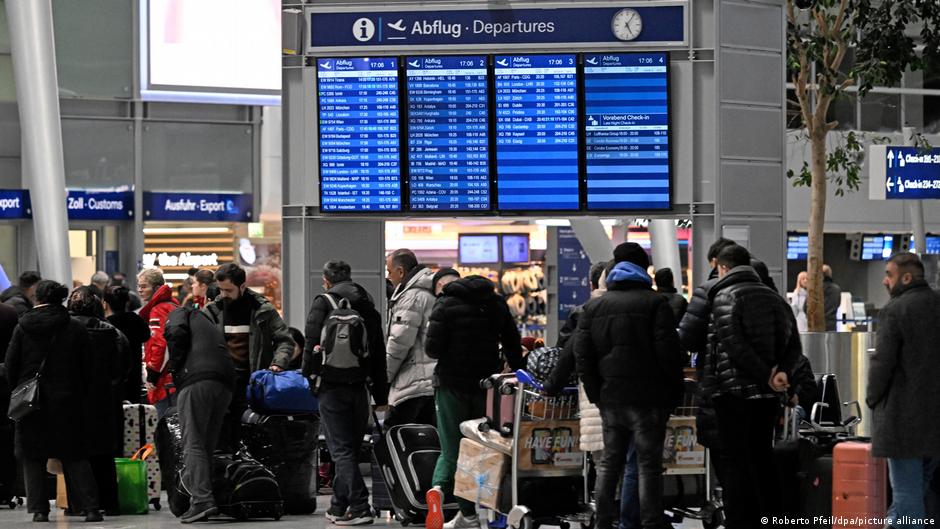
The EU's new biometric Entry/Exit System has caused multi-hour queues at airports, threatening economic disruption to travel and tourism during peak season.