Business
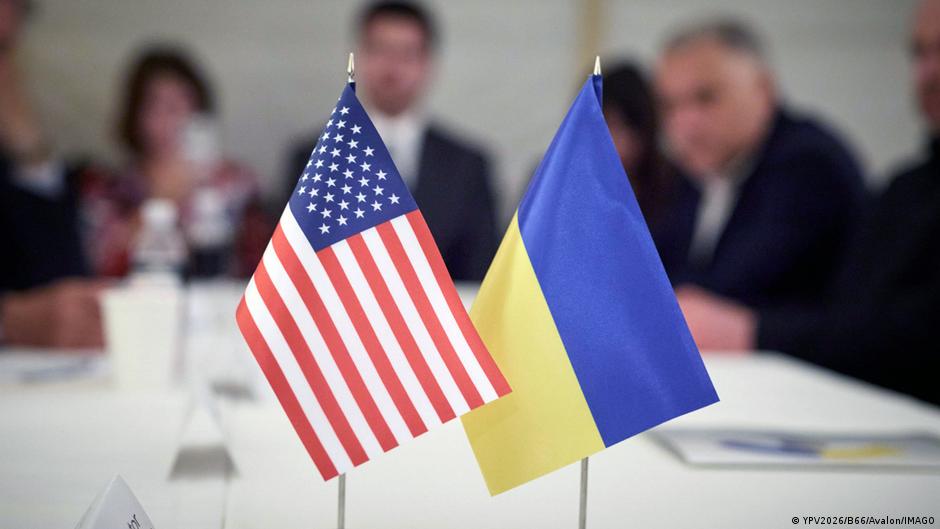
Zelensky’s Office Denies Trump Proposed Moscow Talks With Putin
Kyiv denied a report that Trump proposed Zelensky travel to Moscow, as energy prices and venue disputes shape Ukraine diplomacy.
By Editorial Team — September 26, 2026
Kyiv denied a report that Trump proposed Zelensky travel to Moscow, as energy prices and venue disputes shape Ukraine diplomacy.
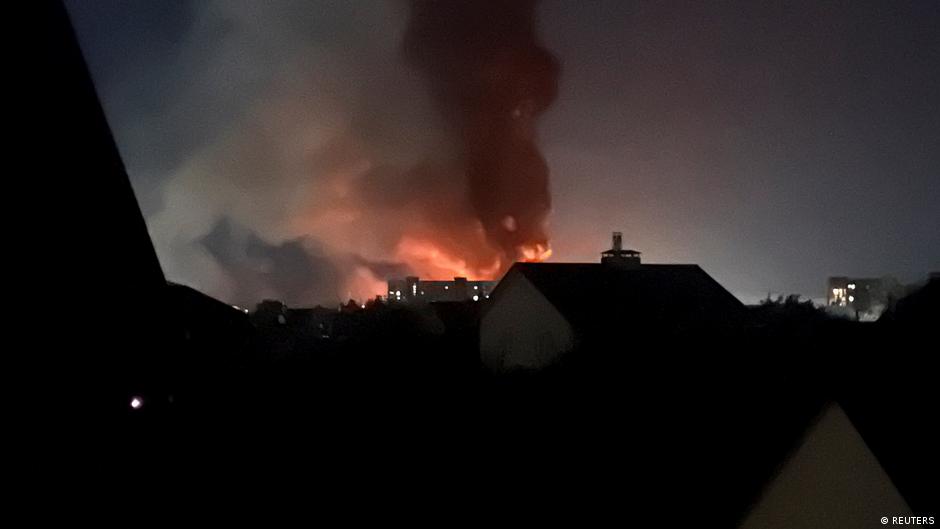
Two people were killed in Kyiv as Russian strikes damaged civilian areas and renewed pressure on Ukraine’s energy and urban infrastructure.
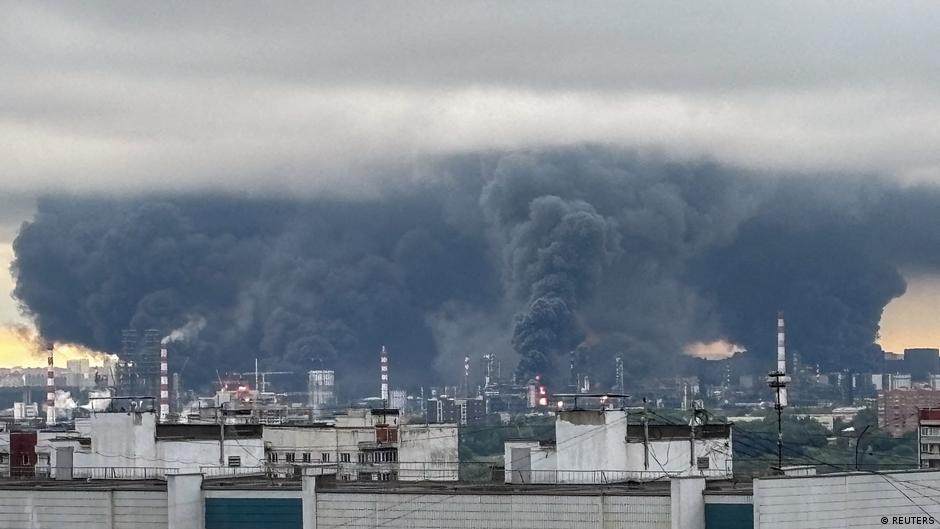
Reported drone attacks near Moscow killed two people and disrupted refineries, logistics sites, housing and airports, widening Russia’s economic exposure.
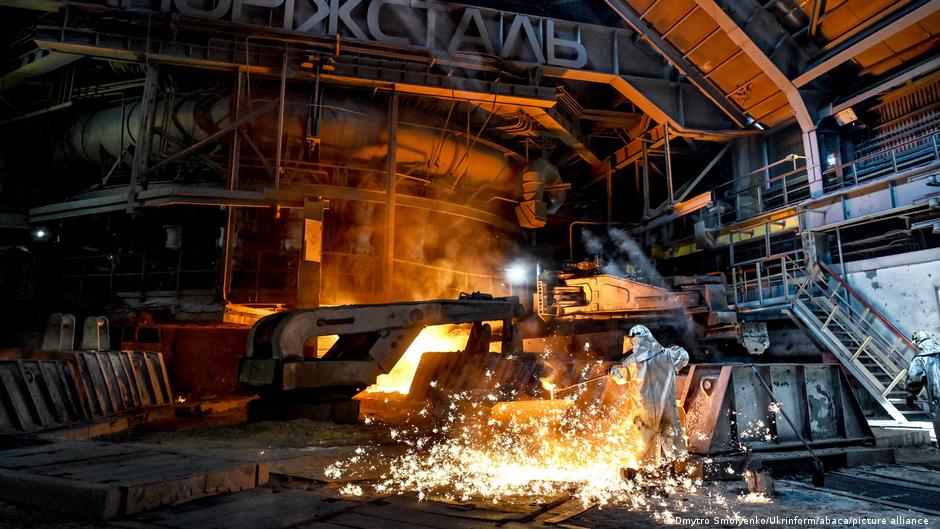
Critical damage at Zaporizhstal threatens Ukrainian steel output, regional employment and tax revenues after repeated Russian missile strikes.

Russia is expected at G20 energy talks in Houston as wars, sanctions and Red Sea security risks complicate the economics of energy abundance.

Zelensky expects late-September talks with a US delegation on grain exports, energy security and the economic pressures shaping diplomacy.
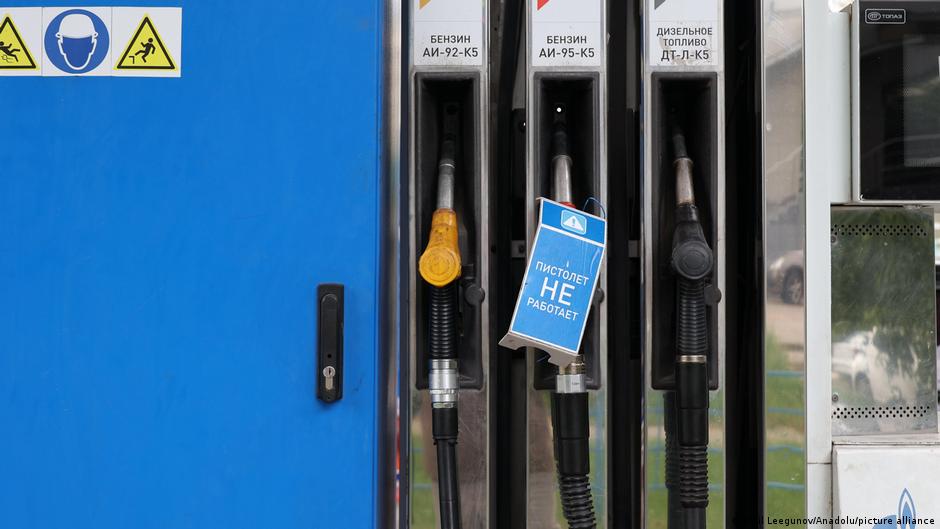
Russia permits sale of Euro-2 to Euro-4 fuels until 2027, citing energy infrastructure damage and a fuel supply crisis triggered by conflict-related disruptions.
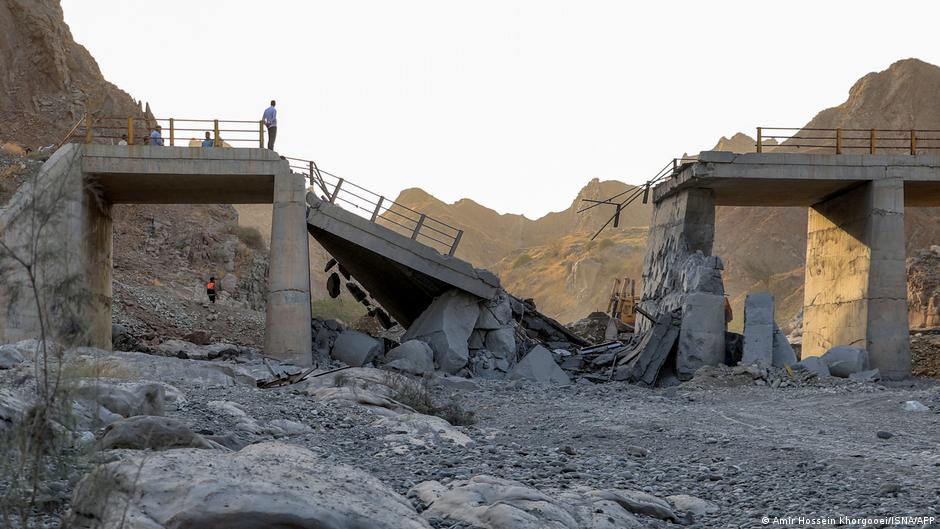
US forces have launched nine consecutive nights of strikes against Iran, prompting Iranian retaliation and impacting shipping through the strategic Strait of Hormuz, with broader implications for global energy markets.
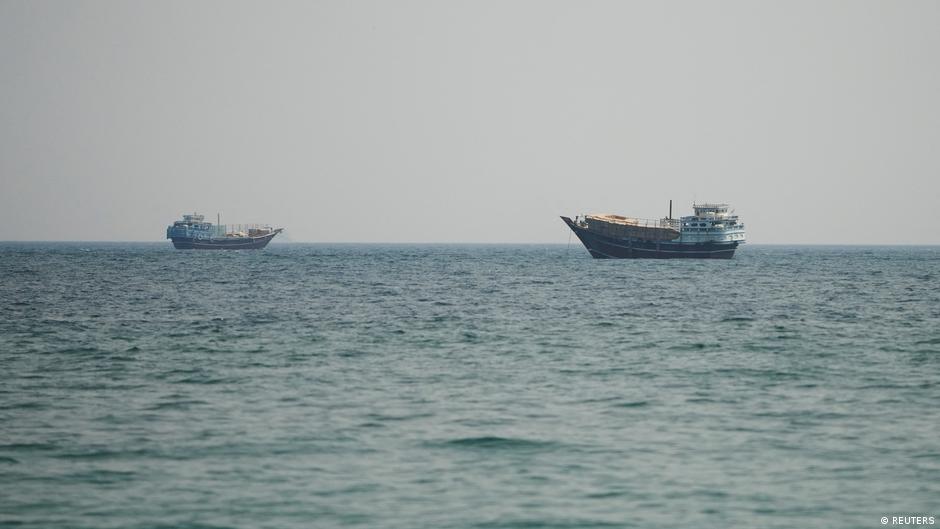
The US is pursuing the revival of an Iraq-Syria oil pipeline to bypass the Strait of Hormuz, aiming to reduce Iran's influence and enhance global energy security amid regional tensions.
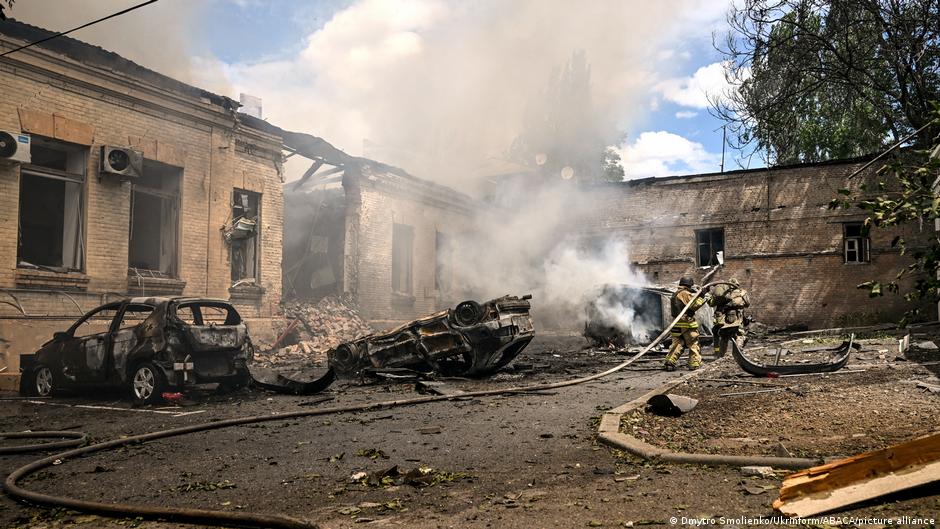
Russian strikes on Ukrainian regions killed four and injured 25, damaging homes and infrastructure amid warnings of further attacks.
Gazprom and Russia's Defense Ministry have launched mobile fire groups to protect gas infrastructure, blending civilian employment with reservist military duties amid rising security concerns.
The US has extended the operational license for Serbia’s NIS under sanctions, delaying Gazprom’s divestment and highlighting complex regional energy and geopolitical stakes.
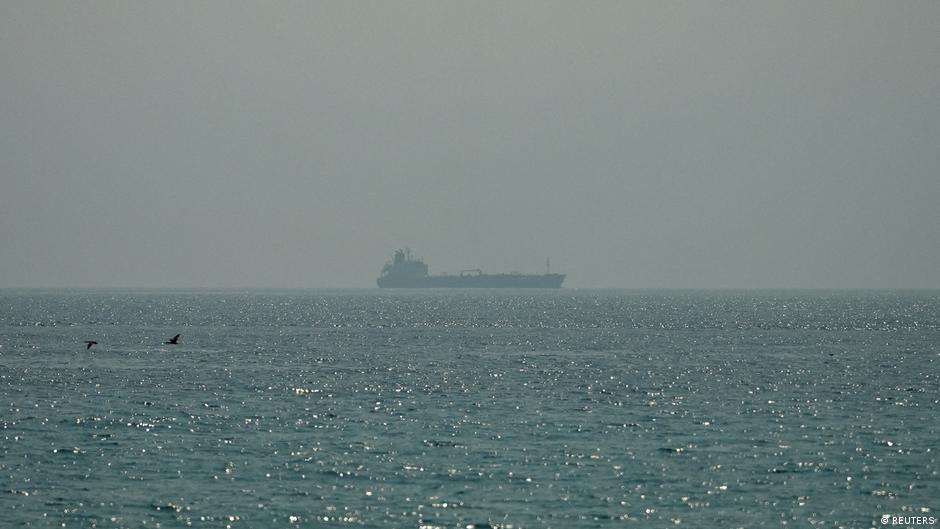
The US and Iran have agreed to a temporary ceasefire until June 30, ahead of talks in Qatar addressing the reopening of the Strait of Hormuz, a critical oil shipping route.
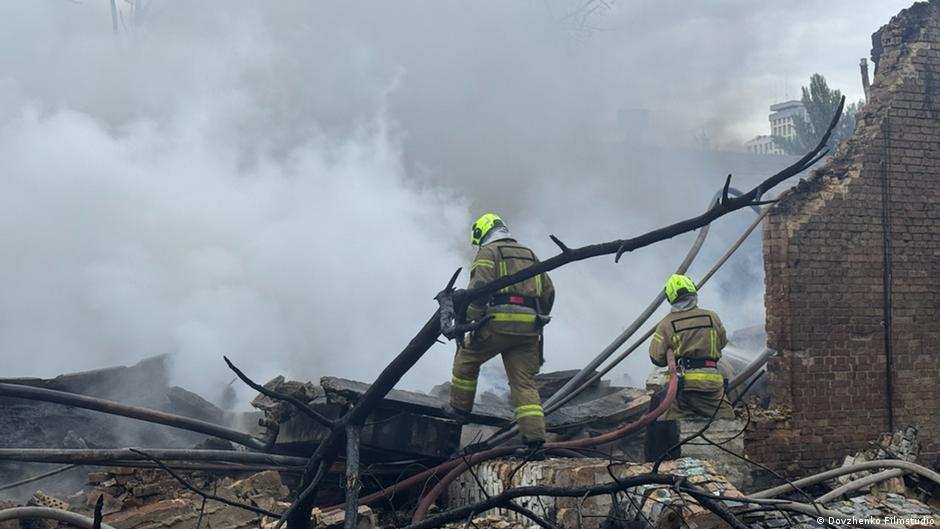
Russian ballistic missile attacks on Kyiv and other key Ukrainian regions highlight increasing economic risks and infrastructure damage amid ongoing conflict.
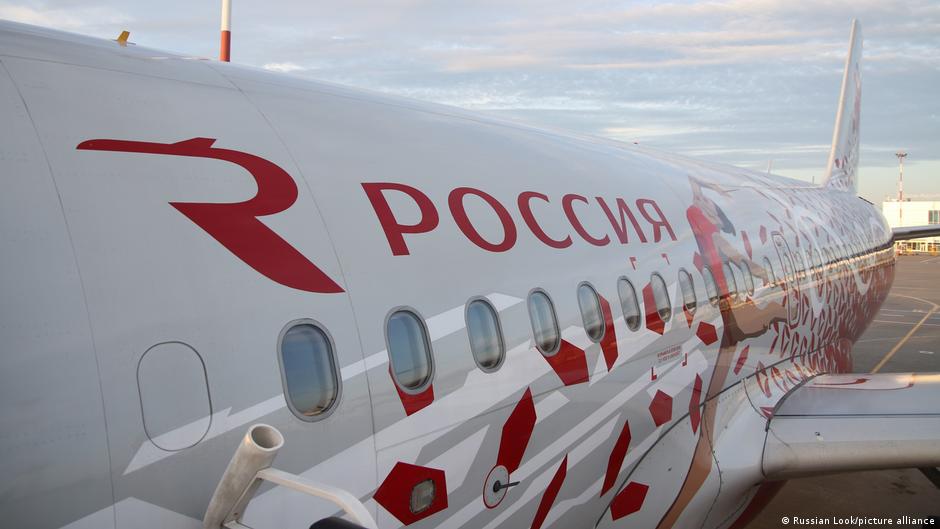
Russia’s aviation fuel imports from Belarus surged nearly fourfold in May 2026 amid domestic production declines and export restrictions, revealing structural energy sector strains.
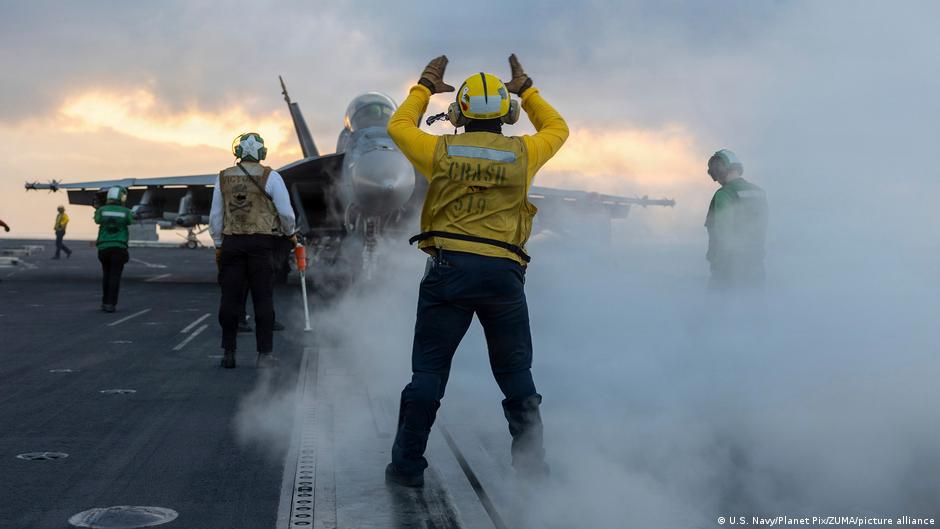
US airstrikes targeted Iranian military sites after a drone attack on a commercial ship in the Strait of Hormuz, escalating tensions and impacting global oil markets.
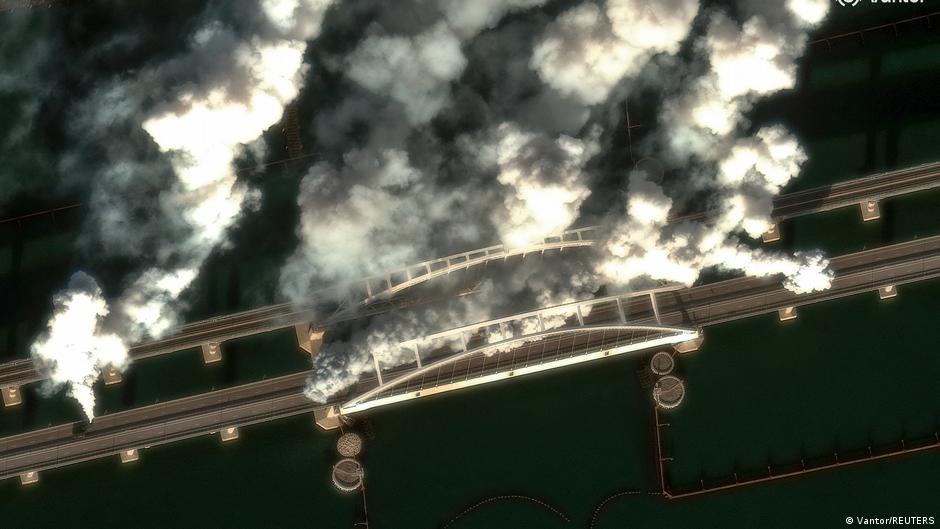
Drone strikes caused a major fire at the Poltava oil depot in Krasnodar Krai and targeted Crimea’s energy infrastructure, revealing critical vulnerabilities amid ongoing regional conflicts.
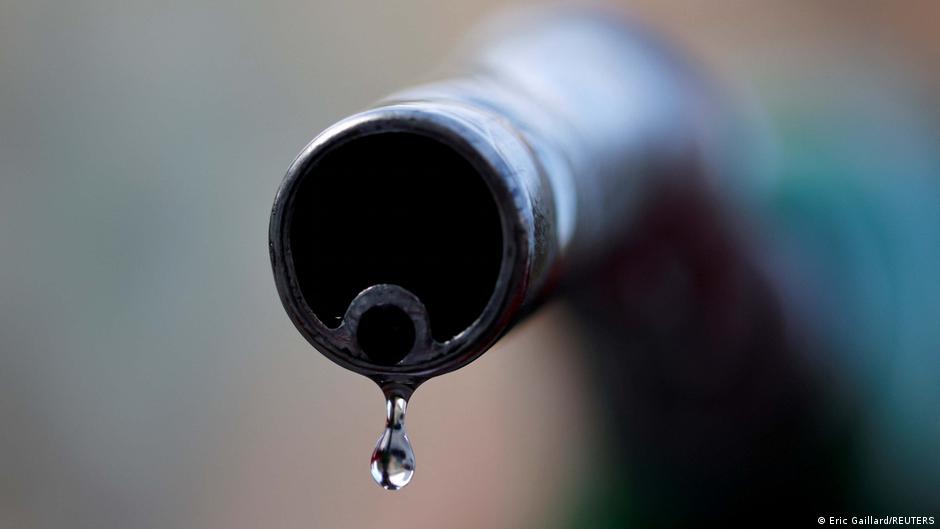
Widespread fuel sales restrictions are imposed across Russia due to production slowdowns following targeted drone strikes on oil refineries, affecting 53 regions.

Germany urges Turkey to exclude Russian gas in future EU energy agreements, highlighting economic and geopolitical shifts in the region's energy dynamics.
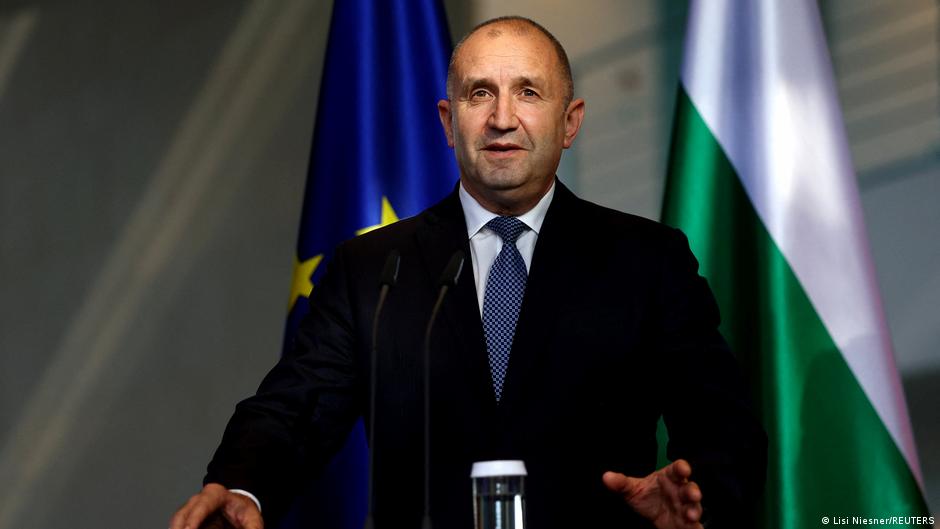
Bulgaria plans to veto the EU’s expanded sanctions on Russia, citing risks to its economy and opposing restrictions on the Russian Orthodox Patriarch.
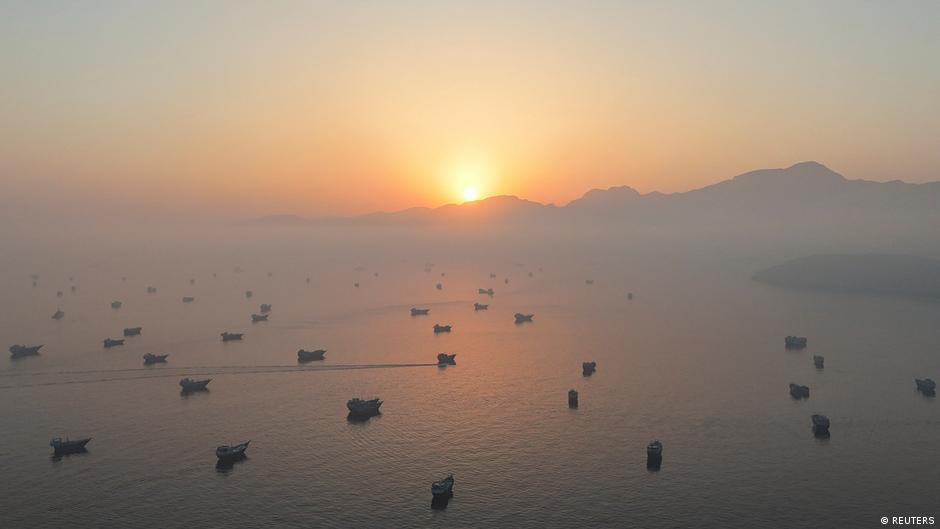
The US has lifted its naval blockade of the Strait of Hormuz, enabling renewed Iranian oil exports and opening a 60-day negotiation period aimed at a comprehensive peace agreement.
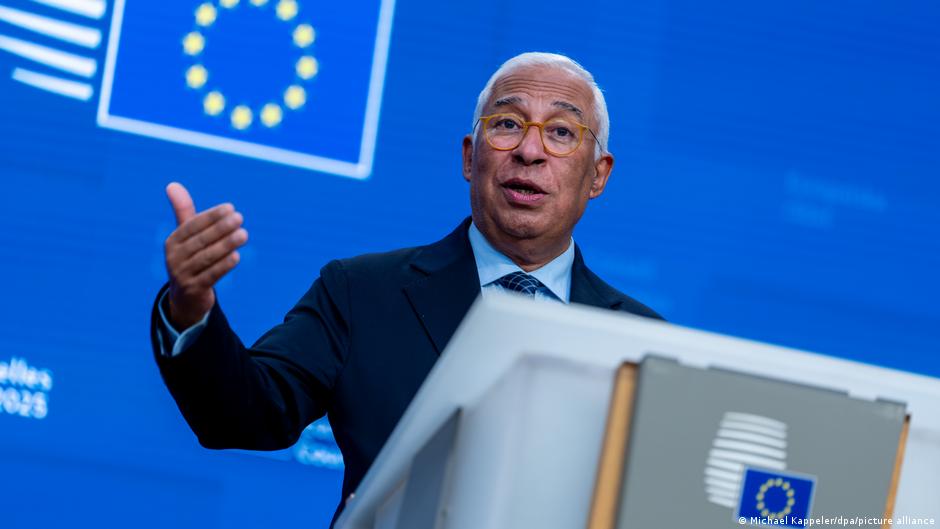
The EU has begun discreet talks with the Kremlin to prepare for potential peace negotiations on the Ukraine conflict, amid growing military and economic pressures on Russia.

European leaders welcome the US-Iran peace deal as a path toward regional stability and global economic recovery, emphasizing non-proliferation and swift implementation.
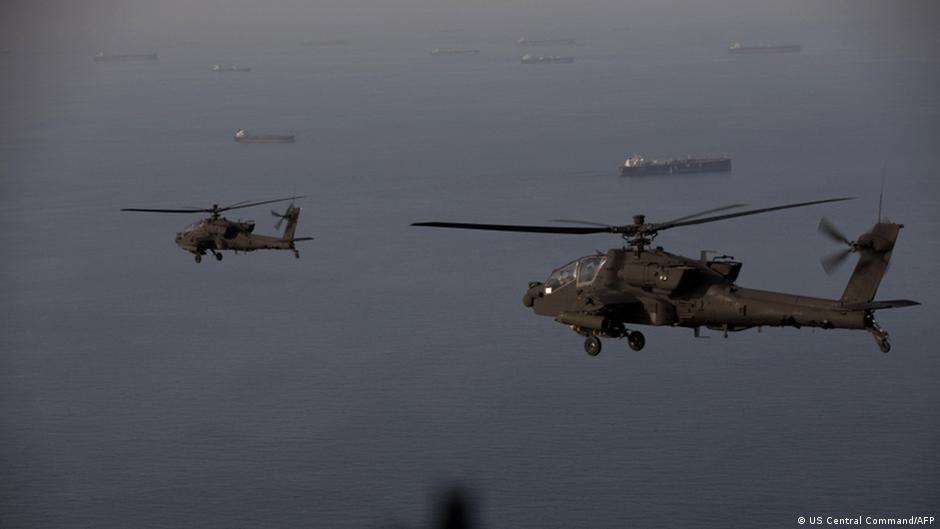
The US resumed airstrikes on Iran following the downing of an Apache helicopter over the Strait of Hormuz, reflecting escalating regional tensions with significant economic implications.
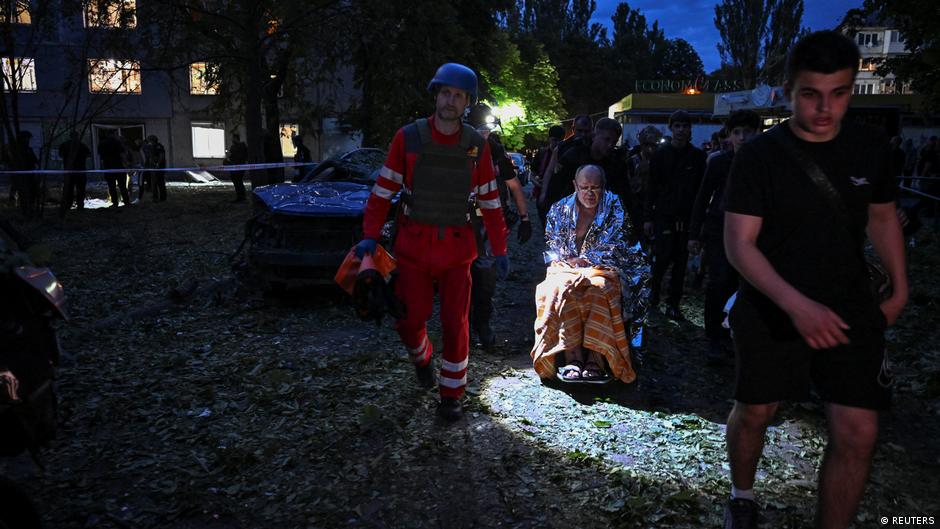
Russian attacks on Zaporizhzhia have caused fires and power outages, highlighting the region's infrastructure vulnerabilities amid ongoing conflict and economic challenges.

Ukraine apologized to Greece over a maritime drone incident near Lefkada, highlighting expanded security risks and economic implications in the Mediterranean amid Russia’s ongoing aggression.
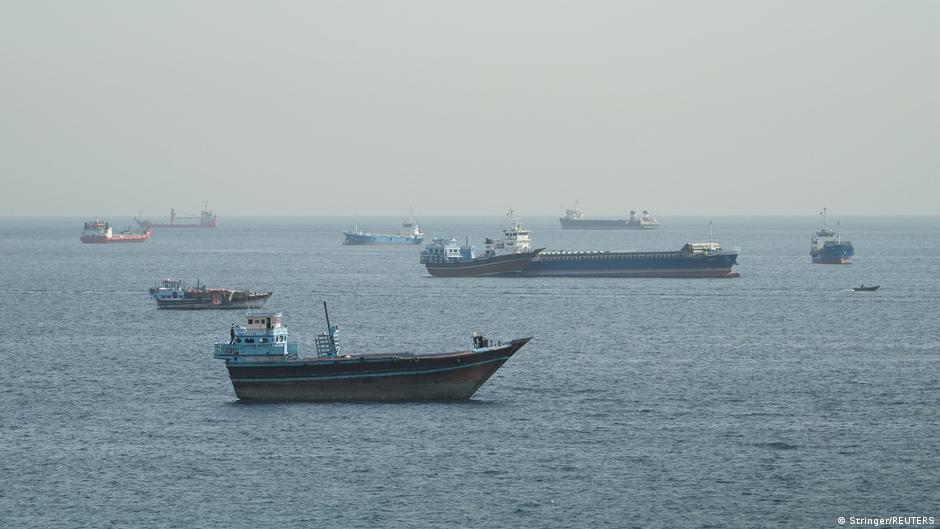
The US has covertly assisted about 70 commercial vessels through the Iran-blocked Strait of Hormuz amid escalating tensions, impacting global energy markets and maritime security.
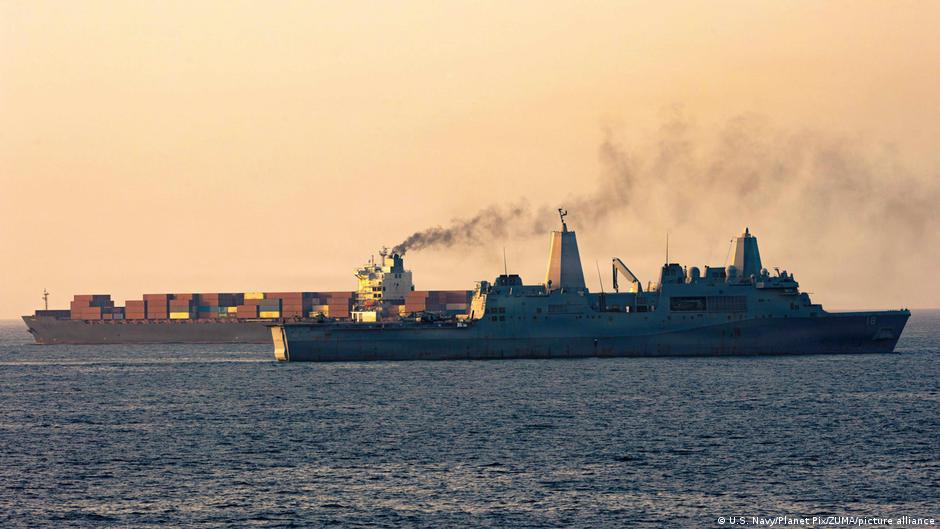
The US struck a Gambian-flagged ship enforcing the Strait of Hormuz blockade, reflecting deep geopolitical tensions that disrupt critical energy trade routes and impact global markets.
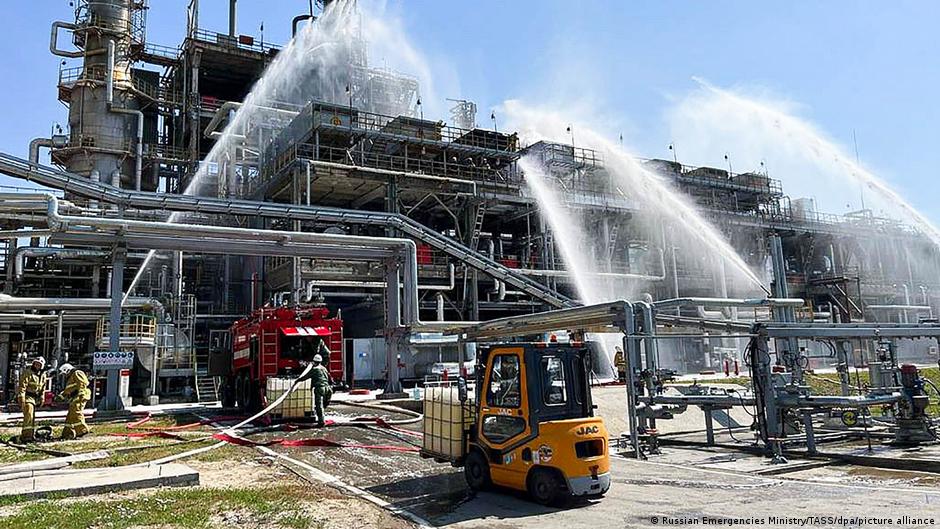
Drone attacks have ignited fires at oil storage and refining facilities in Russia's Rostov and Saratov regions, exposing vulnerabilities in critical energy infrastructure.
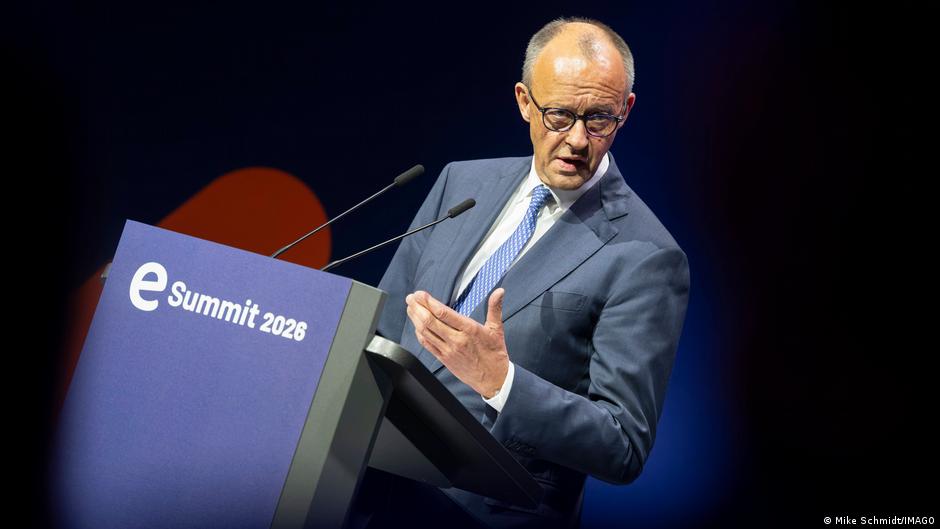
Sources close to Chancellor Friedrich Merz dismiss claims of his early replacement as unfounded, despite declining public support and media speculation amid Germany’s political challenges.
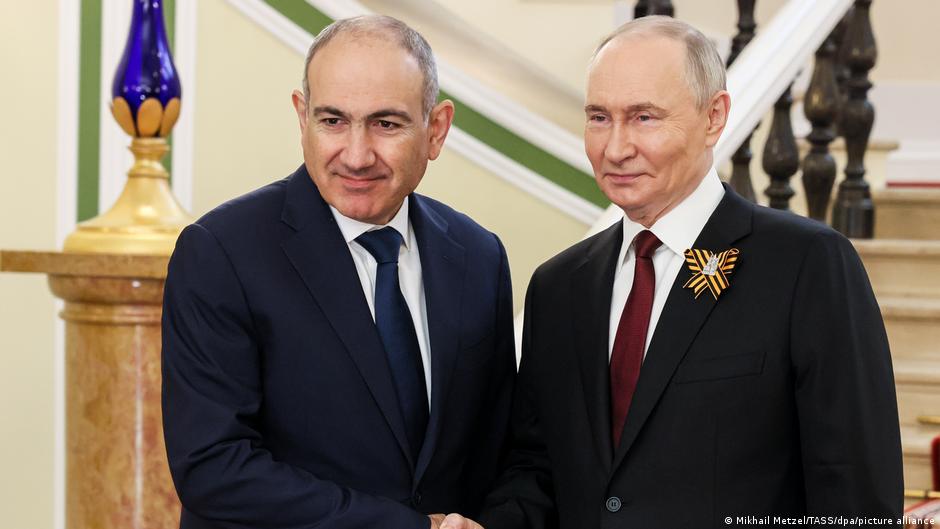
Russia threatens to suspend duty-free gas supplies to Armenia due to its EU integration efforts, signaling major economic and geopolitical ramifications for the region.
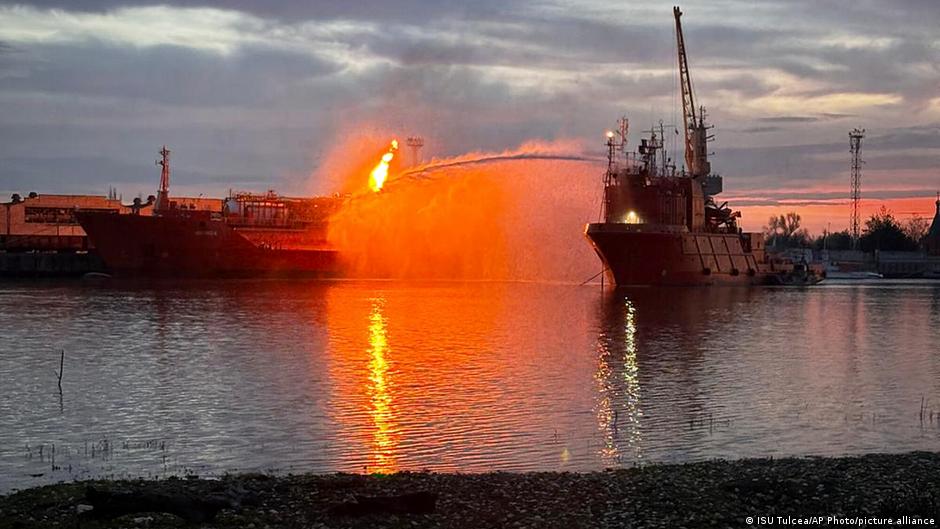
Recent Russian missile and drone attacks have damaged Ukraine's port, energy infrastructure, and urban areas, intensifying strategic targeting with significant economic implications.
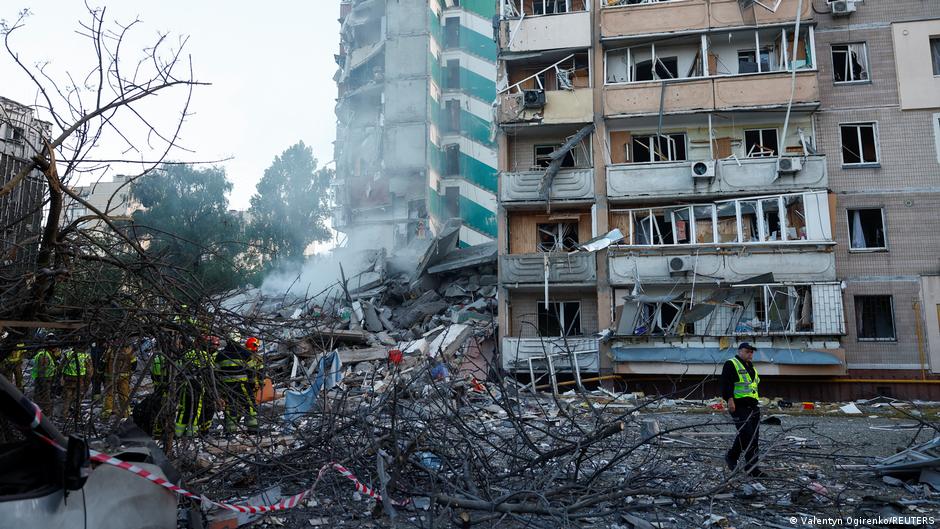
Russia's missile and drone strikes on Kyiv cause fires, building collapses, and casualties, marking an escalation with deep economic and structural consequences for Ukraine.
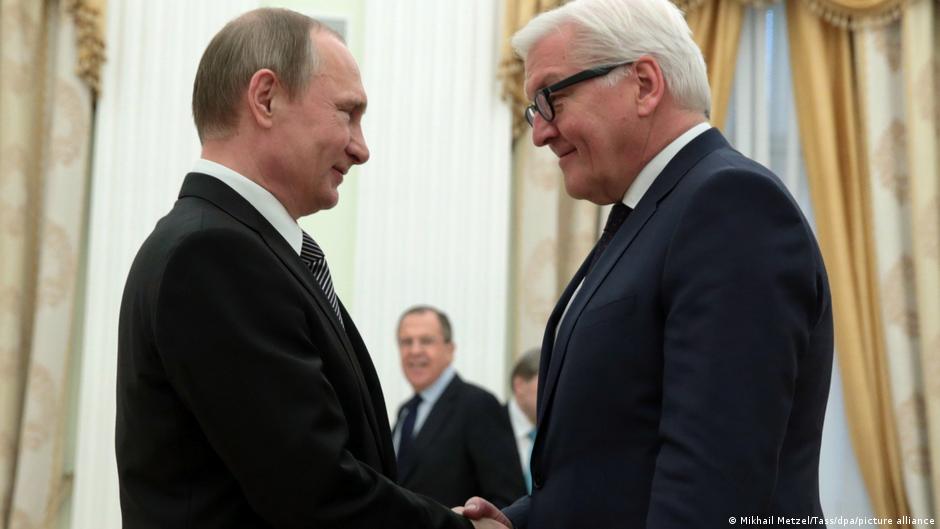
Germany considers appointing President Steinmeier alongside ex-Chancellor Schröder as EU representatives in potential peace talks with Russia amid stalled Ukraine conflict negotiations.

Latvia’s Defense Minister resigned after drone incursions linked to Ukraine-Russia conflict exposed vulnerabilities in airspace security and raised political and economic concerns.
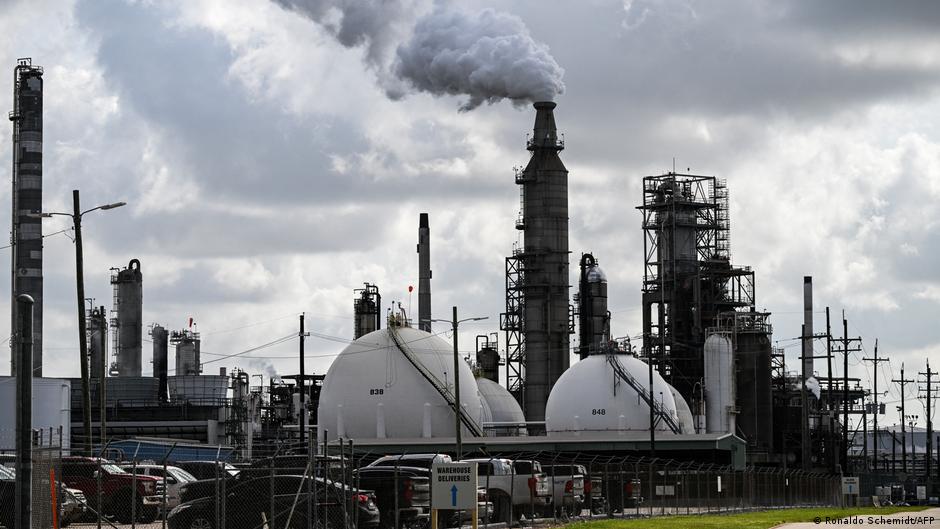
Global oil reserves fell by a record 200 million barrels in April amid Middle East tensions, signaling tightening supply conditions despite weakening demand.
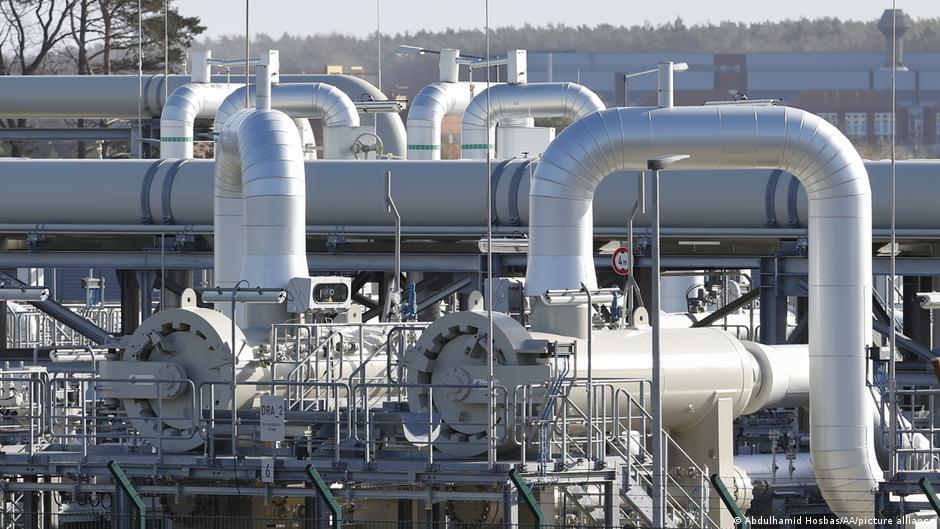
Germany will transfer a gas-fired power plant linked to Nord Stream to Ukraine, signaling a strategic shift in European energy infrastructure amid ongoing geopolitical tensions.
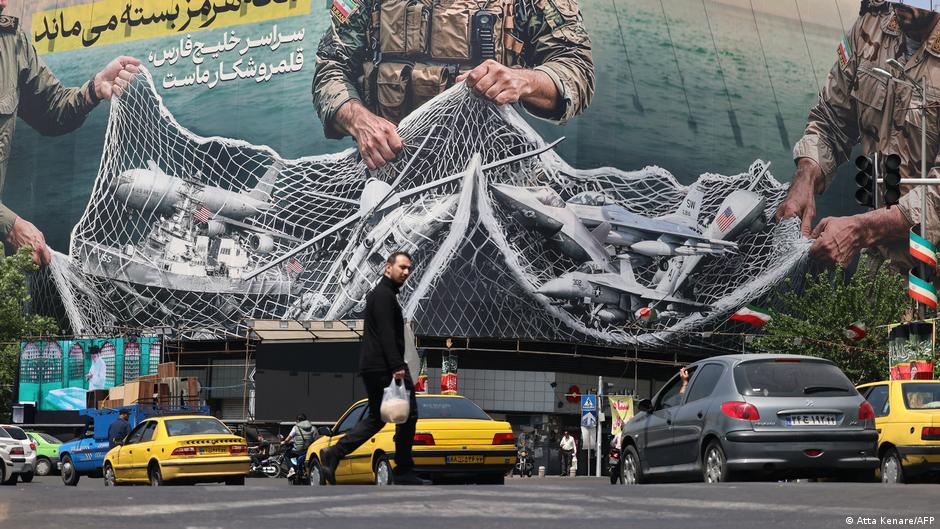
Iran has presented a detailed 14-point peace proposal to the US, outlining conditions for ending the Middle East conflict amid ongoing military and economic tensions.
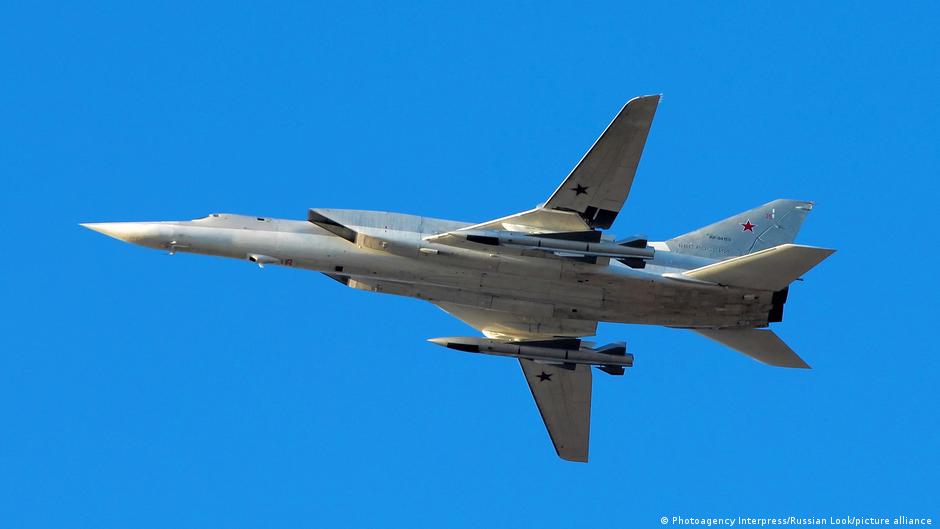
NATO intercepted Russian strategic bombers over the Baltic Sea on April 20, highlighting rising military tensions and economic implications for regional security and defense spending.
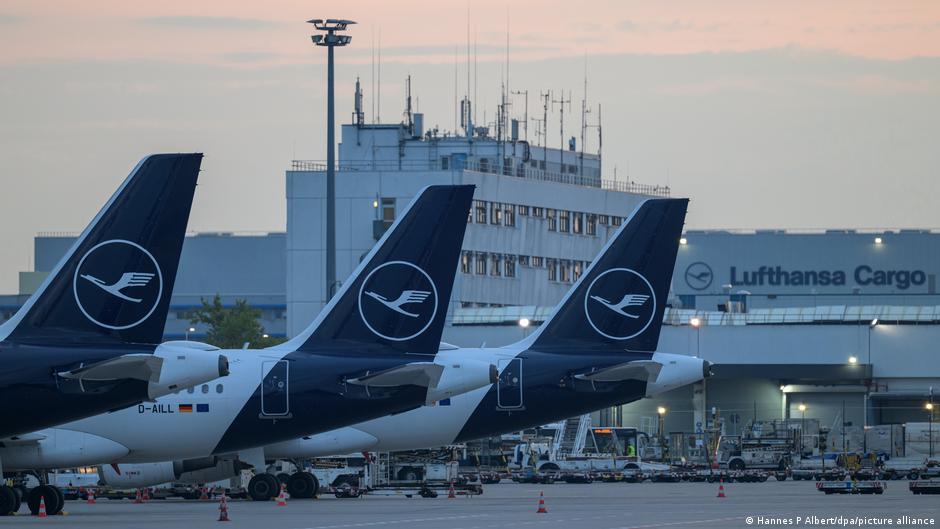
Lufthansa plans to cut 20,000 flights by late 2026 to save over 40,000 tonnes of jet fuel amid the energy crisis triggered by Middle East tensions, signaling major structural shifts in aviation.
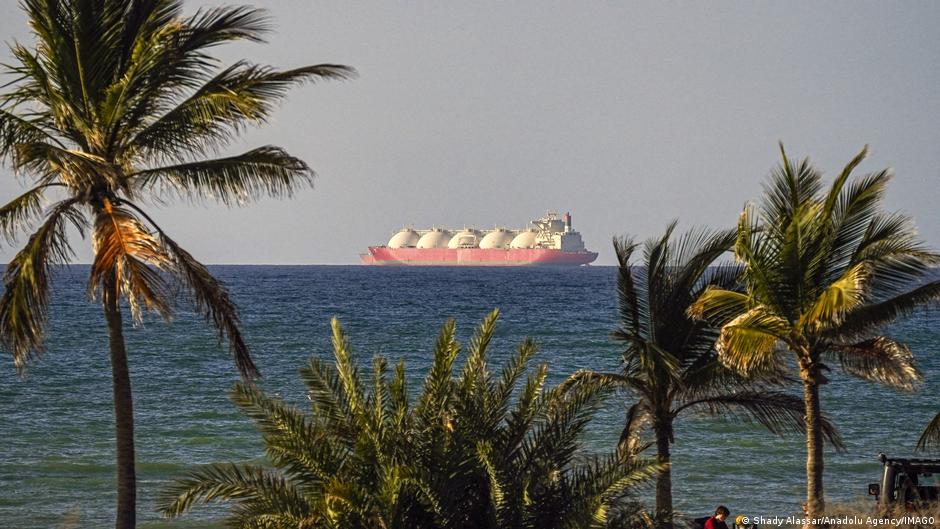
Iran condemns U.S. seizure of its cargo ship in the Gulf of Oman as piracy and ceasefire violation, amid rising regional tensions and stalled negotiations.
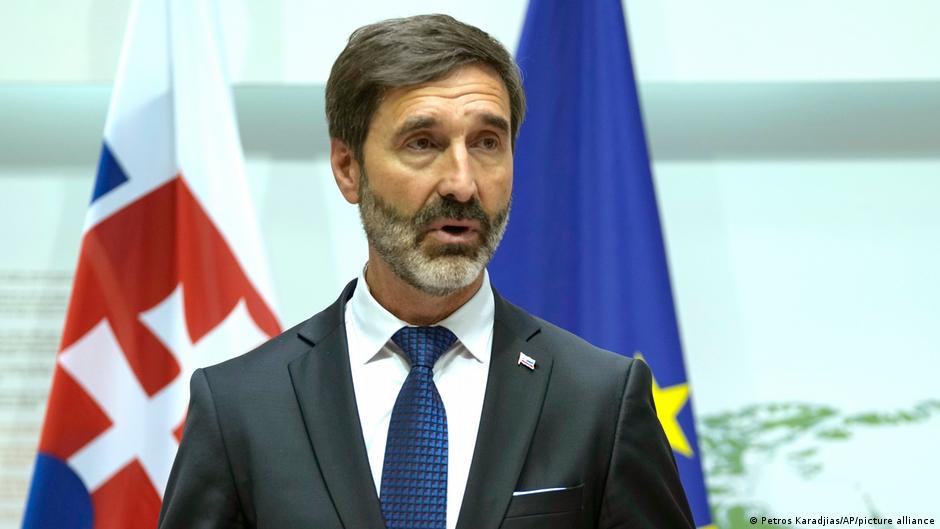
Slovakia will block the EU’s 20th sanctions package on Russia until its oil supply through the Druzhba pipeline via Ukraine is restored, highlighting energy security tensions.
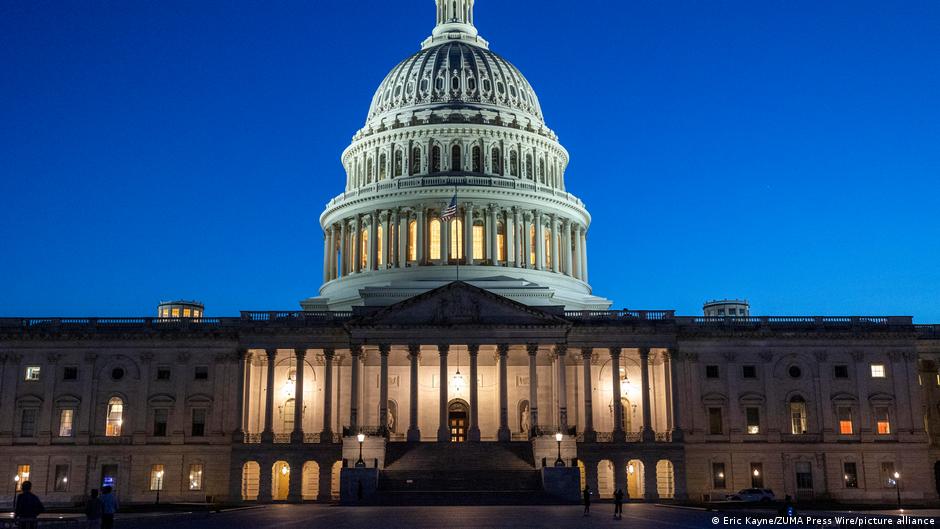
The US Senate rejected a Democratic-led resolution to end military actions against Iran, reflecting ongoing disputes over presidential war powers and congressional authority.