Fed Raises Rates for First Time in Three Years as Inflation Pressure Returns
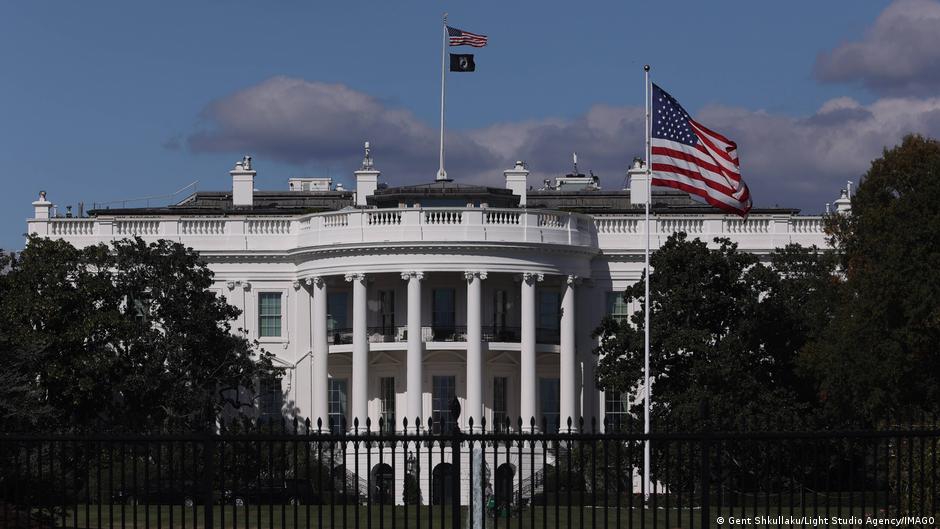
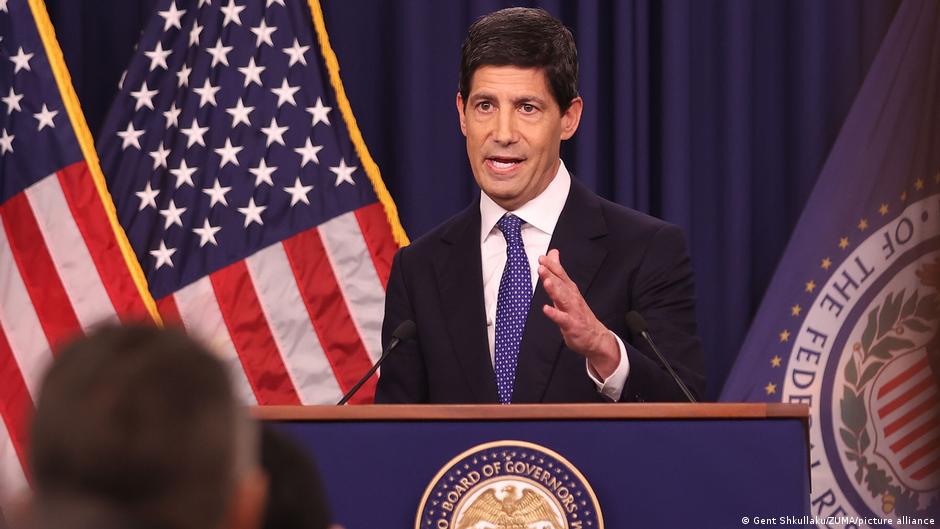
The Fed lifted rates to 3.75-4 percent, citing persistent inflation and reviving tensions between price stability, credit costs and politics.

The Fed lifted rates to 3.75-4 percent, citing persistent inflation and reviving tensions between price stability, credit costs and politics.

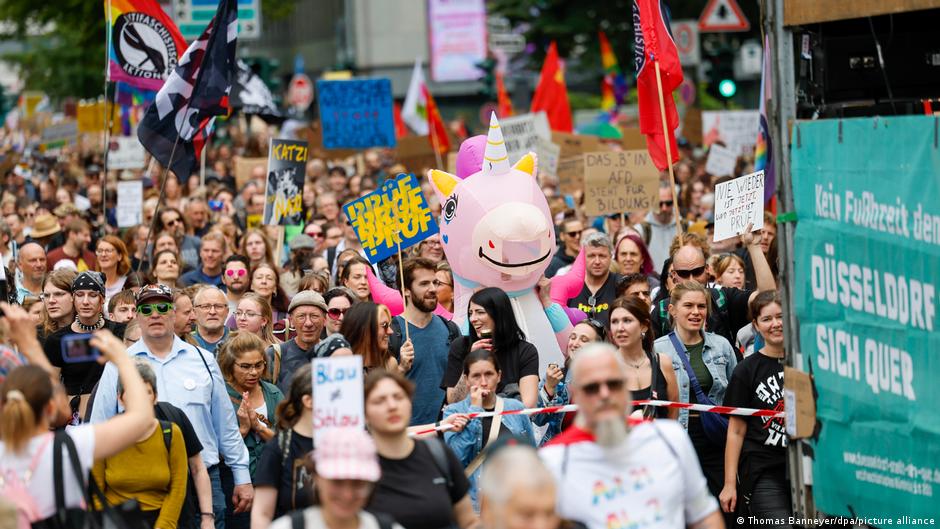
Mass protests across Germany against right-wing extremism show how the AfD debate is becoming an institutional and economic risk.

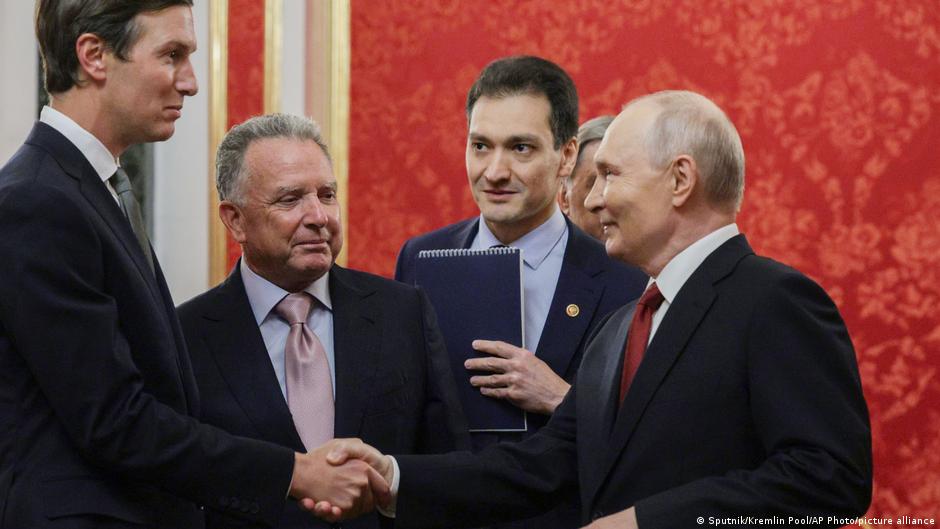
US envoys discussed concrete Ukraine war proposals with Putin before Kyiv talks, but the economic stakes depend on details still undisclosed.

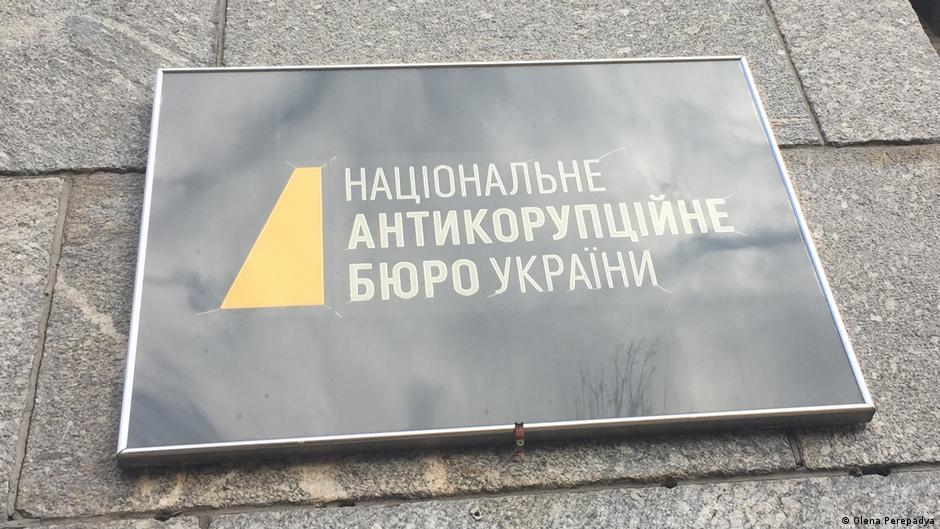
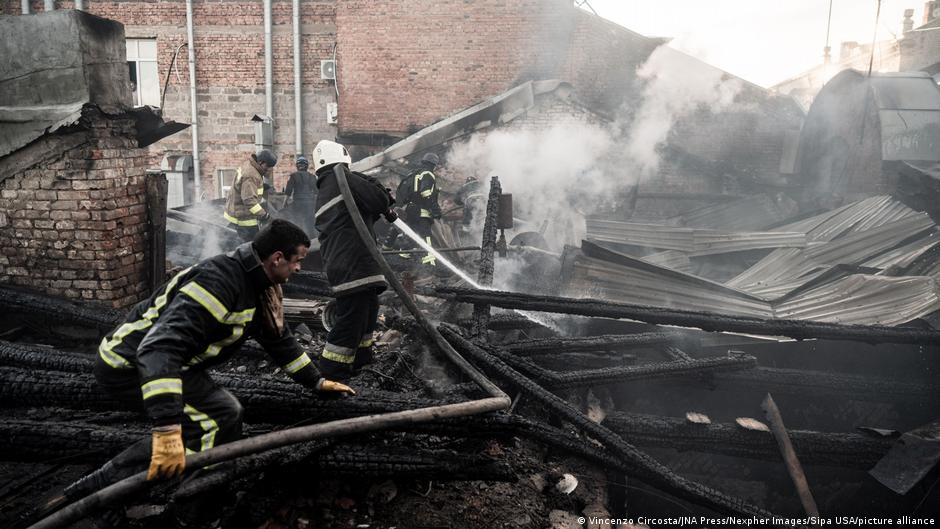
Ukraine’s anti-corruption raids point to a wider wartime economy of scam call centers, asset laundering and alleged official protection.

Volkswagen approved its biggest-ever restructuring, combining 50,000 job cuts, a halved model range and major investment to restore profitability.

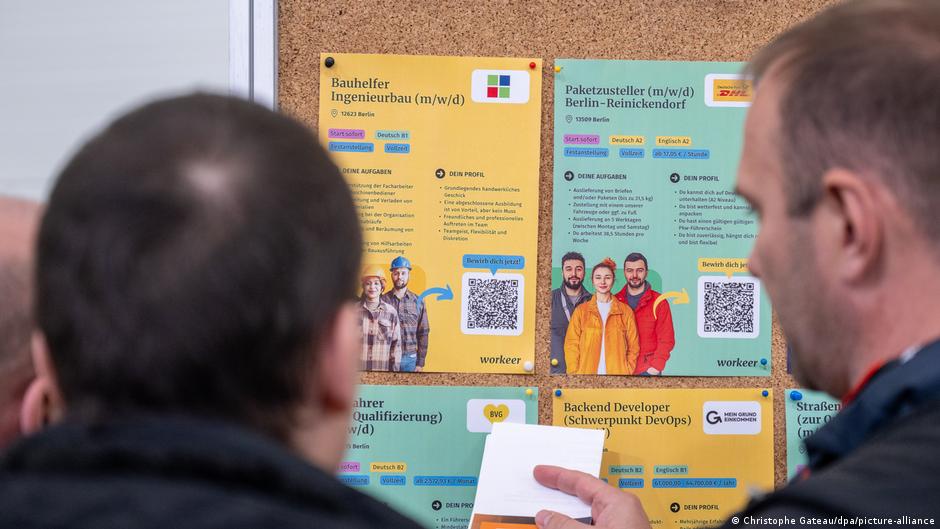
In 2025, foreign workers in Germany earned 23.6% less than German counterparts, reflecting persistent structural wage disparities linked to sector, education, and qualification gaps.

Russia has eased vehicle operation restrictions, enabling individuals with limb loss to drive buses and trucks, reflecting evolving labor policies amid veteran reintegration challenges.

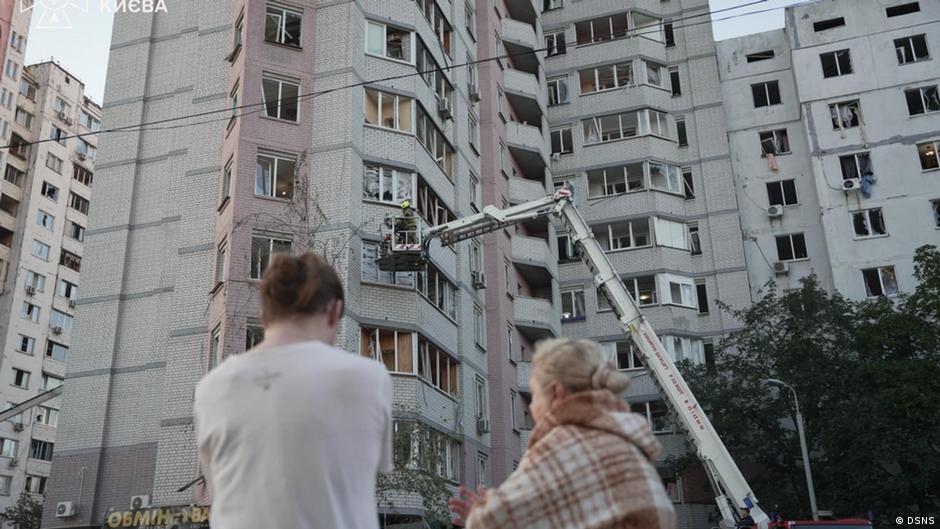
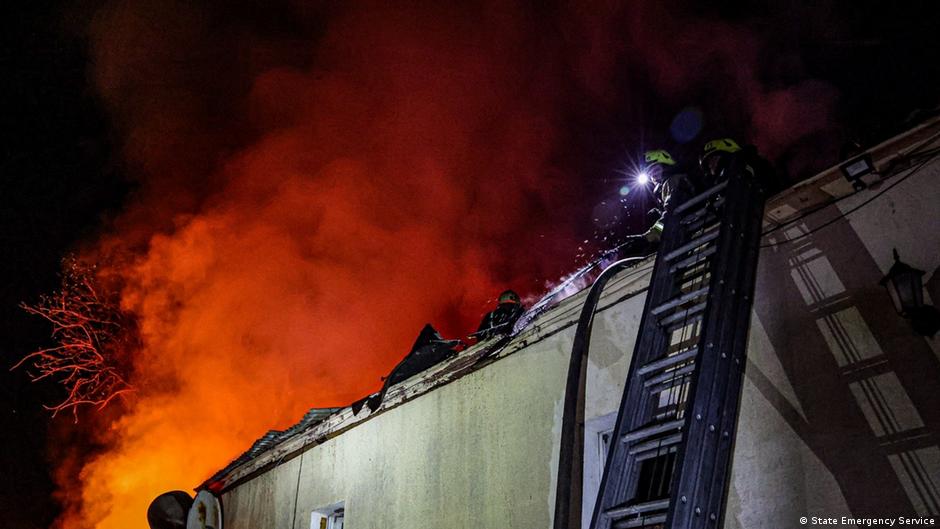
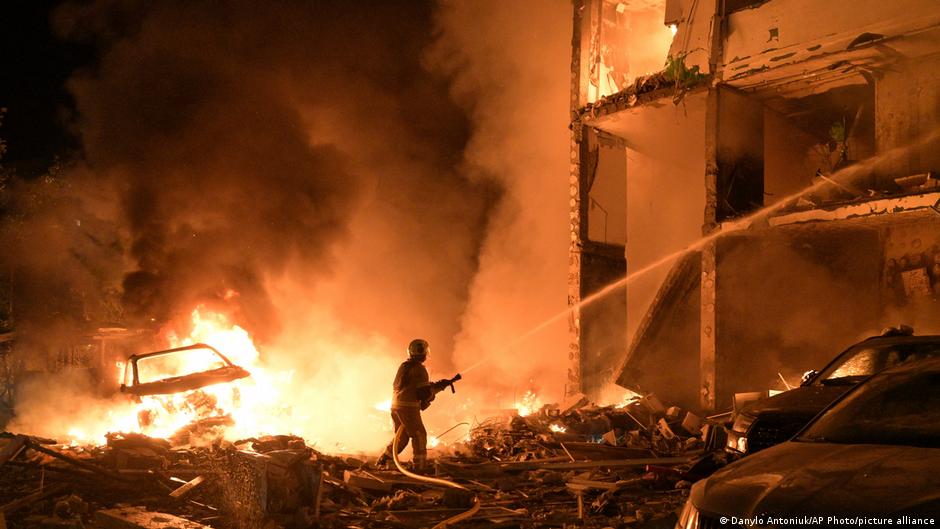
Russian missile and drone attacks on Kyiv and Kryvyi Rih resulted in casualties and industrial damage, highlighting significant economic disruption amid ongoing conflict.

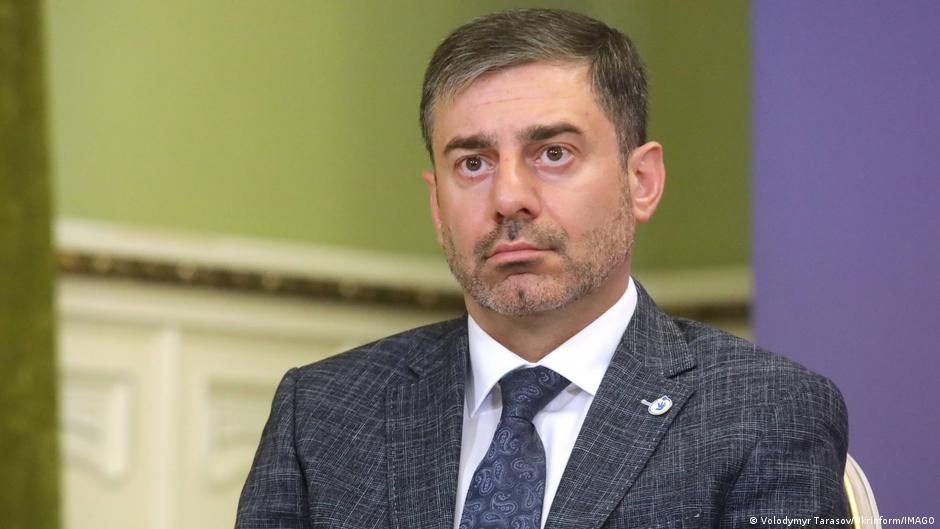
Reports reveal at least 345 executed Ukrainian POWs and widespread torture, highlighting severe war crimes with significant legal and economic consequences amid ongoing conflict.

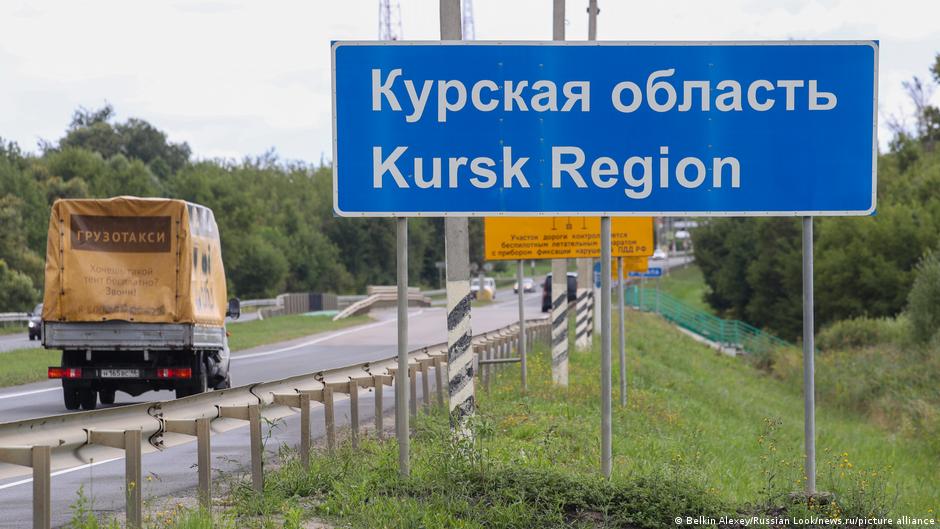
Drone attacks in Kursk and Belgorod regions cause casualties and disrupt transport, exposing economic vulnerabilities and prompting heightened security measures in Russia.

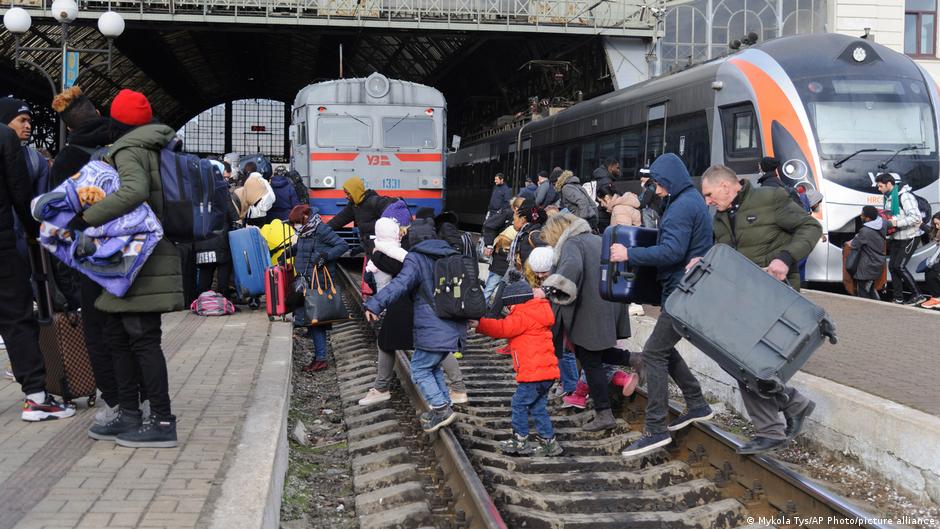
With over 8.4 million Ukrainians living abroad amid ongoing conflict, Ukraine faces significant demographic and economic challenges reshaping its future recovery.

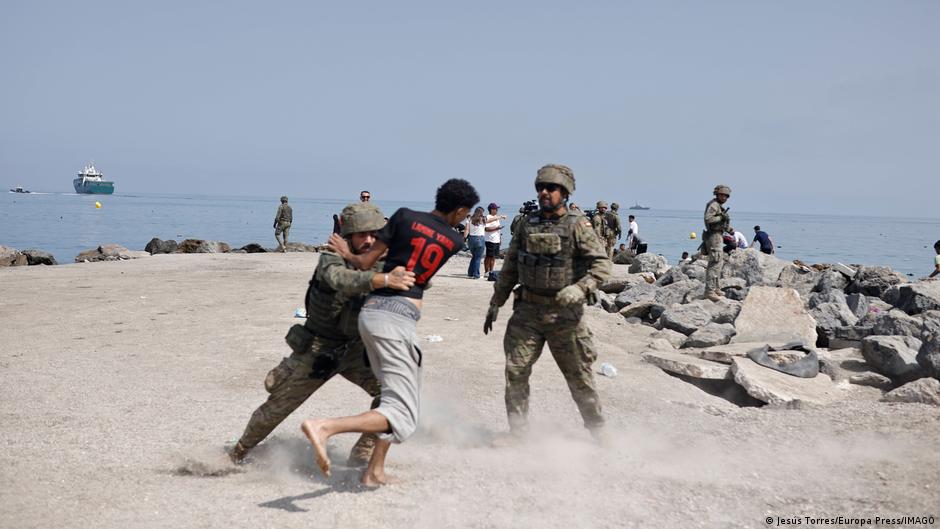
Spain's enclave Ceuta faced a sudden migrant influx, exposing economic, political, and border security challenges for Spain and the EU's Schengen framework.

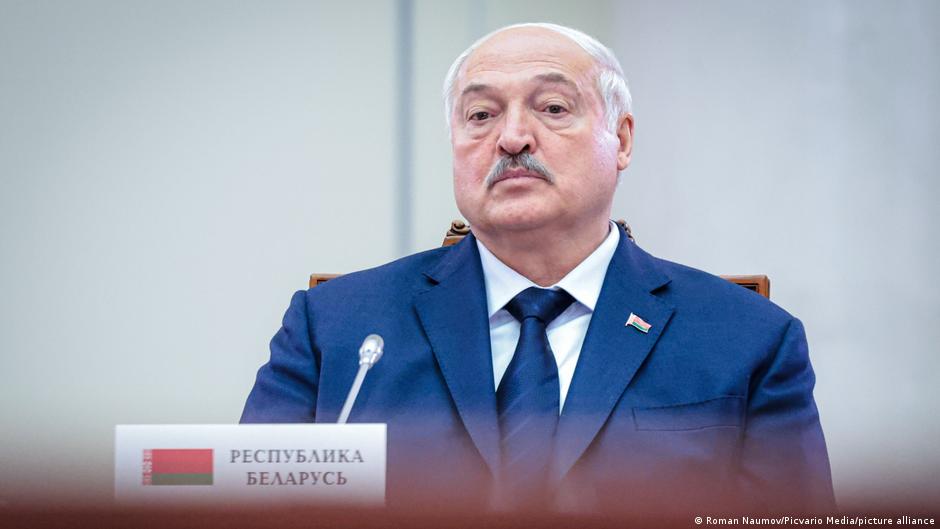
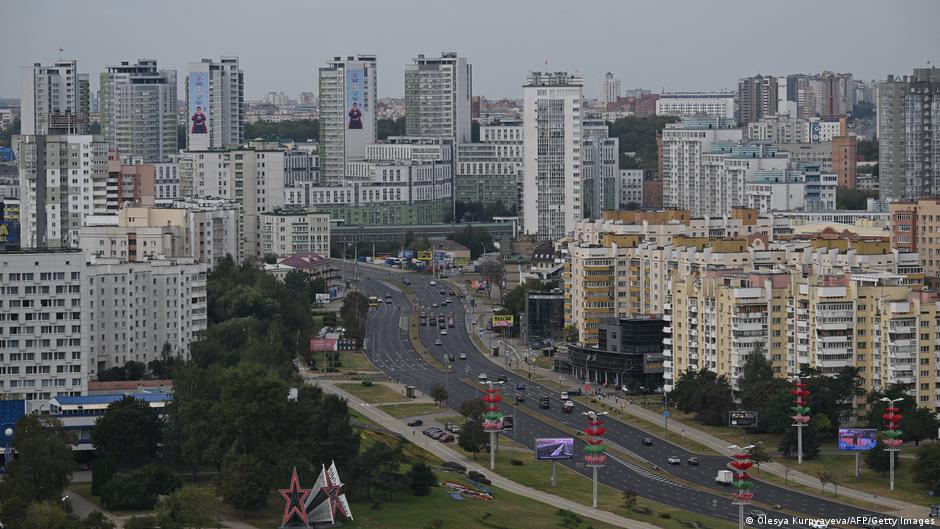
Belarus mandates military training for underperforming agricultural workers to enforce discipline and secure harvest productivity amid economic and geopolitical challenges.

Russian air strikes on Zaporizhzhia and Sumy caused multiple civilian deaths and extensive damage, highlighting severe economic and infrastructural consequences in Ukraine.

CIA Director John Ratcliffe reports the average lifespan of a Russian recruit in Ukraine is just 20-30 minutes due to AI-enabled drone warfare, drastically altering military and economic dynamics.
Former Spanish PM Mariano Rajoy sparked controversy by denying French identity to France’s World Cup team, prompting debates on nationalism, immigration, and social cohesion in Europe.

Russian drone strikes hit multiple districts in Kharkiv, causing civilian injuries and property damage amid broader missile attacks across Ukraine, highlighting an escalation in urban conflict tactics.

Russian missile and drone attacks on Kyiv and Kharkiv cause civilian injuries and infrastructure damage, worsening Ukraine's economic and urban stability.

Gazprom and Russia's Defense Ministry have launched mobile fire groups to protect gas infrastructure, blending civilian employment with reservist military duties amid rising security concerns.

A study shows 40% of Germans doubt their ability to work until retirement, highlighting the impact of physical and psychological job demands on workforce sustainability.

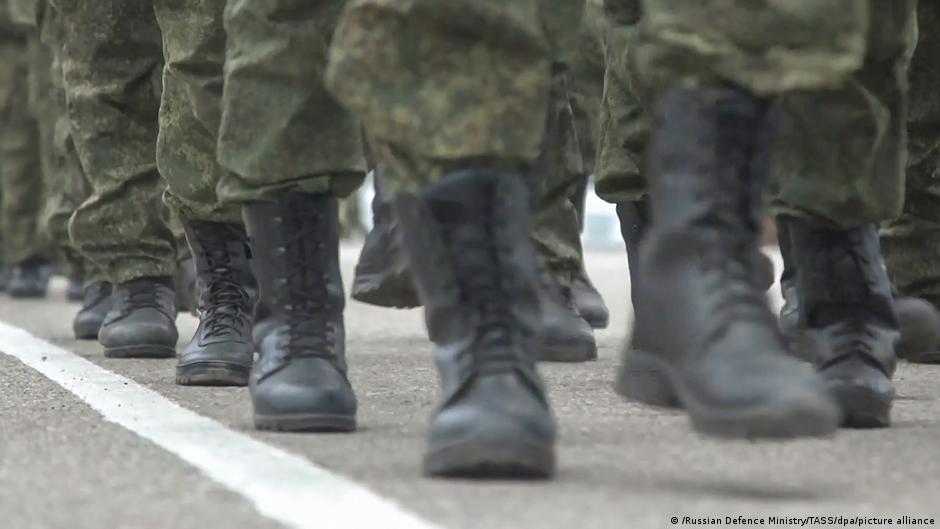
Russia seeks to abolish mandatory medical exams for contract soldiers amid recruitment challenges, highlighting deeper economic and structural military issues during the Ukraine conflict.

Belarus advises citizens to avoid travel to Russia’s border regions due to drone attacks amid the Ukraine conflict, highlighting growing security risks and economic disruptions.

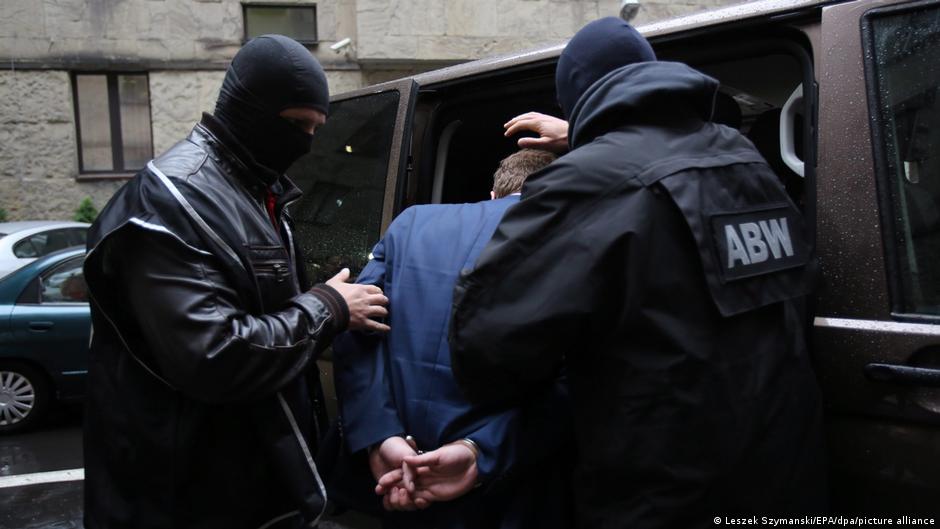
Poland expelled 11 foreign nationals accused of recruiting Ukrainian refugees for protests funded by Russia, highlighting ongoing Russian efforts to influence European political dynamics.

Belgium issued one-day visas to five Taliban representatives to participate in EU talks on Afghan migration and deportation, reflecting complex geopolitical and economic challenges.

Russian missile and drone strikes on Ukrainian cities highlight escalating conflict impacts on infrastructure, civilian safety, and economic stability amid Ukraine's defense modernization efforts.

Germany's labor shortage is projected to increase by 4.3 million by 2036 due to retiring baby boomers and slowing population growth, challenging economic stability and social welfare.

The US Congress approved $70 billion funding for immigration enforcement agencies amid controversy over fatal shootings and internal leadership changes.

A U.S. federal judge invalidated the Trump-era $100,000 H-1B visa fee as an unlawful tax, highlighting limits on executive power and implications for high-skilled immigration.

Investigations reveal Western tutors teach English and German to Putin’s presumed children, exposing elite educational choices amid Russia’s geopolitical and economic complexities.

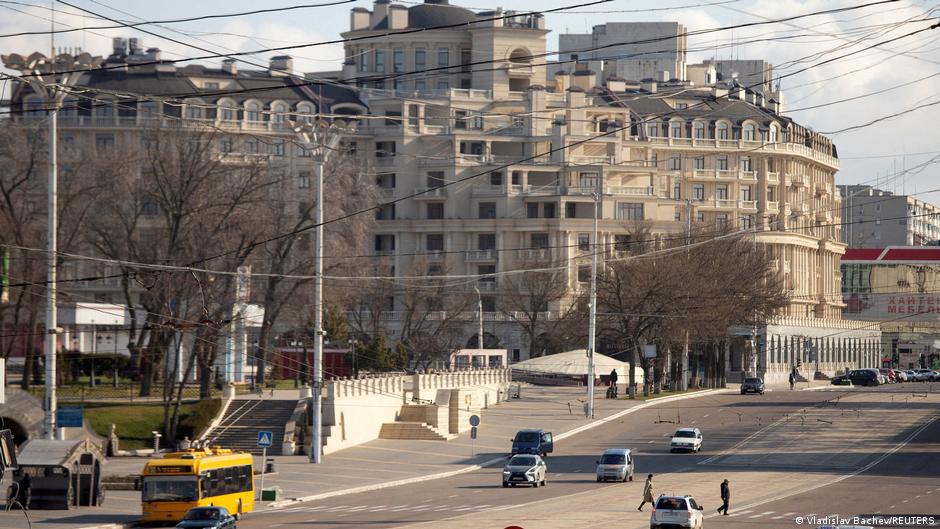
Russia has simplified citizenship for Transnistrian residents, removing language and history tests to deepen geopolitical influence and economic integration in the breakaway region.

Octobank has launched a new service enabling direct money transfers from South Korea to Uzbekistan's HUMO cards via E9PAY, enhancing remittance efficiency and regional fintech integration.

Jean-Luc Mélenchon confirms candidacy for France's 2027 presidential election, setting the stage for a far-left versus far-right contest amid pivotal economic and political shifts.

Uzbekistan faces rising urban divorce rates with one in three city marriages ending in divorce, alongside declining marriages and birth rates, posing future demographic challenges.

A Russian drone strike on Odessa injured at least three civilians and damaged residential buildings, posing significant challenges to the city's economic resilience and civilian safety.

US Labor Secretary Lori Chavez-DeRemer resigns amid misconduct allegations, highlighting mounting cabinet instability and potential impacts on economic governance.