U.S. Senators Urge Trump to Drop Russian Diesel Deal With Putin
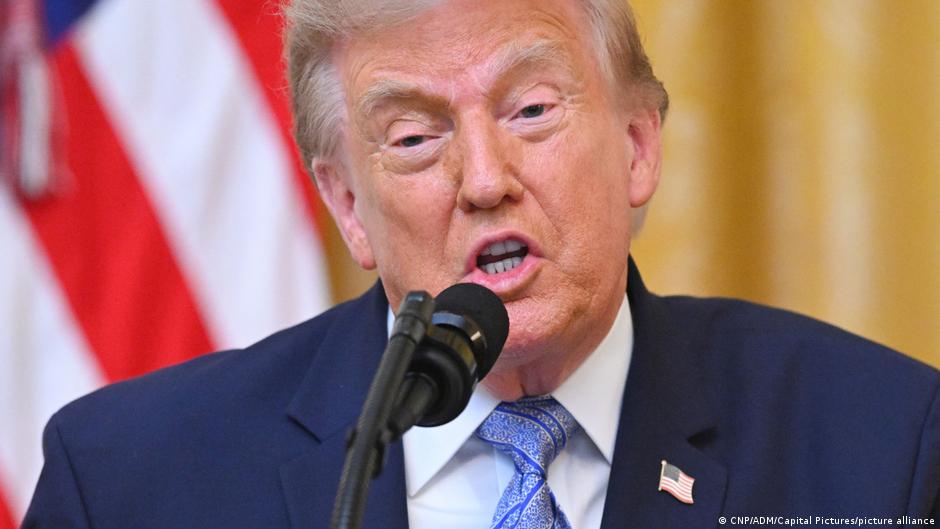
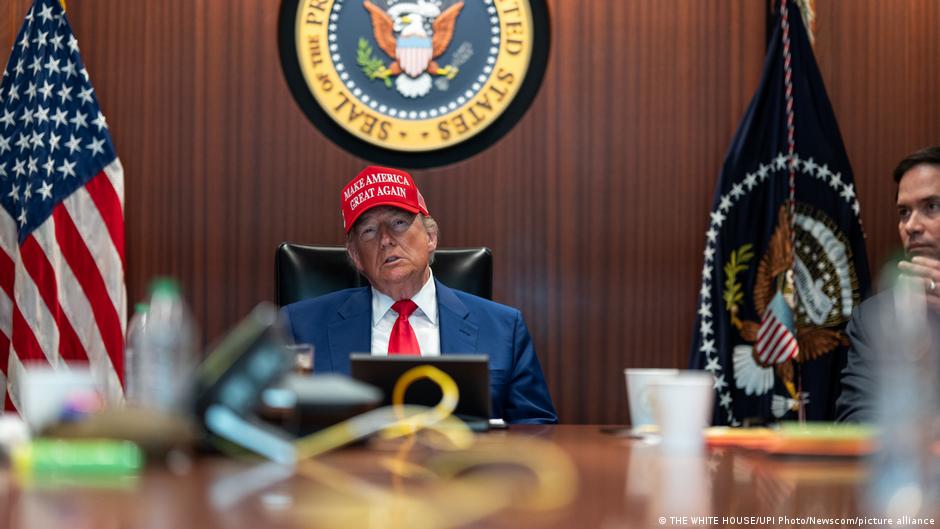
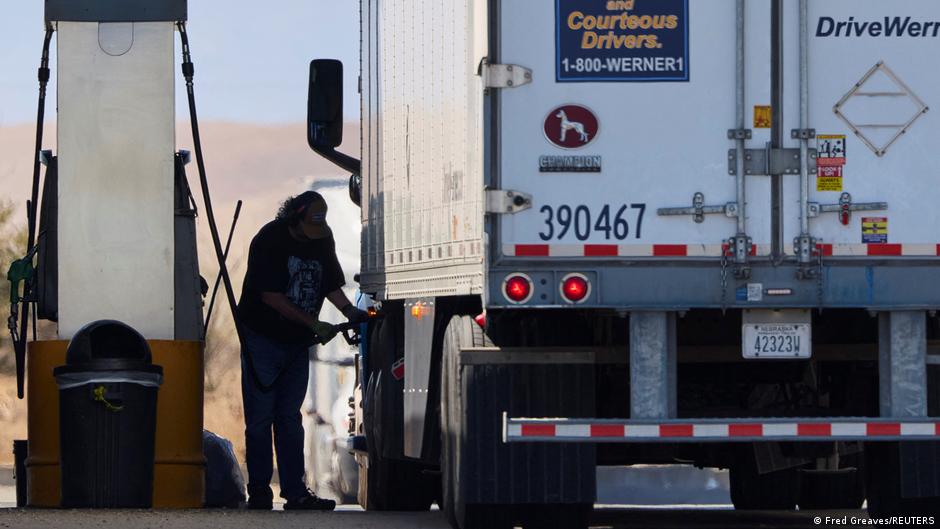
A bipartisan group of U.S. senators says Trump’s Russian diesel deal would aid Moscow while offering little relief to American fuel consumers.

A bipartisan group of U.S. senators says Trump’s Russian diesel deal would aid Moscow while offering little relief to American fuel consumers.

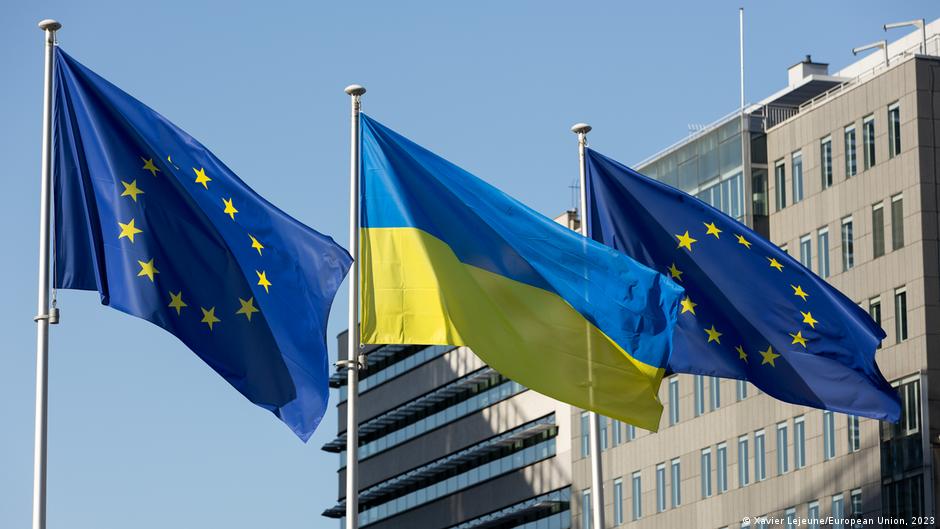
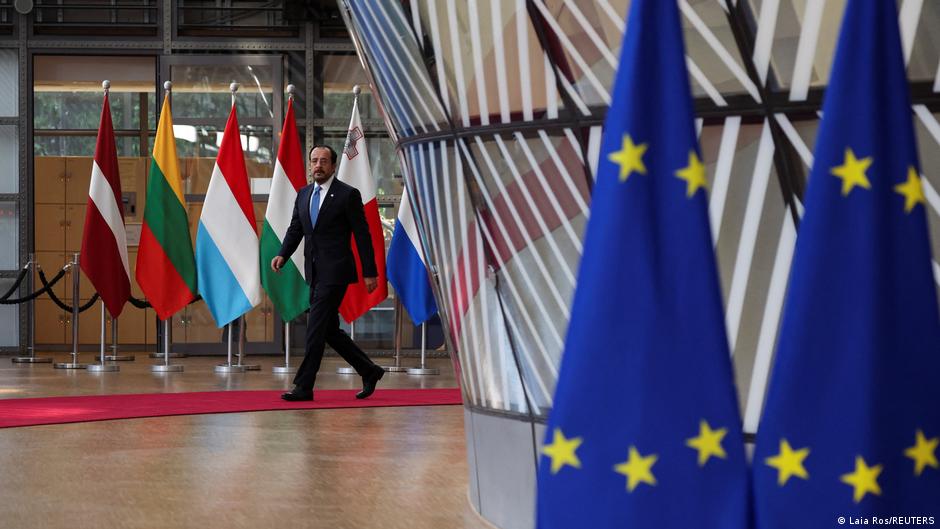
EU states agreed to open internal market and competitiveness accession clusters for Ukraine and Moldova, deepening reform and economic integration talks.

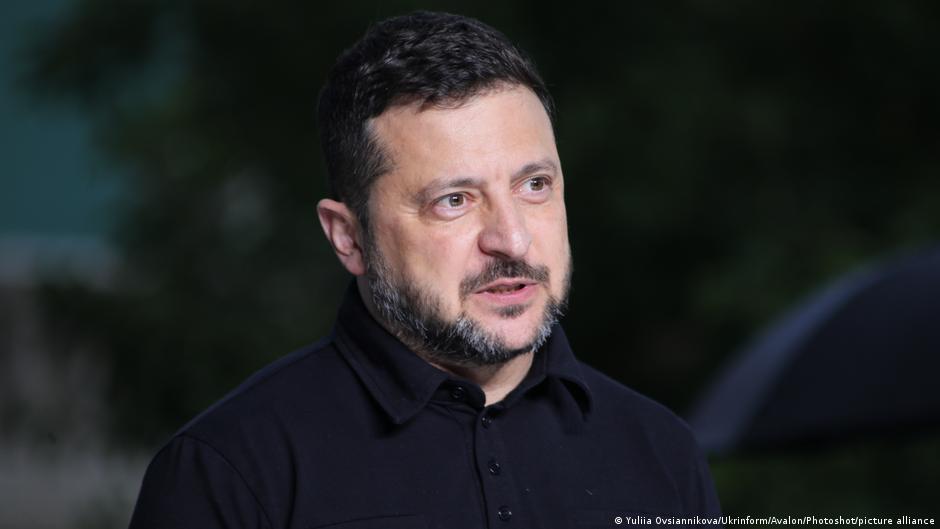
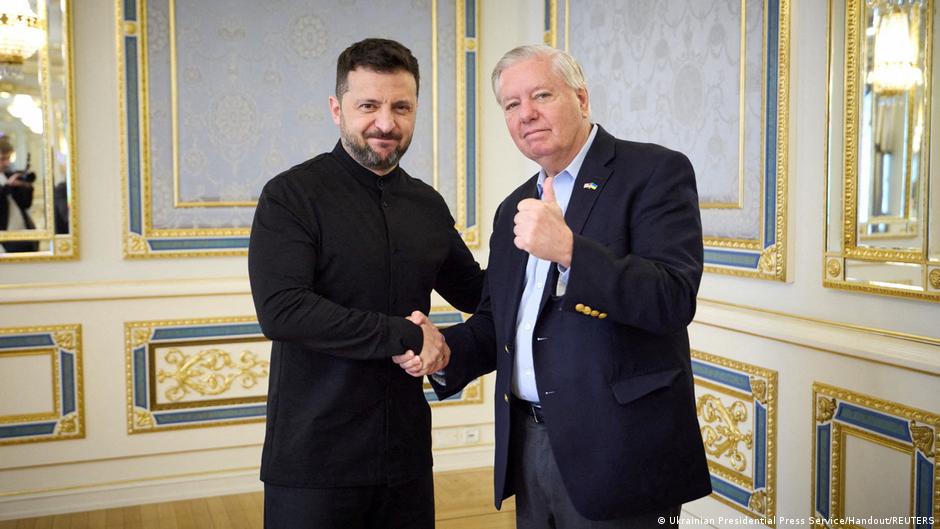
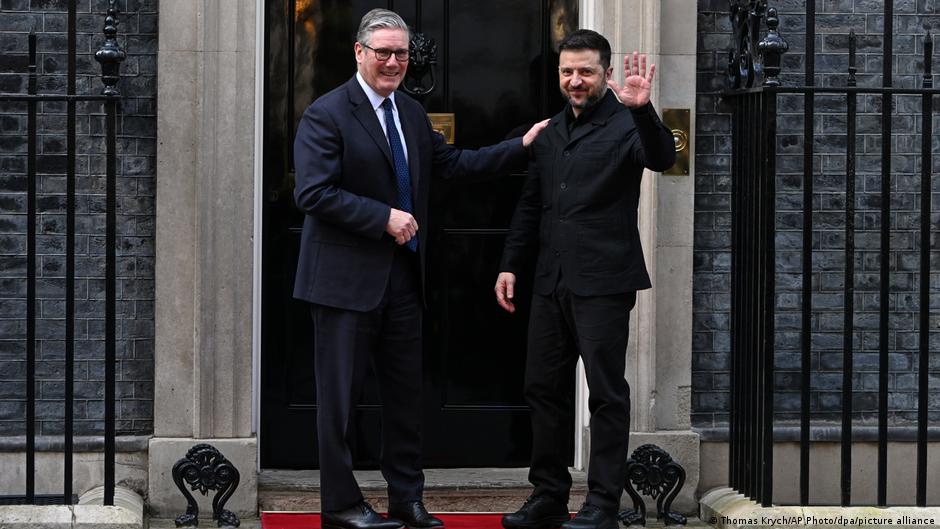
Zelensky warned that a U.S.-Russia diesel deal could strengthen Moscow’s war economy unless tied to clear de-escalation commitments.

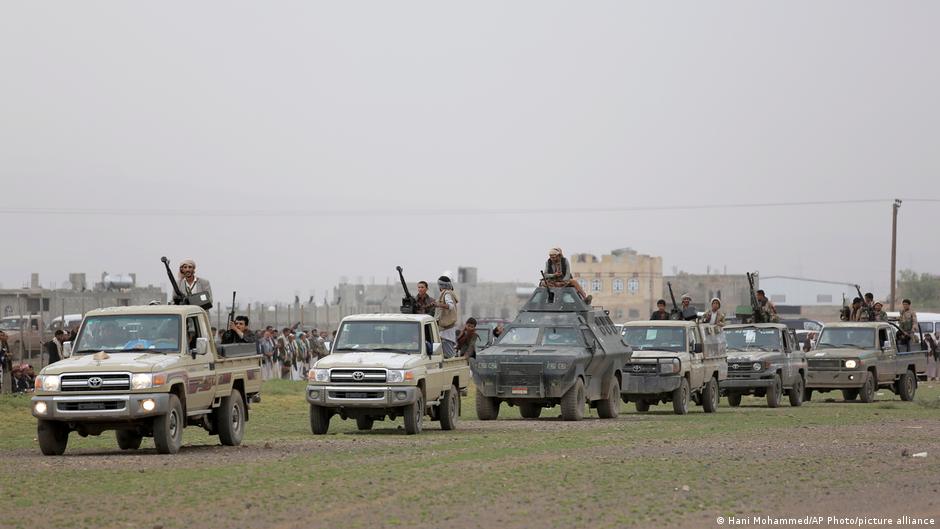
Yemen’s government says it is advancing near Mocha, while Houthis claim gains and strikes inside Saudi Arabia, raising risks for trade and energy.

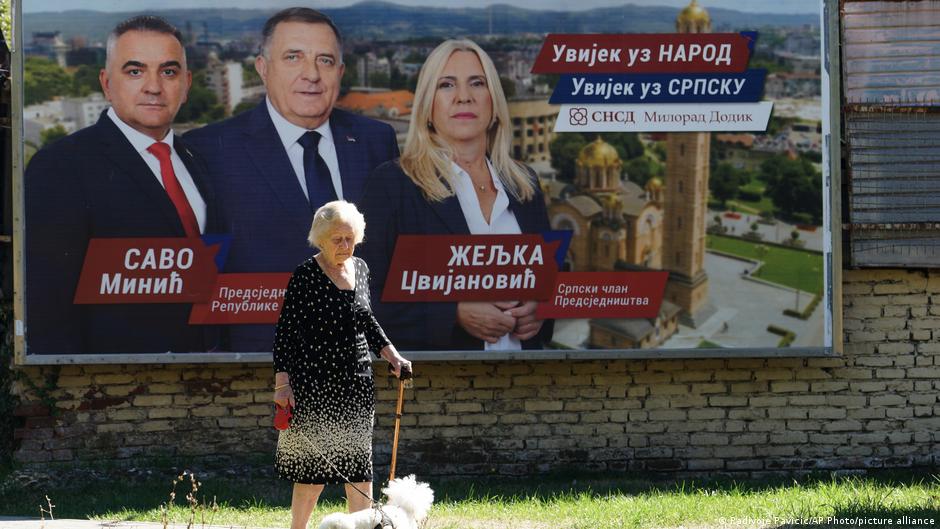
Ruling parties and Milorad Dodik’s allies prevailed in Bosnia’s elections, reinforcing continuity within the country’s fragmented Dayton system.

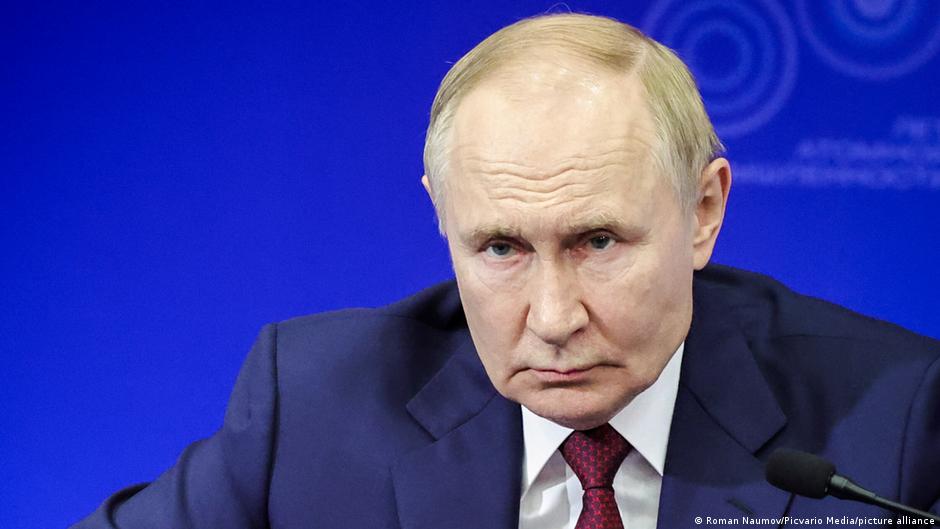
Putin’s Valdai speech sharpened nuclear rhetoric and war claims, adding to Europe’s long-term economic and security risk premium.

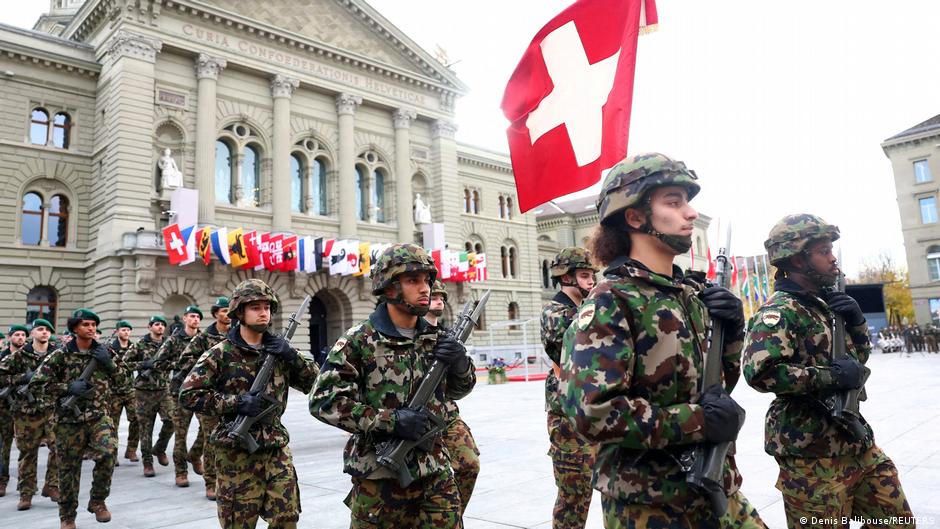
Swiss voters rejected a neutrality initiative that would have restricted sanctions policy and limited cooperation with military alliances.

The EU will add €710 million in humanitarian aid, with major allocations for Africa, migration pressures, Ukraine and crisis response.

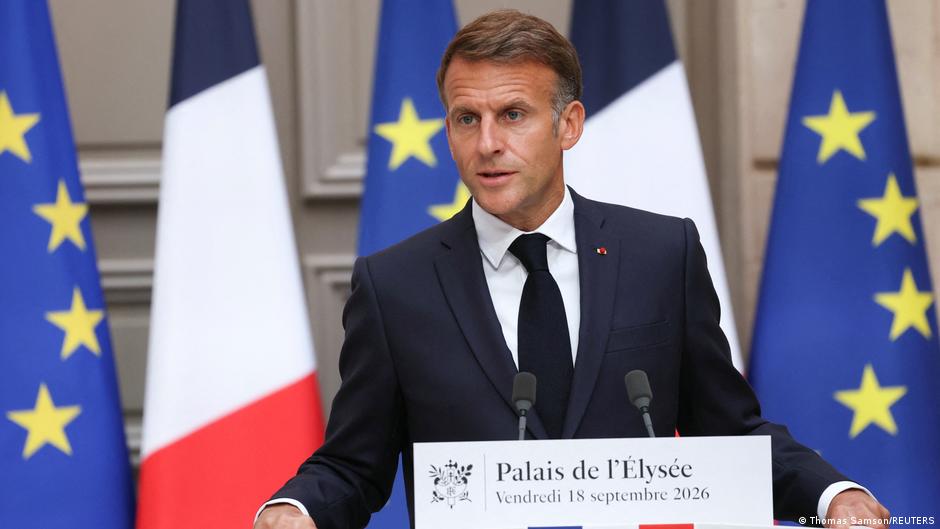
Macron says France sees a Russian mobilization of about 300,000 as credible and warns Europe may face wider hybrid attacks.

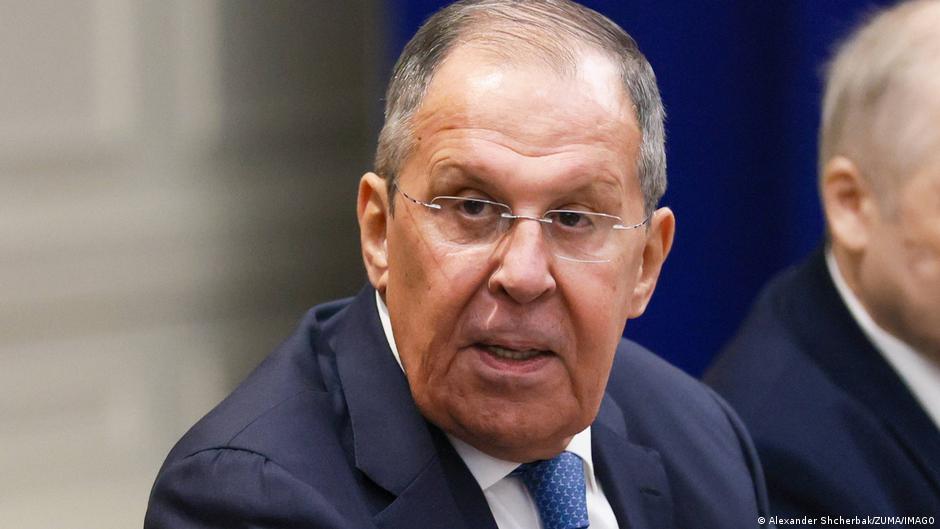
Lavrov said Russia will not pause operations for Ukraine talks, framing diplomacy as part of a wider contest over time, arsenals and leverage.

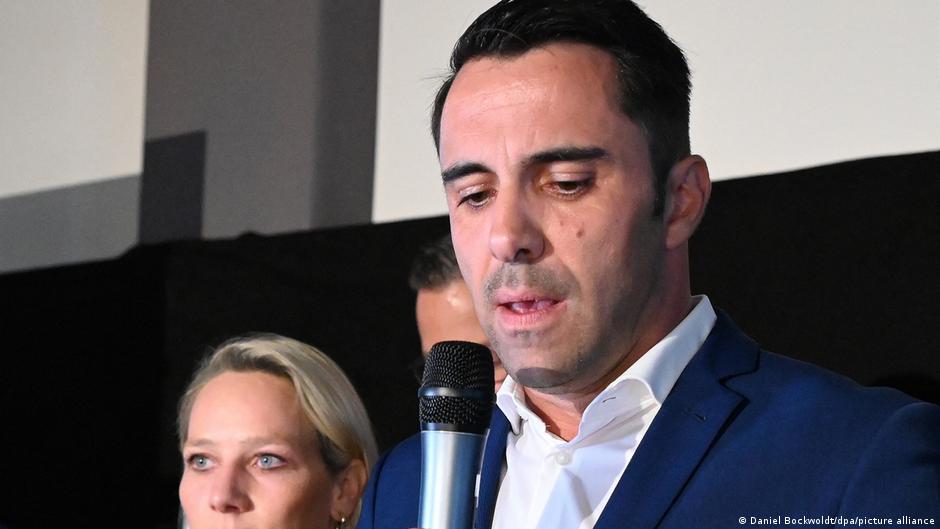
Daniel Peters resigned after the CDU won just 4.9% in Mecklenburg-Western Pomerania, missing a state parliament for the first time.

The Left Party’s Berlin victory puts housing expropriation, coalition arithmetic and fiscal risks at the center of the city’s next government.

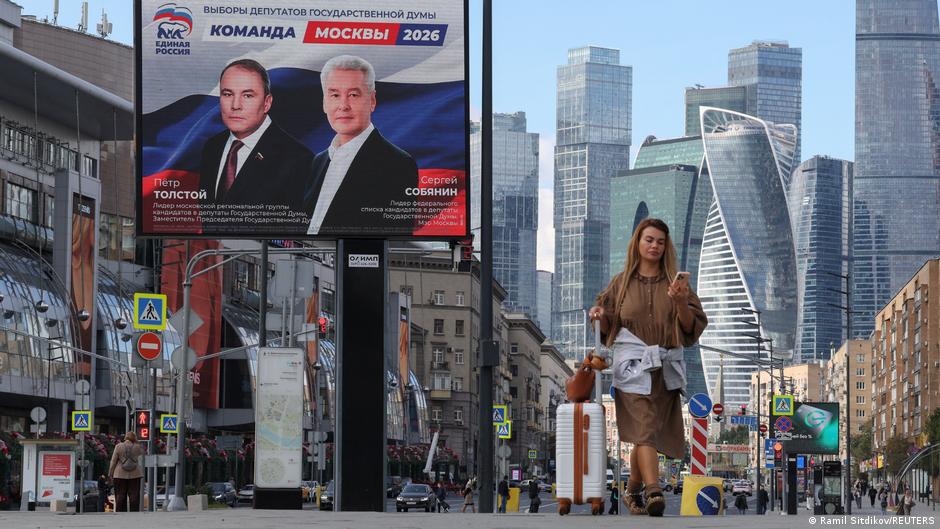
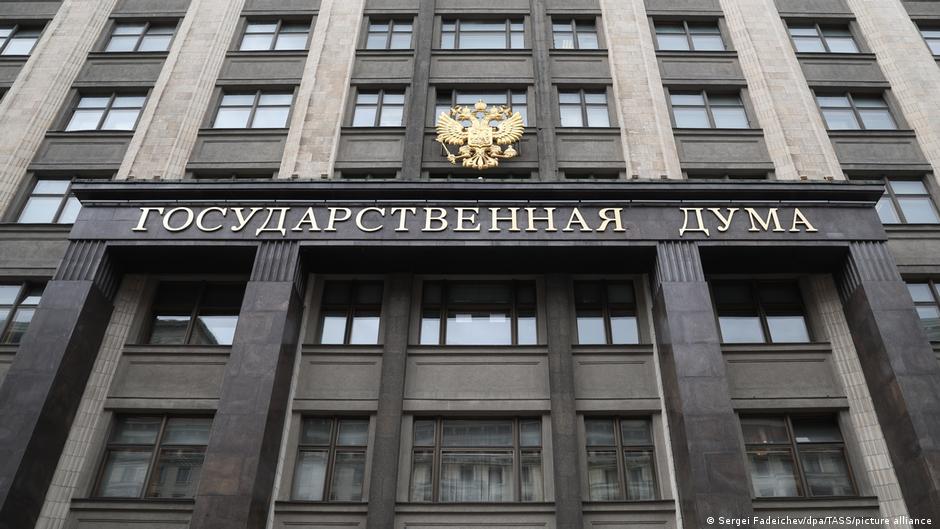
Partial results put United Russia on track for a State Duma constitutional majority, reinforcing Russia’s centralized wartime economic model.

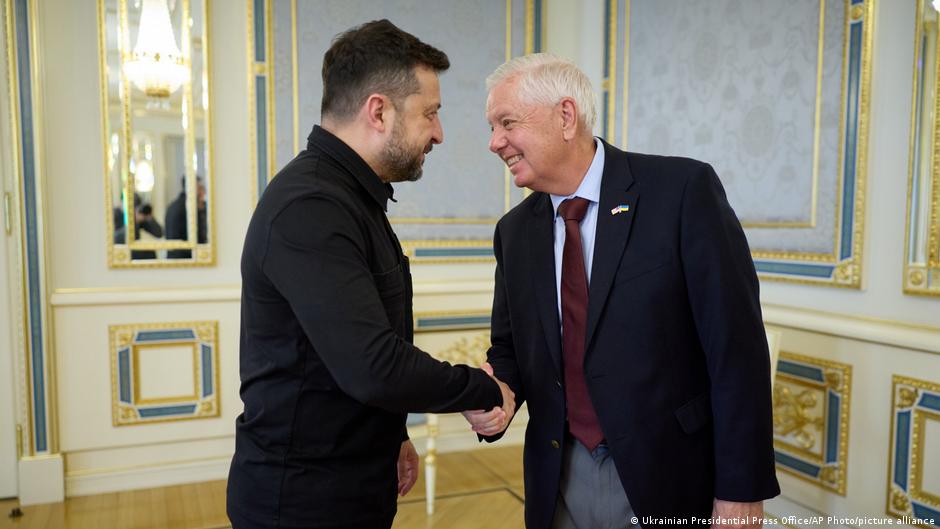
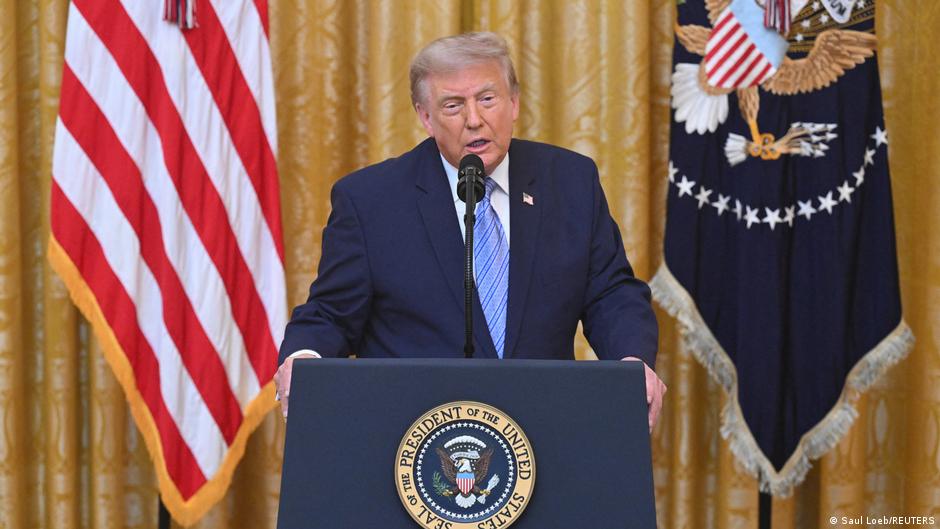
Trump signed the Graham sanctions law, giving him broad authority to target Russian energy buyers, banks, officials and sanctions evasion networks.

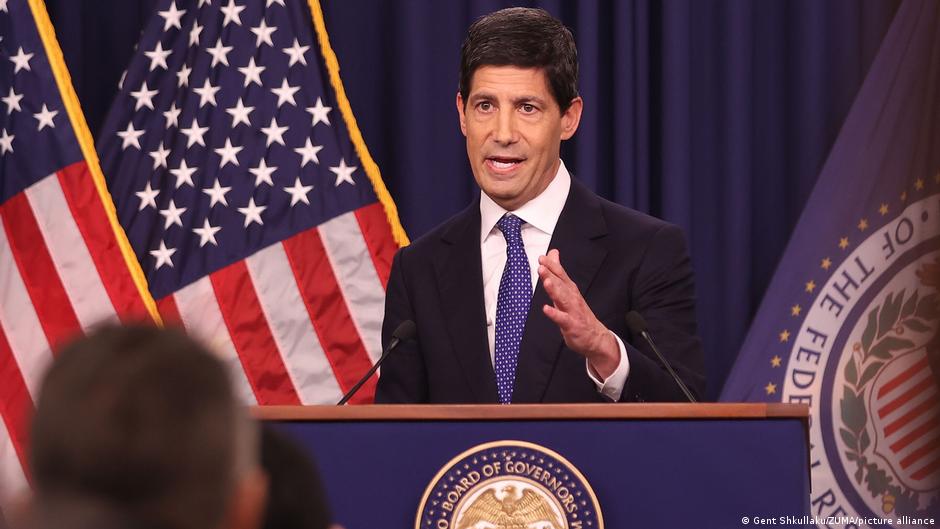
The Fed lifted rates to 3.75-4 percent, citing persistent inflation and reviving tensions between price stability, credit costs and politics.

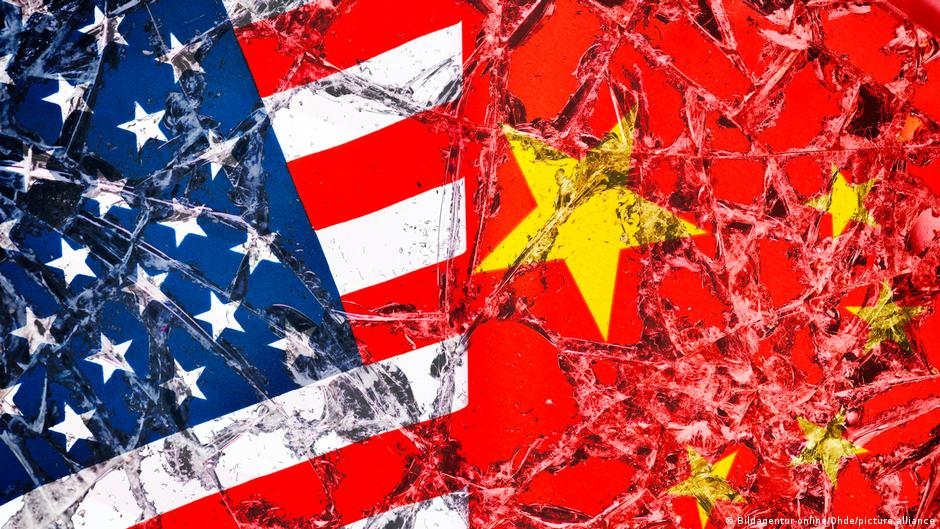
China warned the US against preparing for space warfare after Washington confirmed orbital military systems for offensive and defensive use.

Russia is expected at G20 energy talks in Houston as wars, sanctions and Red Sea security risks complicate the economics of energy abundance.

The Houthi capture of Mocha strengthens their position near Bab el-Mandeb, raising risks for oil flows and global energy prices.

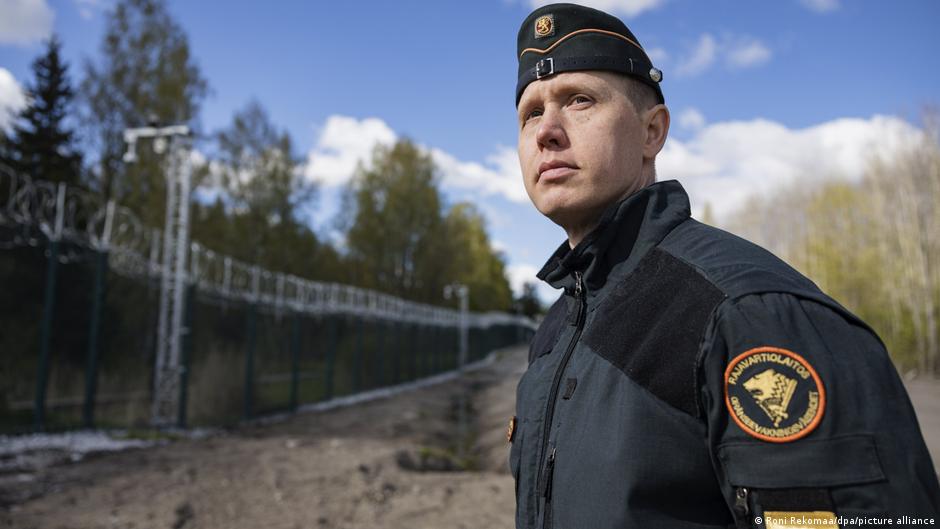
Finland has completed a 200-kilometer fence on its Russian border, marking a structural shift in security, infrastructure and Schengen policy.

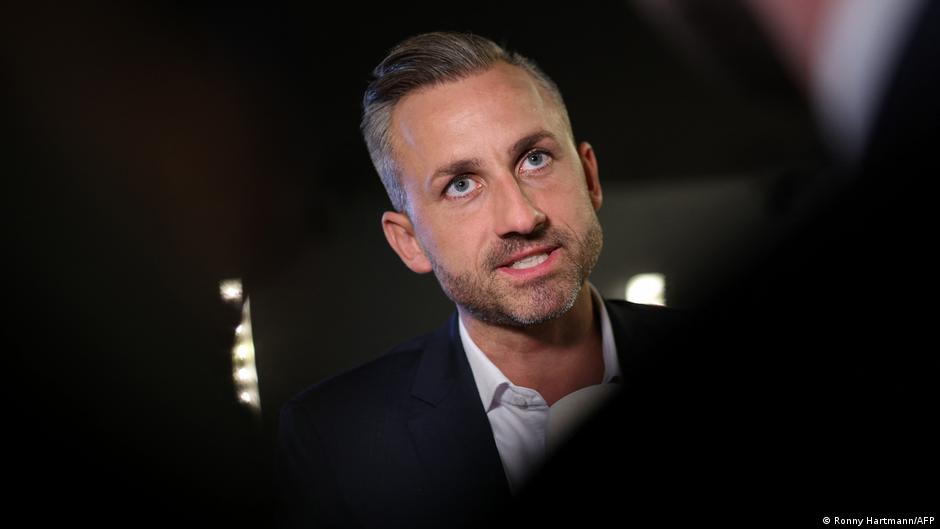
AfD’s 43.8 percent win in Saxony-Anhalt leaves no clear governing majority and raises major questions over energy, sanctions and eastern Germany’s economy.

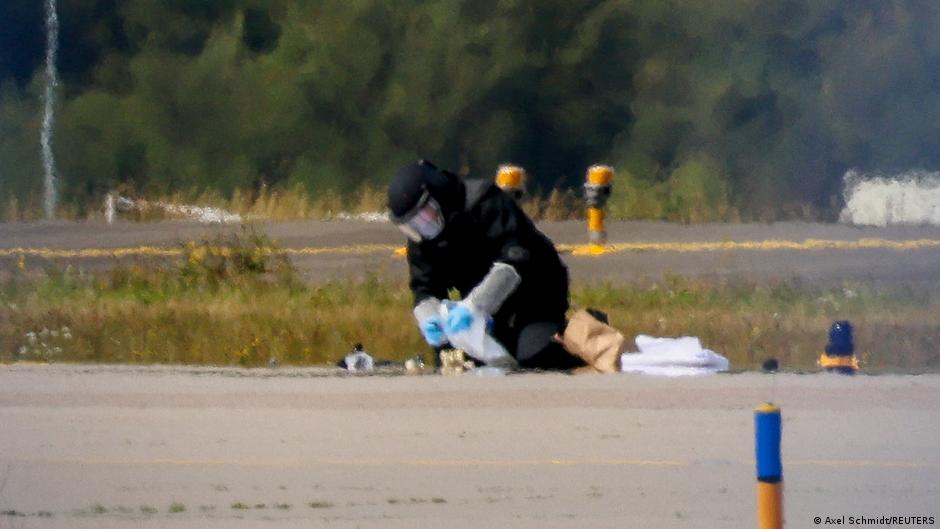
Latvia says a suspect in the Leipzig sabotage case had been living in Russia, deepening scrutiny of Europe’s logistics, visa and sanctions systems.

Uzbekistan has overhauled registration, licensing, tax policy and business-rights protection since 2016, redrawing the framework for private enterprise.

The U.S. Senate advances the Graham Sanctions bill to impose steep tariffs on Russia and its energy partners, signaling a strategic intensification of economic pressure.

Russia’s State Duma amends fuel dampener rules and import compensations to stabilize domestic fuel prices amid refinery disruptions and export limits.

The US has introduced new 50% tariffs on Canadian goods, escalating trade tensions and challenging the USMCA agreement with significant economic implications for both countries.

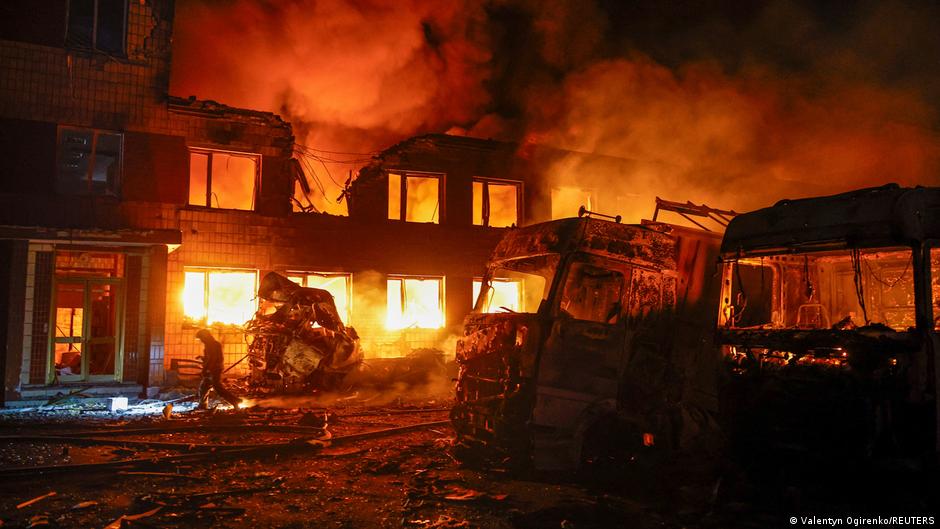
A large-scale Russian missile strike on Kyiv caused fires, structural damage, and casualties, revealing significant economic and urban vulnerabilities in wartime conditions.

Hungary blocks Ukraine’s EU accession talks on key economic chapters, citing concerns over Western Balkans' accession timing and signaling challenges for Ukraine’s integration.

Former President Trump alleges China accessed data of 220 million US voters to influence the 2020 election, revealing critical vulnerabilities in the electoral system.

Ukraine's parliament is set to confirm Sergey Koretsky as prime minister, marking a strategic government reshuffle focused on economic reform and energy sector leadership.

The US plans to remove Syria from its terrorism sponsor list, enabling investments and economic reintegration after years of sanctions and military disengagement.

Germany's 2027 budget plans increased spending and borrowing, focusing on defense amid Russia-related security concerns, raising debates over economic growth and fiscal sustainability.

A study shows 40% of Germans doubt their ability to work until retirement, highlighting the impact of physical and psychological job demands on workforce sustainability.

The EU agreed to extend sanctions on Russia for one year, reflecting political shifts and signaling deeper economic impacts amid ongoing conflict in Ukraine.

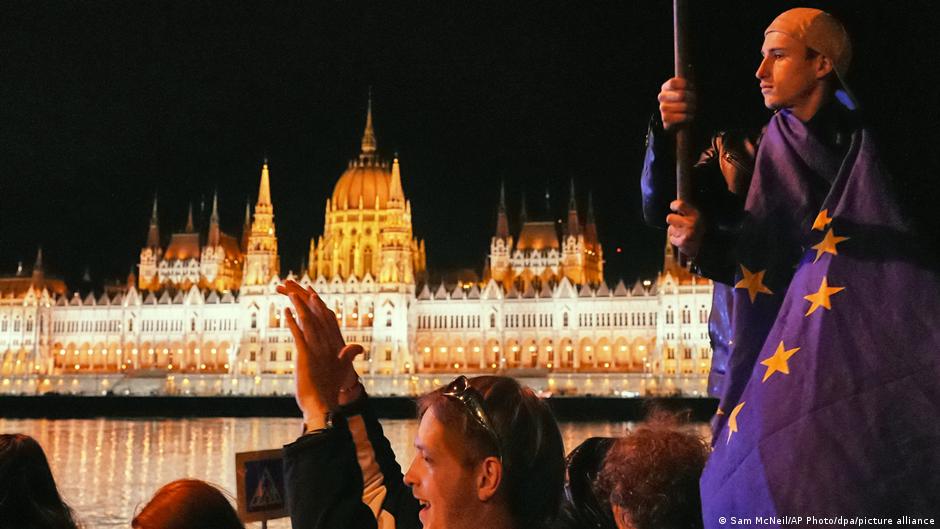
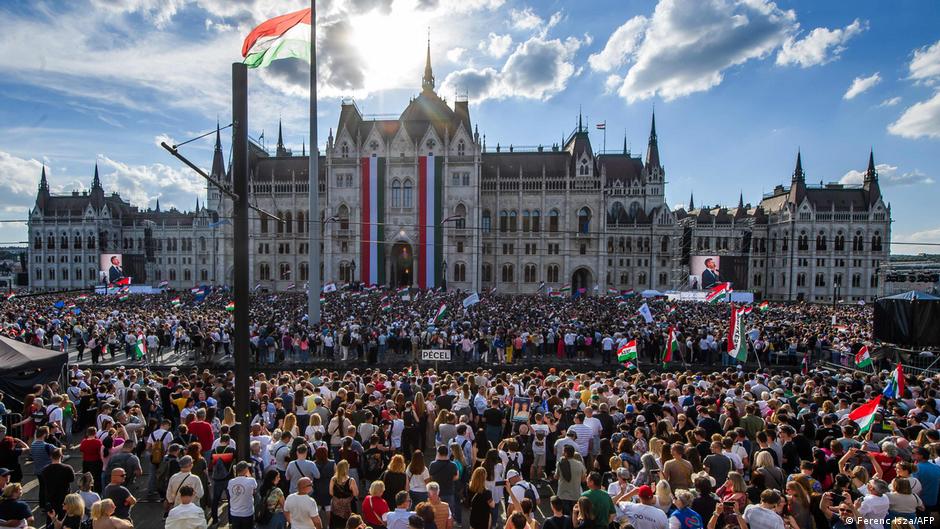
Hungary’s parliament limits prime ministerial terms to two four-year periods, barring Viktor Orbán from returning after five terms.

Georgia arrests Russian national Tatiana Kurashkevich over US-requested sanctions evasion charges, highlighting international cooperation against economic crimes.

President Trump demands Iran adhere to strict 'red lines,' including a permanent ban on nuclear weapons, as negotiations for a potential agreement continue amid cautious diplomacy.

The UK plans to join the EU's €90 billion credit program to support Ukraine, enhancing defense cooperation and economic ties amid ongoing conflict with Russia.

US Labor Secretary Lori Chavez-DeRemer resigns amid misconduct allegations, highlighting mounting cabinet instability and potential impacts on economic governance.

Hungary’s parliamentary elections saw opposition party Tisa claim a majority, challenging results amid fraud allegations tied to a misleading candidate with the same name as an opposition leader.