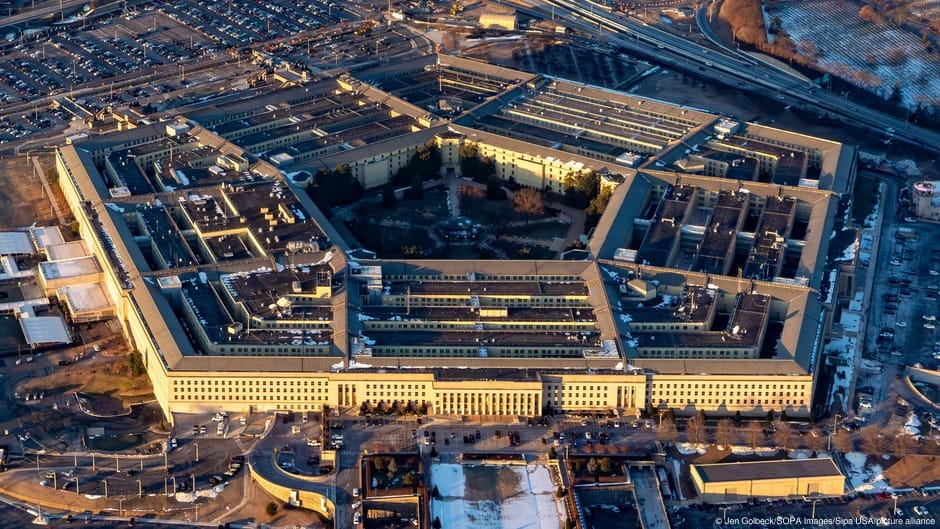
Pentagon Curbs Canada Defense Ties as Economic Frictions Deepen
New Pentagon limits spare NATO, NORAD and intelligence ties but deepen uncertainty as US-Canada trade and procurement disputes spread into defense policy.

New Pentagon limits spare NATO, NORAD and intelligence ties but deepen uncertainty as US-Canada trade and procurement disputes spread into defense policy.

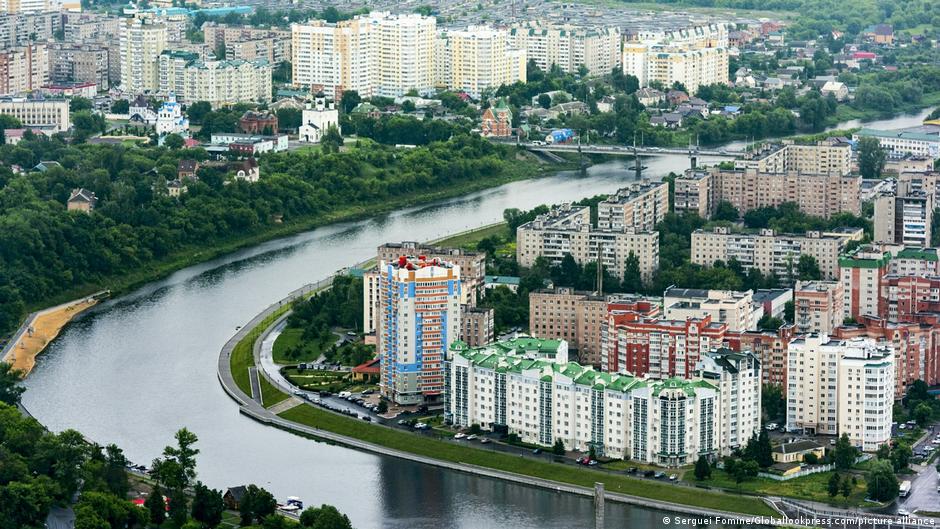
A possible strike in Krasnodar shows how drone warfare can raise costs across security, aviation and energy even before physical damage is confirmed.

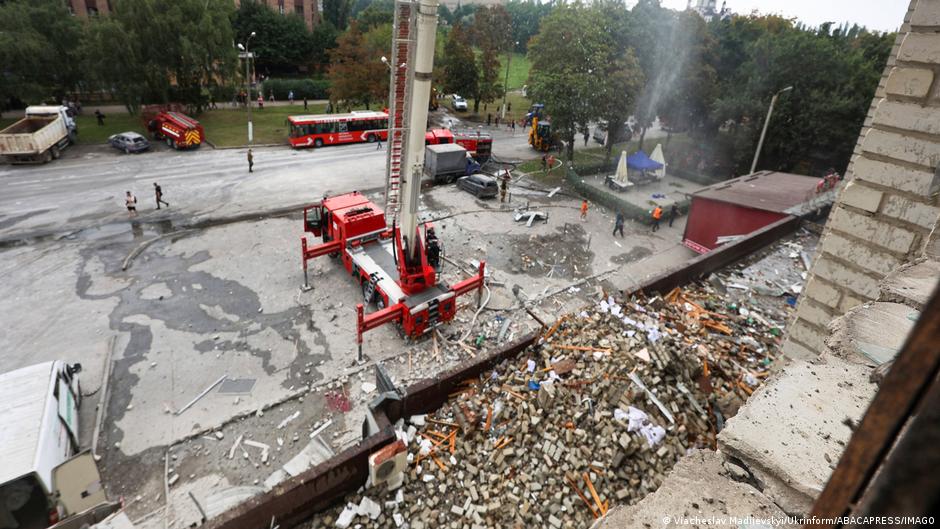
Damage to Kyiv’s bridges and infrastructure is disrupting transport and adding to the long-term economic cost of keeping the capital operational.

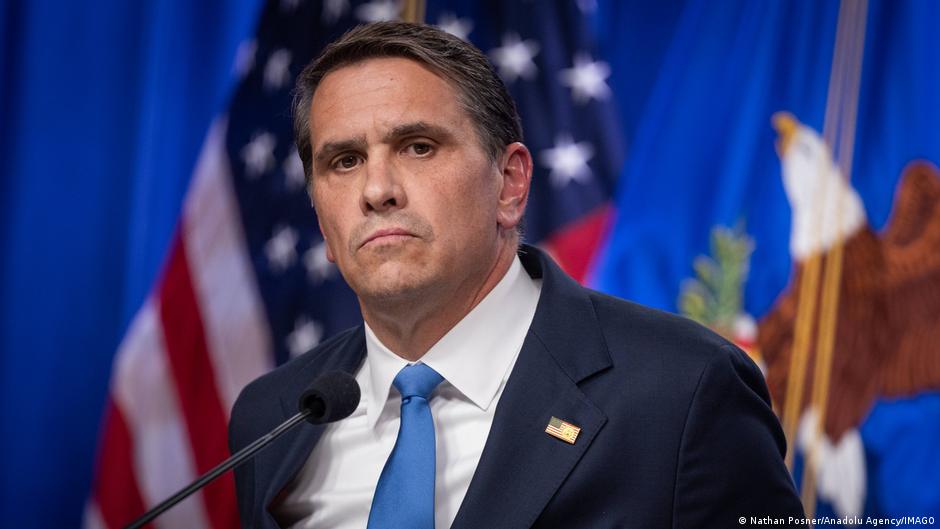
Elbridge Colby’s early exit from NATO talks exposed a growing US-European divide over Ukraine’s strikes inside Russia and the cost of sustaining the war.

Most Germans view Russia as a threat, but an almost even split over Russian energy supplies exposes a persistent conflict between security and economic concerns.

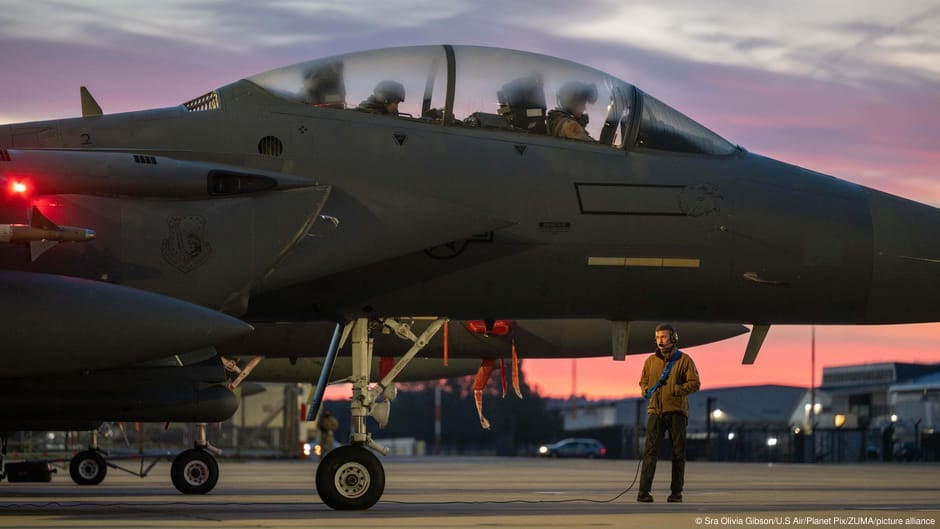
Suspected drone activity at RAF Lakenheath highlights the widening financial and operational burden of protecting strategic military infrastructure.

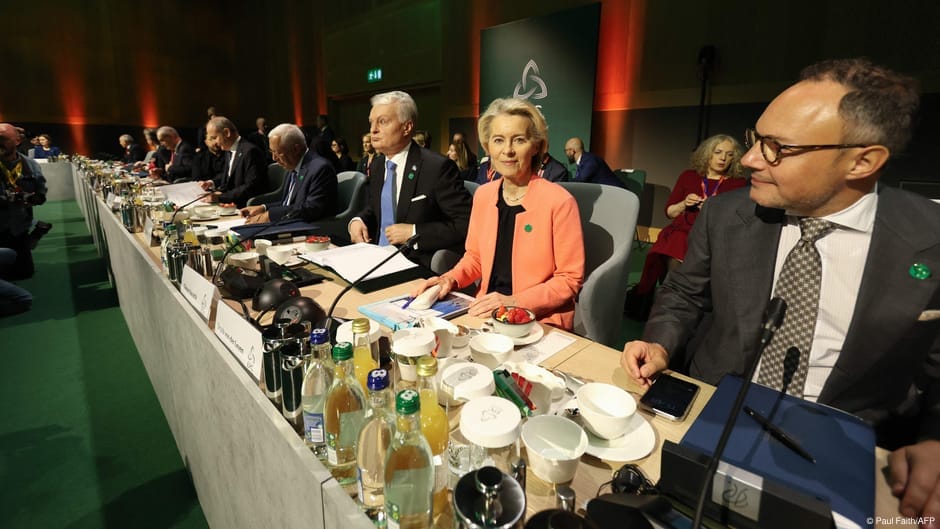
Nearly 40 European states have adopted a security charter that broadens cooperation and could reshape defense spending, fiscal priorities and transatlantic burden-sharing.

Kyiv and Moscow discussed exchanging up to 3,000 prisoners as Abu Dhabi talks turned to territory, energy, Black Sea security and de-escalation.

Nvidia’s investigation of CEO Jensen Huang places corporate governance at the center of the US-China contest over AI chips and strategic technology.

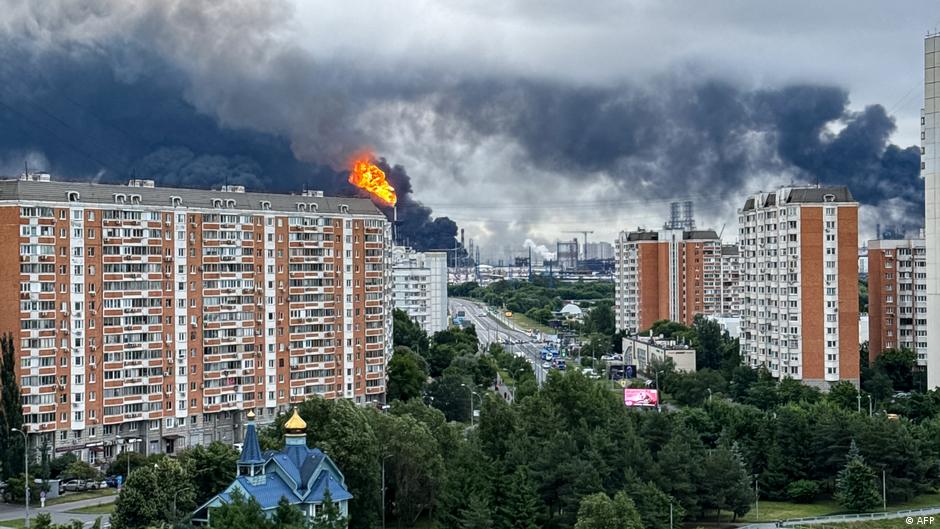
A reported fire at Oryol’s Proton plant underscores the vulnerability of specialized suppliers supporting Russia’s missile and air-defense production.

Strikes across Ukrainian cities killed civilians and damaged rail, warehouse, commercial and industrial assets, adding to the country’s cumulative wartime economic burden.

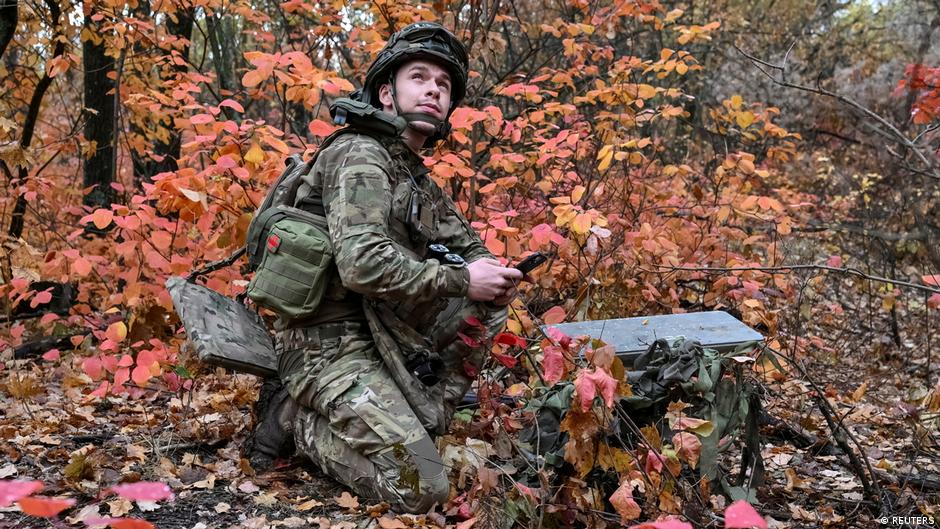
Ukraine’s reported refinery-strike pause shows how US election concerns, fuel prices and Kyiv’s reliance on American technology are reshaping wartime strategy.

The Pentagon watchdog’s decision exposes the risks created when essential military communications depend on privately controlled satellite infrastructure.

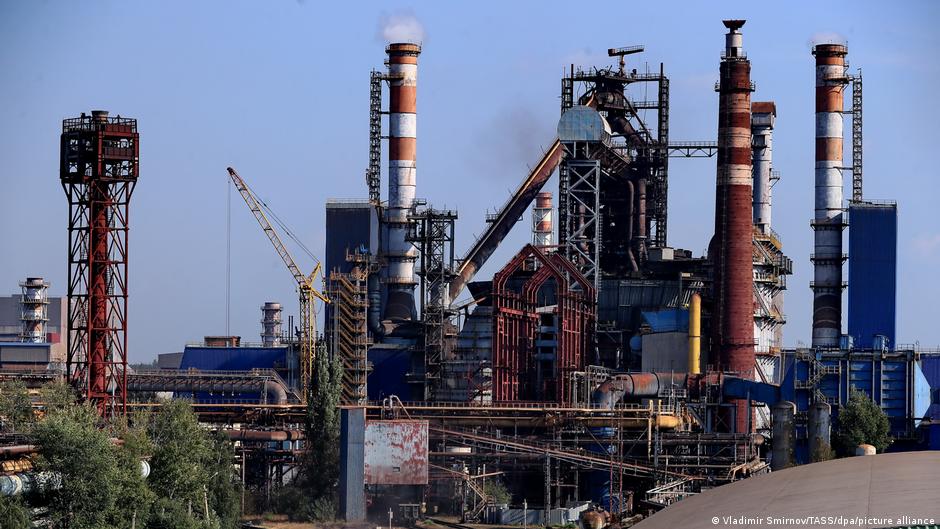
Reported attacks on steel, chemical and battery plants show how Ukraine’s long-range campaign may raise costs across Russia’s concentrated industrial supply chains.

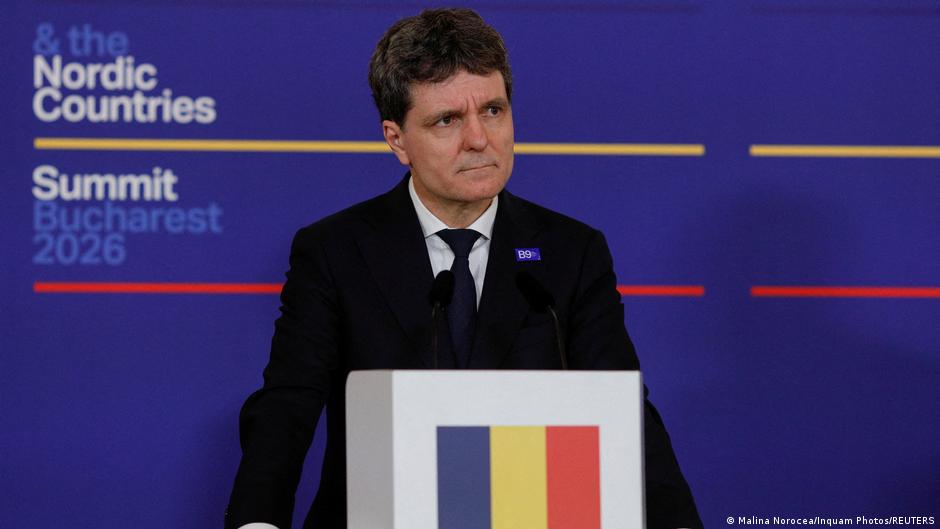
Romania says a Russian-coordinated network targeted an arms factory, underscoring the economic and security risks facing Europe’s defense supply chains.

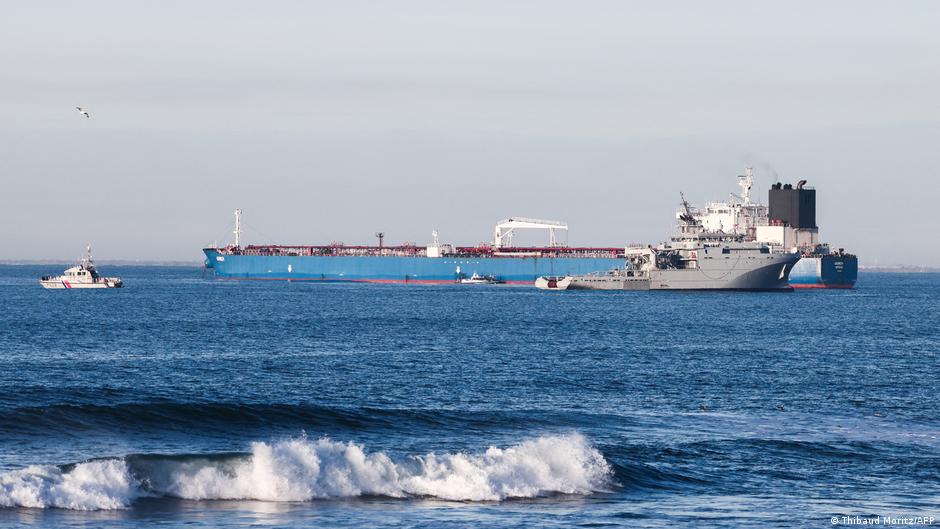
MYRA’s Atlantic distress call highlights the rising operational and economic risks surrounding sanctions-evasion oil shipping.

SpaceX’s restoration of Starlink access in Ukraine exposes the strategic and economic risks of relying on privately controlled wartime infrastructure.

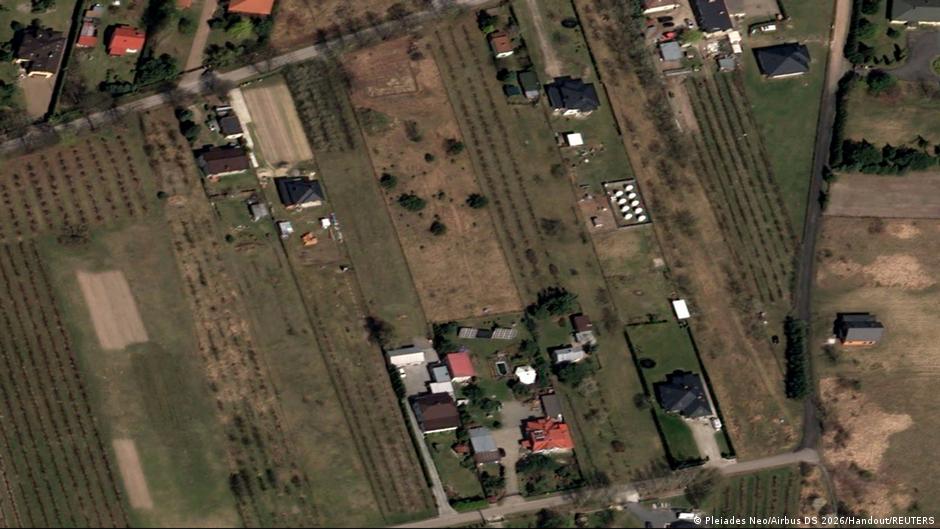
The suspected arson attack near Warsaw shows how limited physical sabotage can generate wider costs for infrastructure security, insurers and European governments.

Two Latvian citizens were detained after breaching RAF Molesworth, prompting scrutiny of security risks around NATO and US-linked facilities in Britain.

Ukraine will discuss a new war-ending proposal with Trump envoys as Kyiv presses for sanctions, Starlink access and economic pressure on Russia.

Western governments are preparing contingency plans to move embassies from Kyiv as Russian strikes intensify against Ukraine’s cities and energy system.

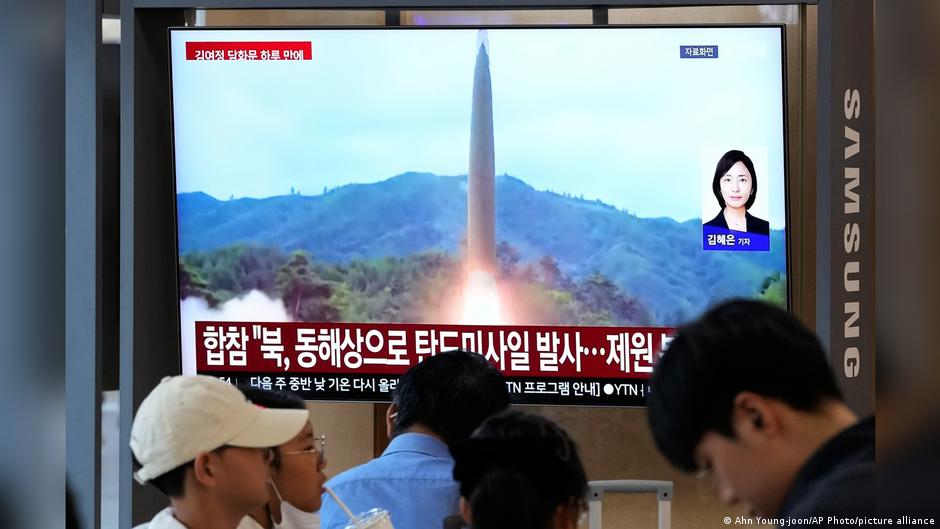
North Korea’s reported missile launch adds economic risk to renewed peninsula tensions after Seoul accused Pyongyang of an armistice violation.

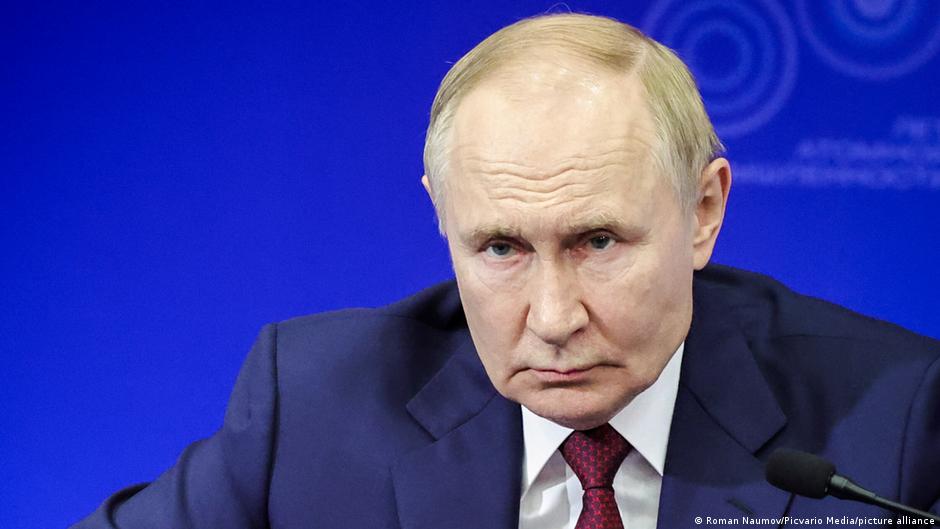
Putin’s Valdai speech sharpened nuclear rhetoric and war claims, adding to Europe’s long-term economic and security risk premium.

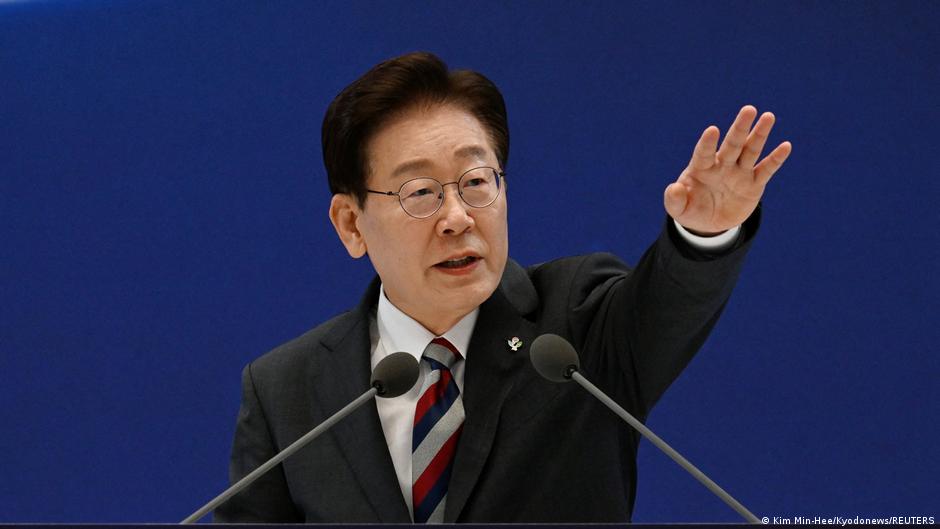
Seoul’s warning to Kyiv over disclosed North Korean prisoners raises questions about trust, defense cooperation and postwar economic ties.

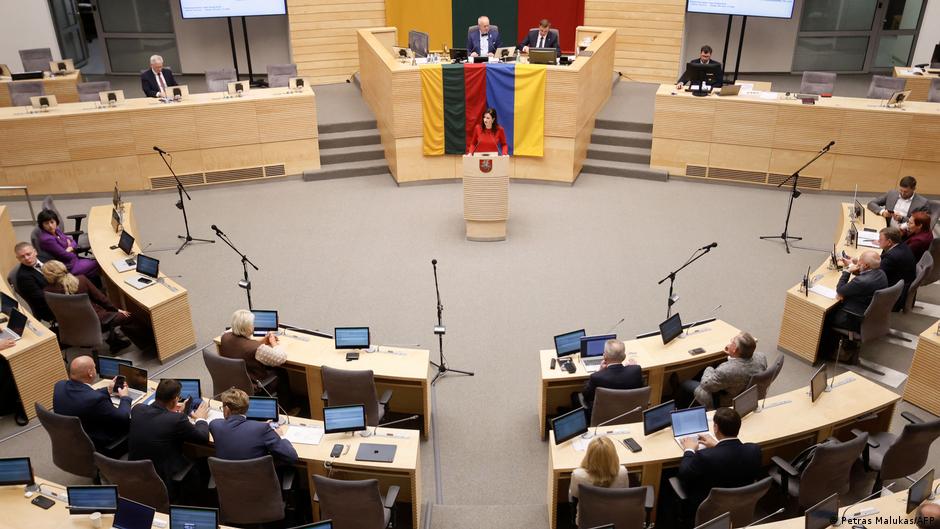
Lithuania’s proposed property restrictions would bar Russian and Belarusian citizens from buying real estate near strategic sites.

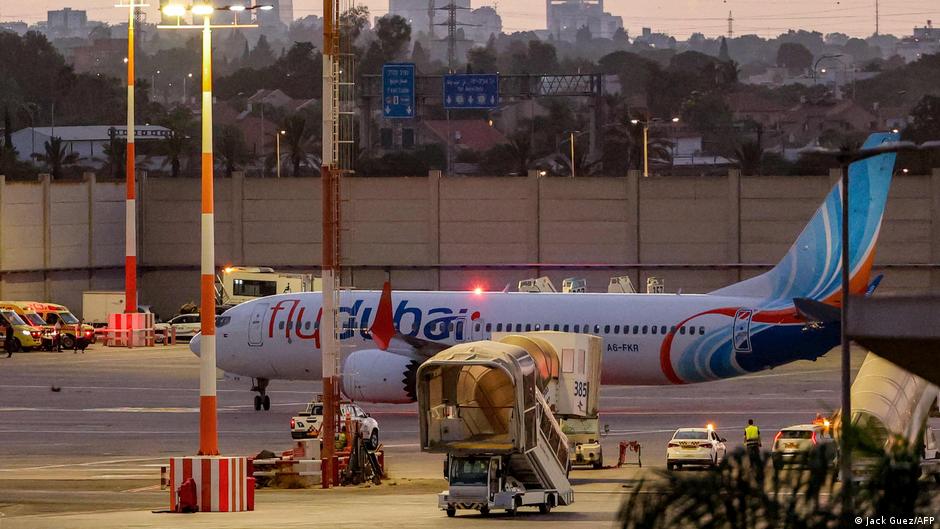
Flydubai’s Israel flight suspension turns a cockpit security incident into a test of Gulf-Israel aviation, diplomacy and economic connectivity.

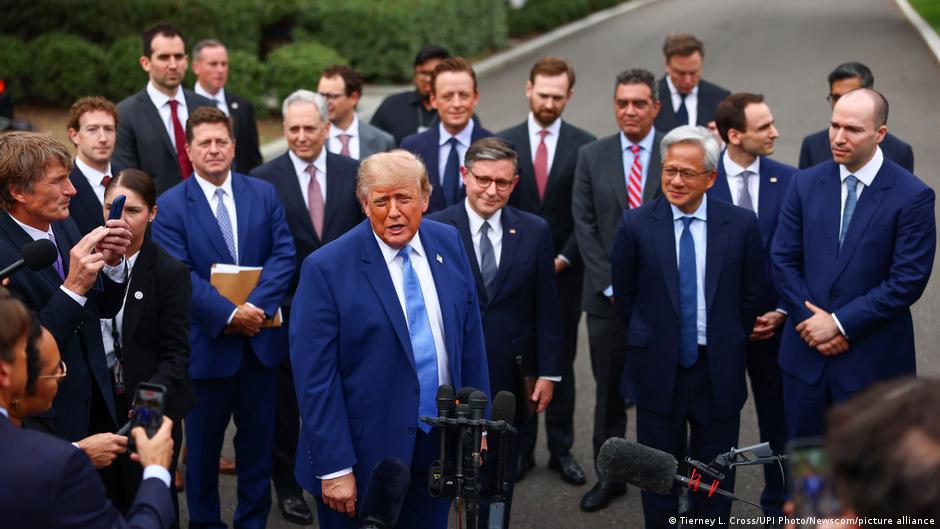
Trump’s AI pact relies on voluntary company oversight, raising questions about safety, competition and America’s race with China.

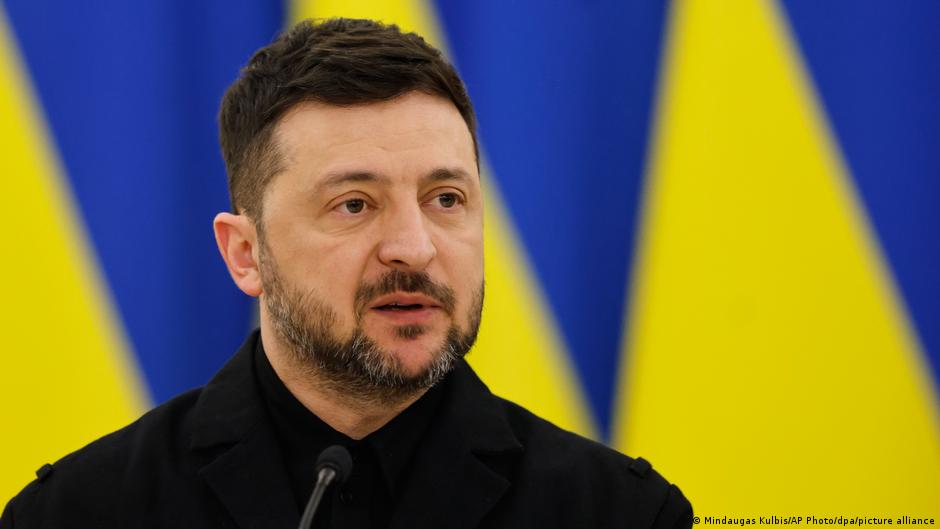
Zelensky says North Korea may send 10,000 more troops to Russia, deepening concerns over wartime manpower, sanctions and security trade.

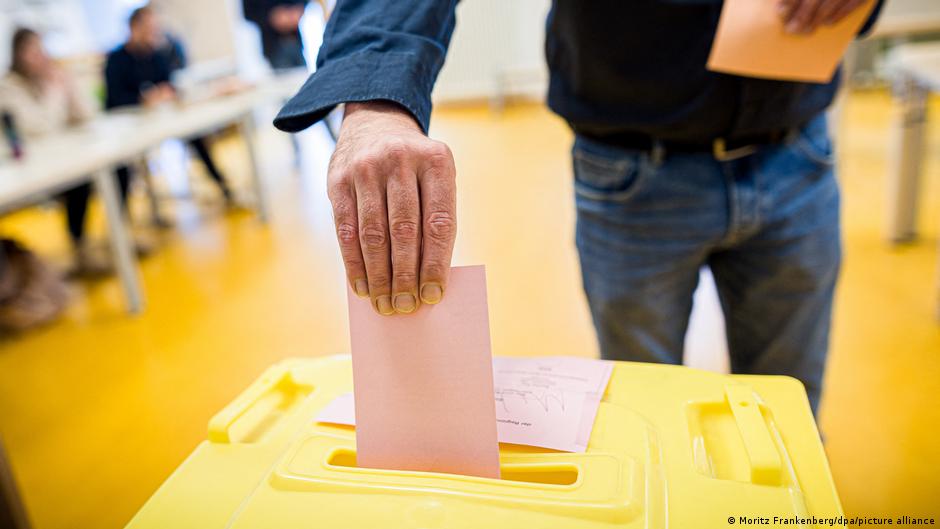
Lower Saxony’s runoffs strengthened Green urban leadership and showed the AfD’s difficulty converting first-round support into executive power.

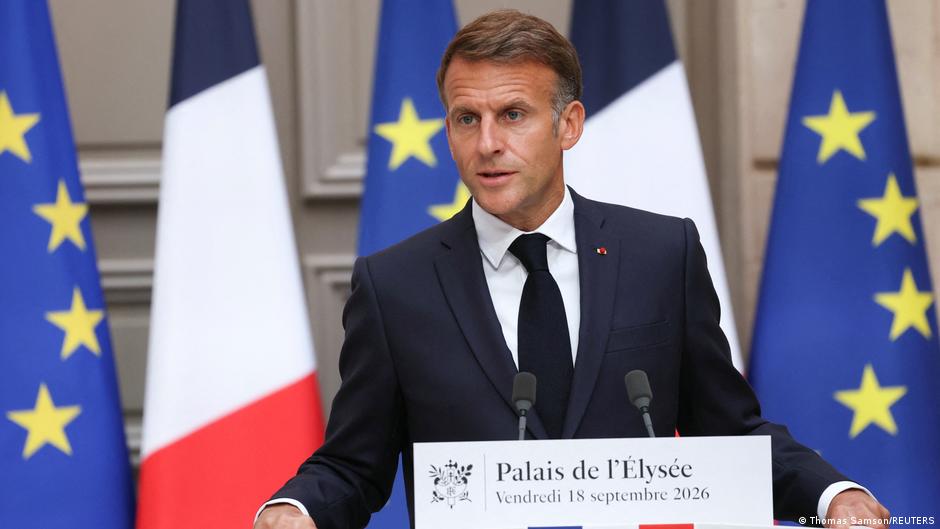
Macron says France sees a Russian mobilization of about 300,000 as credible and warns Europe may face wider hybrid attacks.

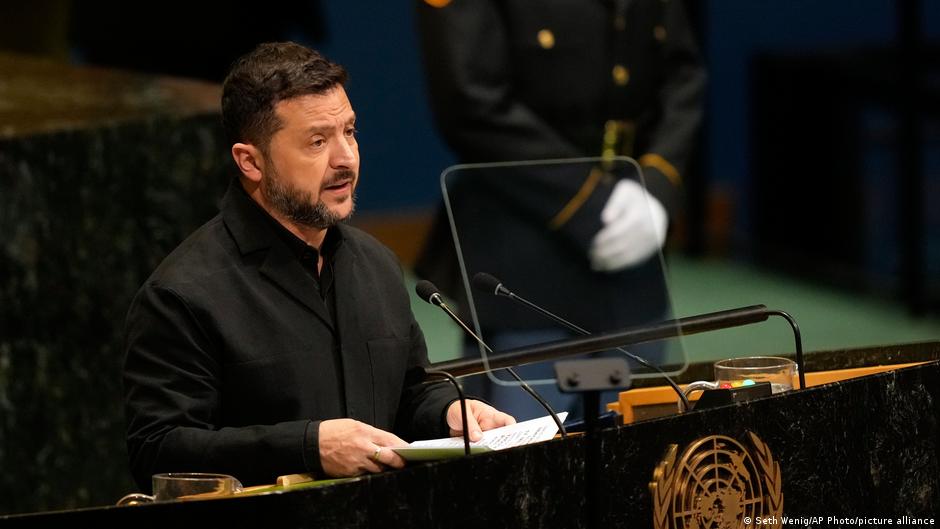
Zelenskyy told the UN that Putin is spreading the idea of war globally and said Ukraine aims to weaken Russia’s ability to finance the conflict.

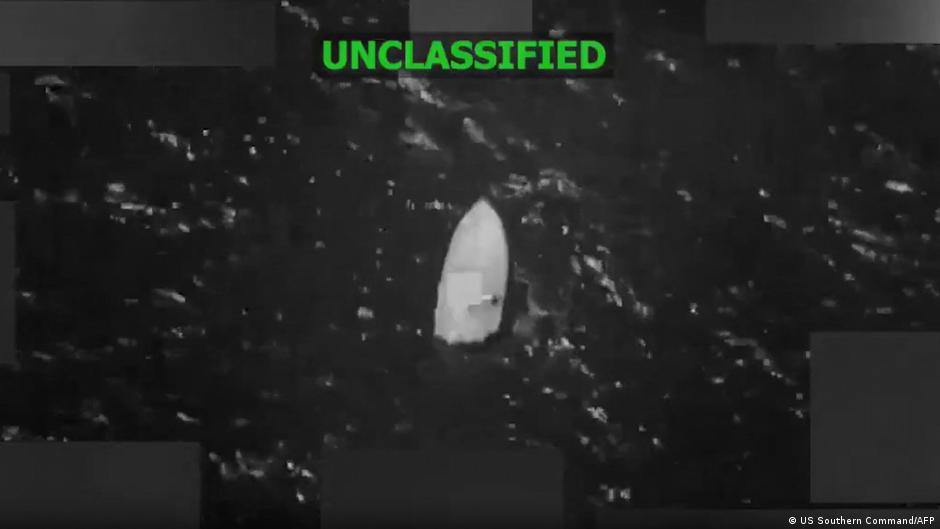
A new U.S. strike in the Caribbean killed four alleged drug traffickers, deepening legal concerns and economic risks around a yearlong campaign.

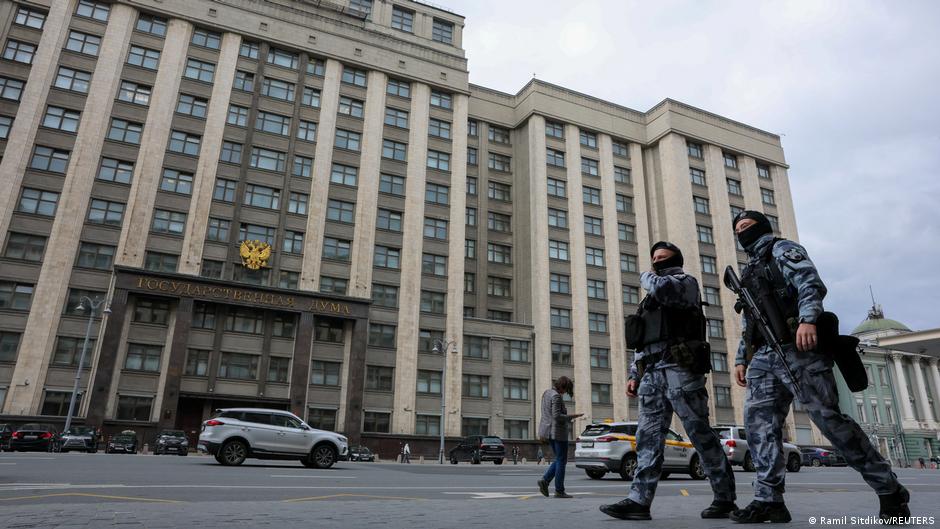
Russia began a three-day State Duma vote that includes occupied Ukrainian territories and excludes anti-war parties from the party-list race.

U.S. prosecutors allege RIS Network financed attacks on Ukraine's allies and plotted killings of Russian dissidents abroad.

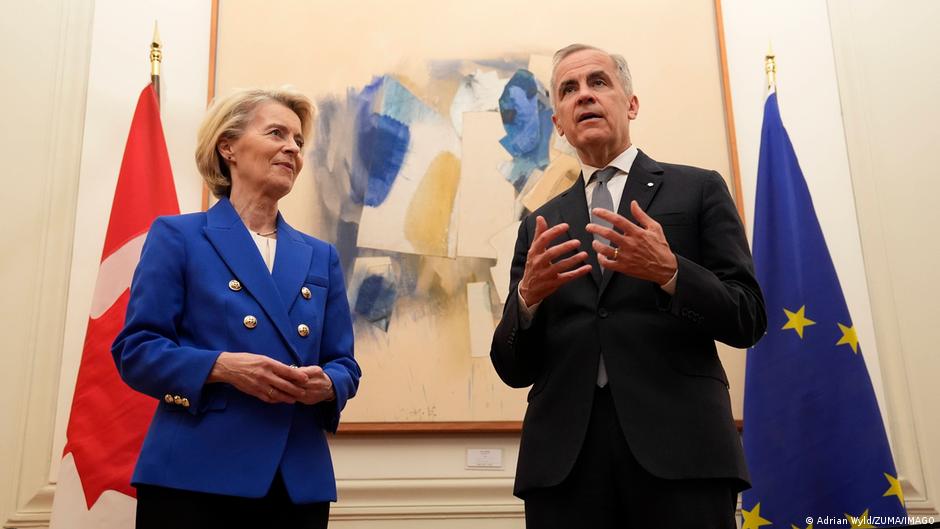
Canada is negotiating to join the EU’s €90 billion Ukraine loan as Ottawa seeks deeper European ties and less reliance on the U.S.

Mass protests across Germany against right-wing extremism show how the AfD debate is becoming an institutional and economic risk.

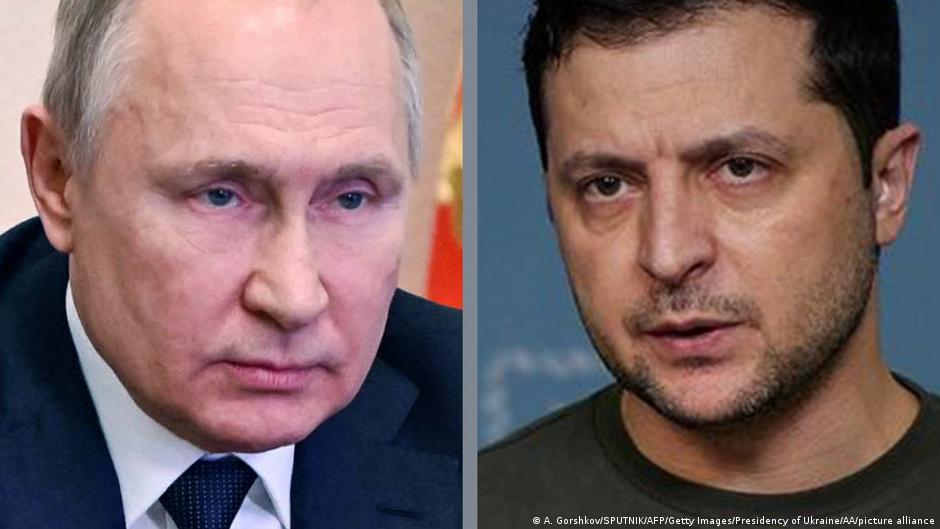
Putin said peace through diplomacy remains possible, while Zelensky said U.S. envoys will visit Kyiv and Moscow to discuss a potential agreement.

Russia reportedly recruits criminal groups to sabotage European defense plants, challenging NATO’s unity and testing alliance response thresholds.

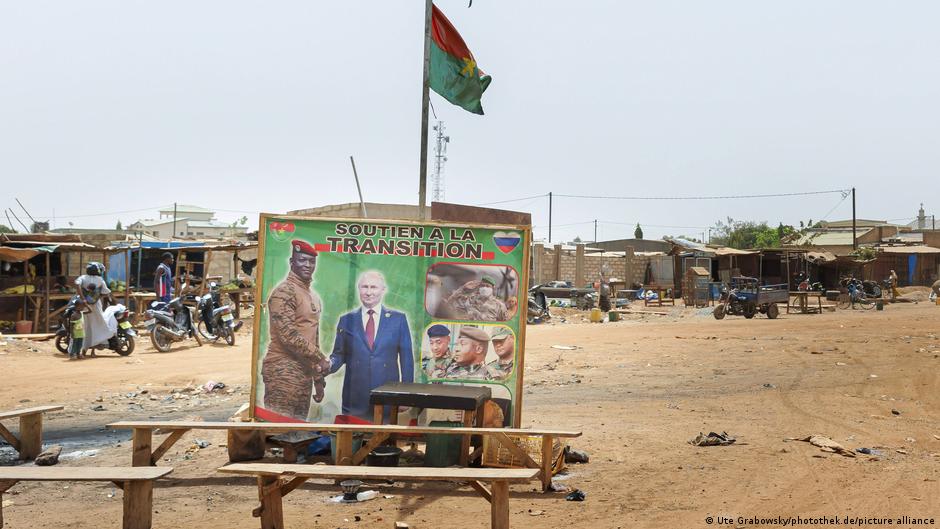
Russia has created a shadow air fleet using military and private aircraft to sustain its operations in Africa’s Sahel, evading Western sanctions through complex logistics.

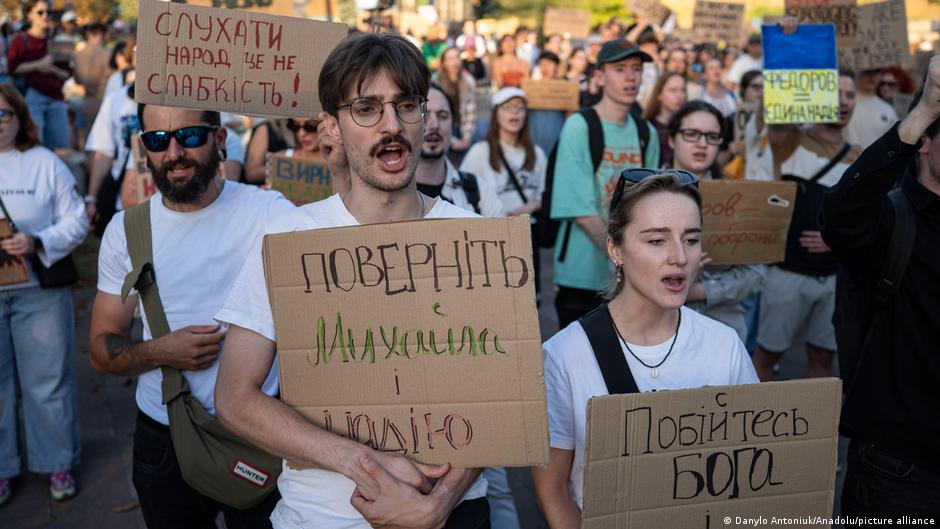
Protests in Kyiv and other cities demand reinstatement of Mykhailo Fedorov as defense minister, criticizing recent government appointments and calling for reform continuity amid governance challenges.

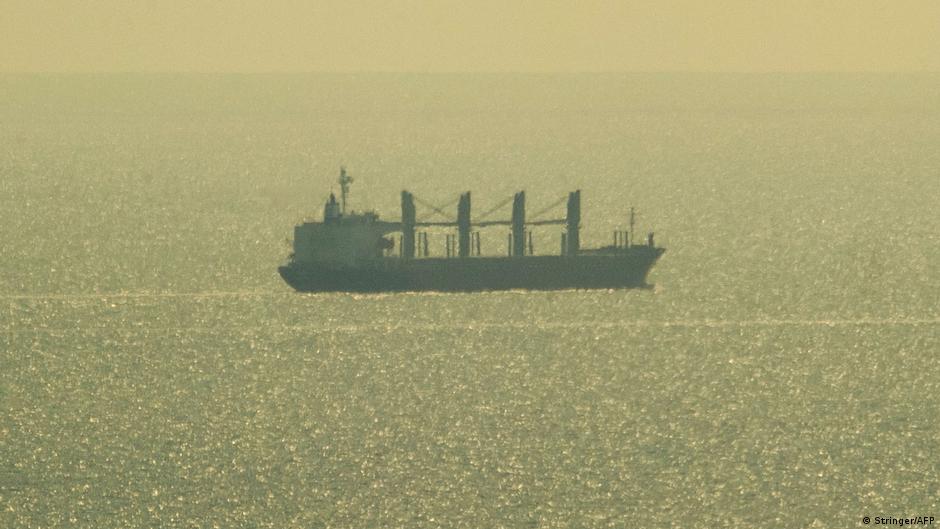
Ukraine sanctions 13 ships and 28 companies over illegal grain exports from Russian-occupied territories, aiming to disrupt unauthorized sales and assert economic sovereignty.

The Cl0p hacker group linked to Russia claims to have breached nearly 50 multinational corporations, highlighting growing cybersecurity risks with broad economic consequences.

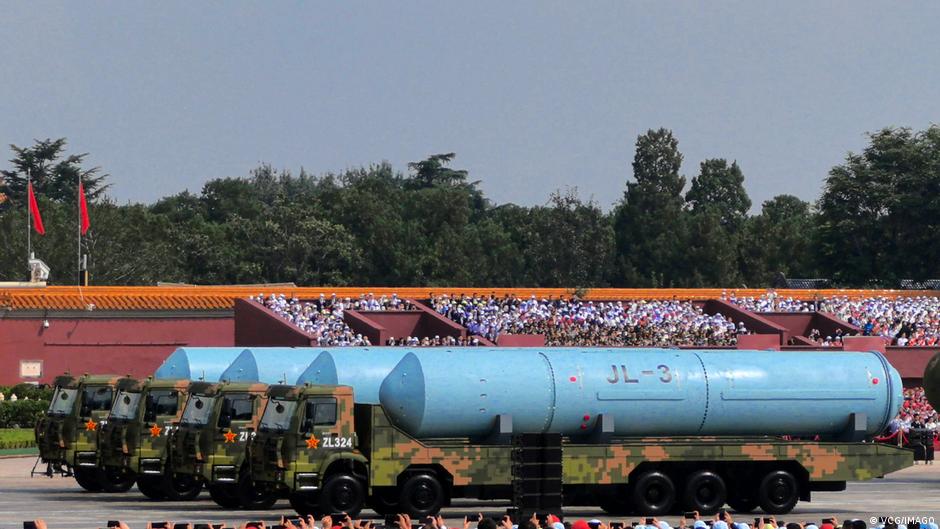
More than 40 countries demand at least 24 hours’ notice before ballistic missile tests to reduce miscalculations and strengthen global security amid recent unnotified launches.

Germany faces rising hybrid warfare threats amid drone attacks, prompting new research and security efforts to protect critical infrastructure and economic stability.

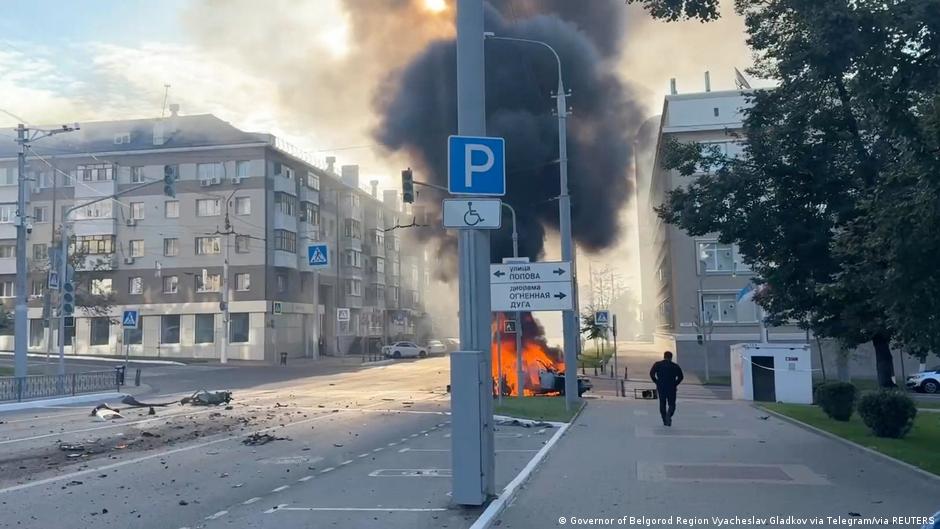
A drone strike on Belgorod caused injuries and damaged residential and administrative buildings, highlighting risks to civilian infrastructure amid escalating border tensions.

Lithuania warns Russia may use captured Ukrainian drones to attack Baltic infrastructure, escalating hybrid warfare risks with significant economic and security impacts.

Lieutenant General Igor Yerusalimov’s death following a Moscow explosion exposes critical security challenges and internal vulnerabilities within Russia’s military leadership.

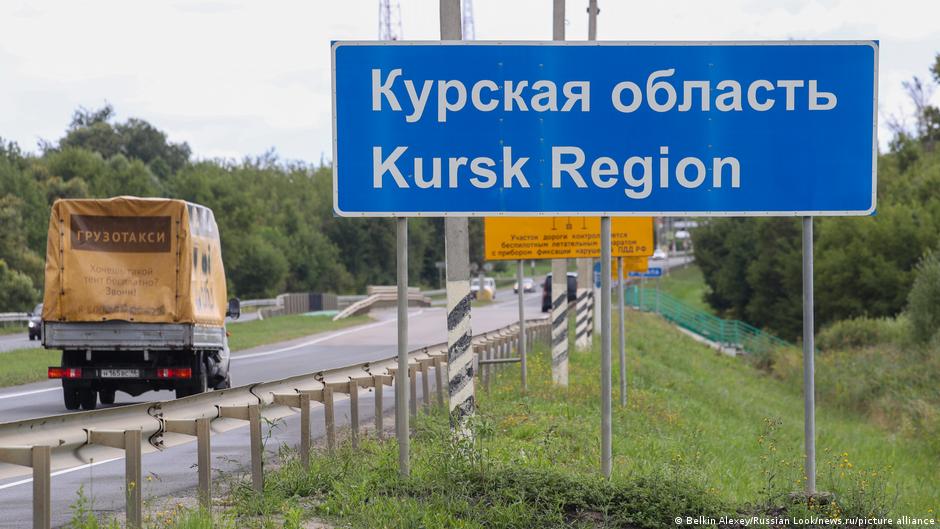
Drone attacks in Kursk and Belgorod regions cause casualties and disrupt transport, exposing economic vulnerabilities and prompting heightened security measures in Russia.

Vladimir Osechkin halts Gulagu.net citing a global human rights crisis and increasing repression in Russia, highlighting structural challenges for activists and international law.
Uzbekistan advances its digital transformation with plans for a national navigation system, unified public administration platform, and expanded IT sector incentives.