AfD Victory in Saxony-Anhalt Deepens Germany’s Eastern Economic Divide
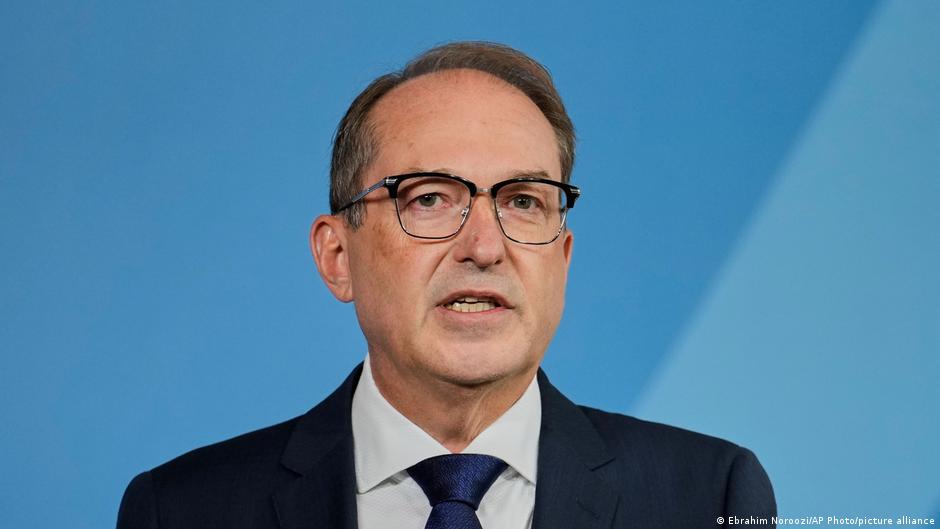
AfD’s 43.8 percent win in Saxony-Anhalt leaves no clear governing majority and raises major questions over energy, sanctions and eastern Germany’s economy.

AfD’s 43.8 percent win in Saxony-Anhalt leaves no clear governing majority and raises major questions over energy, sanctions and eastern Germany’s economy.

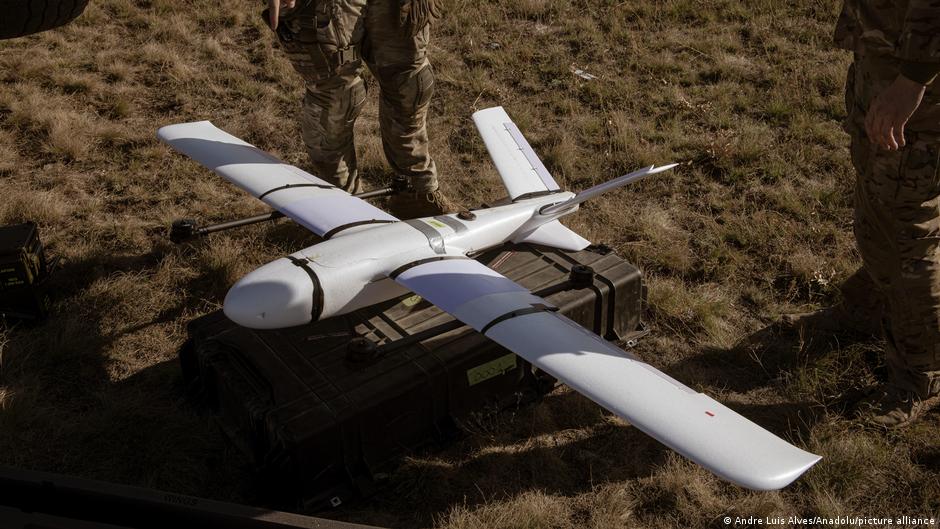
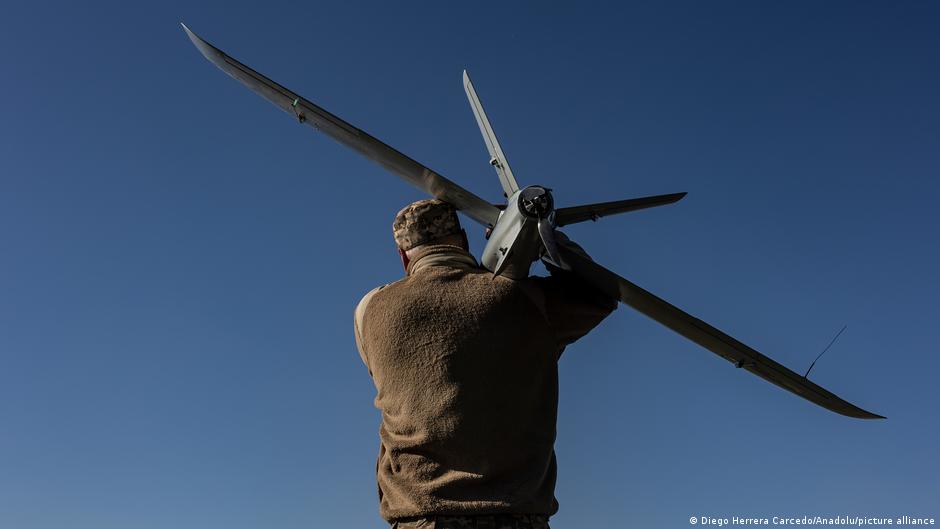
Germany plans a broad anti-sabotage shield after the Leipzig drone incident, with major implications for infrastructure, cyber defense and business costs.

Volkswagen approved its biggest-ever restructuring, combining 50,000 job cuts, a halved model range and major investment to restore profitability.

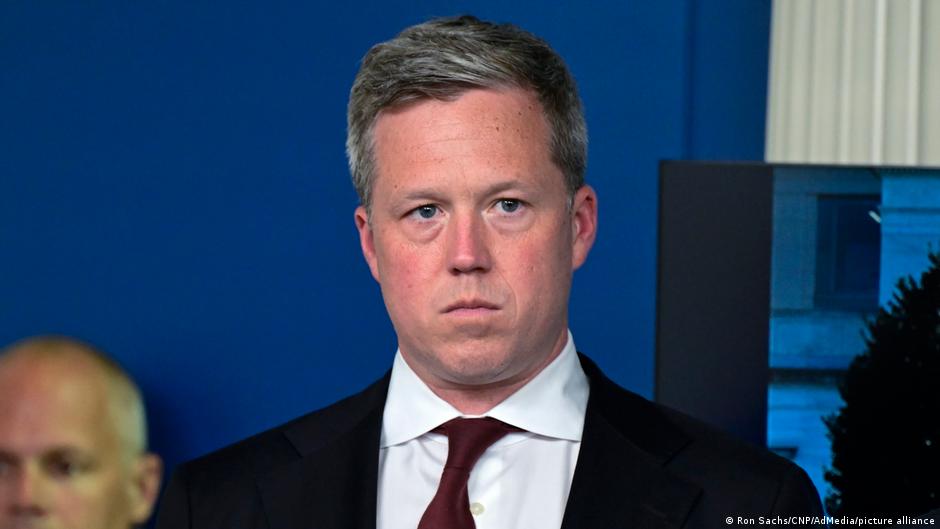
Daniel Driscoll’s reported resignation after a clash with Pete Hegseth adds to Pentagon turnover and raises questions over procurement, readiness and policy continuity.

Uzbekistan auctions its 100% stake in the 'Fonon' jewelry plant amid ongoing financial difficulties, significant debts, and asset encumbrances challenging state industrial reforms.

Russia reportedly recruits criminal groups to sabotage European defense plants, challenging NATO’s unity and testing alliance response thresholds.

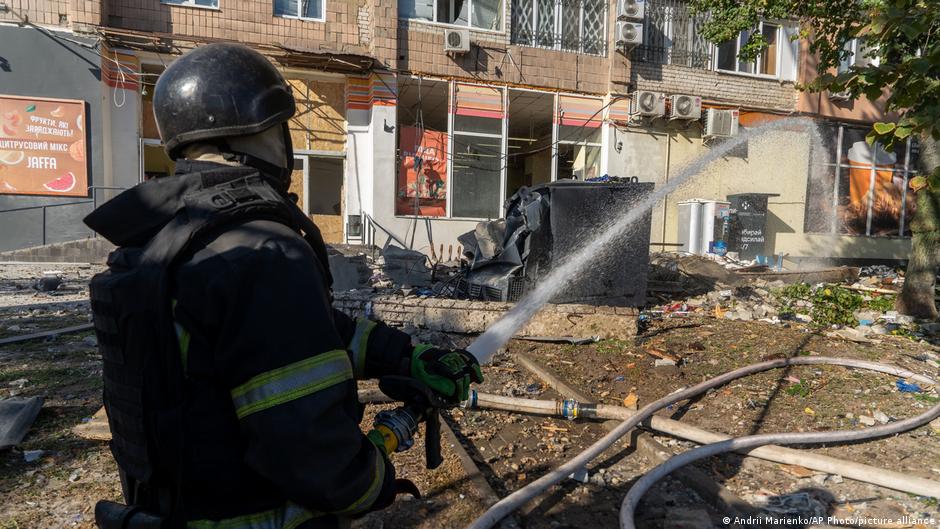
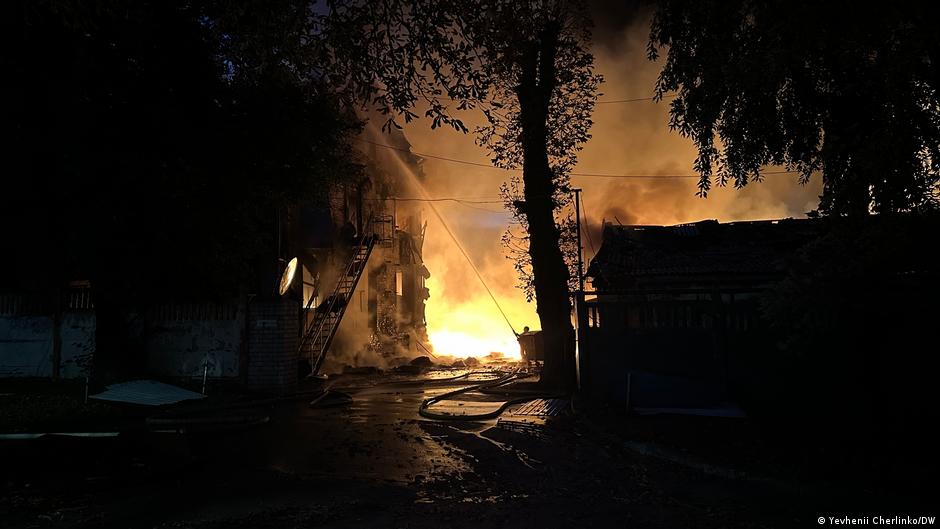
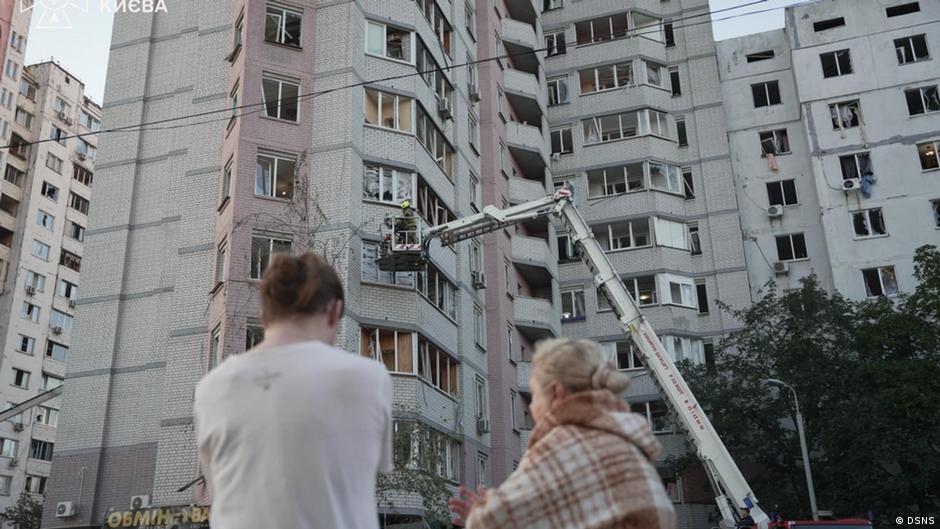
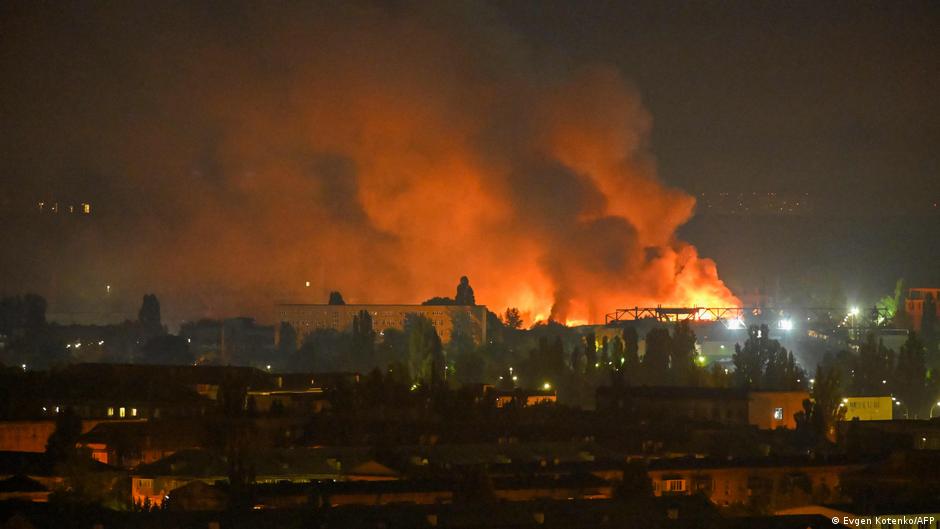
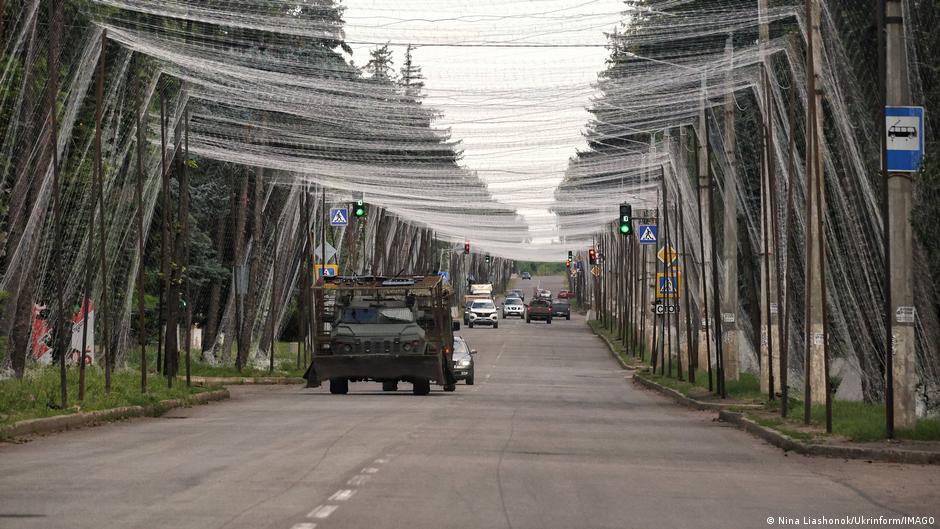
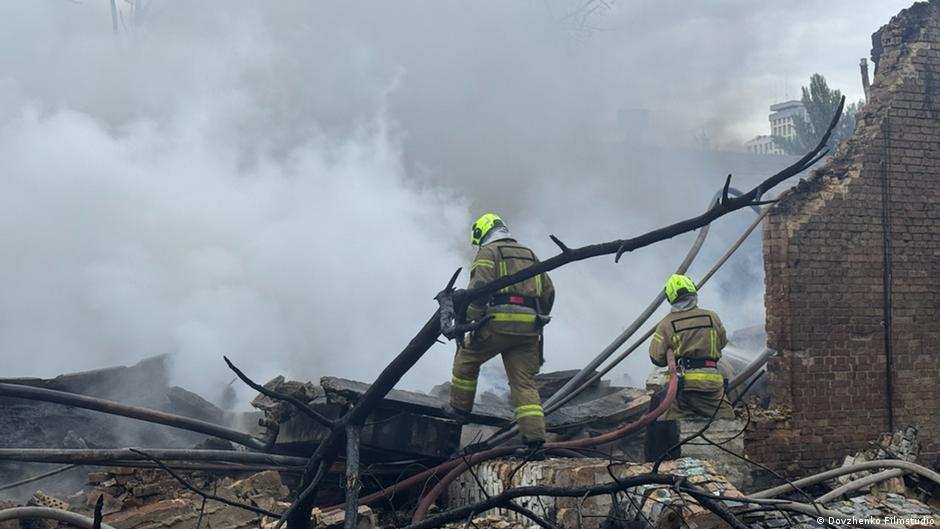
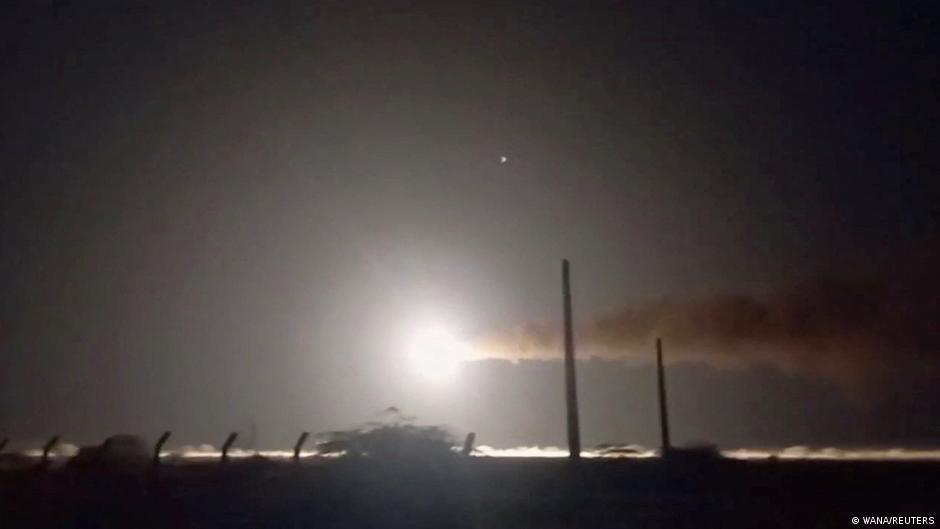
Russian missile and drone attacks on Kyiv and Kryvyi Rih resulted in casualties and industrial damage, highlighting significant economic disruption amid ongoing conflict.

The Cl0p hacker group linked to Russia claims to have breached nearly 50 multinational corporations, highlighting growing cybersecurity risks with broad economic consequences.

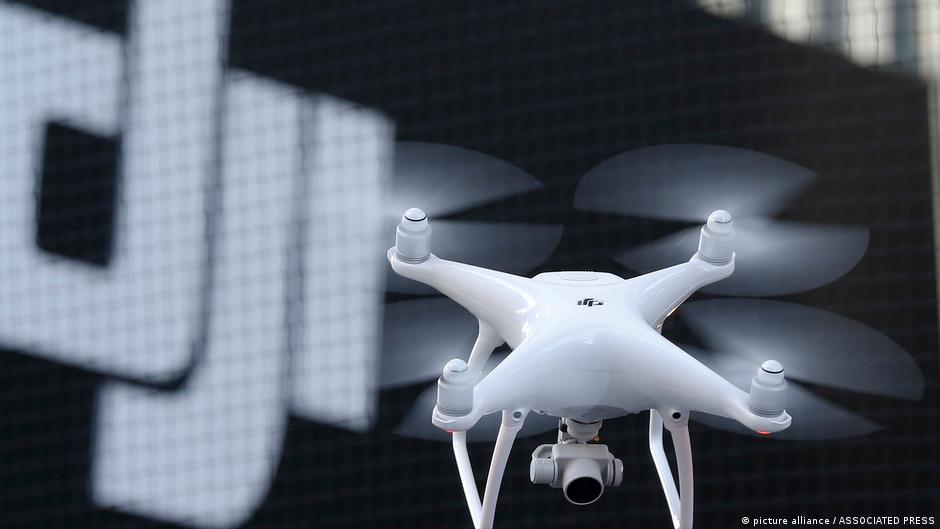
The US imposes tariffs up to 100% on imported drones over 25 kg with thermal imaging, aiming to reduce reliance on foreign suppliers amid national security concerns.

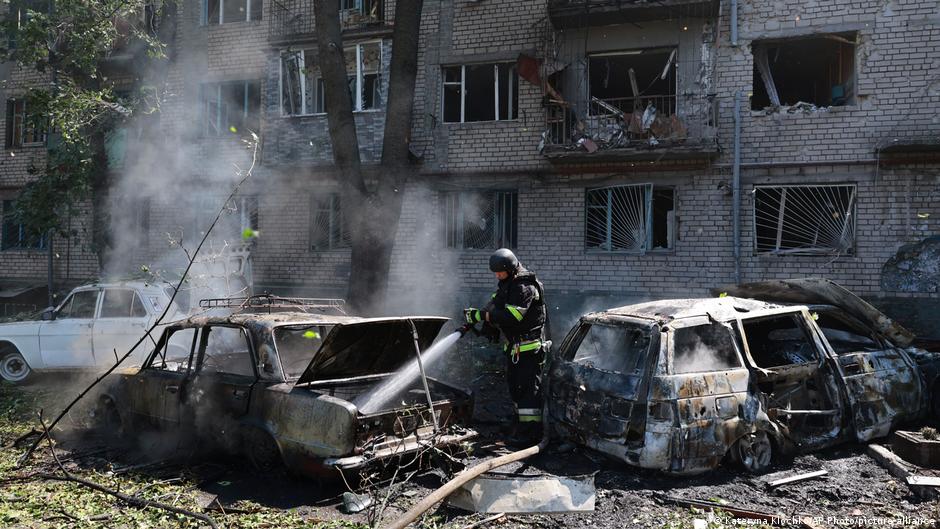
Russian missile and aerial bomb strikes on Zaporizhzhia caused five deaths, twenty injuries, and significant damage to industrial and residential infrastructure.

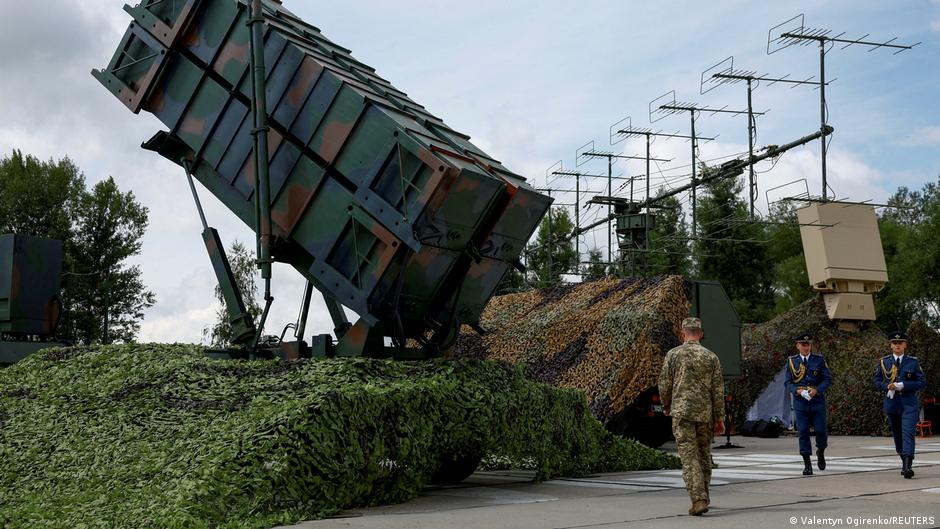
Raytheon and Lockheed Martin fear that licensing Patriot missile production to Ukraine may enable rapid, cost-effective manufacturing and technological improvements, raising strategic concerns.

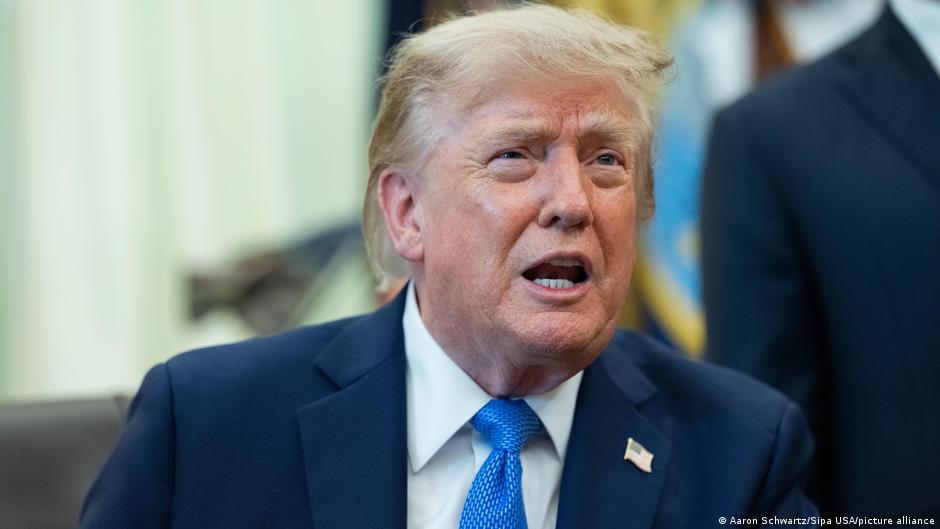
Trump accuses the Biden administration of depleting US munitions stockpiles through aid to Ukraine, raising concerns about domestic defense readiness and missile shortages.

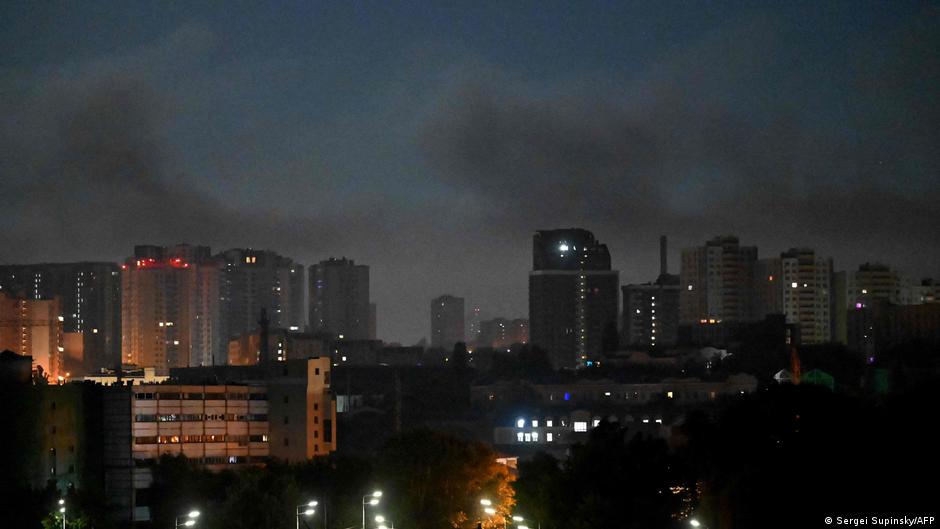
Russian ballistic missile strikes hit Kyiv and surrounding regions, revealing challenges in Ukraine’s air defense amid shortages of Patriot system missiles.

Russian missile and drone strikes on multiple Ukrainian cities caused civilian deaths and infrastructure damage, highlighting the conflict's escalating economic and social toll.

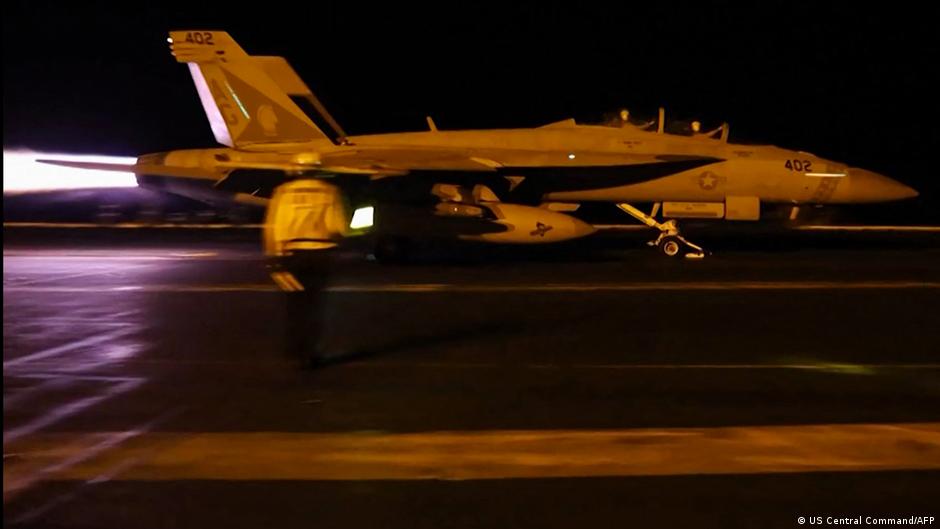
The US has launched ten consecutive days of attacks against Iran, targeting military infrastructure amid reciprocal strikes and disruptions in the strategic Strait of Hormuz.

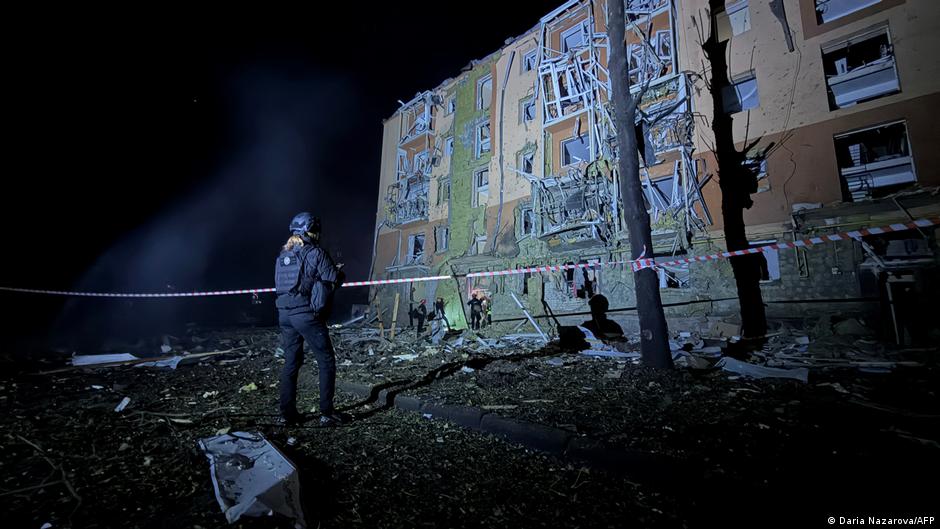
Russian forces conducted missile and drone strikes on Kyiv and Kharkiv, causing casualties and infrastructure damage, highlighting escalating urban vulnerabilities in Ukraine’s war.

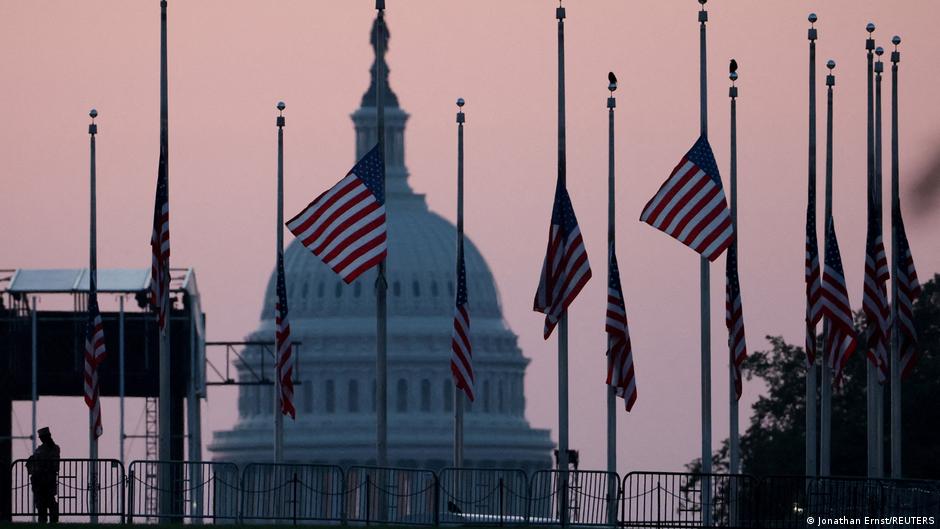
Darline Graham Norton has been appointed to her late brother Lindsey Graham's Senate seat to protect the fragile Republican majority and continue his policy legacy until 2027.

Uzbek aluminium producer AKFA Aluminium is exploring its first international bond issuance, signaling a strategic push towards transparency and global market engagement.

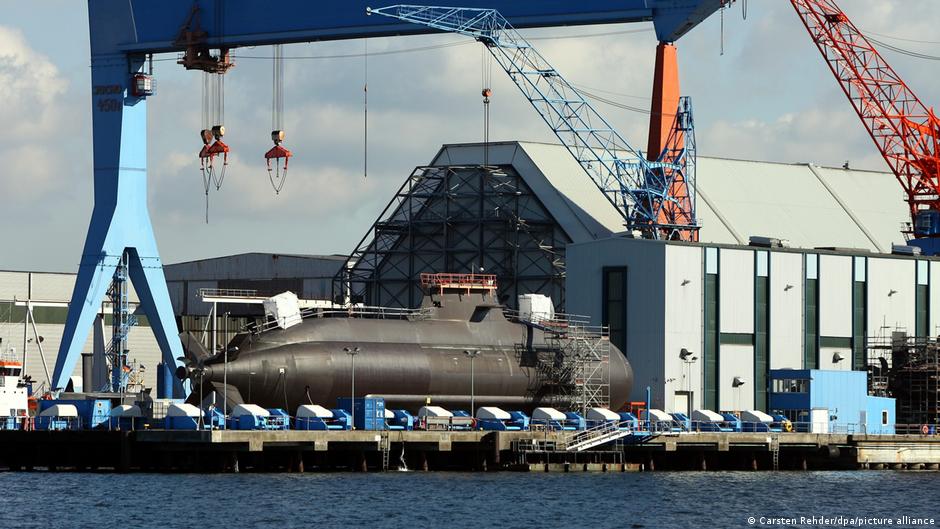
Canada’s selection of German TKMS submarines strengthens NATO’s Arctic defense and marks a major industrial and strategic partnership for Europe and North America.

In June 2024, Russia reduced its drone and missile strikes on Ukraine significantly, signaling possible operational and economic adjustments amid ongoing conflict dynamics.

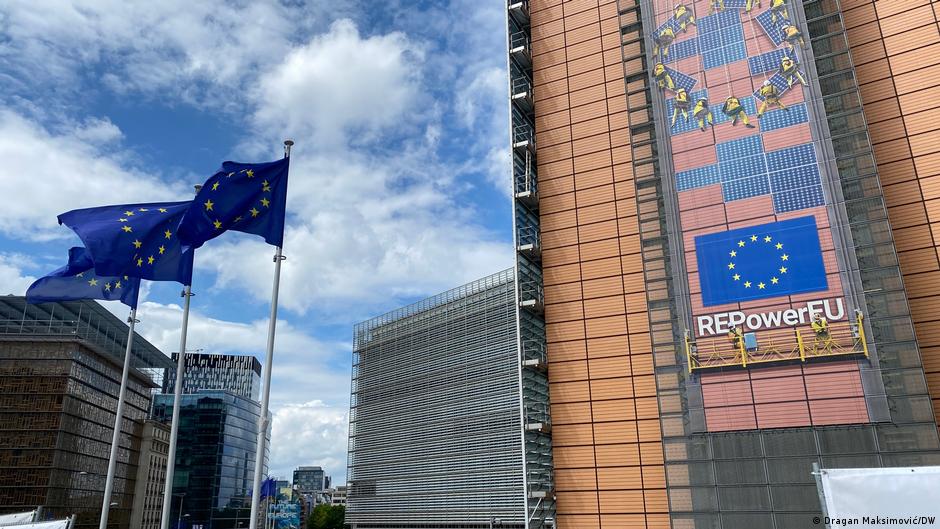
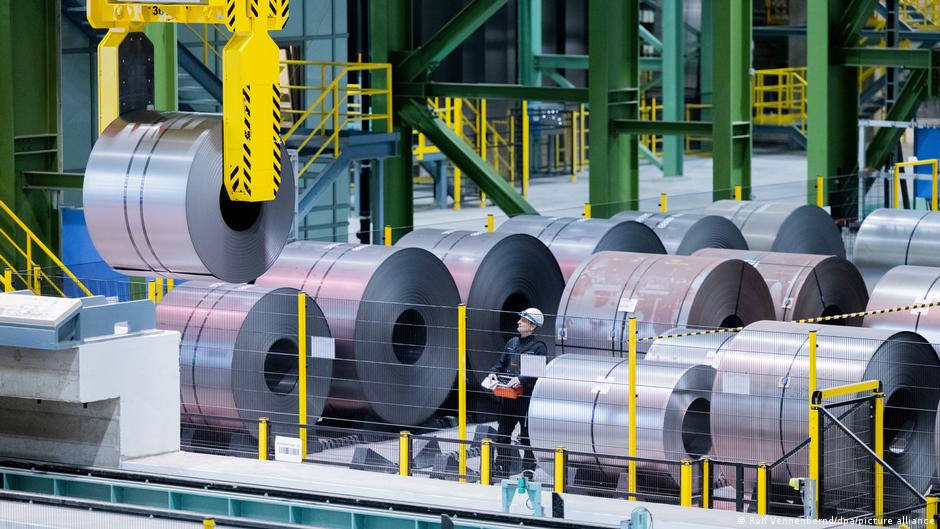
The EU tightens steel import regulations, cutting duty-free quotas by 47% and imposing a 50% tariff on excess imports to protect domestic industry from cheap steel flooding.

Russian ballistic missile attacks on Kyiv and other key Ukrainian regions highlight increasing economic risks and infrastructure damage amid ongoing conflict.

Drone attacks in Russia's Tula region and Ukraine's Kyiv reflect escalating conflict with significant civilian casualties and deep economic and infrastructural repercussions.

Drone attacks on Russian chemical and oil facilities caused fires and disrupted operations, exposing vulnerabilities in critical industrial infrastructure amid geopolitical conflict.

SpaceX’s $75 billion IPO, valued at $1.77 trillion, sets a historic benchmark, reflecting transformative economic shifts in the commercial space industry and broader markets.

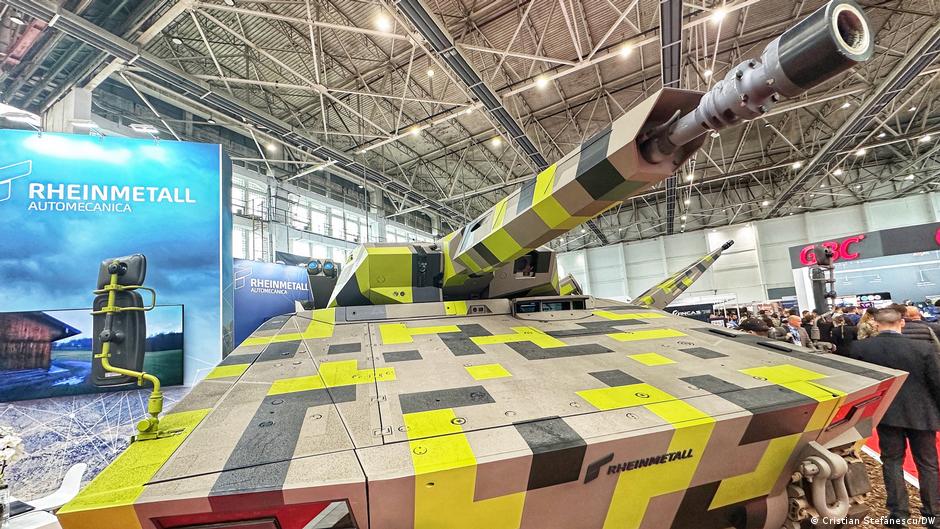
Rheinmetall secures a €5.7 billion arms contract with Romania, funded by the EU's Security Action for Europe program, signaling a strategic push for European defense autonomy.

The EU has postponed appointing a special negotiator with Russia, emphasizing the need to first establish a clear strategy before engaging in talks to end the Ukraine war.

The EU and Mexico finalize a decade-long trade agreement eliminating most tariffs and reducing barriers, aiming to boost exports and investment amid shifting global trade dynamics.

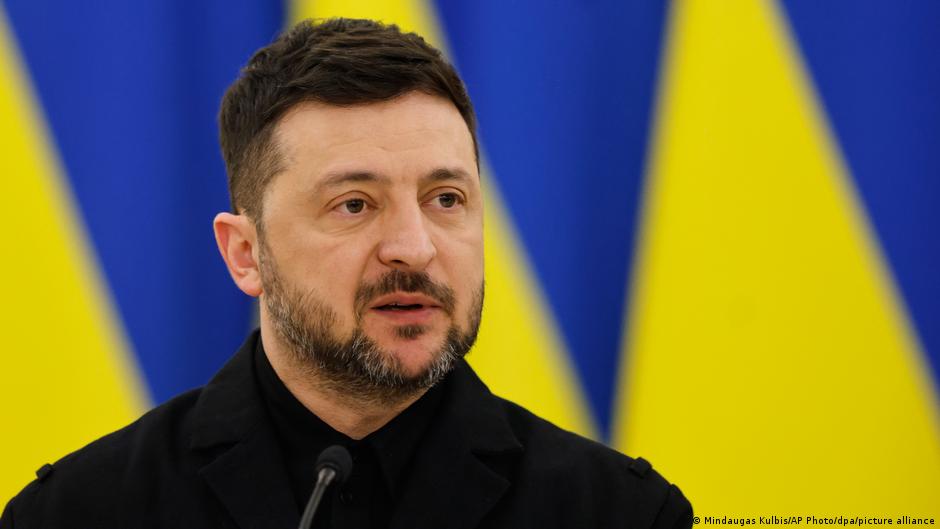
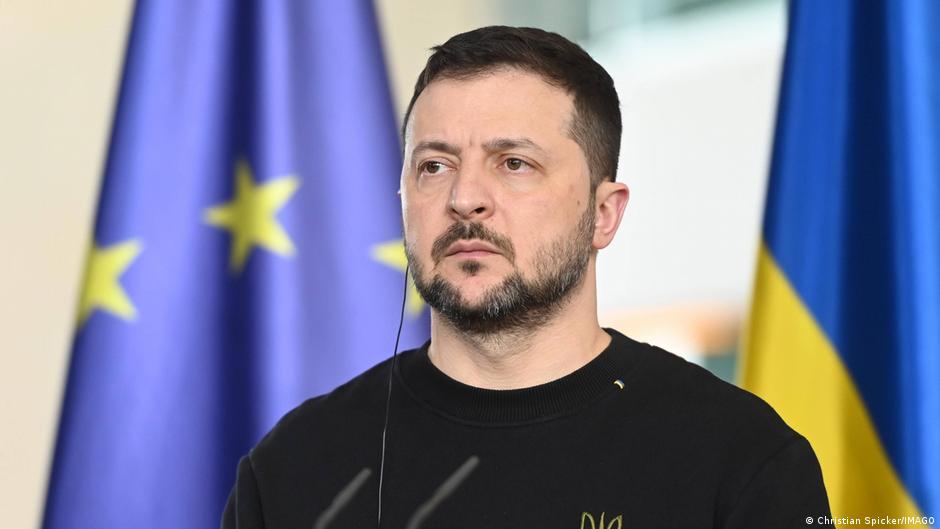
Ukrainian President Zelensky met with German intelligence leaders to advance air defense cooperation and drone production amid escalating aerial attacks on Kyiv.

Ukraine imposes sanctions on 32 Russian companies and 34 individuals tied to the military-industrial complex, extending existing restrictions to disrupt Russia’s defense supply chains.

US intelligence reveals Iran retains about 70% of its missile arsenal, challenging official claims of military degradation and raising strategic concerns over US munitions depletion.

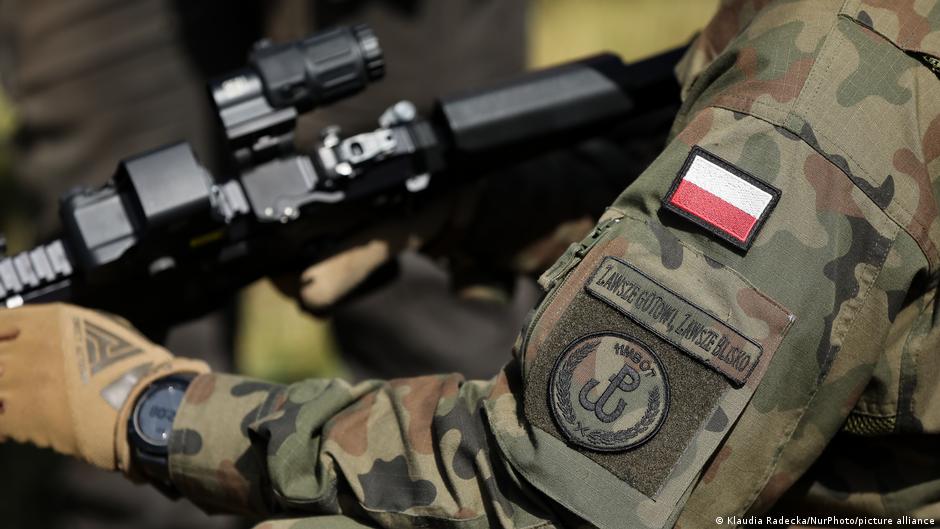
Poland signs a €44 billion EU loan agreement under SAFE to modernize its defense forces despite presidential veto, raising important questions about future fiscal impacts.

Despite Ukraine's unilateral ceasefire on May 6, Russian forces continued attacks, highlighting challenges in conflict de-escalation amid Victory Day tensions and economic disruption.

The ifo Institute warns that US tariffs on EU cars and possible EU retaliation could plunge Germany into recession by 2026, threatening its critical automotive sector amid escalating trade tensions.

Uzbekistan halted gold exports in early 2026, triggering a 29% export drop amid rising imports and shifting trade partnerships, underscoring structural economic challenges.

Russia's public targeting of German defense suppliers to Ukraine exemplifies a broader hybrid warfare strategy aiming to intimidate and disrupt critical arms support amid geopolitical tensions.

The Trump administration wants GM, Ford and other manufacturers to help produce weapons, echoing WWII-era industrial mobilization.