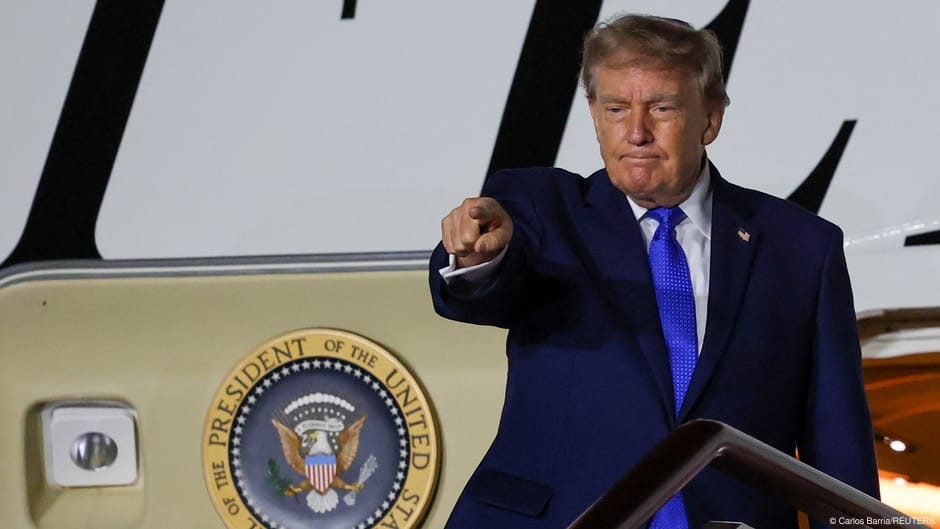
Trump Backs Kyiv’s Role as Great-Power Diplomacy Tests Ukraine’s Agency
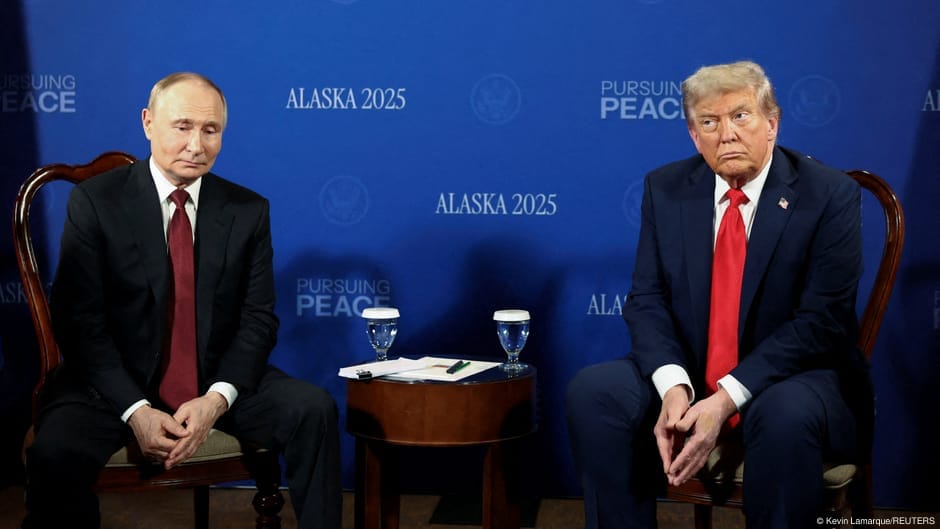
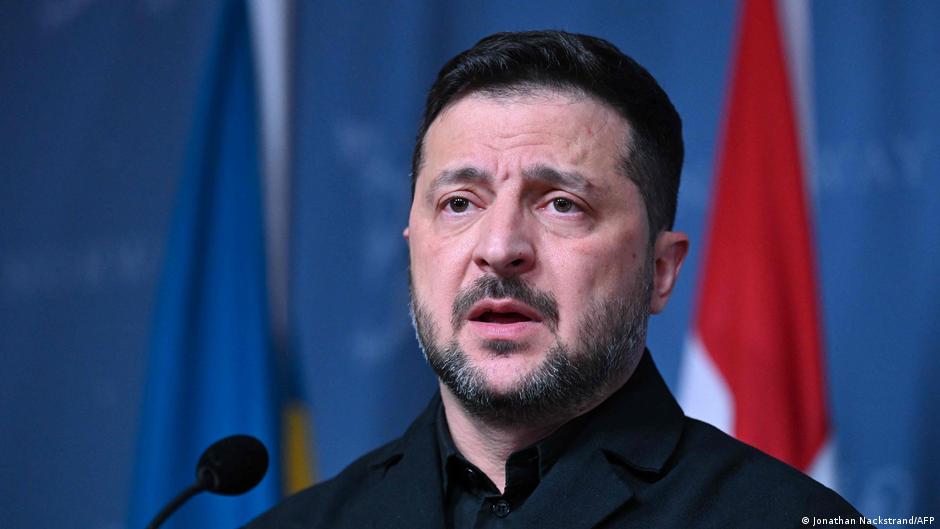
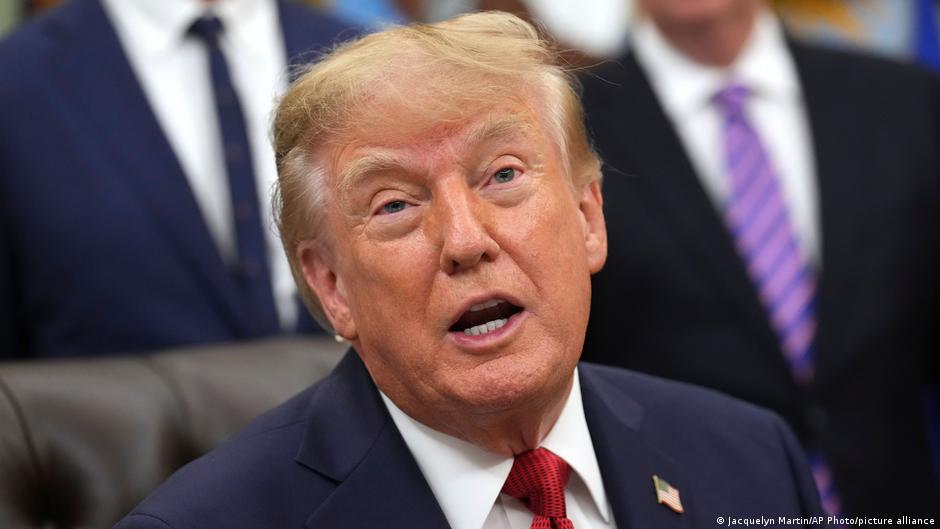
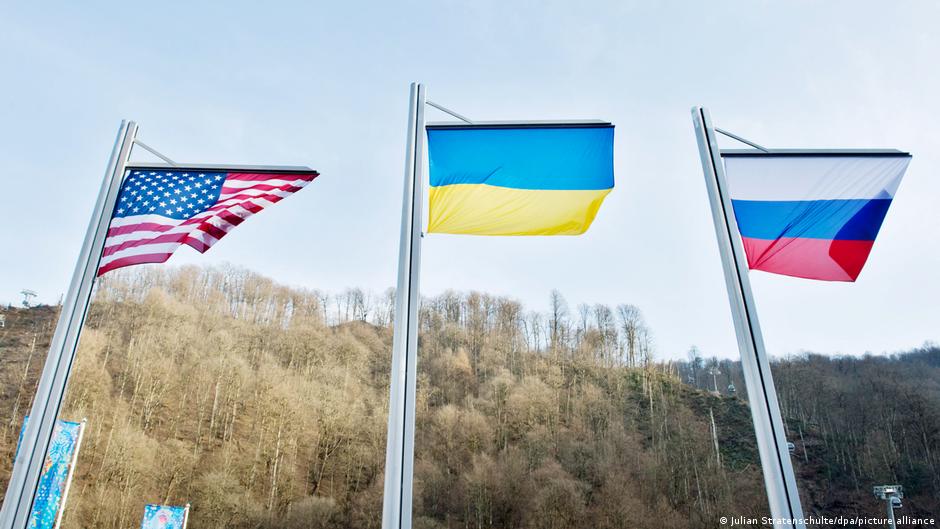
Trump endorsed Kyiv’s right to participate in decisions on the war, even as a US-China-Russia peace declaration omitted Ukraine.

Trump endorsed Kyiv’s right to participate in decisions on the war, even as a US-China-Russia peace declaration omitted Ukraine.

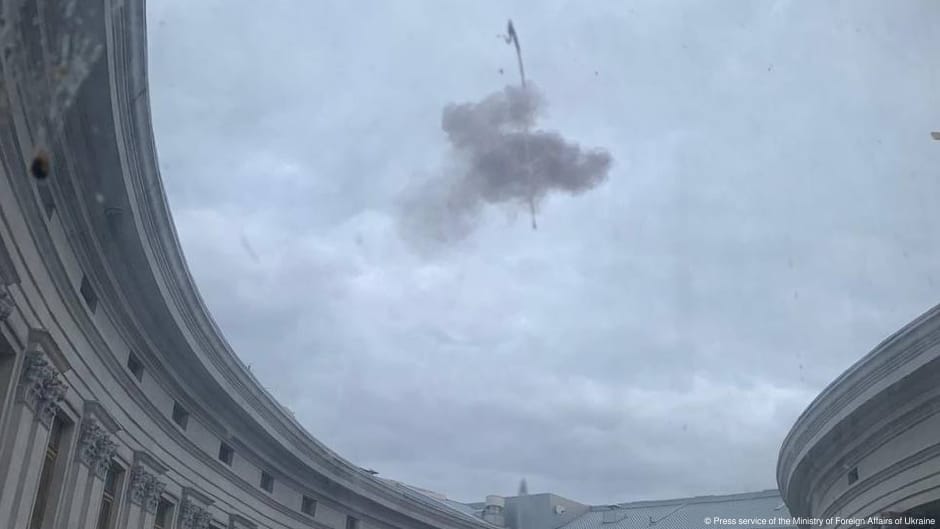
Damage to Kyiv’s bridges and infrastructure is disrupting transport and adding to the long-term economic cost of keeping the capital operational.

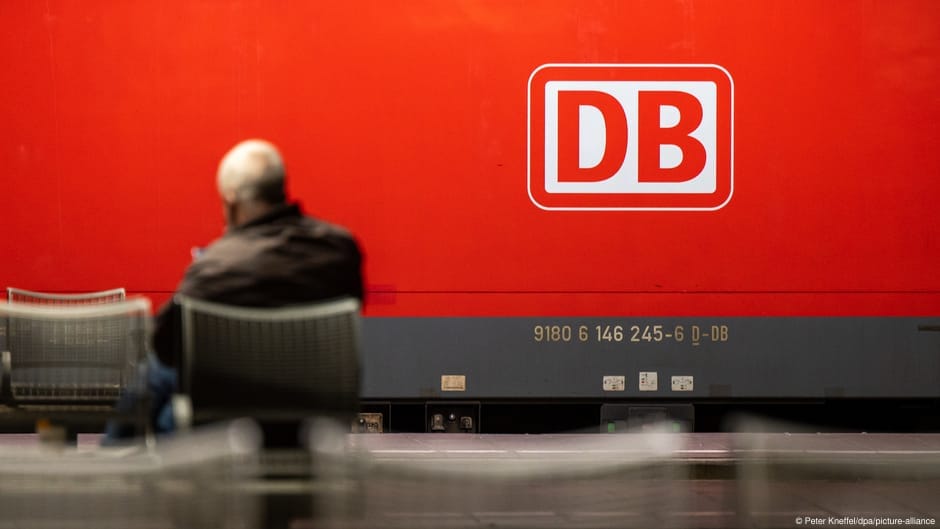
Nearly €400 million passed through DB Cargo Russija since 2022, raising questions about transit revenue, state infrastructure and EU sanctions.

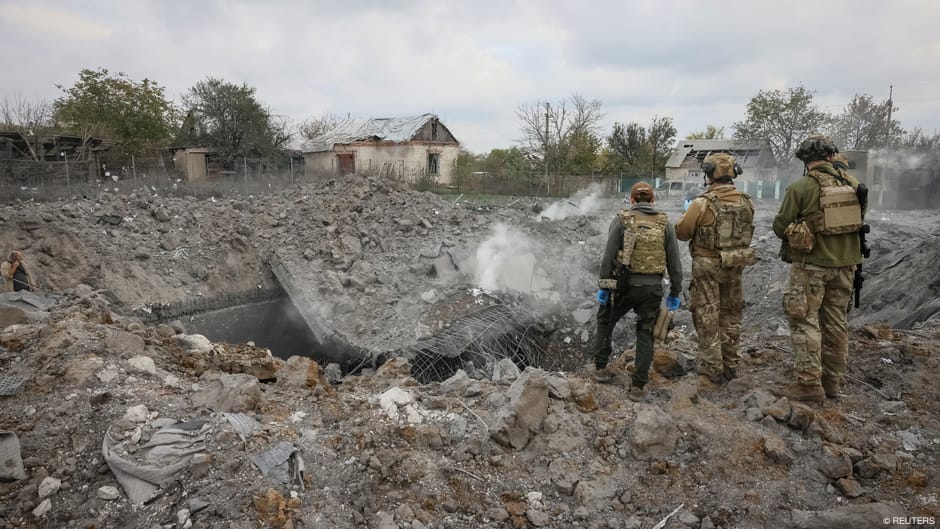
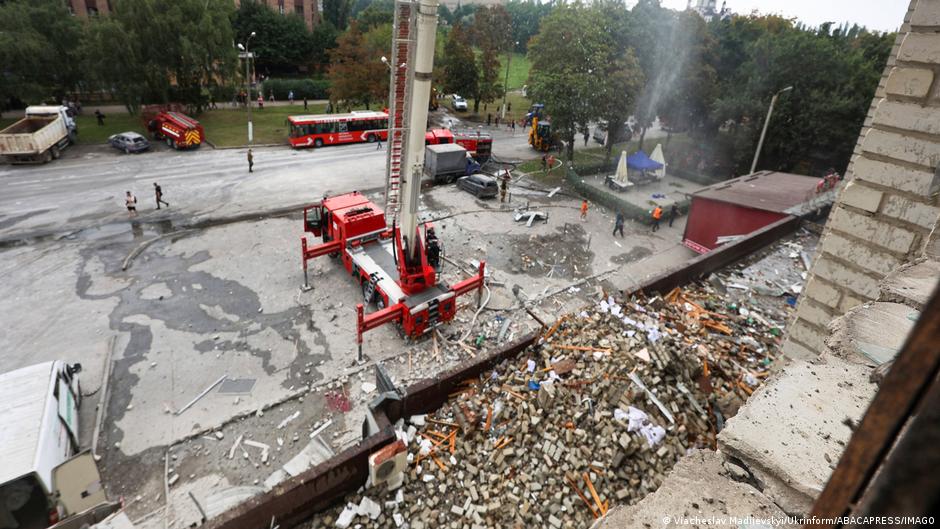
The confirmed death toll from the Kamyševakha aid-center strike reached 72, exposing the compounding economic costs of attacks on civilian infrastructure.

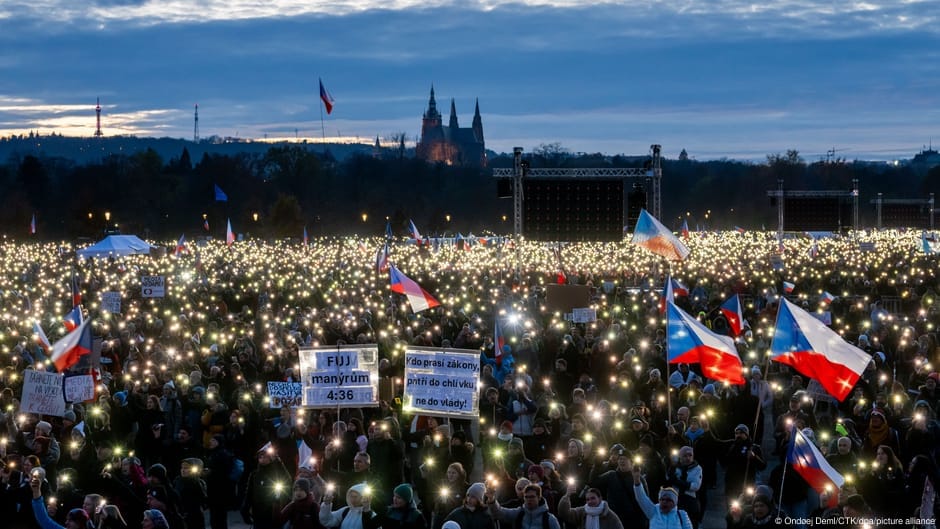
A Czech plan to fund public broadcasters from the state budget has prompted mass protests and warnings of political dependence and long-term institutional damage.

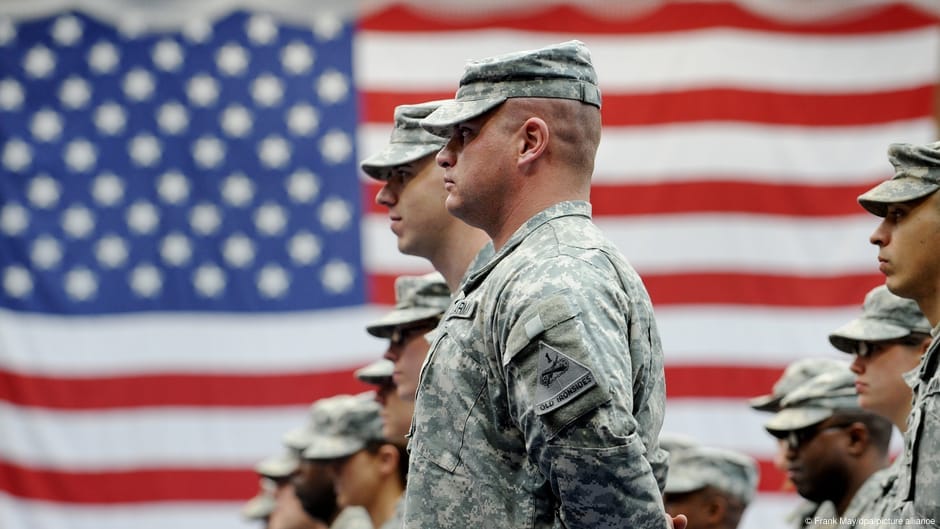
The Pentagon may withdraw about 5,000 troops from Europe, far fewer than expected, as allied defense spending and wider US logistical needs reshape its calculations.

Trump, Putin and Xi are expected to open three-way nuclear arms talks at APEC, while Ukraine remains outside the planned Shenzhen agenda.

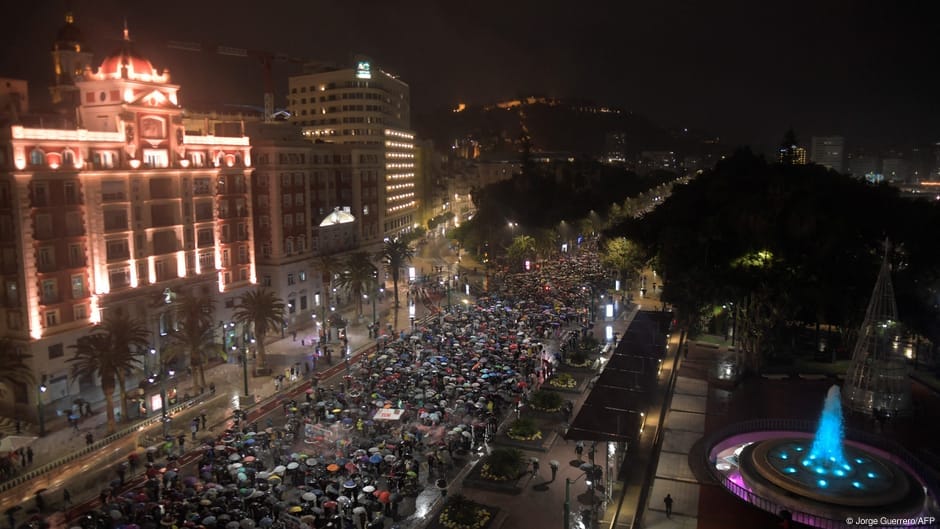
Spain’s first general strike in 14 years brought mass protests over housing costs, as a shortage estimated at 750,000 homes deepens economic and political pressures.

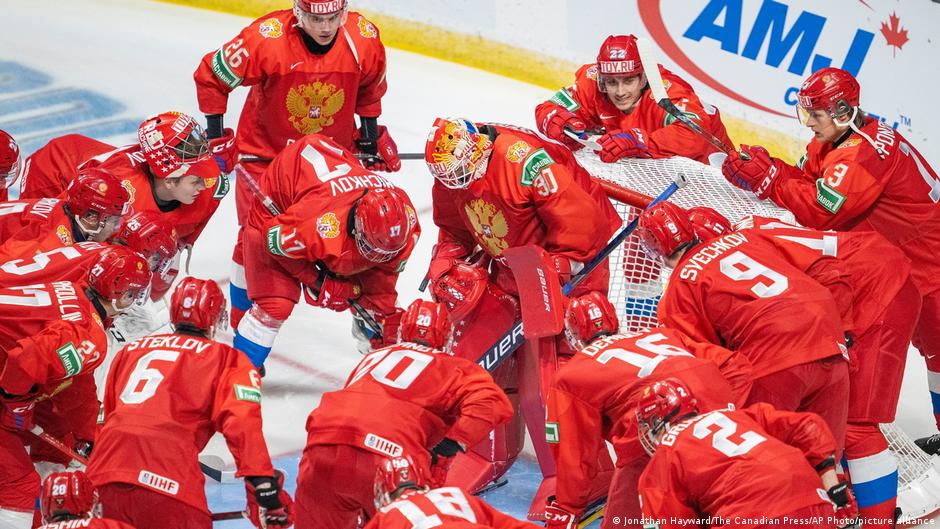
Canada will deny entry to Russian and Belarusian participants at the 2027 World Juniors, highlighting the limits of sports arbitration amid geopolitical sanctions.

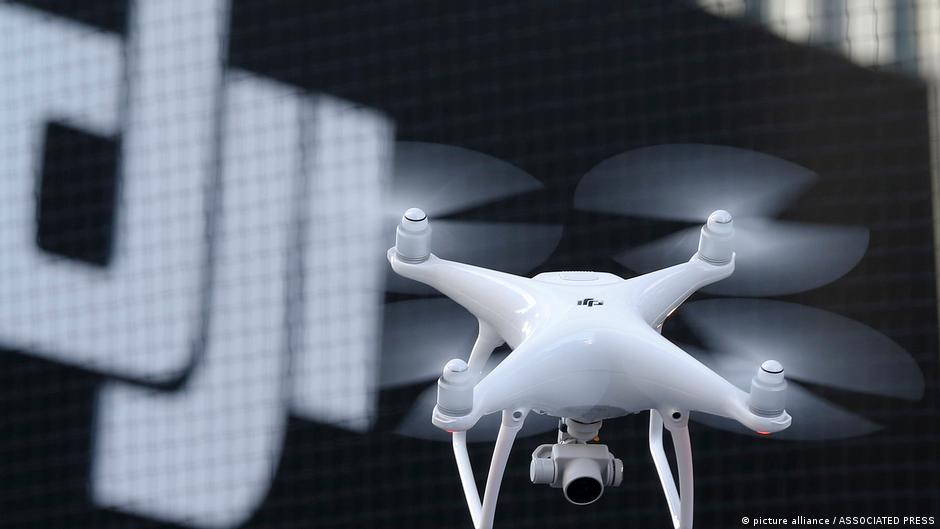
Germany’s military is excluding Chinese drones and cars from defence sites as connected technology turns supply-chain dependence into a security and economic risk.

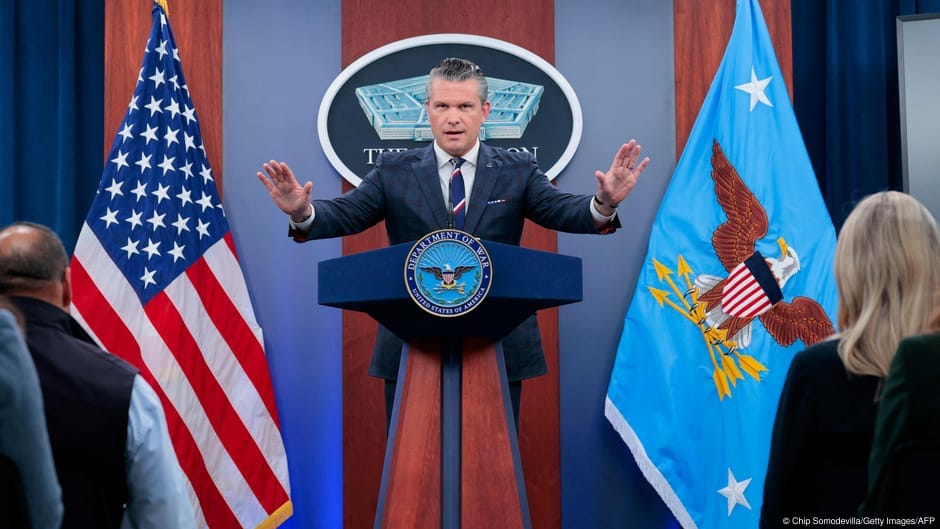
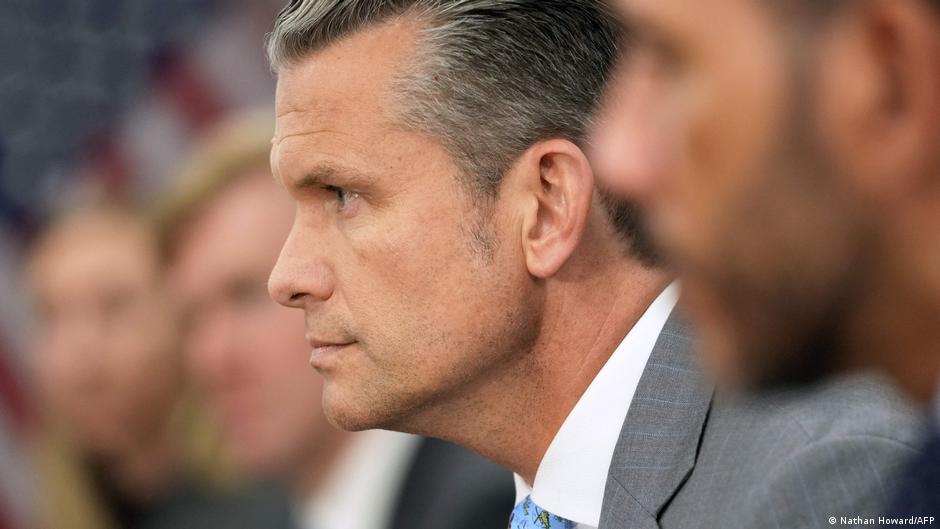
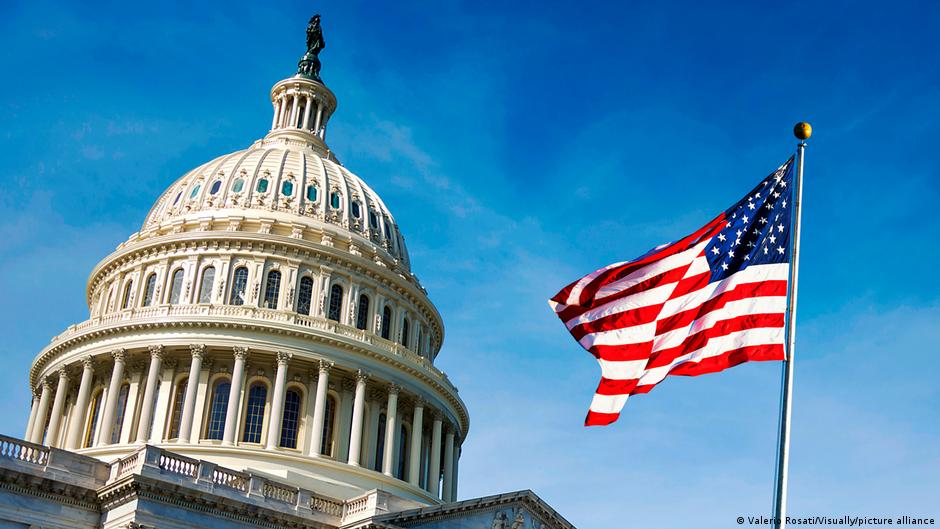
House Republicans have stalled Pete Hegseth’s impeachment, postponing a war-powers dispute until incoming Democratic majorities take office in January.

Thomas Massie’s impeachment resolution against Pete Hegseth turns the Iran war into a wider test of congressional authority, military spending and geopolitical risk.

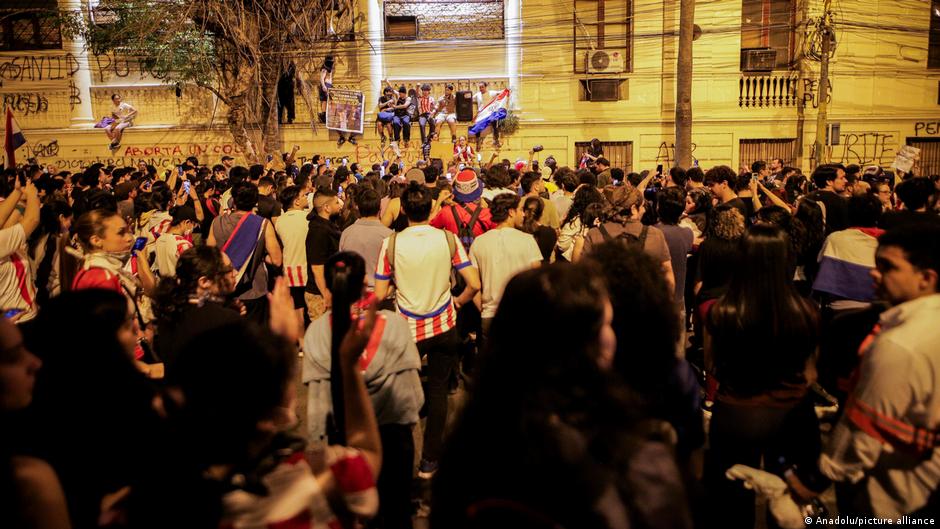
Santiago Peña’s detention turns the Ueno liquidity crisis into a wider test of Paraguay’s banking supervision, political accountability and economic resilience.

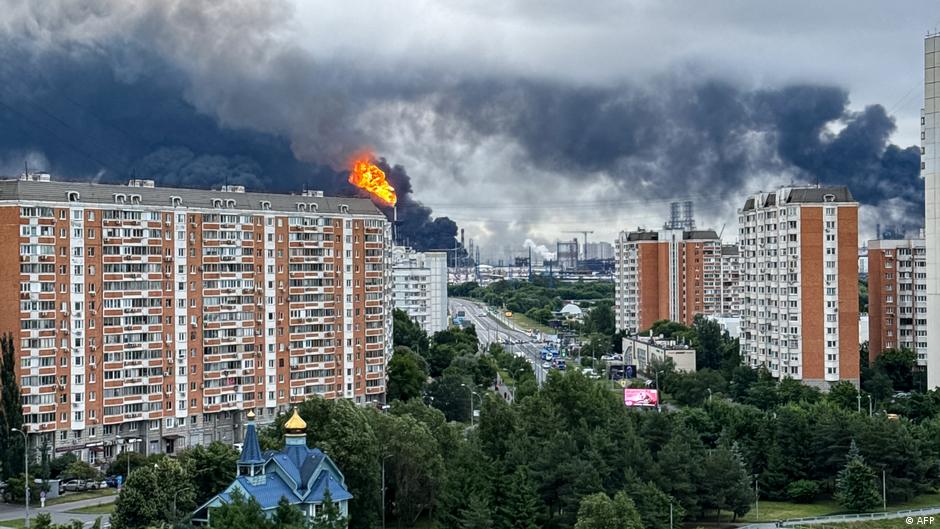
A reported fire at Oryol’s Proton plant underscores the vulnerability of specialized suppliers supporting Russia’s missile and air-defense production.

At least 350 Russian conscripts have been confirmed killed, exposing uncertainties over contract conversion and the war’s long-term labour costs.

The death of Kharkiv educator Alexandra Kazarovitskaya in Crimean detention underscores the wider costs of repression for families, property and human capital.

Zelensky expects Democratic control of Congress to expand US military and financial support for Ukraine and reinforce transatlantic coordination.

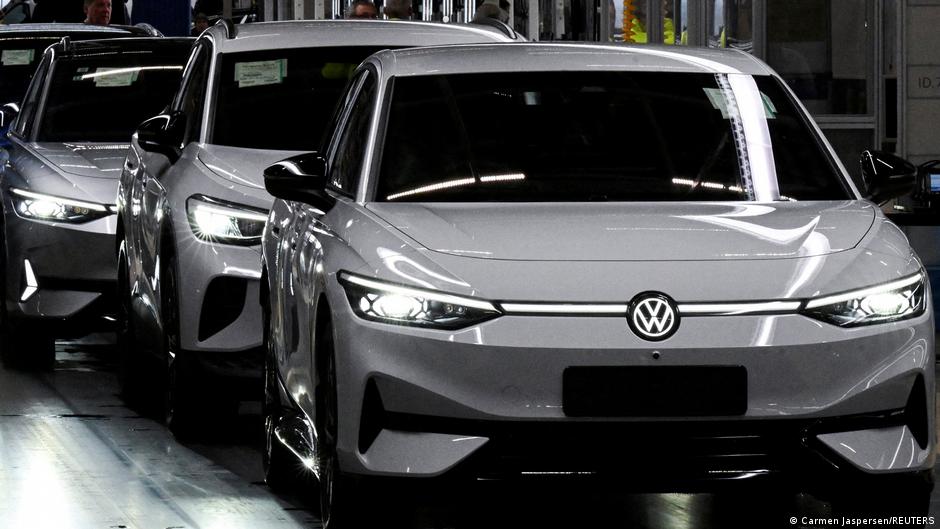
German EV registrations rose about 80% in October, but Chinese brands gained market share as domestic automakers lost ground in the expanding segment.

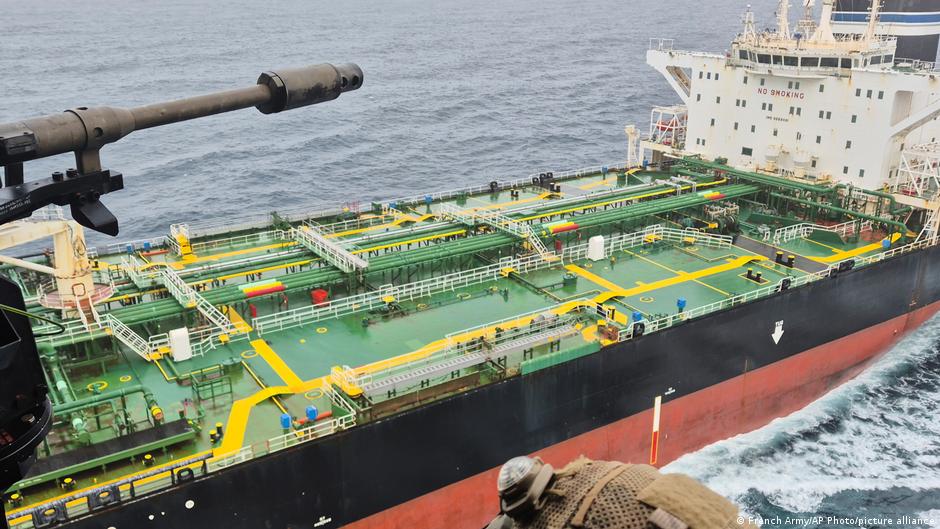
Two Russian fuel tankers have abandoned US-bound routes as sanctions and buyer caution undermine Trump’s effort to reduce soaring diesel prices.

Kazakhstan detained 10 people in Atyrau over an alleged extremist group and closed three underground educational centres for minors.

France’s technical talks with the Taliban reveal the fiscal, legal and diplomatic trade-offs behind Europe’s push to accelerate Afghan deportations.

A federal judge rejected the Trump administration’s attempt to halt certification of Alaska’s pivotal Senate election over alleged voter confusion.

Trump disputed the FBI’s North Korea attribution as Binance reimbursed 90% of a reported $6.3 billion crypto theft, exposing liquidity and security risks.

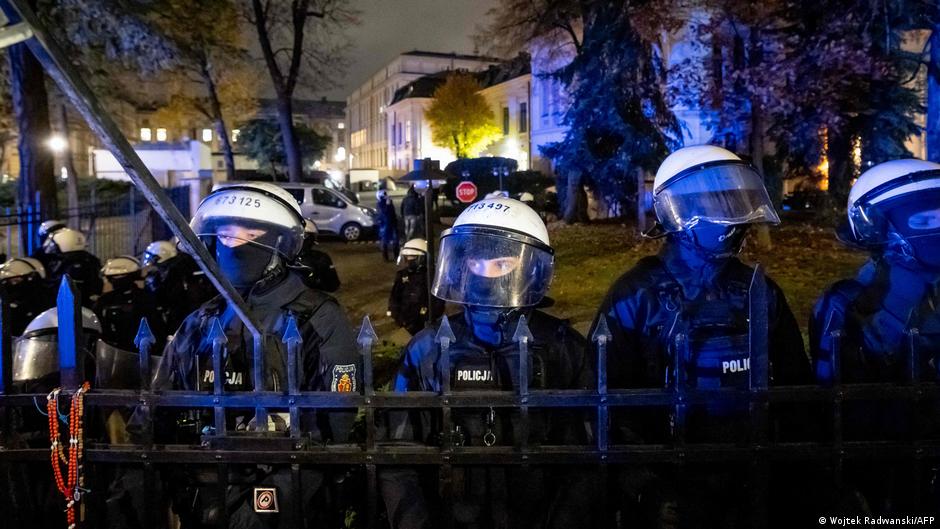
Poland’s Constitutional Tribunal crisis has become a test of judicial authority, political legitimacy and the institutional stability underpinning investment.

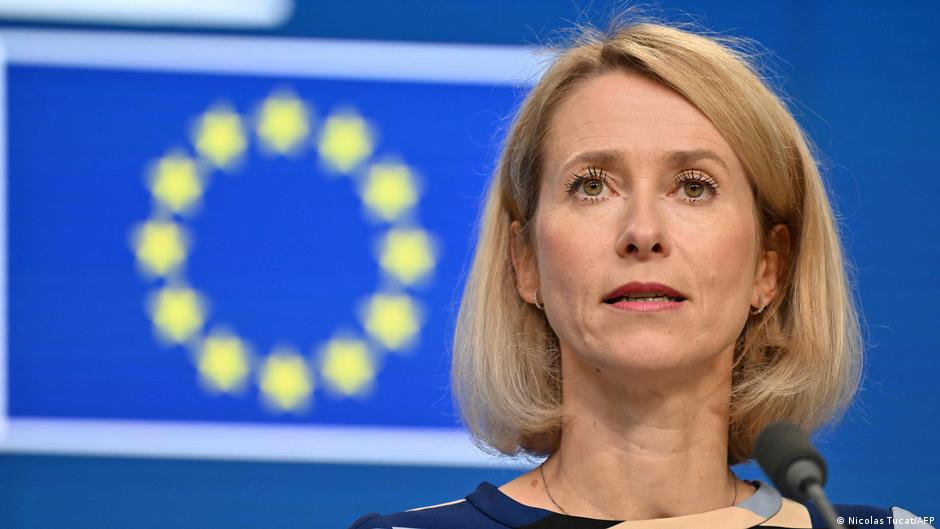
Kaja Kallas said Russia showed no readiness for Ukraine peace talks at the G20 meeting, reinforcing expectations of prolonged economic and diplomatic strain.

Strikes across Ukrainian cities killed civilians and damaged rail, warehouse, commercial and industrial assets, adding to the country’s cumulative wartime economic burden.

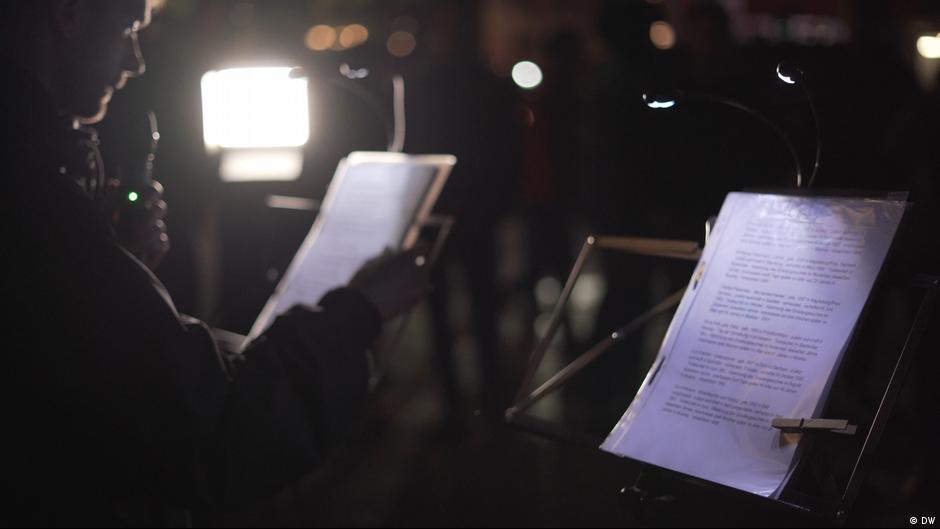
The memorial campaign reached 101 cities as independent events returned in Russia, highlighting the institutional and economic legacy of political repression.

Ukraine’s reported refinery-strike pause shows how US election concerns, fuel prices and Kyiv’s reliance on American technology are reshaping wartime strategy.

Flavio Bolsonaro’s rejection of Lula’s election victory deepens Brazil’s institutional tensions and creates fresh risks for economic policy and investment.

Washington is reviewing sanctions relief for Russia's RDIF as Moscow seeks to involve the fund in diesel supplies to the United States.

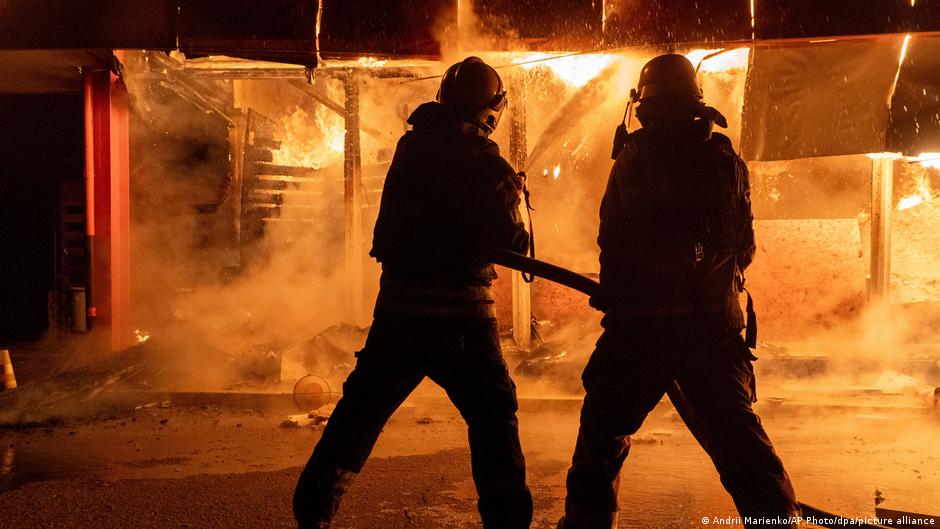
A Russian drone strike injured four people in Kharkiv and set residential and production buildings ablaze, adding to the city’s cumulative economic burden.

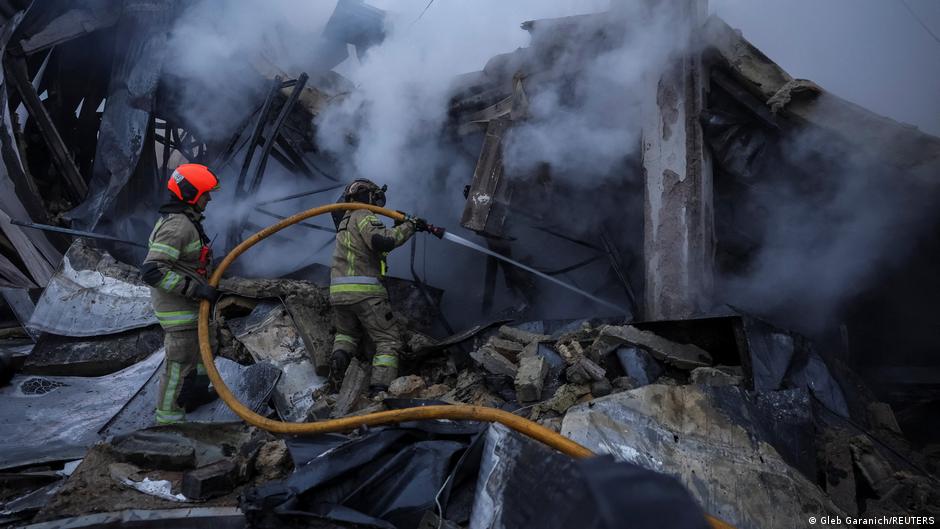
Missile strikes killed at least three people in Kyiv and Kharkiv, adding damaged housing and public infrastructure to Ukraine’s mounting urban economic burden.

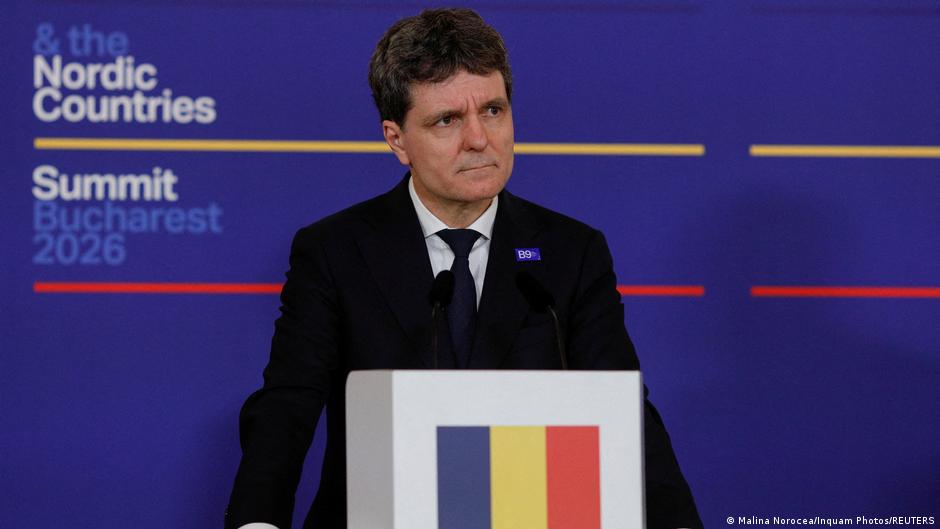
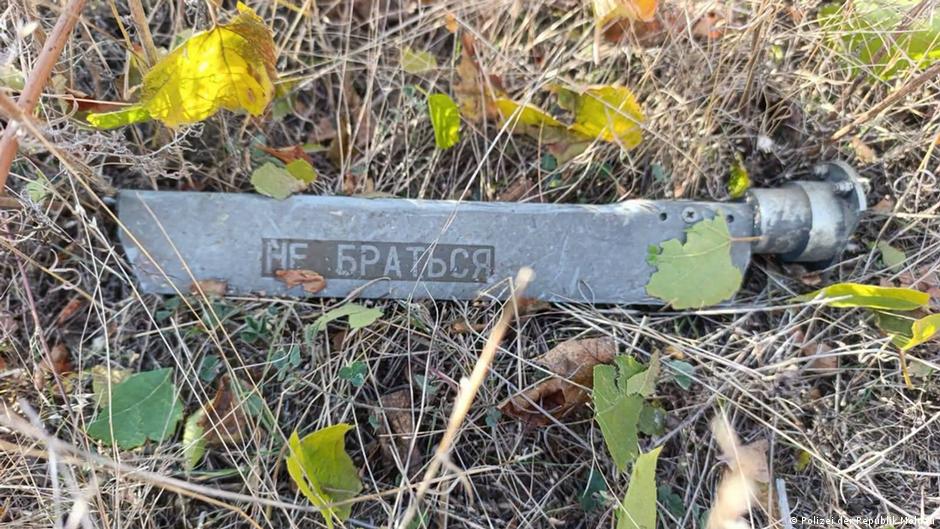
Romania says a Russian-coordinated network targeted an arms factory, underscoring the economic and security risks facing Europe’s defense supply chains.

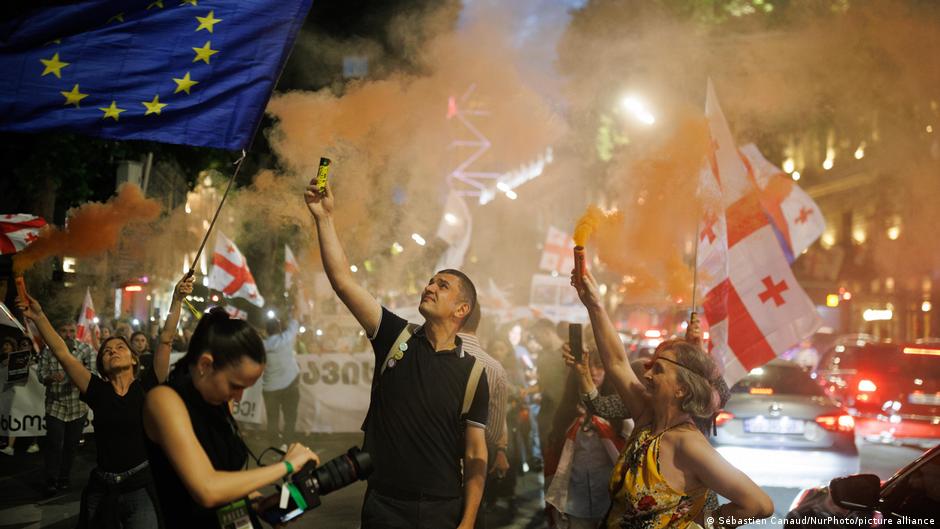
Georgia’s opposition has begun a new protest campaign as the Constitutional Court considers a case seeking to ban opposition parties.

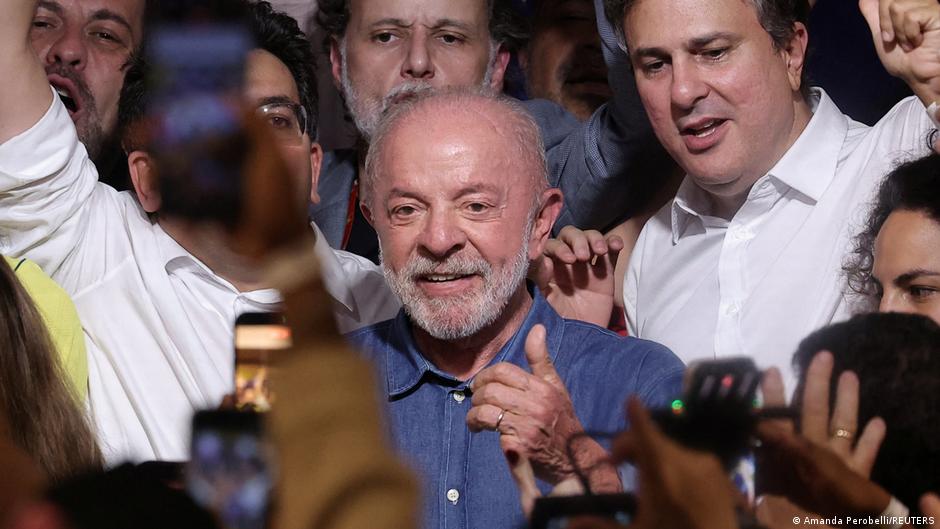
Lula won Brazil’s runoff with 51.8%, but Flávio Bolsonaro’s annulment demand raises fresh institutional and economic uncertainty.

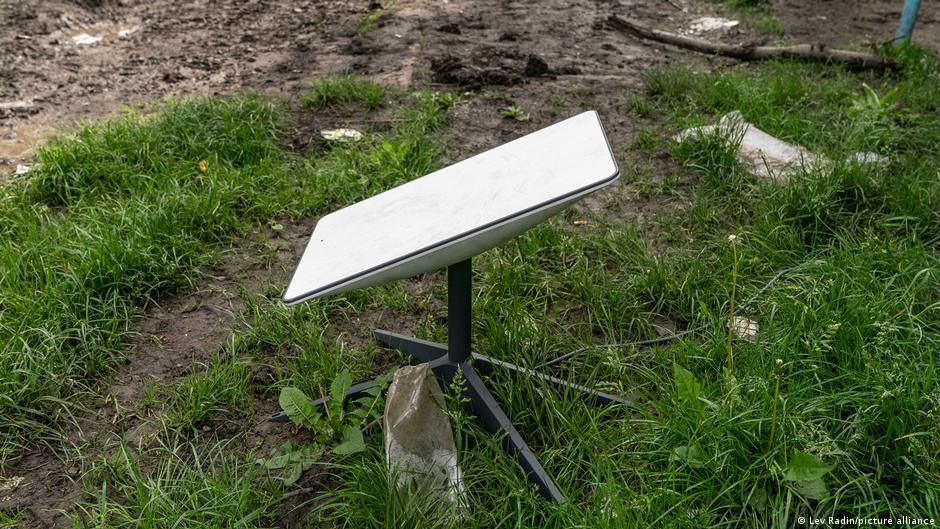
Kyiv says Starshield speed limits remain in place as delayed interceptor missiles expose Ukraine’s reliance on fragile external supply networks.

A possible November negotiating round could test whether US, Ukrainian and Russian delegations can move from technical diplomacy toward a leaders’ summit.

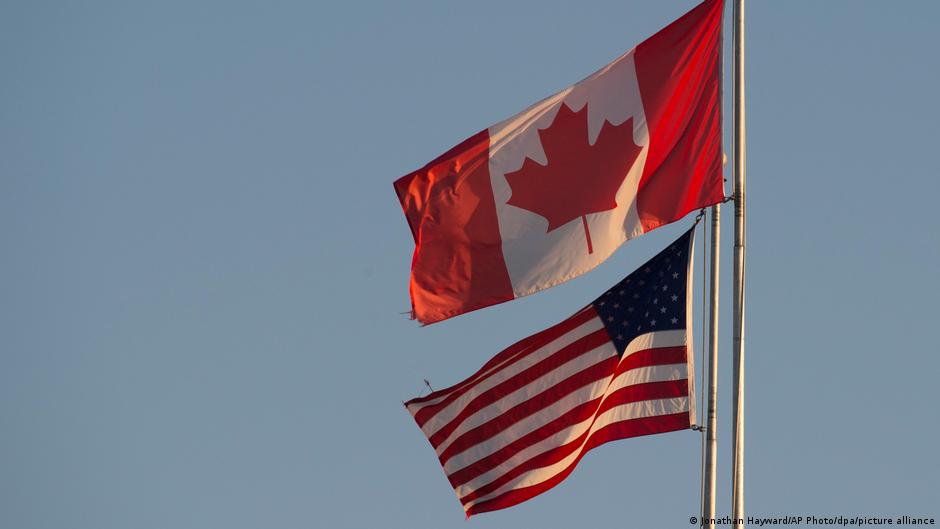
Washington will remove 50% duties from selected Canadian industrial goods while imposing tariffs on new consumer-product categories from October 30.

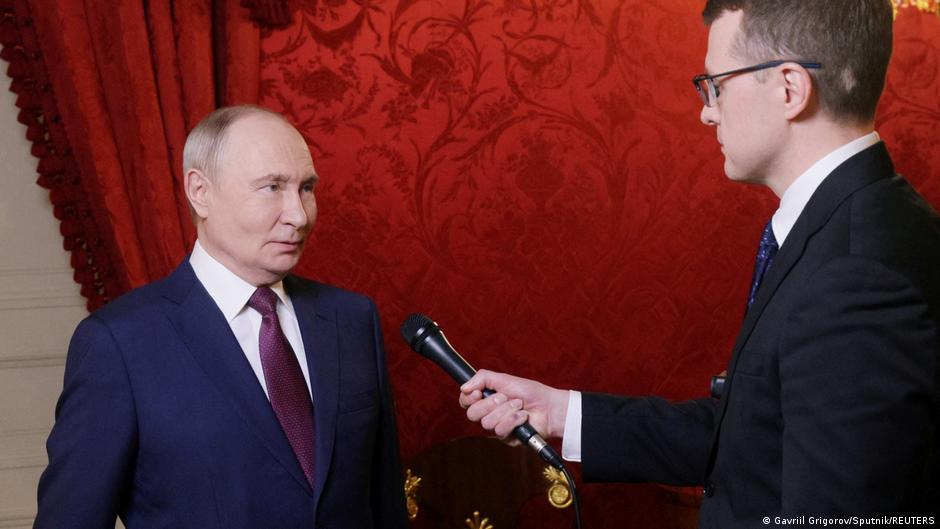
Putin backed renewed US-mediated talks with Kyiv but rejected freezing the war along the current front, leaving territorial demands as the central obstacle.

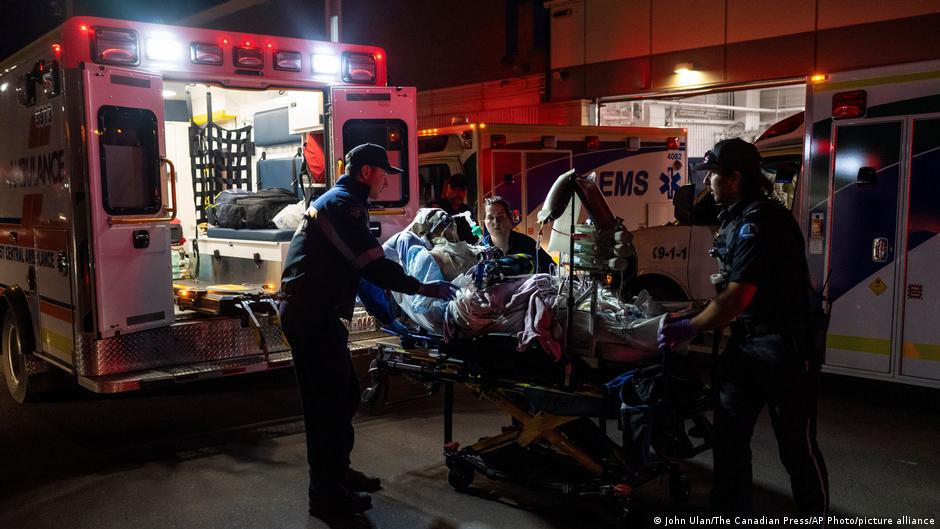
Four Canadian soldiers were killed and dozens injured as a fast-moving wildfire swept through an army exercise at Base Wainwright in Alberta.

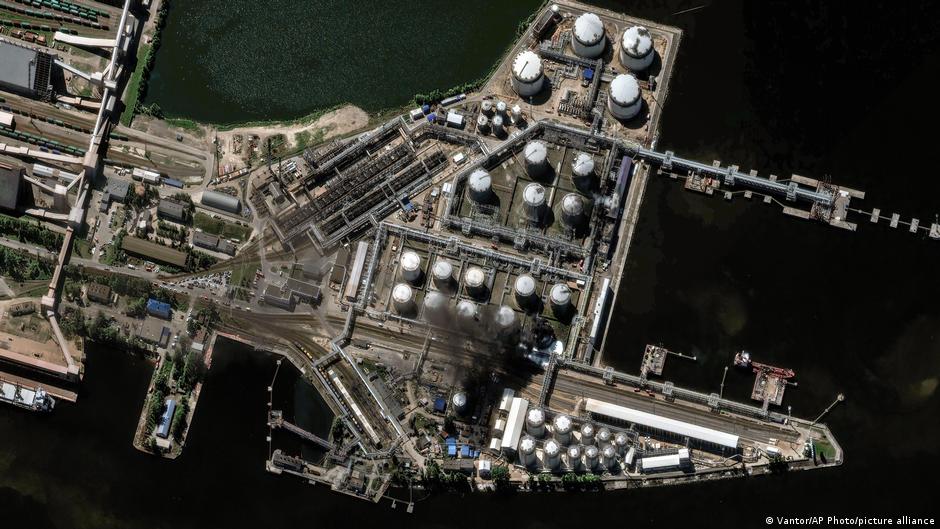
The attack disrupted energy, digital, power and transport infrastructure, exposing the economic risks created by concentrated urban networks.

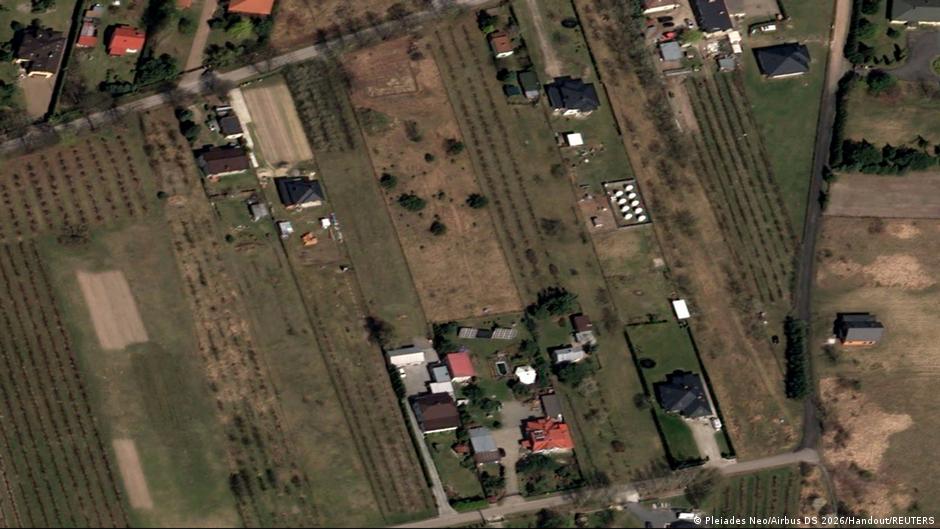
The suspected arson attack near Warsaw shows how limited physical sabotage can generate wider costs for infrastructure security, insurers and European governments.

Russia’s designation of two StopTime musicians as “foreign agents” shows how political enforcement can reshape cultural work and accelerate creative migration.

Five drone incursions in one day highlight the mounting security, fiscal and investment risks Moldova faces as Russia’s war against Ukraine spills across borders.

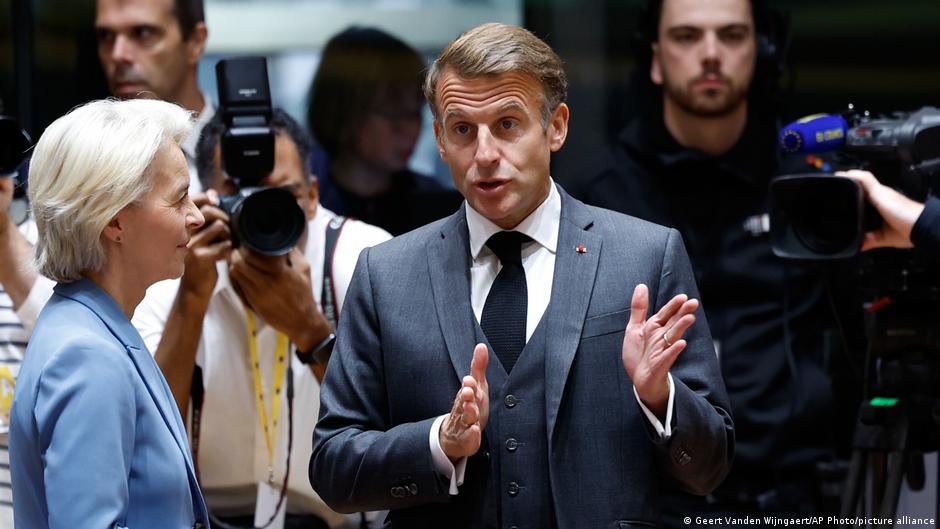
EU leaders remain divided over a nearly €2 trillion seven-year budget as fiscal restraint, proposed bloc-wide levies and election risks complicate a compromise.

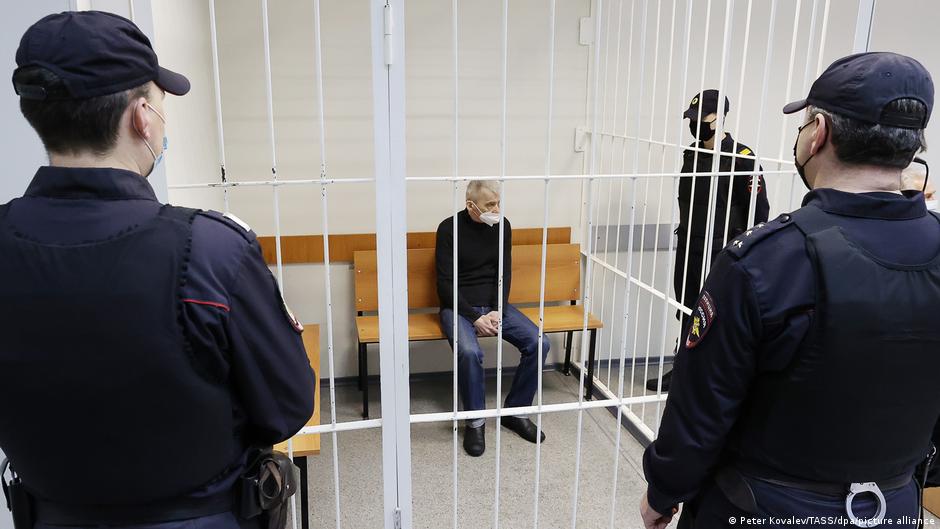
Yury Dmitriev was returned to a Russian penal colony without a diagnosis after suspected stroke symptoms, rights advocates said.

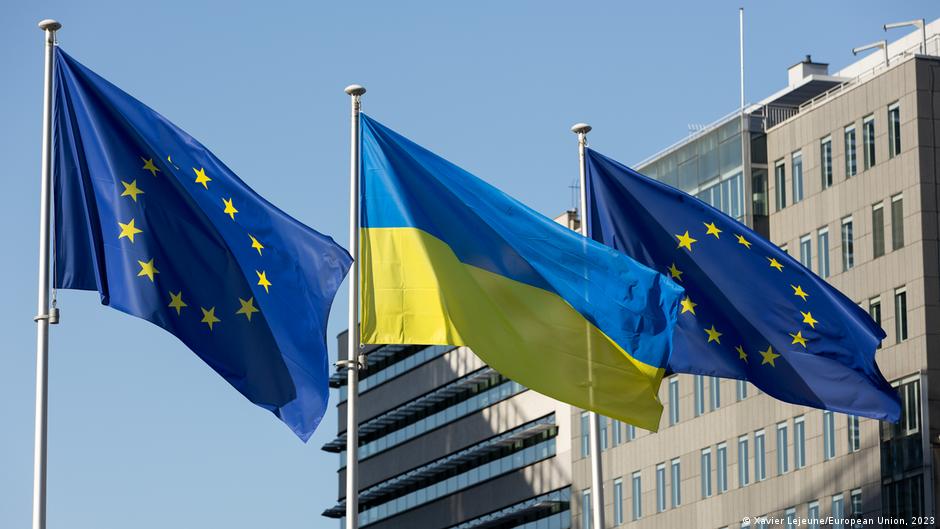
EU states agreed to open internal market and competitiveness accession clusters for Ukraine and Moldova, deepening reform and economic integration talks.

Reported U.S. pressure over Ukraine’s PURL weapons pipeline turns refinery strikes and an energy truce into a test of economic leverage.

Germany’s long-term welfare rolls have reignited debate over Bürgergeld, work requirements and the structural barriers keeping people out of work.

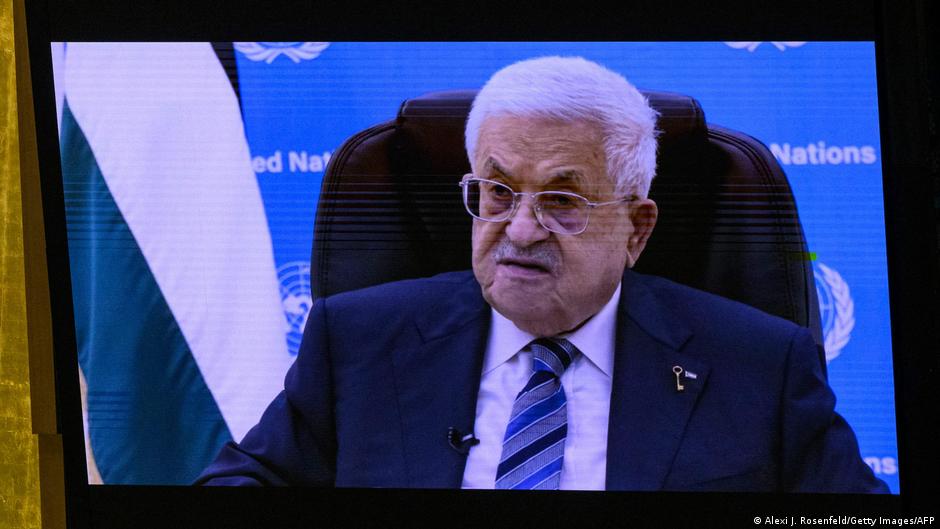
Palestinian elections have been delayed until September 2027, extending political uncertainty around Gaza’s governance and reconstruction.