Berlin Left Party win points to sharper economic fights over housing
The Left Party’s Berlin victory puts housing expropriation, coalition arithmetic and fiscal risks at the center of the city’s next government.

The Left Party’s Berlin victory puts housing expropriation, coalition arithmetic and fiscal risks at the center of the city’s next government.

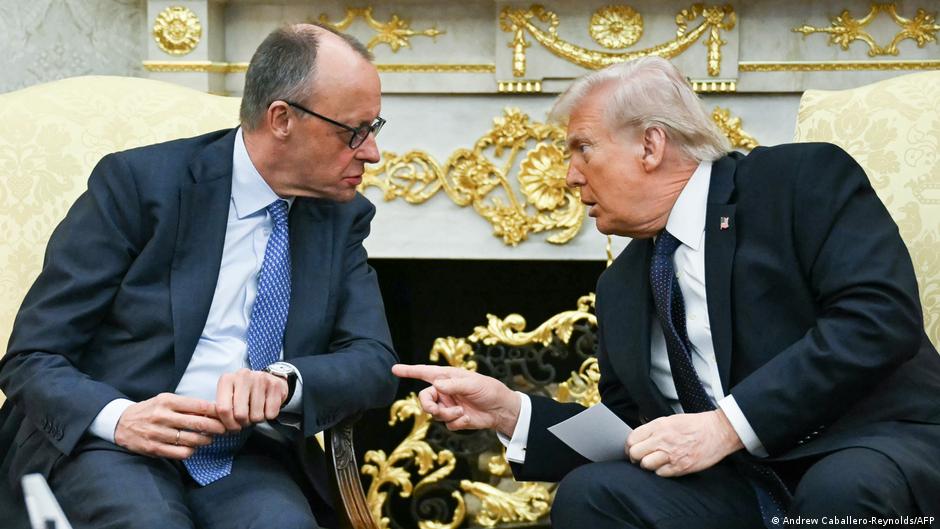
Merz says unconditional transatlantic friendship is over, framing U.S. tensions as a test of Germany’s security and economic model.

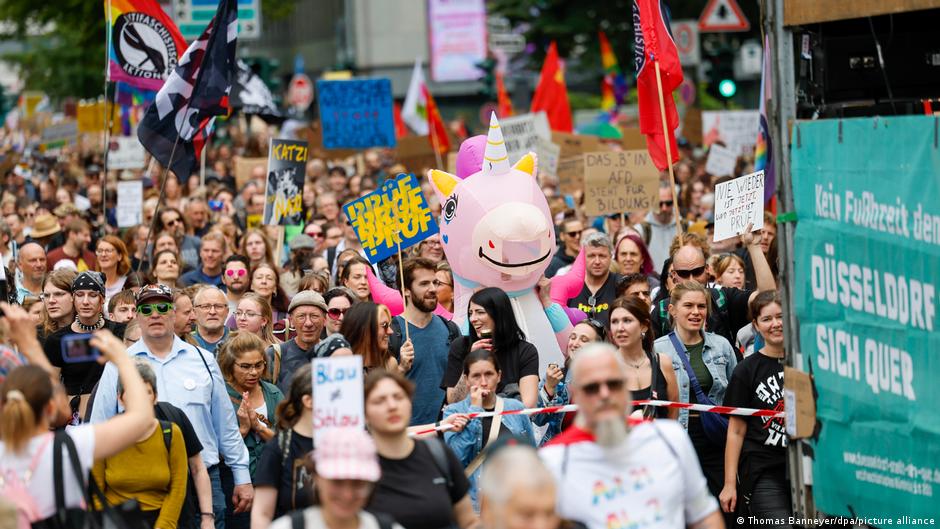
Mass protests across Germany against right-wing extremism show how the AfD debate is becoming an institutional and economic risk.

Germany’s foreign minister says Ukraine aid should also benefit German defense firms, linking support for Kyiv to industrial policy and taxpayer accountability.

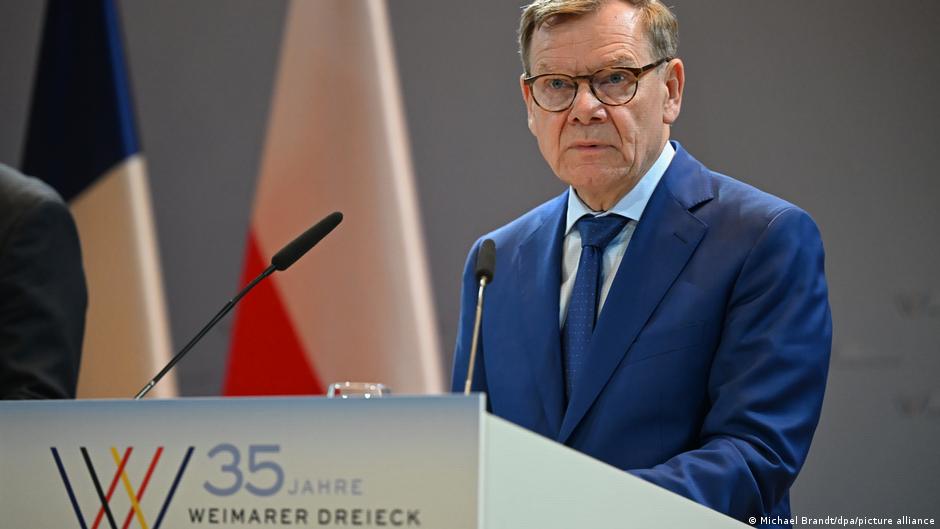
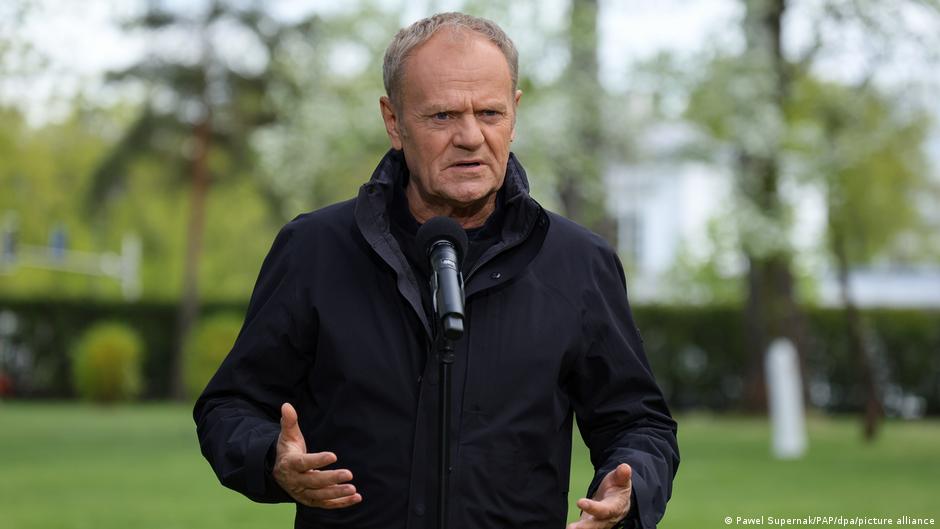
AfD’s projected win in Saxony-Anhalt drew sharp reactions from Poland, France and the Czech Republic, exposing wider European economic and political strains.

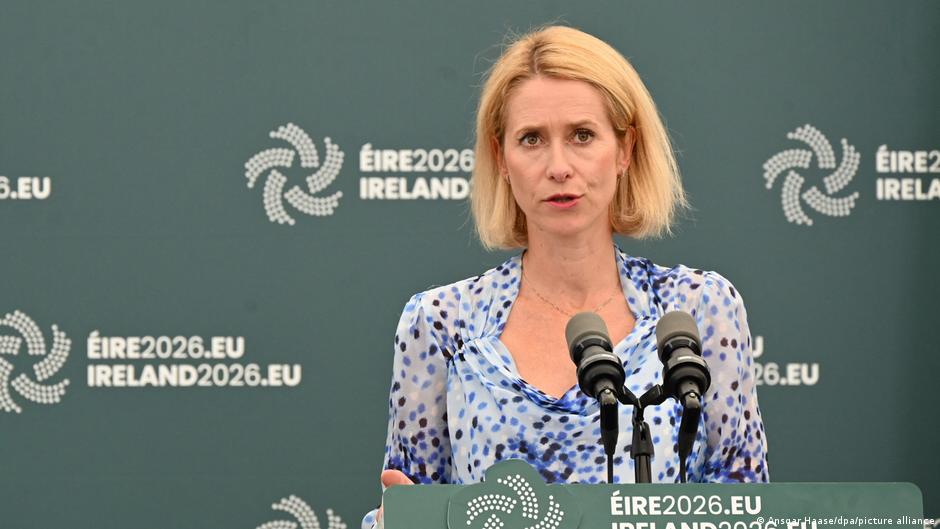
Kaja Kallas cancelled an EU defence expert group after German and Italian resistance, exposing deeper disputes over Europe’s defence economy.

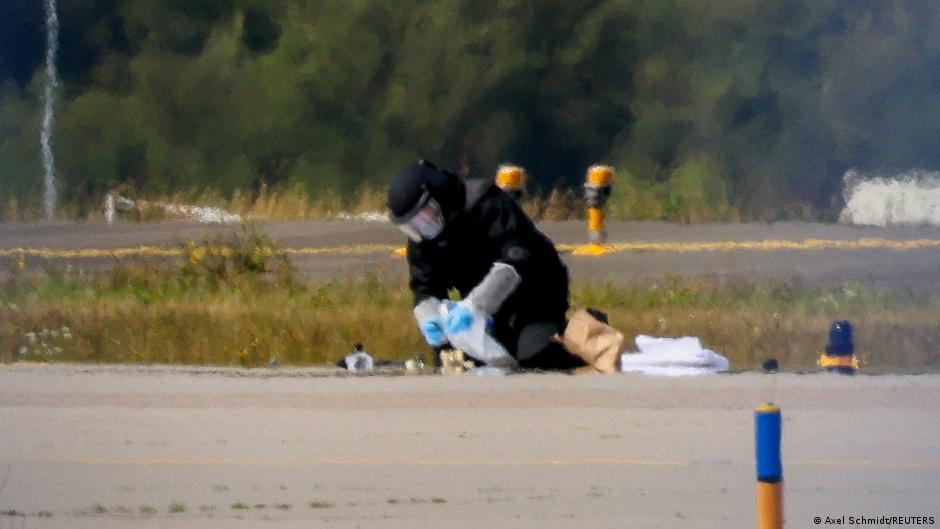
Germany plans a broad anti-sabotage shield after the Leipzig drone incident, with major implications for infrastructure, cyber defense and business costs.

Latvia says a suspect in the Leipzig sabotage case had been living in Russia, deepening scrutiny of Europe’s logistics, visa and sanctions systems.

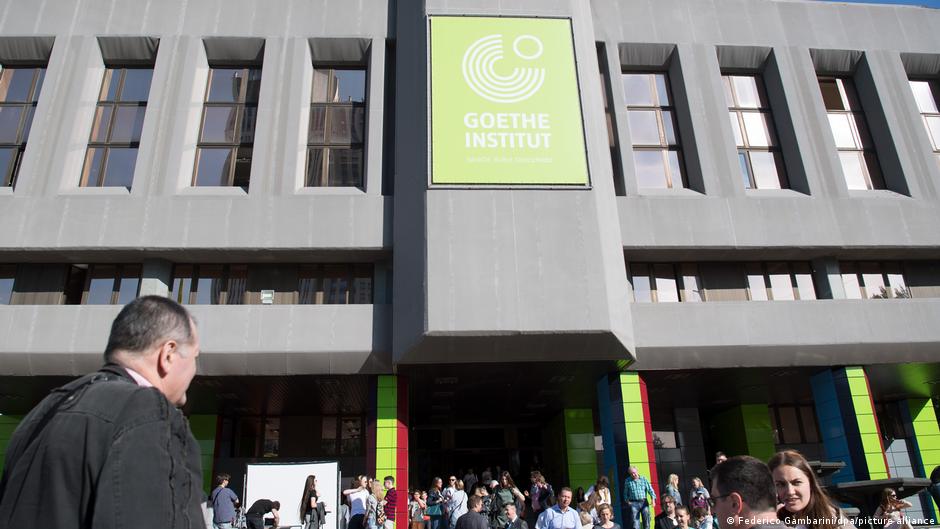
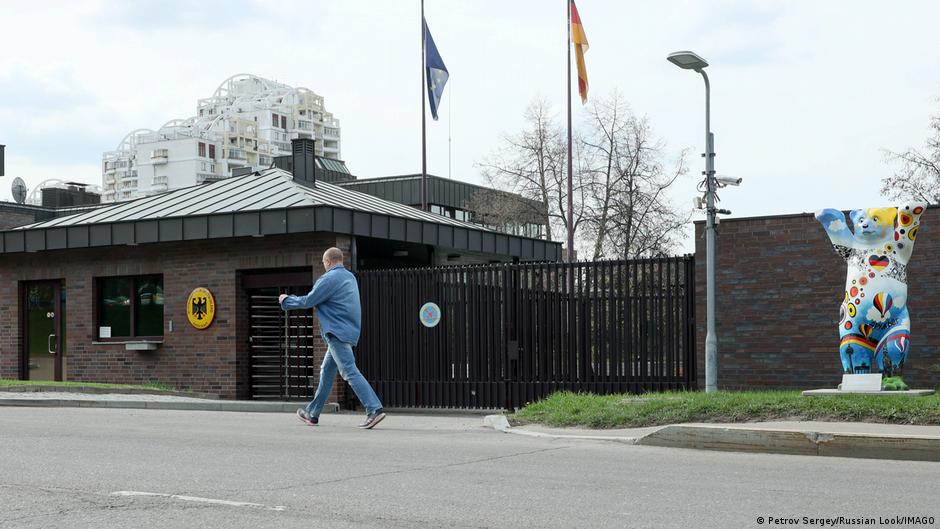
Russia says it will close Goethe-Institut branches after Berlin moved against the Russian House agreement amid a broader sanctions escalation.

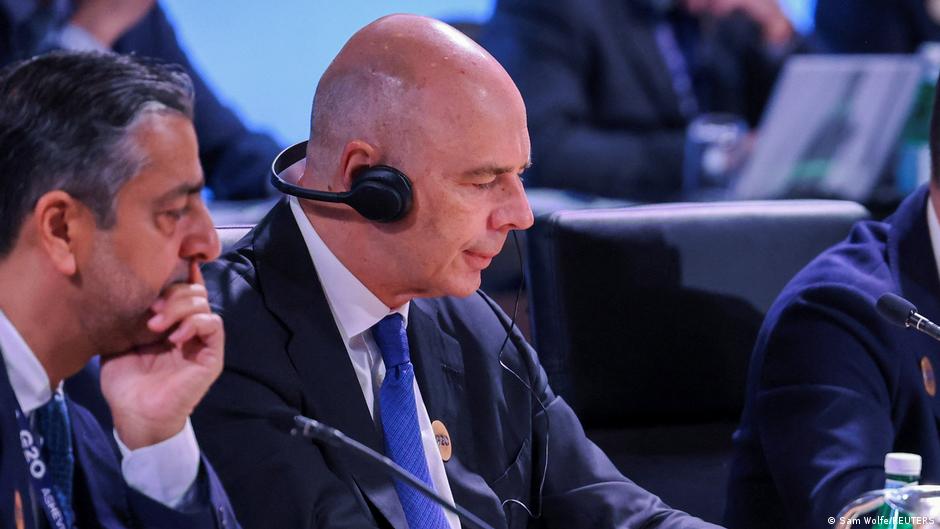
Bessent reportedly told Siluanov that U.S. sanctions pressure on Russia will not ease before the war in Ukraine ends.

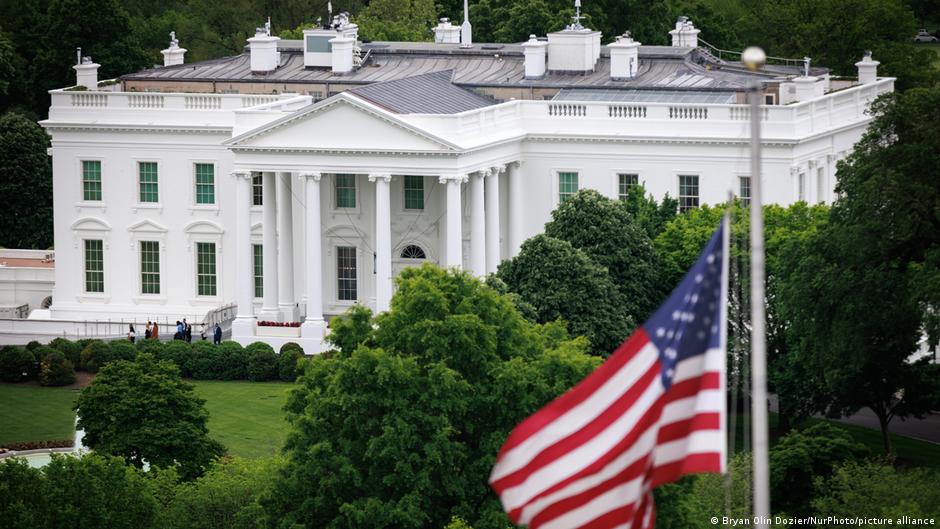
The US Supreme Court has allowed President Trump to proceed with White House renovations including a ballroom and military bunker, overturning lower court rulings.

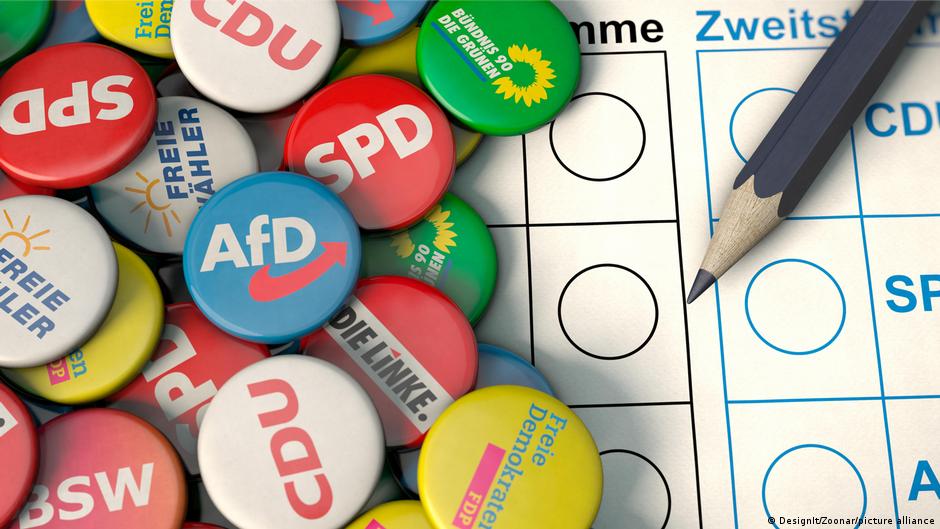
Germany’s CDU/CSU support falls to 20%, with far-right AfD leading polls ahead of key state elections, reflecting volatile voter behavior and shifting political allegiances.

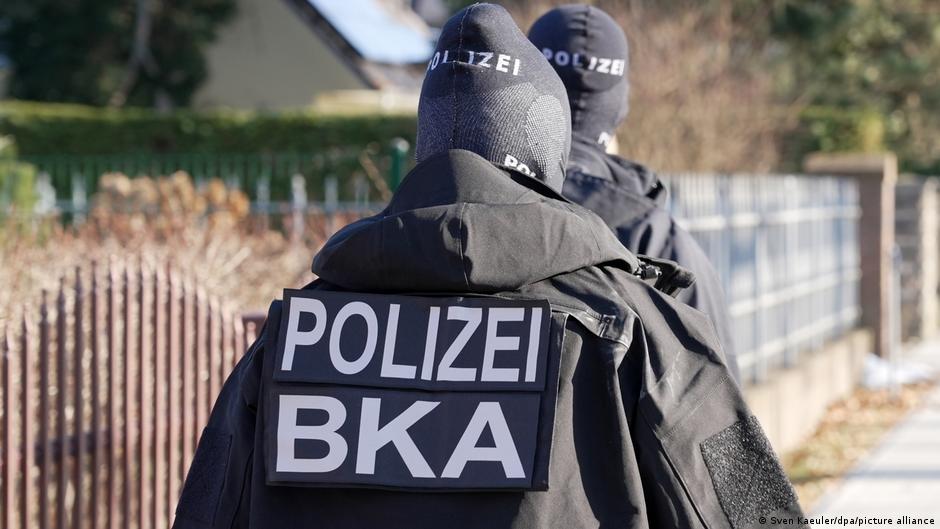
Germany’s Federal Criminal Police Office reports 410 Islamist threats amid rising radicalization consultations and debates on prevention strategies after a deadly Berlin attack.

Russian-linked bot networks have intensified disinformation efforts targeting German regional elections, spreading fake media to sway voter opinions in eastern states.

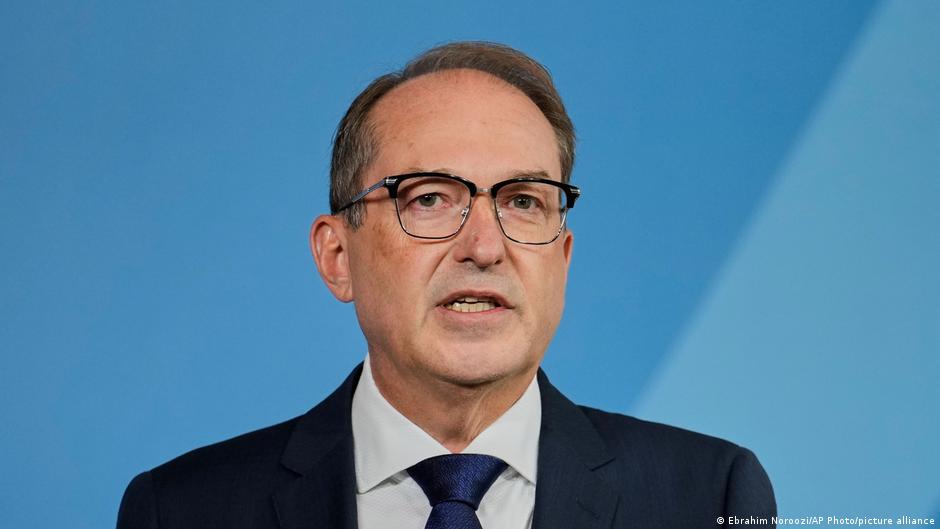
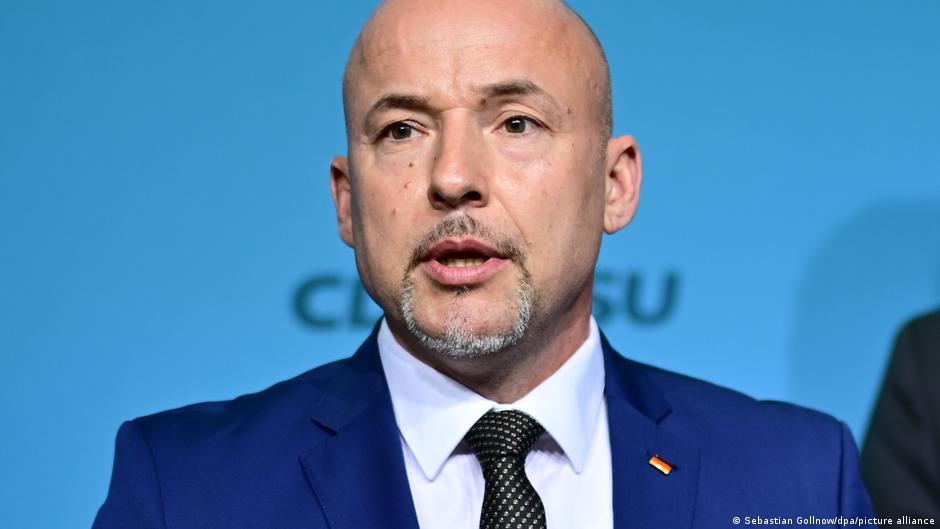
CSU leader Alexander Hoffmann urges Ukraine to transfer advanced drone technologies to Germany under an intergovernmental agreement, aiming to enhance Bundeswehr's defense capabilities.

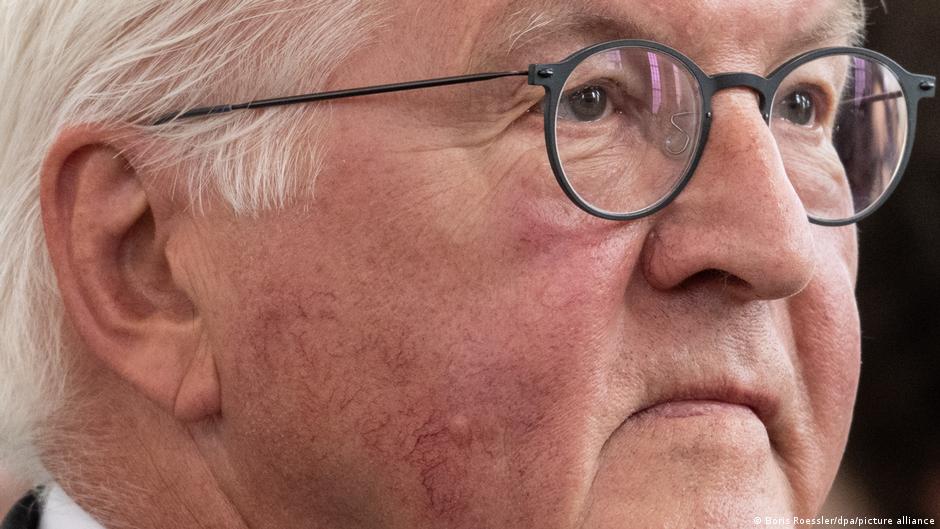
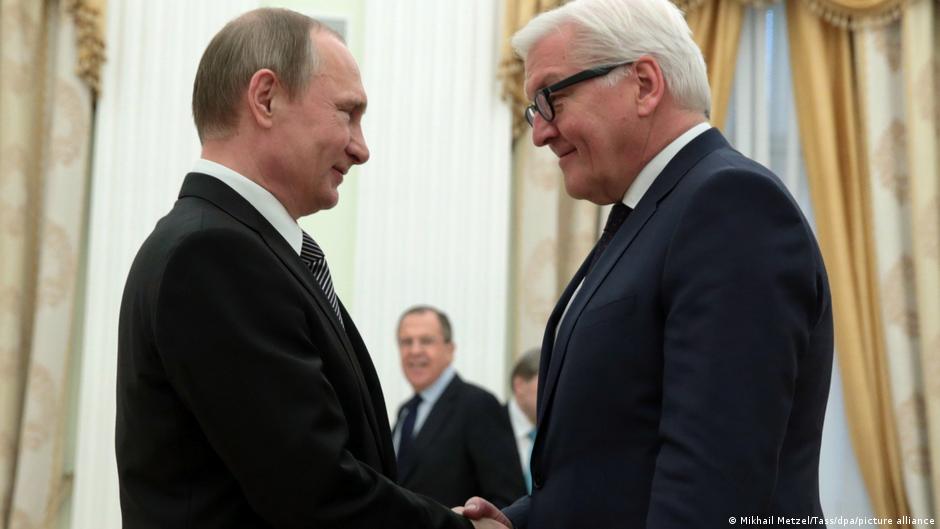
German President Steinmeier urges Europe to resist lawless great power tactics, emphasizing the need for international order, economic reform, and confronting rising far-right extremism.

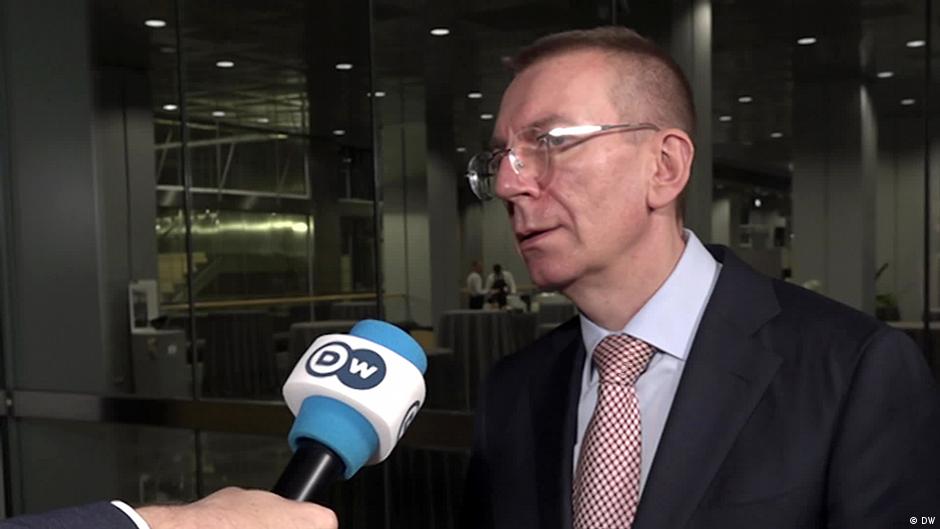
Latvian President Edgars Rinkēvičs warns NATO to prepare for potential escalation with Russia, highlighting the need for real military capability growth beyond budget increases.

Germany urges Turkey to exclude Russian gas in future EU energy agreements, highlighting economic and geopolitical shifts in the region's energy dynamics.

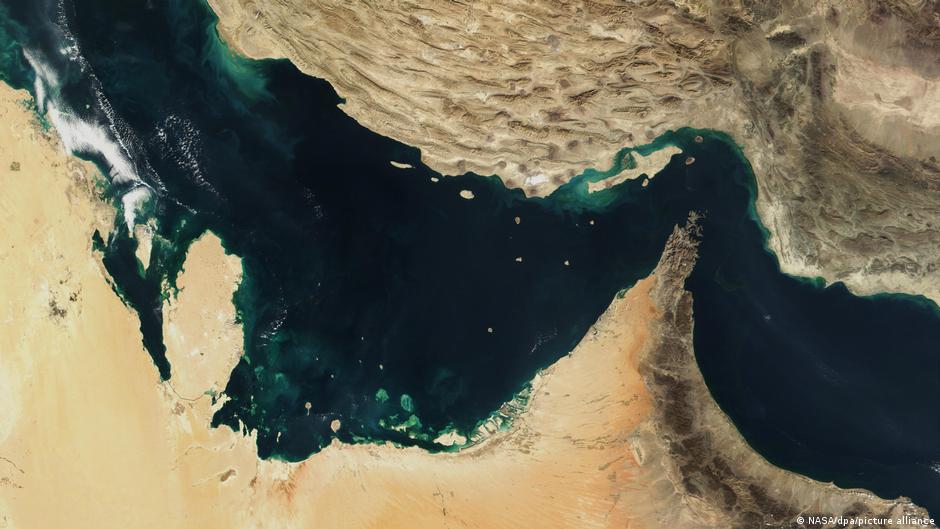
Renewed US strikes on Iran have led Tehran to close the Strait of Hormuz, escalating regional tensions with significant impacts on global energy markets.

Germany commits an additional €300 million to support the Czech-led ammunition procurement initiative for Ukraine, underscoring shifting dynamics in European defense cooperation and funding challenges.

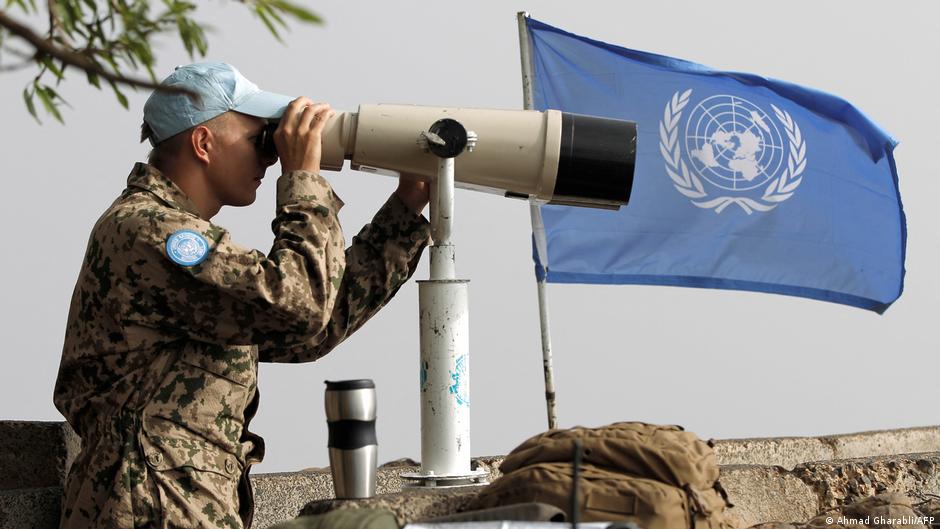
UN peacekeeping forces have dropped to their lowest number since 2000 amid funding shortfalls and geopolitical tensions, threatening the effectiveness of multilateral conflict resolution.

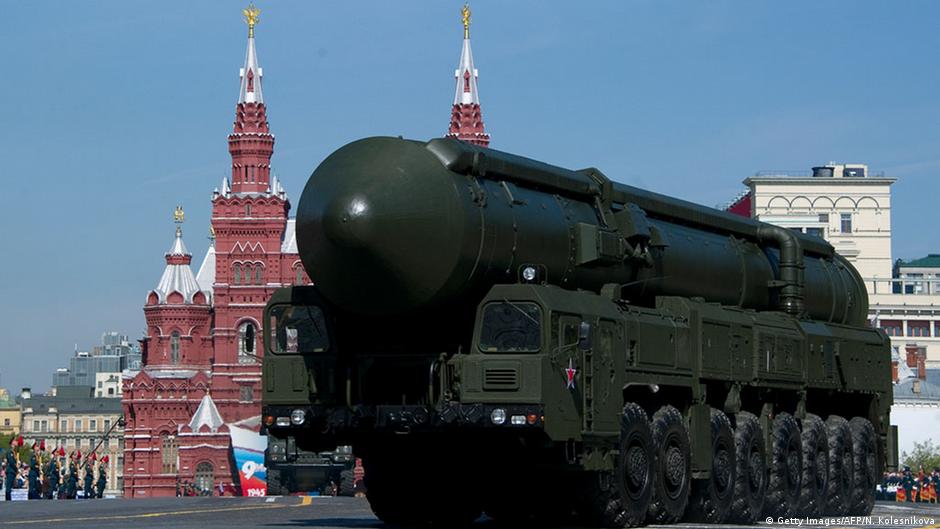
NATO intelligence reveals Russia’s secret project to deploy nuclear-capable ballistic missiles on the seabed, signaling a strategic shift in underwater nuclear deterrence.

Russia has granted agrément to Clemens von Goetze to become Germany's new ambassador amid ongoing tensions following the Ukraine conflict.

Germany considers appointing President Steinmeier alongside ex-Chancellor Schröder as EU representatives in potential peace talks with Russia amid stalled Ukraine conflict negotiations.

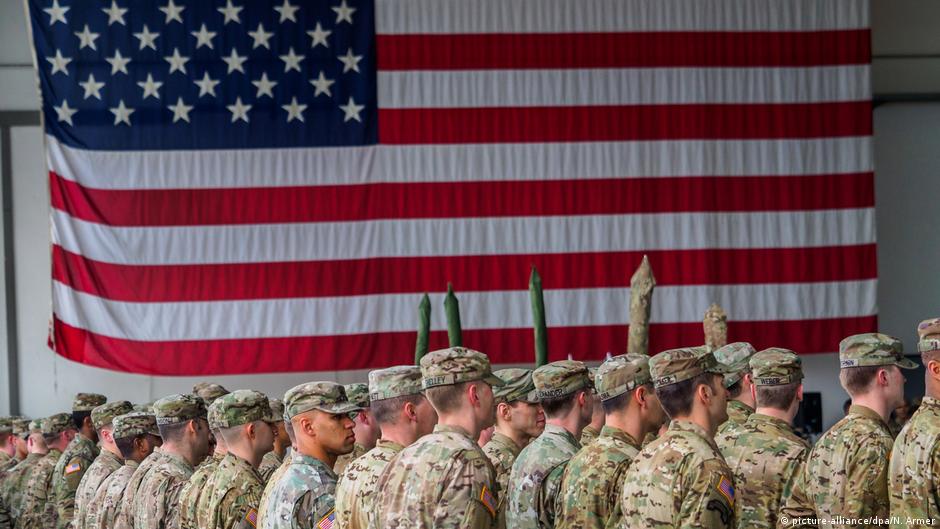
The US plans to cut 5,000 troops from its 35,000-strong contingent in Germany within a year, reflecting strategic recalibration of military presence in Europe.

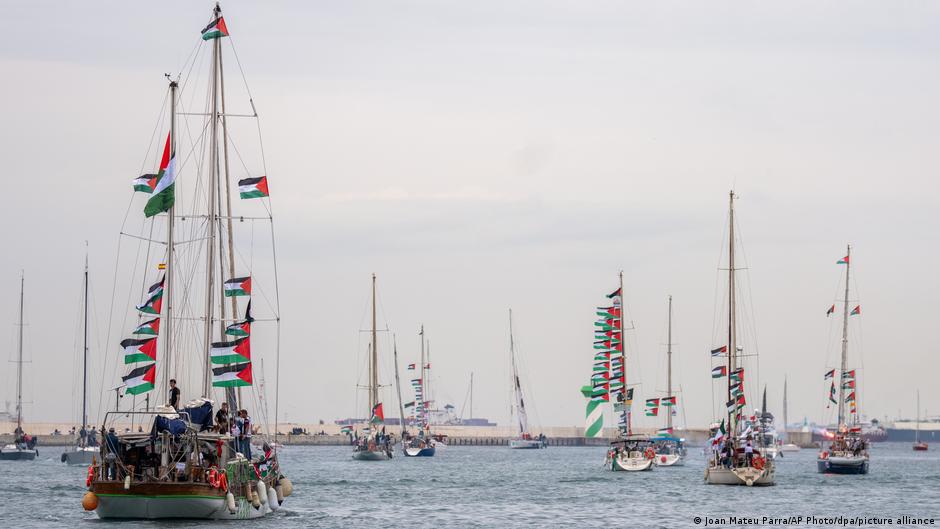
Italy and Germany express concern over Israel's interception of a humanitarian flotilla destined for Gaza, calling for adherence to international law amid ongoing blockade tensions.

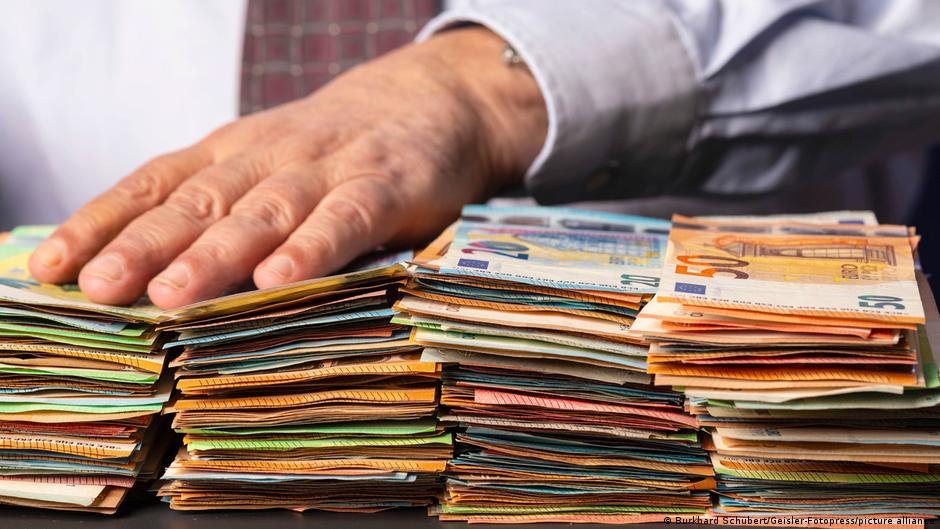
Oxfam reveals a 56% rise in German DAX 40 CEOs’ pay since 2019, while average worker wages remain below pre-pandemic levels, highlighting deepening economic inequality.

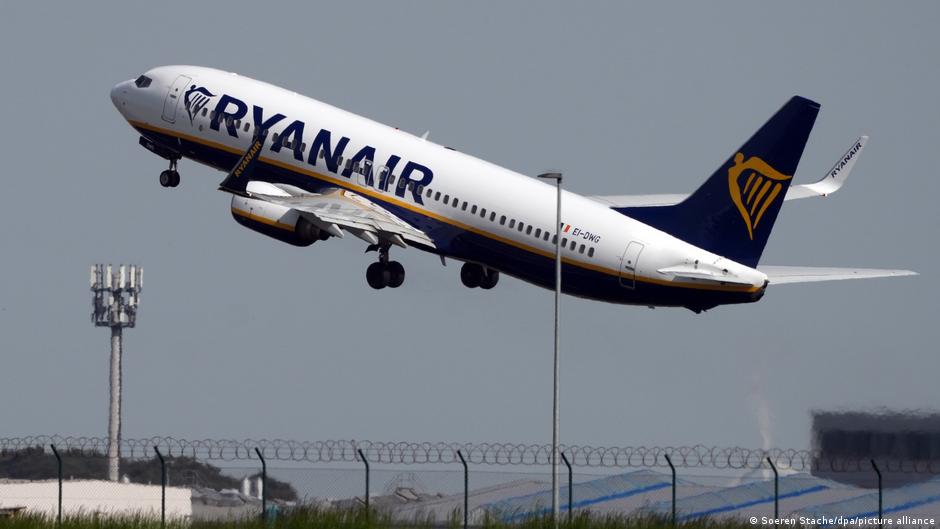
Ryanair plans to close its Berlin base and halve flights by 2026, citing Germany's rising aviation taxes and fees that threaten the viability of budget airlines.

Germany authorized arms exports worth millions to Israel during the US-Israel-Iran conflict, highlighting tensions between export restrictions and geopolitical strategy.