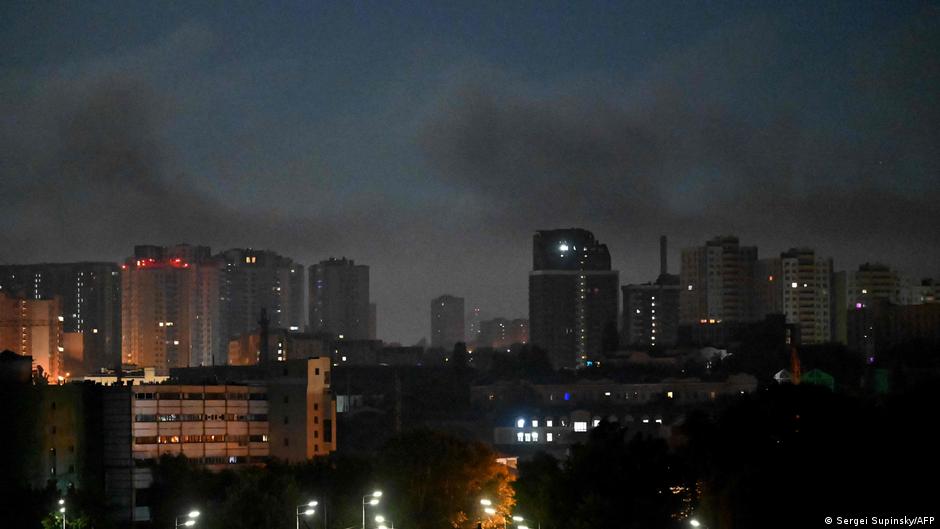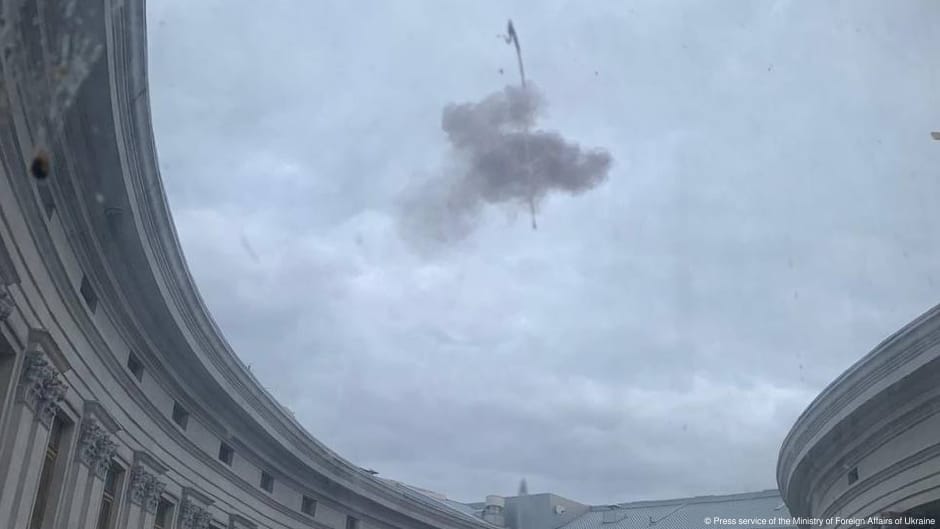
Kyiv Bridge Strikes Deepen Risks to Ukraine’s Urban Economy
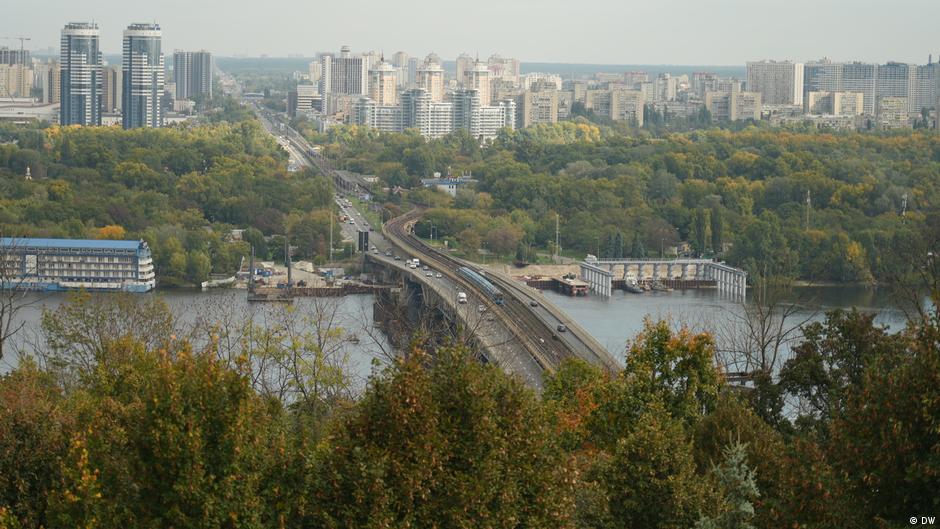
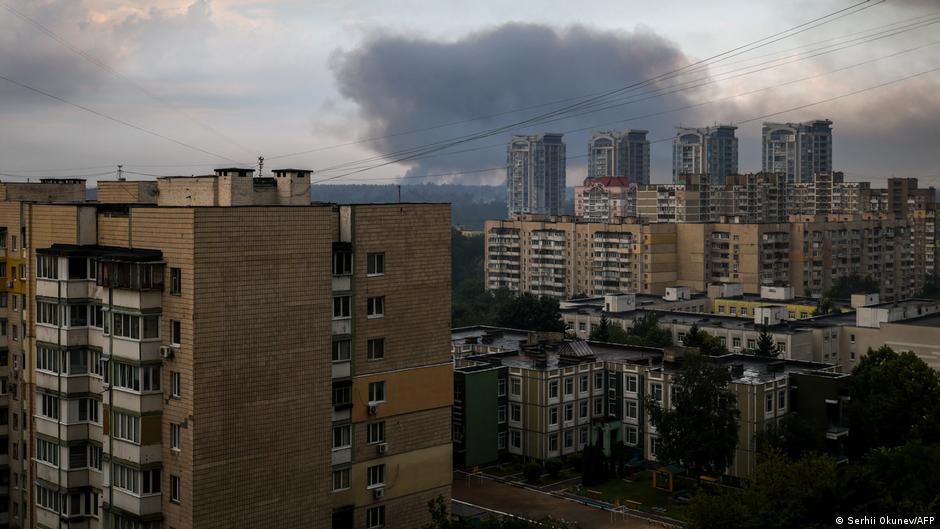
Damage to Kyiv’s bridges and infrastructure is disrupting transport and adding to the long-term economic cost of keeping the capital operational.

Damage to Kyiv’s bridges and infrastructure is disrupting transport and adding to the long-term economic cost of keeping the capital operational.

Elbridge Colby’s early exit from NATO talks exposed a growing US-European divide over Ukraine’s strikes inside Russia and the cost of sustaining the war.

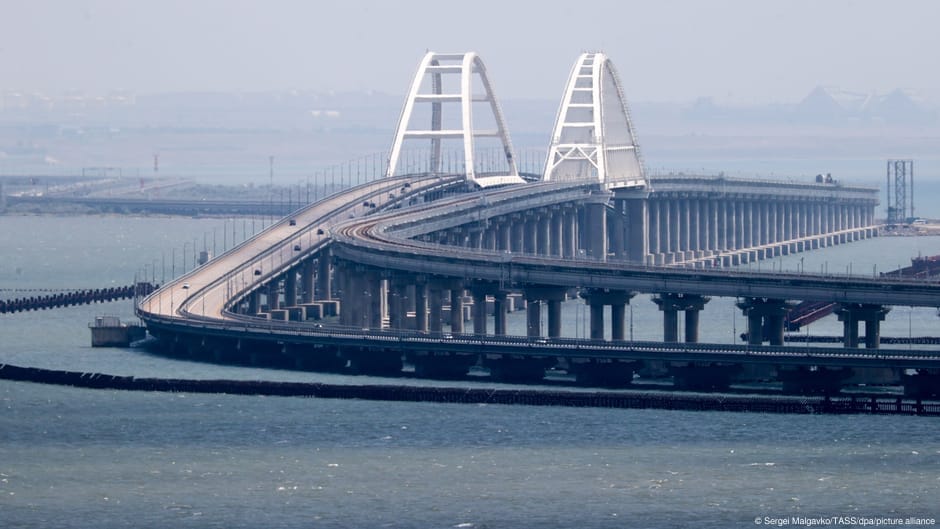
Strikes on bridges in Kyiv and the Kerch Strait deepen pressure on transport, utilities and wartime logistics while accelerating costly investment in alternative routes.

The Pentagon may withdraw about 5,000 troops from Europe, far fewer than expected, as allied defense spending and wider US logistical needs reshape its calculations.

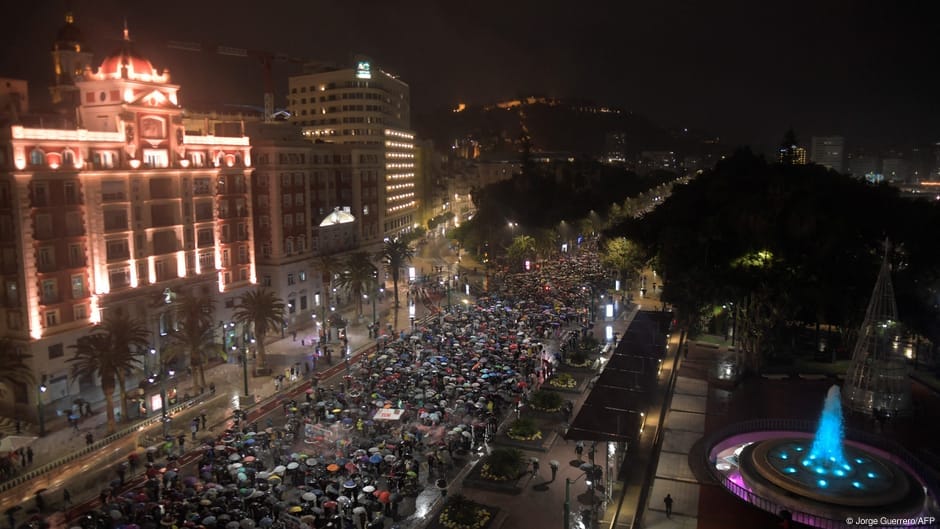
Spain’s first general strike in 14 years brought mass protests over housing costs, as a shortage estimated at 750,000 homes deepens economic and political pressures.

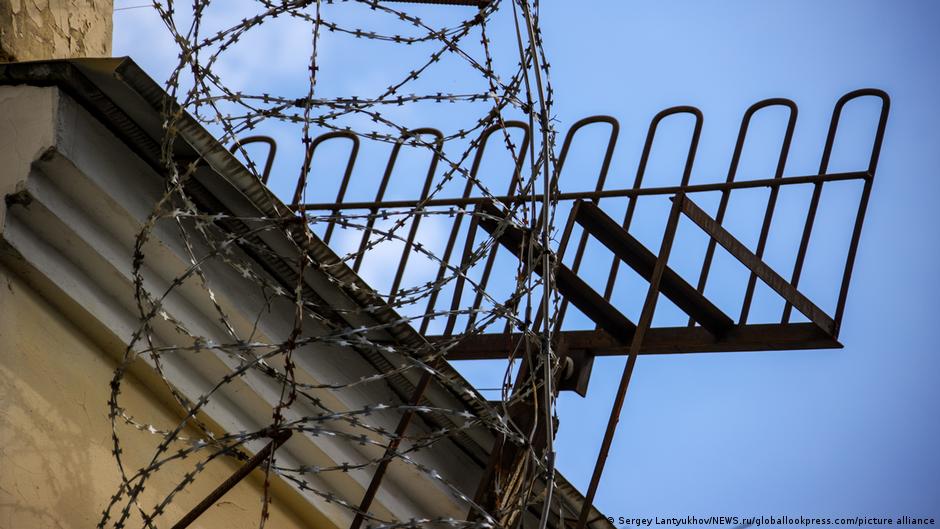
The death of Kharkiv educator Alexandra Kazarovitskaya in Crimean detention underscores the wider costs of repression for families, property and human capital.

The White House will review an Oleshky truce that enabled hundreds of civilian evacuations and the delivery of humanitarian aid.

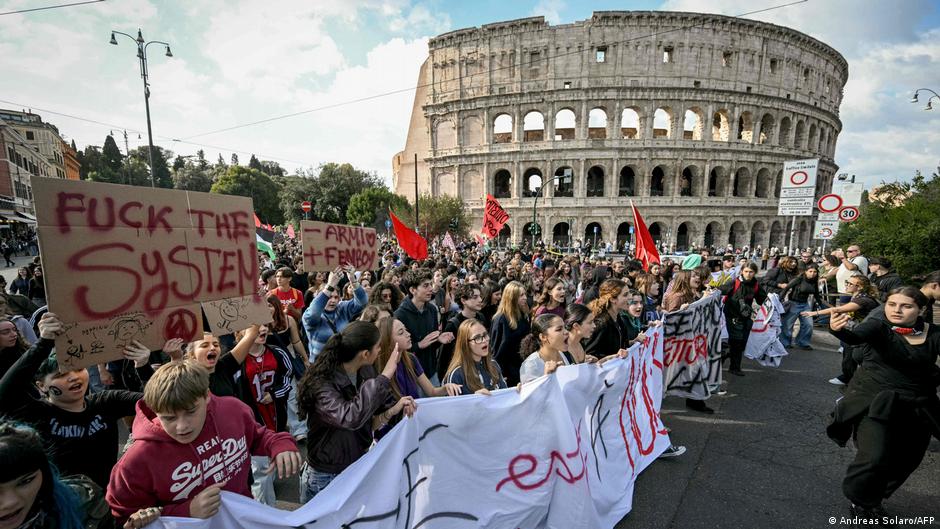
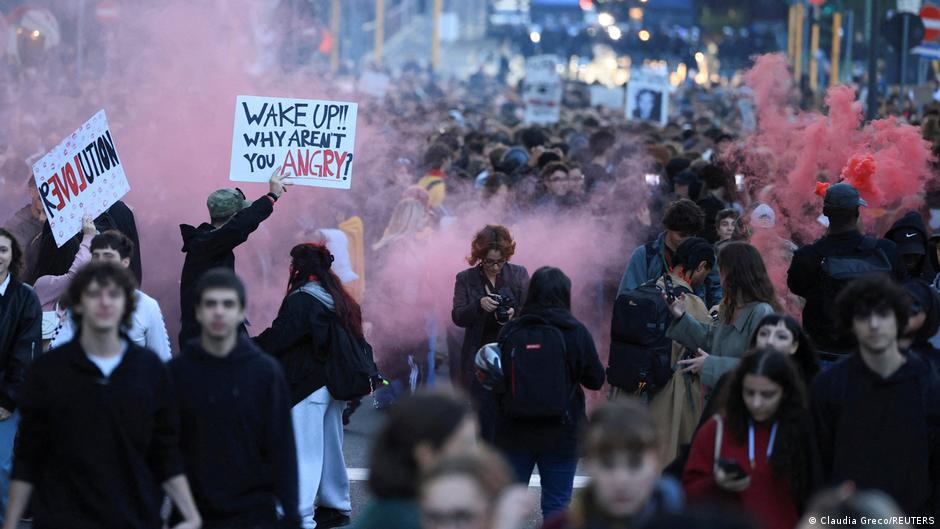
Italy’s mass protests over rents, fuel and defence spending highlight a widening European struggle over household costs and scarce public resources.

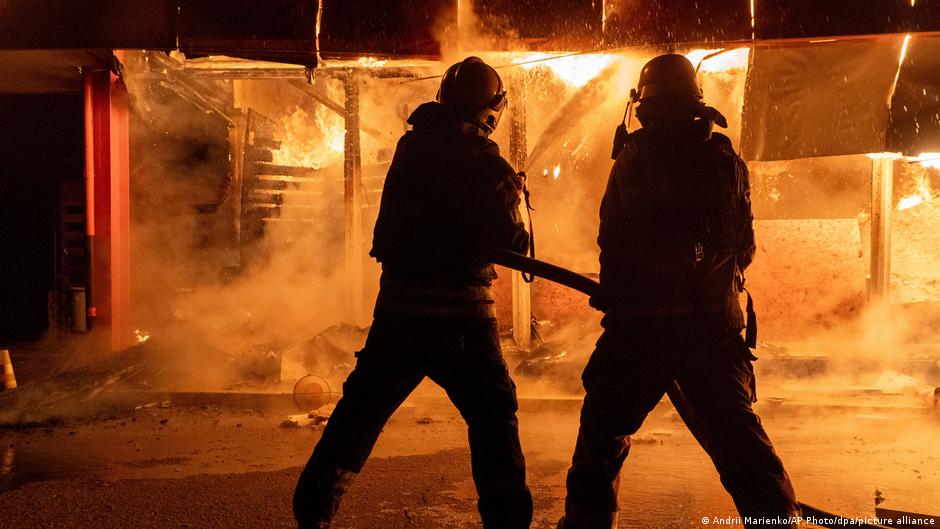
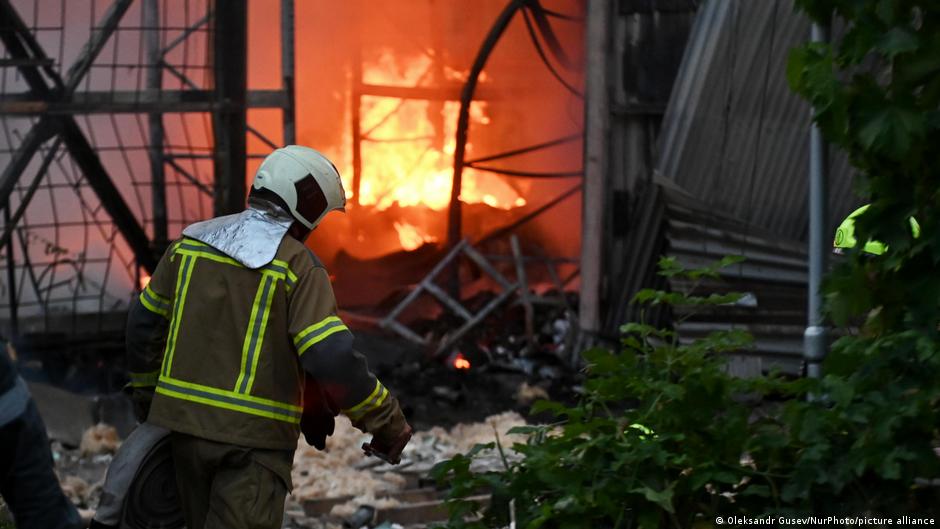
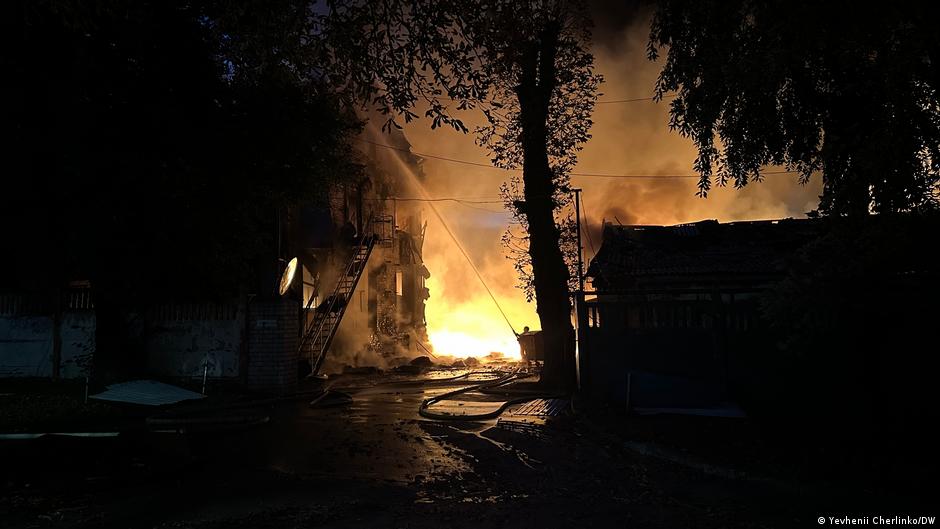
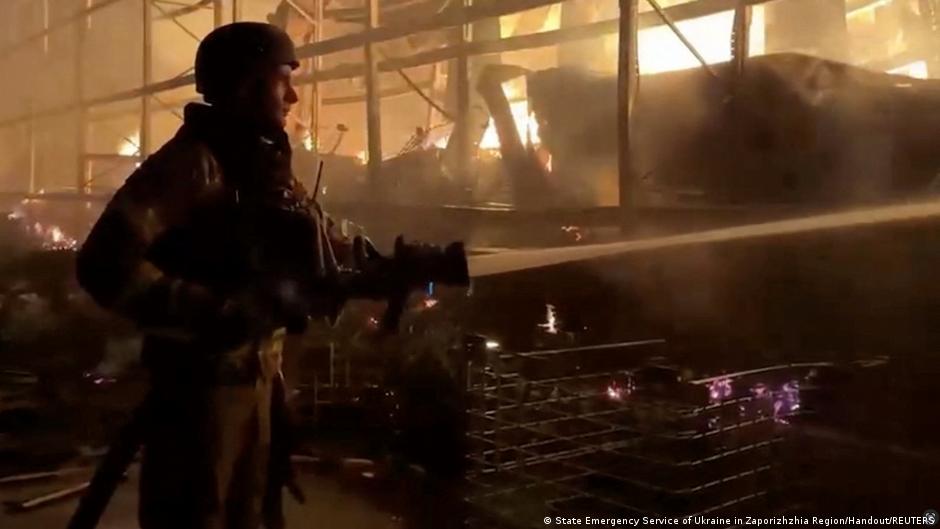
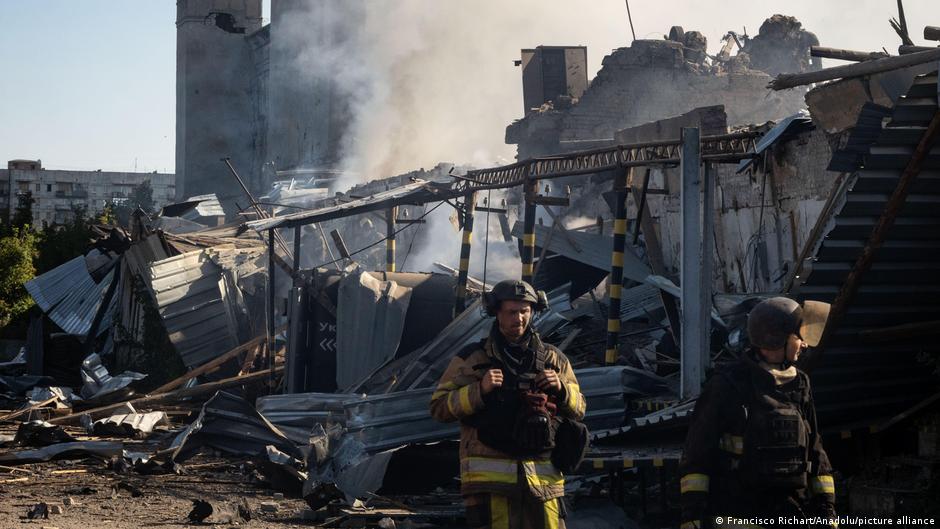
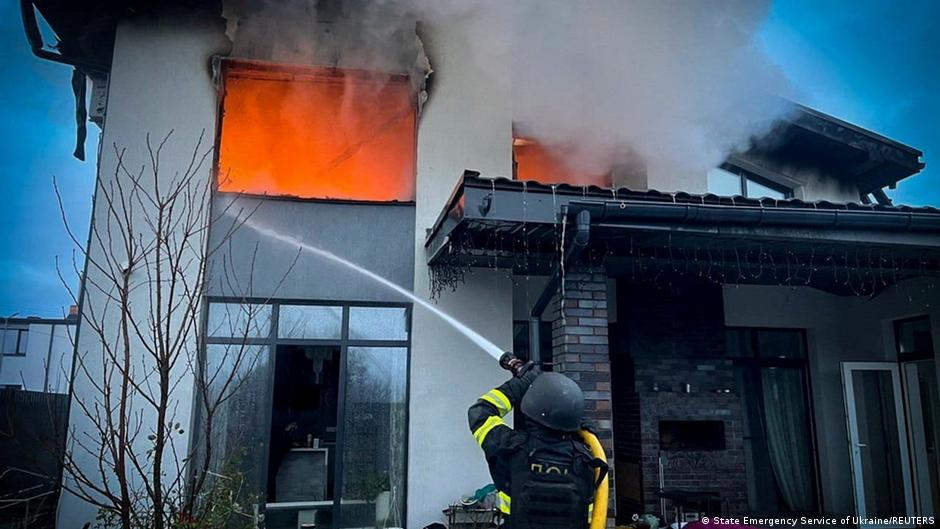
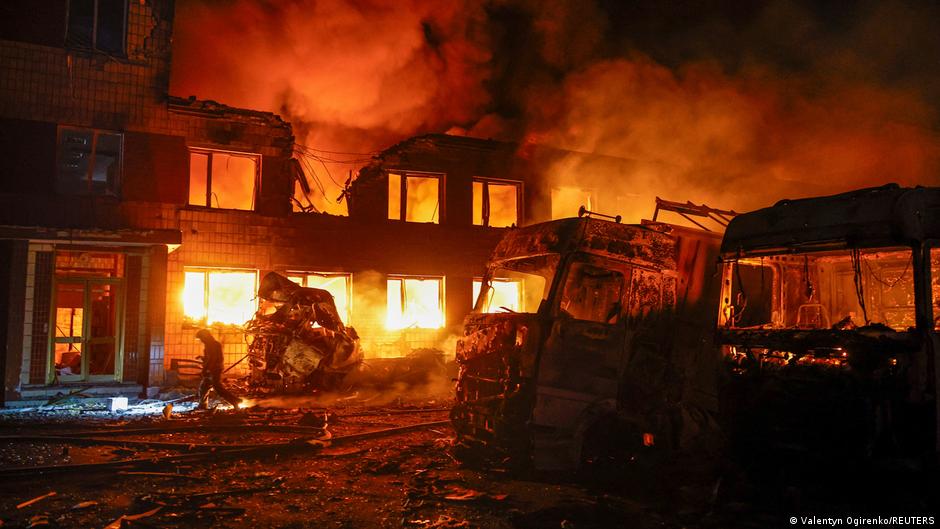
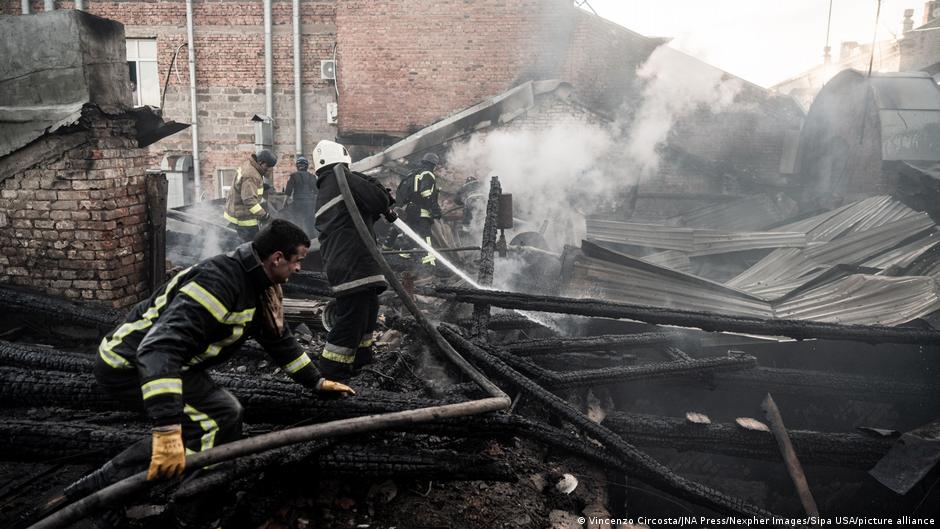
A Russian drone strike injured four people in Kharkiv and set residential and production buildings ablaze, adding to the city’s cumulative economic burden.

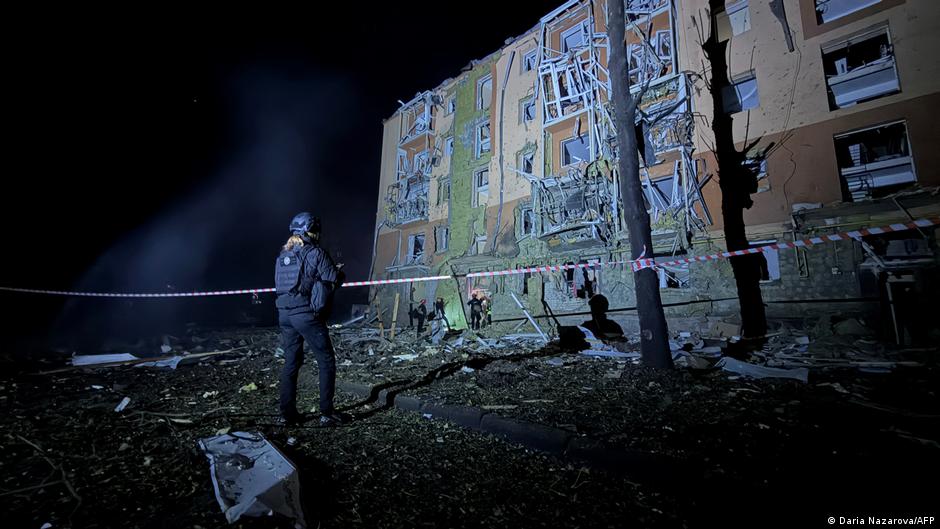
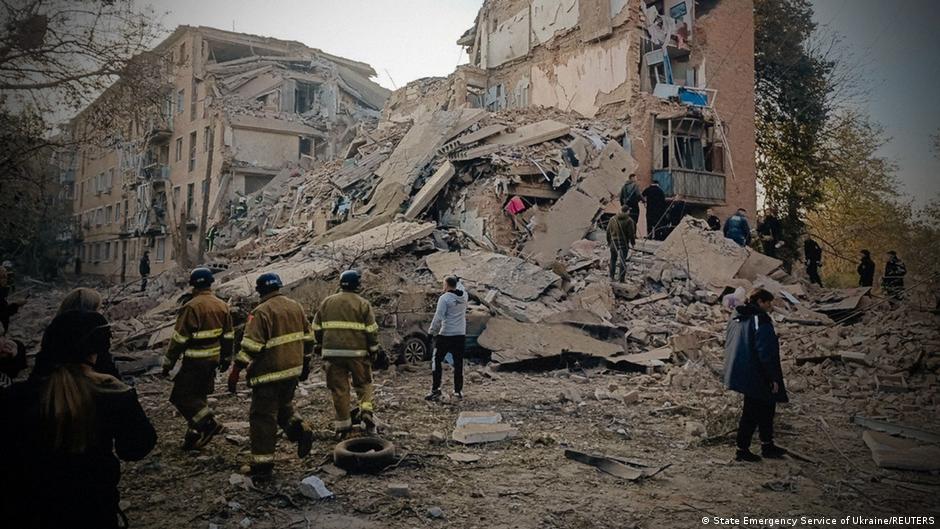
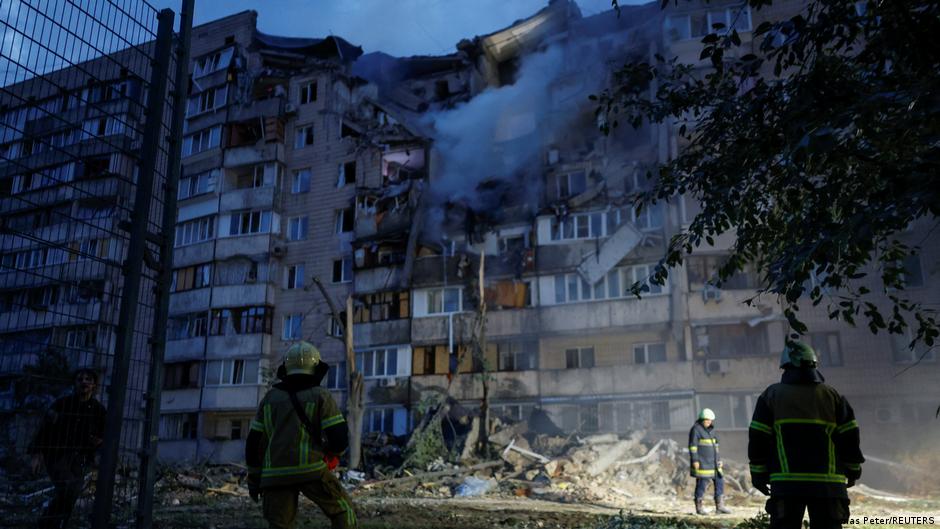
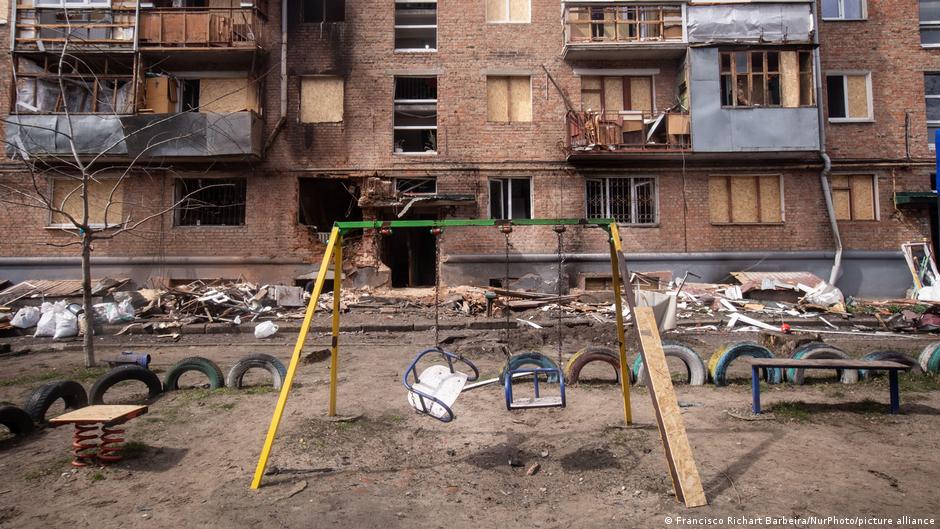
Missile strikes killed at least three people in Kyiv and Kharkiv, adding damaged housing and public infrastructure to Ukraine’s mounting urban economic burden.

Protests across Italy link household price pressures with opposition to military spending and the Meloni government, raising economic and political risks.

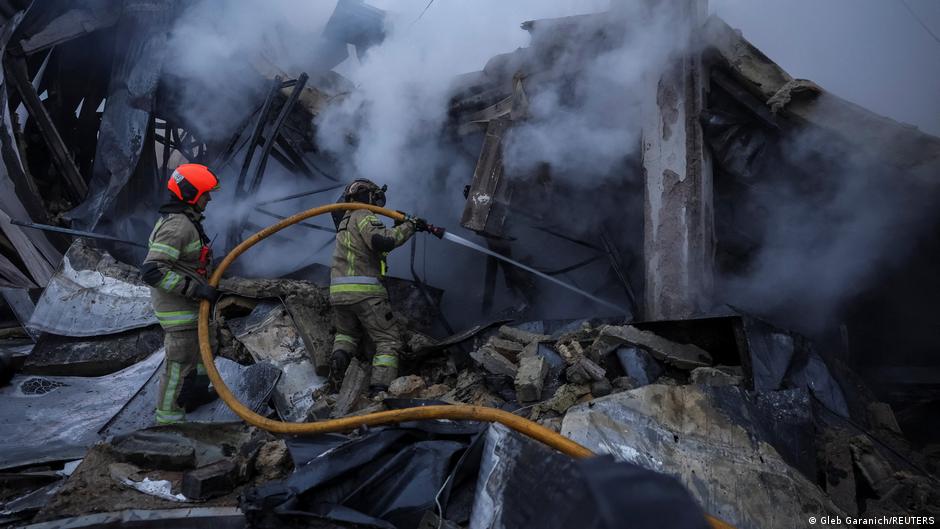
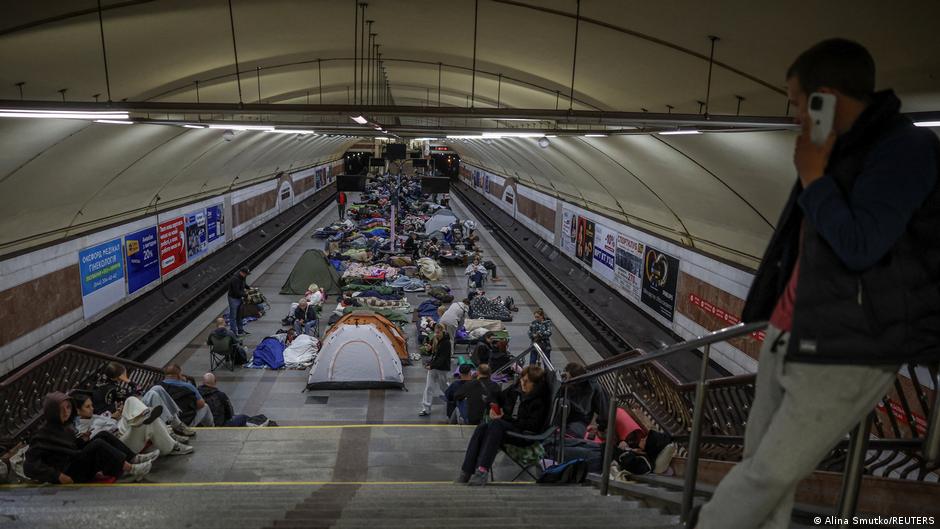
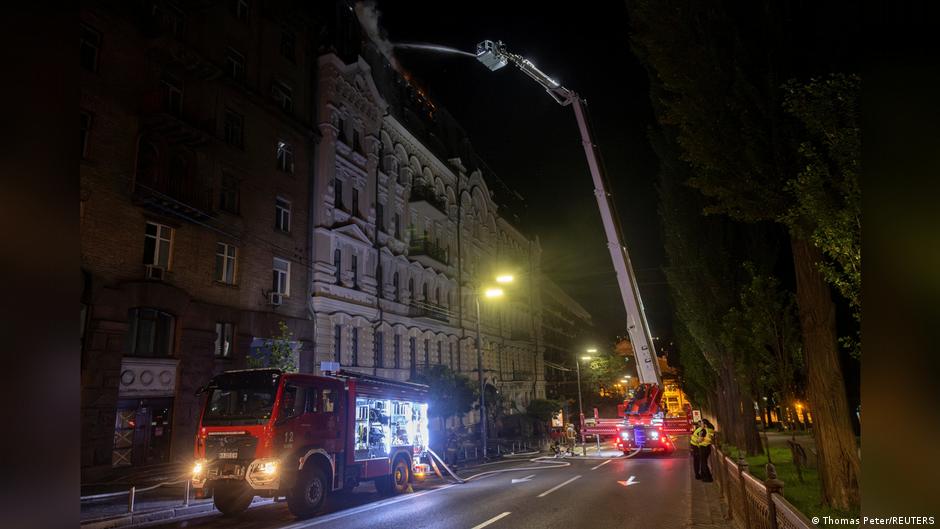
A Russian missile strike killed a 21-year-old woman, injured three people and damaged buildings and metro rails across several Kyiv districts.

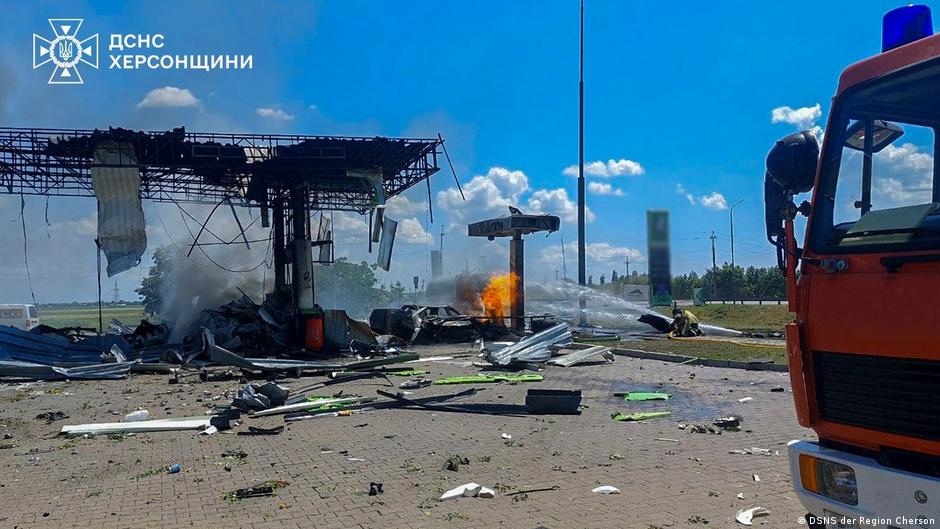
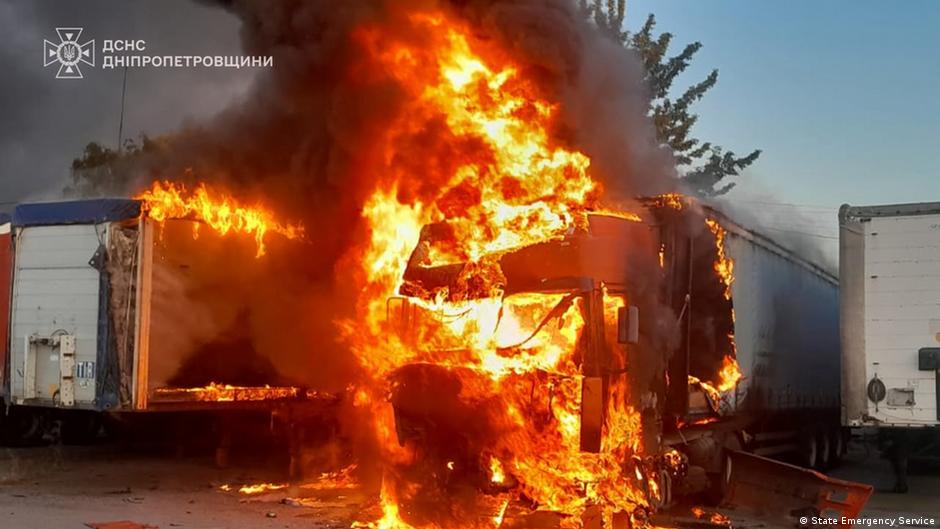
Russian strikes killed two people, disrupted electricity supplies and halted work at an automotive wiring plant, widening the war’s economic costs.

Germany’s long-term welfare rolls have reignited debate over Bürgergeld, work requirements and the structural barriers keeping people out of work.

Ukraine said 28 people were killed in a Russian missile and drone barrage, while Zelensky linked the attack to sanctions pressure and oil revenue.

Katherina Reiche warned that the Left Party’s Berlin victory and expropriation plans could harm Germany’s investment climate.

Russian attacks damaged sites in Kyiv, Odesa, Sumy and Kyiv region, while Ukrenergo announced power curbs after strikes on energy facilities.

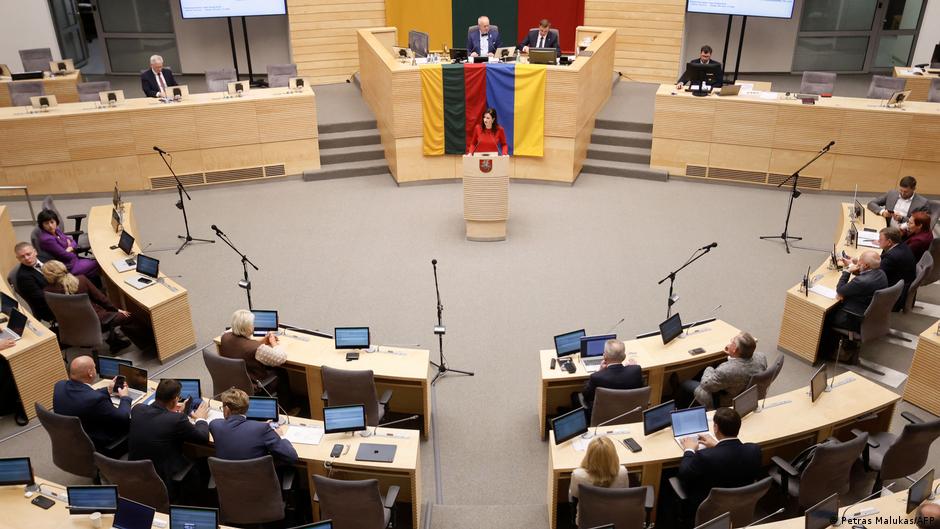
Lithuania’s proposed property restrictions would bar Russian and Belarusian citizens from buying real estate near strategic sites.

New York Mayor Zohran Mamdani raised hate-crime funding to $29 million in a broad plan targeting antisemitism and Jewish institutional security.

Lower Saxony’s runoffs strengthened Green urban leadership and showed the AfD’s difficulty converting first-round support into executive power.

The EU will add €710 million in humanitarian aid, with major allocations for Africa, migration pressures, Ukraine and crisis response.

Russian drone strikes killed at least three civilians in Zaporizhzhia and hit port infrastructure in Odesa, deepening Ukraine’s wartime economic strain.

Two people were killed in Kyiv as Russian strikes damaged civilian areas and renewed pressure on Ukraine’s energy and urban infrastructure.

The Left Party’s Berlin victory puts housing expropriation, coalition arithmetic and fiscal risks at the center of the city’s next government.

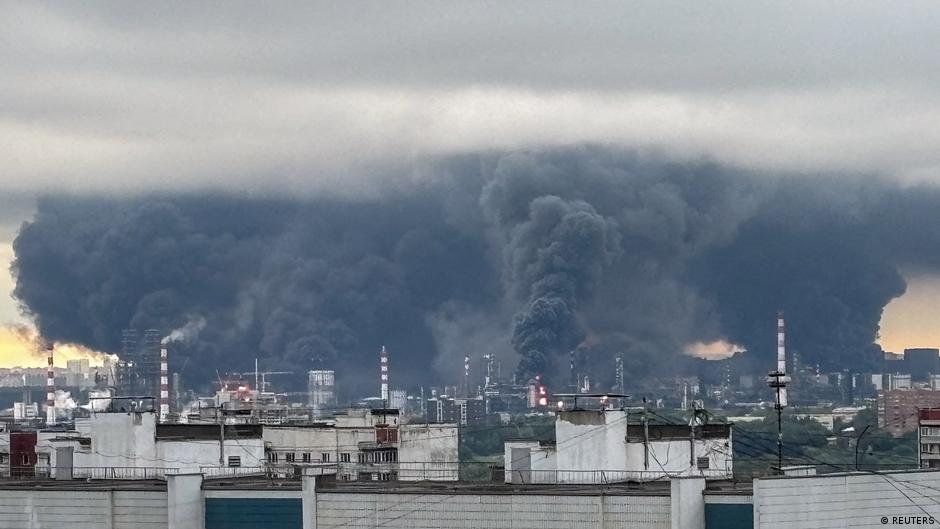
Reported drone attacks near Moscow killed two people and disrupted refineries, logistics sites, housing and airports, widening Russia’s economic exposure.

Russian attacks killed four people in Ukraine and damaged homes, a hospital, administrative buildings and warehouses across several regions.

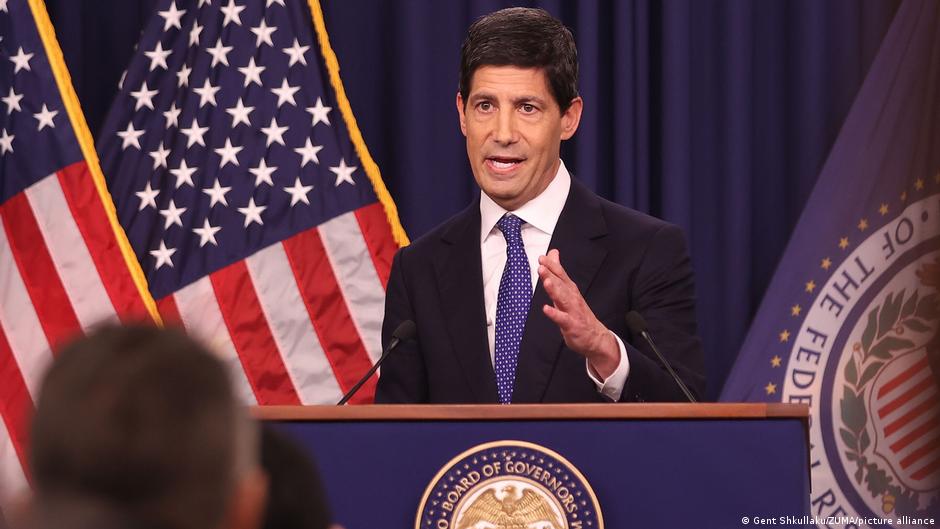
The Fed lifted rates to 3.75-4 percent, citing persistent inflation and reviving tensions between price stability, credit costs and politics.

Russian attacks on Kyiv, Odesa and Sumy injured civilians including children, damaged buildings and added to Ukraine’s mounting urban war costs.

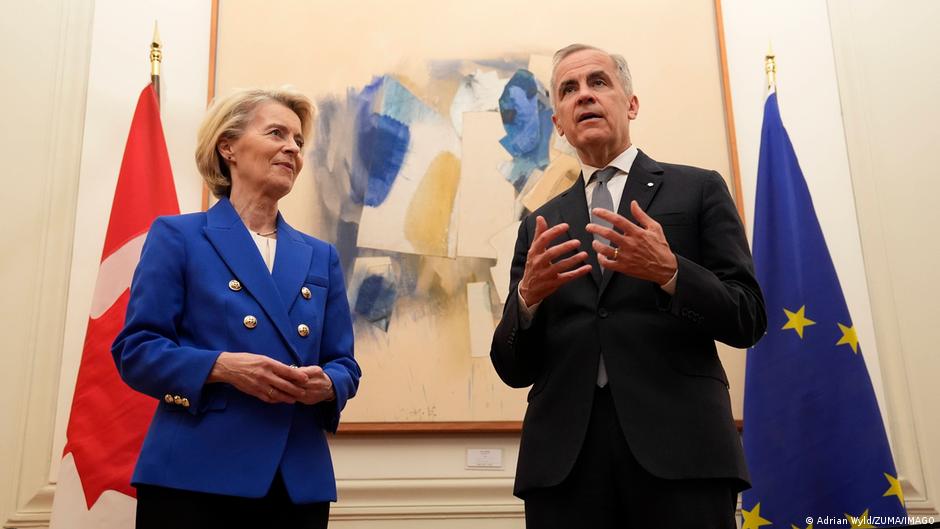
Canada is negotiating to join the EU’s €90 billion Ukraine loan as Ottawa seeks deeper European ties and less reliance on the U.S.

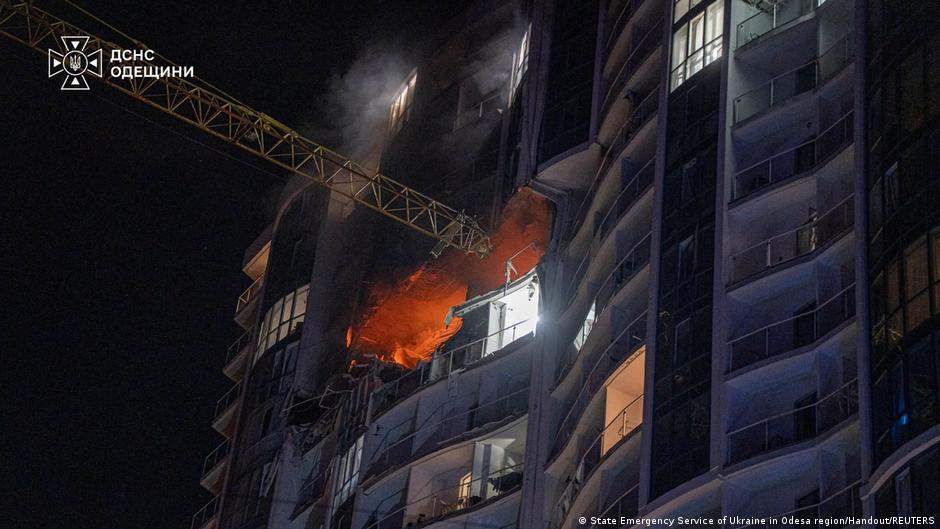
Russian attacks damaged logistics, housing, warehouses and power infrastructure across Ukrainian regions, injuring two people in Odesa region.

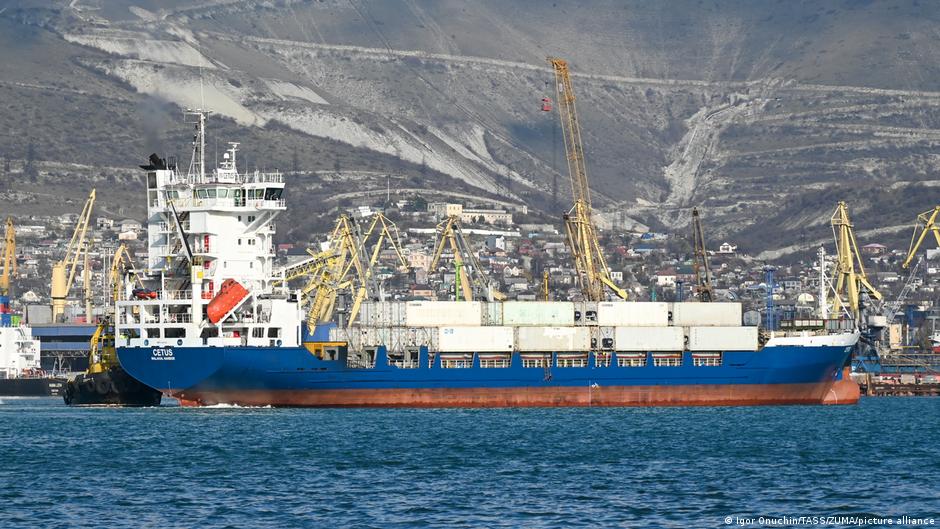
A reported drone attack on Novorossiysk sparked fires at a fuel oil terminal and housing block, exposing risks to a key Russian export hub.

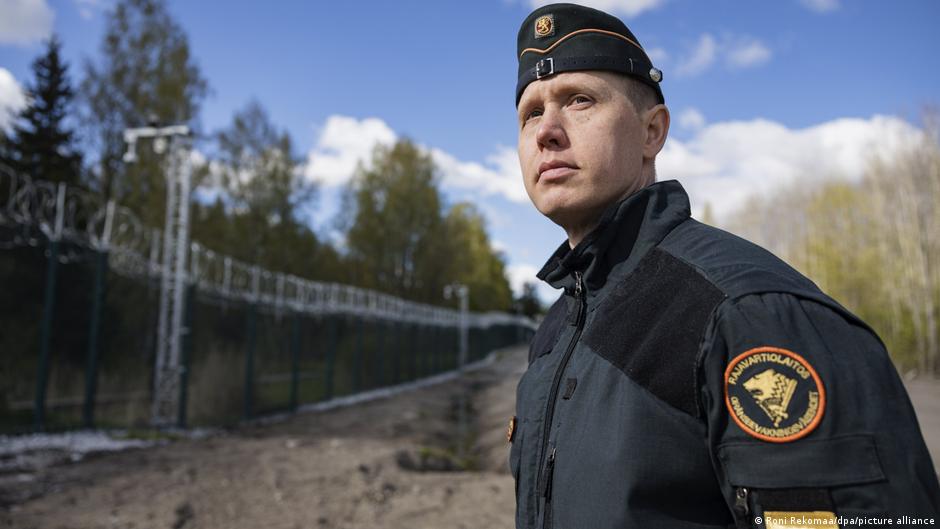
Finland has completed a 200-kilometer fence on its Russian border, marking a structural shift in security, infrastructure and Schengen policy.

Russian strikes hit Kyiv with drones and ballistic missiles, damaging homes, logistics assets and public sites as talk of three-way negotiations resurfaced.

AfD’s projected win in Saxony-Anhalt drew sharp reactions from Poland, France and the Czech Republic, exposing wider European economic and political strains.

Uzbekistan auctions its 100% stake in the 'Fonon' jewelry plant amid ongoing financial difficulties, significant debts, and asset encumbrances challenging state industrial reforms.

Russian missile strikes on Kyiv killed at least five and damaged residential and medical infrastructure, highlighting severe civilian and economic impacts amid ongoing conflict.

Russian drone strikes on Zaporizhzhia kill one civilian, injure six, and damage key infrastructure, highlighting the conflict's ongoing economic and humanitarian toll.

Russian airstrikes on Kramatorsk and Belenkoye caused civilian casualties and significant residential damage, illustrating the broader economic and infrastructural risks faced by frontline cities.

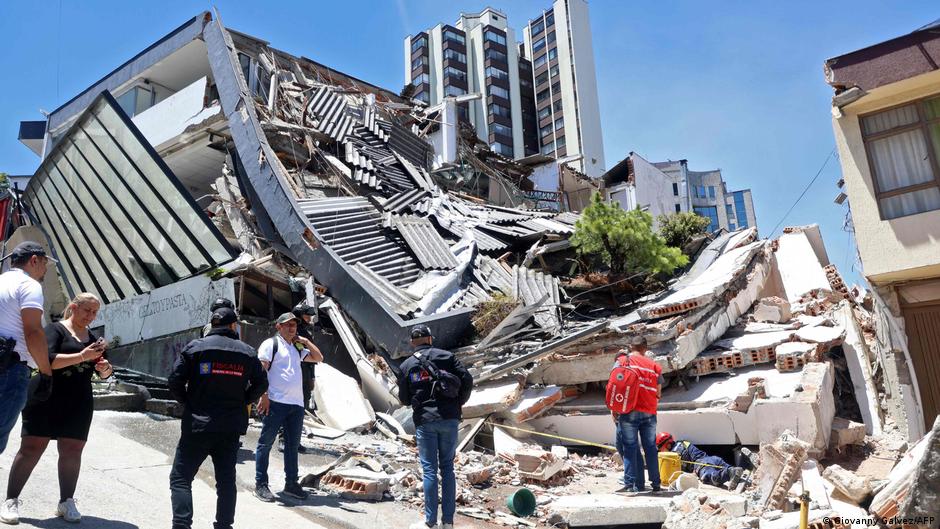
Colombia’s recent 7.4 magnitude earthquake has caused significant loss of life and widespread infrastructure damage, challenging the country’s economic stability and disaster preparedness.

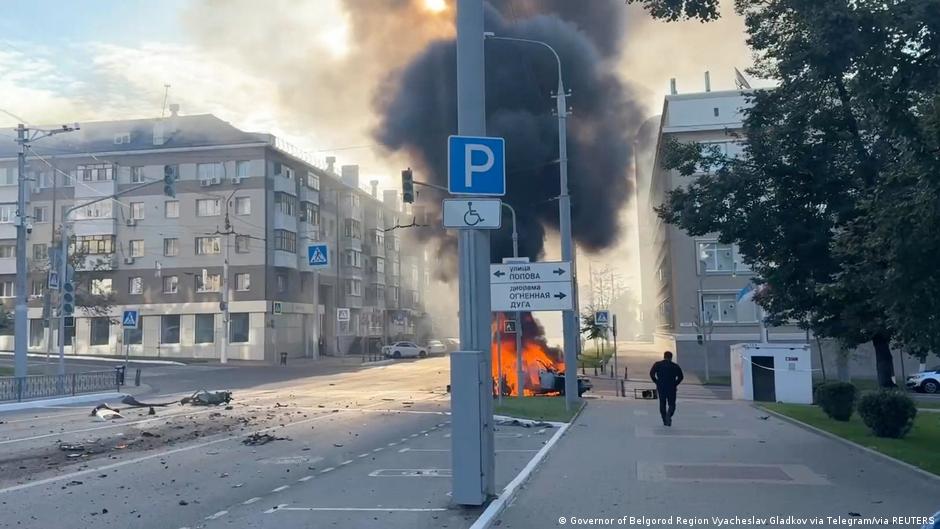
A drone strike on Belgorod caused injuries and damaged residential and administrative buildings, highlighting risks to civilian infrastructure amid escalating border tensions.

Russian overnight missile strikes in Kyiv Oblast kill three civilians and cause fires, highlighting ongoing conflict impacts on Ukraine’s urban infrastructure and economy.

Russian missile and drone strikes on multiple Ukrainian cities caused civilian deaths and infrastructure damage, highlighting the conflict's escalating economic and social toll.

A large-scale Russian missile strike on Kyiv caused fires, structural damage, and casualties, revealing significant economic and urban vulnerabilities in wartime conditions.

Russian missile and drone strikes on Kyiv cause multiple civilian casualties and damage to residential areas, signaling an escalation with broader economic and humanitarian impacts.

Russian air and drone strikes on Sumy and Zaporizhzhia killed six civilians and injured dozens, highlighting the deepening humanitarian and economic crisis in eastern Ukraine.

Russia’s July 2 attacks across multiple Ukrainian regions caused civilian deaths, injuries, and extensive damage to homes, schools, and critical infrastructure, deepening economic disruption.

A coordinated Russian missile and drone attack on Kyiv caused five deaths and significant damage to residential and emergency infrastructure, raising concerns over urban resilience and economic stability.

The Communist Party of Austria has secured a second consecutive victory in Graz’s municipal elections by focusing on housing policies and pragmatic governance amidst a shifting political landscape.

Russian missile and drone strikes on Ukrainian cities highlight escalating conflict impacts on infrastructure, civilian safety, and economic stability amid Ukraine's defense modernization efforts.

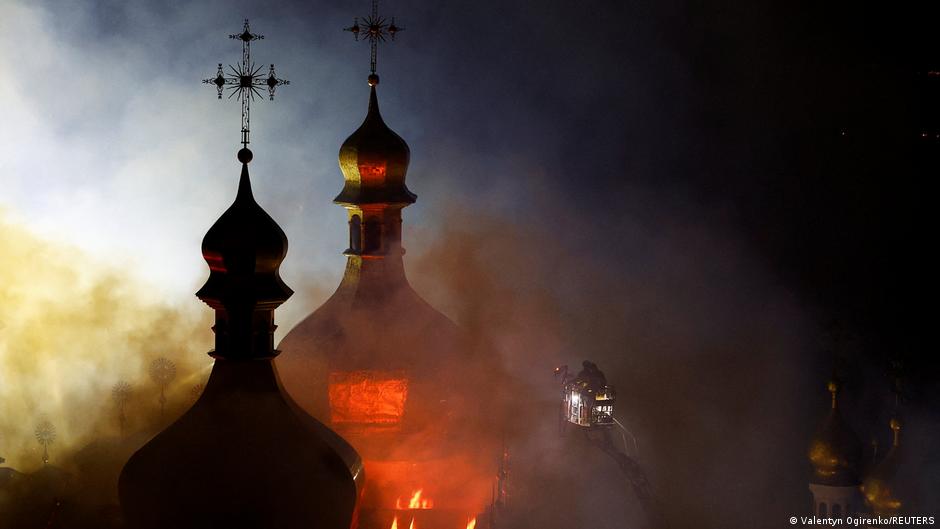
Russian missile strikes on Kyiv and Kharkiv have caused nine deaths and damaged the UNESCO-listed Kyiv Pechersk Lavra, reflecting the broader economic and cultural costs of the conflict.