Germany and Poland Turn Defense Pact Into an Industrial Strategy
Germany and Poland are preparing an action plan that links eastern-flank security with defense production, supply-chain resilience and European autonomy.

Germany and Poland are preparing an action plan that links eastern-flank security with defense production, supply-chain resilience and European autonomy.

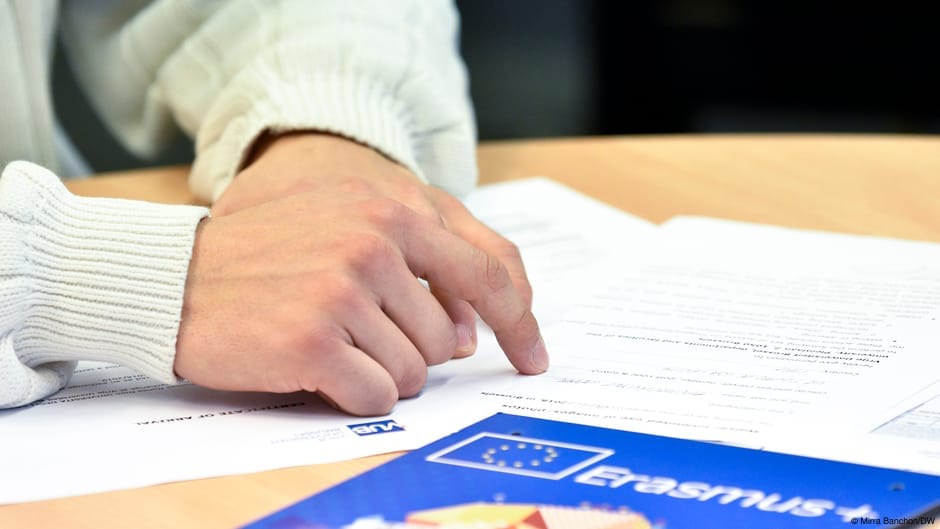
The EU has excluded Russia-based organizations and residents from Erasmus+, deepening the long-term divide in education, skills and research networks.

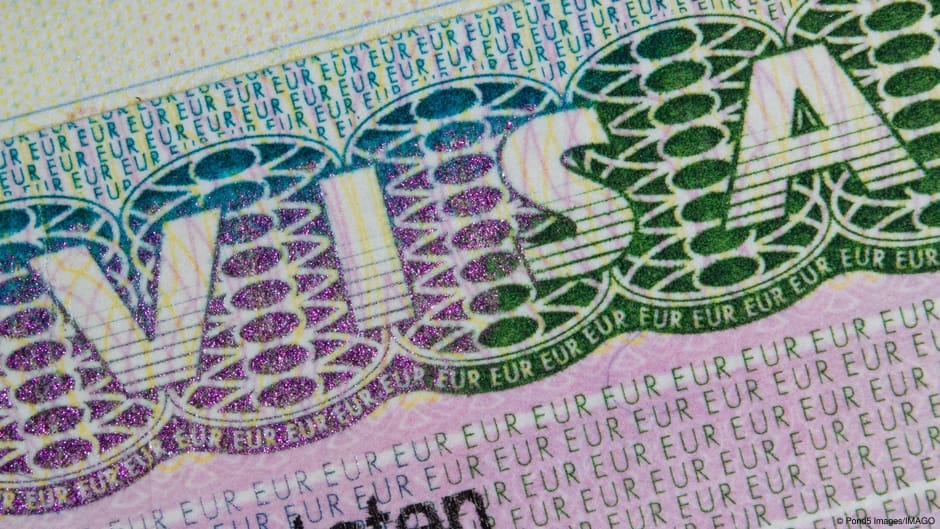
Slovenia has halted student and most work-visa applications in Russia, narrowing education, labor and family-mobility channels despite a previously low refusal rate.

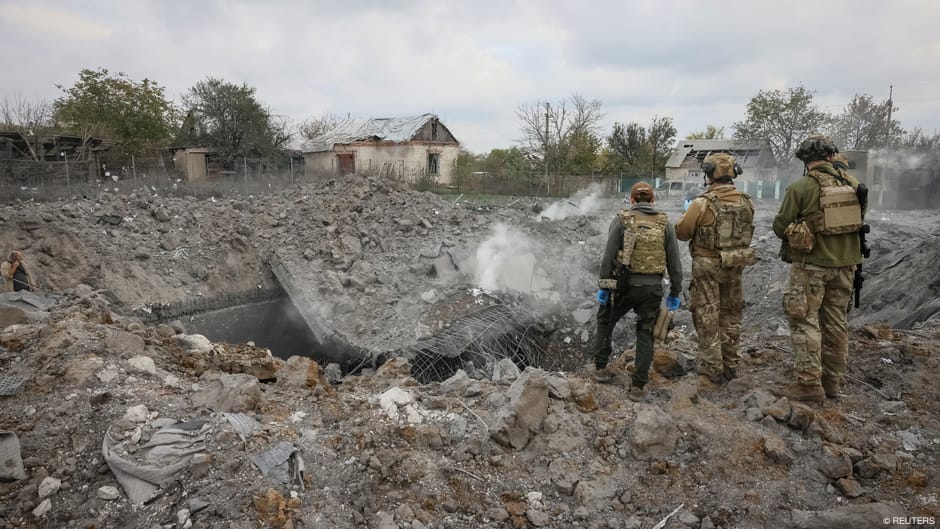
The confirmed death toll from the Kamyševakha aid-center strike reached 72, exposing the compounding economic costs of attacks on civilian infrastructure.

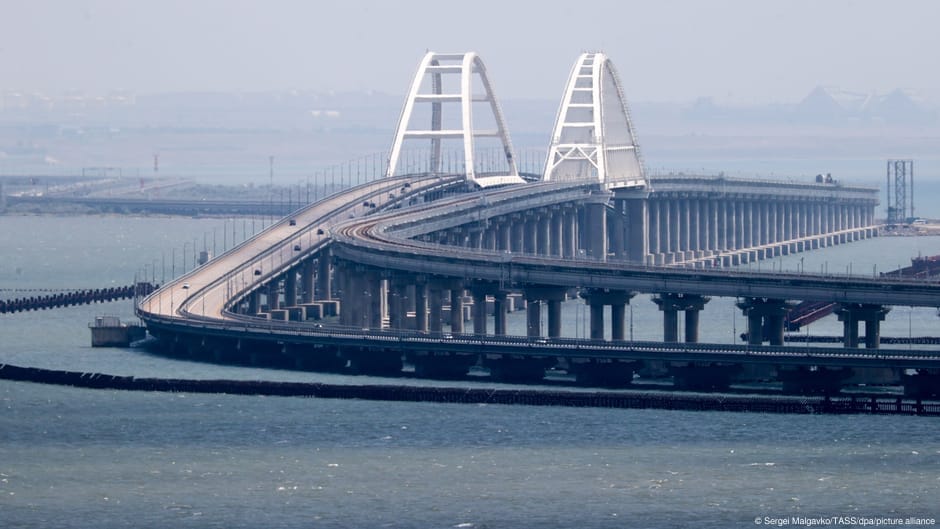
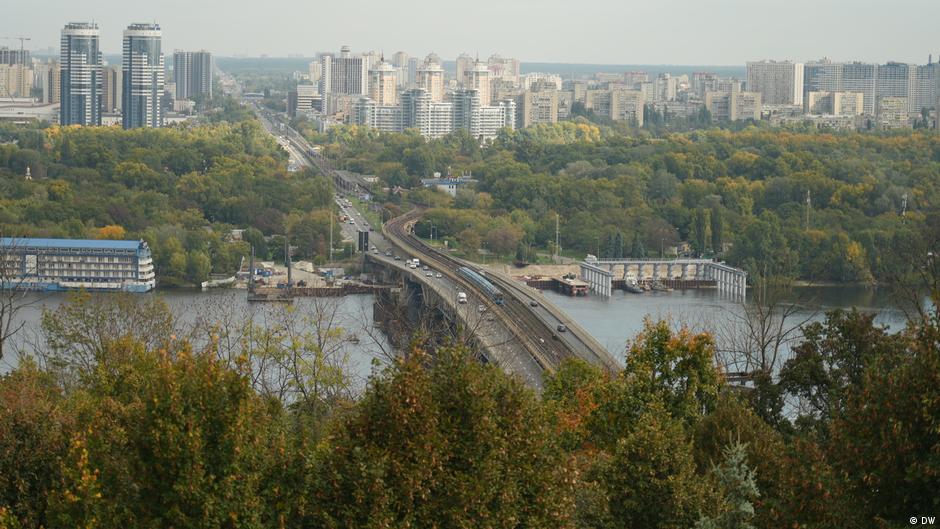
Strikes on bridges in Kyiv and the Kerch Strait deepen pressure on transport, utilities and wartime logistics while accelerating costly investment in alternative routes.

Most Germans view Russia as a threat, but an almost even split over Russian energy supplies exposes a persistent conflict between security and economic concerns.

The Karnavsky-led Libertarian Party of Russia faction voted to dissolve after its foreign-agent designation, ending a long period of fragmentation and pressure.

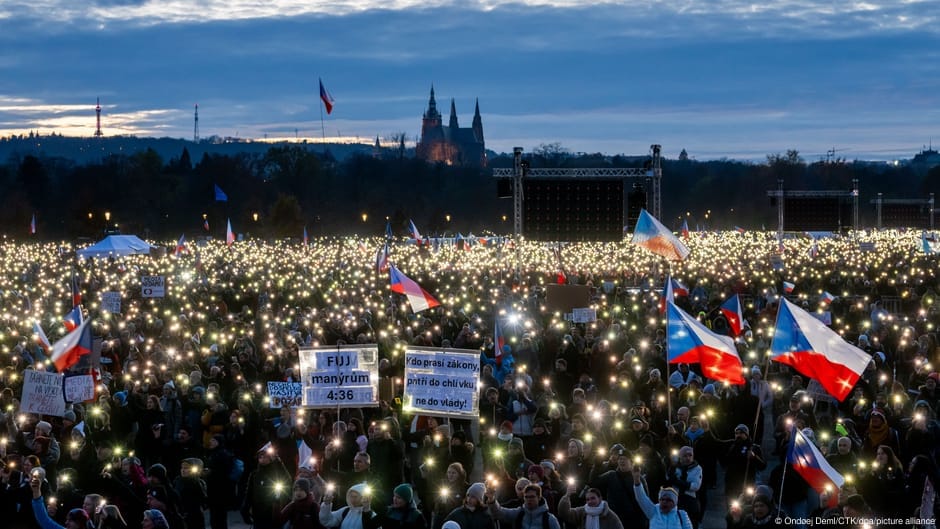
A Czech plan to fund public broadcasters from the state budget has prompted mass protests and warnings of political dependence and long-term institutional damage.

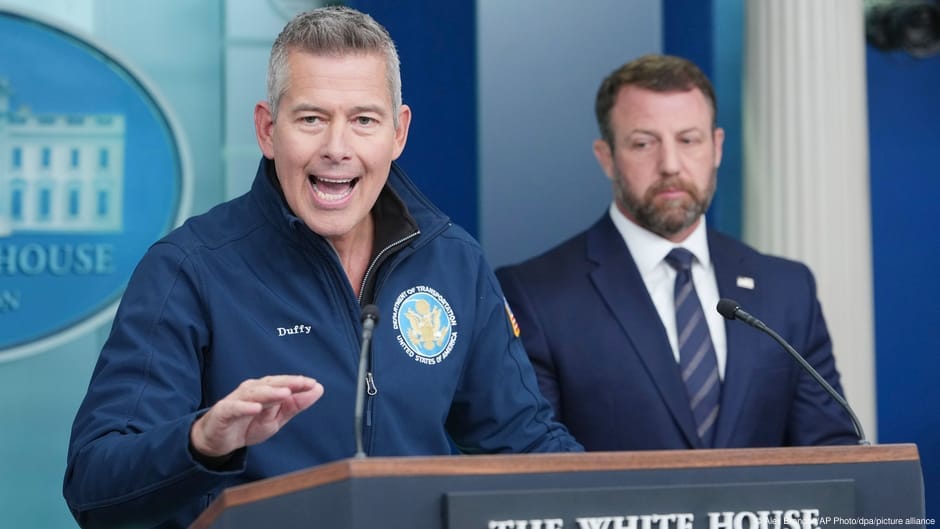
A nationwide FAA ground stop showed how aging aviation technology can transform a routine upgrade into a costly risk for the wider US economy.

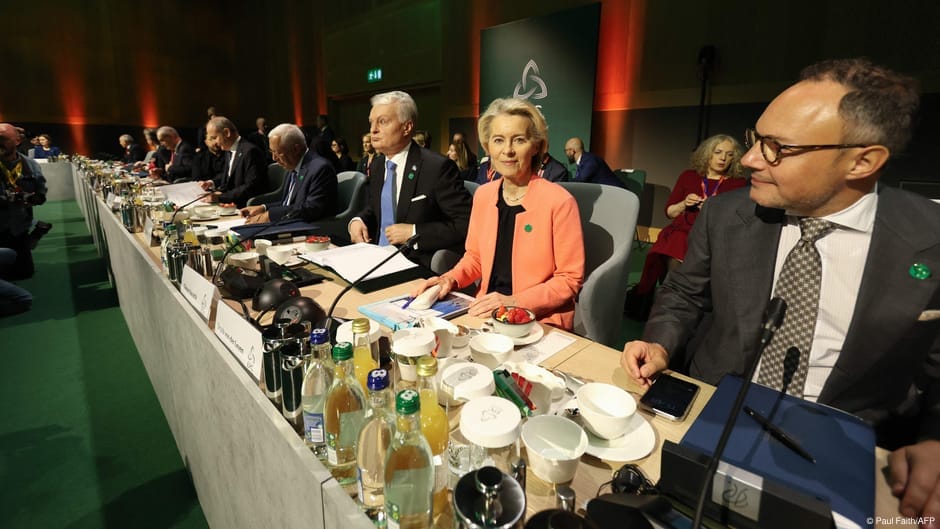
Nearly 40 European states have adopted a security charter that broadens cooperation and could reshape defense spending, fiscal priorities and transatlantic burden-sharing.

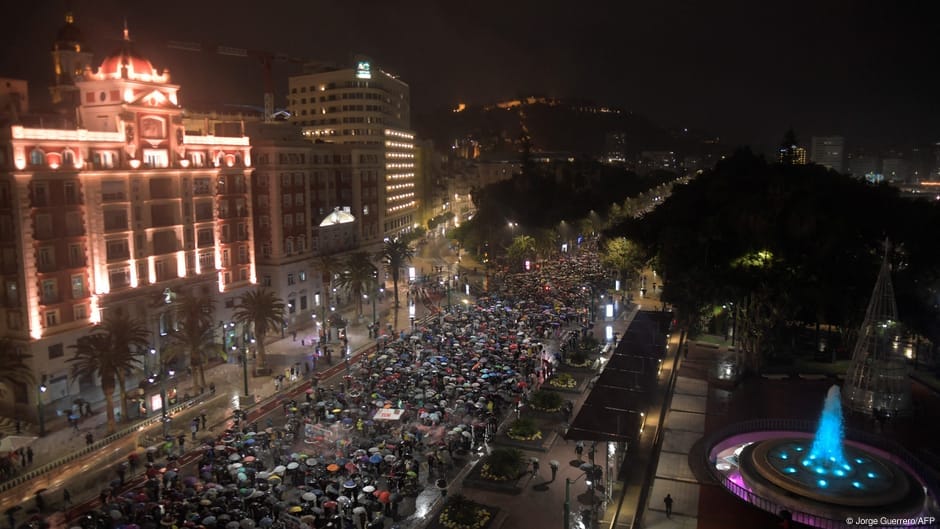
Spain’s first general strike in 14 years brought mass protests over housing costs, as a shortage estimated at 750,000 homes deepens economic and political pressures.

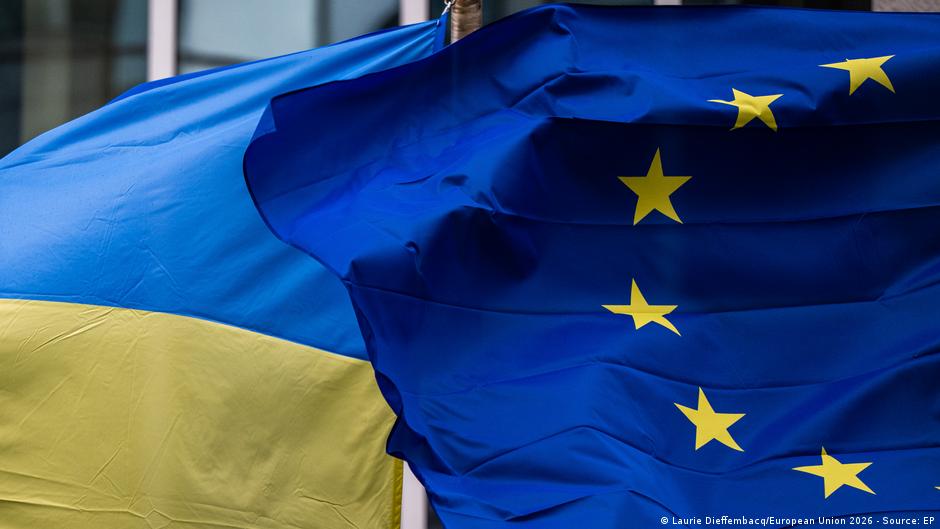
The EU has extended its Ukraine military training mission through 2028, embedding battlefield instruction in a broader, multi-year security and financing framework.

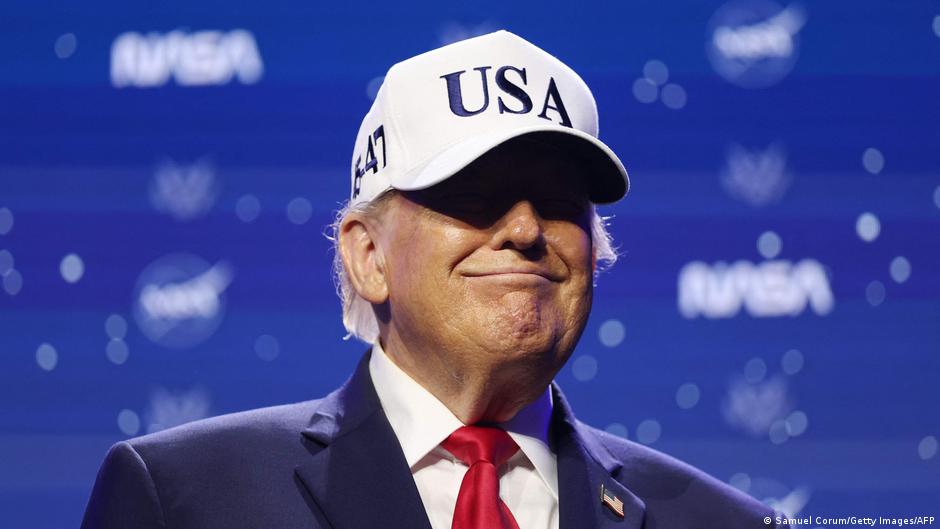
Trump accepted the Democratic midterm victory but ordered a probe of party members, setting up a confrontation with economic and institutional consequences.

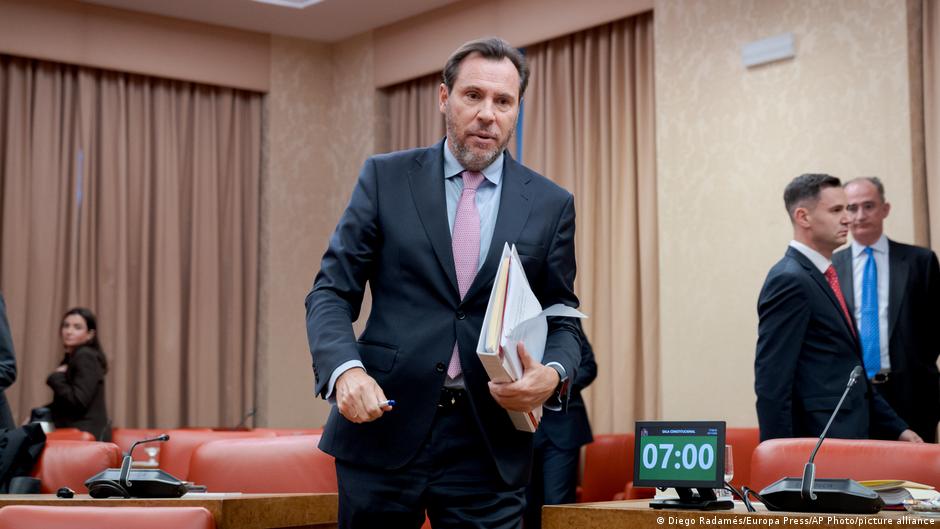
Óscar Puente resigned after the Toledo rail crash killed 69 people, deepening scrutiny of Spain’s safety systems, infrastructure spending and political accountability.

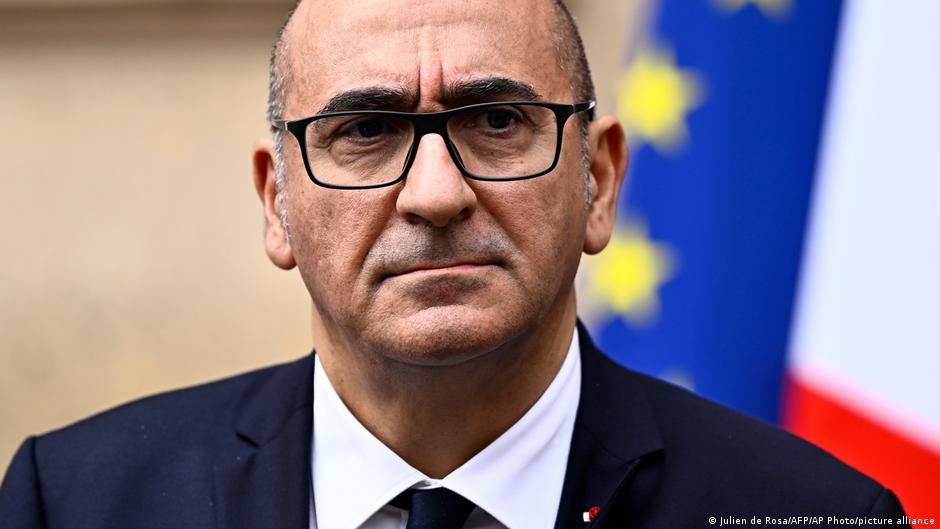
France’s technical talks with the Taliban reveal the fiscal, legal and diplomatic trade-offs behind Europe’s push to accelerate Afghan deportations.

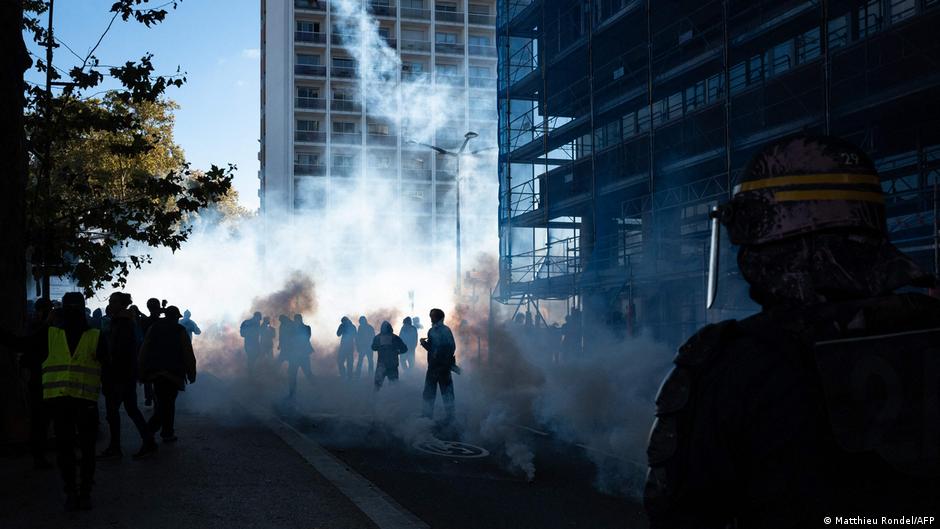
France’s protest turnout fell to 320,000, but anger over living costs, education and future opportunities signals deeper structural strains.

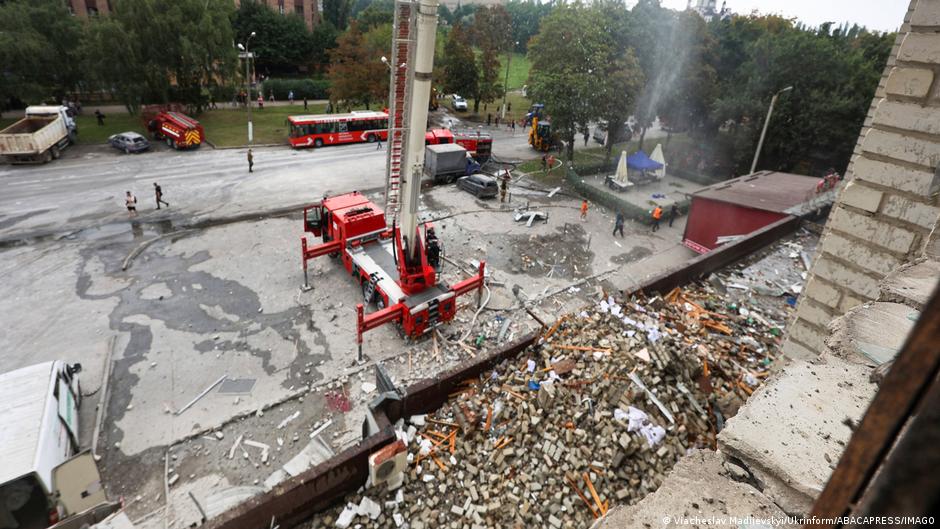
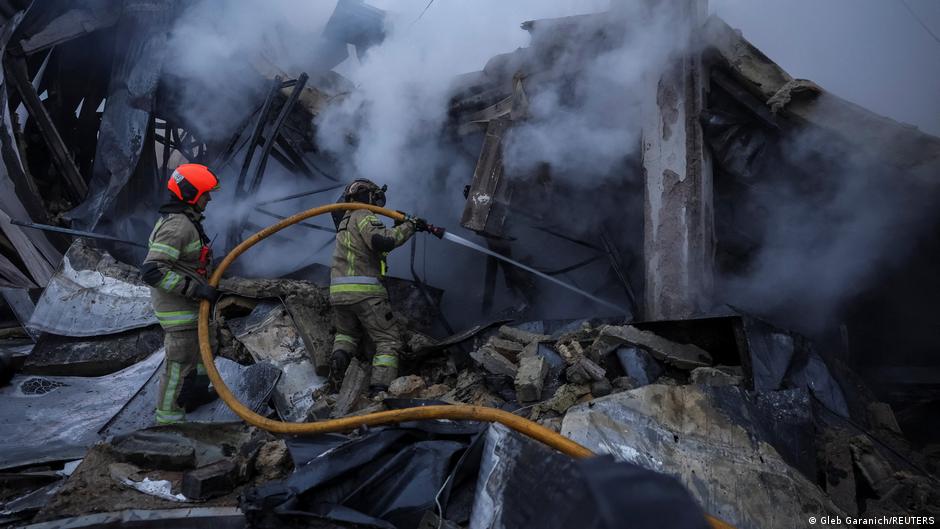
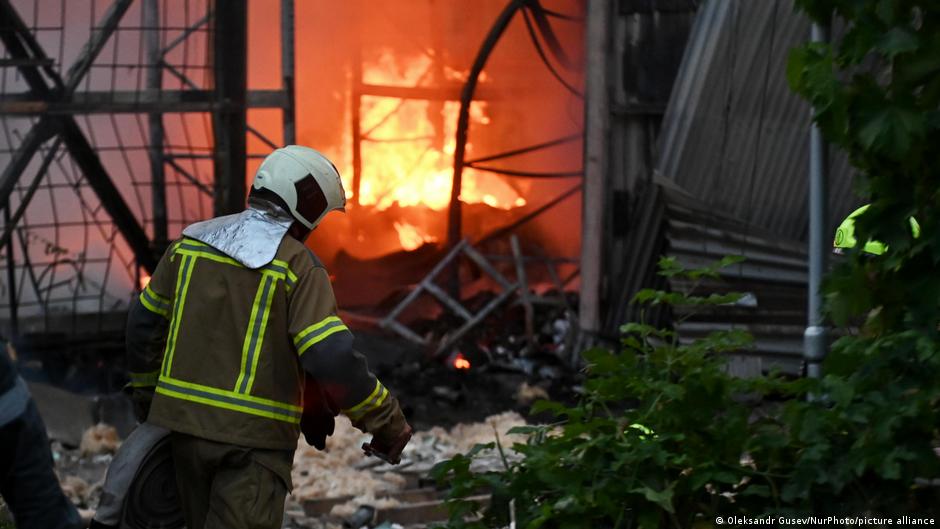
Strikes across Ukrainian cities killed civilians and damaged rail, warehouse, commercial and industrial assets, adding to the country’s cumulative wartime economic burden.

The memorial campaign reached 101 cities as independent events returned in Russia, highlighting the institutional and economic legacy of political repression.

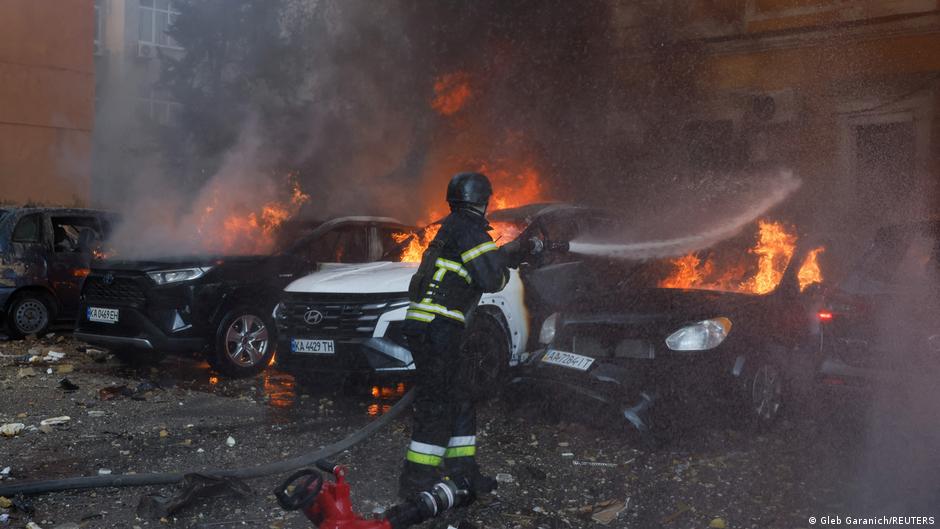
Missile strikes killed at least three people in Kyiv and Kharkiv, adding damaged housing and public infrastructure to Ukraine’s mounting urban economic burden.

Romania says a Russian-coordinated network targeted an arms factory, underscoring the economic and security risks facing Europe’s defense supply chains.

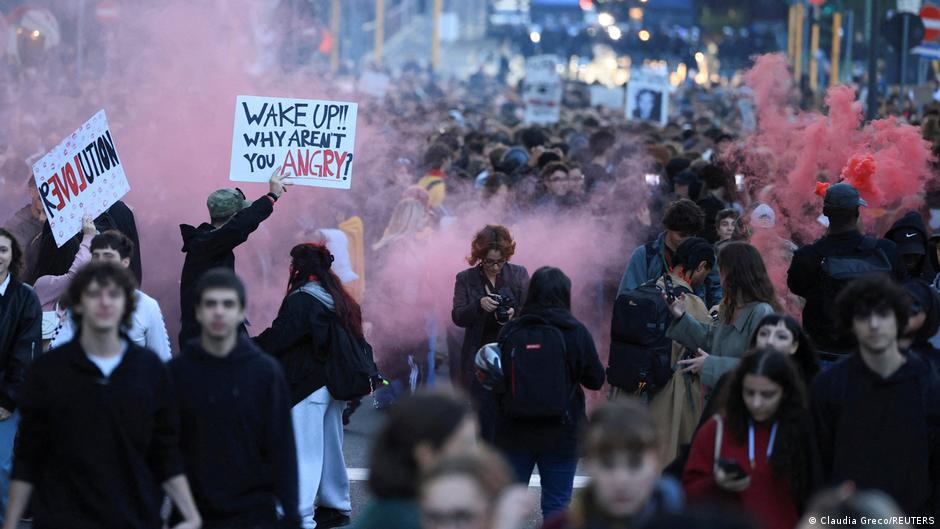
Protests across Italy link household price pressures with opposition to military spending and the Meloni government, raising economic and political risks.

Audi’s planned $4 billion Georgia factory shows how US tariffs are redirecting automotive investment, jobs and production away from import-based supply chains.

A possible November negotiating round could test whether US, Ukrainian and Russian delegations can move from technical diplomacy toward a leaders’ summit.

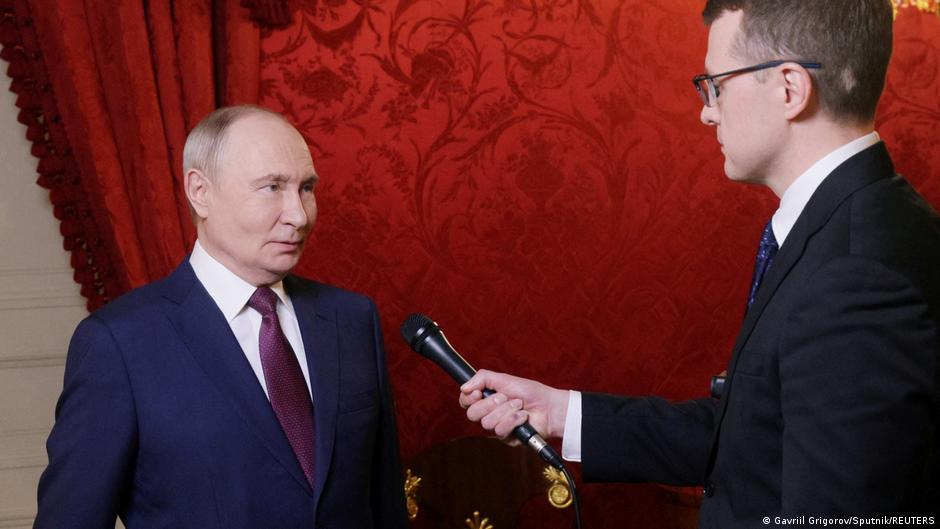
Putin backed renewed US-mediated talks with Kyiv but rejected freezing the war along the current front, leaving territorial demands as the central obstacle.

A Russian missile strike killed a 21-year-old woman, injured three people and damaged buildings and metro rails across several Kyiv districts.

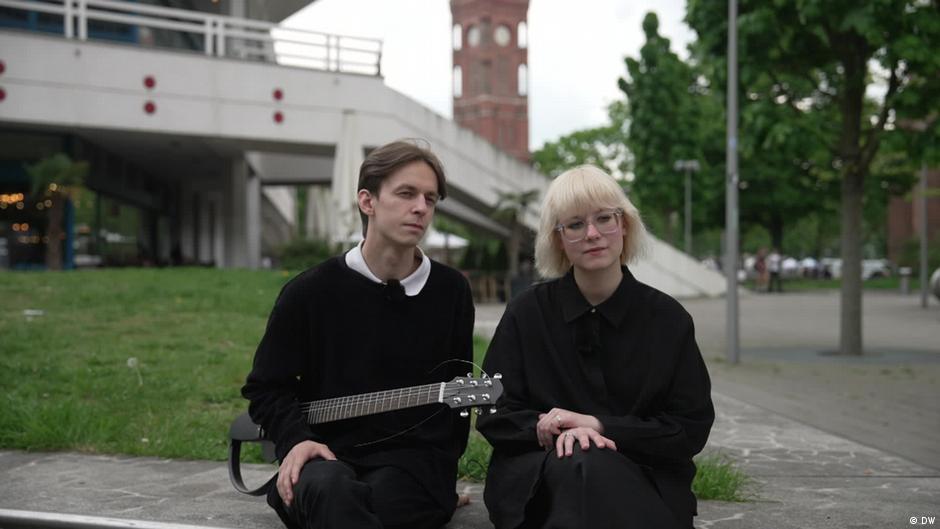
Russia’s designation of two StopTime musicians as “foreign agents” shows how political enforcement can reshape cultural work and accelerate creative migration.

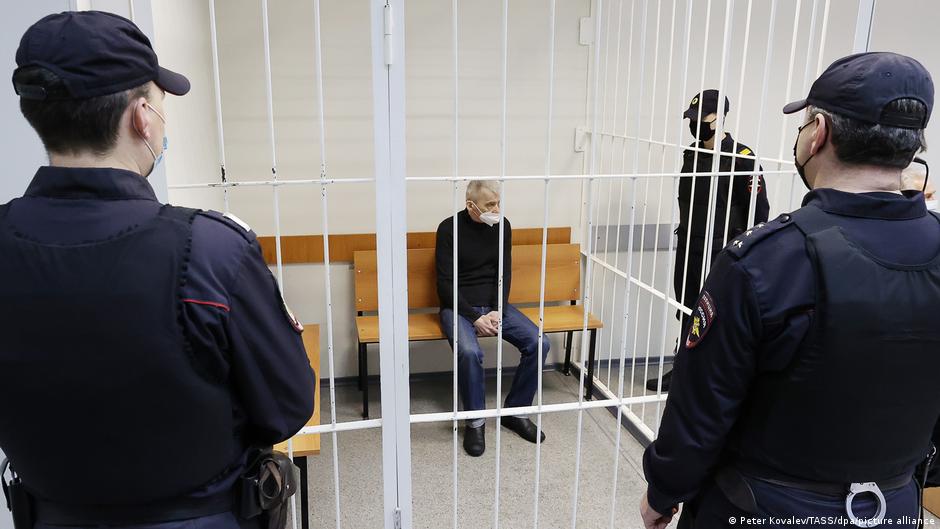
Yury Dmitriev was returned to a Russian penal colony without a diagnosis after suspected stroke symptoms, rights advocates said.

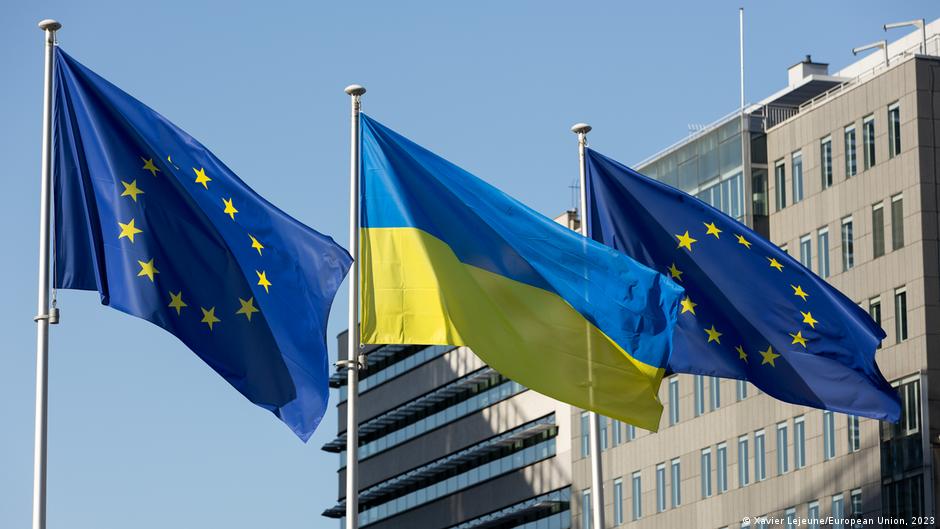
EU states agreed to open internal market and competitiveness accession clusters for Ukraine and Moldova, deepening reform and economic integration talks.

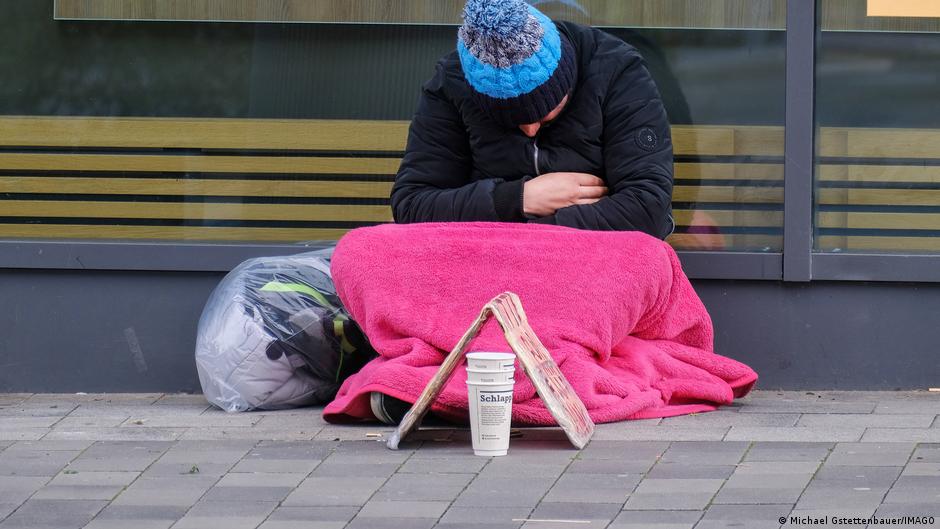
Germany’s long-term welfare rolls have reignited debate over Bürgergeld, work requirements and the structural barriers keeping people out of work.

Kyiv’s mayor urged some residents to consider temporary relocation as Russian strikes threaten water, heating, energy and transport systems.

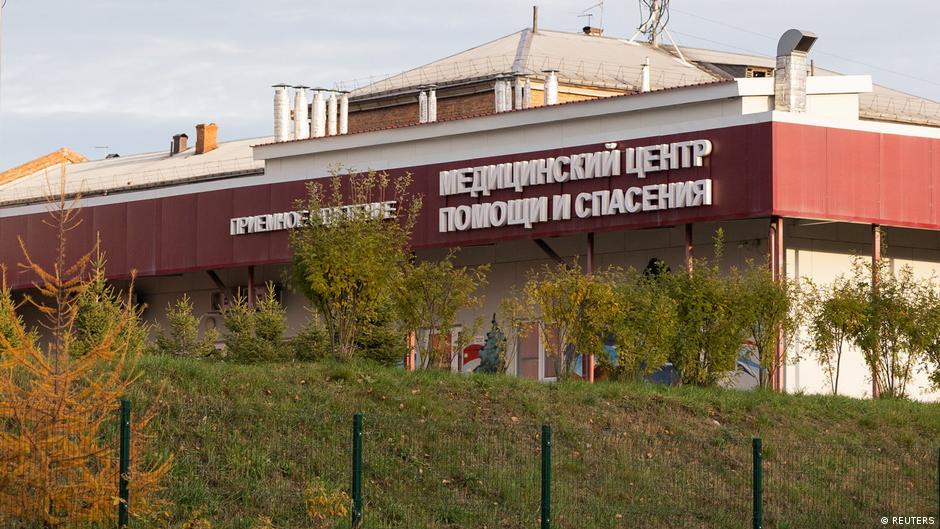
A reported possible plague-linked death in Irkutsk has prompted WHO inquiries, hospital quarantines and a planned Trump-Putin call.

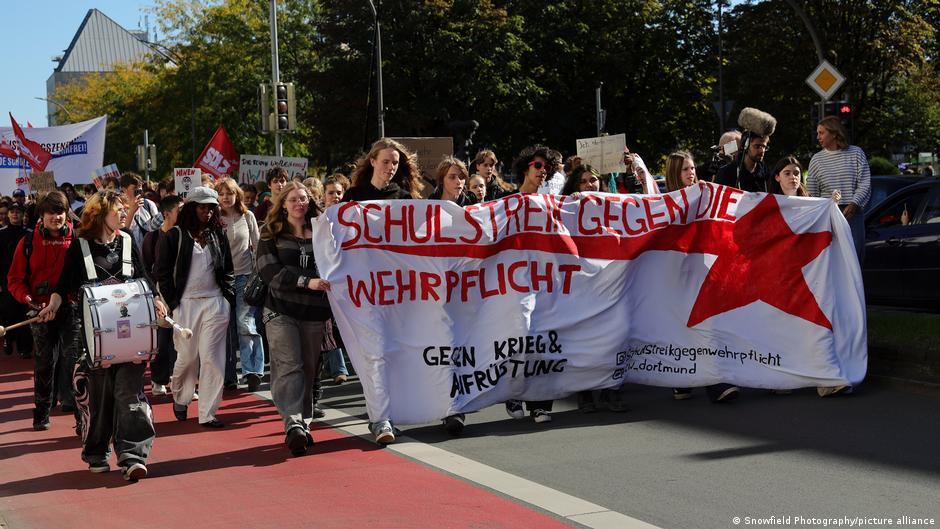
Germany recorded more than 12,000 military service refusal declarations in eight months as recruitment reform reshapes the Bundeswehr debate.

Trump said the U.S. is ready to help Russia as reports from Irkutsk raised public-health concerns and prompted border precautions in Central Asia.

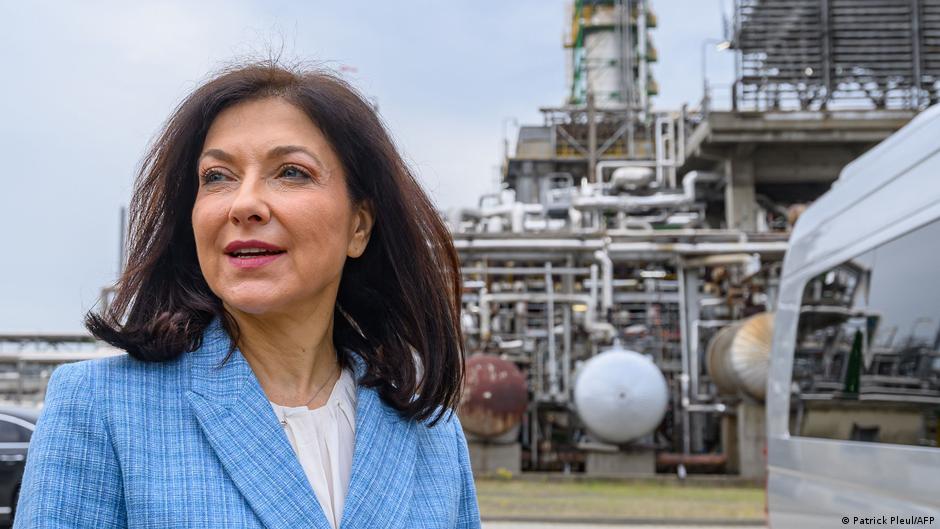
Katherina Reiche warned that the Left Party’s Berlin victory and expropriation plans could harm Germany’s investment climate.

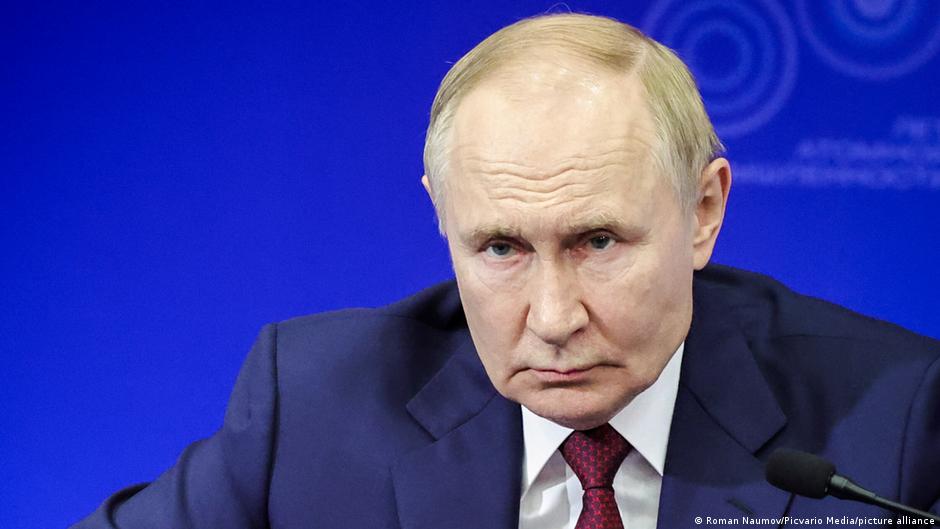
Putin’s Valdai speech sharpened nuclear rhetoric and war claims, adding to Europe’s long-term economic and security risk premium.

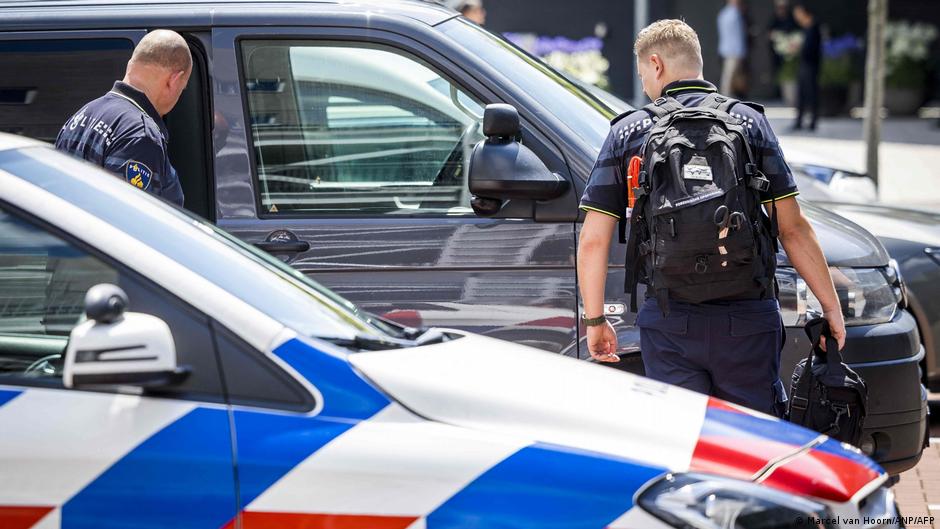
Dutch police detained a 24-year-old Amsterdam cybersecurity worker in a ShinyHunters probe tied to claimed FBI data theft.

Zelensky says North Korea may send 10,000 more troops to Russia, deepening concerns over wartime manpower, sanctions and security trade.

Russia’s renewed strikes on Kyiv show how attacks on homes, science institutions and medical facilities deepen Ukraine’s wartime economic strain.

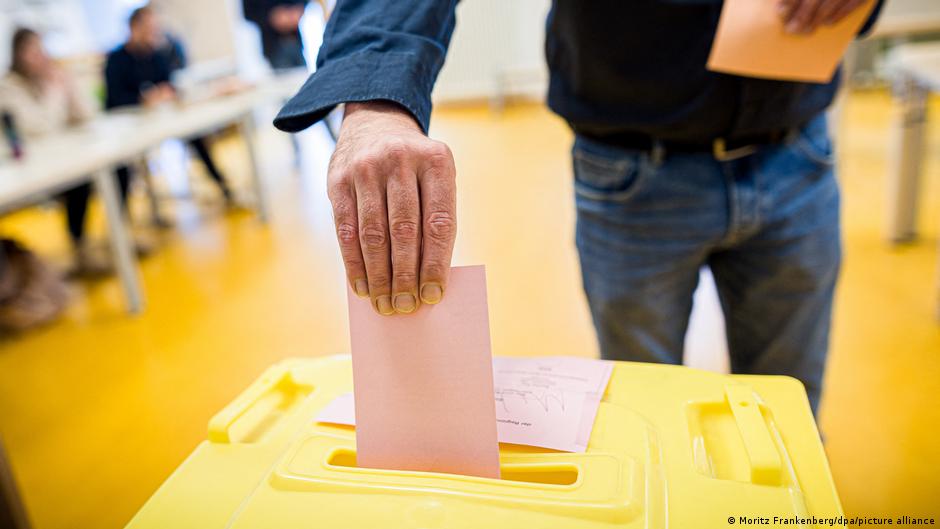
Lower Saxony’s runoffs strengthened Green urban leadership and showed the AfD’s difficulty converting first-round support into executive power.

The EU will add €710 million in humanitarian aid, with major allocations for Africa, migration pressures, Ukraine and crisis response.

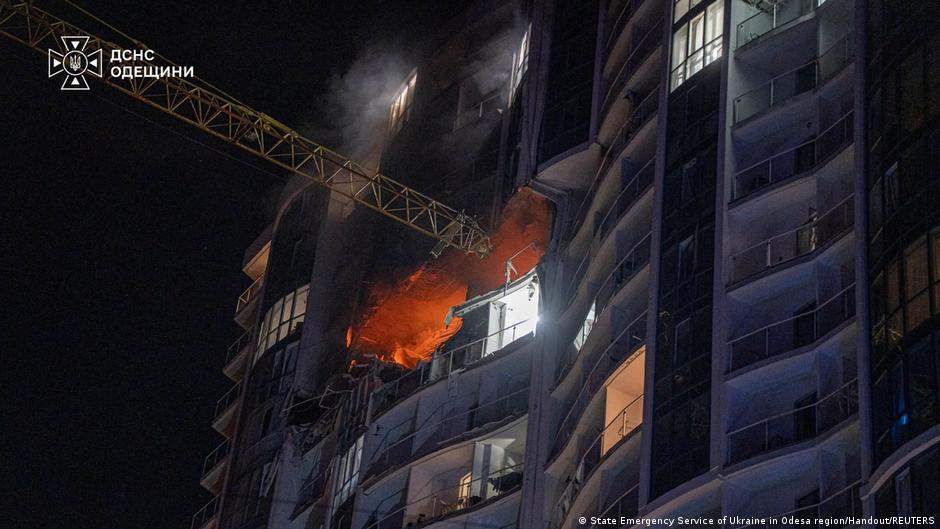
Russian drone strikes killed at least three civilians in Zaporizhzhia and hit port infrastructure in Odesa, deepening Ukraine’s wartime economic strain.

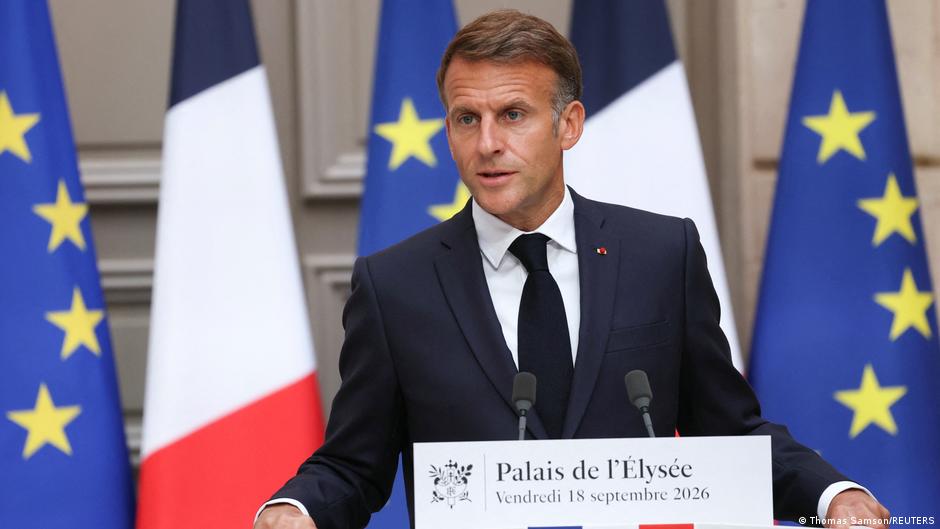
Macron says France sees a Russian mobilization of about 300,000 as credible and warns Europe may face wider hybrid attacks.

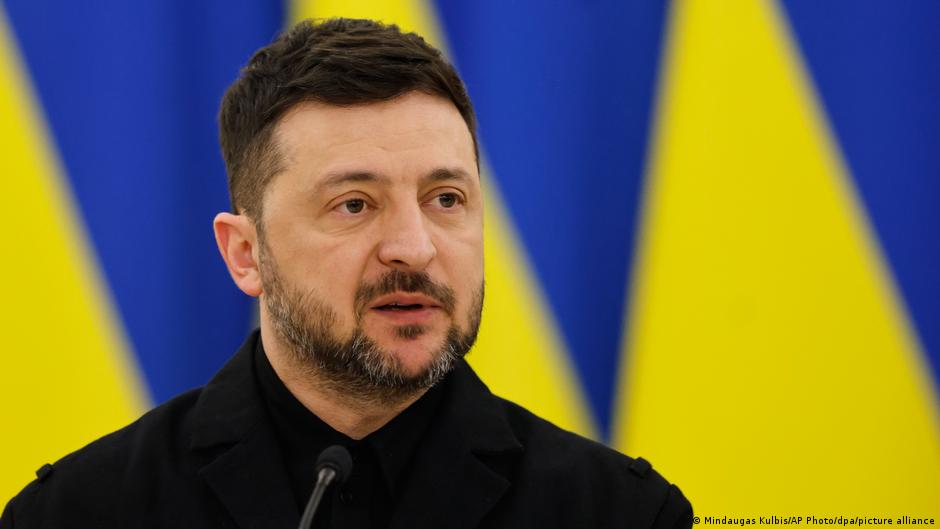
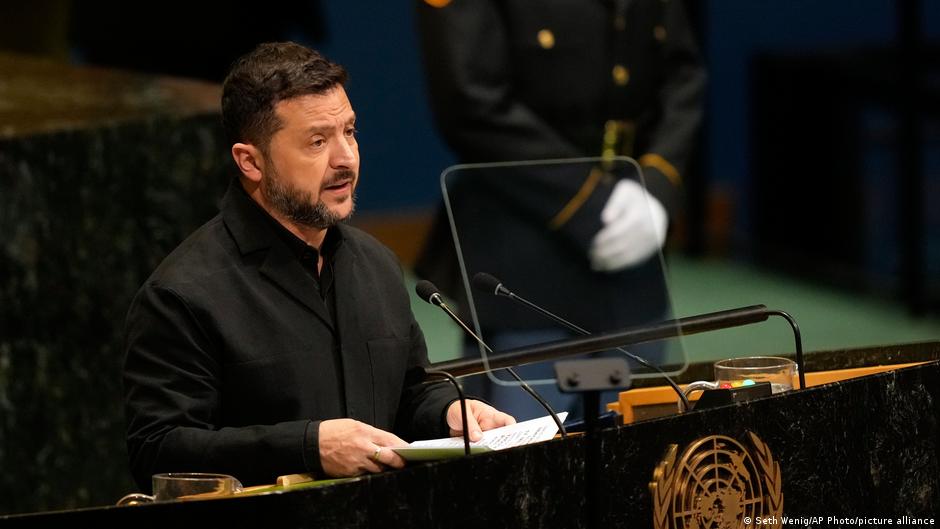
Zelenskyy told the UN that Putin is spreading the idea of war globally and said Ukraine aims to weaken Russia’s ability to finance the conflict.
The discovery of 572 remains at Chemmani has revived Sri Lanka’s unresolved debate over wartime disappearances and accountability.

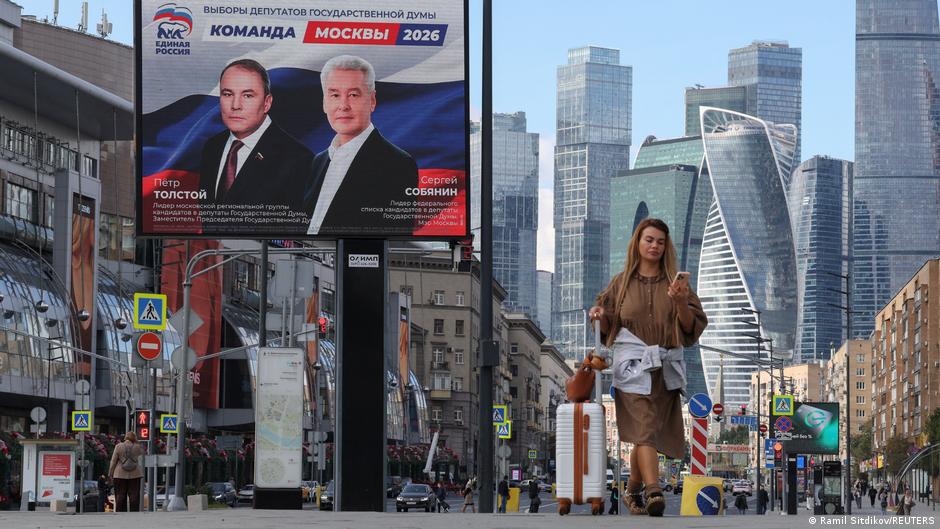
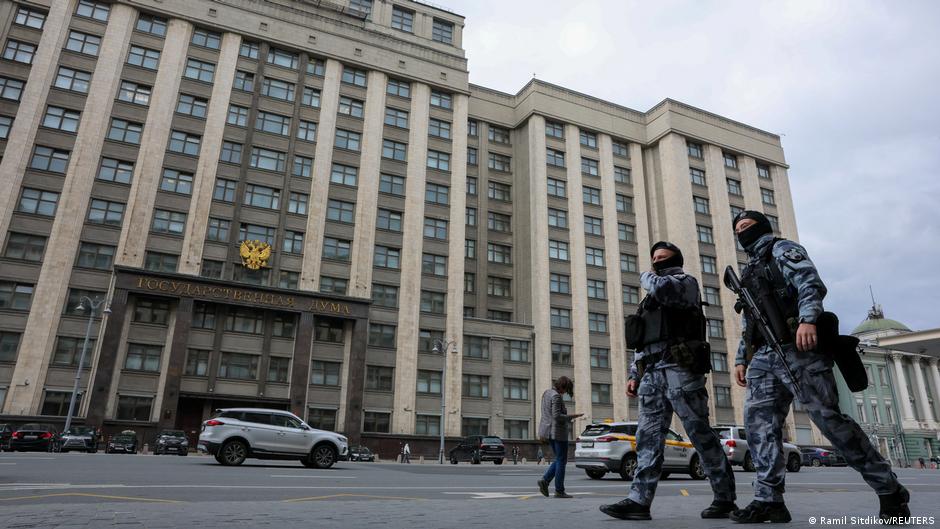
Partial results put United Russia on track for a State Duma constitutional majority, reinforcing Russia’s centralized wartime economic model.

Russia began a three-day State Duma vote that includes occupied Ukrainian territories and excludes anti-war parties from the party-list race.

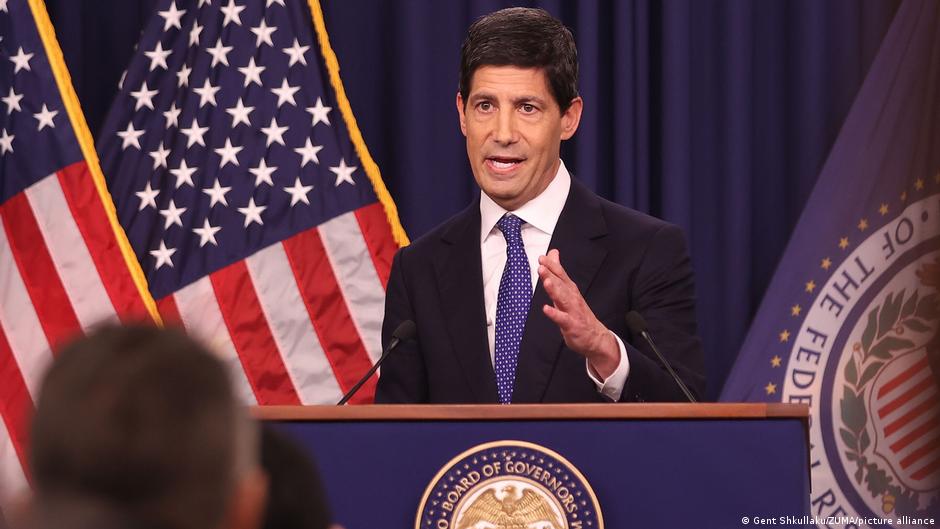
The Fed lifted rates to 3.75-4 percent, citing persistent inflation and reviving tensions between price stability, credit costs and politics.

Russian attacks on Kyiv, Odesa and Sumy injured civilians including children, damaged buildings and added to Ukraine’s mounting urban war costs.

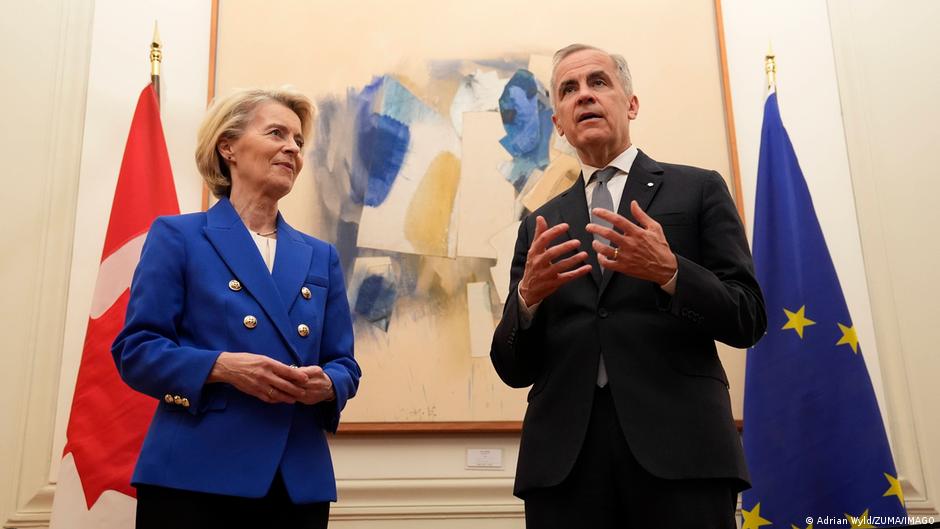
Canada is negotiating to join the EU’s €90 billion Ukraine loan as Ottawa seeks deeper European ties and less reliance on the U.S.

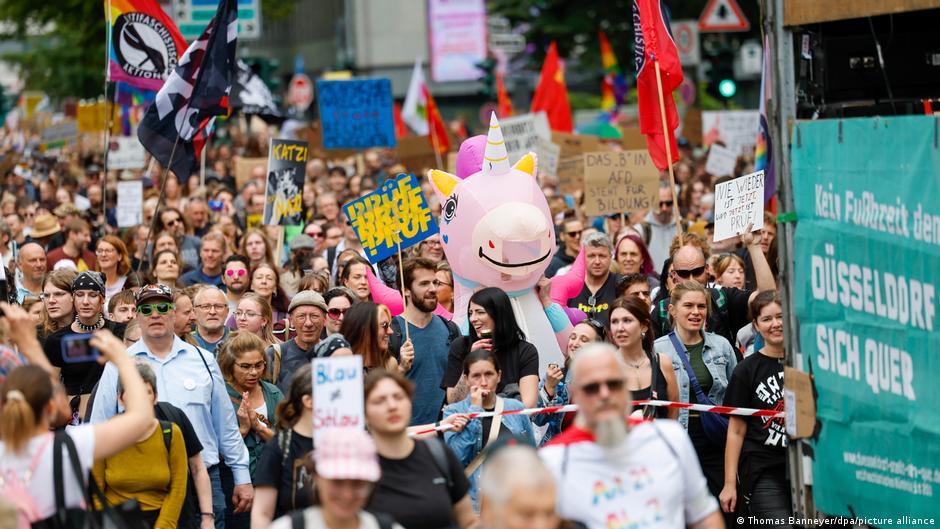
Mass protests across Germany against right-wing extremism show how the AfD debate is becoming an institutional and economic risk.