US Gas Proposal Tests Europe’s Postwar Energy Strategy and Economic Resolve
A reported US peace proposal would restore Russian pipeline gas to Europe, challenging the EU’s 2027 phaseout and reopening the debate over cost and dependency.

A reported US peace proposal would restore Russian pipeline gas to Europe, challenging the EU’s 2027 phaseout and reopening the debate over cost and dependency.

EU leaders remain divided over a nearly €2 trillion seven-year budget as fiscal restraint, proposed bloc-wide levies and election risks complicate a compromise.

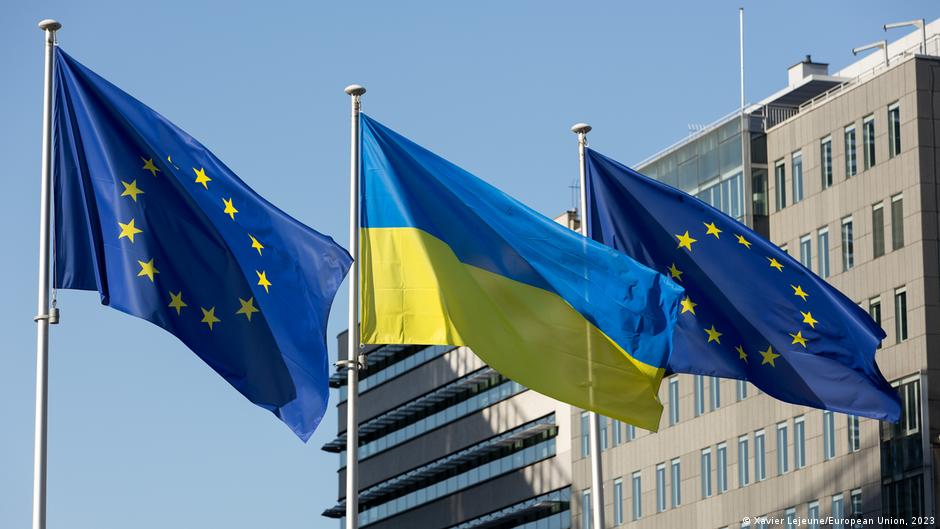
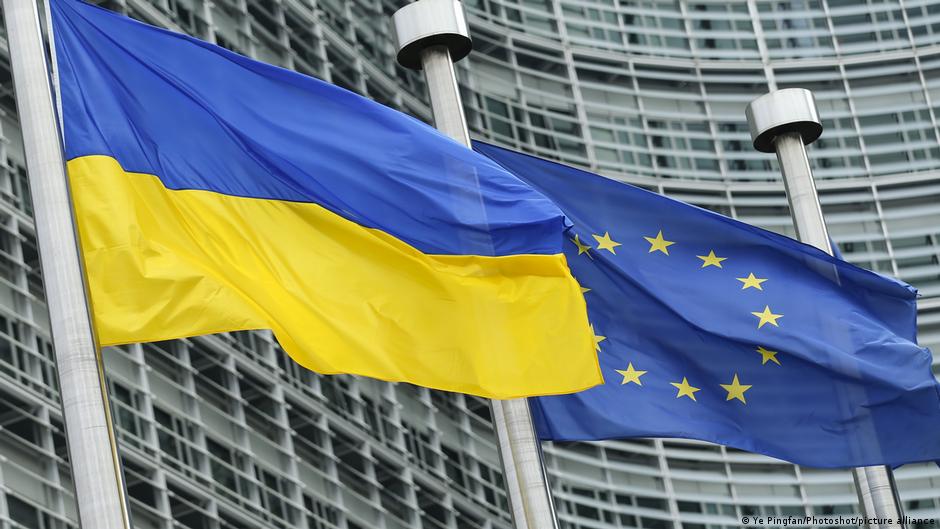
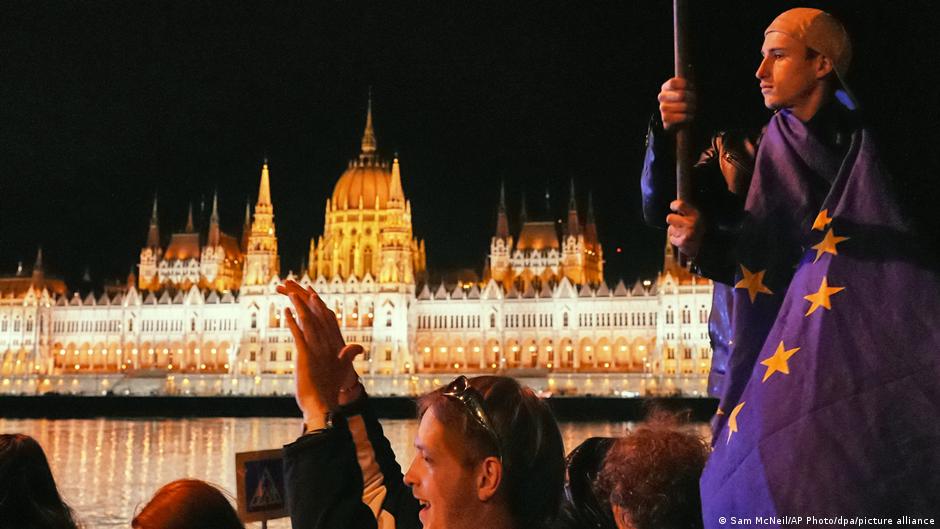
EU states agreed to open internal market and competitiveness accession clusters for Ukraine and Moldova, deepening reform and economic integration talks.

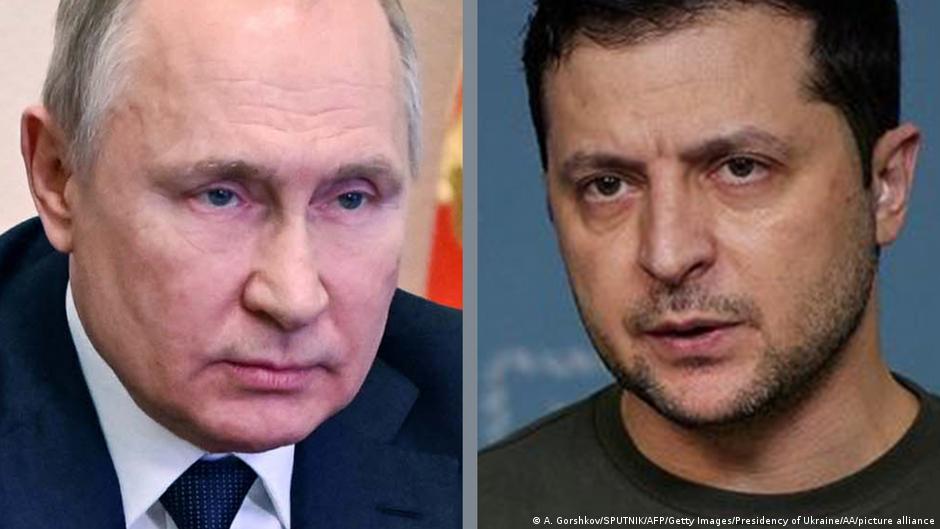
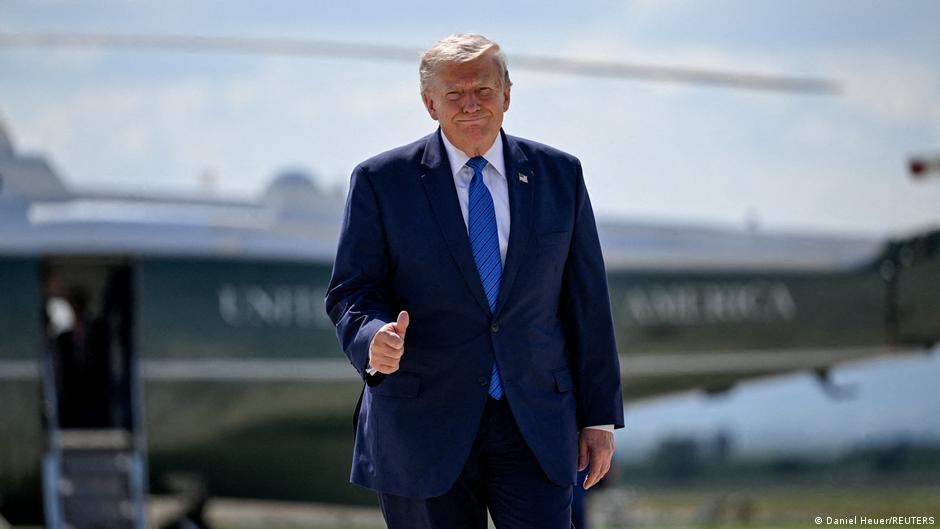
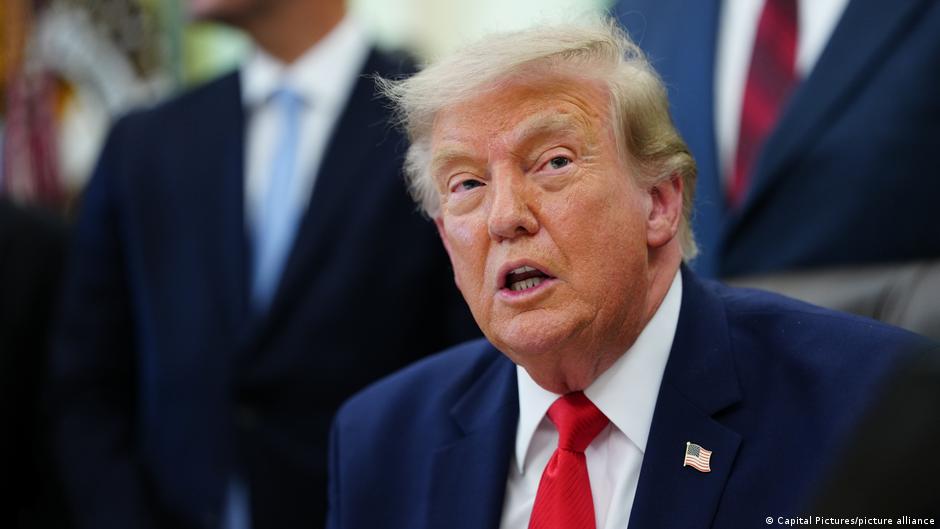
Trump said Putin is more interested than Zelensky in a Ukraine peace deal, while Kyiv urged U.S. pressure over Russia’s energy ceasefire violations.

Reported U.S. pressure over Ukraine’s PURL weapons pipeline turns refinery strikes and an energy truce into a test of economic leverage.

The EU is preparing new funding for Ukrainian drones and missiles as Brussels links wartime defense needs with long-term financing and reforms.

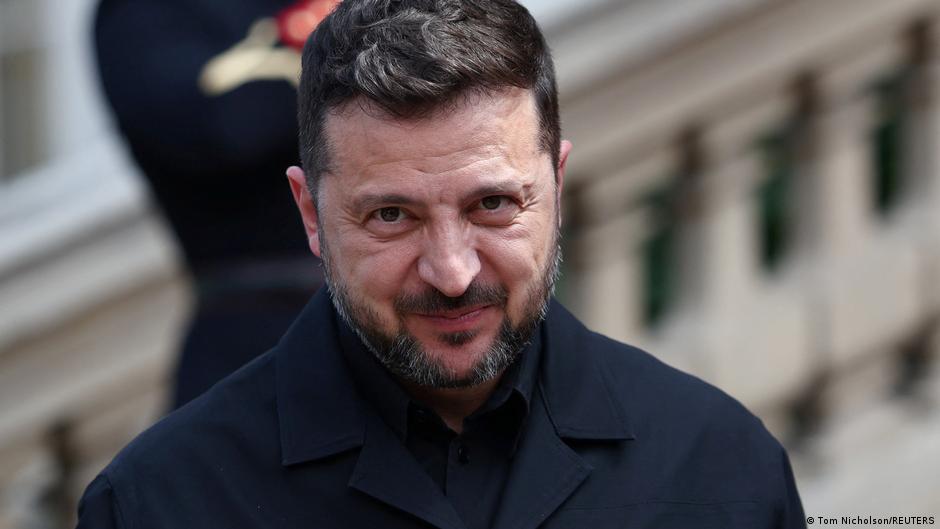
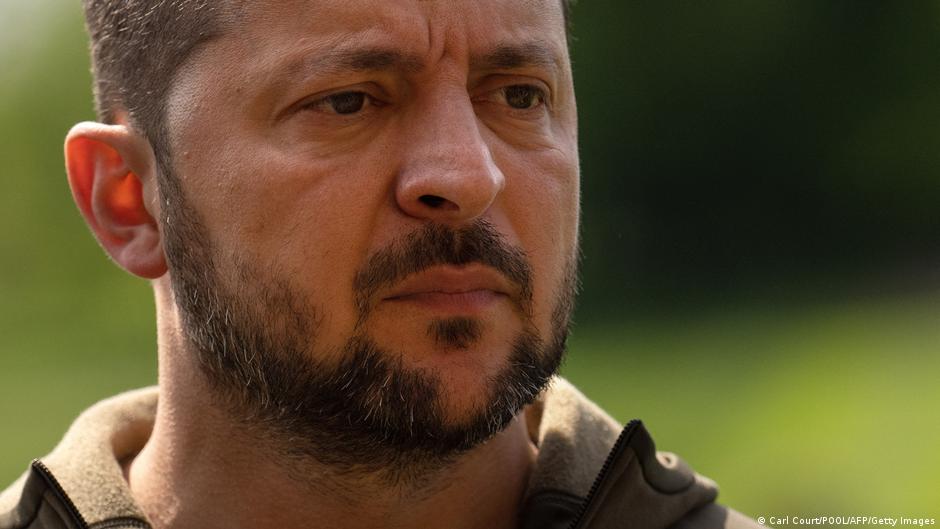
Zelensky warned that a U.S.-Russia diesel deal could strengthen Moscow’s war economy unless tied to clear de-escalation commitments.

Ukraine will discuss a new war-ending proposal with Trump envoys as Kyiv presses for sanctions, Starlink access and economic pressure on Russia.

Maria Kolesnikova urges the EU to use diplomacy and sanctions relief to free Belarusian political prisoners and reduce Russia’s influence.

The EU declined to accelerate part of a €90 billion Ukraine loan, arguing that early disbursement would shift the war-financing gap into 2027.

Trump expects renewed Iran talks after rejecting Tehran’s Hormuz proposal, with sanctions, oil flows and nuclear demands shaping the standoff.

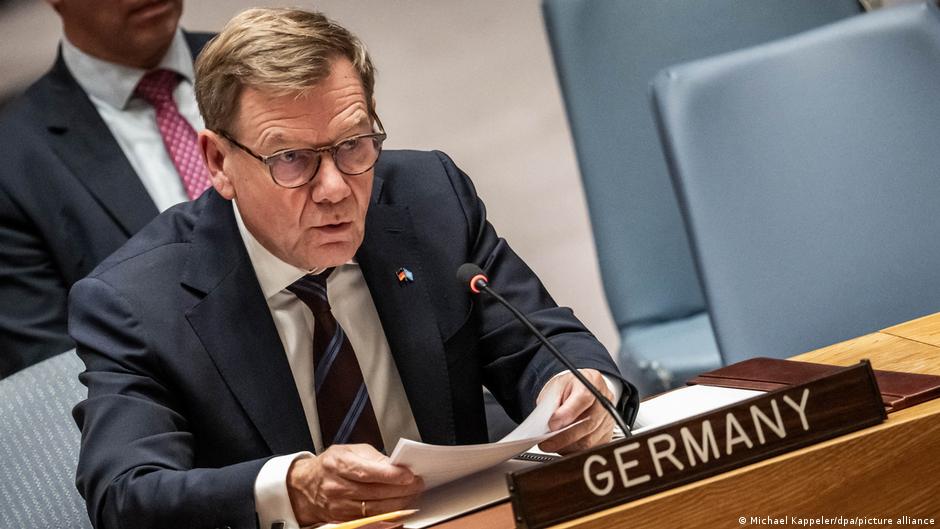
Germany says Putin’s possible G20 attendance should be judged by whether Russia first signals seriousness on Ukraine through a ceasefire.

Kyiv denied a report that Trump proposed Zelensky travel to Moscow, as energy prices and venue disputes shape Ukraine diplomacy.

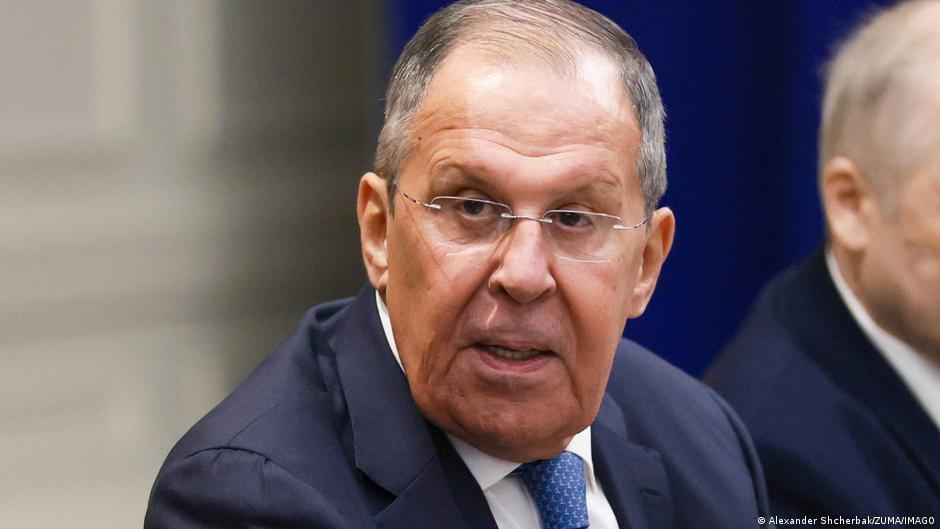
Lavrov said Russia will not pause operations for Ukraine talks, framing diplomacy as part of a wider contest over time, arsenals and leverage.

Kaja Kallas urged EU envoys to renew Russia sanctions as member states debated whether to delist Alisher Usmanov and Mikhail Fridman.

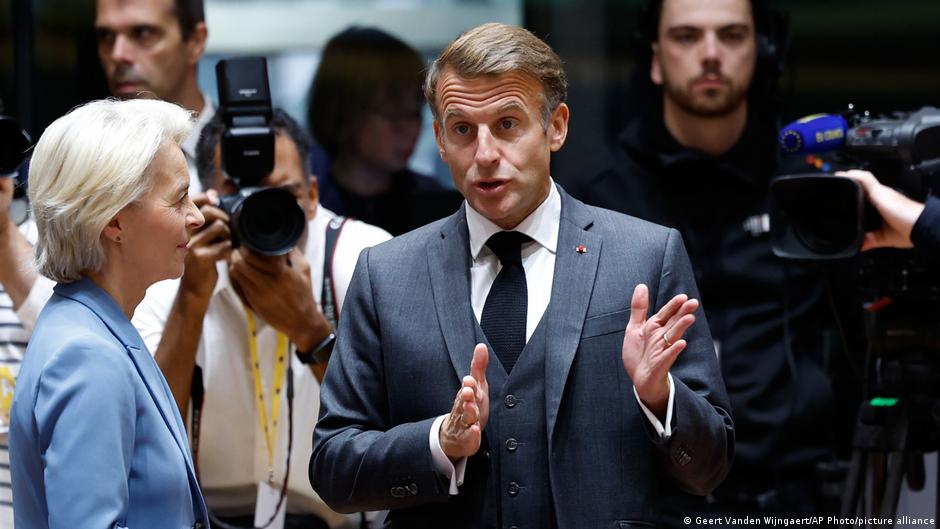
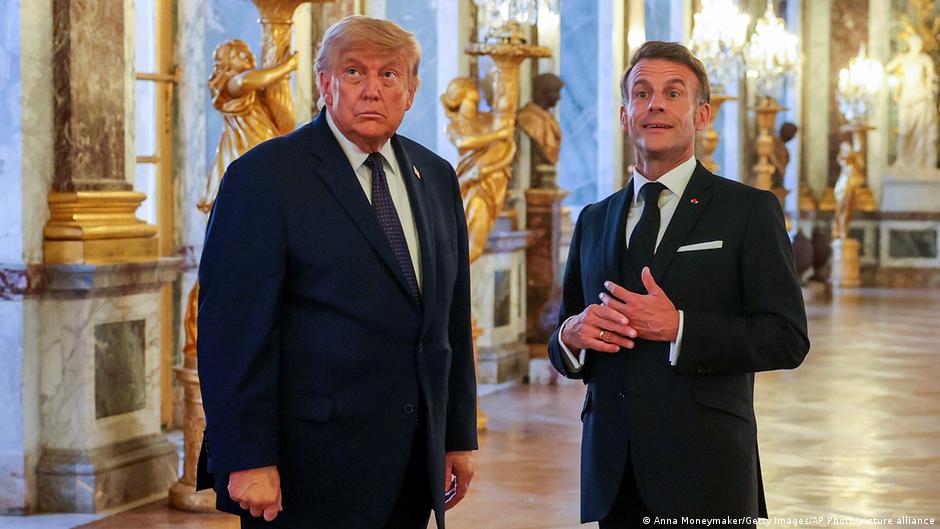
Macron said France and the U.S. would seek a moratorium on strikes against Ukraine’s energy and civilian infrastructure while boosting air defenses.

The Left Party’s Berlin victory puts housing expropriation, coalition arithmetic and fiscal risks at the center of the city’s next government.

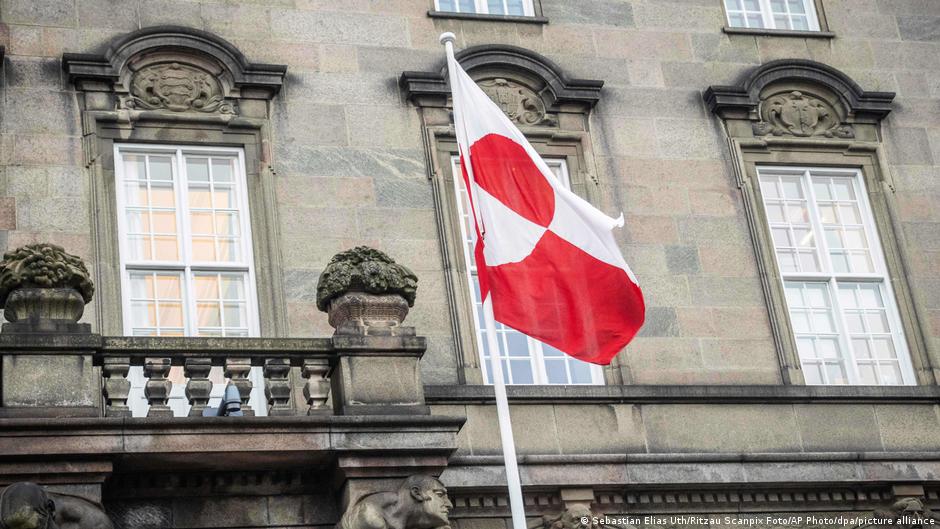
The Greenland arrangement could reshape Arctic security, investment screening and resource access while leaving key legal details unresolved.

Trump warned the EU of steep tariffs or a trade halt if its proposed associate partnership with Canada is deemed hostile to Washington.

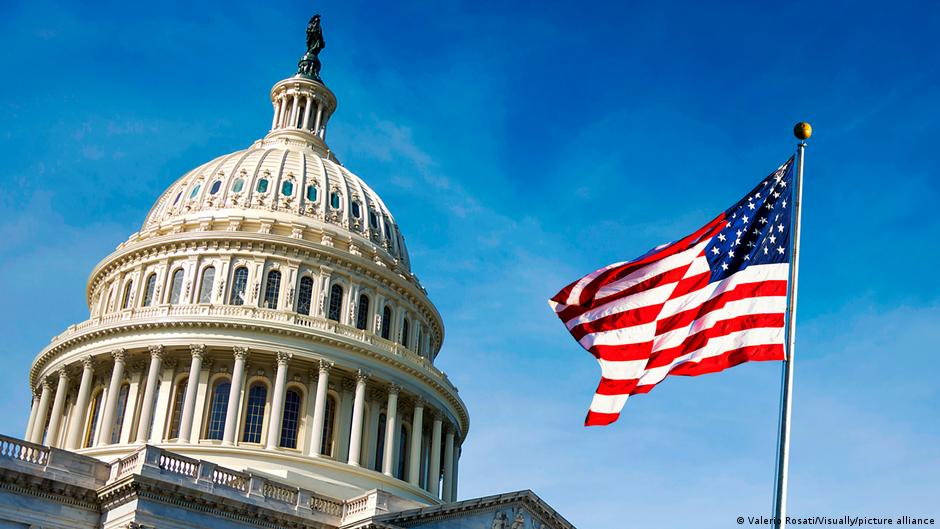
The House advanced a bill allowing Trump to impose 100% tariffs on major buyers of Russian energy, setting up a full vote this week.

Zelensky expects late-September talks with a US delegation on grain exports, energy security and the economic pressures shaping diplomacy.

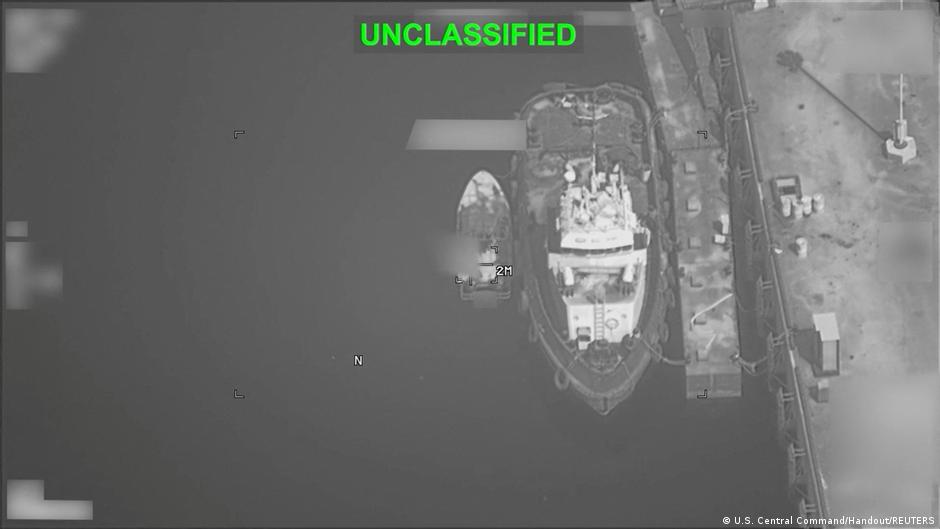
CENTCOM said it destroyed five Iranian oil tankers after IRGC missile attacks, escalating the economic fight over oil logistics and Hormuz.

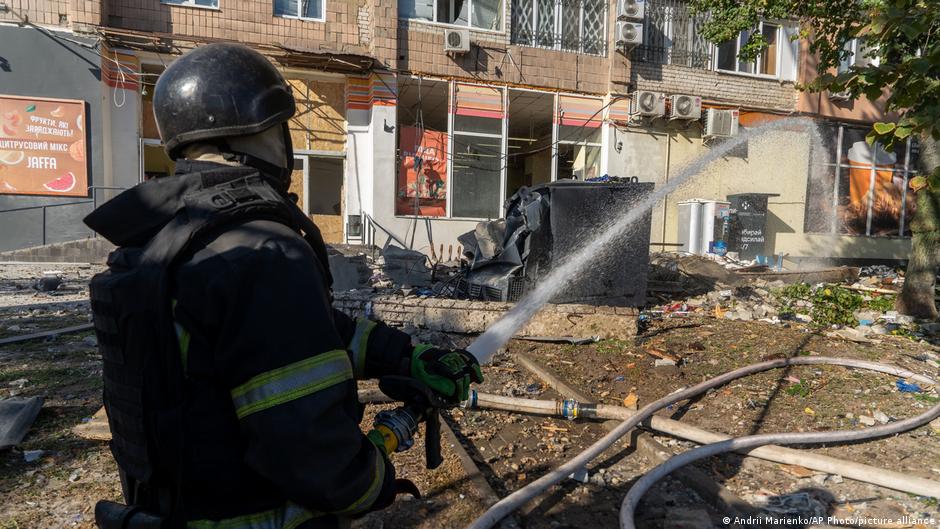
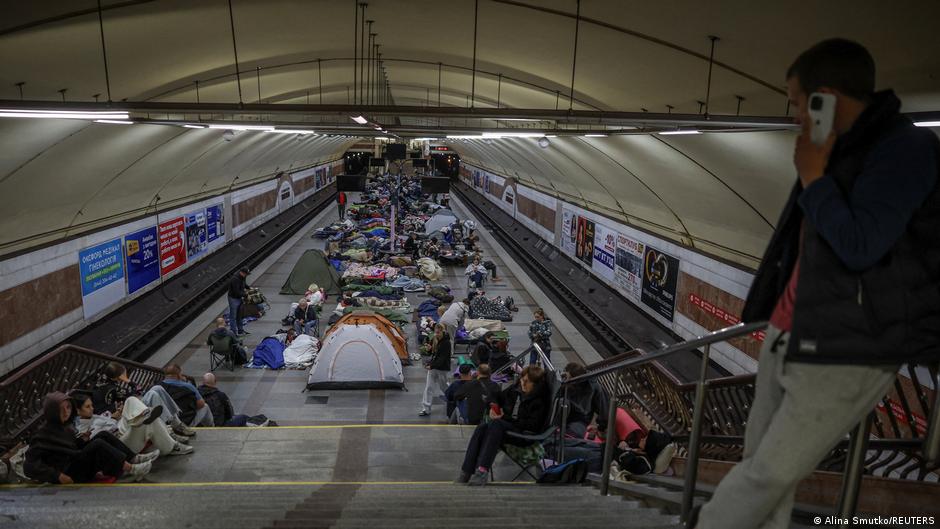
Russian strikes hit Kyiv with drones and ballistic missiles, damaging homes, logistics assets and public sites as talk of three-way negotiations resurfaced.

AfD’s projected win in Saxony-Anhalt drew sharp reactions from Poland, France and the Czech Republic, exposing wider European economic and political strains.

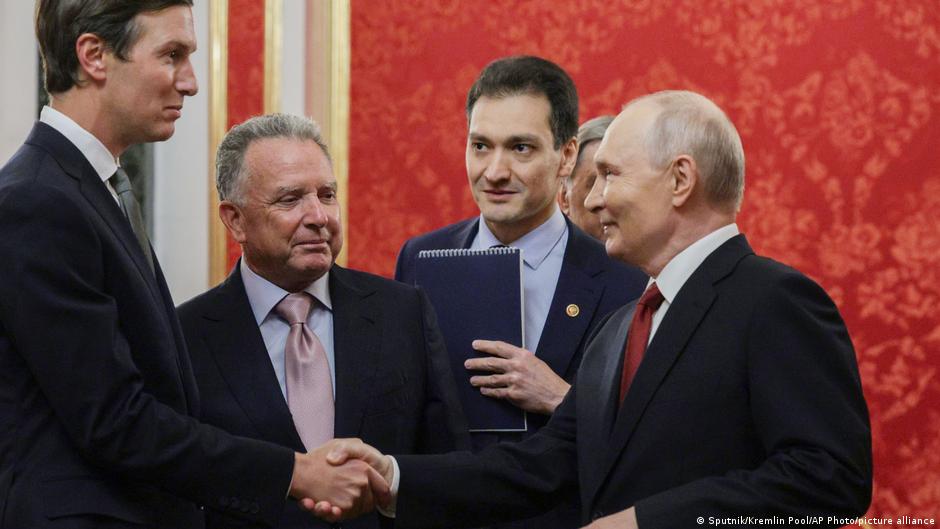
US envoys discussed concrete Ukraine war proposals with Putin before Kyiv talks, but the economic stakes depend on details still undisclosed.

Volkswagen approved its biggest-ever restructuring, combining 50,000 job cuts, a halved model range and major investment to restore profitability.

Putin said peace through diplomacy remains possible, while Zelensky said U.S. envoys will visit Kyiv and Moscow to discuss a potential agreement.

Daniel Driscoll’s reported resignation after a clash with Pete Hegseth adds to Pentagon turnover and raises questions over procurement, readiness and policy continuity.

On Ukraine's Independence Day, the EU recommits to sustained support and sanctions on Russia, highlighting long-term integration and regional stability amid ongoing conflict.

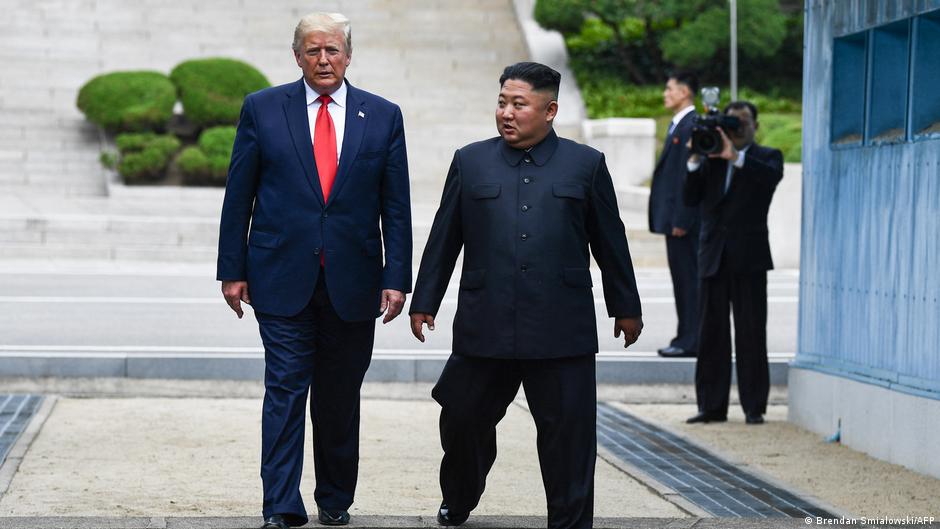
Donald Trump seeks a November meeting with Kim Jong Un at the APEC summit to revive stalled nuclear talks amid security and geopolitical challenges in East Asia.

US President Trump threatens Oman with bombing over its involvement in Strait of Hormuz negotiations amid renewed US-Iran tensions and regional instability.

Jared Kushner’s talks with Hamas reveal the intricate challenges of disarmament and governance reforms essential for Gaza's fragile peace prospects.

Qatar denies holding Iranian pilots allegedly captured after airspace violations amid ongoing Middle East hostilities, complicating regional diplomatic and security efforts.

Reports reveal at least 345 executed Ukrainian POWs and widespread torture, highlighting severe war crimes with significant legal and economic consequences amid ongoing conflict.

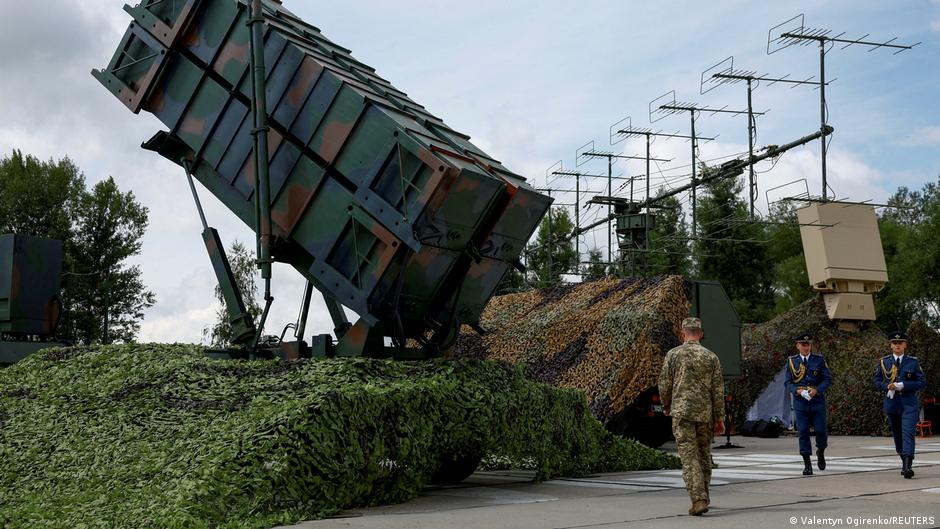
Raytheon and Lockheed Martin fear that licensing Patriot missile production to Ukraine may enable rapid, cost-effective manufacturing and technological improvements, raising strategic concerns.

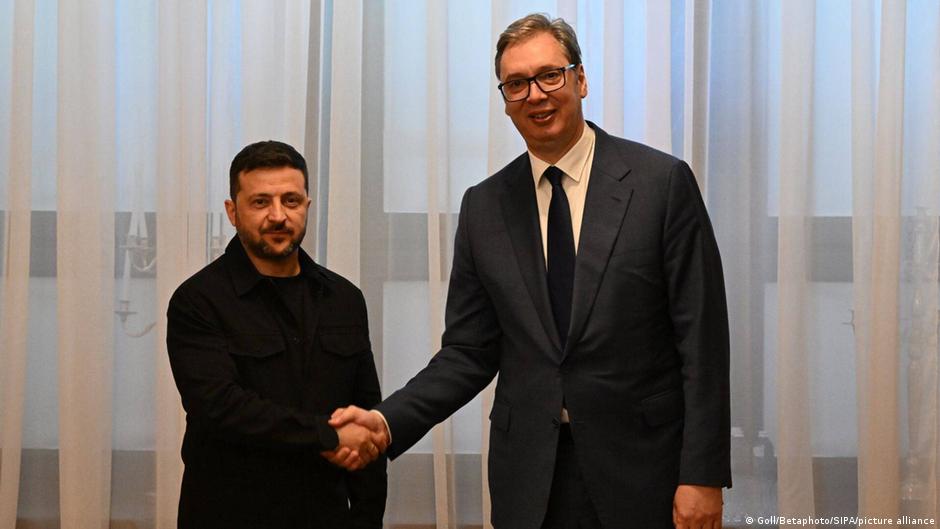
Ukrainian President Zelensky’s visit to Serbia aims to strengthen economic ties and address security, challenging traditional Russian influence amid regional tensions.

Ukraine’s Security Service reports a 40-day campaign targeting over 100 Russian strategic sites, severely impacting military and energy infrastructure to pressure Russia towards ending the conflict.

President Trump announces a new negotiation phase with Iran, postponing military strikes to pursue a deal addressing nuclear and regional security, amid ongoing US-Iran tensions.

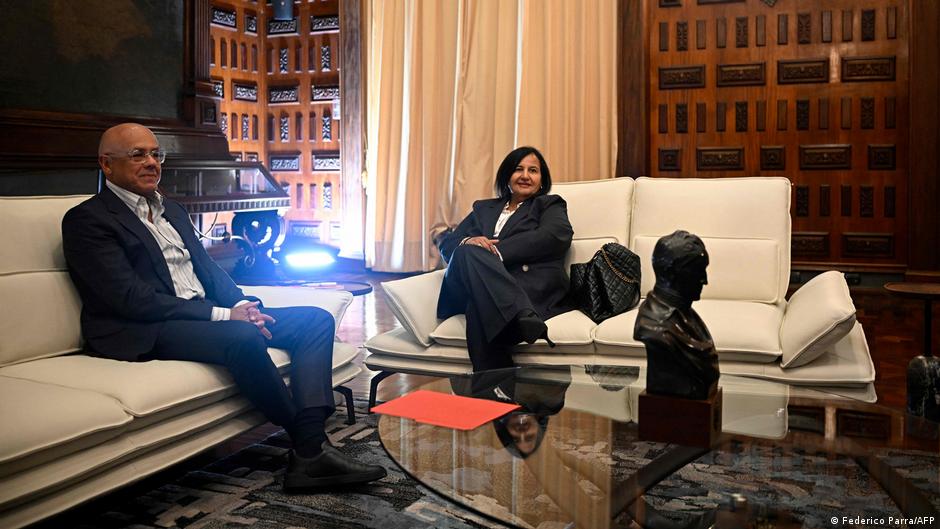
Venezuela’s government and opposition will engage in direct talks in Caracas to discuss earthquake aid and electoral reforms amid economic and political crises.

US President Donald Trump declared a historic agreement with Hamas for full disarmament, marking a crucial step toward peace and political restructuring in Gaza after years of violent conflict.

Austria plans to extend mandatory military service to nine months, responding to evolving security threats including hybrid warfare and cyber risks.

President Zelensky’s Washington visit coincides with a Senate vote on expanded sanctions against Russia, encompassing broader Middle East implications and diplomatic efforts.

President Zelensky warns of Russia's plans to expand military mobilization in 2026 and deepen military ties with North Korea, reflecting structural strains in Moscow's war efforts.
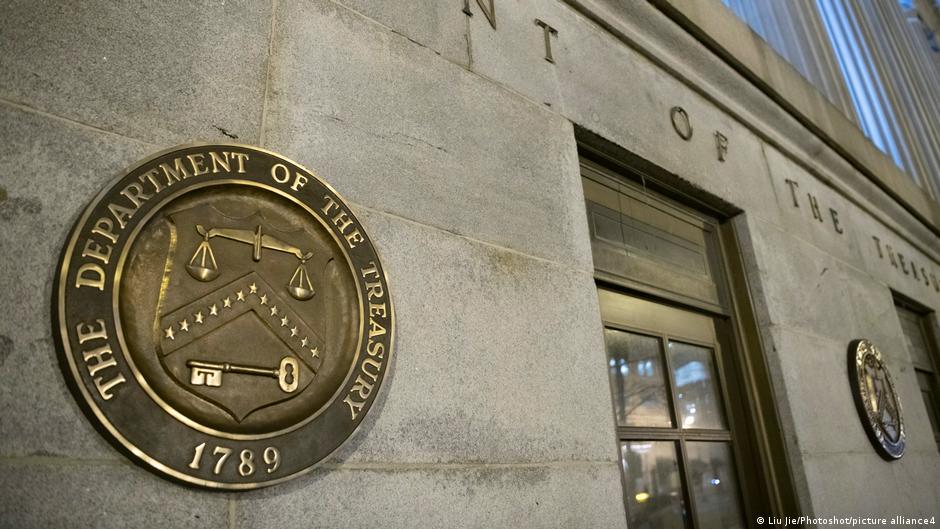
The US has lifted sanctions on Miami-based Bel-Kap-Steel linked to Belarus's metallurgy sector amidst the release of political prisoners and eased diplomatic tensions.

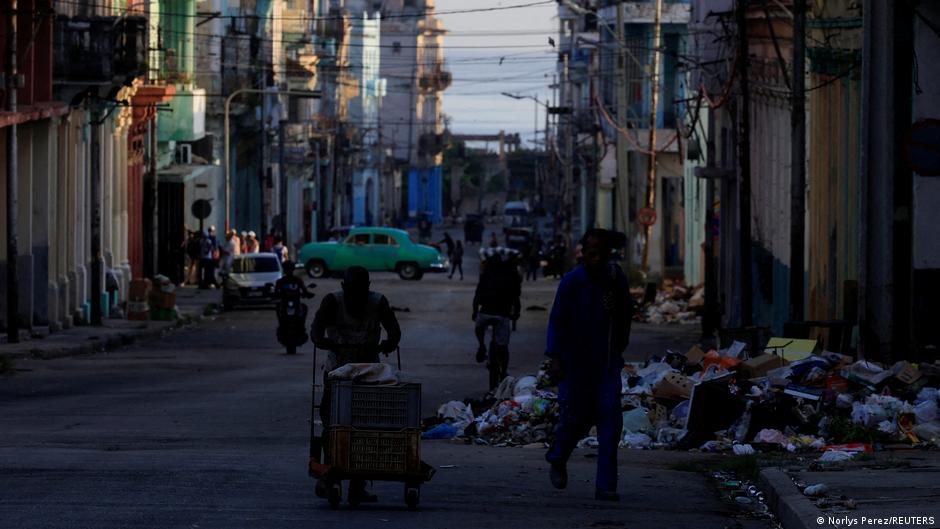
The US begins delivering a $100 million humanitarian aid package to Cuba amidst heightened sanctions and military threats, highlighting a complex policy approach.

The US has introduced new 50% tariffs on Canadian goods, escalating trade tensions and challenging the USMCA agreement with significant economic implications for both countries.

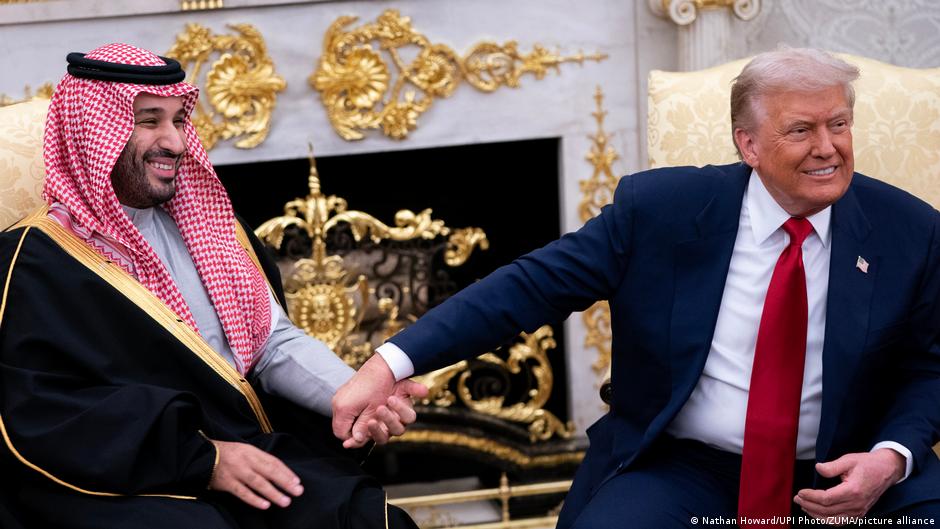
The Trump administration's tentative approval for Saudi uranium enrichment without strong IAEA safeguards raises proliferation concerns amid expanding nuclear energy cooperation.

Hungary blocks Ukraine’s EU accession talks on key economic chapters, citing concerns over Western Balkans' accession timing and signaling challenges for Ukraine’s integration.

The US launched airstrikes on Iranian military and infrastructure sites, prompting retaliatory attacks on US bases in Bahrain and Kuwait, escalating tensions with significant economic ramifications.
Former Spanish PM Mariano Rajoy sparked controversy by denying French identity to France’s World Cup team, prompting debates on nationalism, immigration, and social cohesion in Europe.