Serbia’s Student-Led Opposition Poses an Economic Test for Vucic
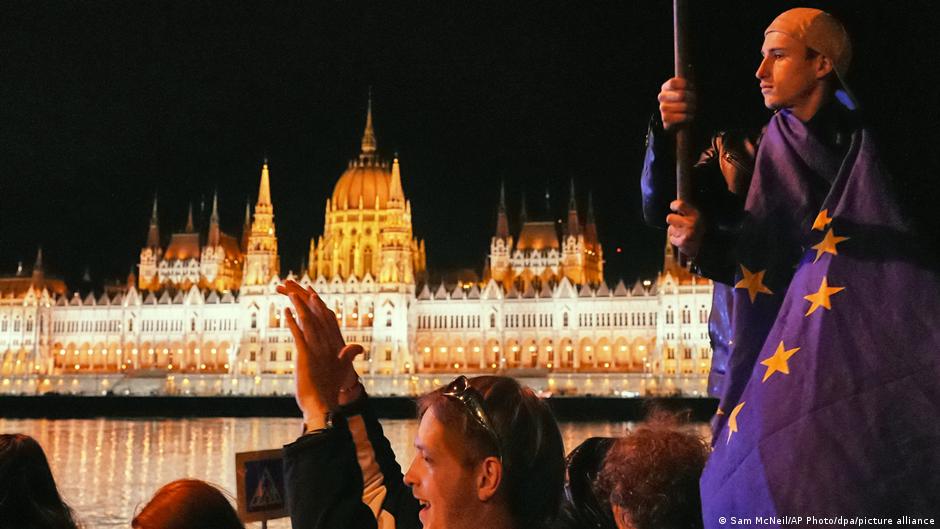
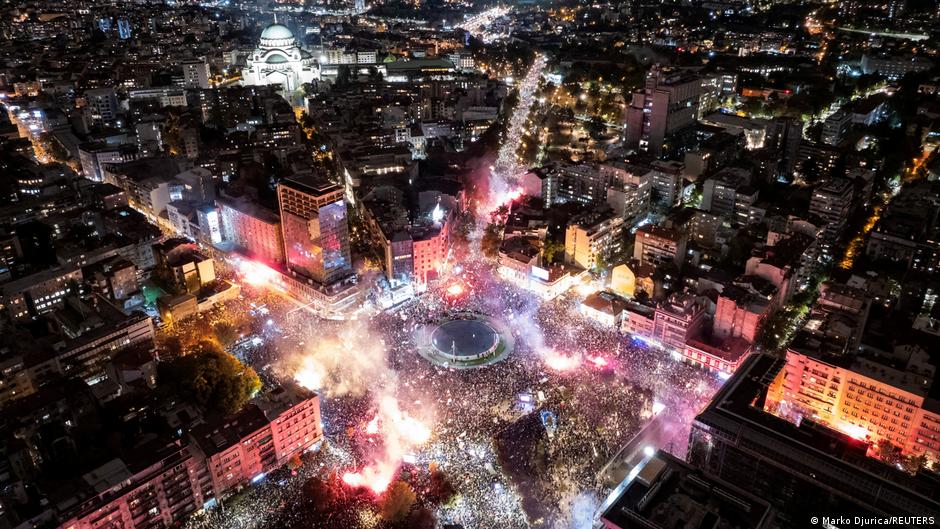
A student-led movement is challenging Aleksandar Vucic as anger over alleged corruption turns Serbia’s snap election into a test of its governing model.

A student-led movement is challenging Aleksandar Vucic as anger over alleged corruption turns Serbia’s snap election into a test of its governing model.

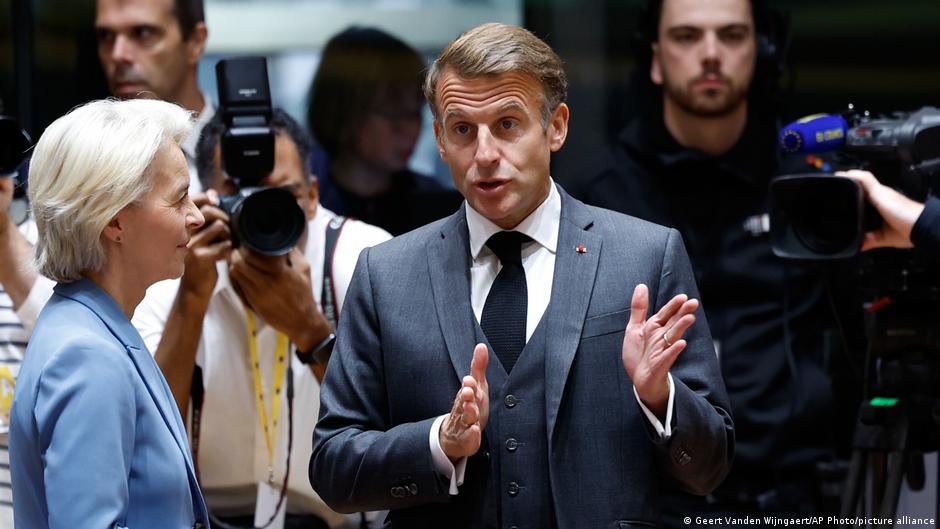
EU leaders remain divided over a nearly €2 trillion seven-year budget as fiscal restraint, proposed bloc-wide levies and election risks complicate a compromise.

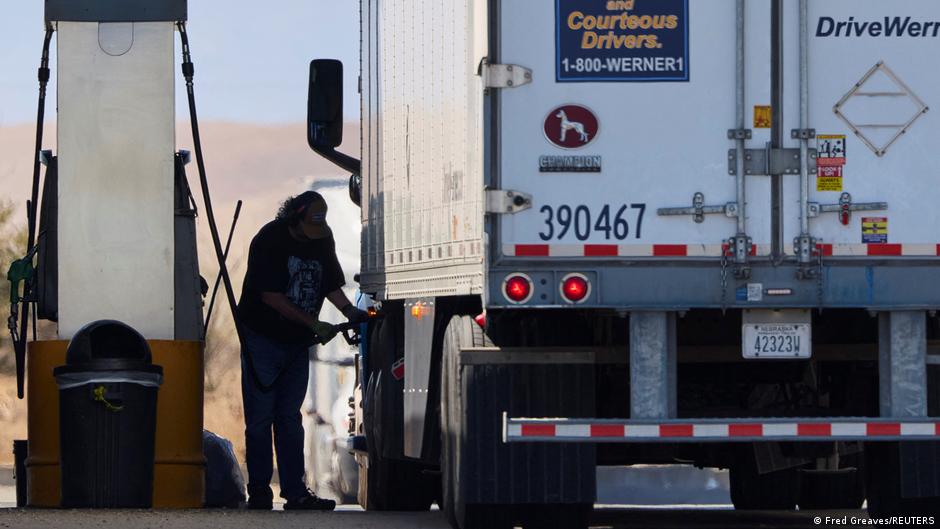
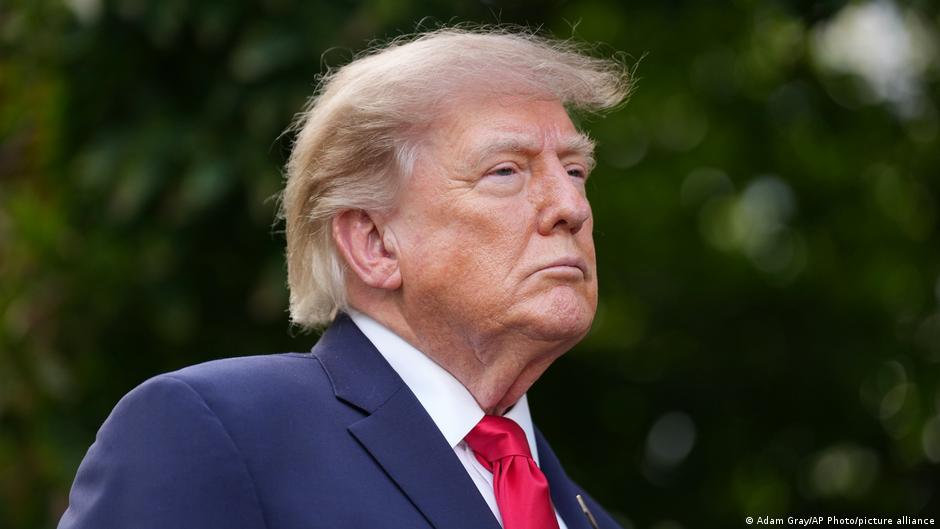
A bipartisan group of U.S. senators says Trump’s Russian diesel deal would aid Moscow while offering little relief to American fuel consumers.

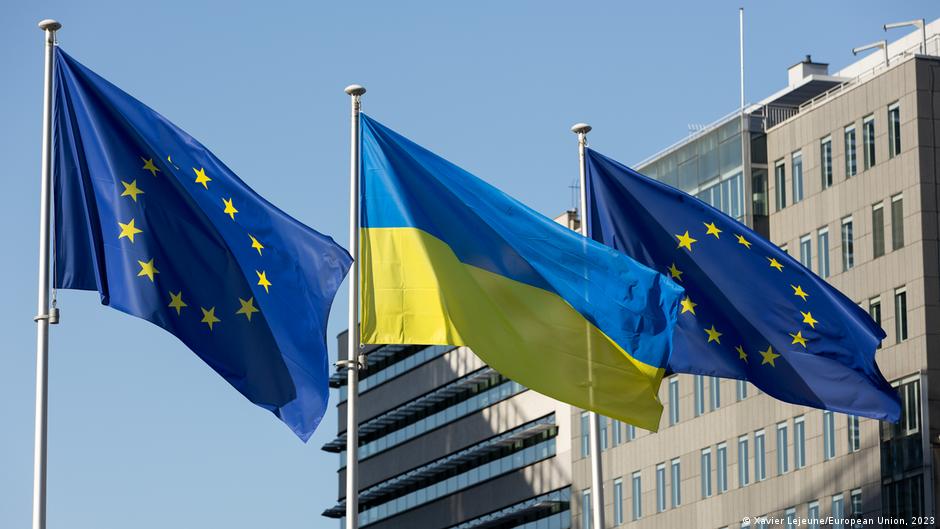
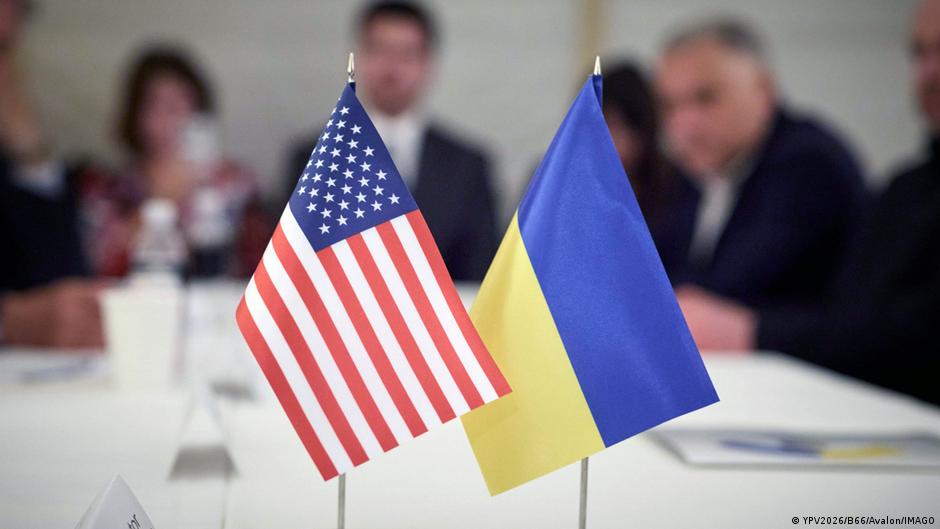
EU states agreed to open internal market and competitiveness accession clusters for Ukraine and Moldova, deepening reform and economic integration talks.

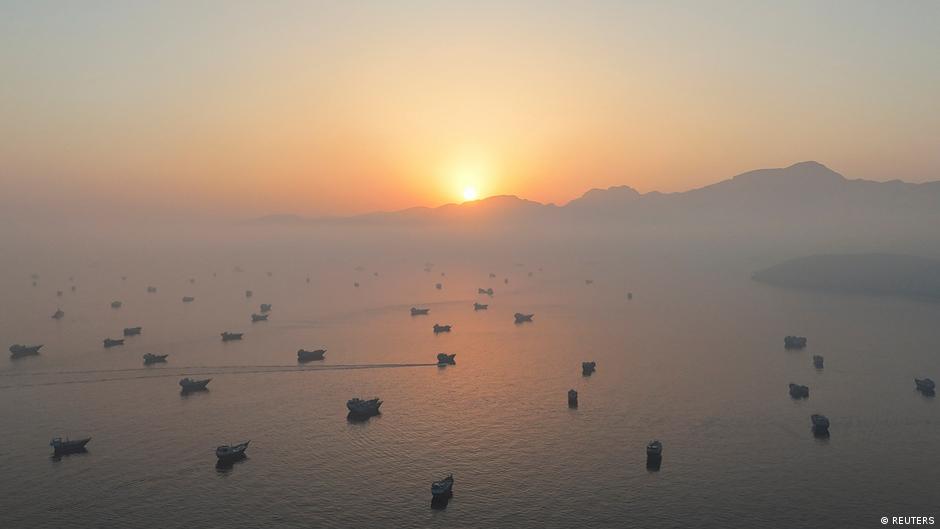
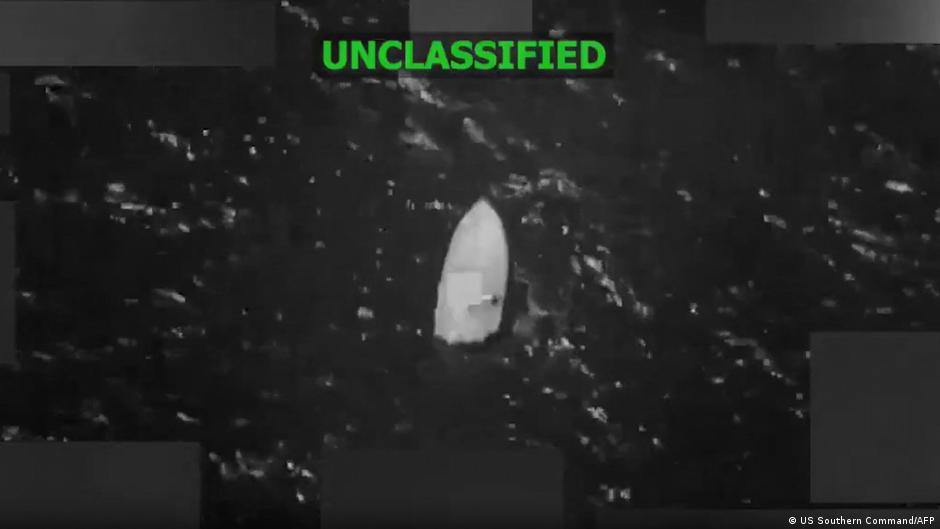
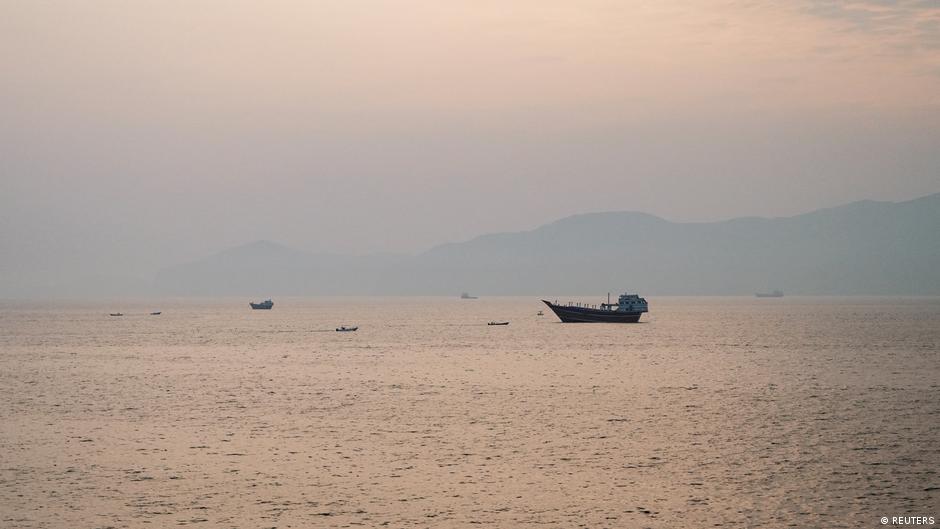
A U.S. strike disabled a Panama-flagged cargo ship near Iran, deepening Gulf trade risks as tanker attacks and fuel prices add economic pressure.

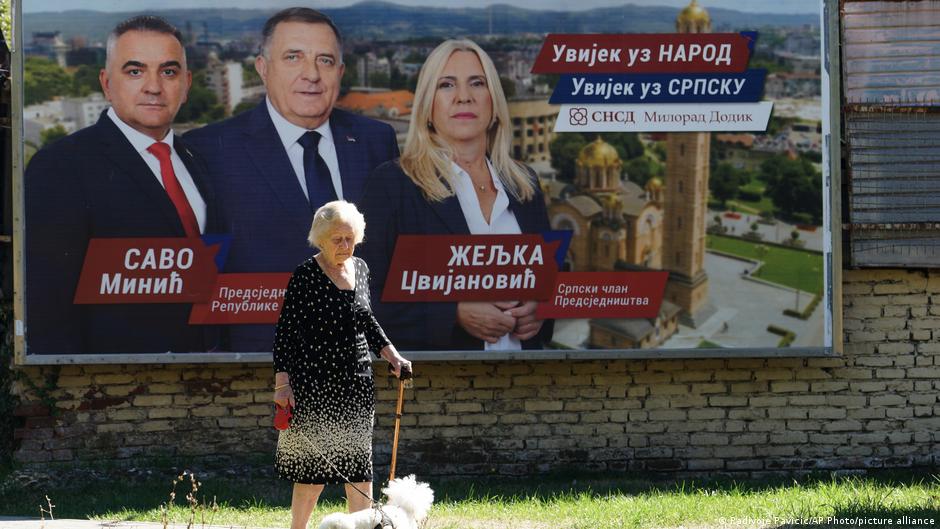
Ruling parties and Milorad Dodik’s allies prevailed in Bosnia’s elections, reinforcing continuity within the country’s fragmented Dayton system.

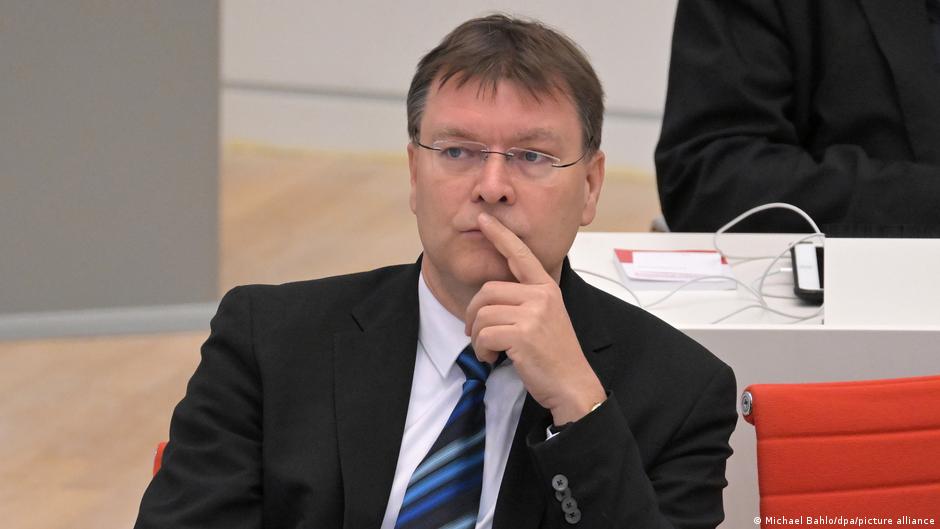
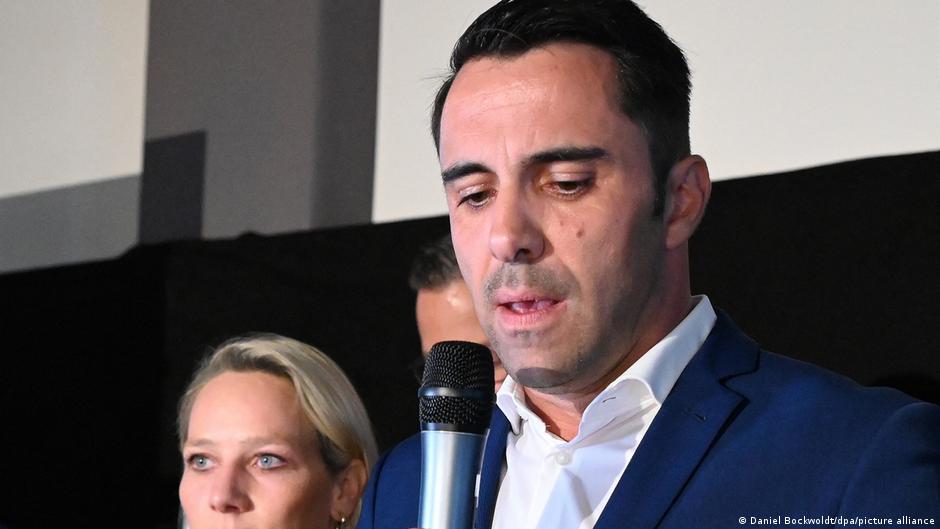
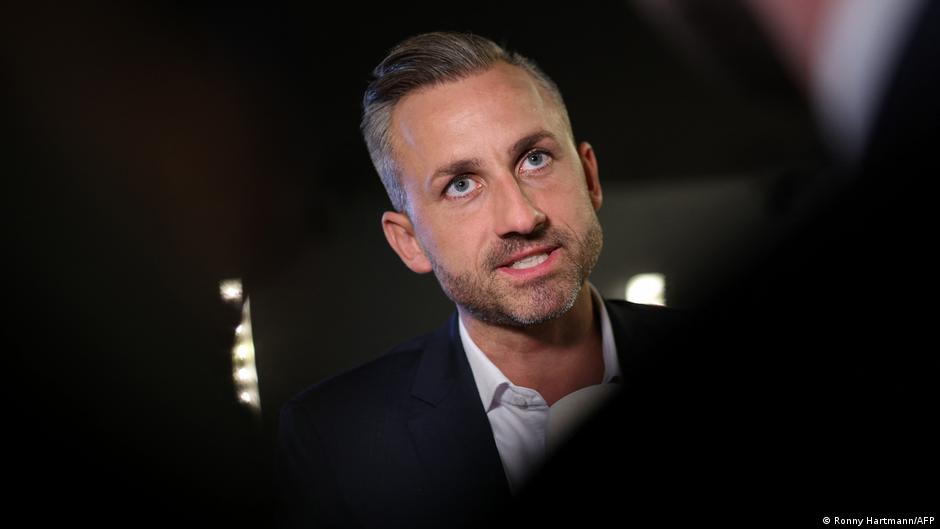
BSW lawmaker Sven Hornauf plans delegations to Belarus and Russia to revive twin-town links suspended after the war in Ukraine.

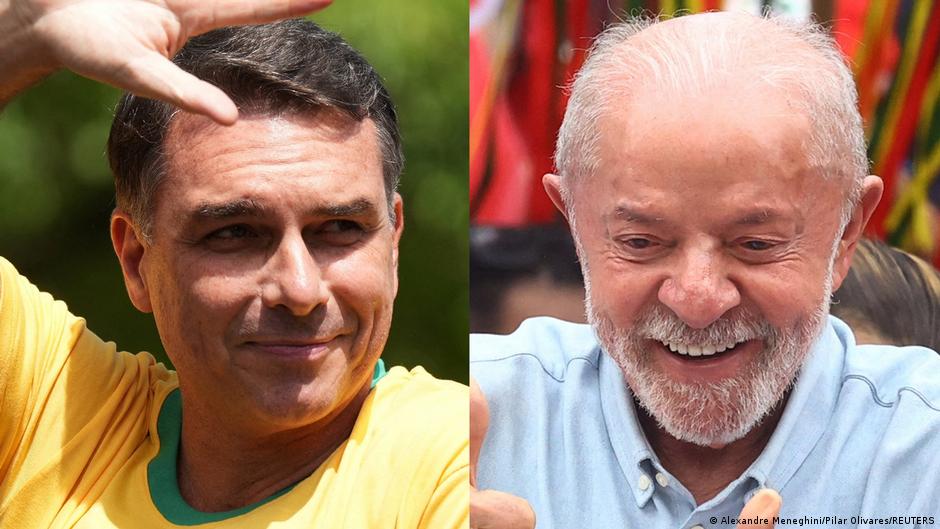
Brazil’s presidential race heads to an October 25 runoff after Flavio Bolsonaro led Lula da Silva in the first round with 47.03 percent.

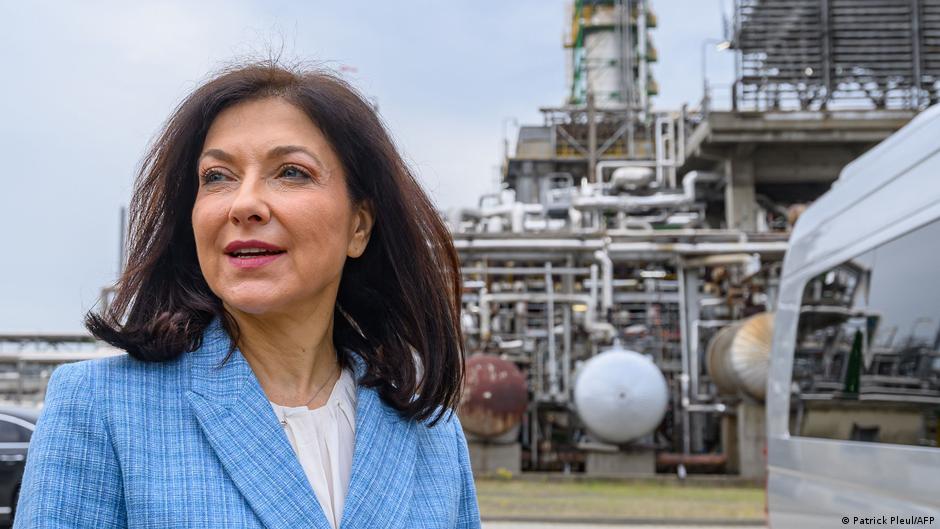
Katherina Reiche warned that the Left Party’s Berlin victory and expropriation plans could harm Germany’s investment climate.

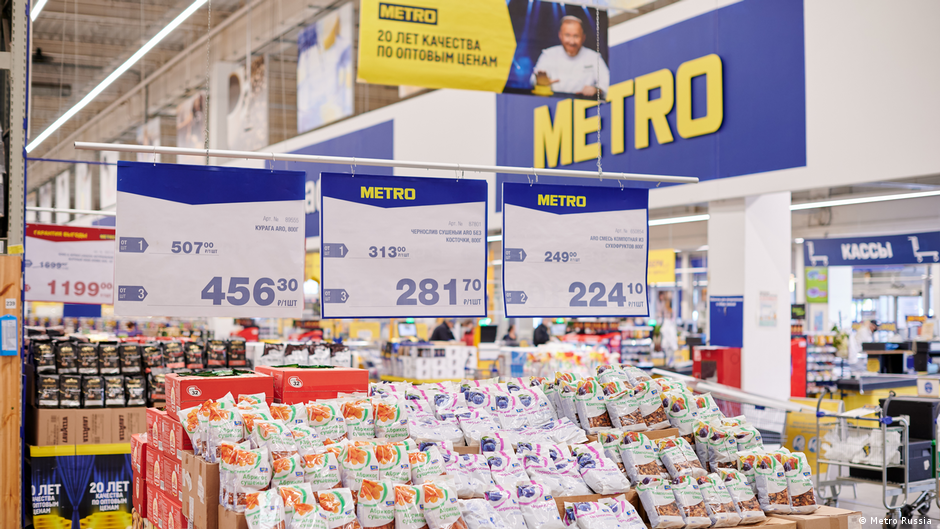
Foreign retailers in Russia face temporary administration, loss of control and political risk as assets linked to Auchan, Leroy Merlin, Metro and Globus come under pressure.

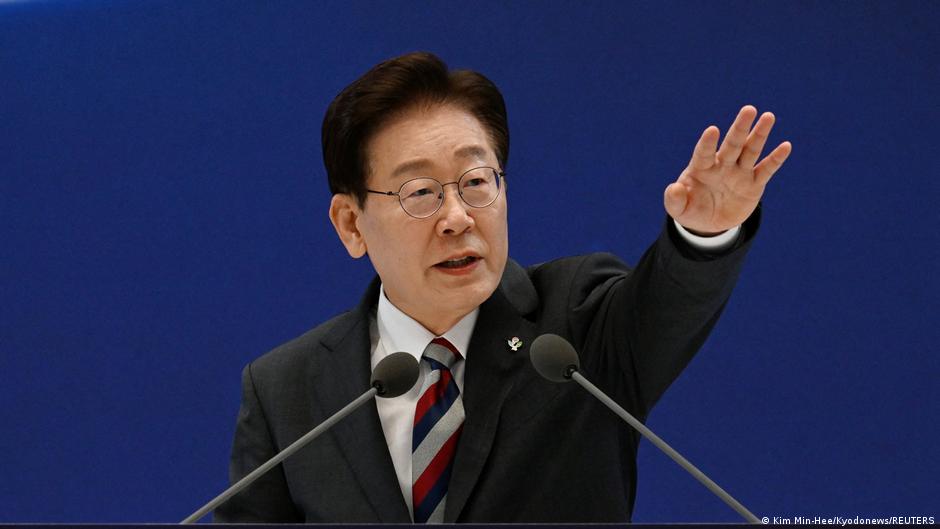
Seoul’s warning to Kyiv over disclosed North Korean prisoners raises questions about trust, defense cooperation and postwar economic ties.

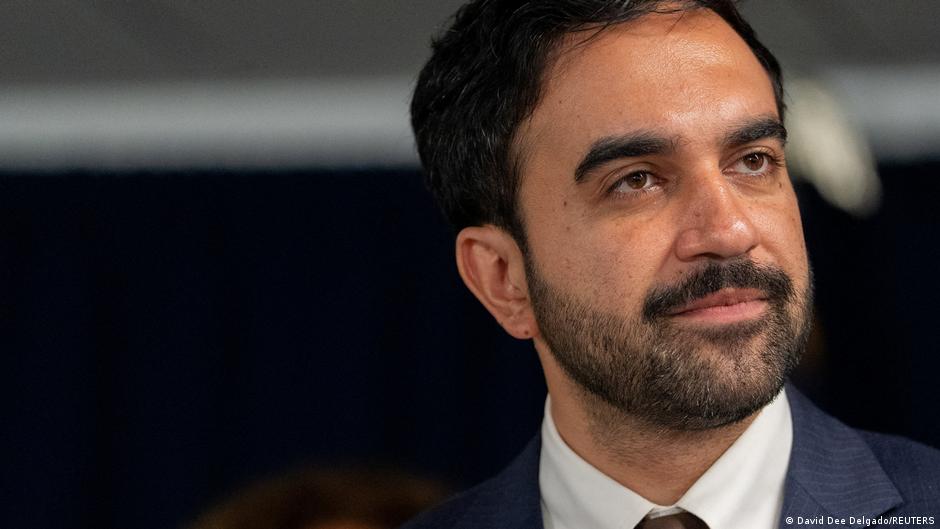
New York Mayor Zohran Mamdani raised hate-crime funding to $29 million in a broad plan targeting antisemitism and Jewish institutional security.

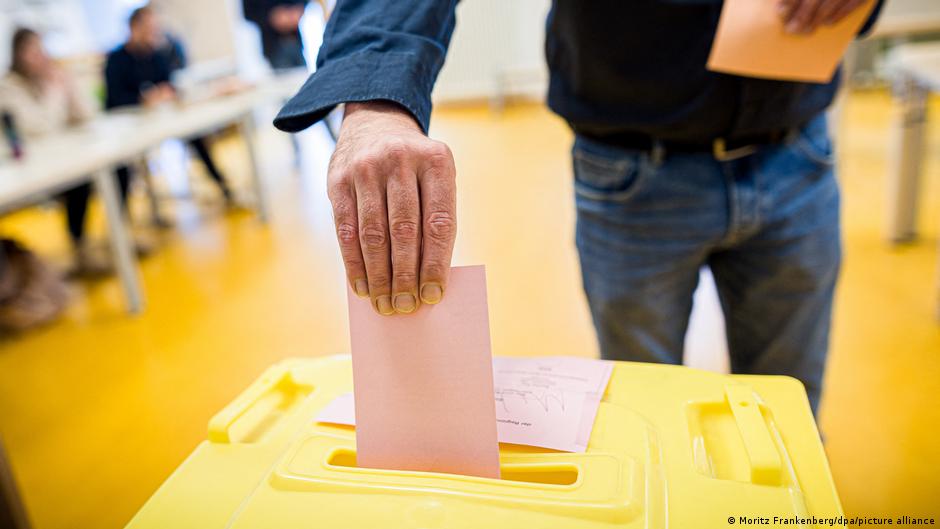
Lower Saxony’s runoffs strengthened Green urban leadership and showed the AfD’s difficulty converting first-round support into executive power.

Trump expects renewed Iran talks after rejecting Tehran’s Hormuz proposal, with sanctions, oil flows and nuclear demands shaping the standoff.

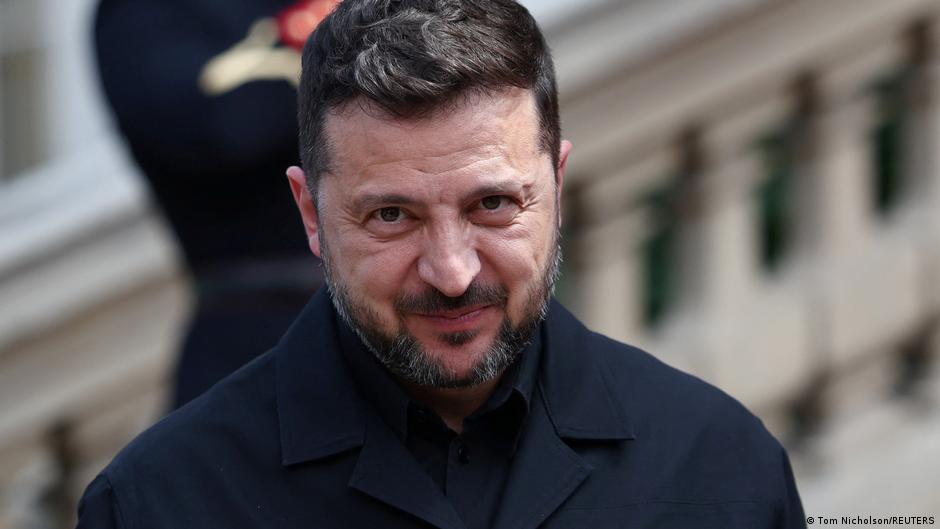
Kyiv denied a report that Trump proposed Zelensky travel to Moscow, as energy prices and venue disputes shape Ukraine diplomacy.

Daniel Peters resigned after the CDU won just 4.9% in Mecklenburg-Western Pomerania, missing a state parliament for the first time.

A new U.S. strike in the Caribbean killed four alleged drug traffickers, deepening legal concerns and economic risks around a yearlong campaign.

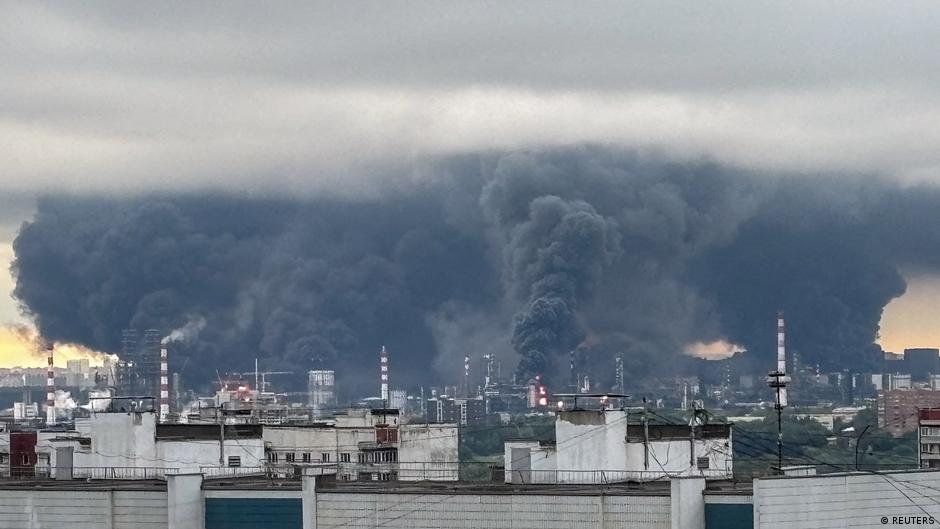
Reported drone attacks near Moscow killed two people and disrupted refineries, logistics sites, housing and airports, widening Russia’s economic exposure.

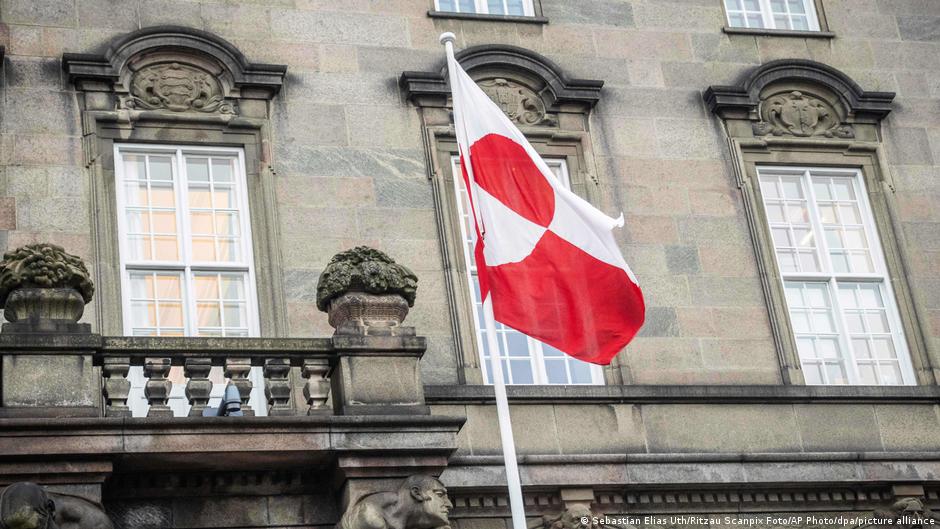
The Greenland arrangement could reshape Arctic security, investment screening and resource access while leaving key legal details unresolved.

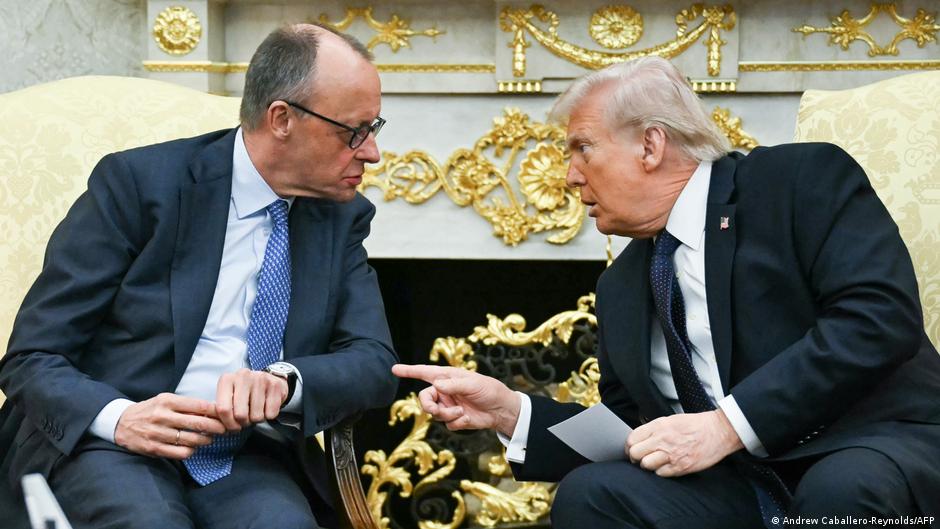
Merz says unconditional transatlantic friendship is over, framing U.S. tensions as a test of Germany’s security and economic model.

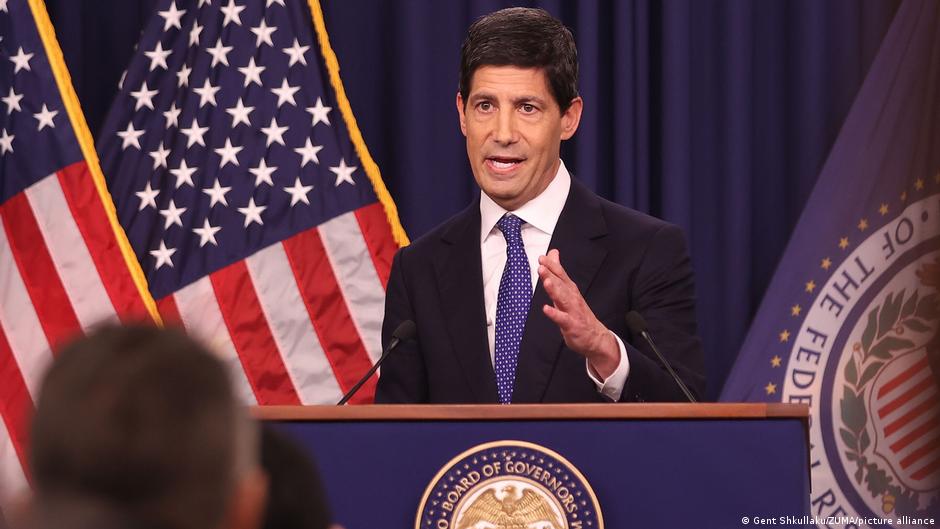
The Fed lifted rates to 3.75-4 percent, citing persistent inflation and reviving tensions between price stability, credit costs and politics.

Trump warned the EU of steep tariffs or a trade halt if its proposed associate partnership with Canada is deemed hostile to Washington.

U.S. prosecutors allege RIS Network financed attacks on Ukraine's allies and plotted killings of Russian dissidents abroad.

Zelensky says Ukraine’s parliament must pass difficult bills tied to billions in Western aid as defense costs and war damage widen the budget gap.

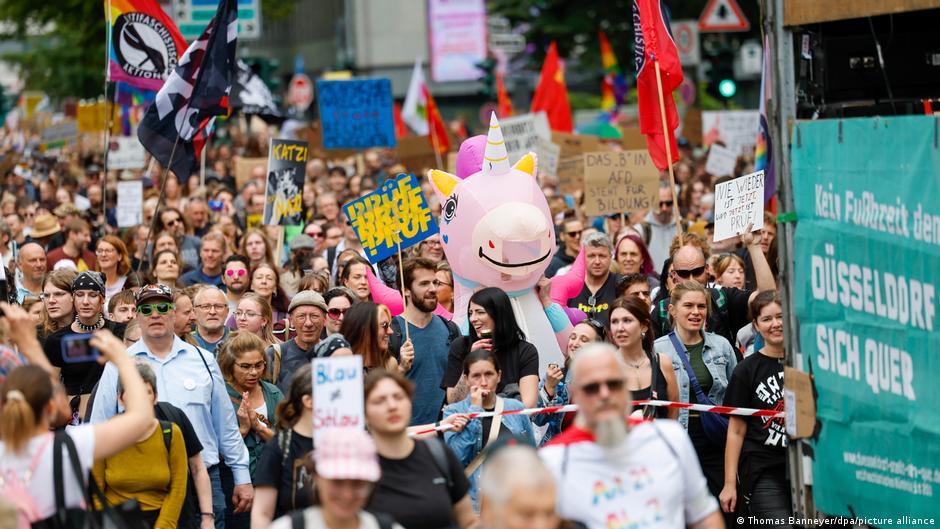
Mass protests across Germany against right-wing extremism show how the AfD debate is becoming an institutional and economic risk.

France warned CNews it could face criminal proceedings if former RT France chief Ksenia Fedorova returns to its programming by video link.

AfD’s projected win in Saxony-Anhalt drew sharp reactions from Poland, France and the Czech Republic, exposing wider European economic and political strains.

AfD’s 43.8 percent win in Saxony-Anhalt leaves no clear governing majority and raises major questions over energy, sanctions and eastern Germany’s economy.

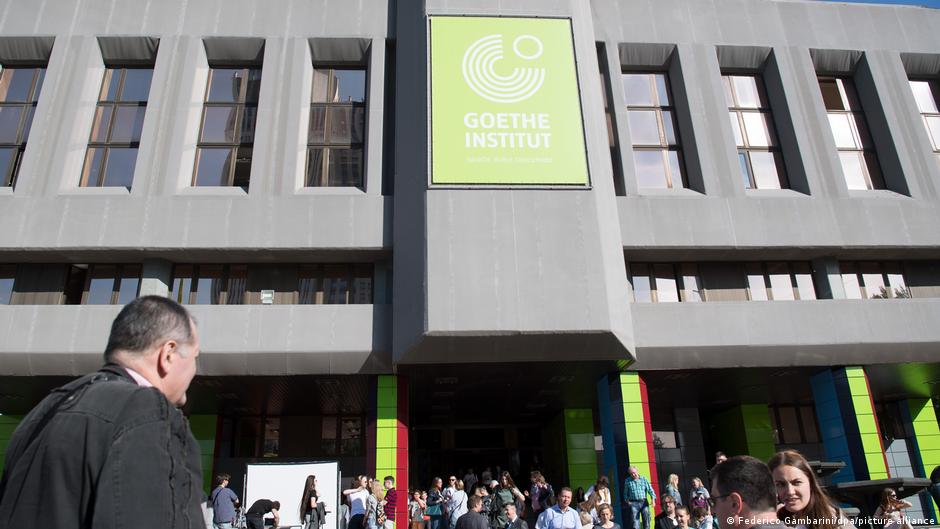
Russia says it will close Goethe-Institut branches after Berlin moved against the Russian House agreement amid a broader sanctions escalation.

Daniel Driscoll’s reported resignation after a clash with Pete Hegseth adds to Pentagon turnover and raises questions over procurement, readiness and policy continuity.

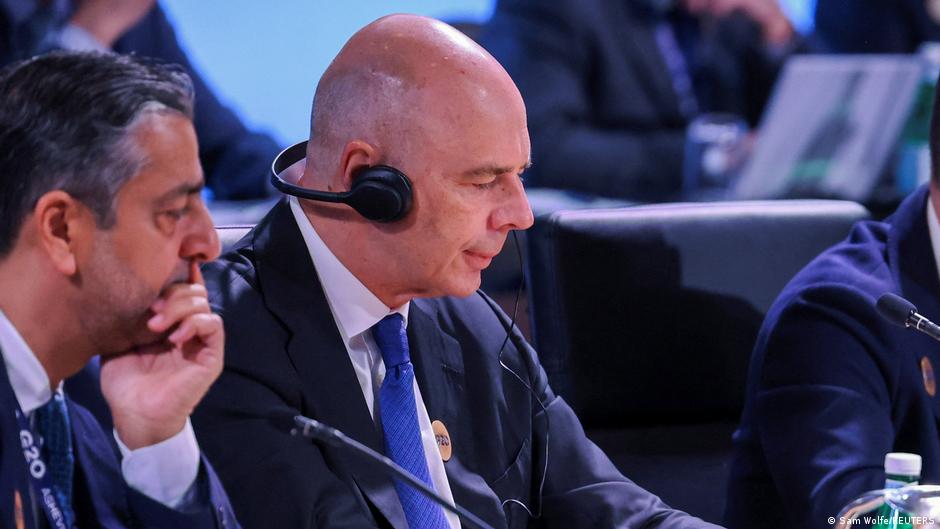
Bessent reportedly told Siluanov that U.S. sanctions pressure on Russia will not ease before the war in Ukraine ends.

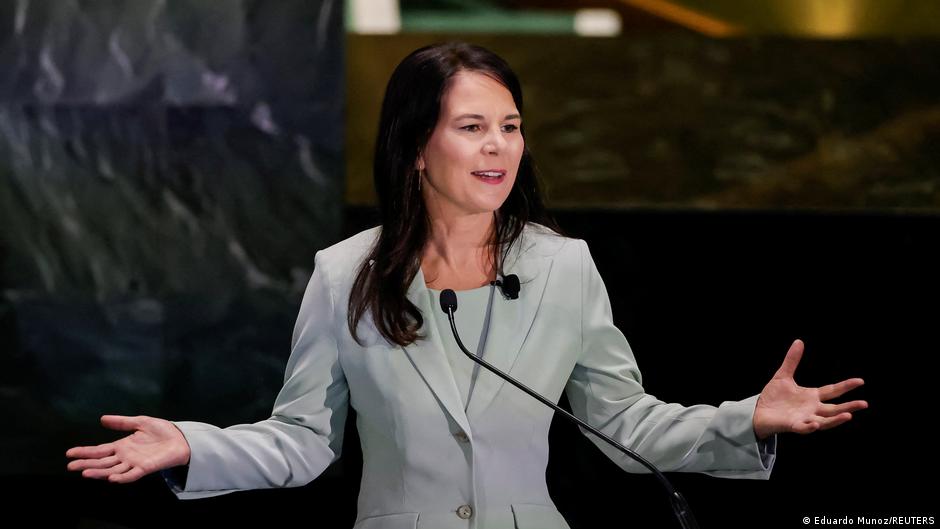
After concluding her UN General Assembly presidency, former German Foreign Minister Annalena Baerbock will join Columbia University as co-director of a global leadership master's program.

President Trump announces a comprehensive economic war against Iran, threatening massive sanctions on countries supporting Tehran amid escalating regional tensions.

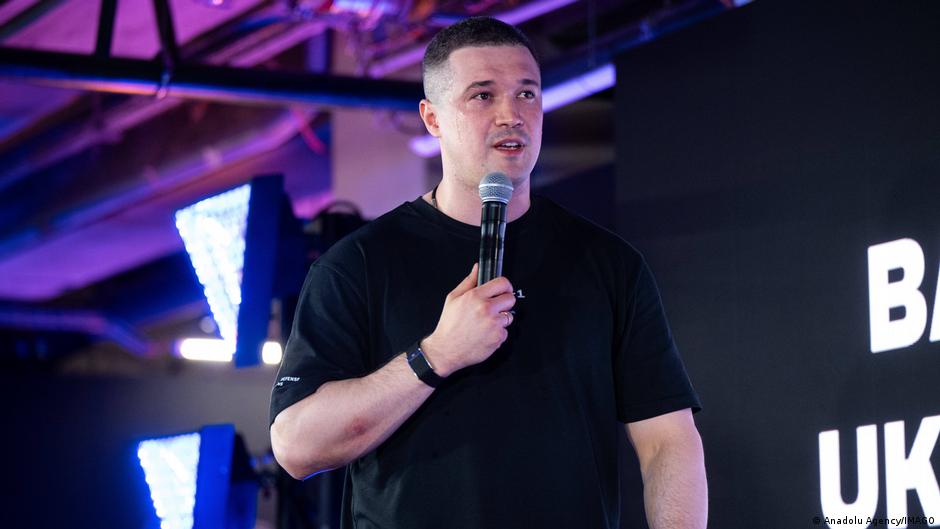
Former Ukrainian Defense Minister Mikhail Fedorov calls for legally secure elections during the ongoing war, emphasizing democracy must not be held hostage by conflict.

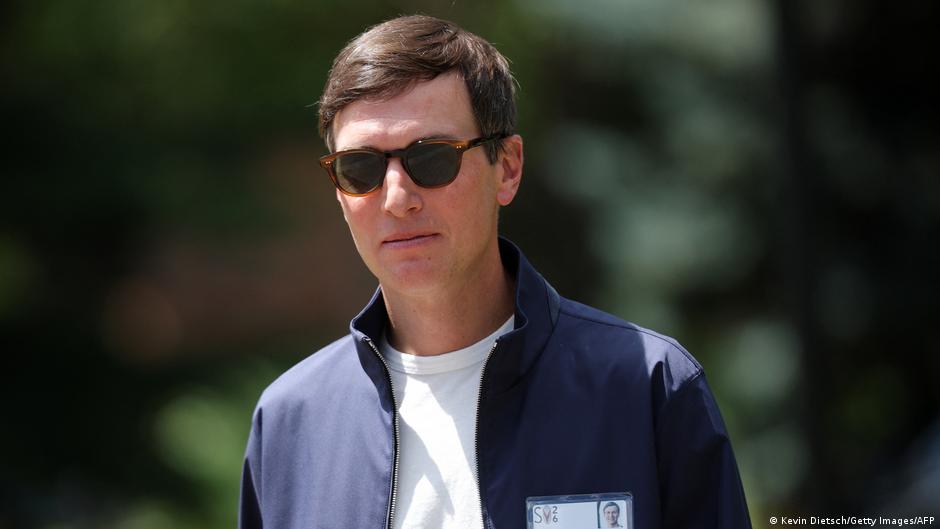
Jared Kushner’s talks with Hamas reveal the intricate challenges of disarmament and governance reforms essential for Gaza's fragile peace prospects.

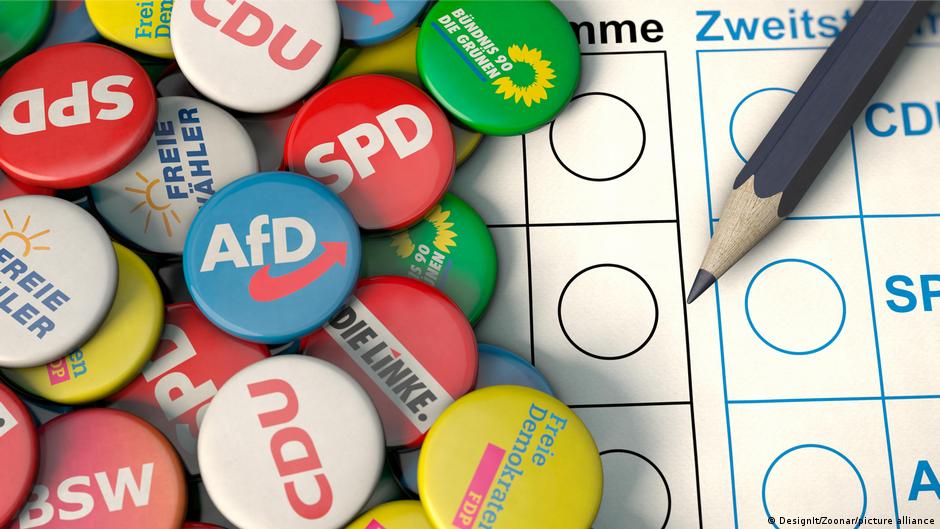
Germany’s CDU/CSU support falls to 20%, with far-right AfD leading polls ahead of key state elections, reflecting volatile voter behavior and shifting political allegiances.

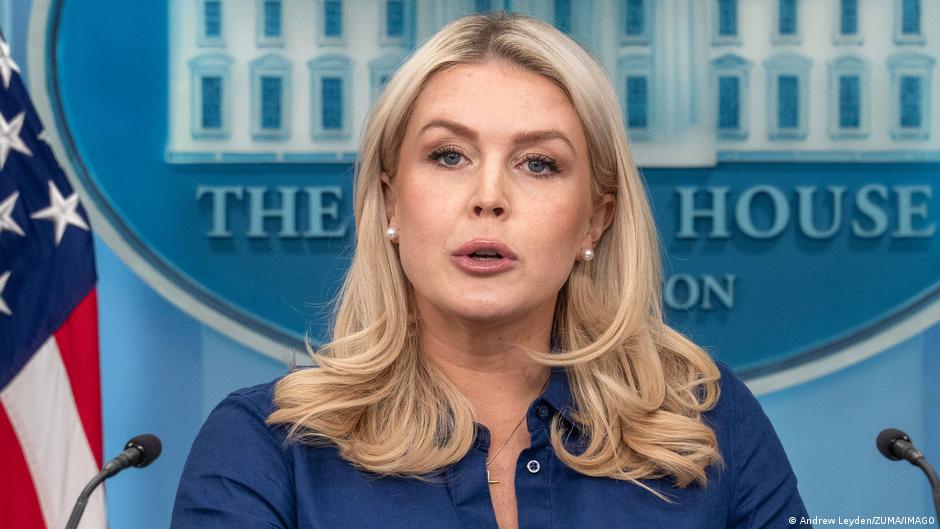
Caroline Leavitt resigns as White House Press Secretary to focus on family, highlighting the challenges of balancing high-level political roles with parenting.

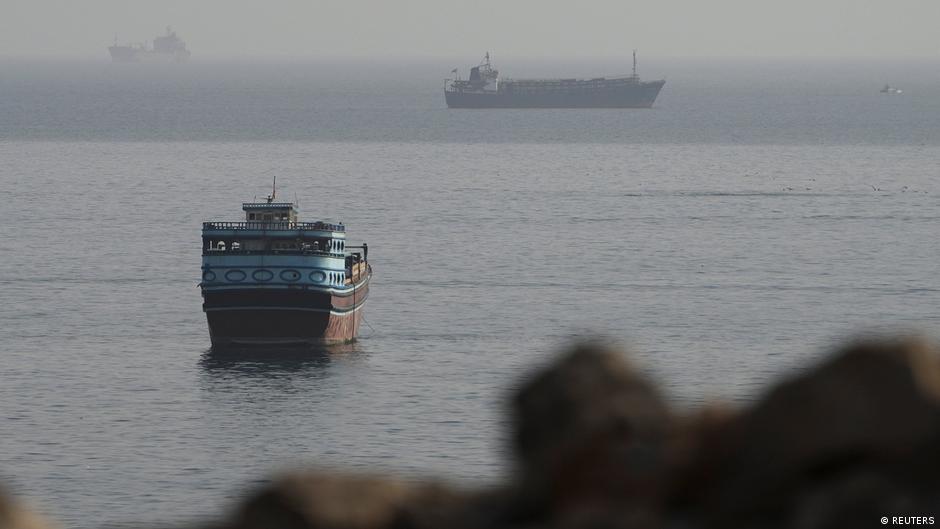
US forces disabled a Panama-flagged cargo ship attempting to breach Iran's blockade in the Strait of Hormuz, highlighting escalating maritime tensions and economic risks.

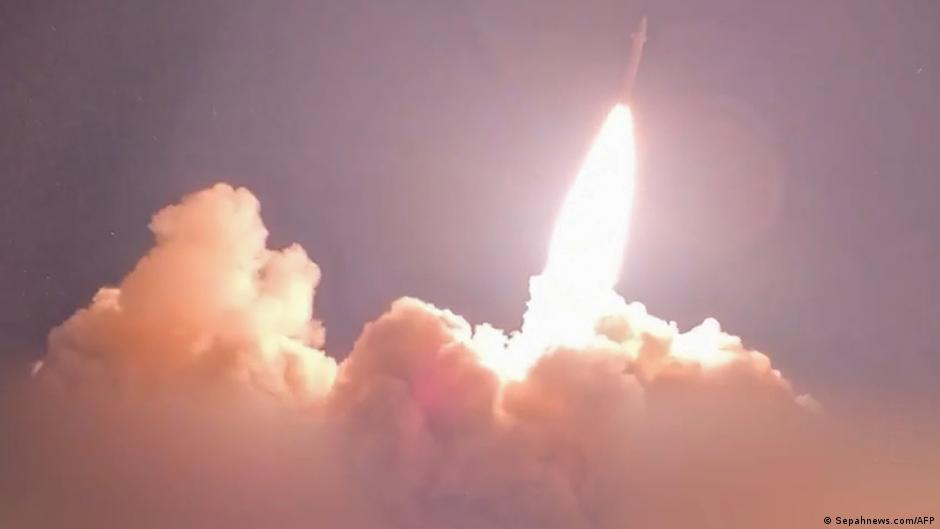
The US intercepted ballistic missiles launched from Iran targeting American forces, underscoring escalating tensions and the complex economic risks in the Middle East.

President Zelensky’s Washington visit coincides with a Senate vote on expanded sanctions against Russia, encompassing broader Middle East implications and diplomatic efforts.
Montenegro plans to end visa-free travel for Russian and Belarusian citizens by October 31, 2026, aligning with EU accession requirements and impacting migration and economic ties.

Iran's IRGC claims a tanker was mined in the Strait of Hormuz after unauthorized passage, signaling heightened risks to global oil transit through this strategic chokepoint.

Hungary blocks Ukraine’s EU accession talks on key economic chapters, citing concerns over Western Balkans' accession timing and signaling challenges for Ukraine’s integration.

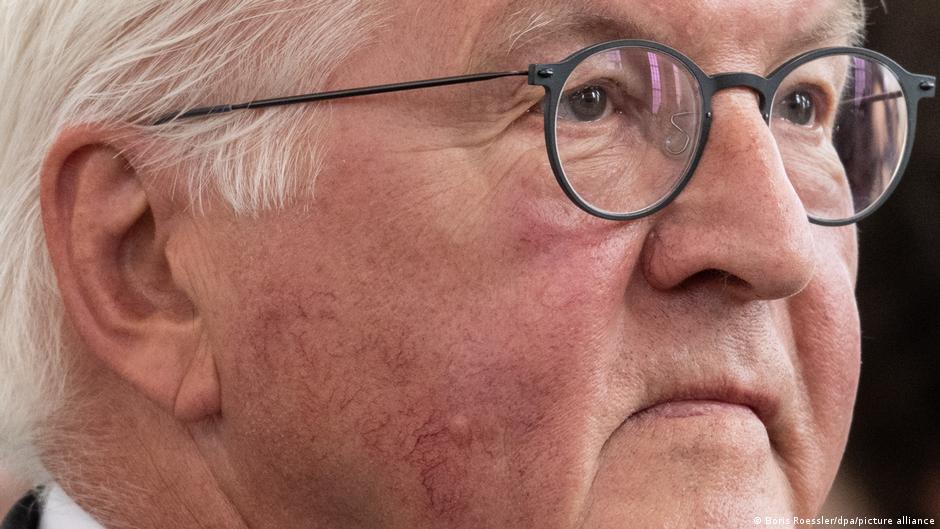
German President Steinmeier urges Europe to resist lawless great power tactics, emphasizing the need for international order, economic reform, and confronting rising far-right extremism.
Former Spanish PM Mariano Rajoy sparked controversy by denying French identity to France’s World Cup team, prompting debates on nationalism, immigration, and social cohesion in Europe.

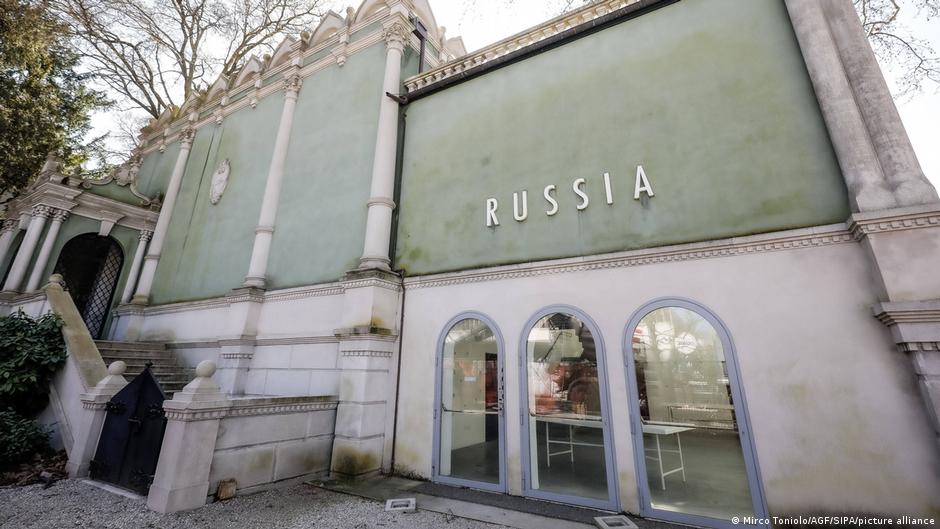
The EU recommends withdrawing €2 million funding from the Venice Biennale due to Russia’s participation, raising concerns about democratic values and sanction compliance amid geopolitical tensions.

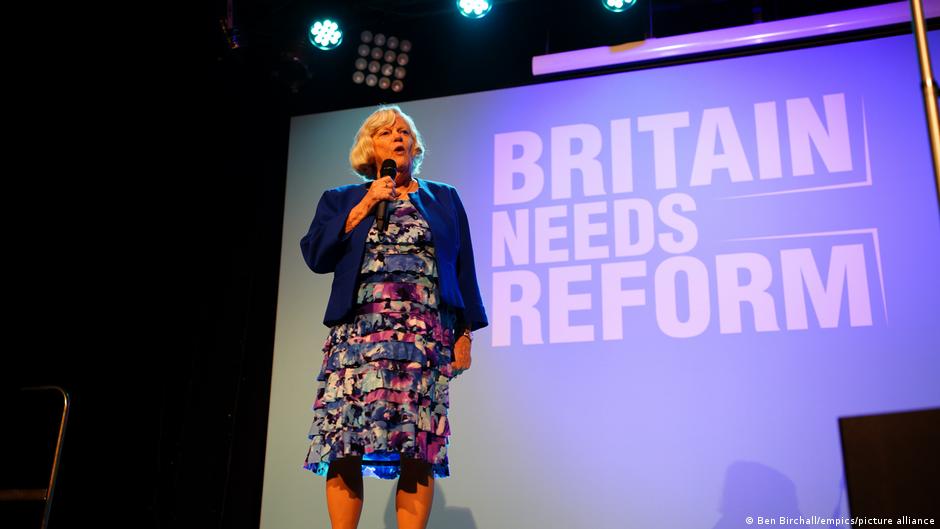
Anne Widdecombe, former Conservative MP and Reform UK spokesperson, was murdered in Devon, raising urgent questions about political security and polarization in the UK.

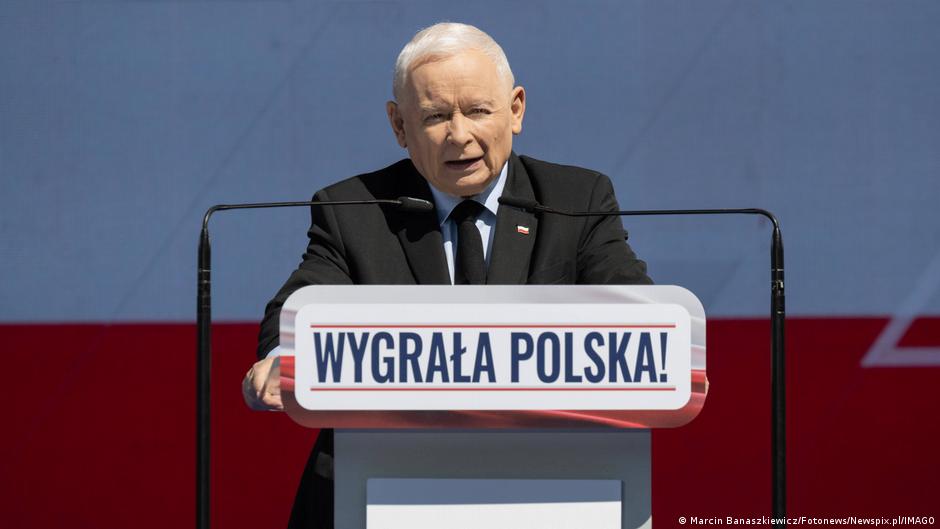
Polish opposition leader Jarosław Kaczyński calls to block Ukraine’s EU accession amid historical disputes and economic concerns, highlighting growing tensions ahead of Poland’s 2027 elections.

The US and Iran have agreed on a communication channel to prevent incidents in the Strait of Hormuz, setting a 60-day roadmap for comprehensive agreements including maritime and regional conflict issues.

The US threatens to impose transit fees on vessels passing through the Strait of Hormuz if talks with Iran fail, signaling a new economic lever in Middle East geopolitics.