Germany Alters Lithuania Tank Route Amid Escalation and Logistics Risks
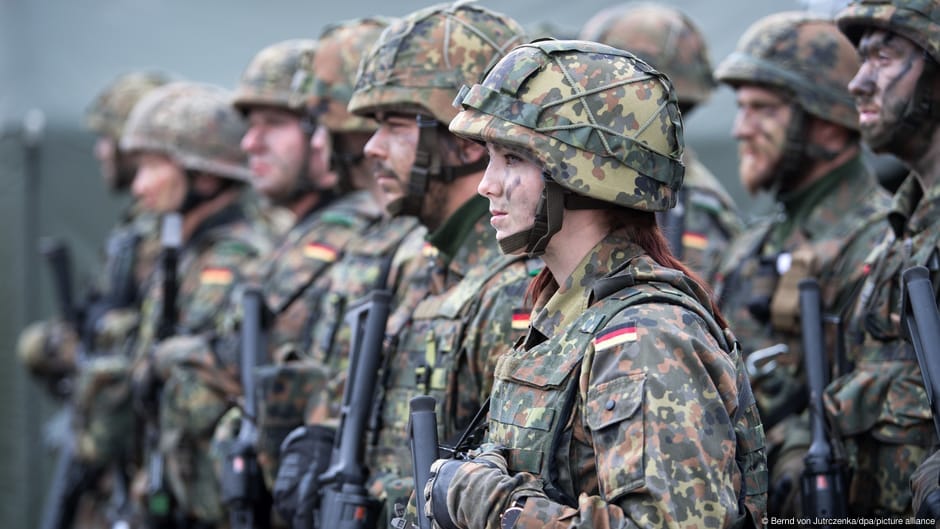
Germany’s decision to move tanks to Lithuania by rail highlights the strategic and economic importance of Europe’s transport infrastructure.

Germany’s decision to move tanks to Lithuania by rail highlights the strategic and economic importance of Europe’s transport infrastructure.

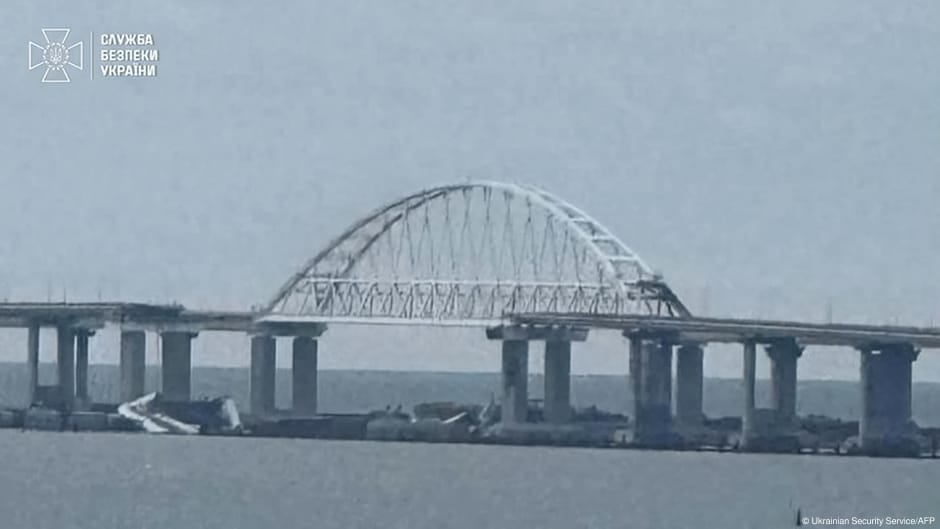
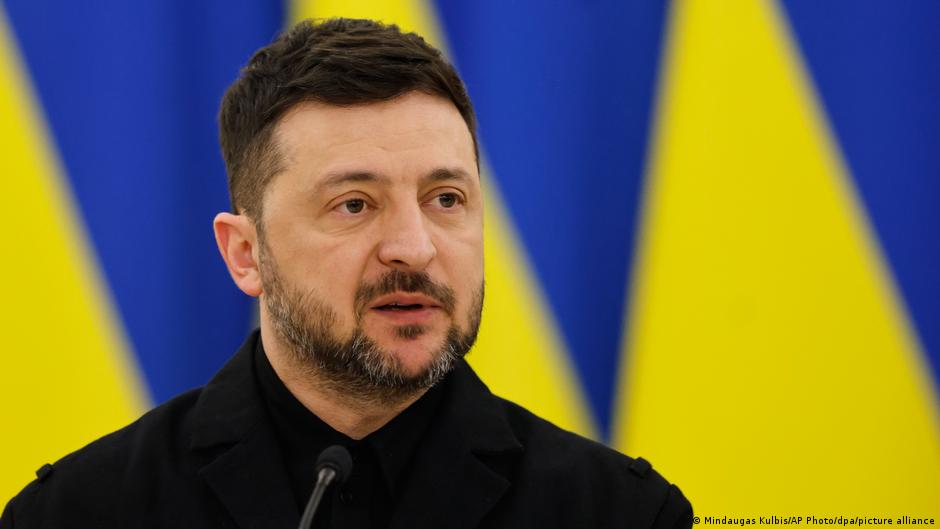
Zelensky says the Crimean Bridge will not survive, as repeated strikes disrupt a key Russian supply route and create an uncertain, potentially lengthy repair burden.

Germany and Poland are preparing an action plan that links eastern-flank security with defense production, supply-chain resilience and European autonomy.

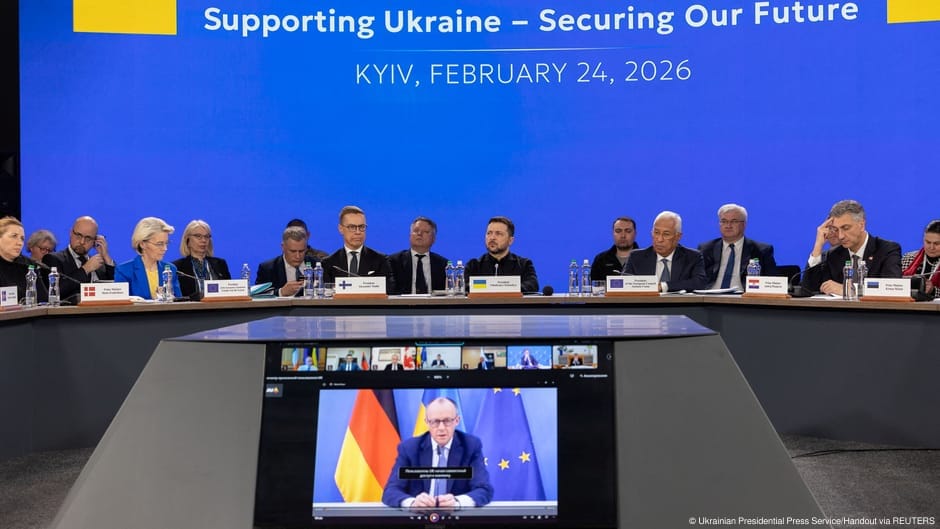
Berlin talks will connect military aid and security guarantees for Ukraine with Europe’s long-term fiscal, industrial and geopolitical stability.

Slovenia has halted student and most work-visa applications in Russia, narrowing education, labor and family-mobility channels despite a previously low refusal rate.

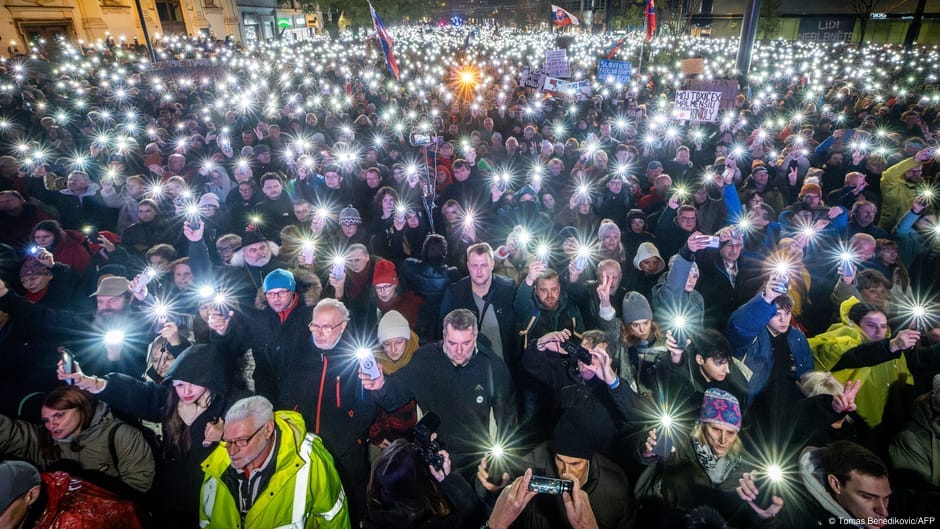
Mass protests against Robert Fico’s government reveal growing concern that political and institutional uncertainty could weaken Slovakia’s economic model.

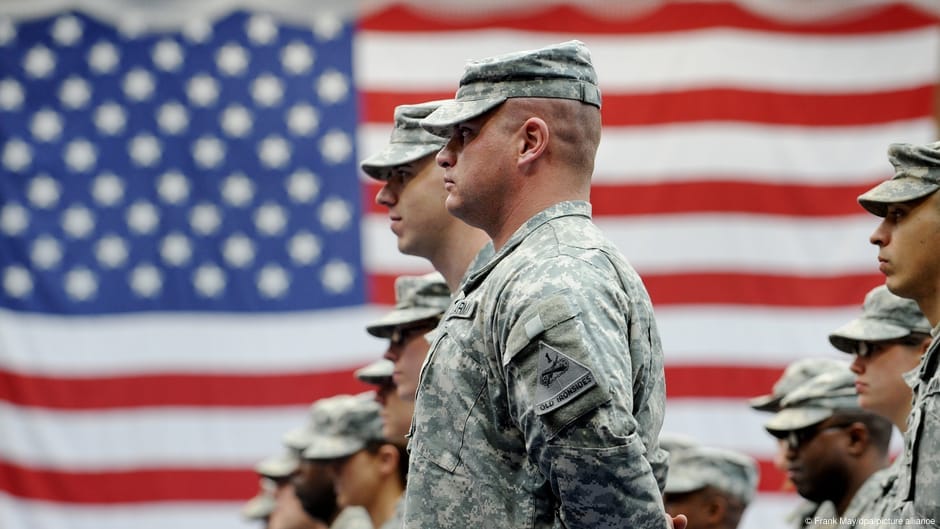
The Pentagon may withdraw about 5,000 troops from Europe, far fewer than expected, as allied defense spending and wider US logistical needs reshape its calculations.

A nationwide FAA ground stop showed how aging aviation technology can transform a routine upgrade into a costly risk for the wider US economy.

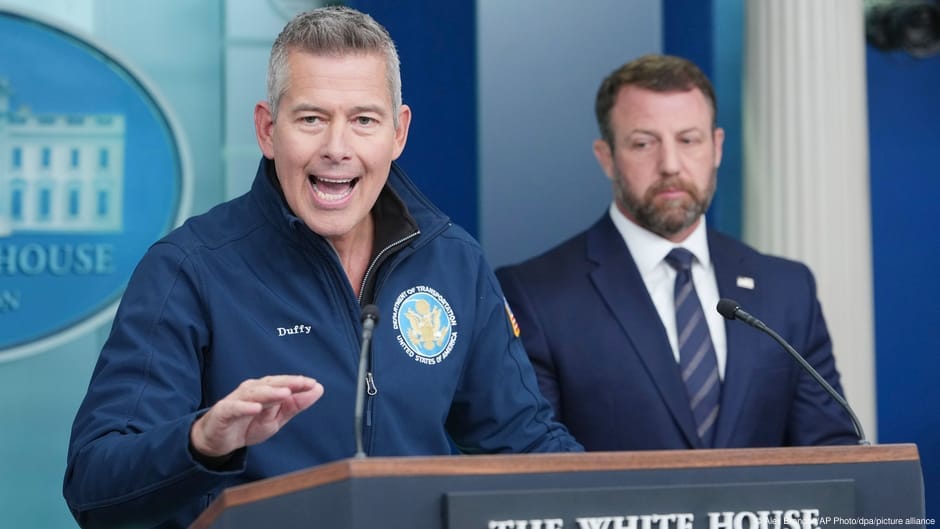
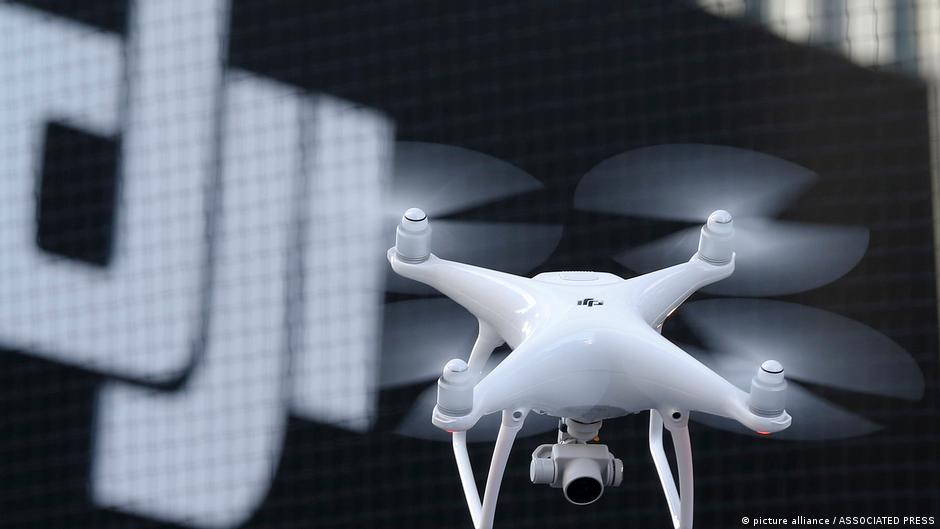
Germany’s military is excluding Chinese drones and cars from defence sites as connected technology turns supply-chain dependence into a security and economic risk.

Nvidia’s investigation of CEO Jensen Huang places corporate governance at the center of the US-China contest over AI chips and strategic technology.

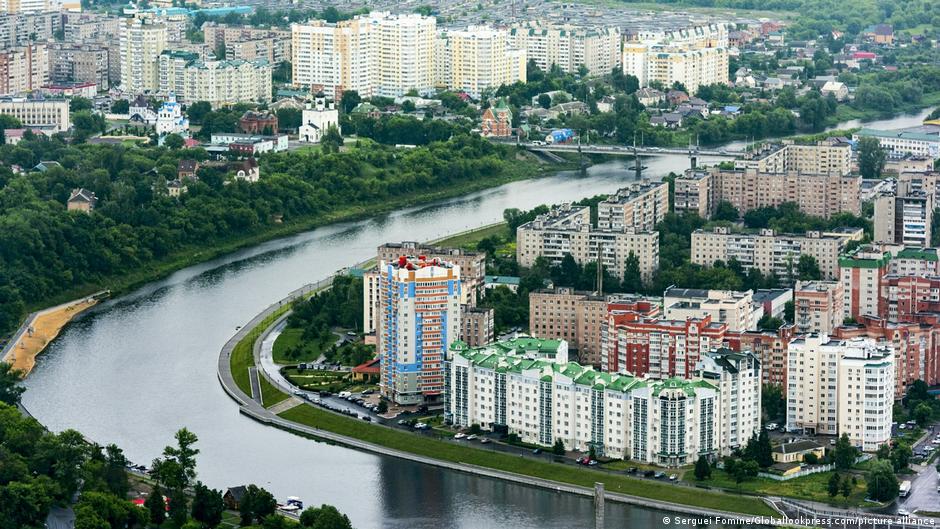
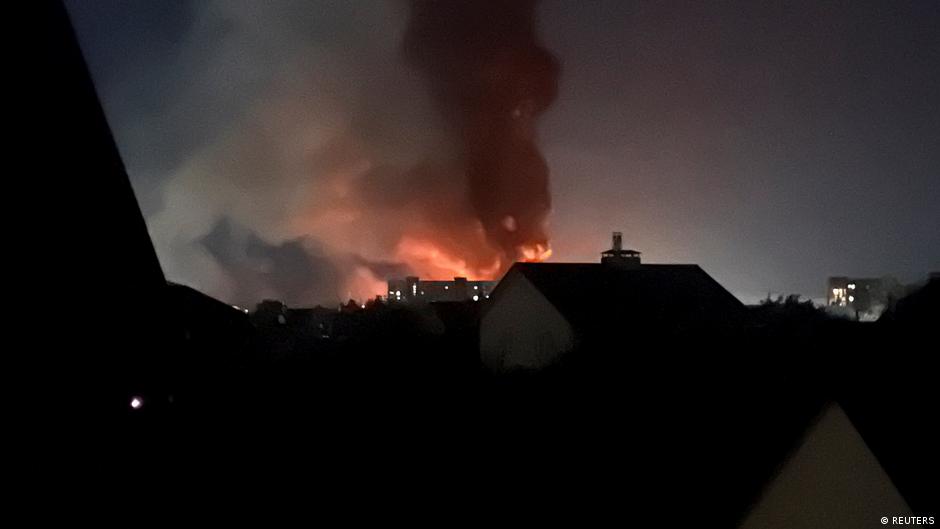
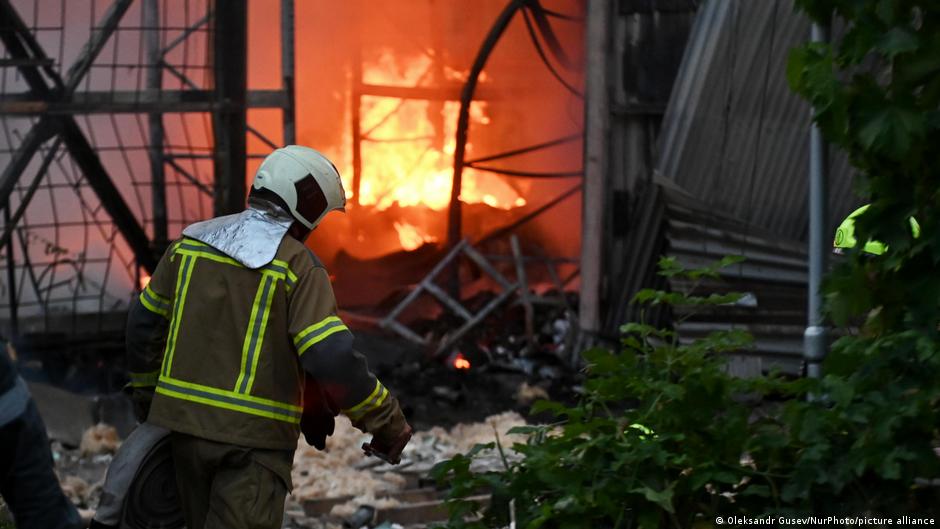
A reported fire at Oryol’s Proton plant underscores the vulnerability of specialized suppliers supporting Russia’s missile and air-defense production.

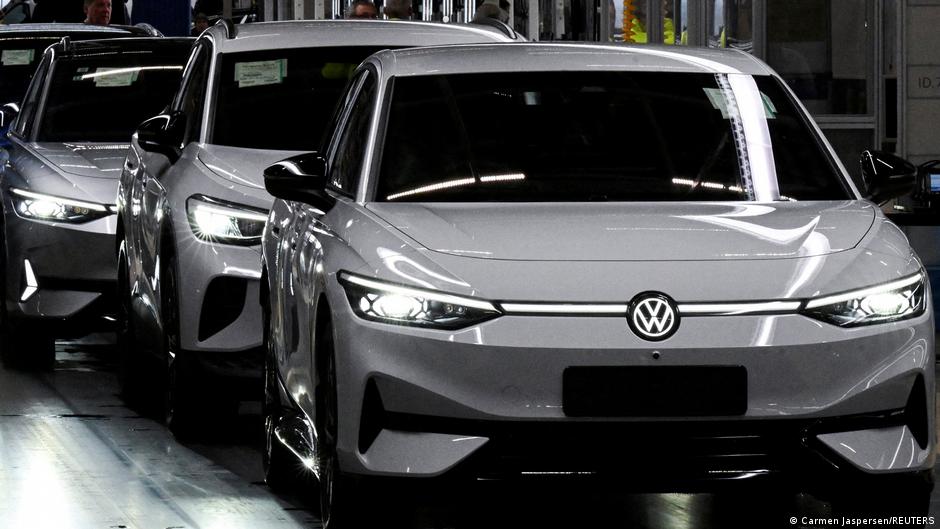
German EV registrations rose about 80% in October, but Chinese brands gained market share as domestic automakers lost ground in the expanding segment.

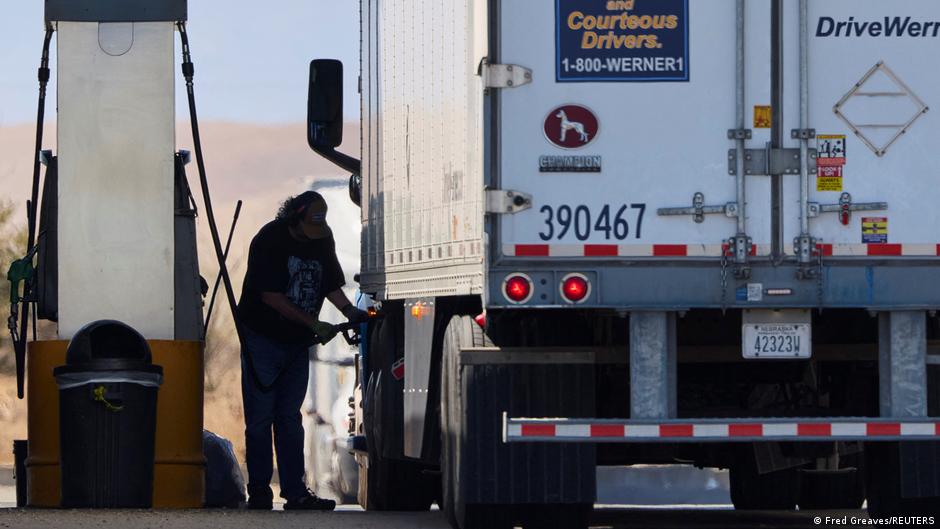
Two Russian fuel tankers have abandoned US-bound routes as sanctions and buyer caution undermine Trump’s effort to reduce soaring diesel prices.

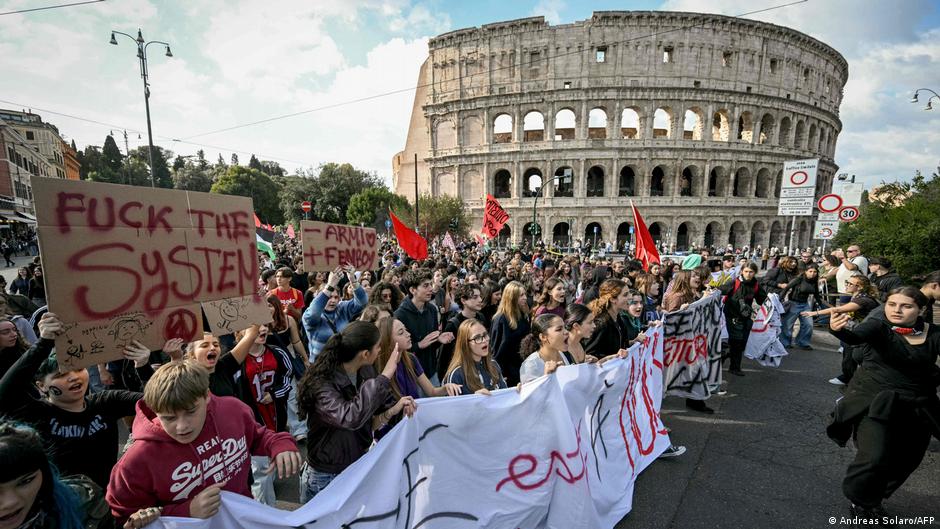
Italy’s mass protests over rents, fuel and defence spending highlight a widening European struggle over household costs and scarce public resources.

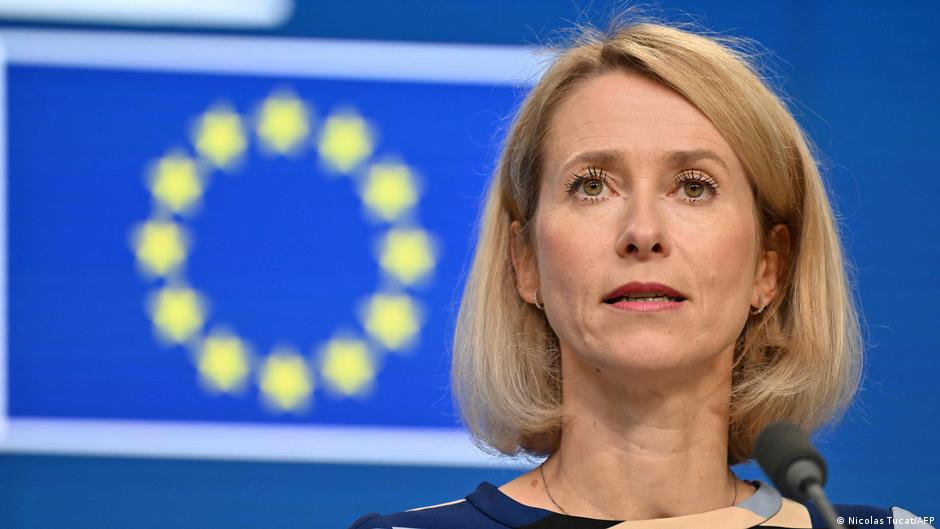
Kaja Kallas said Russia showed no readiness for Ukraine peace talks at the G20 meeting, reinforcing expectations of prolonged economic and diplomatic strain.

Britain and the Netherlands are combining urgent winter defense aid with credit guarantees, energy repairs and multiyear reconstruction funding for Ukraine.

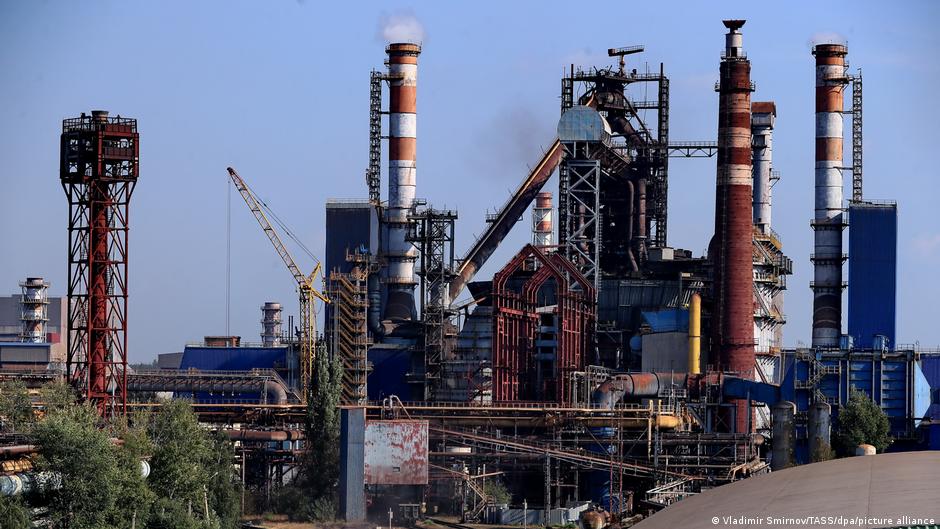
Reported attacks on steel, chemical and battery plants show how Ukraine’s long-range campaign may raise costs across Russia’s concentrated industrial supply chains.

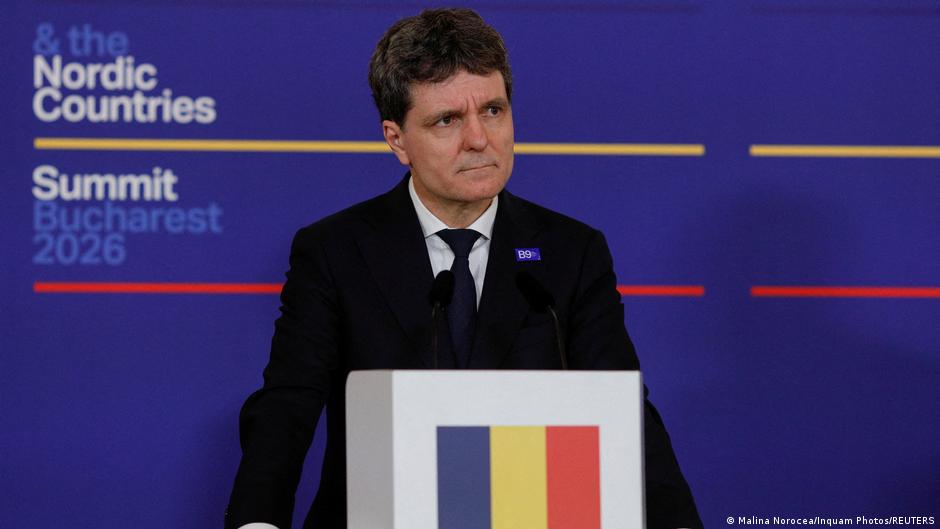
Romania says a Russian-coordinated network targeted an arms factory, underscoring the economic and security risks facing Europe’s defense supply chains.

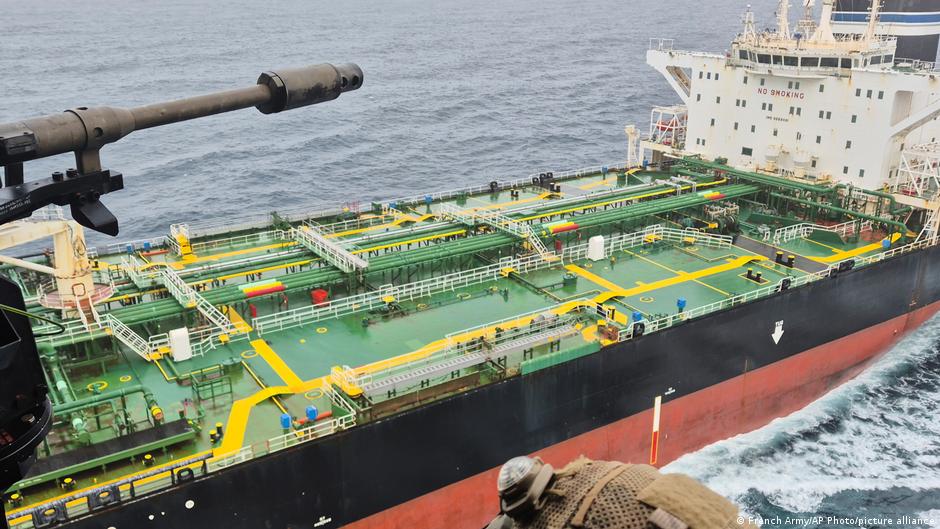
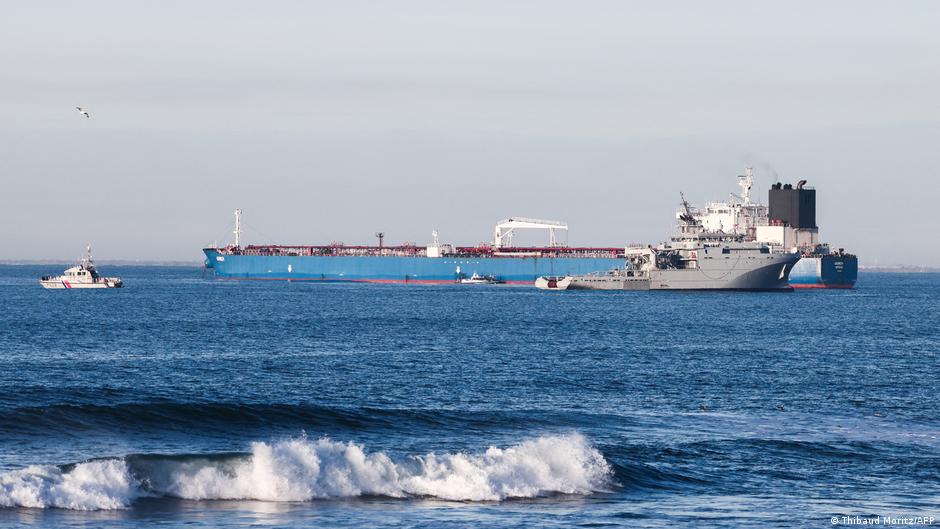
MYRA’s Atlantic distress call highlights the rising operational and economic risks surrounding sanctions-evasion oil shipping.

Audi’s planned $4 billion Georgia factory shows how US tariffs are redirecting automotive investment, jobs and production away from import-based supply chains.

Kyiv says Starshield speed limits remain in place as delayed interceptor missiles expose Ukraine’s reliance on fragile external supply networks.

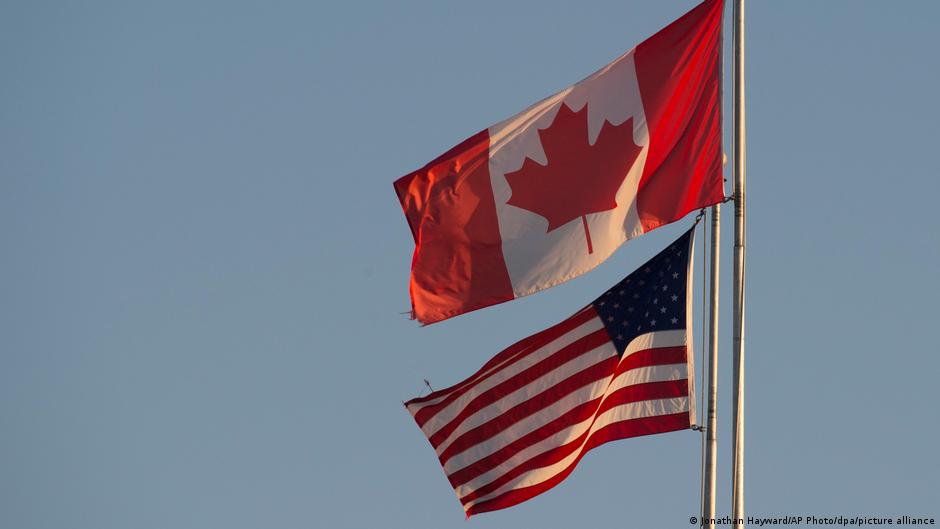
Washington will remove 50% duties from selected Canadian industrial goods while imposing tariffs on new consumer-product categories from October 30.

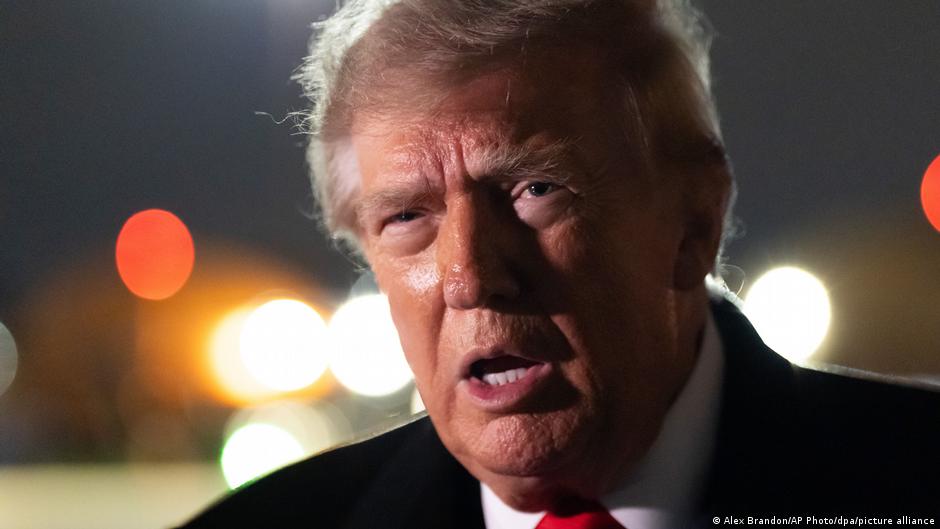
Trump has delayed sweeping tariffs on Russia and its energy partners, using the sanctions threat to support Ukraine talks and discourage Moscow from assisting Iran.

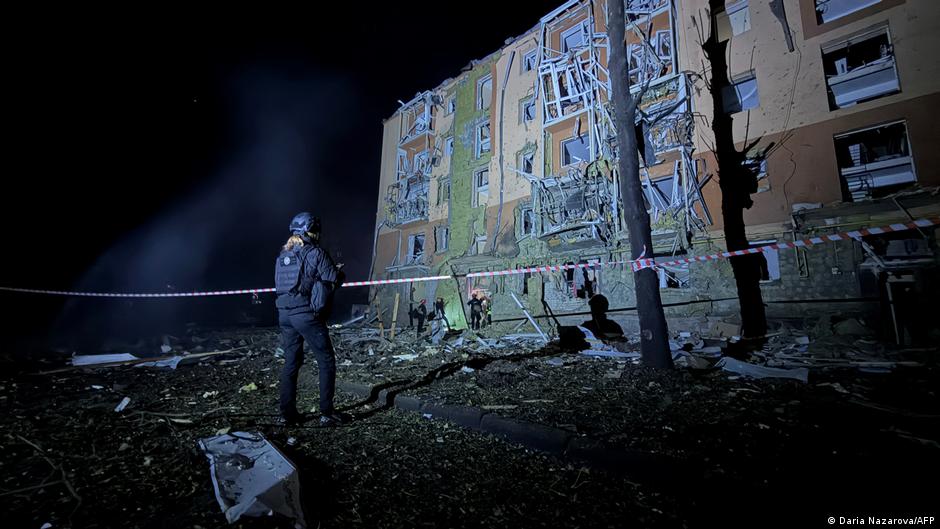
Russian strikes killed two people, disrupted electricity supplies and halted work at an automotive wiring plant, widening the war’s economic costs.

A bipartisan group of U.S. senators says Trump’s Russian diesel deal would aid Moscow while offering little relief to American fuel consumers.

Reported U.S. pressure over Ukraine’s PURL weapons pipeline turns refinery strikes and an energy truce into a test of economic leverage.

A bipartisan House bill would seek to ban Russian oil purchases after Trump announced an agreement on Russian diesel supplies.

Zelensky warned that a U.S.-Russia diesel deal could strengthen Moscow’s war economy unless tied to clear de-escalation commitments.

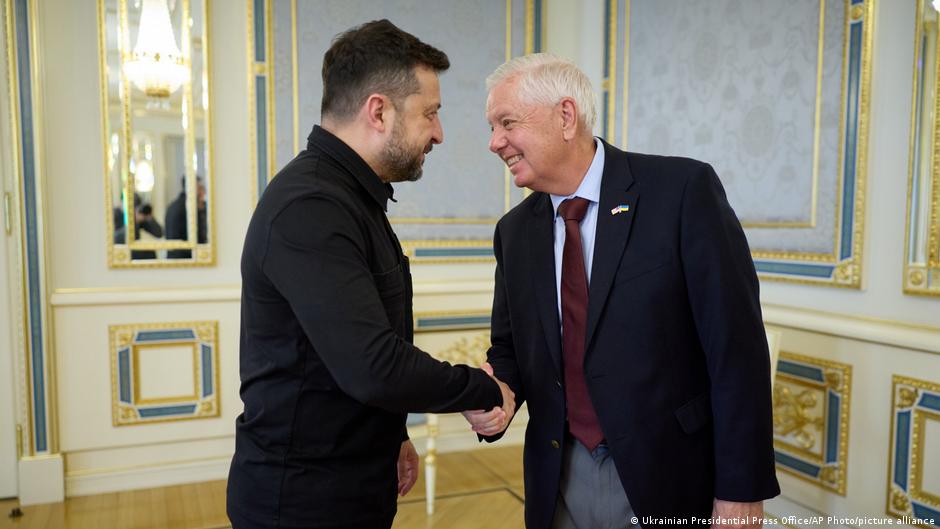
Ukraine will discuss a new war-ending proposal with Trump envoys as Kyiv presses for sanctions, Starlink access and economic pressure on Russia.

MEPs backed a €115 million Agile programme to speed support for European SMEs developing disruptive defence technologies.

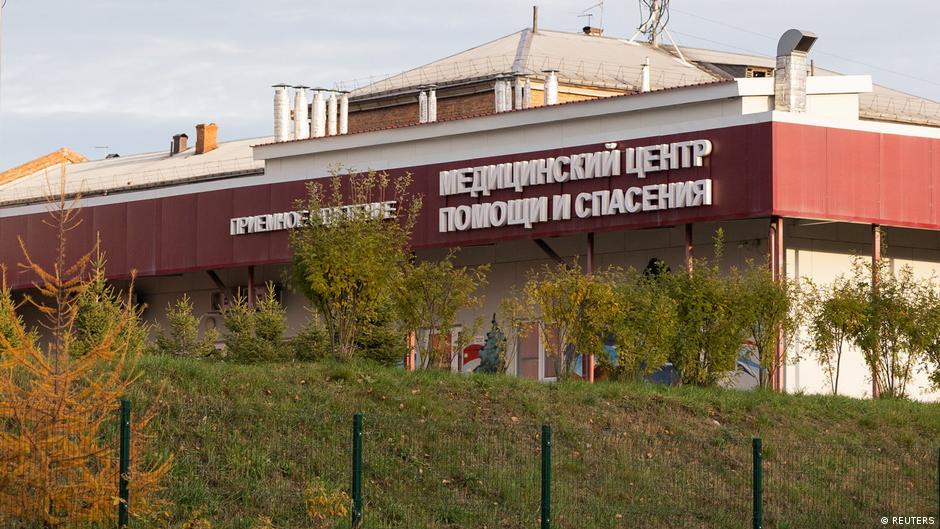
A reported possible plague-linked death in Irkutsk has prompted WHO inquiries, hospital quarantines and a planned Trump-Putin call.

Trump said the U.S. is ready to help Russia as reports from Irkutsk raised public-health concerns and prompted border precautions in Central Asia.

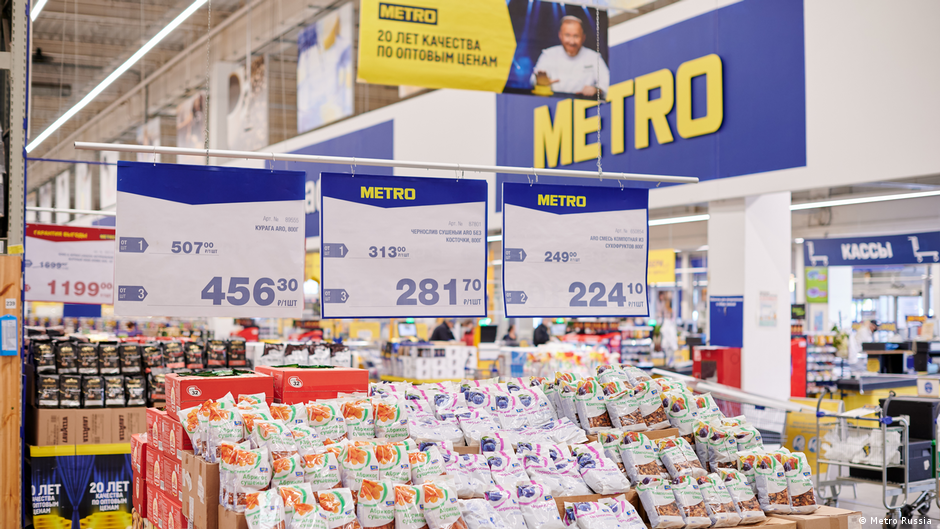
Foreign retailers in Russia face temporary administration, loss of control and political risk as assets linked to Auchan, Leroy Merlin, Metro and Globus come under pressure.

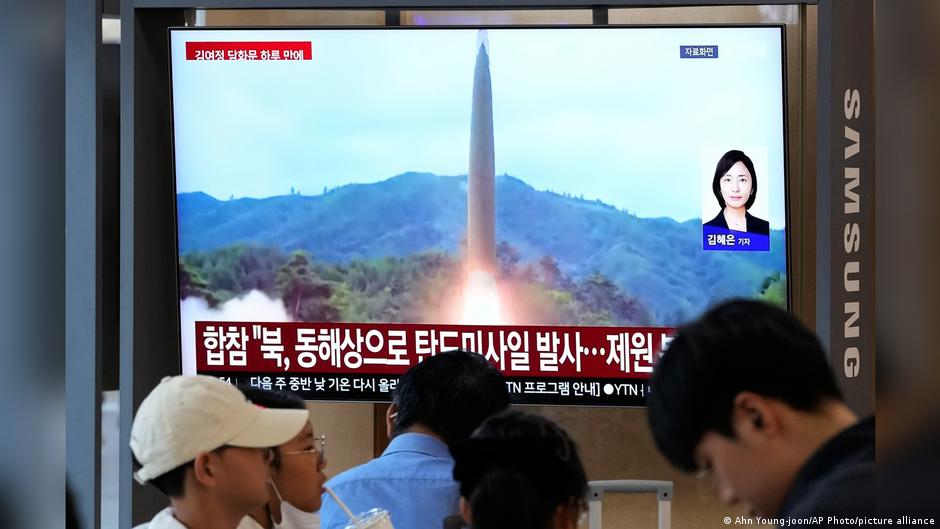
North Korea’s reported missile launch adds economic risk to renewed peninsula tensions after Seoul accused Pyongyang of an armistice violation.

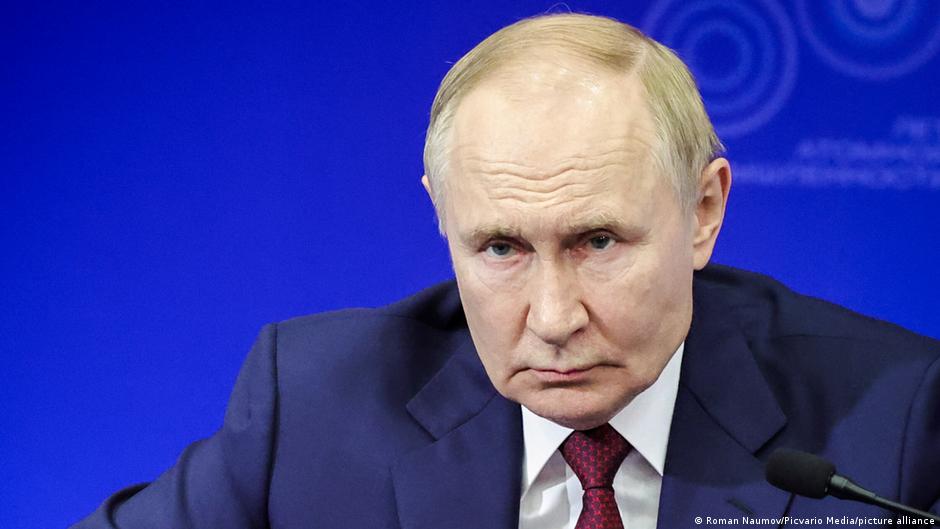
Putin’s Valdai speech sharpened nuclear rhetoric and war claims, adding to Europe’s long-term economic and security risk premium.

Zelensky says North Korea may send 10,000 more troops to Russia, deepening concerns over wartime manpower, sanctions and security trade.

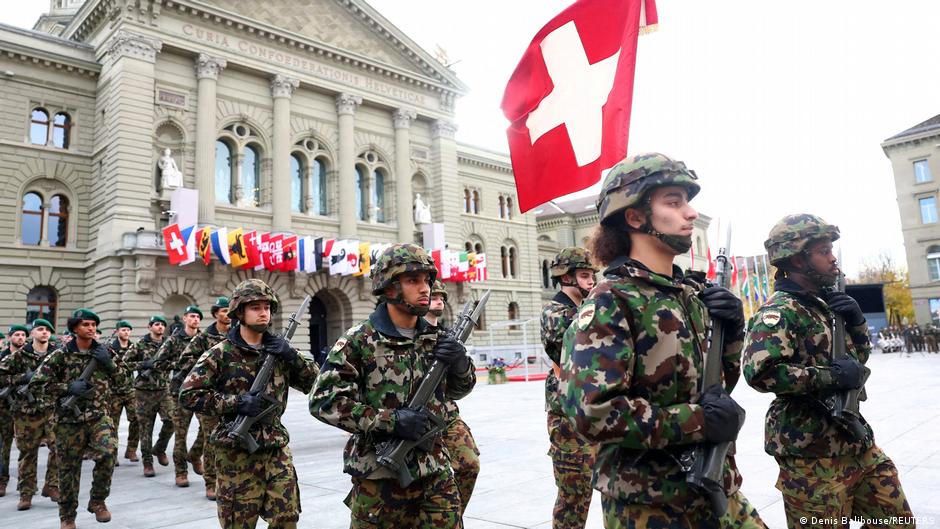
Swiss voters rejected a neutrality initiative that would have restricted sanctions policy and limited cooperation with military alliances.

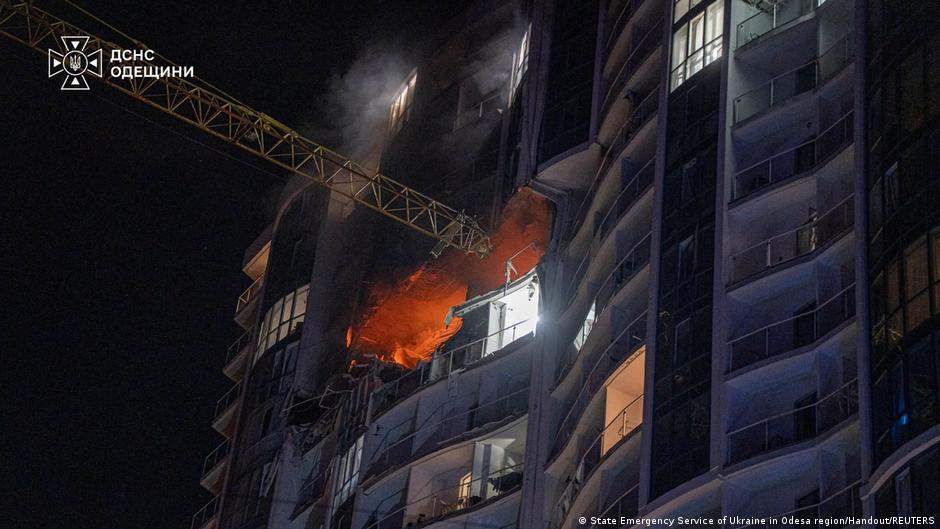
Russian drone strikes killed at least three civilians in Zaporizhzhia and hit port infrastructure in Odesa, deepening Ukraine’s wartime economic strain.

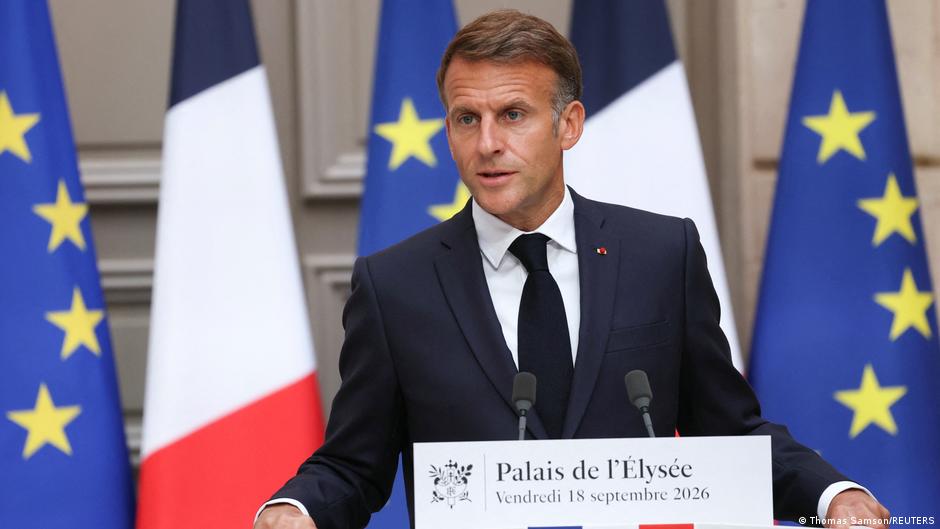
Macron says France sees a Russian mobilization of about 300,000 as credible and warns Europe may face wider hybrid attacks.

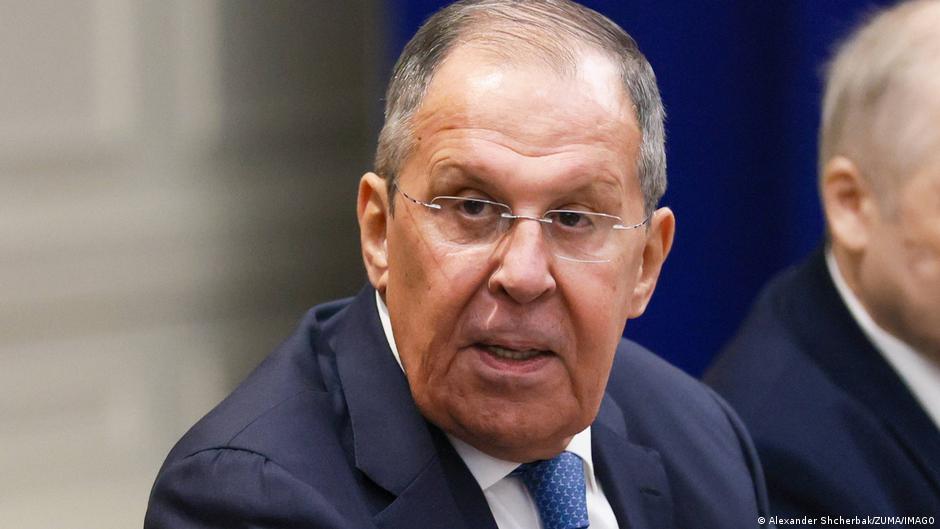
Lavrov said Russia will not pause operations for Ukraine talks, framing diplomacy as part of a wider contest over time, arsenals and leverage.

Two people were killed in Kyiv as Russian strikes damaged civilian areas and renewed pressure on Ukraine’s energy and urban infrastructure.

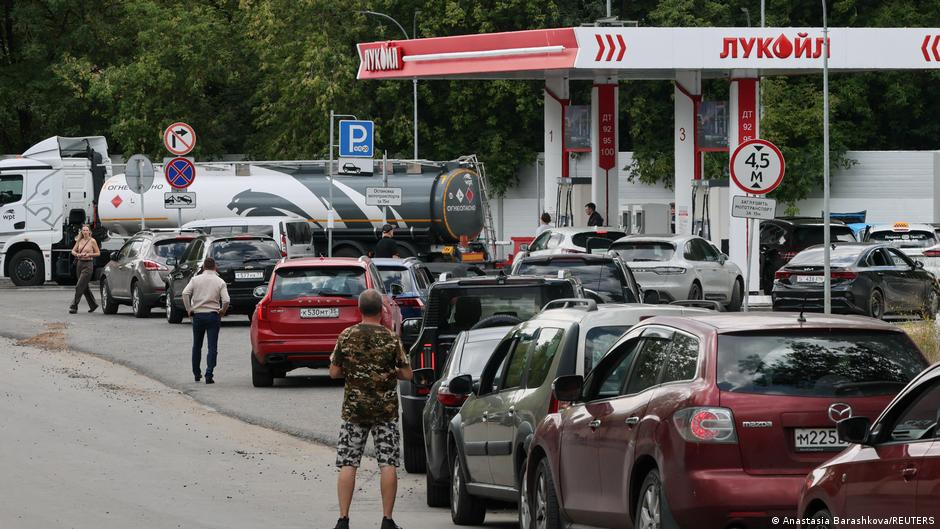
Kaluga and Zabaikalsky Krai have restored gasoline limits as refinery strikes deepen Russia’s second wave of fuel shortages.

German investigators are probing whether a drone crash near the Wunstorf air base involved explosives and may be linked to Leipzig sabotage.

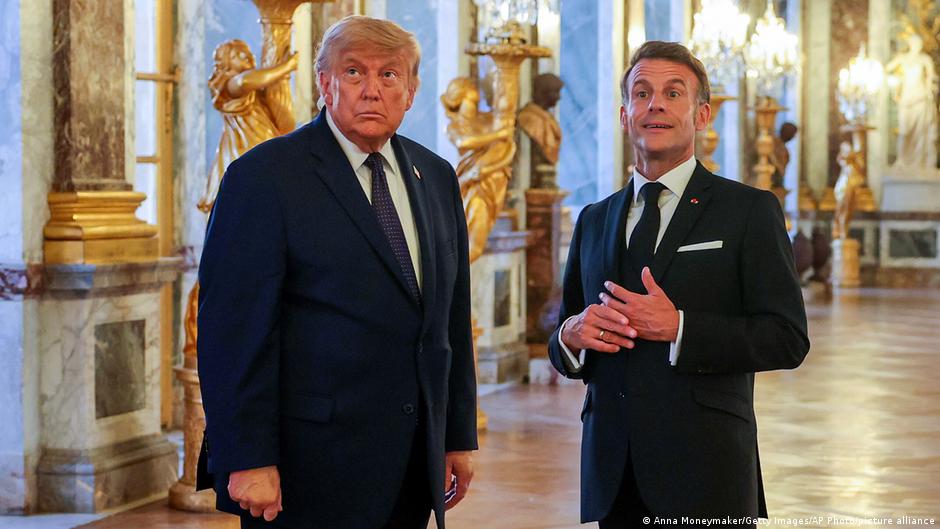
Macron said France and the U.S. would seek a moratorium on strikes against Ukraine’s energy and civilian infrastructure while boosting air defenses.

Trump signed the Graham sanctions law, giving him broad authority to target Russian energy buyers, banks, officials and sanctions evasion networks.

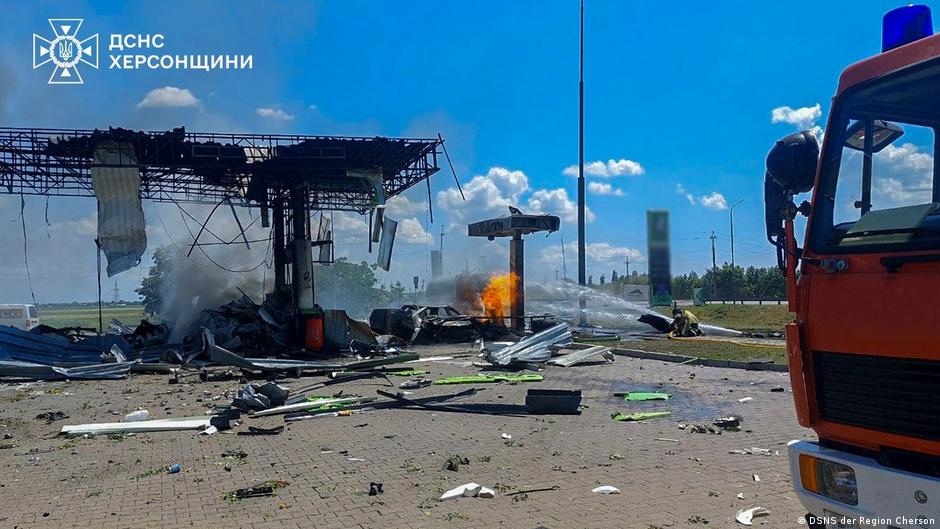
Russian attacks killed four people in Ukraine and damaged homes, a hospital, administrative buildings and warehouses across several regions.

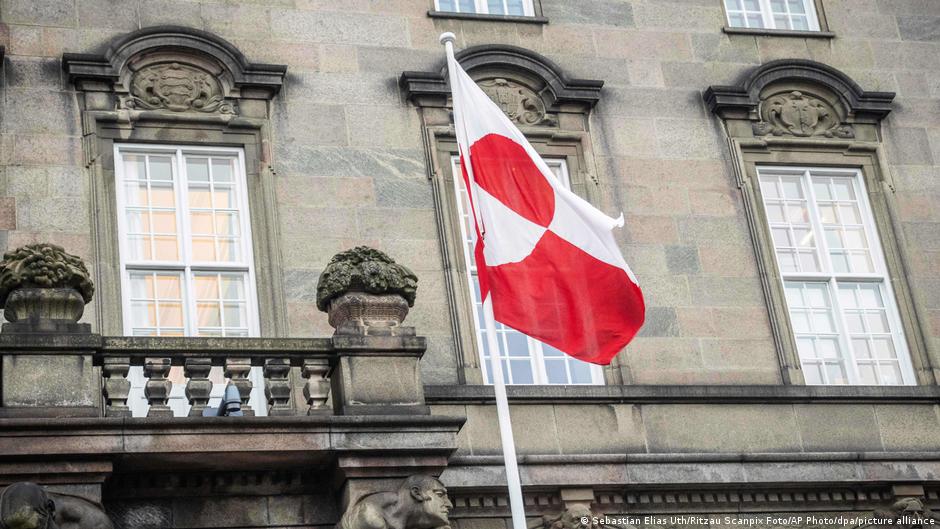
The Greenland arrangement could reshape Arctic security, investment screening and resource access while leaving key legal details unresolved.

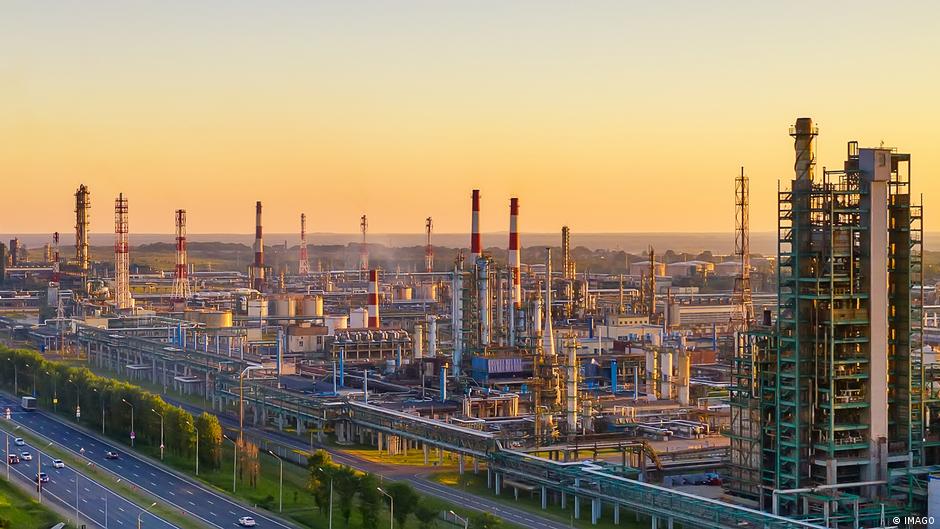
Drone damage has halted the Yaroslavl refinery, adding to Russia’s fuel shortages and exposing vulnerabilities in wartime refining capacity.

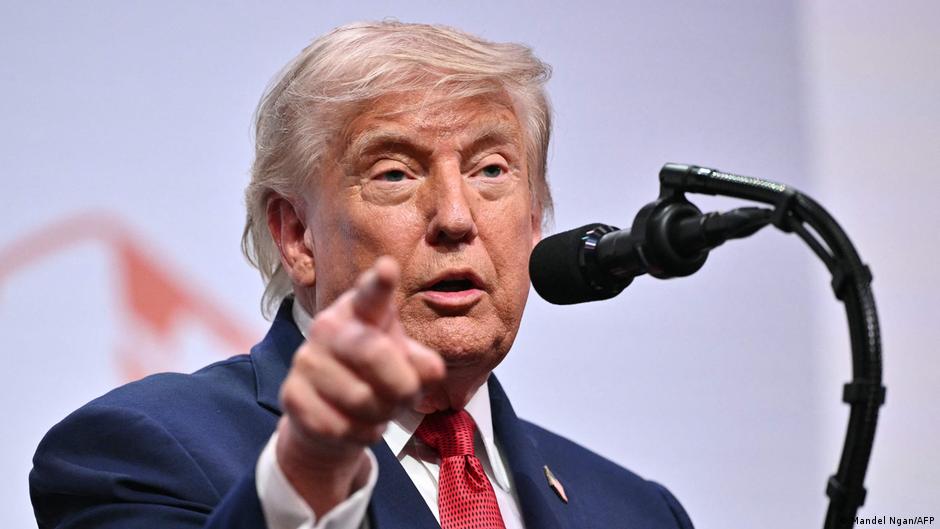
Trump warned the EU of steep tariffs or a trade halt if its proposed associate partnership with Canada is deemed hostile to Washington.

Russian attacks on Kyiv, Odesa and Sumy injured civilians including children, damaged buildings and added to Ukraine’s mounting urban war costs.