AfD Victory in Saxony-Anhalt Alarms Europe’s Neighbors and Markets
AfD’s projected win in Saxony-Anhalt drew sharp reactions from Poland, France and the Czech Republic, exposing wider European economic and political strains.

AfD’s projected win in Saxony-Anhalt drew sharp reactions from Poland, France and the Czech Republic, exposing wider European economic and political strains.

Kaja Kallas cancelled an EU defence expert group after German and Italian resistance, exposing deeper disputes over Europe’s defence economy.

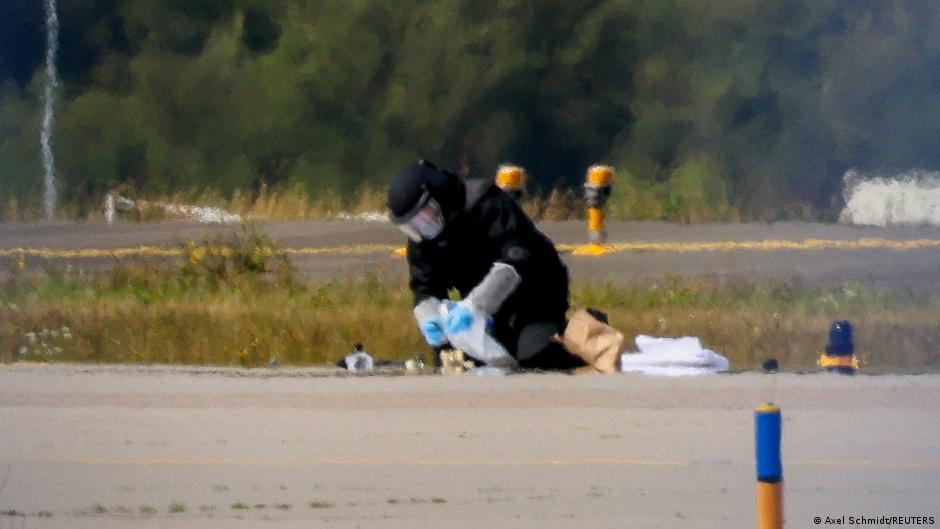
Germany plans a broad anti-sabotage shield after the Leipzig drone incident, with major implications for infrastructure, cyber defense and business costs.

Latvia says a suspect in the Leipzig sabotage case had been living in Russia, deepening scrutiny of Europe’s logistics, visa and sanctions systems.

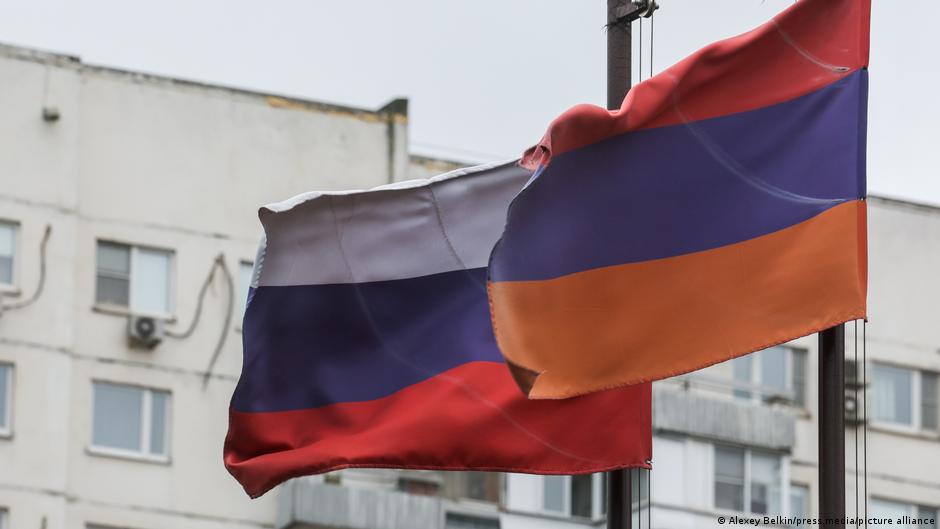
Putin says Armenia’s move toward EU membership would effectively mean quitting the EAEU, deepening a dispute over trade rules, integration and regional influence.

Foreign investment in Germany rose to 86 billion euros in 2025, with EU capital still dominant as US inflows fell and UK investment surged.
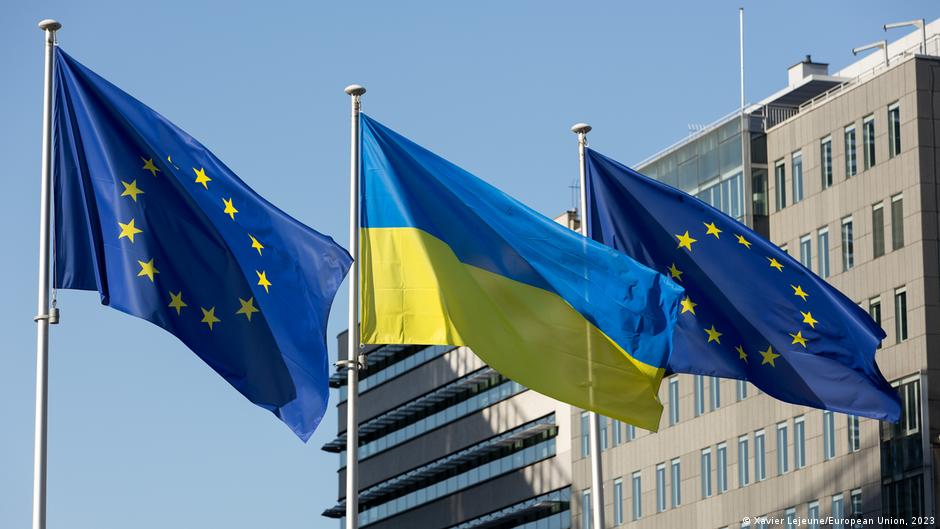
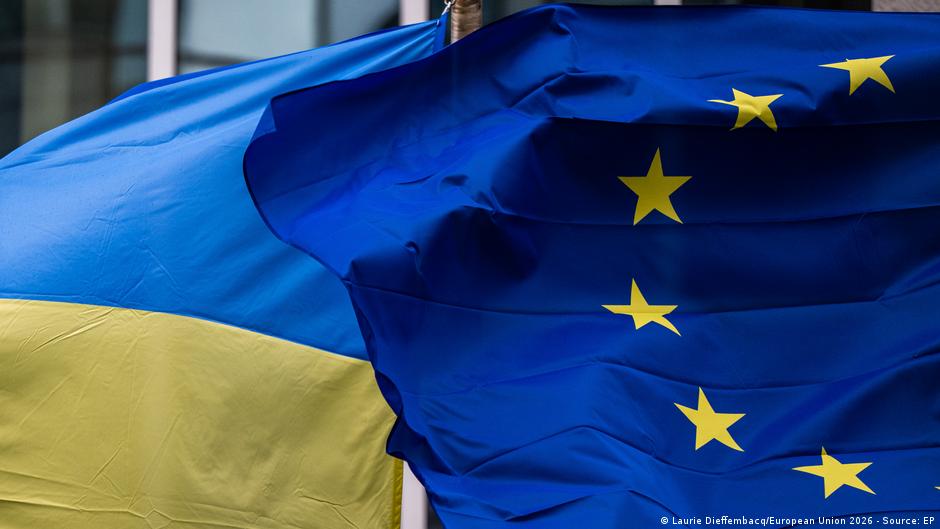
On Ukraine's Independence Day, the EU recommits to sustained support and sanctions on Russia, highlighting long-term integration and regional stability amid ongoing conflict.

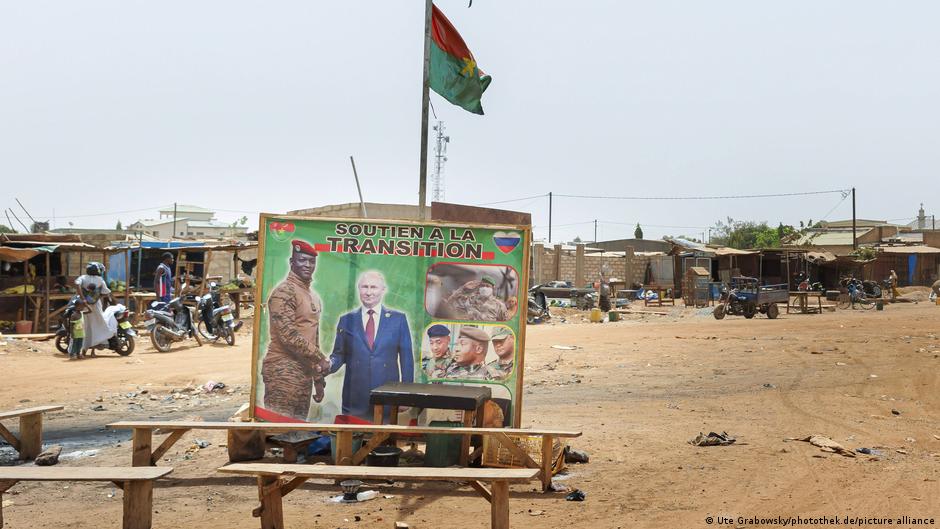
Russia has created a shadow air fleet using military and private aircraft to sustain its operations in Africa’s Sahel, evading Western sanctions through complex logistics.

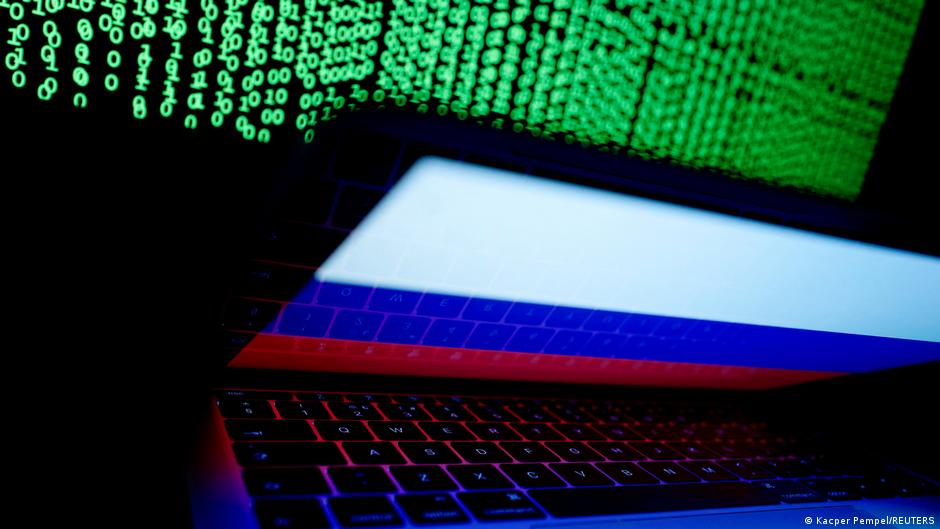
The Cl0p hacker group linked to Russia claims to have breached nearly 50 multinational corporations, highlighting growing cybersecurity risks with broad economic consequences.

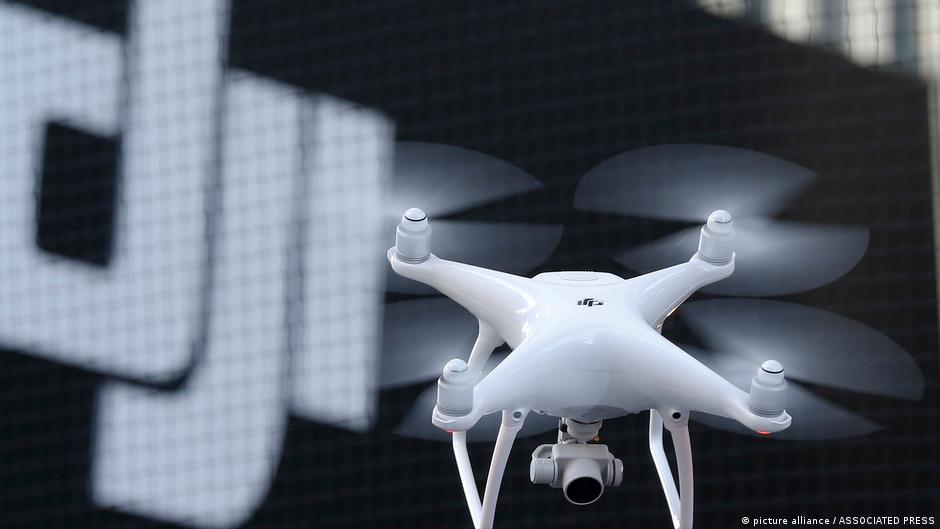
The US imposes tariffs up to 100% on imported drones over 25 kg with thermal imaging, aiming to reduce reliance on foreign suppliers amid national security concerns.

The US Senate has approved a broad sanctions package targeting Russia’s economy, with strong support from the EU and Ukraine to intensify pressure amid ongoing conflict.

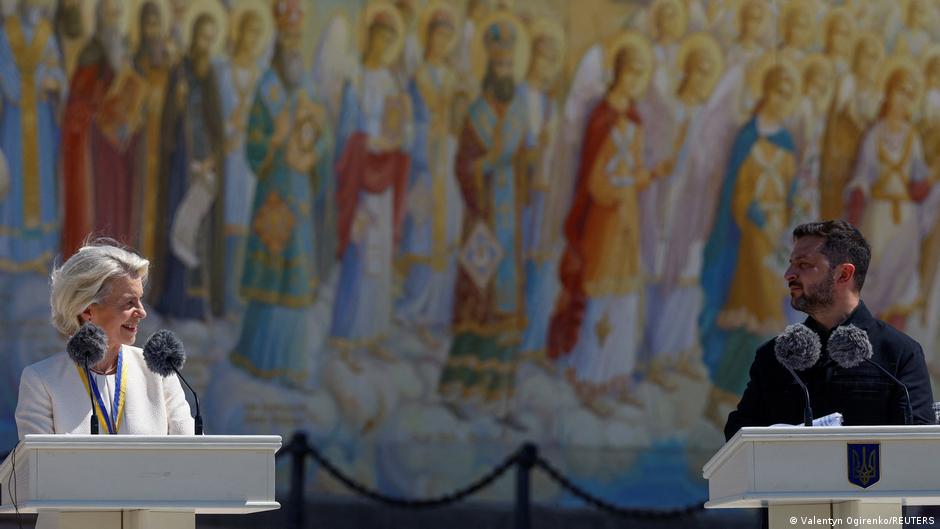
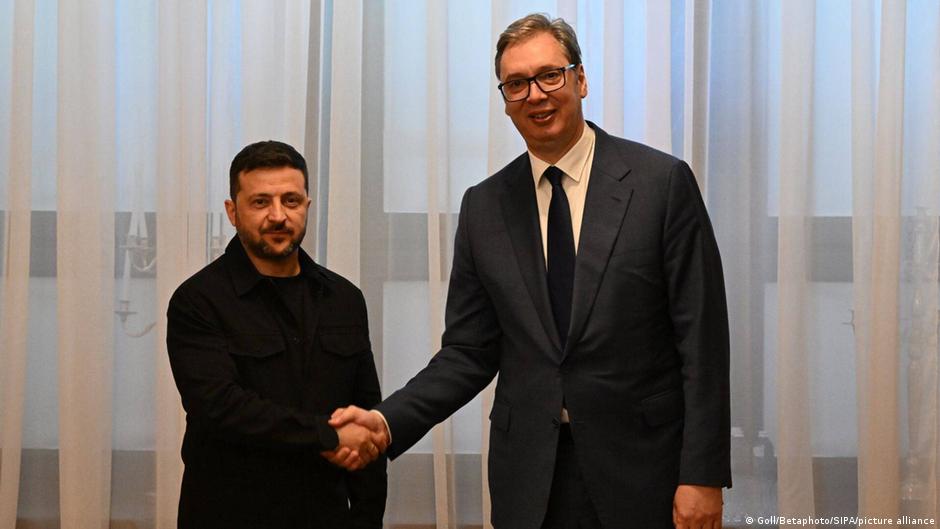
Ukrainian President Zelensky’s visit to Serbia aims to strengthen economic ties and address security, challenging traditional Russian influence amid regional tensions.

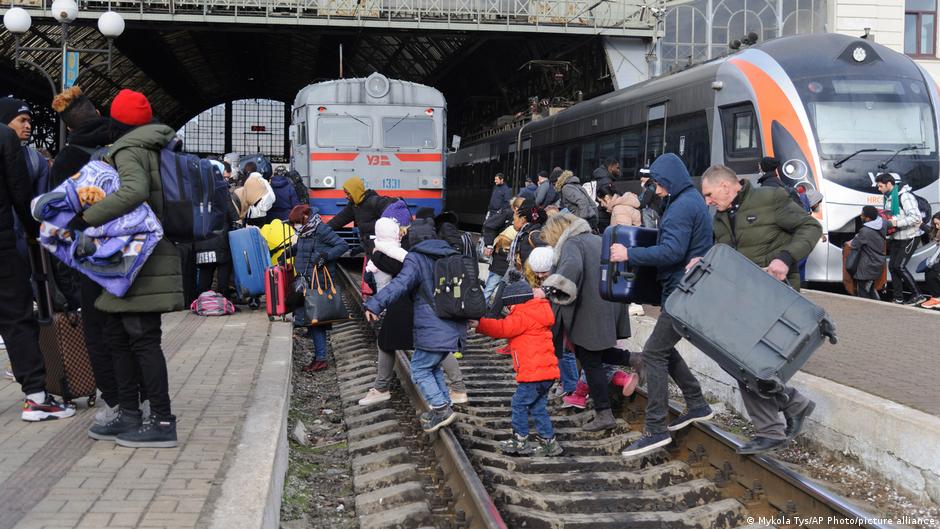
With over 8.4 million Ukrainians living abroad amid ongoing conflict, Ukraine faces significant demographic and economic challenges reshaping its future recovery.

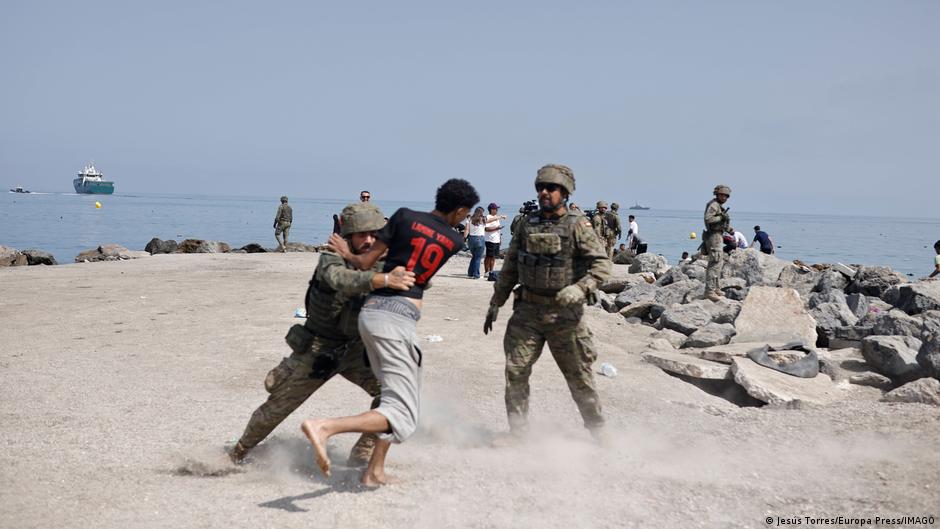
Spain's enclave Ceuta faced a sudden migrant influx, exposing economic, political, and border security challenges for Spain and the EU's Schengen framework.

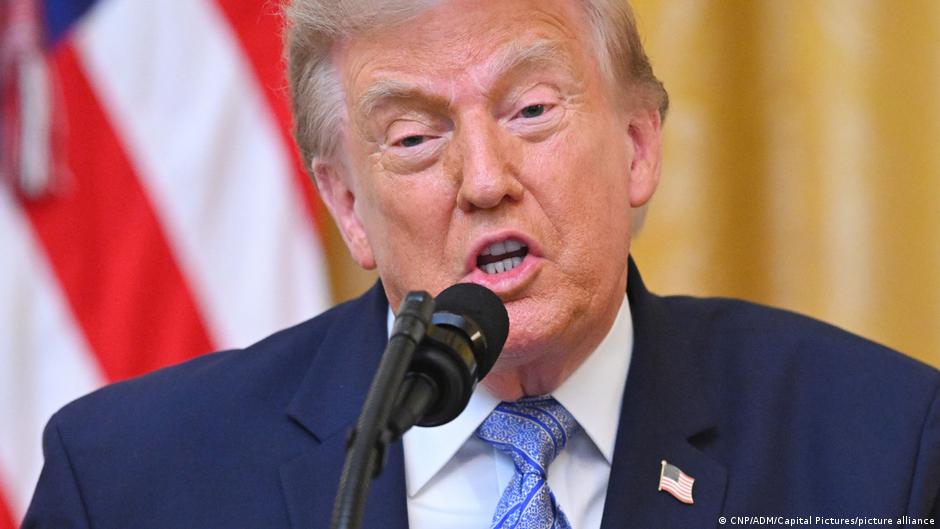
US President Donald Trump declared a historic agreement with Hamas for full disarmament, marking a crucial step toward peace and political restructuring in Gaza after years of violent conflict.

Greece has sharply increased Schengen visa refusals to Russian tourists in 2025, driven by EU policy changes amid security concerns, affecting travel and economic ties.

Russian-linked bot networks have intensified disinformation efforts targeting German regional elections, spreading fake media to sway voter opinions in eastern states.

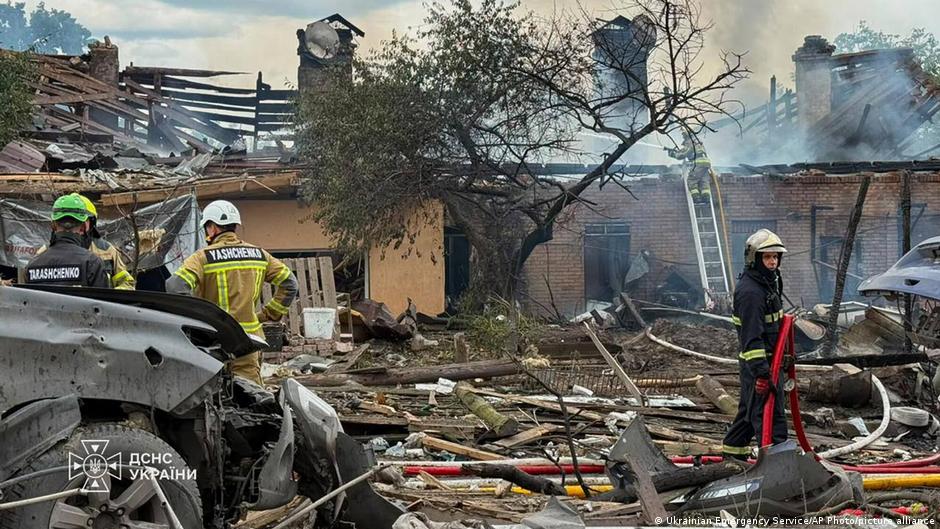
The EU condemned Russia’s missile strikes on a Kyiv-area weapons exhibition and a Latvian consulate, summoning Russia’s envoy and threatening expanded sanctions amid escalating Ukraine conflict.
Montenegro plans to end visa-free travel for Russian and Belarusian citizens by October 31, 2026, aligning with EU accession requirements and impacting migration and economic ties.

The US has introduced new 50% tariffs on Canadian goods, escalating trade tensions and challenging the USMCA agreement with significant economic implications for both countries.

The IMF has approved a €604 million disbursement to Ukraine under its EFF program, noting satisfactory progress but delays in structural reforms amid ongoing conflict.

Hungary blocks Ukraine’s EU accession talks on key economic chapters, citing concerns over Western Balkans' accession timing and signaling challenges for Ukraine’s integration.

Germany reaffirms its commitment to the International Criminal Court as the US intensifies opposition, framing the court as a threat to American sovereignty and launching a diplomatic campaign against it.

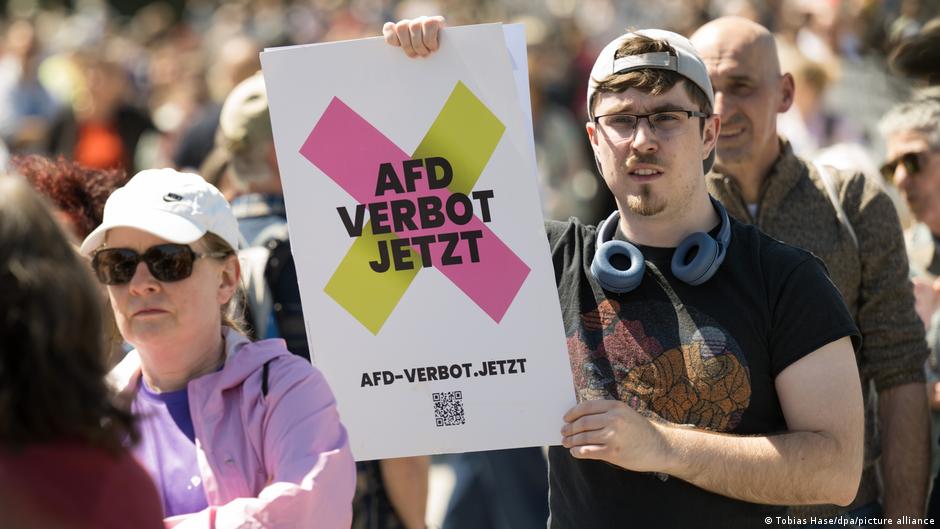
A recent Insa poll finds 45% of Germans oppose banning the far-right AfD, which leads CDU/CSU by 8%. The divided public opinion reflects broader questions about political isolation and democratic resilience in Germany.

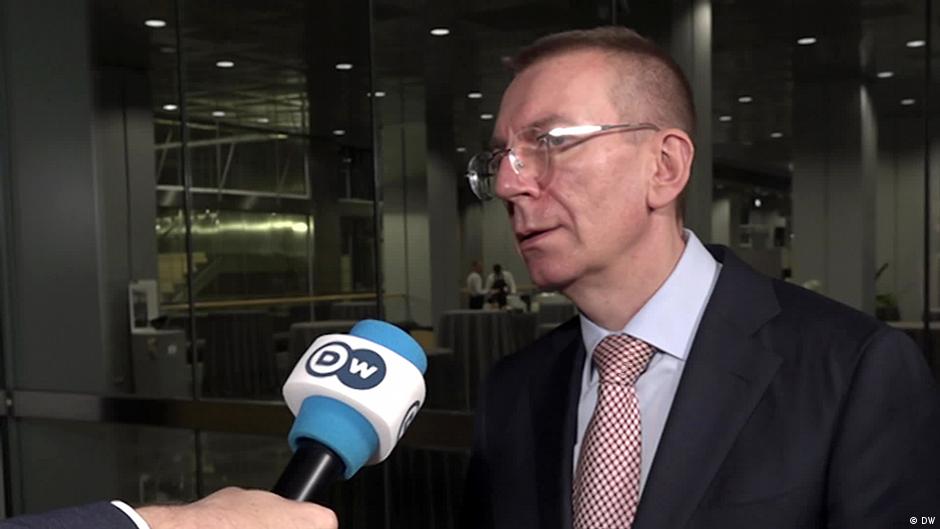
Latvian President Edgars Rinkēvičs warns NATO to prepare for potential escalation with Russia, highlighting the need for real military capability growth beyond budget increases.

Two brothers in Germany admitted to smuggling industrial components to Russia via shell companies, violating EU sanctions and exposing enforcement challenges.

France has imposed stricter Schengen visa rules for Russians, requiring personal submission and biometric data, joining Italy, Spain, and Hungary in tightening EU visa policies.

The EU tightens steel import regulations, cutting duty-free quotas by 47% and imposing a 50% tariff on excess imports to protect domestic industry from cheap steel flooding.

The Bavarian SPD faction awarded Julia Navalnaya the European Prize for her courageous resistance to Russia’s authoritarian regime and advocacy for human rights.

President Zelensky proposes a Ukrainian National Pantheon and a European Order amid diplomatic tensions with Poland linked to historical memory and EU accession challenges.

The Communist Party of Austria has secured a second consecutive victory in Graz’s municipal elections by focusing on housing policies and pragmatic governance amidst a shifting political landscape.

Polish opposition leader Jarosław Kaczyński calls to block Ukraine’s EU accession amid historical disputes and economic concerns, highlighting growing tensions ahead of Poland’s 2027 elections.

Italy and France express doubts over the EU’s proposed entry ban on Russian combatants, fearing enforcement challenges and unintended restrictions on all Russian nationals.

Belgium issued one-day visas to five Taliban representatives to participate in EU talks on Afghan migration and deportation, reflecting complex geopolitical and economic challenges.

Germany urges Turkey to exclude Russian gas in future EU energy agreements, highlighting economic and geopolitical shifts in the region's energy dynamics.

Bulgaria plans to veto the EU’s expanded sanctions on Russia, citing risks to its economy and opposing restrictions on the Russian Orthodox Patriarch.

The EU agreed to extend sanctions on Russia for one year, reflecting political shifts and signaling deeper economic impacts amid ongoing conflict in Ukraine.

The EU has begun discreet talks with the Kremlin to prepare for potential peace negotiations on the Ukraine conflict, amid growing military and economic pressures on Russia.

The EU has commenced formal accession talks with Ukraine and Moldova, initiating the first negotiation cluster that moves the process from preparation to substantive reform discussions.

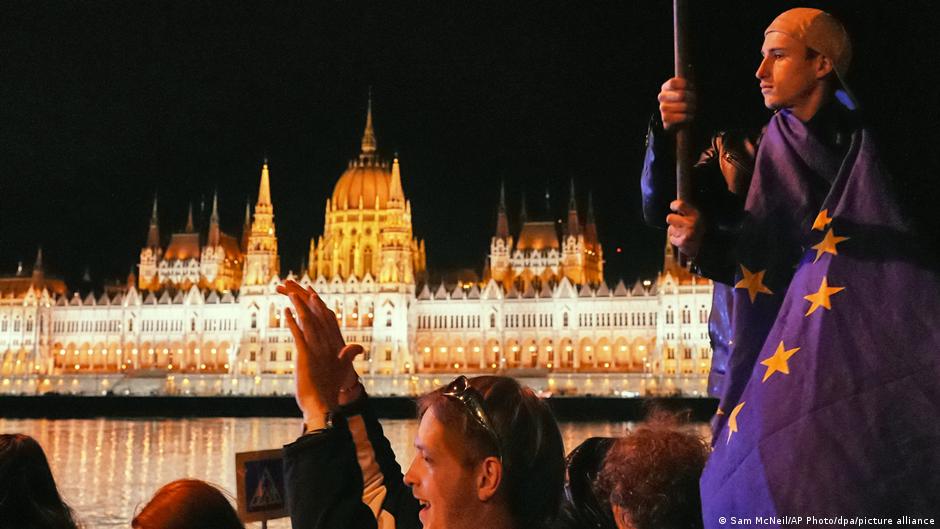
Hungary’s parliament limits prime ministerial terms to two four-year periods, barring Viktor Orbán from returning after five terms.

Lithuania, Poland, and France conduct joint military drills near the Suwalki Corridor, enhancing NATO's readiness against potential Russian attempts to isolate the Baltic states.

Armenia's Central Electoral Commission conducted a partial vote recount after opposition requests, revealing minor changes but affirming the ruling party's victory in the June parliamentary elections.

Kosovo’s Self-Determination party wins 43% in third election within 18 months, facing coalition challenges amid political instability and EU integration pressures.

Armenia’s June 2025 parliamentary elections signal a strategic shift toward EU integration under Prime Minister Pashinyan, challenging traditional Russian influence and impacting the nation’s economic trajectory.

Finland has seized €3.7 million in Russian assets following Ukraine's Naftogaz arbitration claims over Crimean property, reflecting broader economic and geopolitical tensions.

Rheinmetall secures a €5.7 billion arms contract with Romania, funded by the EU's Security Action for Europe program, signaling a strategic push for European defense autonomy.

The EU plans to restrict US tech giants like Microsoft and Google from public cloud contracts in strategic sectors, aiming to boost digital sovereignty.

Russia warns Armenia of increased tariffs and economic restrictions if it leaves the Eurasian Economic Union amid rising geopolitical tensions and EU rapprochement.

A Russian drone crash in Romania during attacks on Ukraine reveals escalating security risks and potential economic disruptions in Eastern Europe.

Former RT France head Ksenia Fedorova joins French right-wing channel CNews after EU bans Russia Today, highlighting media ownership and geopolitical influence.