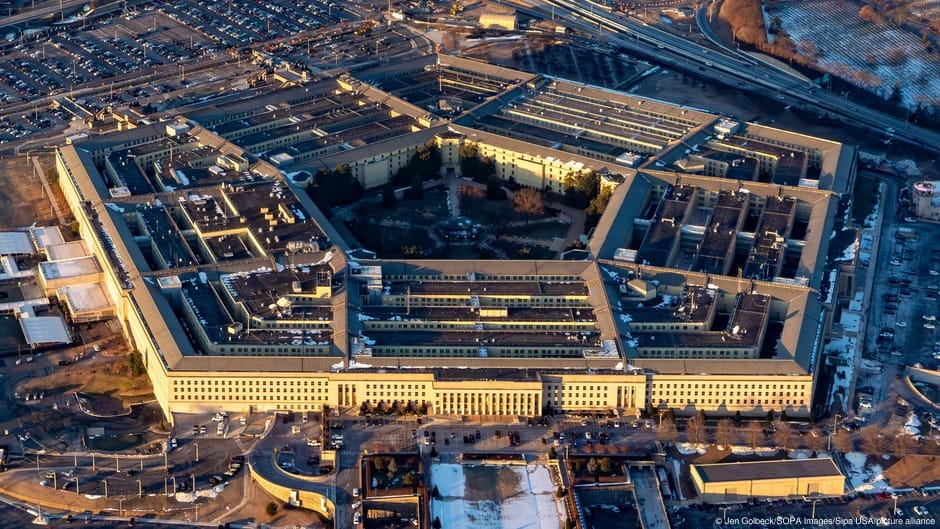
Pentagon Curbs Canada Defense Ties as Economic Frictions Deepen
New Pentagon limits spare NATO, NORAD and intelligence ties but deepen uncertainty as US-Canada trade and procurement disputes spread into defense policy.

New Pentagon limits spare NATO, NORAD and intelligence ties but deepen uncertainty as US-Canada trade and procurement disputes spread into defense policy.

A possible strike in Krasnodar shows how drone warfare can raise costs across security, aviation and energy even before physical damage is confirmed.

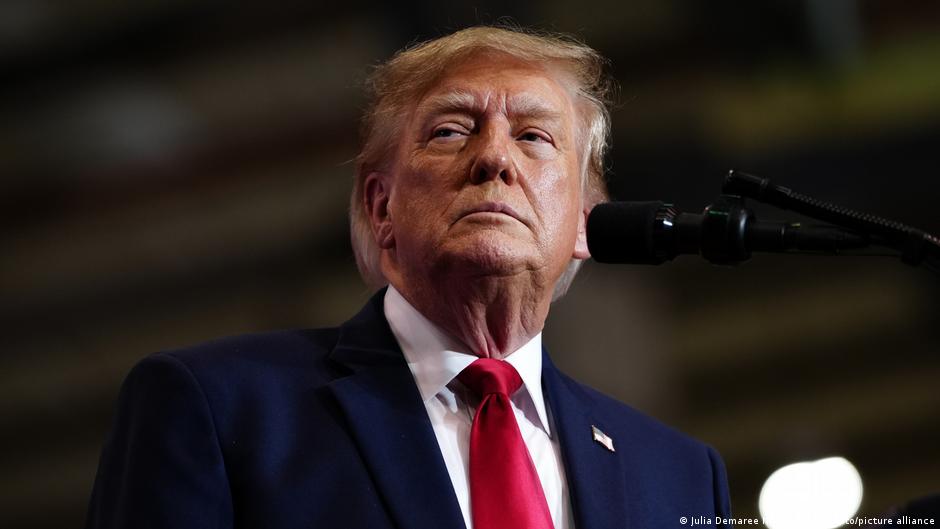
Trump is reportedly pressing for a Ukraine settlement before Democrats take Congress, creating an unequal timetable with lasting economic and security risks.

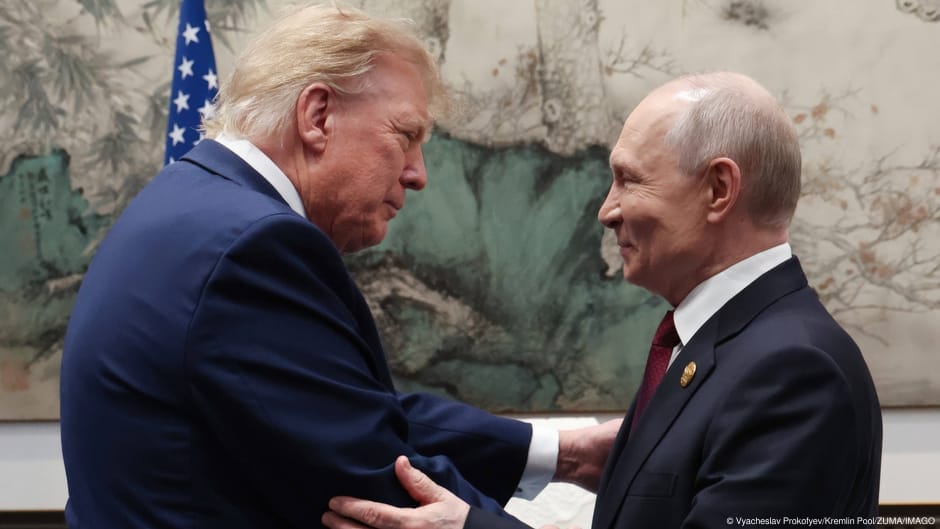
Trump endorsed Kyiv’s right to participate in decisions on the war, even as a US-China-Russia peace declaration omitted Ukraine.

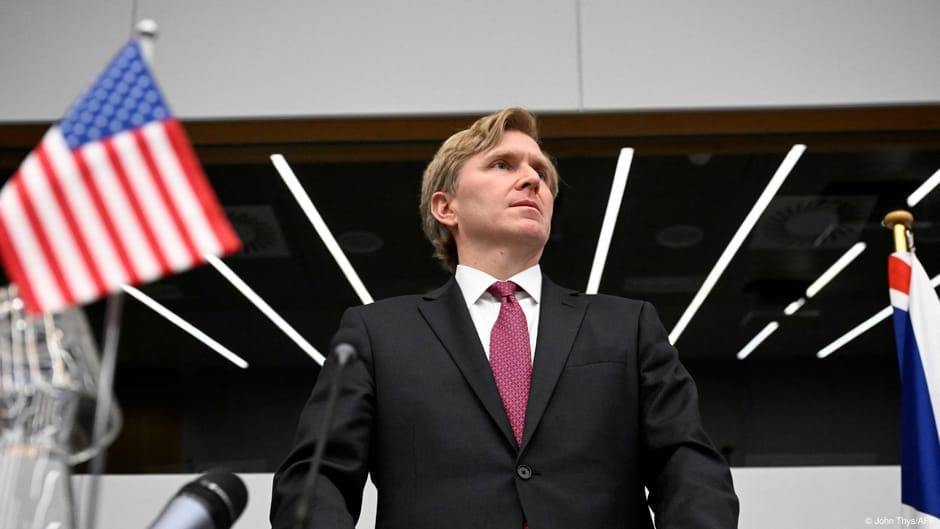
Elbridge Colby’s early exit from NATO talks exposed a growing US-European divide over Ukraine’s strikes inside Russia and the cost of sustaining the war.

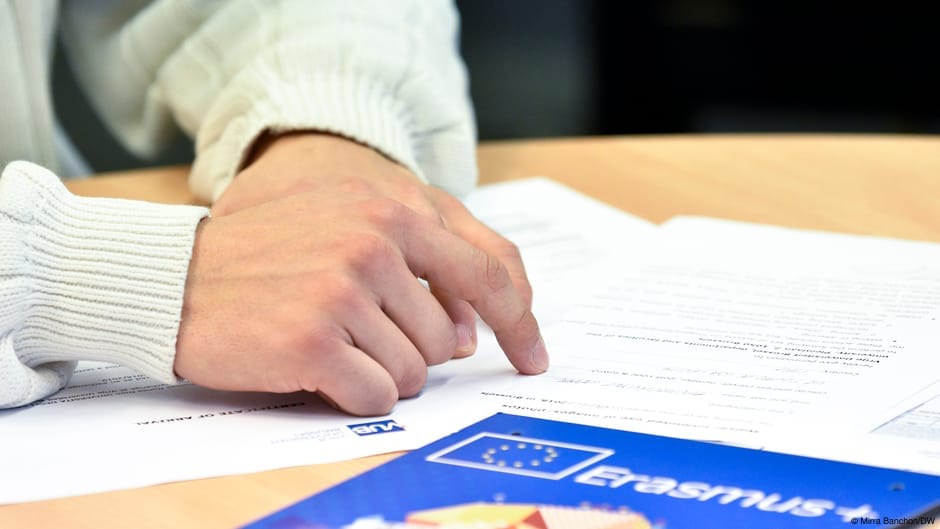
The EU has excluded Russia-based organizations and residents from Erasmus+, deepening the long-term divide in education, skills and research networks.

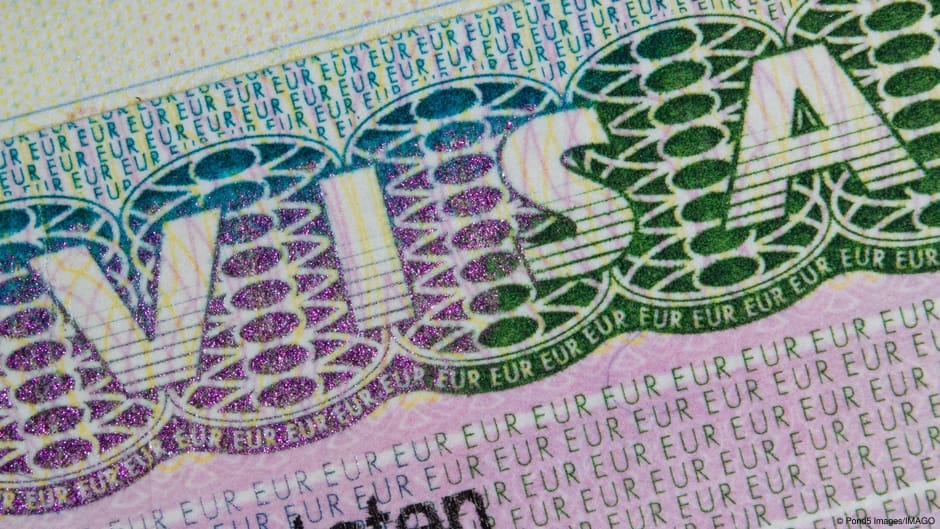
Slovenia has halted student and most work-visa applications in Russia, narrowing education, labor and family-mobility channels despite a previously low refusal rate.

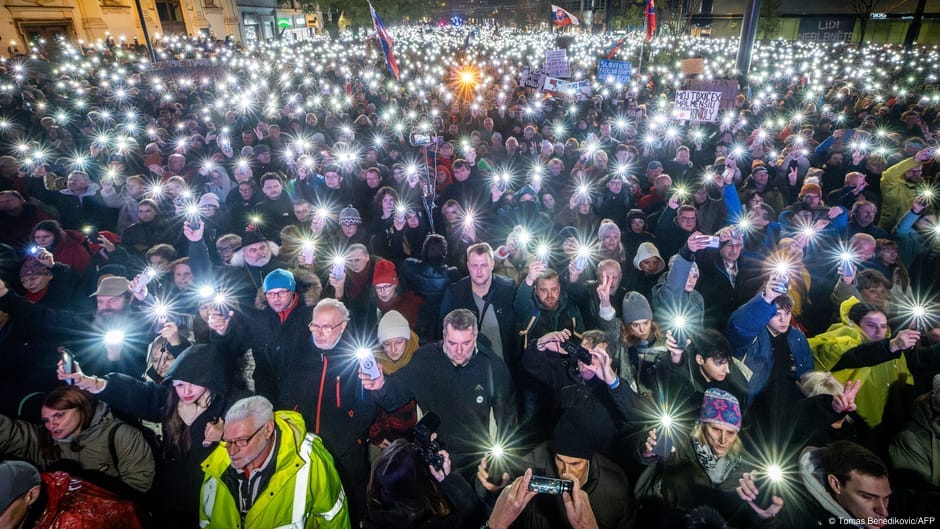
Mass protests against Robert Fico’s government reveal growing concern that political and institutional uncertainty could weaken Slovakia’s economic model.

Nearly €400 million passed through DB Cargo Russija since 2022, raising questions about transit revenue, state infrastructure and EU sanctions.

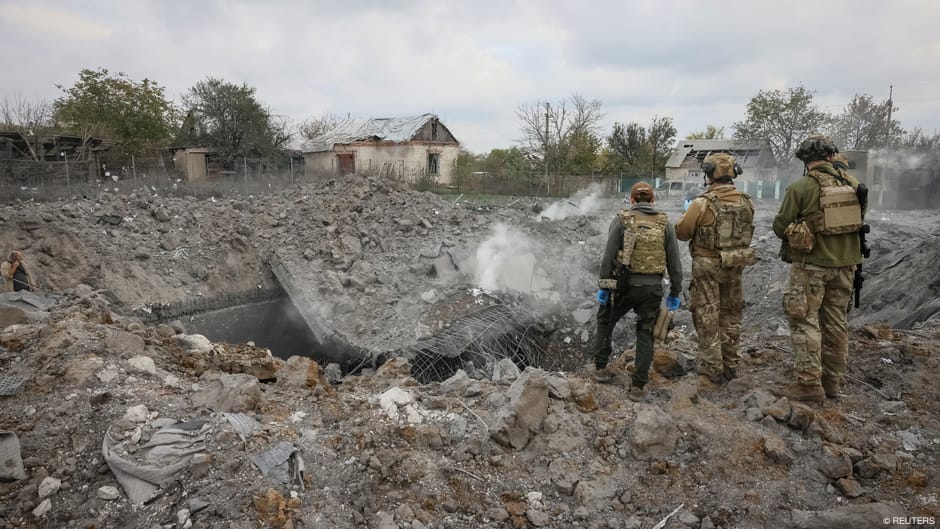
The confirmed death toll from the Kamyševakha aid-center strike reached 72, exposing the compounding economic costs of attacks on civilian infrastructure.

Most Germans view Russia as a threat, but an almost even split over Russian energy supplies exposes a persistent conflict between security and economic concerns.

The Karnavsky-led Libertarian Party of Russia faction voted to dissolve after its foreign-agent designation, ending a long period of fragmentation and pressure.

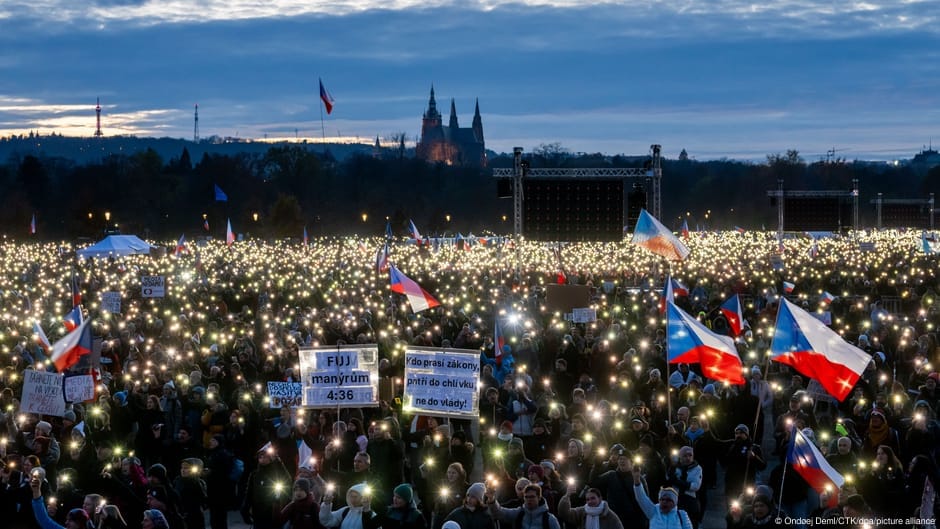
A Czech plan to fund public broadcasters from the state budget has prompted mass protests and warnings of political dependence and long-term institutional damage.

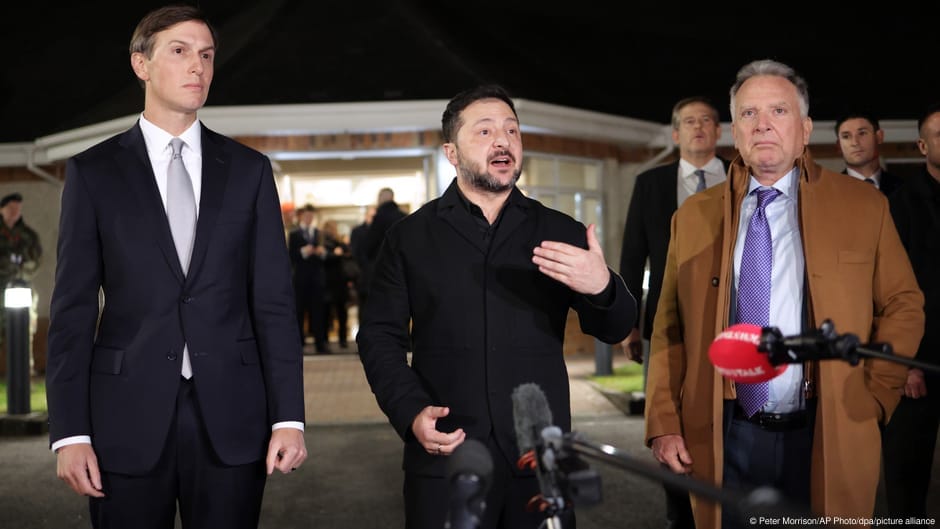
Washington is widening the Ukraine peace process to include Europe, linking any settlement to NATO, long-term security costs and economic credibility.

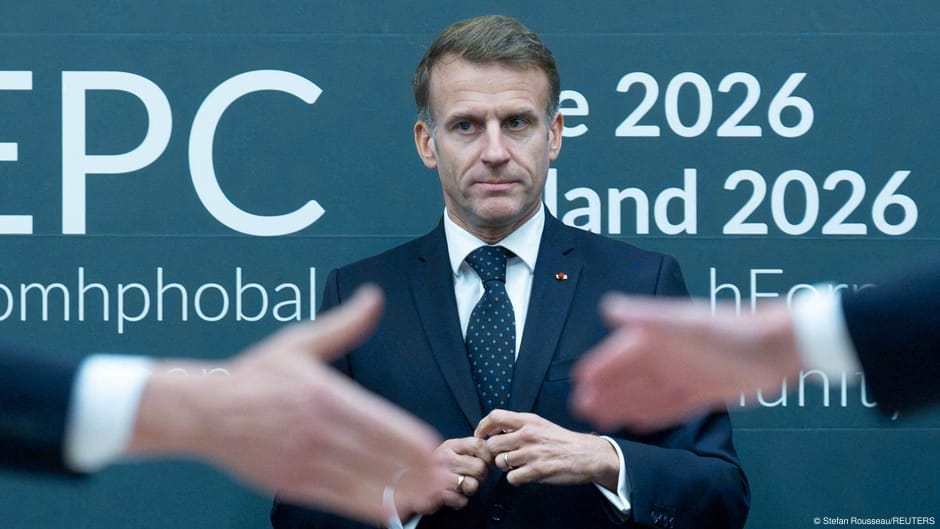
Macron says limiting aid to Ukraine risks greater long-term costs for Europe as Poland and Bulgaria cite deficits and defense pressures.

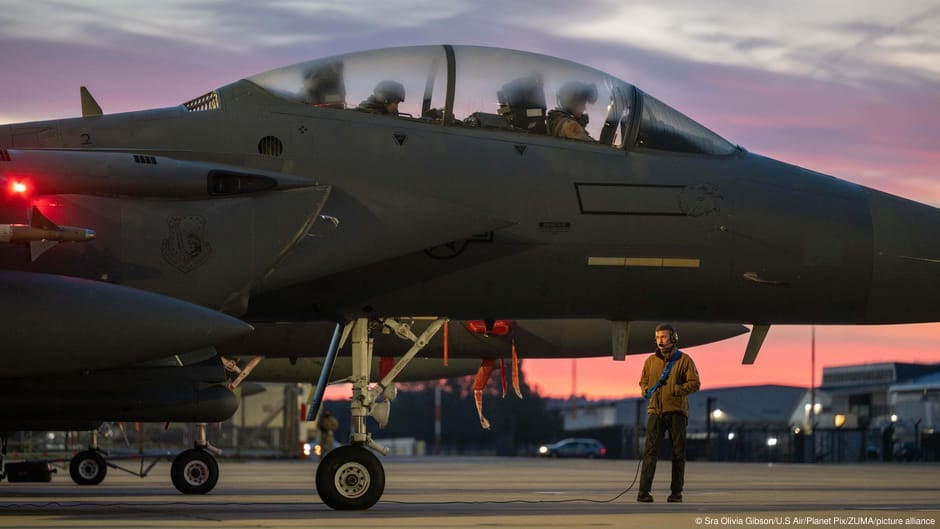
Suspected drone activity at RAF Lakenheath highlights the widening financial and operational burden of protecting strategic military infrastructure.

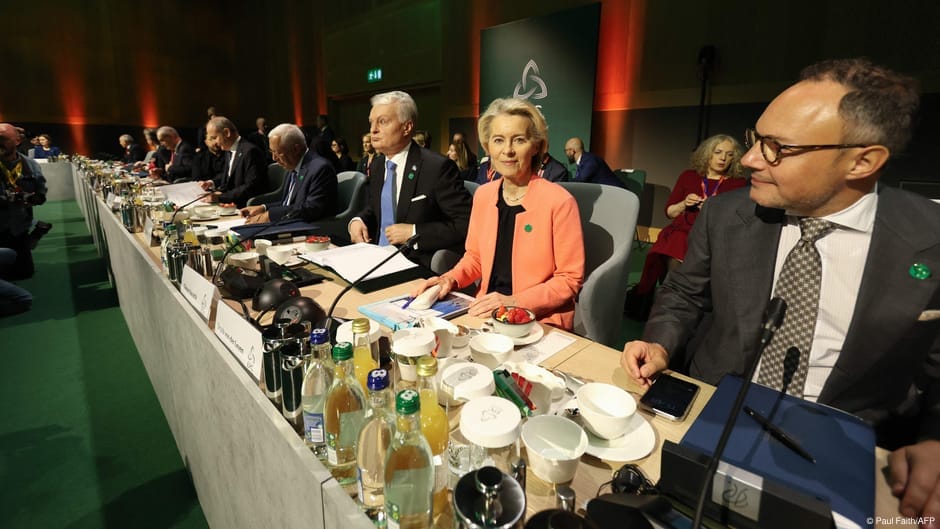
Nearly 40 European states have adopted a security charter that broadens cooperation and could reshape defense spending, fiscal priorities and transatlantic burden-sharing.

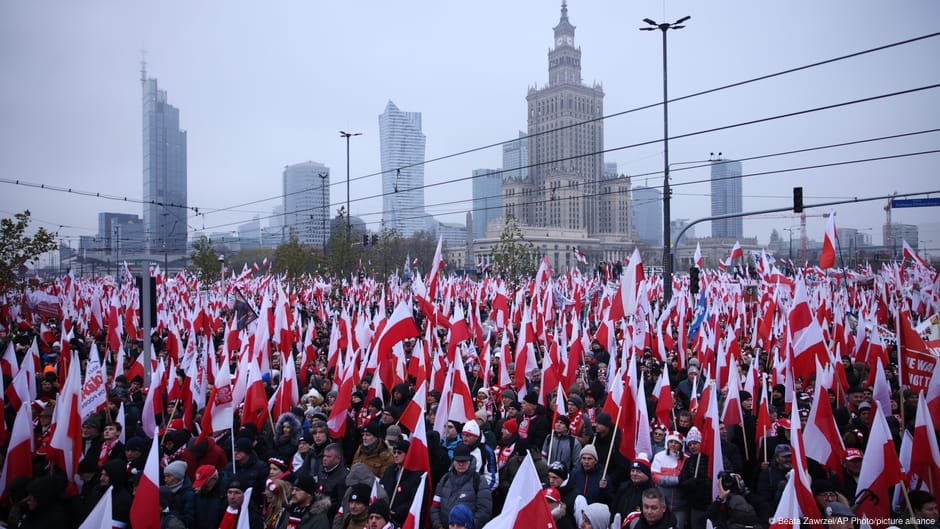
A 250,000-strong Warsaw march highlighted how nationalism and conflict over Poland’s Constitutional Tribunal could shape institutional and economic confidence.

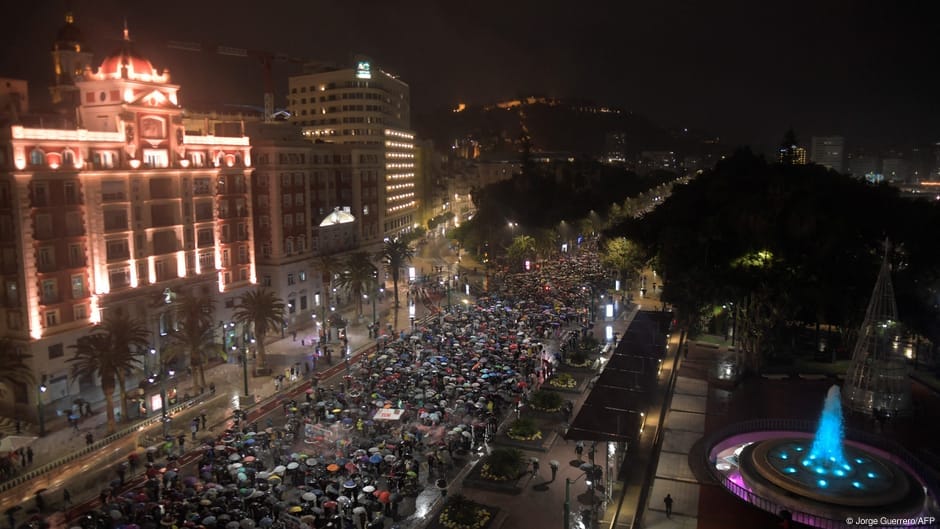
Spain’s first general strike in 14 years brought mass protests over housing costs, as a shortage estimated at 750,000 homes deepens economic and political pressures.

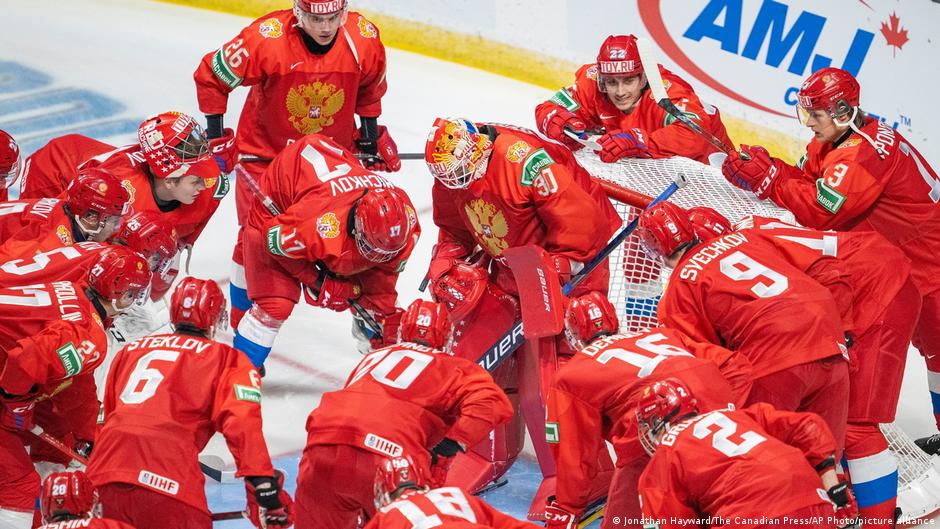
Canada will deny entry to Russian and Belarusian participants at the 2027 World Juniors, highlighting the limits of sports arbitration amid geopolitical sanctions.

Kyiv and Moscow discussed exchanging up to 3,000 prisoners as Abu Dhabi talks turned to territory, energy, Black Sea security and de-escalation.

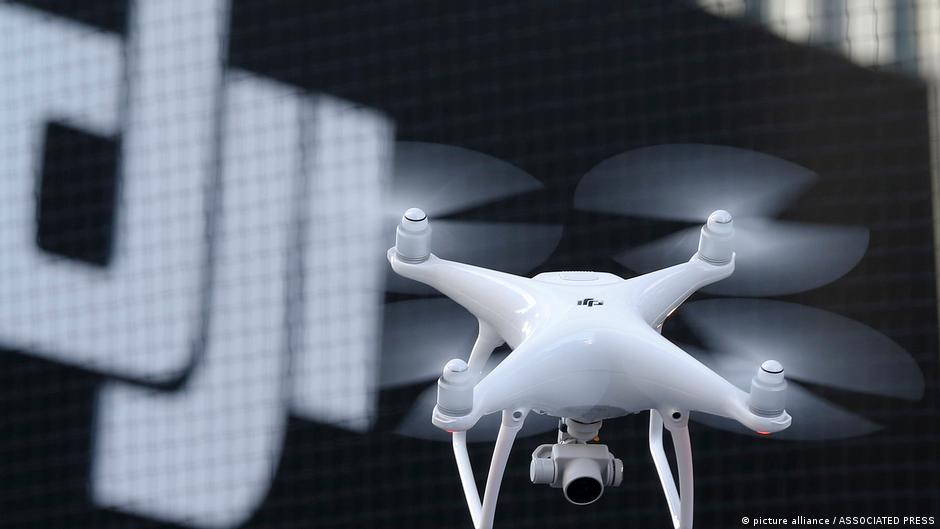
Germany’s military is excluding Chinese drones and cars from defence sites as connected technology turns supply-chain dependence into a security and economic risk.

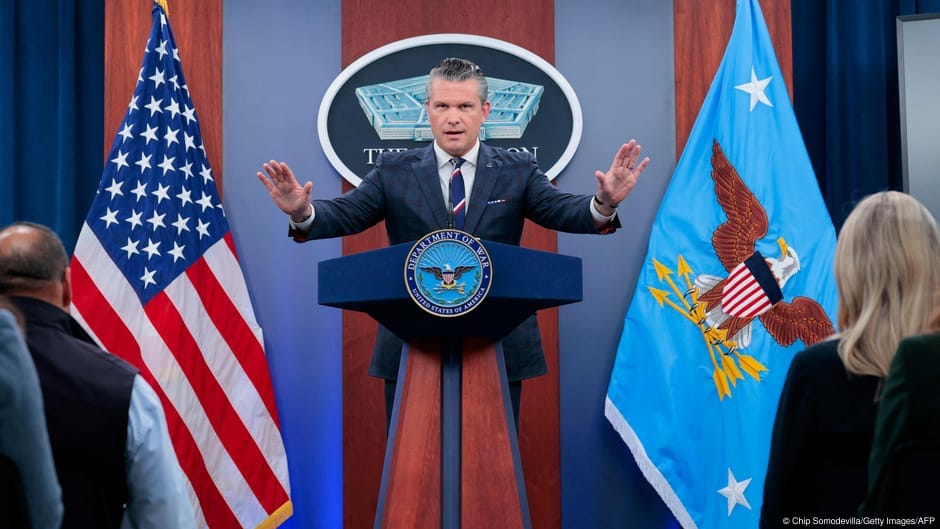
House Republicans have stalled Pete Hegseth’s impeachment, postponing a war-powers dispute until incoming Democratic majorities take office in January.

Thomas Massie’s impeachment resolution against Pete Hegseth turns the Iran war into a wider test of congressional authority, military spending and geopolitical risk.

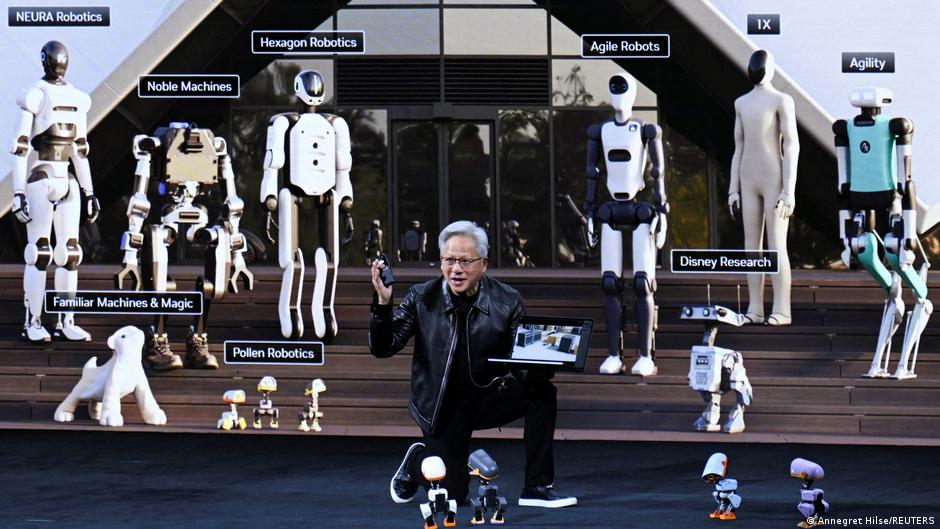
Nvidia’s investigation of CEO Jensen Huang places corporate governance at the center of the US-China contest over AI chips and strategic technology.

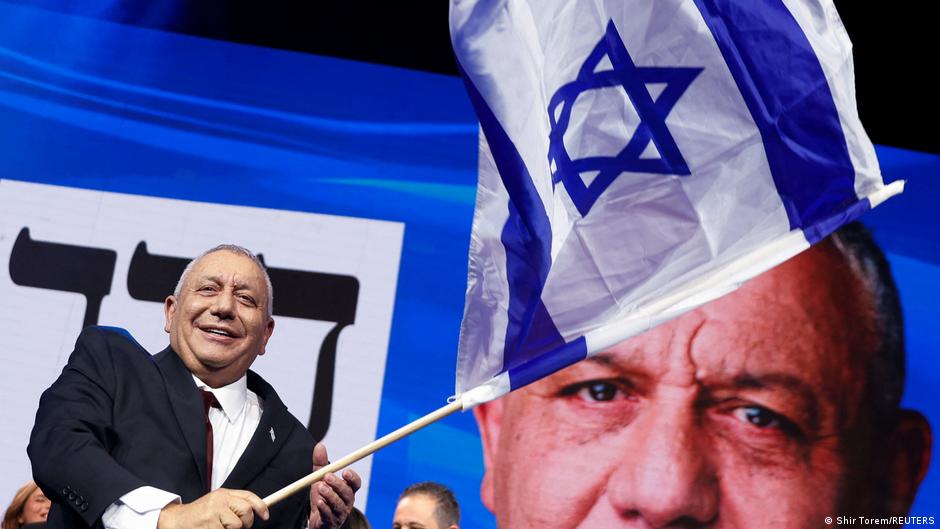
Gadi Eisenkot has 28 days to build a coalition, with Arab parties holding the balance amid political fragmentation and economic uncertainty.

Santiago Peña’s detention turns the Ueno liquidity crisis into a wider test of Paraguay’s banking supervision, political accountability and economic resilience.

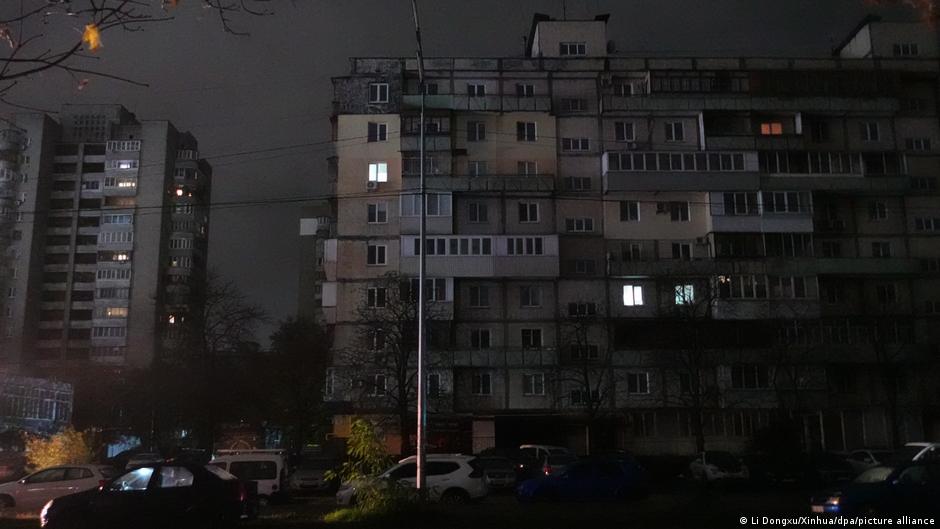
A dispute between Zelensky and Kyiv Mayor Klitschko reveals how energy attacks, repair bottlenecks and divided authority threaten Ukraine’s urban economy.

At least 350 Russian conscripts have been confirmed killed, exposing uncertainties over contract conversion and the war’s long-term labour costs.

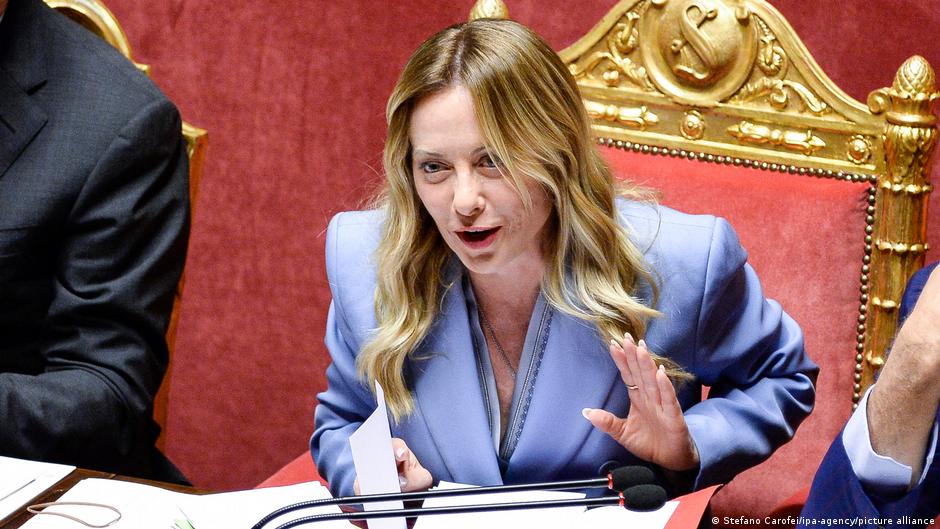
Meloni says the EU must choose an authorized voice for Ukraine peace talks or risk weakening Europe’s diplomatic leverage and economic interests.

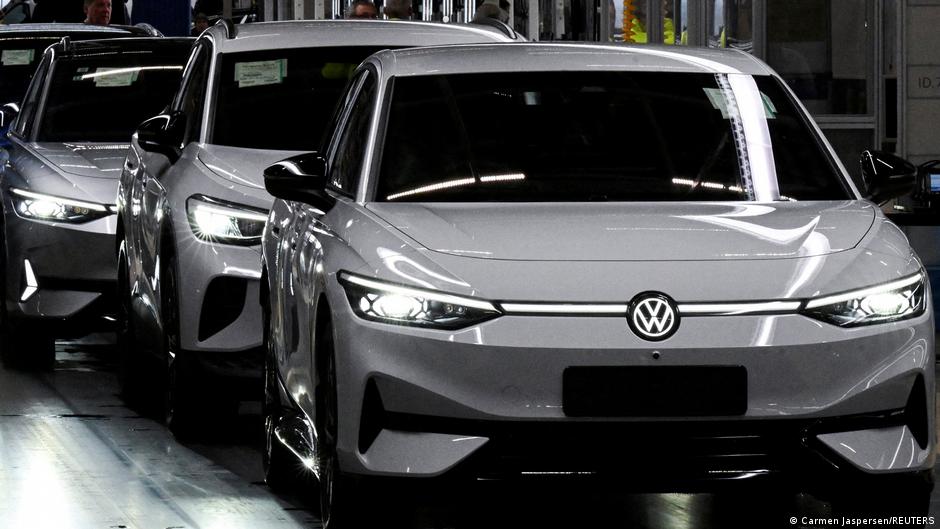
German EV registrations rose about 80% in October, but Chinese brands gained market share as domestic automakers lost ground in the expanding segment.

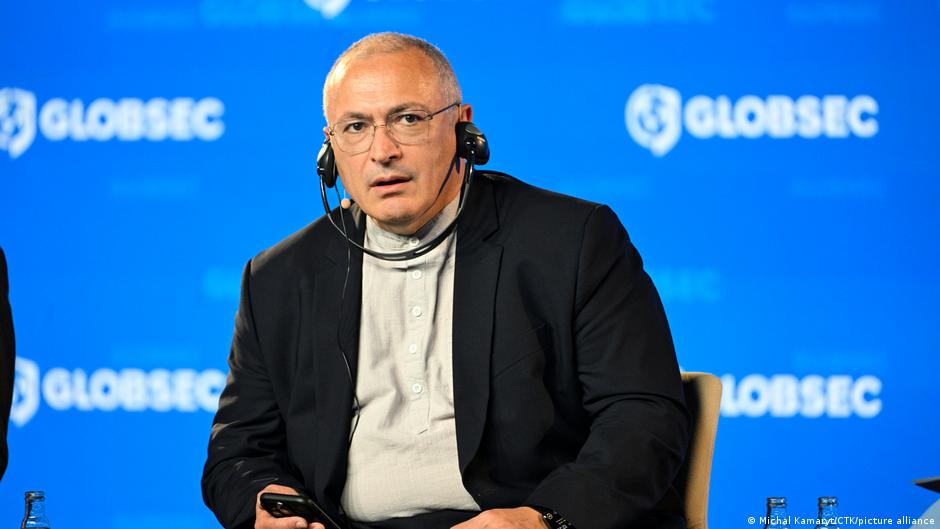
Mikhail Khodorkovsky says Europe needs credible exit routes for Russian elites while avoiding a punitive transition that could trigger armed resistance and renewed authoritarianism.

Kazakhstan detained 10 people in Atyrau over an alleged extremist group and closed three underground educational centres for minors.

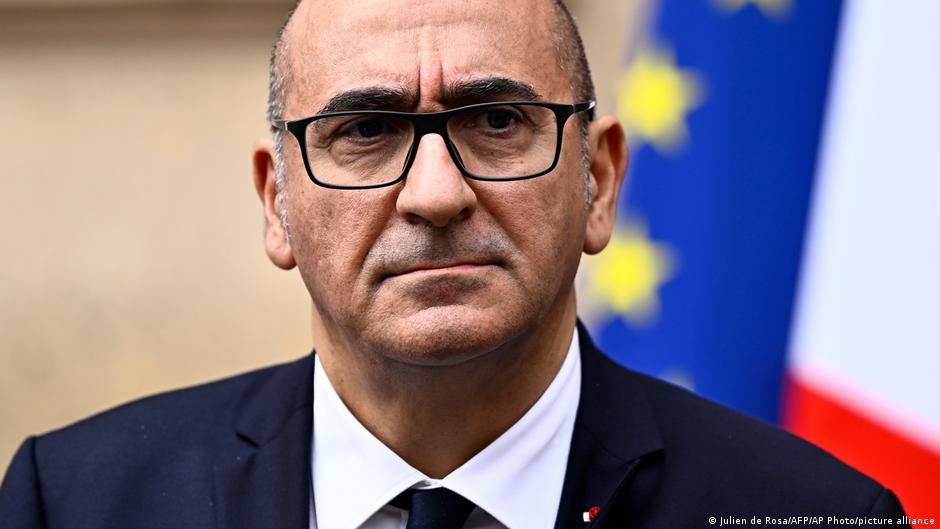
France’s technical talks with the Taliban reveal the fiscal, legal and diplomatic trade-offs behind Europe’s push to accelerate Afghan deportations.

A federal judge rejected the Trump administration’s attempt to halt certification of Alaska’s pivotal Senate election over alleged voter confusion.

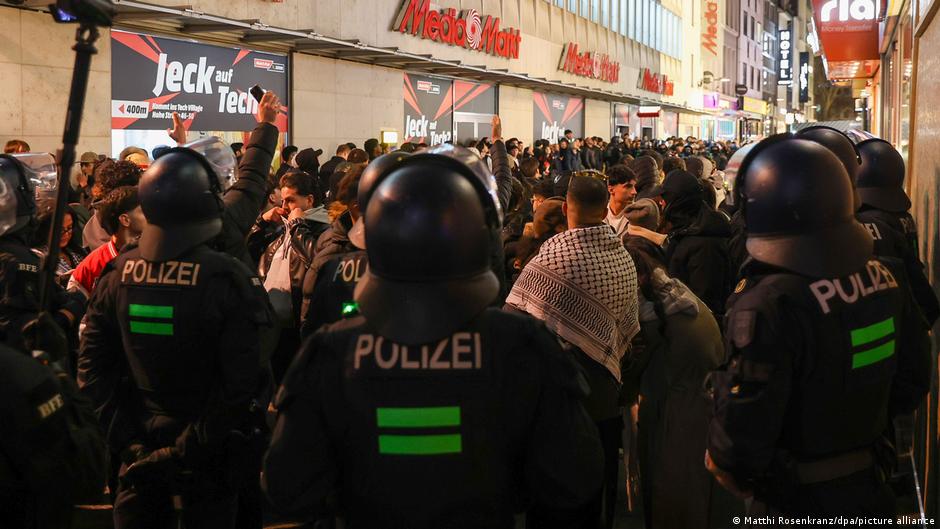
Youth protests across Germany turned violent, exposing deeper disputes over living costs, social spending, climate policy and the distribution of public resources.

Trump disputed the FBI’s North Korea attribution as Binance reimbursed 90% of a reported $6.3 billion crypto theft, exposing liquidity and security risks.

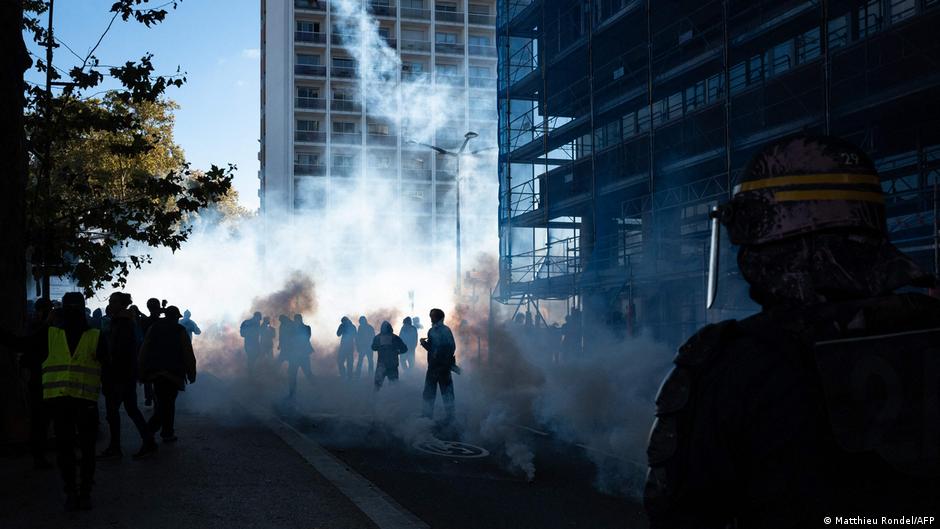
France’s protest turnout fell to 320,000, but anger over living costs, education and future opportunities signals deeper structural strains.

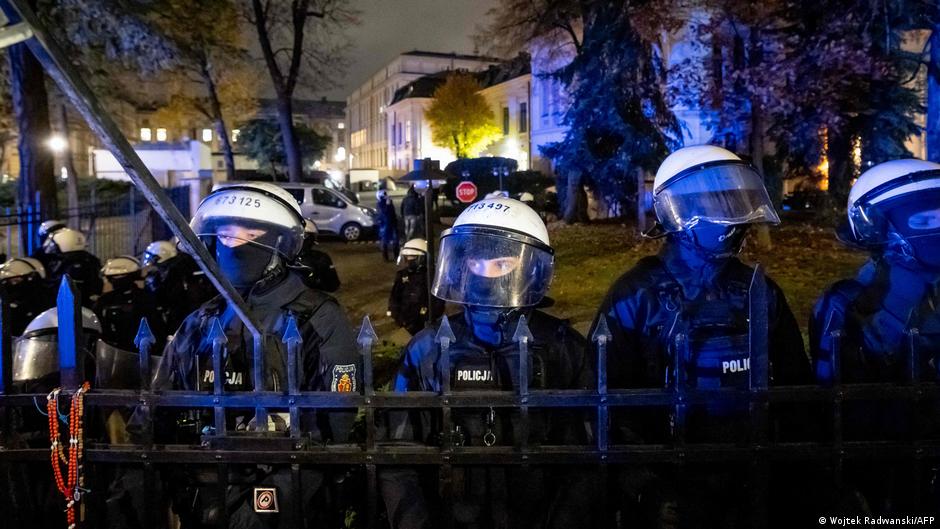
Poland’s Constitutional Tribunal crisis has become a test of judicial authority, political legitimacy and the institutional stability underpinning investment.

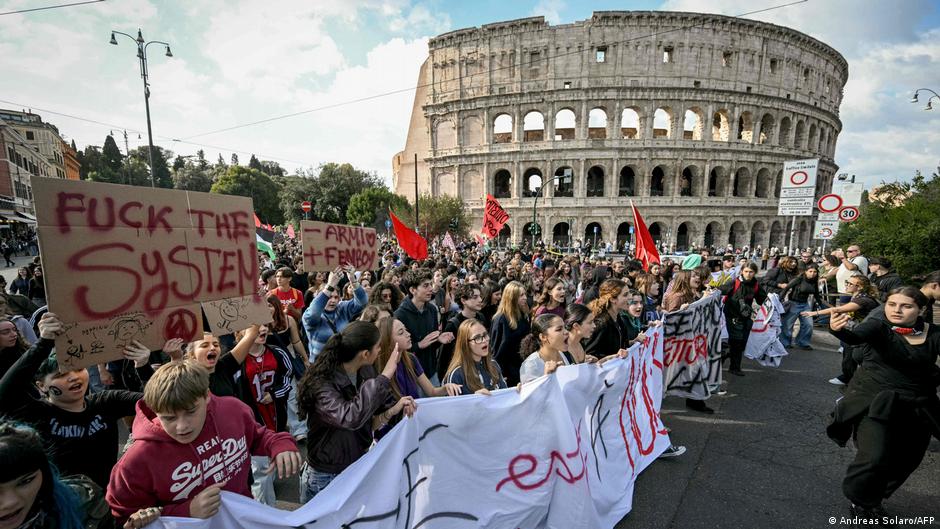
Italy’s mass protests over rents, fuel and defence spending highlight a widening European struggle over household costs and scarce public resources.

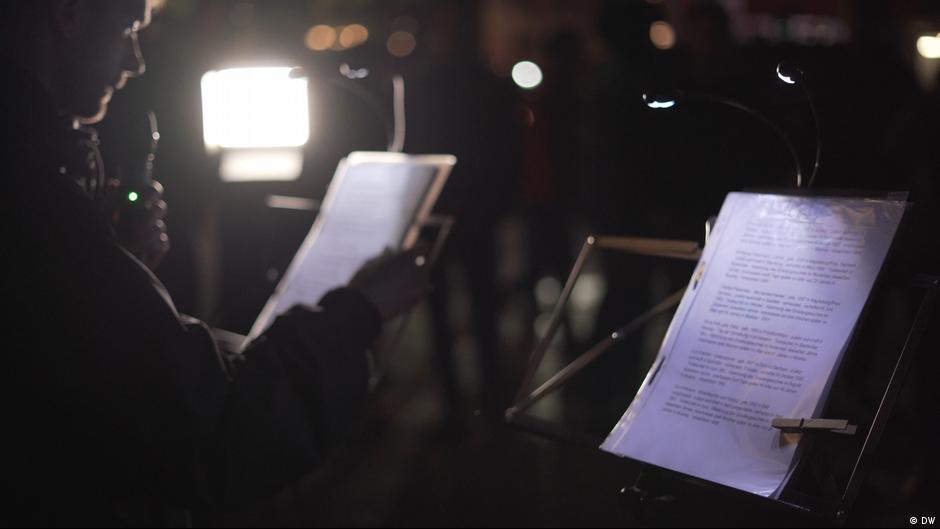
The memorial campaign reached 101 cities as independent events returned in Russia, highlighting the institutional and economic legacy of political repression.

Flavio Bolsonaro’s rejection of Lula’s election victory deepens Brazil’s institutional tensions and creates fresh risks for economic policy and investment.

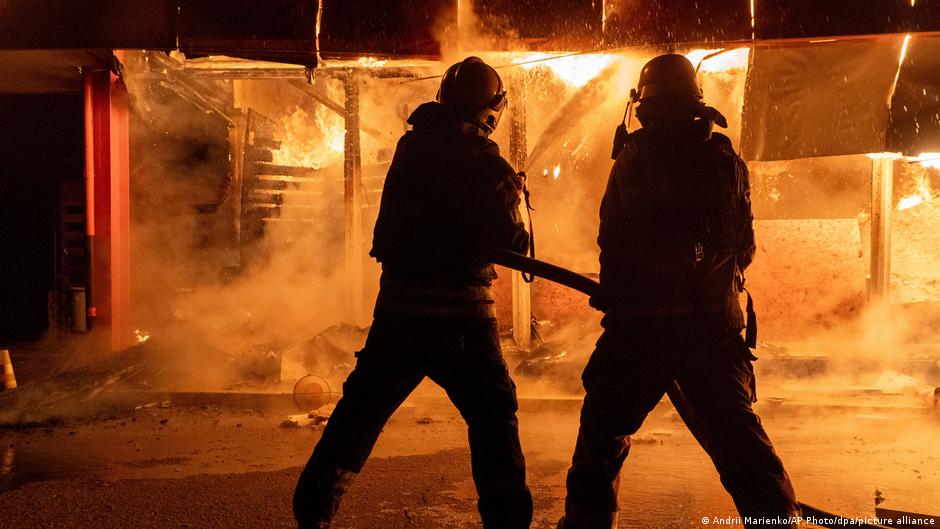
A Russian drone strike injured four people in Kharkiv and set residential and production buildings ablaze, adding to the city’s cumulative economic burden.

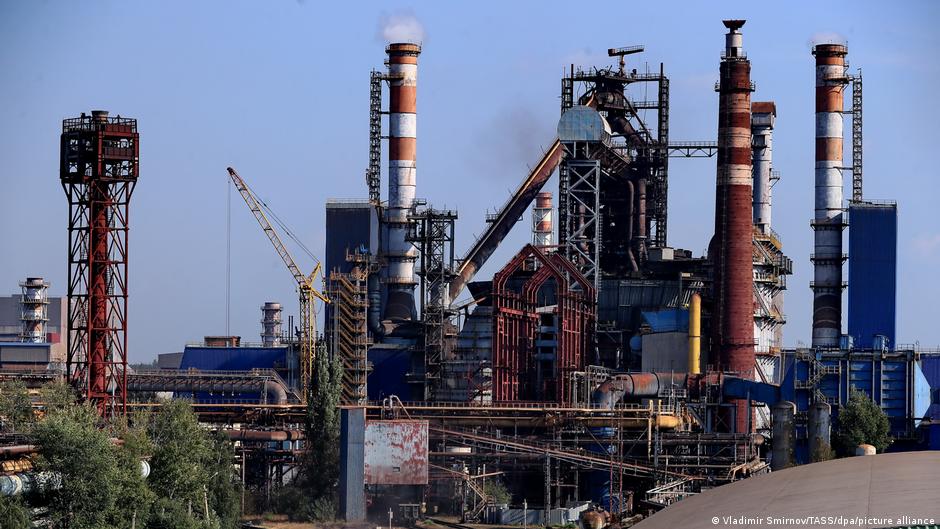
Reported attacks on steel, chemical and battery plants show how Ukraine’s long-range campaign may raise costs across Russia’s concentrated industrial supply chains.

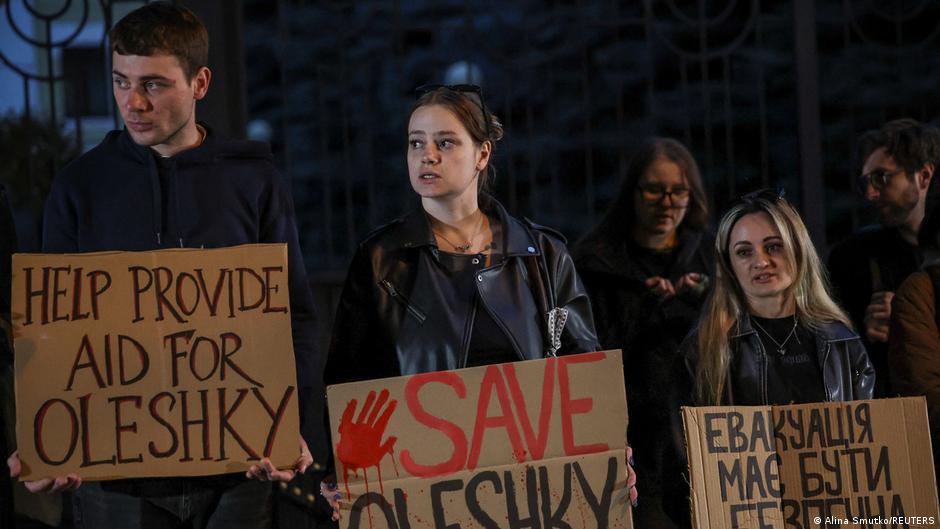
A bilateral ceasefire is intended to bring aid and evacuations to Oleshky, a mined and flood-damaged Ukrainian city reduced to a fraction of its prewar population.

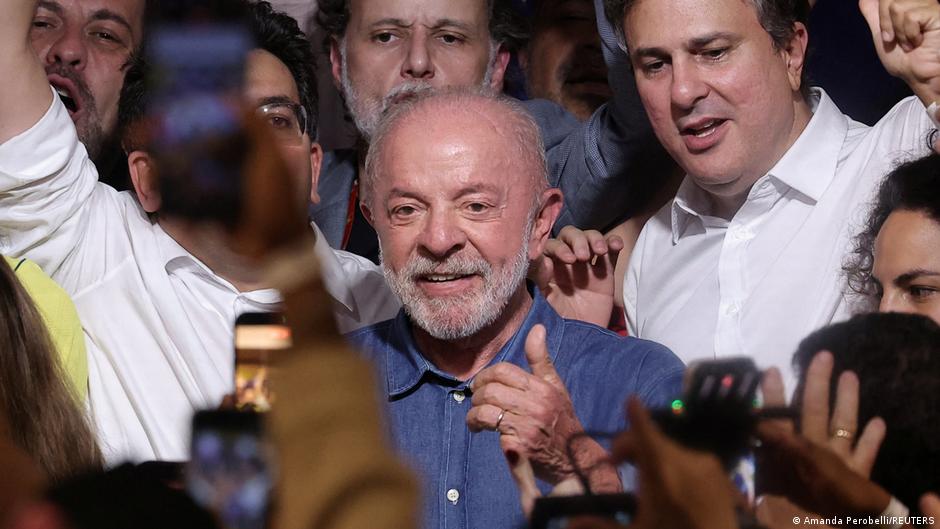
Lula won Brazil’s runoff with 51.8%, but Flávio Bolsonaro’s annulment demand raises fresh institutional and economic uncertainty.

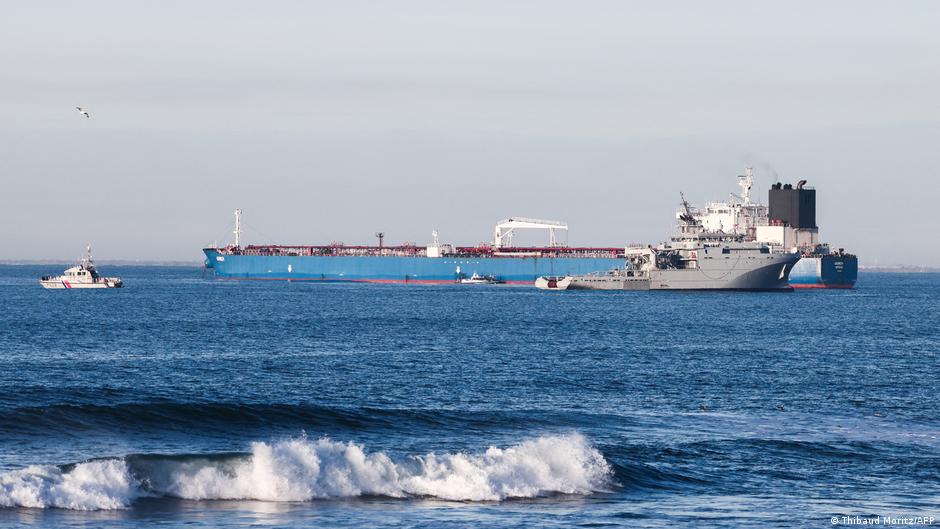
MYRA’s Atlantic distress call highlights the rising operational and economic risks surrounding sanctions-evasion oil shipping.

Audi’s planned $4 billion Georgia factory shows how US tariffs are redirecting automotive investment, jobs and production away from import-based supply chains.

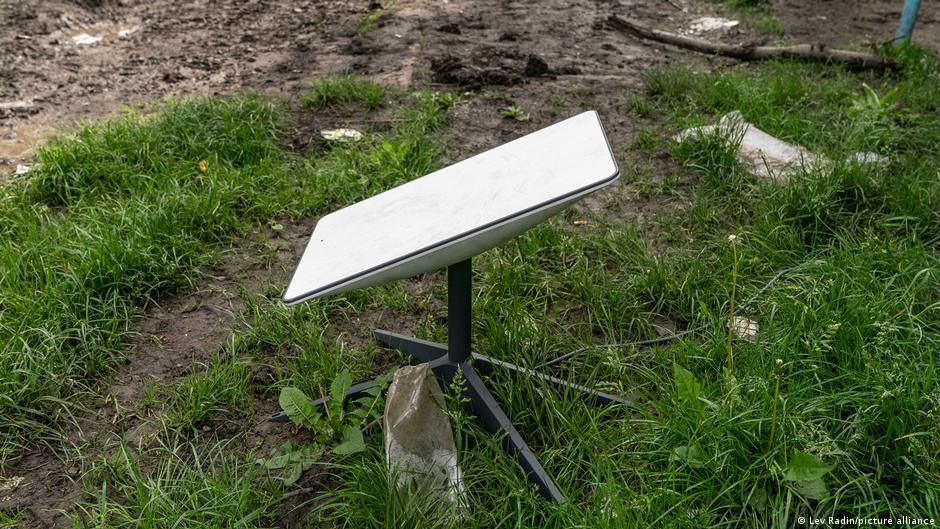
Kyiv says Starshield speed limits remain in place as delayed interceptor missiles expose Ukraine’s reliance on fragile external supply networks.

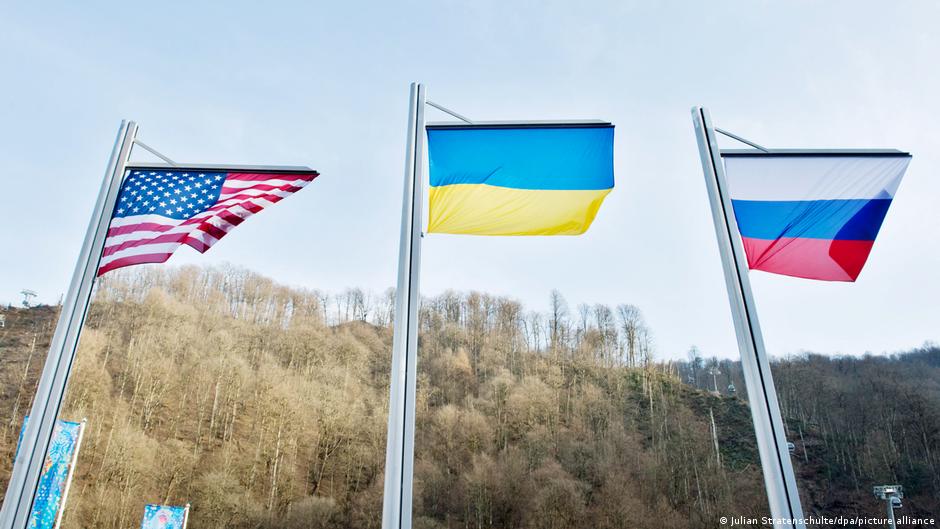
A possible November negotiating round could test whether US, Ukrainian and Russian delegations can move from technical diplomacy toward a leaders’ summit.