Russian Strikes Kill Two in Ukraine and Deepen Economic Disruption
Russian strikes killed two people, disrupted electricity supplies and halted work at an automotive wiring plant, widening the war’s economic costs.

Russian strikes killed two people, disrupted electricity supplies and halted work at an automotive wiring plant, widening the war’s economic costs.

The attack disrupted energy, digital, power and transport infrastructure, exposing the economic risks created by concentrated urban networks.

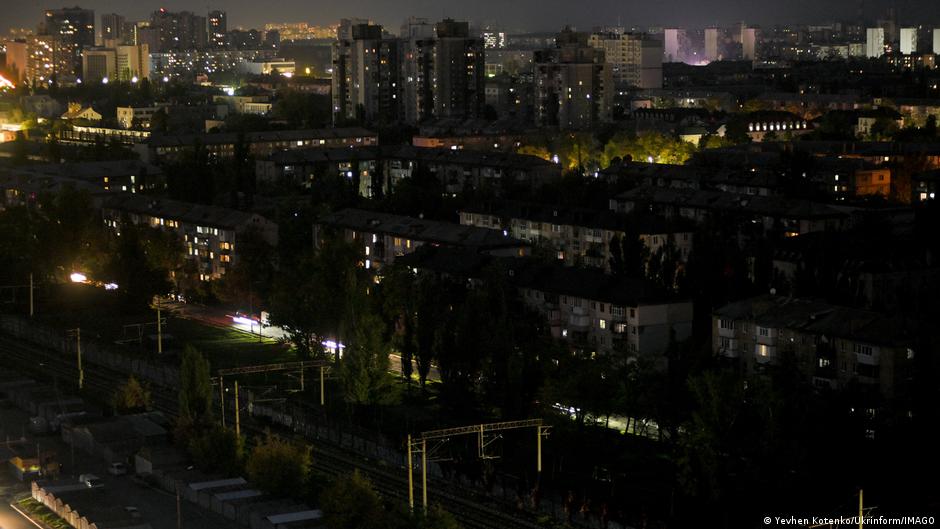
Russian attacks disrupted electricity and water services in Kyiv and Lutsk, exposing the economic vulnerability of Ukraine’s interconnected urban infrastructure.

Trump said Putin is more interested than Zelensky in a Ukraine peace deal, while Kyiv urged U.S. pressure over Russia’s energy ceasefire violations.

Reported U.S. pressure over Ukraine’s PURL weapons pipeline turns refinery strikes and an energy truce into a test of economic leverage.

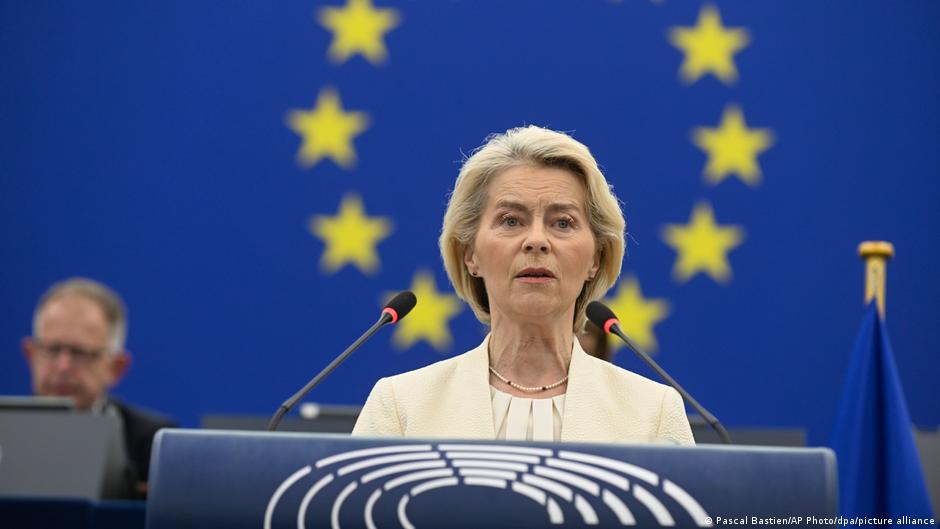
The EU is preparing new funding for Ukrainian drones and missiles as Brussels links wartime defense needs with long-term financing and reforms.

Zelensky warned that a U.S.-Russia diesel deal could strengthen Moscow’s war economy unless tied to clear de-escalation commitments.

Gerhard Schröder’s new Hyperglobus role has reignited German debate over Russia exposure, political access and corporate risk.

Russian attacks damaged sites in Kyiv, Odesa, Sumy and Kyiv region, while Ukrenergo announced power curbs after strikes on energy facilities.

The EU will add €710 million in humanitarian aid, with major allocations for Africa, migration pressures, Ukraine and crisis response.

Kyiv denied a report that Trump proposed Zelensky travel to Moscow, as energy prices and venue disputes shape Ukraine diplomacy.

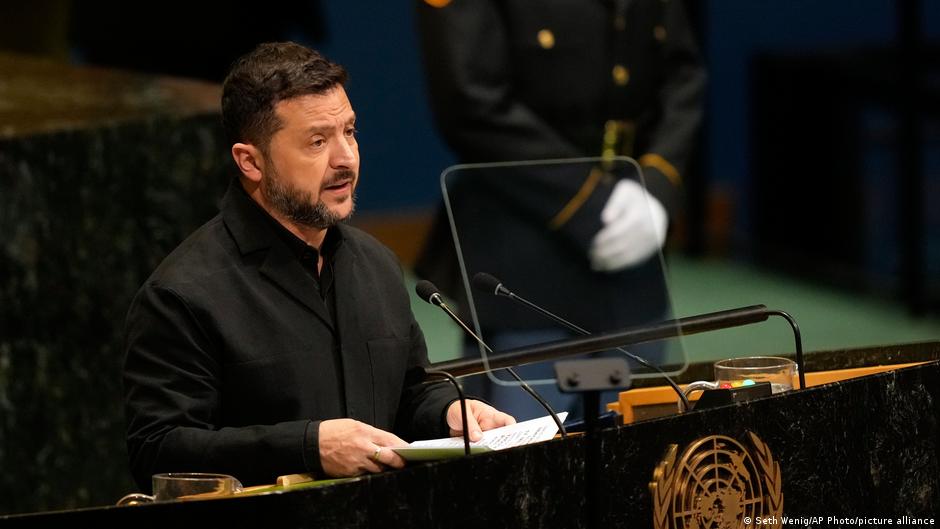
Zelenskyy told the UN that Putin is spreading the idea of war globally and said Ukraine aims to weaken Russia’s ability to finance the conflict.

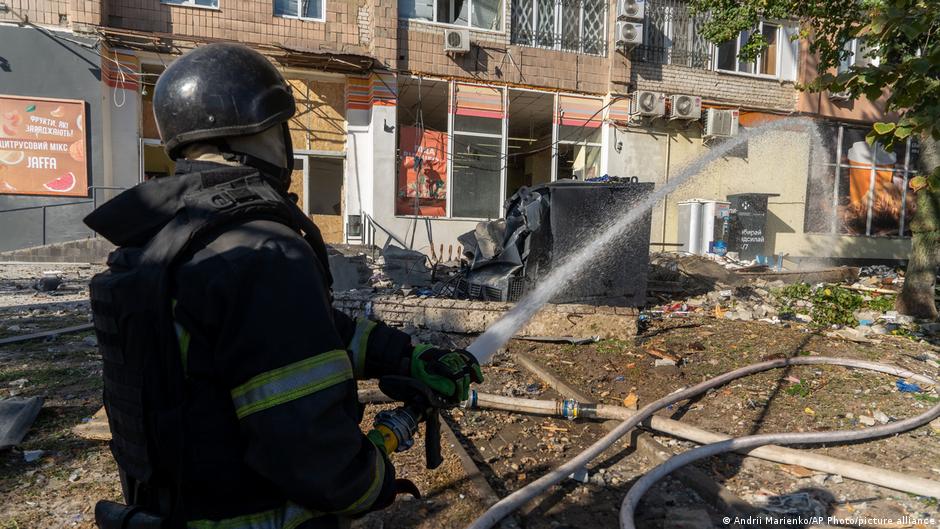
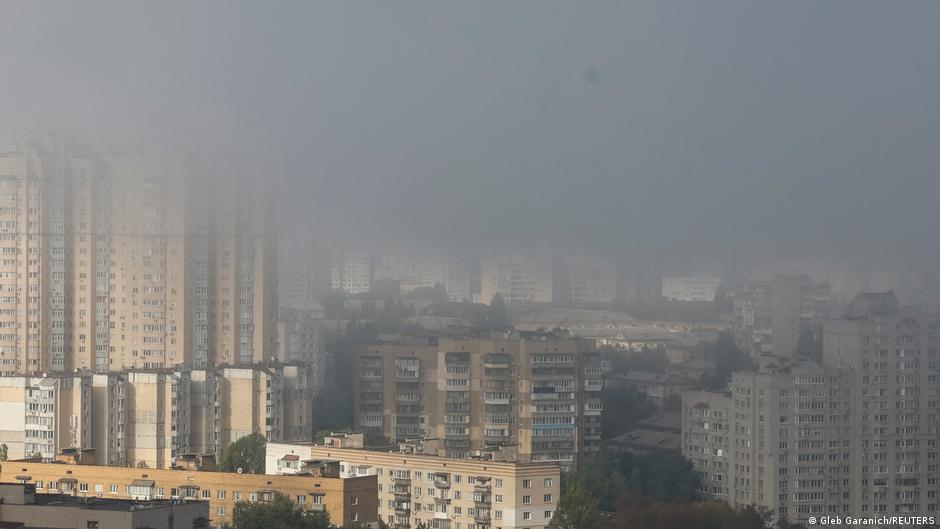
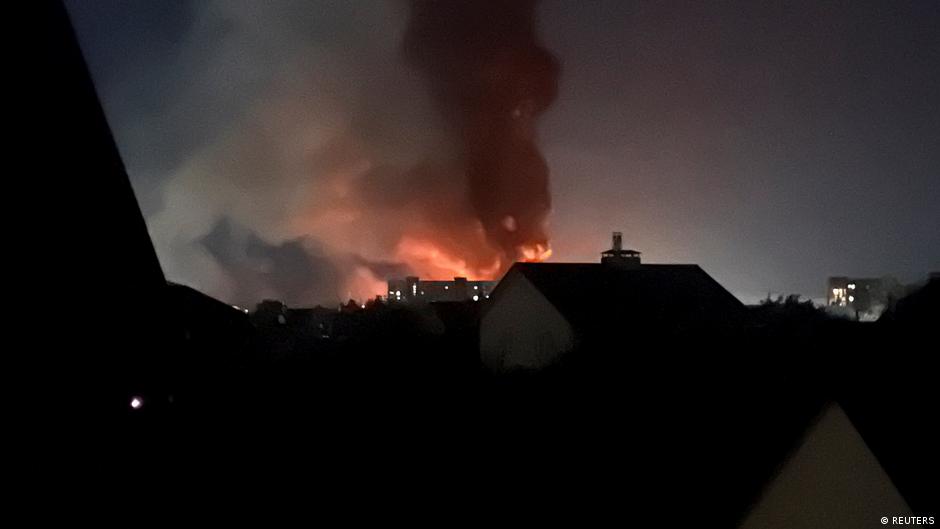
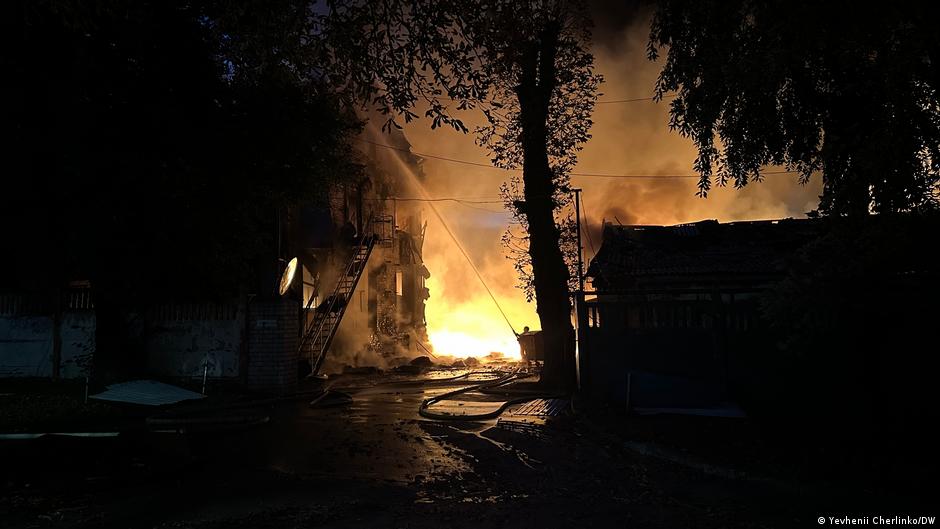
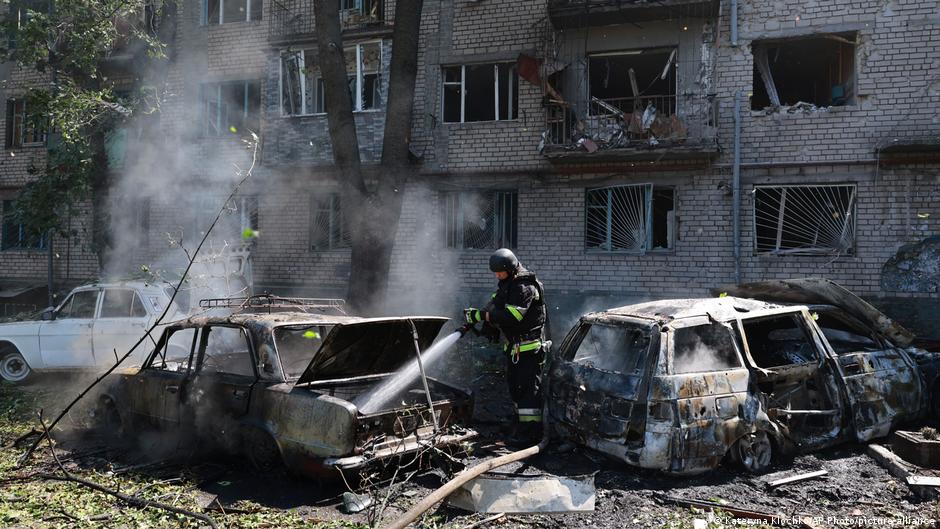
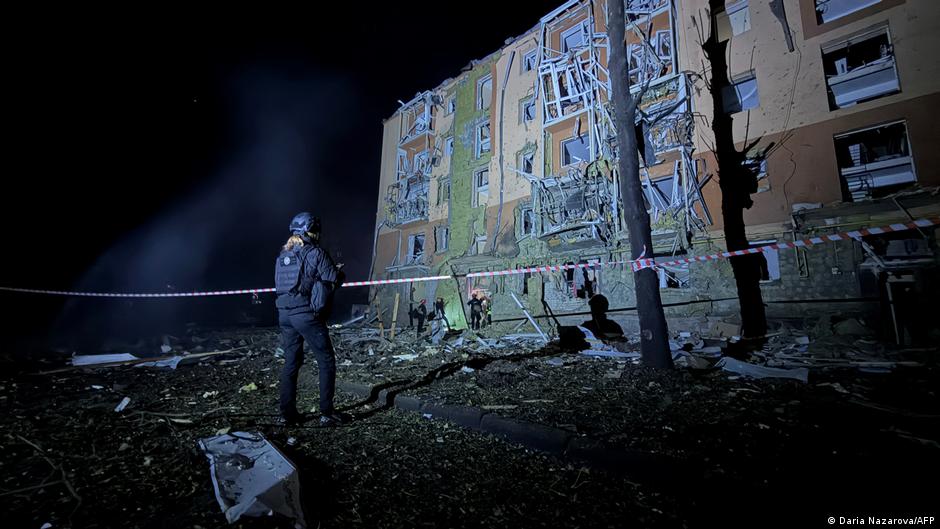
Two people were killed in Kyiv as Russian strikes damaged civilian areas and renewed pressure on Ukraine’s energy and urban infrastructure.

Macron said France and the U.S. would seek a moratorium on strikes against Ukraine’s energy and civilian infrastructure while boosting air defenses.

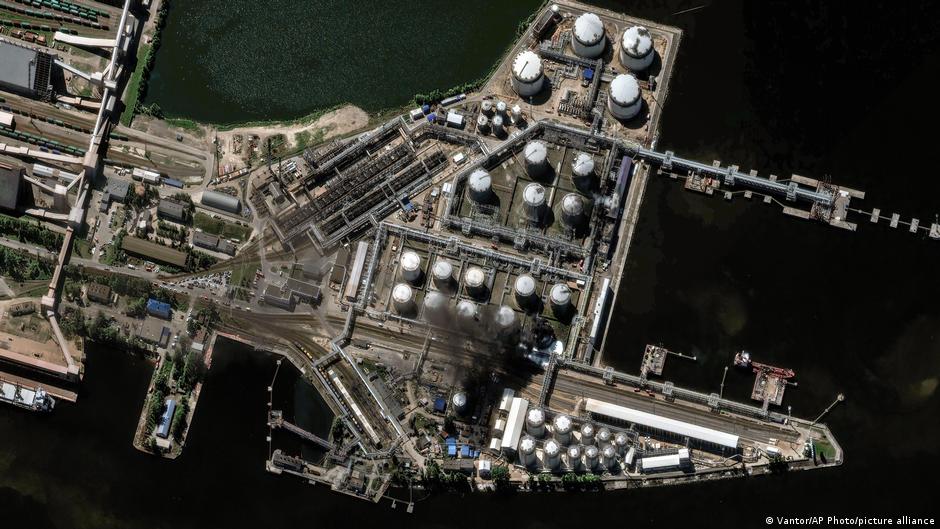
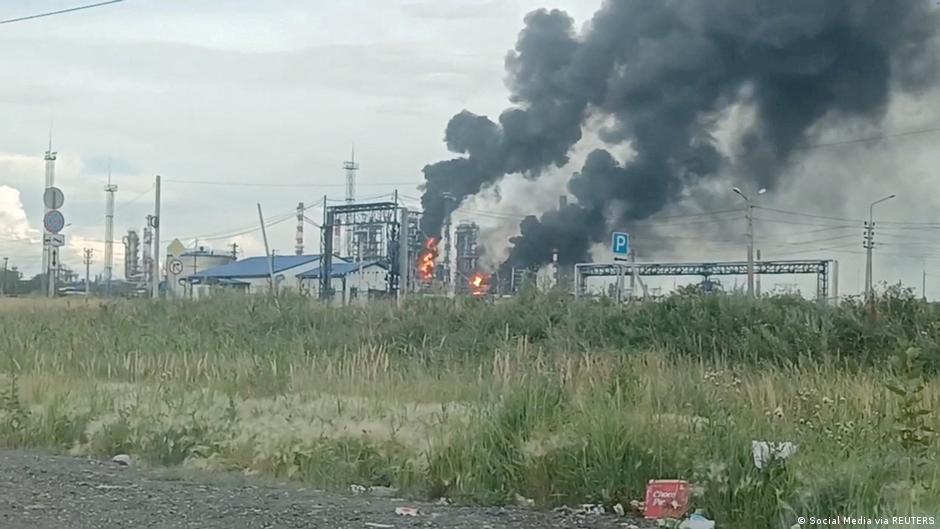
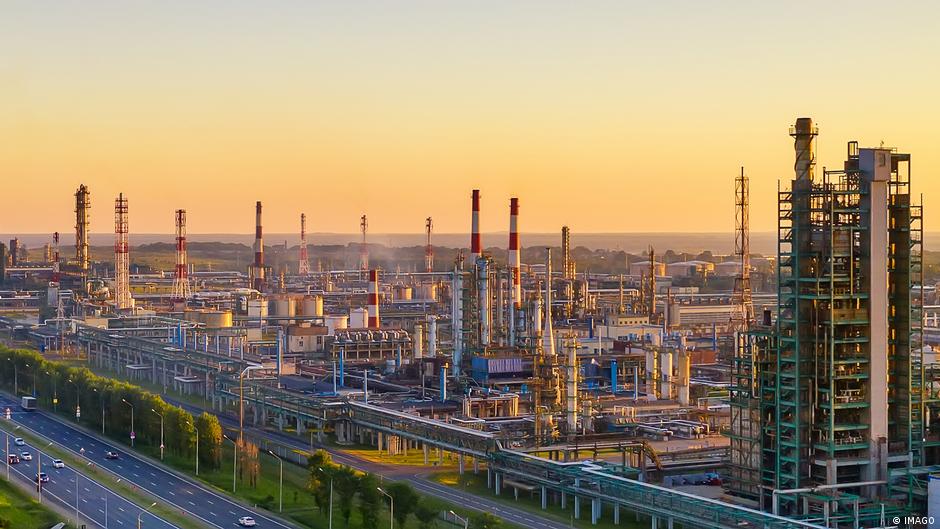
Drone damage has halted the Yaroslavl refinery, adding to Russia’s fuel shortages and exposing vulnerabilities in wartime refining capacity.

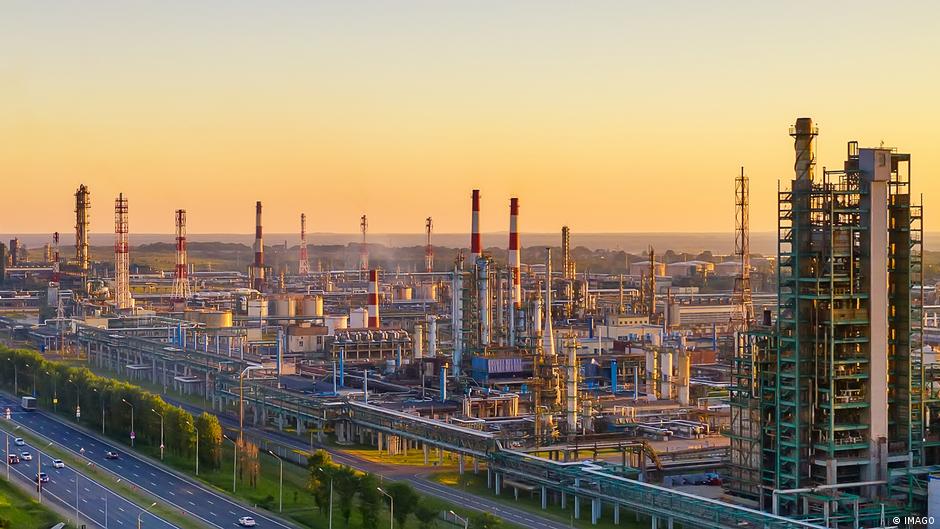
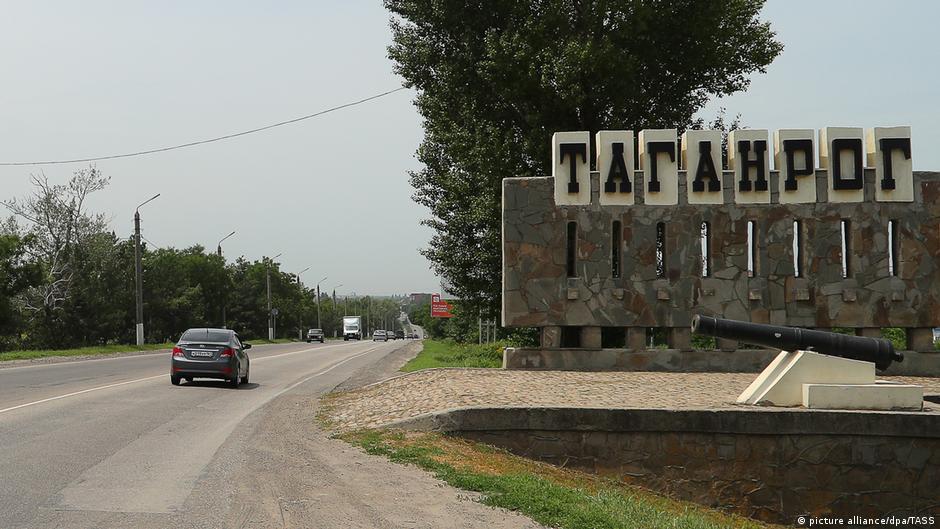
Strikes on Syzran and Taganrog exposed mounting pressure on Russia’s refining, logistics and industrial networks amid talk of an energy ceasefire.

A prolonged halt on Saudi Arabia’s East-West pipeline could cut global oil supply by 4%, exposing the fragility of export routes.

Russian attacks damaged logistics, housing, warehouses and power infrastructure across Ukrainian regions, injuring two people in Odesa region.

Zelensky expects late-September talks with a US delegation on grain exports, energy security and the economic pressures shaping diplomacy.

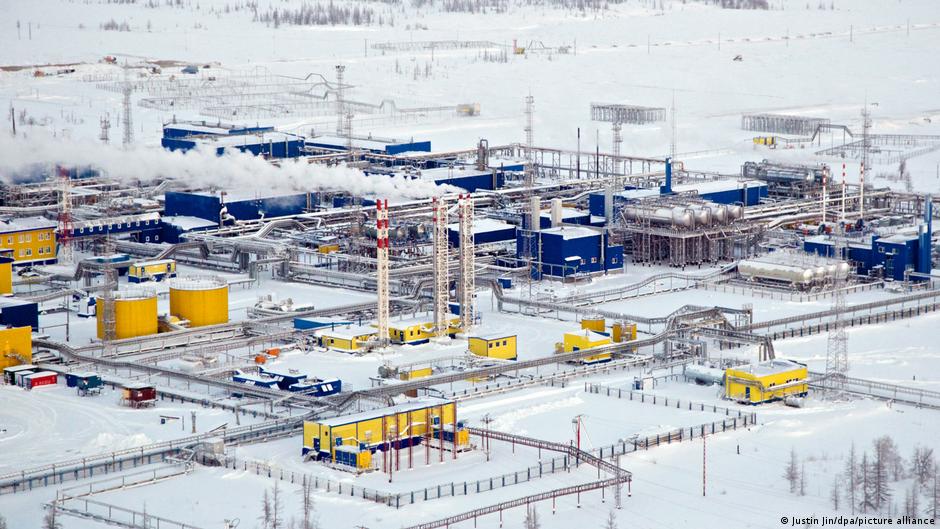
A first reported drone attack on Yamal-Nenets puts Russia’s Arctic gas infrastructure under new scrutiny as economic risks widen.

Putin’s support for using medically unfit volunteers in drone defense highlights Russia’s search for manpower while denying new mobilization.

US envoys discussed concrete Ukraine war proposals with Putin before Kyiv talks, but the economic stakes depend on details still undisclosed.

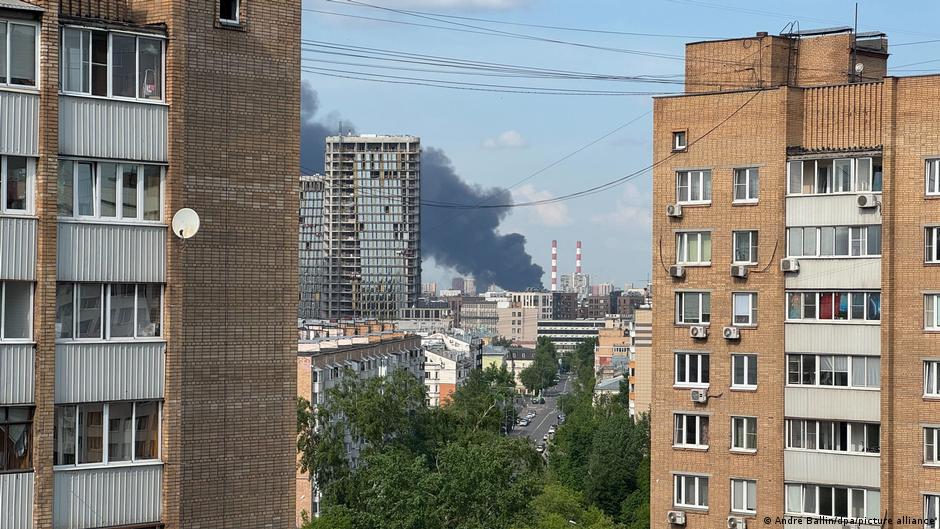
Over 180 drones were destroyed near Moscow during a night of large-scale UAV attacks, affecting residential areas and critical infrastructure with economic and security implications.

Russian missile and aerial bomb strikes on Zaporizhzhia caused five deaths, twenty injuries, and significant damage to industrial and residential infrastructure.

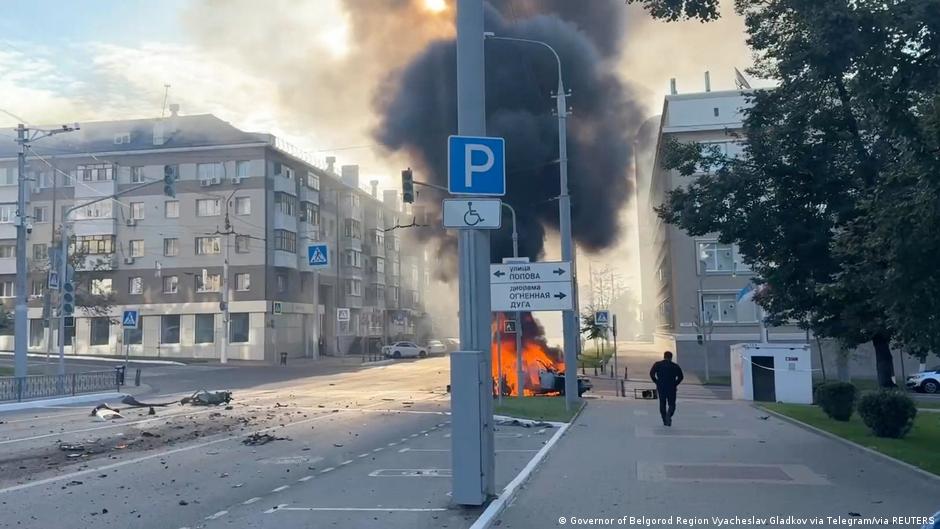
A drone strike on Belgorod caused injuries and damaged residential and administrative buildings, highlighting risks to civilian infrastructure amid escalating border tensions.

Russia permits sale of Euro-2 to Euro-4 fuels until 2027, citing energy infrastructure damage and a fuel supply crisis triggered by conflict-related disruptions.

Ukraine’s Security Service reports a 40-day campaign targeting over 100 Russian strategic sites, severely impacting military and energy infrastructure to pressure Russia towards ending the conflict.

Drone strikes on Russian border cities Belgorod and Rostov-on-Don caused fires and infrastructure damage, exposing strategic vulnerabilities amid the ongoing Ukraine conflict.

The Trump administration's tentative approval for Saudi uranium enrichment without strong IAEA safeguards raises proliferation concerns amid expanding nuclear energy cooperation.

The US has launched new strikes targeting Iranian infrastructure, prompting Tehran to vow retaliatory attacks amid escalating tensions and risks to regional stability.

Ukraine's parliament is set to confirm Sergey Koretsky as prime minister, marking a strategic government reshuffle focused on economic reform and energy sector leadership.

The US is pursuing the revival of an Iraq-Syria oil pipeline to bypass the Strait of Hormuz, aiming to reduce Iran's influence and enhance global energy security amid regional tensions.

Ukrainian drone attacks have forced the Saratov refinery in Russia to shut down indefinitely, exacerbating fuel shortages that now affect millions amid structural refining challenges.

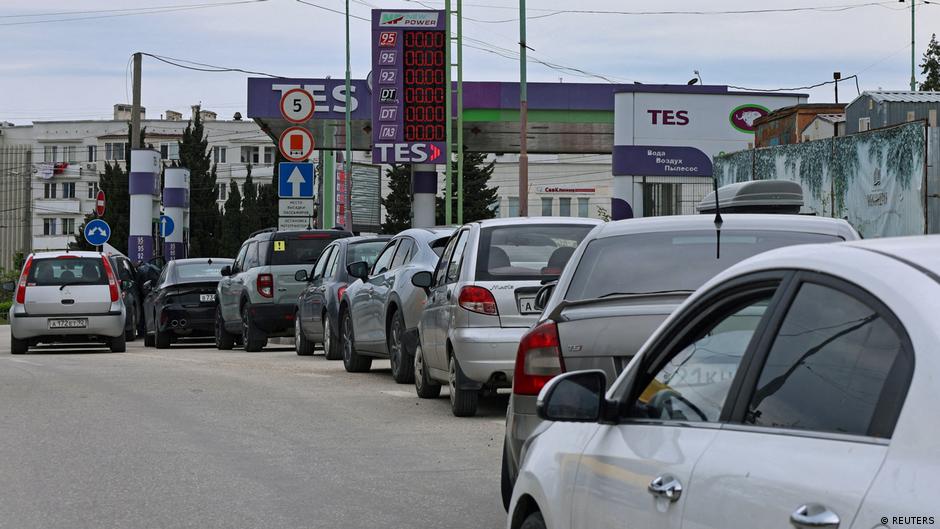
Gasoline prices in annexed Crimea nearly doubled in early July amid Russia's ongoing fuel supply crisis and policy shifts, revealing deep structural challenges in its energy sector.

Gazprom and Russia's Defense Ministry have launched mobile fire groups to protect gas infrastructure, blending civilian employment with reservist military duties amid rising security concerns.

Russia’s July 2 attacks across multiple Ukrainian regions caused civilian deaths, injuries, and extensive damage to homes, schools, and critical infrastructure, deepening economic disruption.

Russia permits use of higher-sulfur Euro-3 fuels domestically until 2026 to alleviate refinery disruptions caused by ongoing conflict, with implications for energy security and environmental standards.
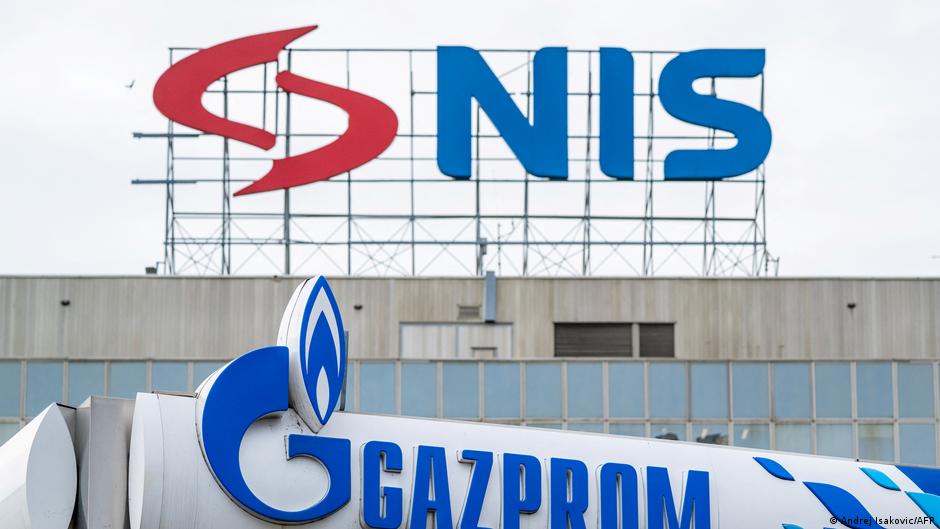
The US has extended the operational license for Serbia’s NIS under sanctions, delaying Gazprom’s divestment and highlighting complex regional energy and geopolitical stakes.

Russia’s aviation fuel imports from Belarus surged nearly fourfold in May 2026 amid domestic production declines and export restrictions, revealing structural energy sector strains.

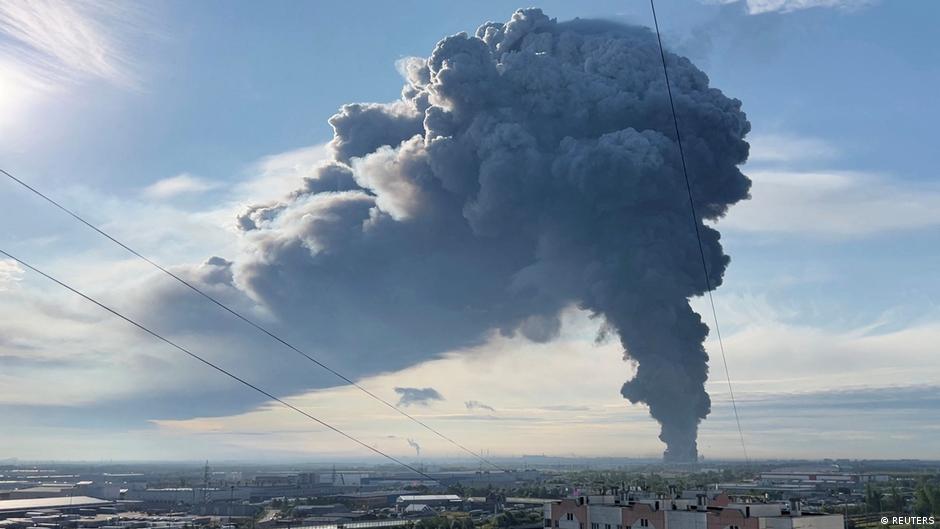
Drone strikes caused a major fire at the Poltava oil depot in Krasnodar Krai and targeted Crimea’s energy infrastructure, revealing critical vulnerabilities amid ongoing regional conflicts.

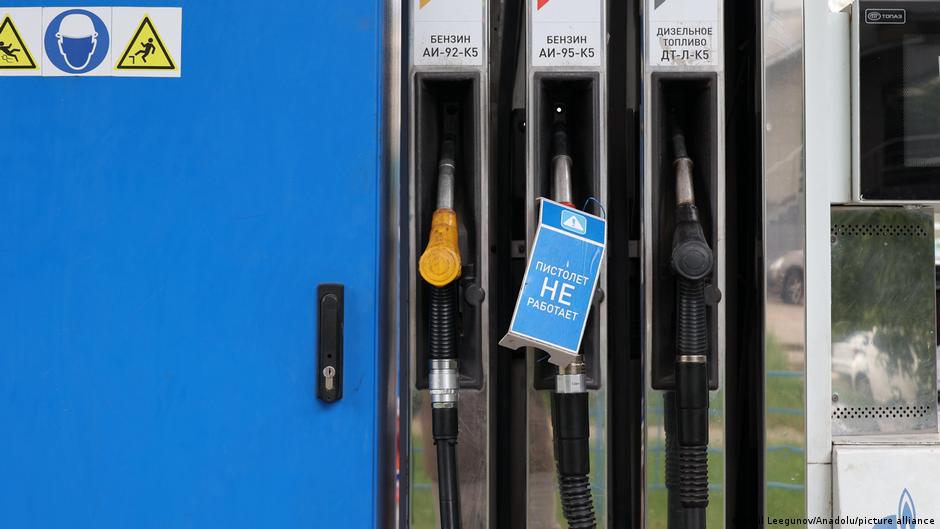
Widespread fuel sales restrictions are imposed across Russia due to production slowdowns following targeted drone strikes on oil refineries, affecting 53 regions.

Germany urges Turkey to exclude Russian gas in future EU energy agreements, highlighting economic and geopolitical shifts in the region's energy dynamics.

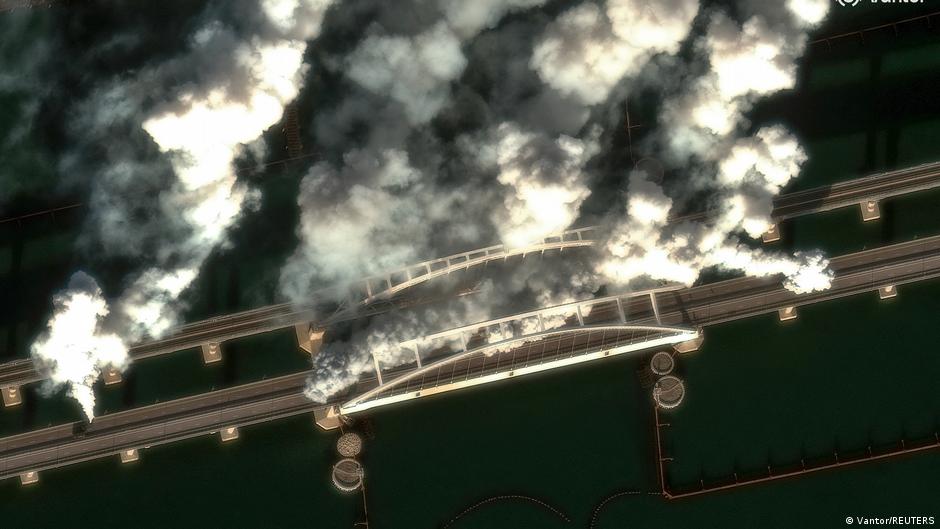
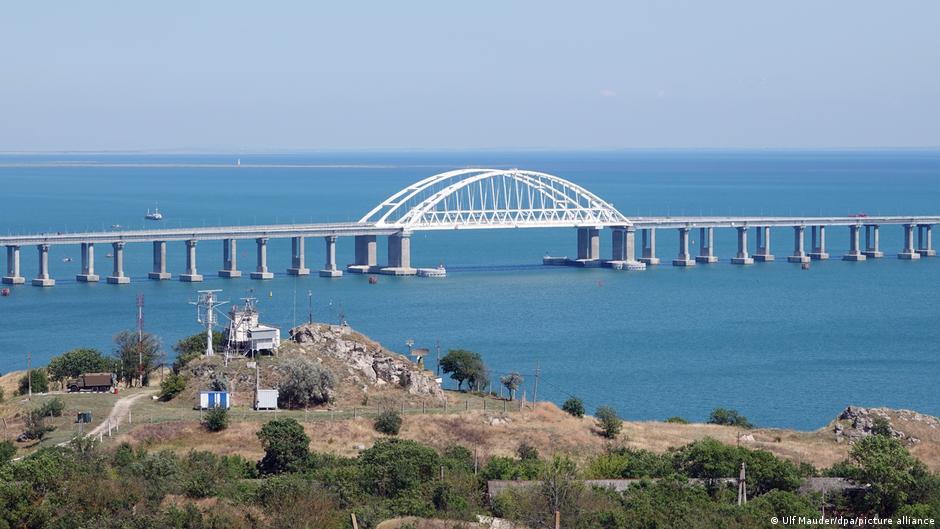
Ukrainian drone attacks on Crimea's infrastructure, including Kerch port and Sevastopol, highlight strategic vulnerabilities and economic implications for the Russian-occupied peninsula.

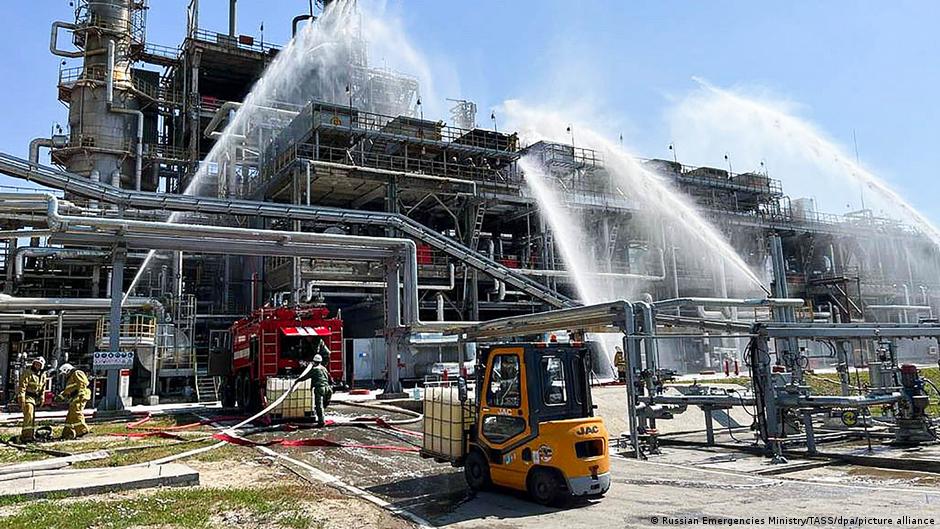
Drone attacks on Russian chemical and oil facilities caused fires and disrupted operations, exposing vulnerabilities in critical industrial infrastructure amid geopolitical conflict.

The US imposes sanctions on Cuba’s state oil company CUPET, intensifying economic pressure amid political tensions and a worsening energy crisis.

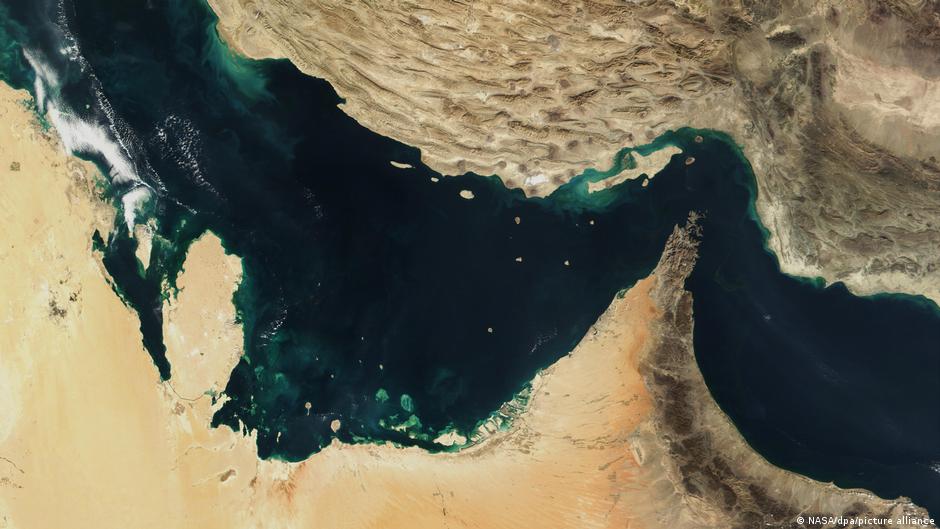
Renewed US strikes on Iran have led Tehran to close the Strait of Hormuz, escalating regional tensions with significant impacts on global energy markets.

The US Treasury has extended the deadline for Hungarian MOL to negotiate the acquisition of Gazprom’s stake in Serbia’s oil company NIS, amid sanctions and strategic energy shifts.

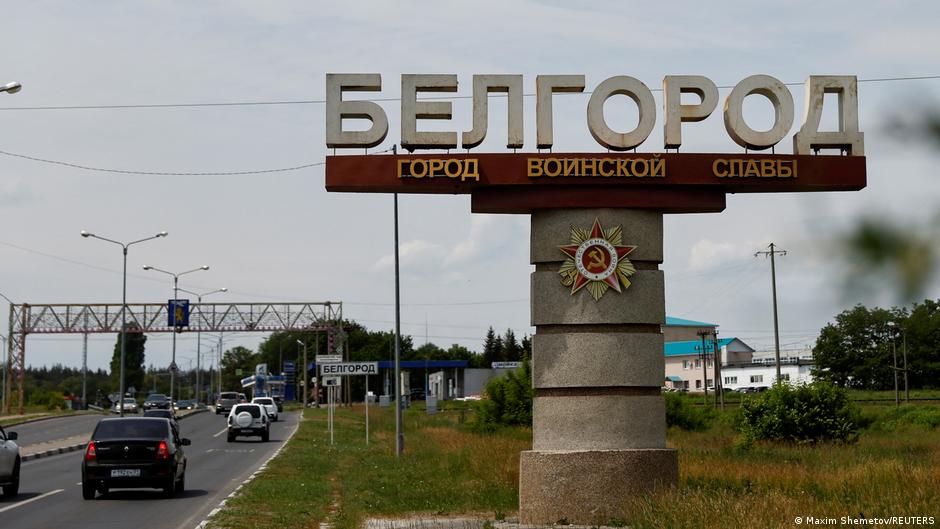
Belgorod authorities have restored mobile internet and street lighting after months of restrictions driven by security concerns, balancing civilian needs with defense imperatives.

Drone attacks have ignited fires at oil storage and refining facilities in Russia's Rostov and Saratov regions, exposing vulnerabilities in critical energy infrastructure.

Russia plans temporary export limits on diesel and aviation kerosene to stabilize domestic fuel markets after drone attacks reduced refinery output.