Russian Strikes Kill Two in Ukraine and Deepen Economic Disruption
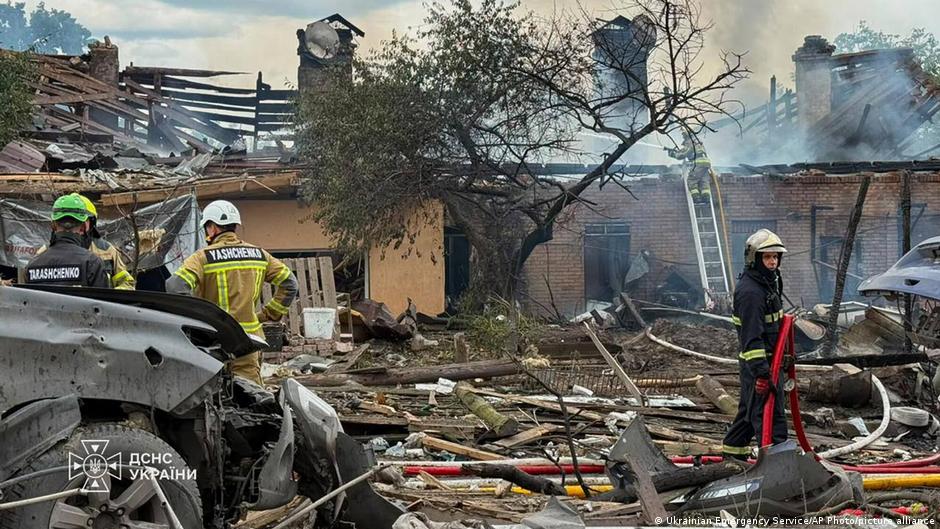
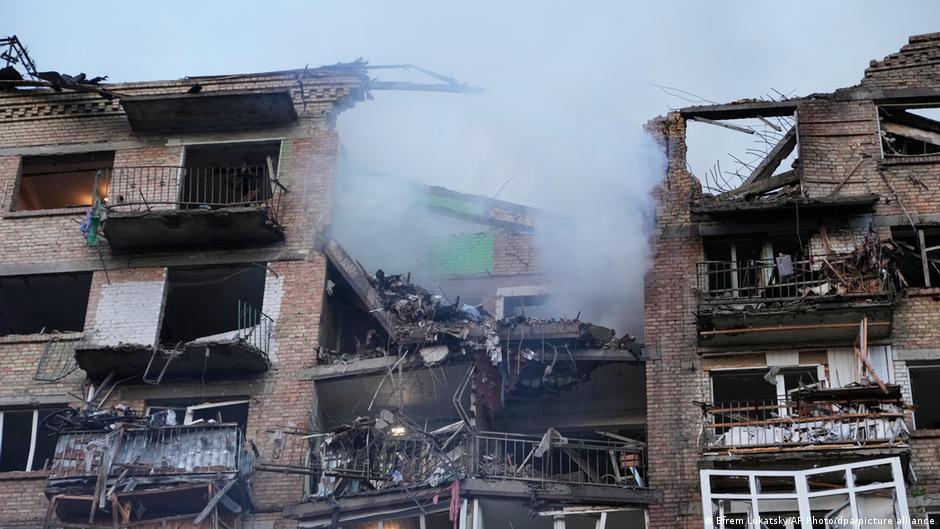
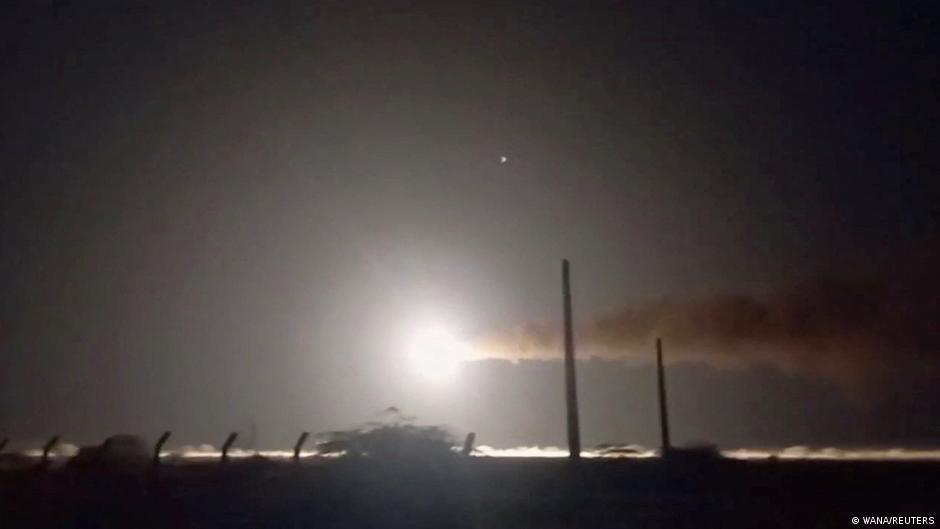
Russian strikes killed two people, disrupted electricity supplies and halted work at an automotive wiring plant, widening the war’s economic costs.

Russian strikes killed two people, disrupted electricity supplies and halted work at an automotive wiring plant, widening the war’s economic costs.

Five drone incursions in one day highlight the mounting security, fiscal and investment risks Moldova faces as Russia’s war against Ukraine spills across borders.

Reported U.S. pressure over Ukraine’s PURL weapons pipeline turns refinery strikes and an energy truce into a test of economic leverage.

Ukraine will discuss a new war-ending proposal with Trump envoys as Kyiv presses for sanctions, Starlink access and economic pressure on Russia.

MEPs backed a €115 million Agile programme to speed support for European SMEs developing disruptive defence technologies.

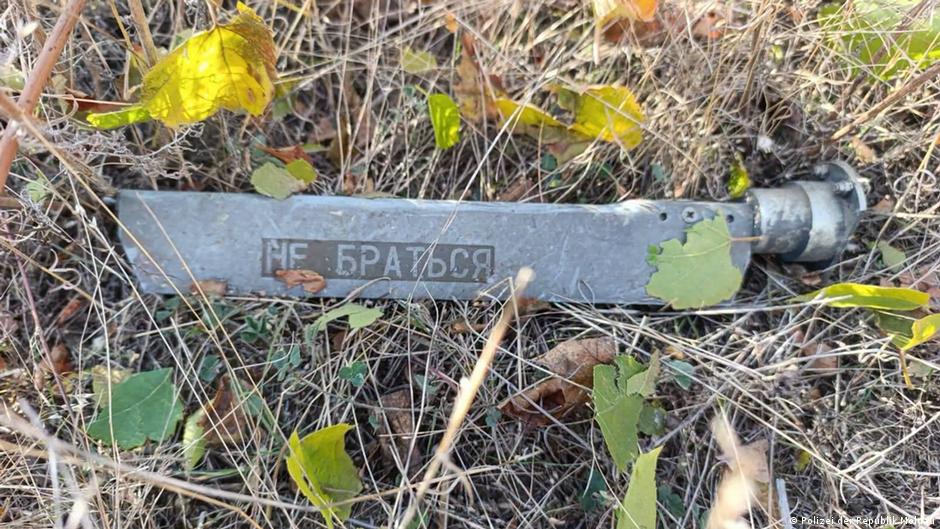
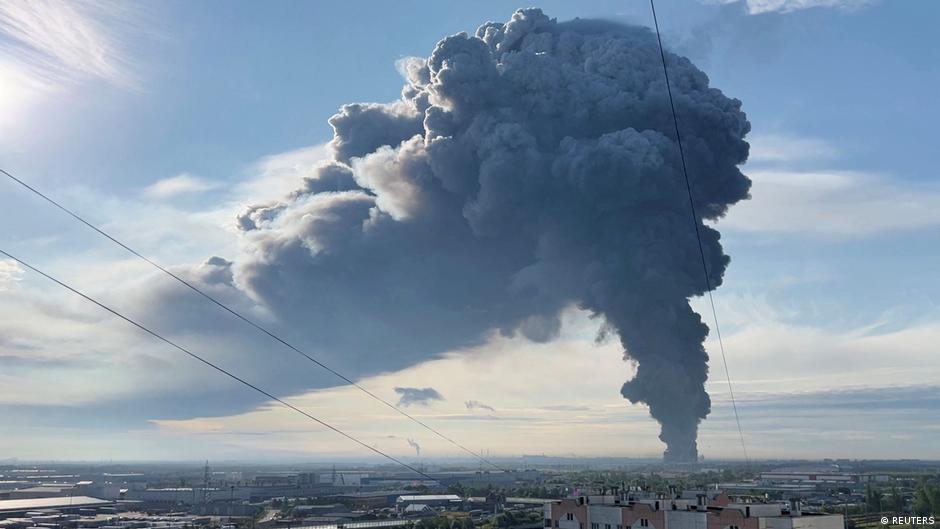
Astra reported a fire at the Sasta plant in Ryazan region, a sanctioned CNC machine-tool site that also hosts a Yandex DC data center.

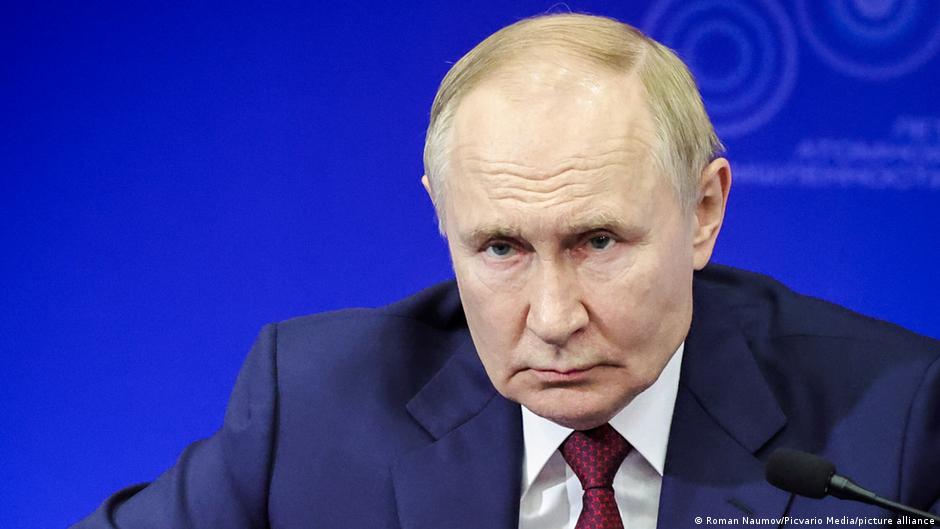
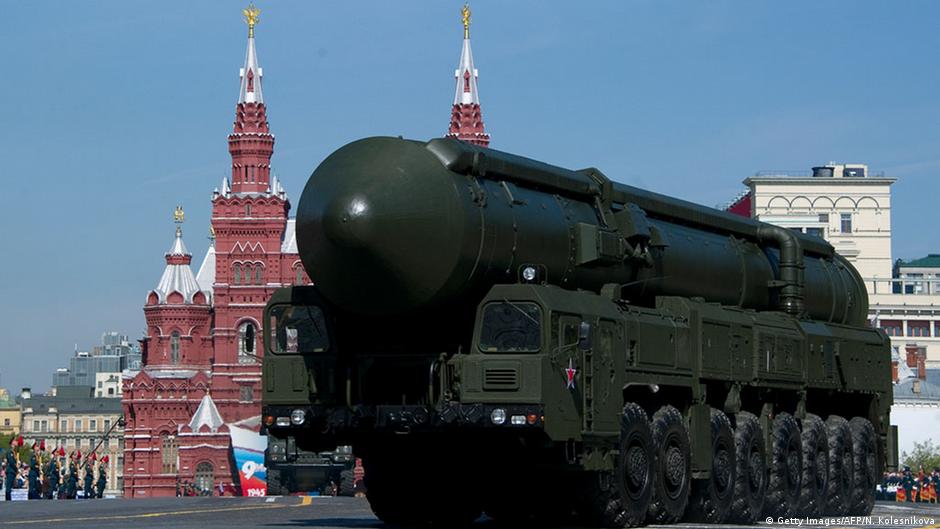
Putin’s Valdai speech sharpened nuclear rhetoric and war claims, adding to Europe’s long-term economic and security risk premium.

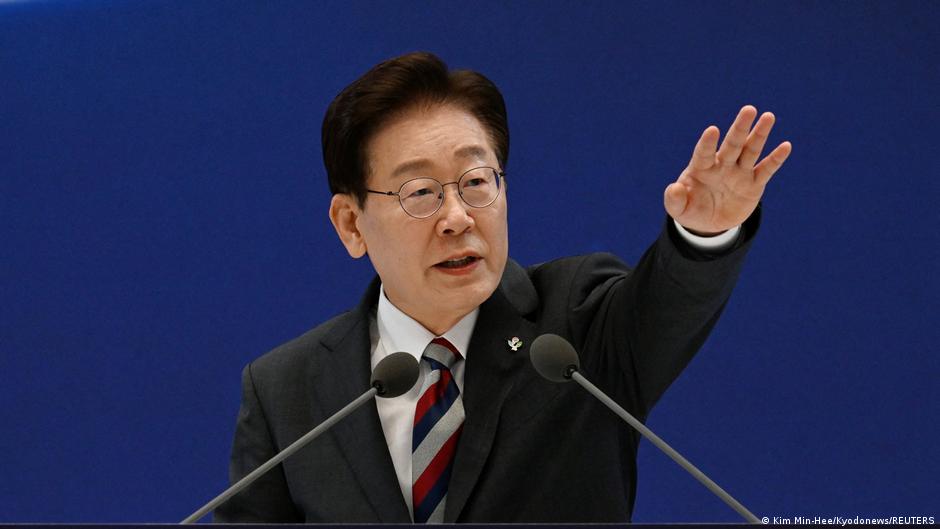
Seoul’s warning to Kyiv over disclosed North Korean prisoners raises questions about trust, defense cooperation and postwar economic ties.

Lithuania’s proposed property restrictions would bar Russian and Belarusian citizens from buying real estate near strategic sites.

German and Austrian authorities searched two businessmen suspected of sending cars and trucks to Russia through third countries despite EU sanctions.

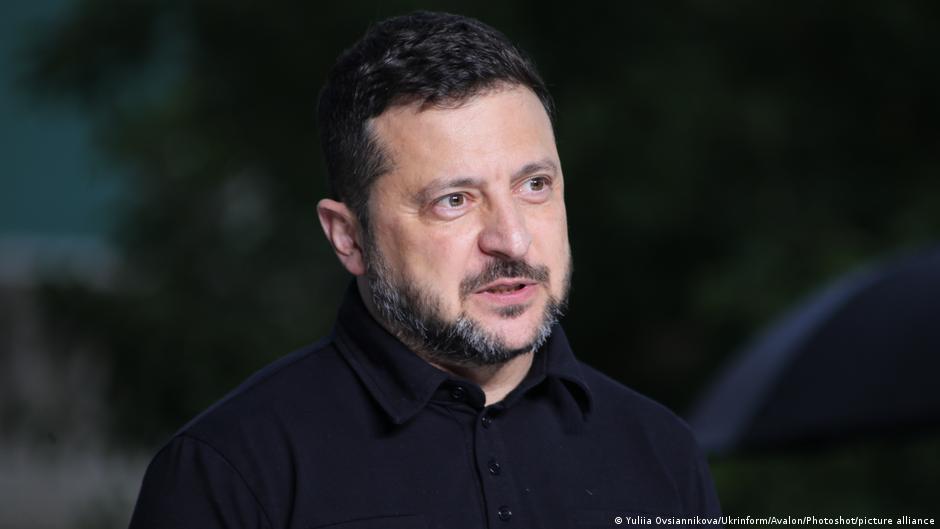
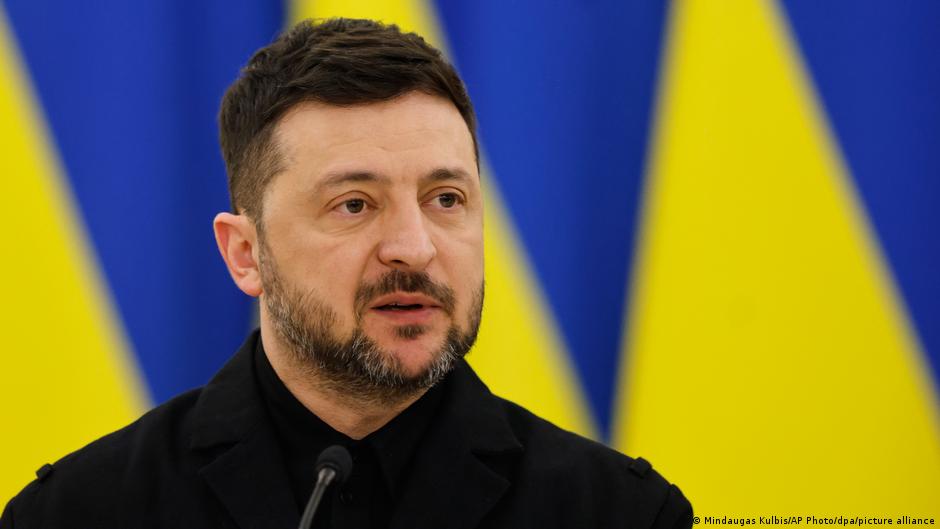
Zelensky says North Korea may send 10,000 more troops to Russia, deepening concerns over wartime manpower, sanctions and security trade.

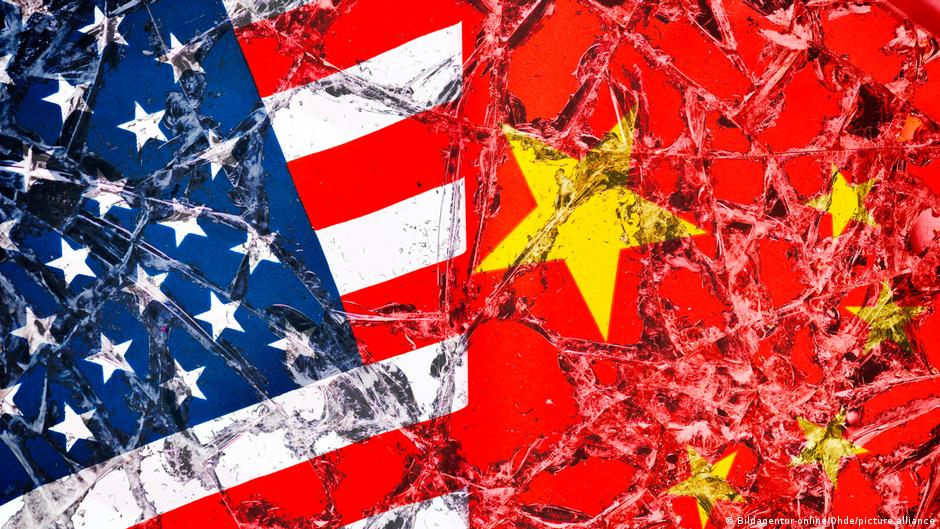
China warned the US against preparing for space warfare after Washington confirmed orbital military systems for offensive and defensive use.

Lukashenko says Belarus will inspect all armed forces up to mobilization level, a move with military, administrative and economic implications.

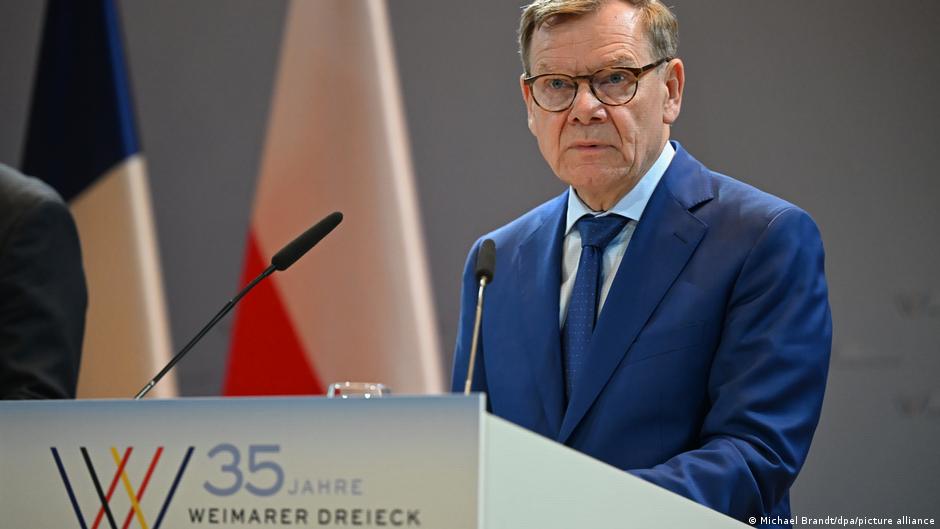
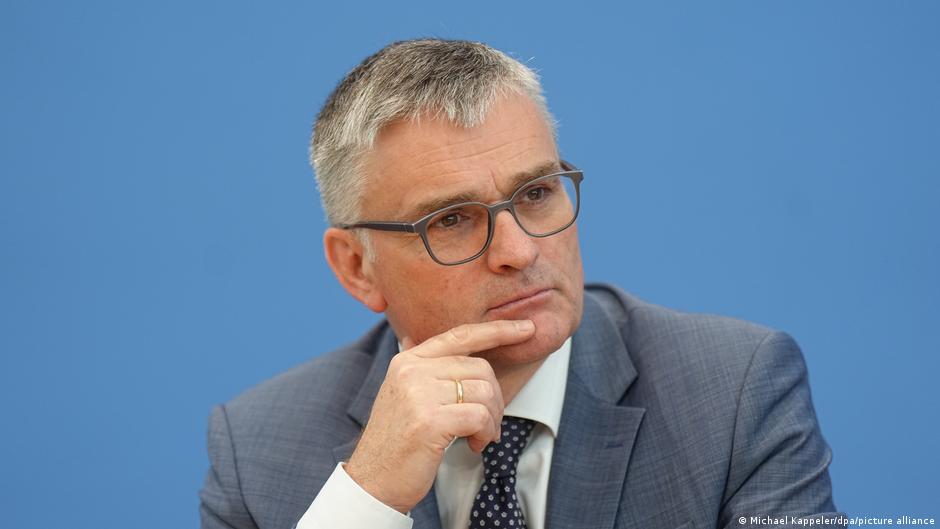
Germany’s foreign minister says Ukraine aid should also benefit German defense firms, linking support for Kyiv to industrial policy and taxpayer accountability.

ICAO’s appeal after Ukraine’s warning over Russian airspace highlights how conflict risk is becoming a deeper structural cost for global aviation.

Daniel Driscoll’s reported resignation after a clash with Pete Hegseth adds to Pentagon turnover and raises questions over procurement, readiness and policy continuity.

Russia reportedly recruits criminal groups to sabotage European defense plants, challenging NATO’s unity and testing alliance response thresholds.

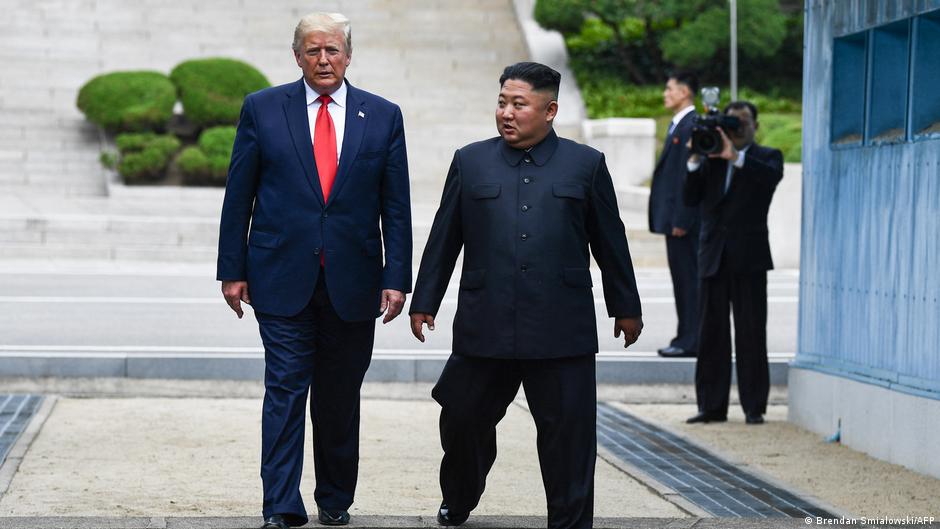
Donald Trump seeks a November meeting with Kim Jong Un at the APEC summit to revive stalled nuclear talks amid security and geopolitical challenges in East Asia.

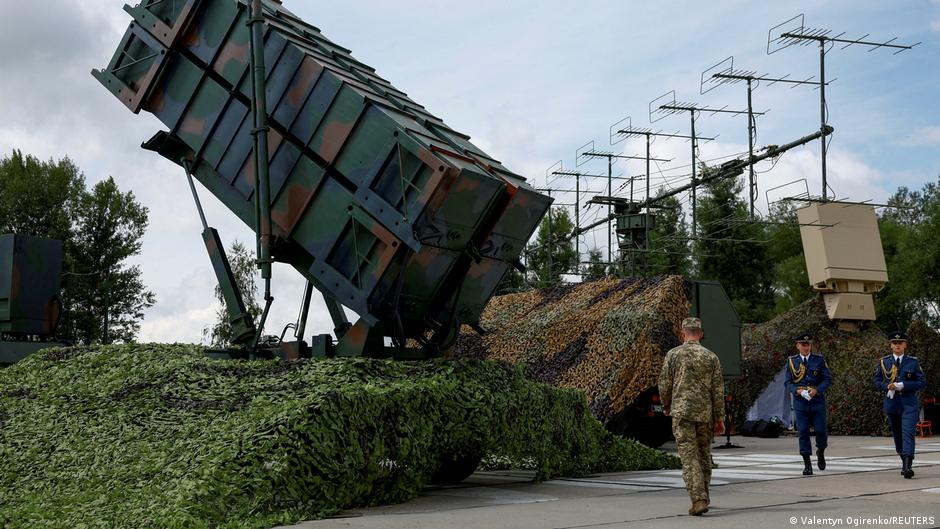
Raytheon and Lockheed Martin fear that licensing Patriot missile production to Ukraine may enable rapid, cost-effective manufacturing and technological improvements, raising strategic concerns.

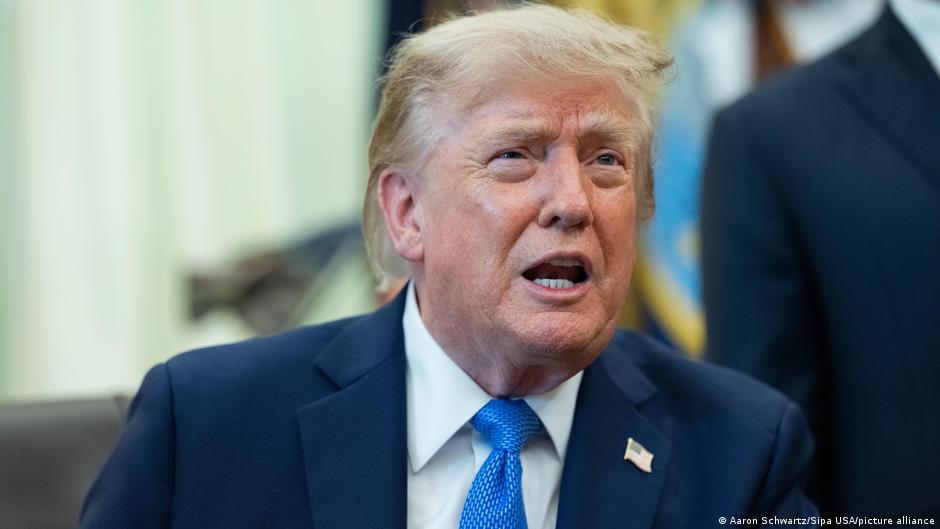
Trump accuses the Biden administration of depleting US munitions stockpiles through aid to Ukraine, raising concerns about domestic defense readiness and missile shortages.

Ukraine’s Security Service reports a 40-day campaign targeting over 100 Russian strategic sites, severely impacting military and energy infrastructure to pressure Russia towards ending the conflict.

NATO considers deploying additional tactical nuclear weapons in Finland, Poland, and Lithuania, signaling a strategic shift in response to Russian security threats.

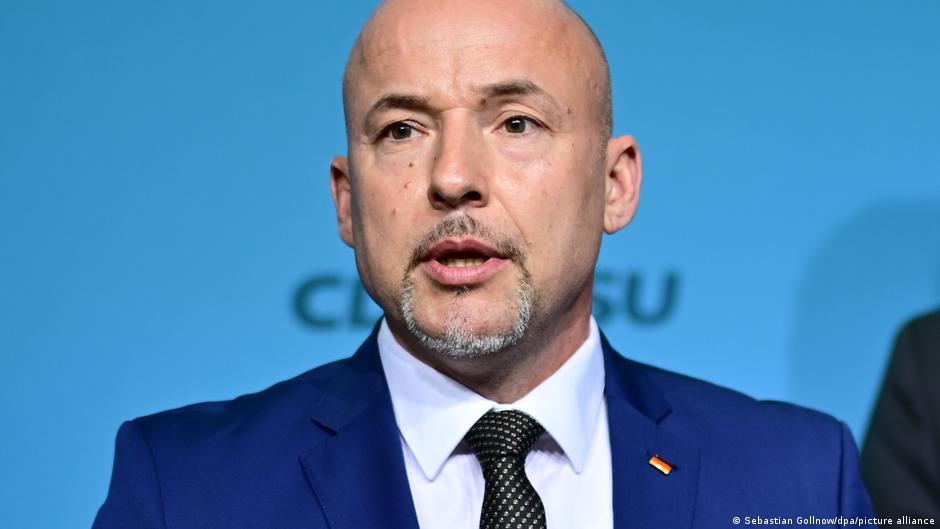
CSU leader Alexander Hoffmann urges Ukraine to transfer advanced drone technologies to Germany under an intergovernmental agreement, aiming to enhance Bundeswehr's defense capabilities.

The EU condemned Russia’s missile strikes on a Kyiv-area weapons exhibition and a Latvian consulate, summoning Russia’s envoy and threatening expanded sanctions amid escalating Ukraine conflict.

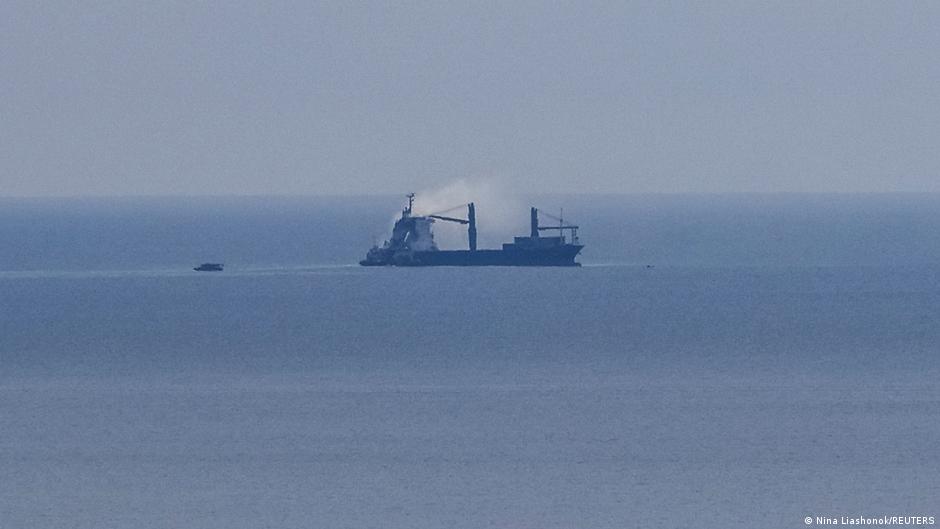
Ukraine accuses Russia of targeting Black Sea commercial vessels, calling it economic and humanitarian terror that threatens global food security and seeks urgent UN action.

US military deaths in the conflict with Iran reach 17 after a fatal incident during ordnance disposal in northern Iraq, amid ongoing retaliatory strikes and heightened regional military activity.

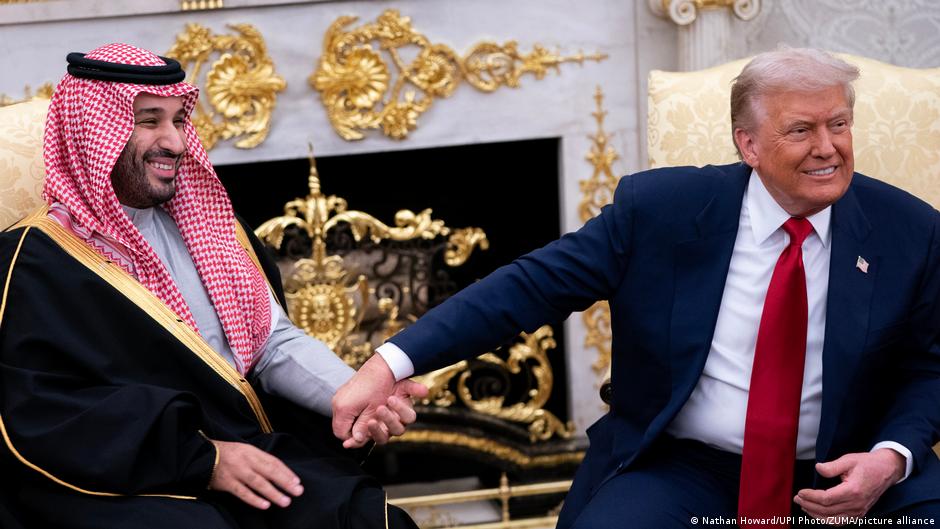
The Trump administration's tentative approval for Saudi uranium enrichment without strong IAEA safeguards raises proliferation concerns amid expanding nuclear energy cooperation.

Latvian President Edgars Rinkēvičs warns NATO to prepare for potential escalation with Russia, highlighting the need for real military capability growth beyond budget increases.

Finland will lift its ban on nuclear weapons import and storage from July 1, enhancing deterrence amid escalating tensions with Russia and NATO integration.

The US has lifted its naval blockade of the Strait of Hormuz, enabling renewed Iranian oil exports and opening a 60-day negotiation period aimed at a comprehensive peace agreement.

European leaders welcome the US-Iran peace deal as a path toward regional stability and global economic recovery, emphasizing non-proliferation and swift implementation.

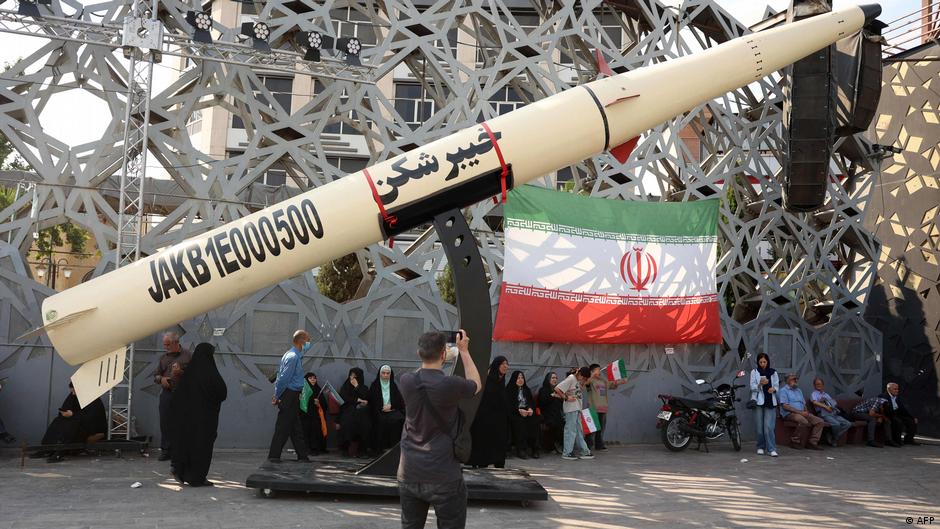
Iran has largely restored its missile arsenal during a ceasefire period, possibly aided by recent Russian missile transfers, complicating US efforts to curtail Tehran's military capabilities.

President Trump cancels June 11 airstrikes on Iran amid progress in multilateral negotiations involving regional allies, averting immediate military escalation.

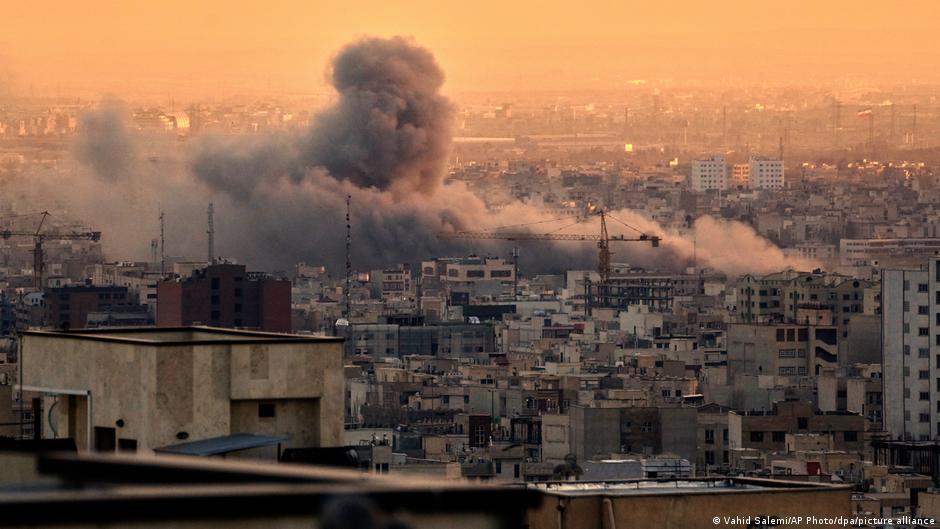
Israel strikes Iranian targets in retaliation for missile attacks amid US efforts to negotiate peace with Tehran, highlighting regional tensions and economic risks.

Rosneft advisor Andrei Bezrukov warns Russia may face war for decades, urging state and economic restructuring amid rising security threats and recent drone attacks in St. Petersburg.

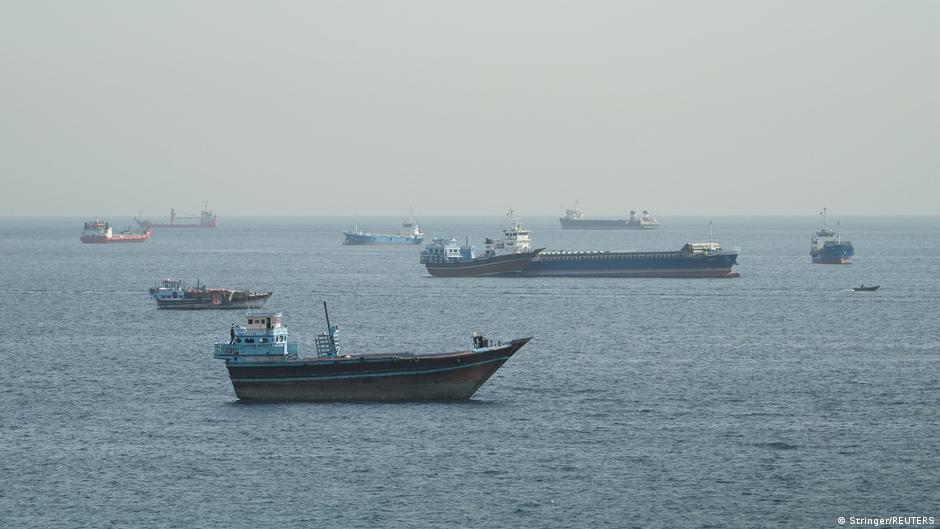
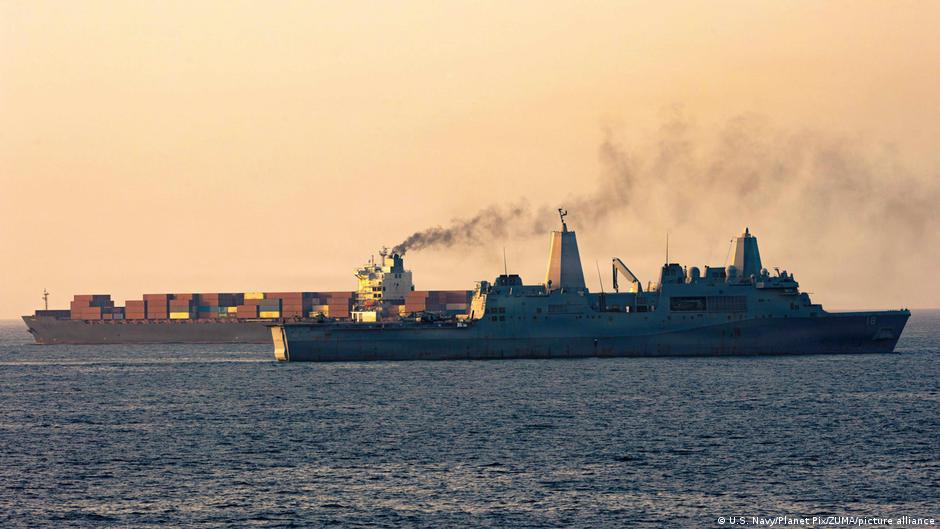
The US has covertly assisted about 70 commercial vessels through the Iran-blocked Strait of Hormuz amid escalating tensions, impacting global energy markets and maritime security.

The US struck a Gambian-flagged ship enforcing the Strait of Hormuz blockade, reflecting deep geopolitical tensions that disrupt critical energy trade routes and impact global markets.

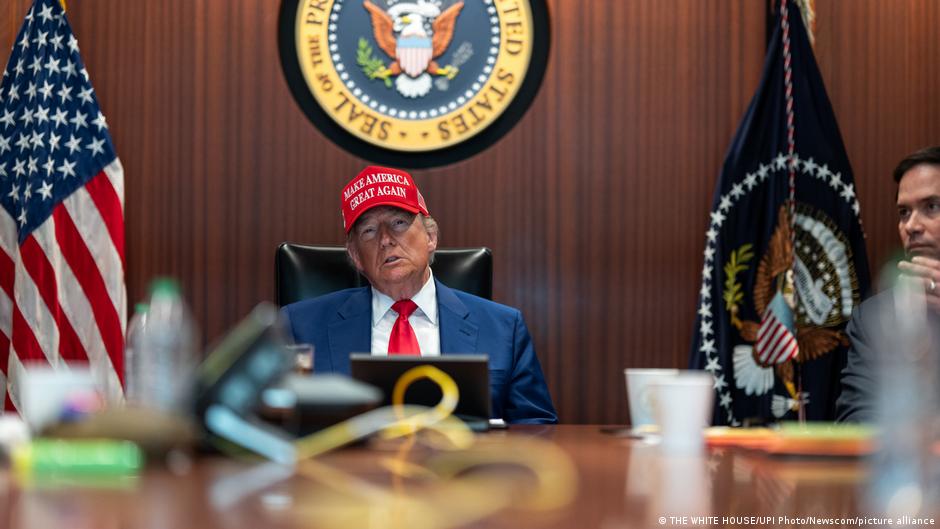
President Trump demands Iran adhere to strict 'red lines,' including a permanent ban on nuclear weapons, as negotiations for a potential agreement continue amid cautious diplomacy.

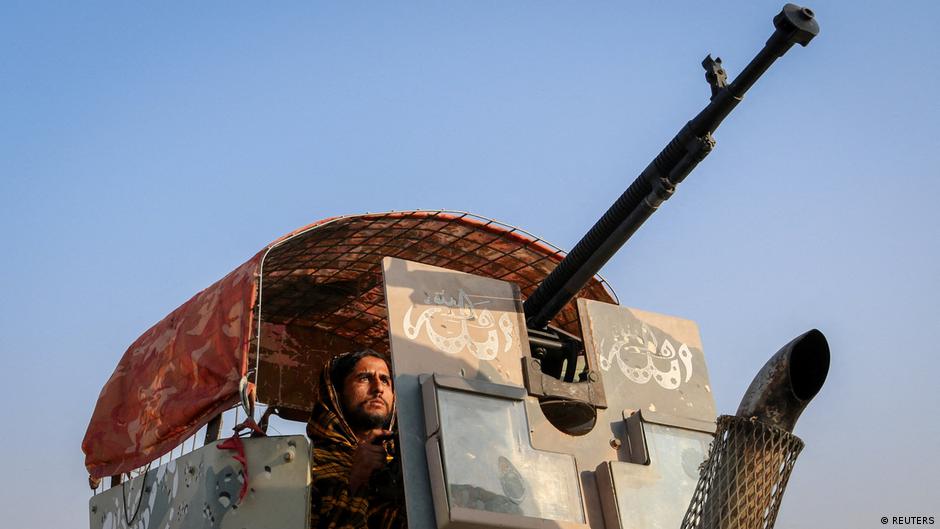
Russia and the Taliban signed a military-technical cooperation agreement that may enable arms transfers and reshape regional security and economic dynamics.

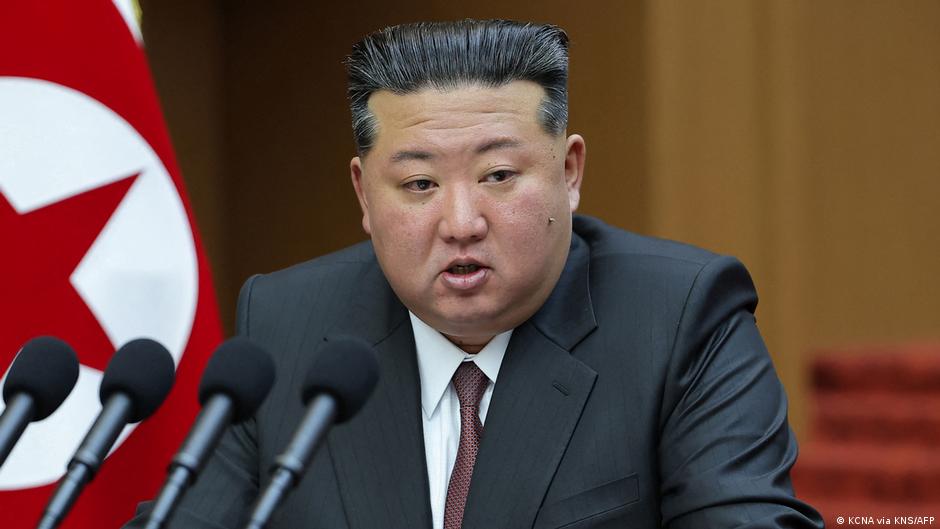
North Korea has conducted missile tests of tactical ballistic, artillery, and precision cruise missiles, signaling advancements in military modernization and strategic deterrence.

Donald Trump announces plans for Iran's enriched uranium to be destroyed either in the US or on-site under IAEA supervision amid escalating nuclear tensions.

Russia intensified its assault on Kyiv with drones and ballistic missiles, threatening Ukraine’s urban infrastructure and economic recovery amid ongoing conflict.

NATO intelligence reveals Russia’s secret project to deploy nuclear-capable ballistic missiles on the seabed, signaling a strategic shift in underwater nuclear deterrence.

NATO confirms ongoing delivery of US air defense missiles to Ukraine via PURL, highlighting sustained alliance support and regional security implications amid the protracted conflict.

President Trump delays a planned military strike on Iran following Gulf leaders' intervention, as serious negotiations continue amid complex US-Iran tensions.

US intelligence reveals Iran retains about 70% of its missile arsenal, challenging official claims of military degradation and raising strategic concerns over US munitions depletion.

Ukraine offers NATO long-range drones and missiles to fill strategic gaps amid shifting US missile deployments in Europe, signaling deeper defense cooperation with Germany.

US President Trump announced significant progress in talks with Iran, with a potential deal to end years of conflict over Iran's nuclear program and sanctions.

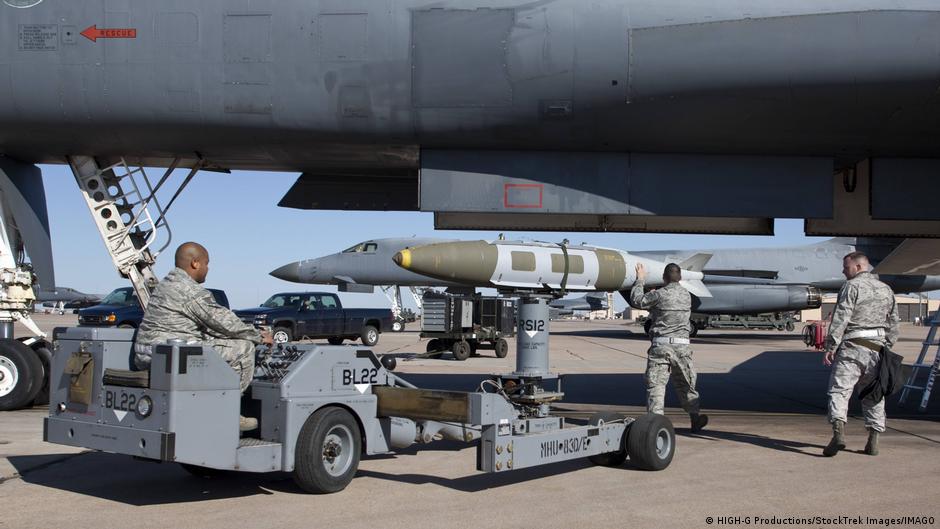
The US State Department approved a $373.6M sale of JDAM-ER kits to Ukraine, enhancing bomb range and accuracy amid operational challenges and strategic economic implications.

Germany is fast-tracking its own long-range missile development following the U.S. refusal to station Tomahawk missiles, aiming to counter Russian Iskander threats and bolster European deterrence.