Putin’s Nuclear Warnings at Valdai Expose the War’s Economic Risk Premium
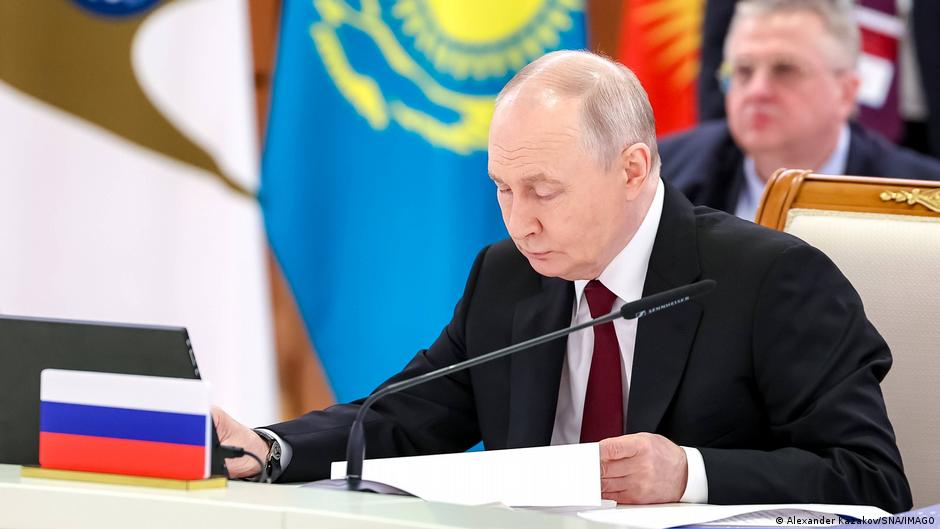
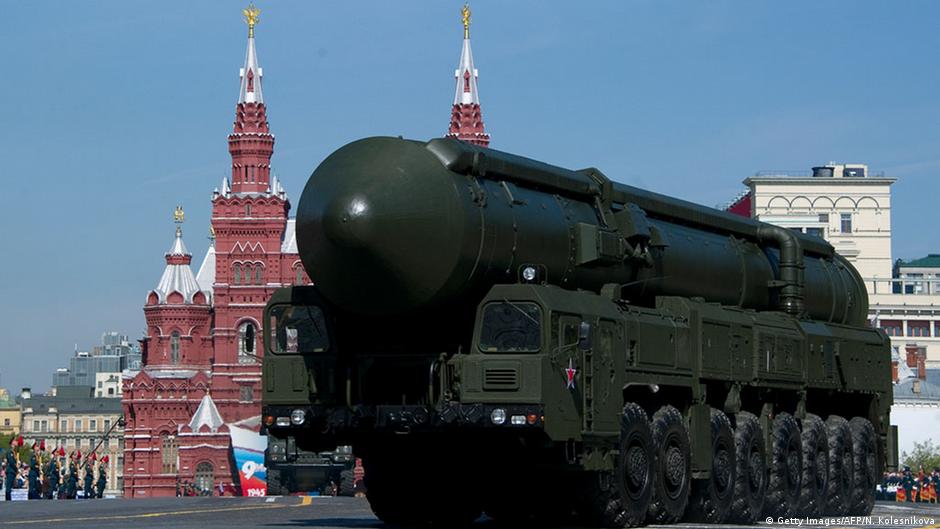
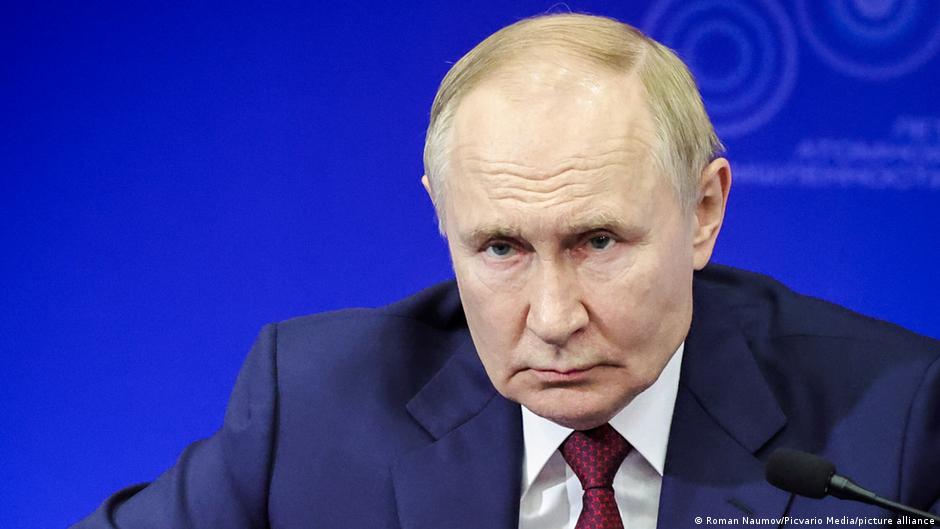
Putin’s Valdai speech sharpened nuclear rhetoric and war claims, adding to Europe’s long-term economic and security risk premium.

Putin’s Valdai speech sharpened nuclear rhetoric and war claims, adding to Europe’s long-term economic and security risk premium.

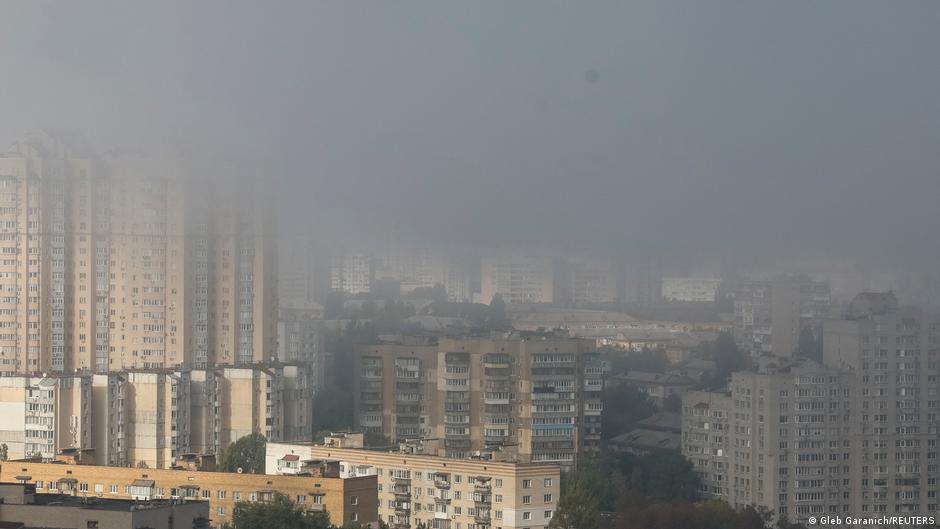
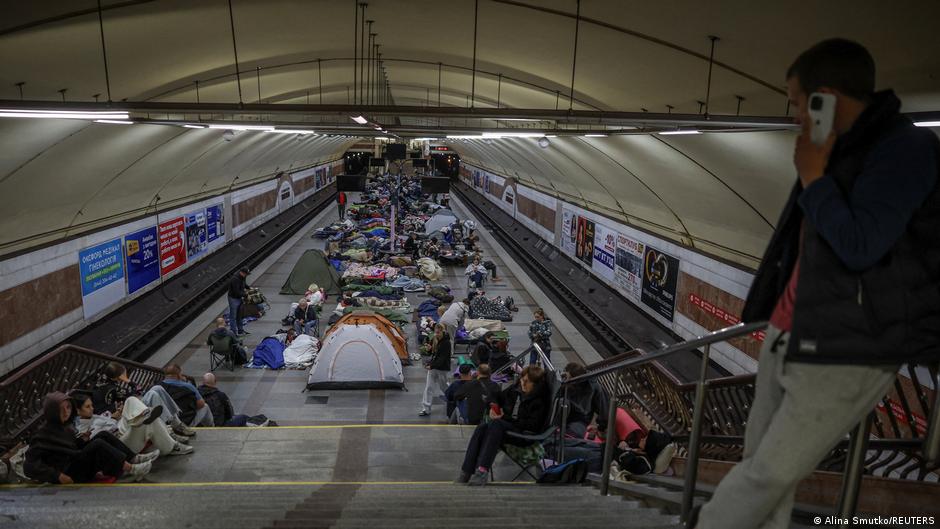
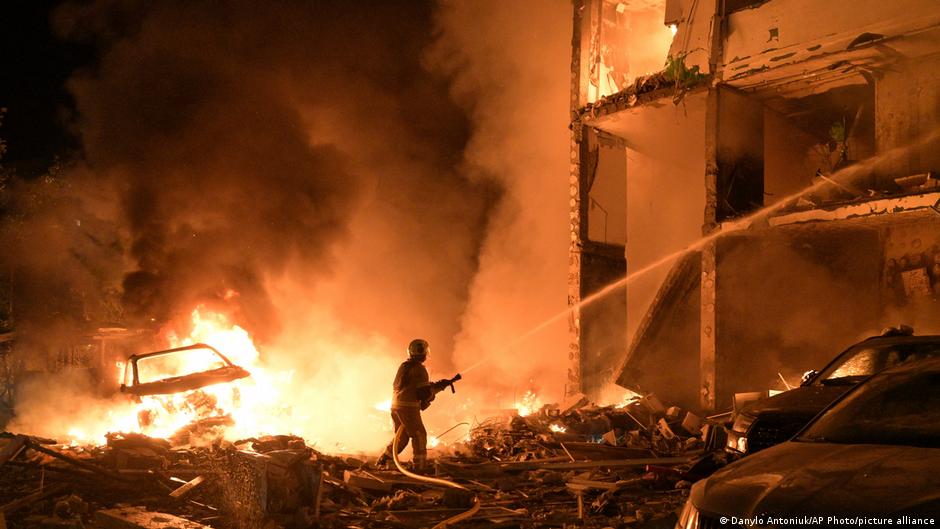
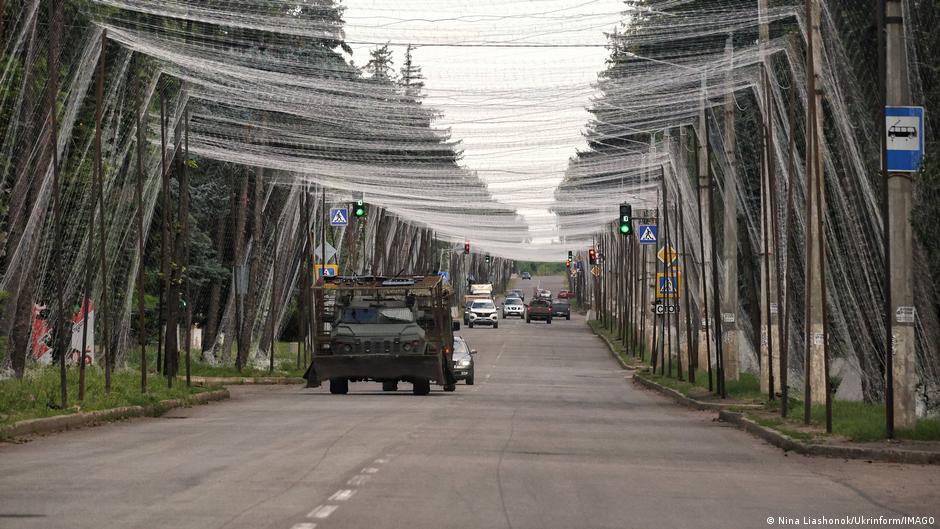
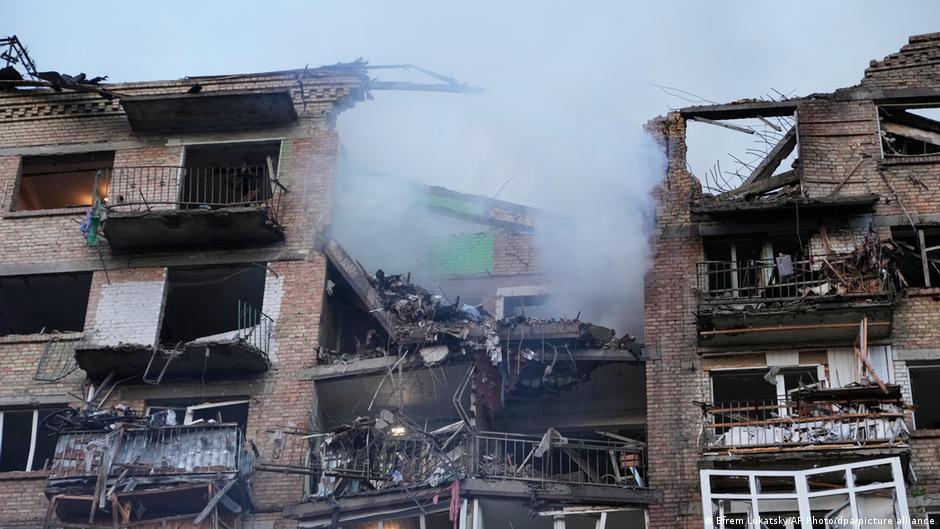
Russian attacks damaged sites in Kyiv, Odesa, Sumy and Kyiv region, while Ukrenergo announced power curbs after strikes on energy facilities.

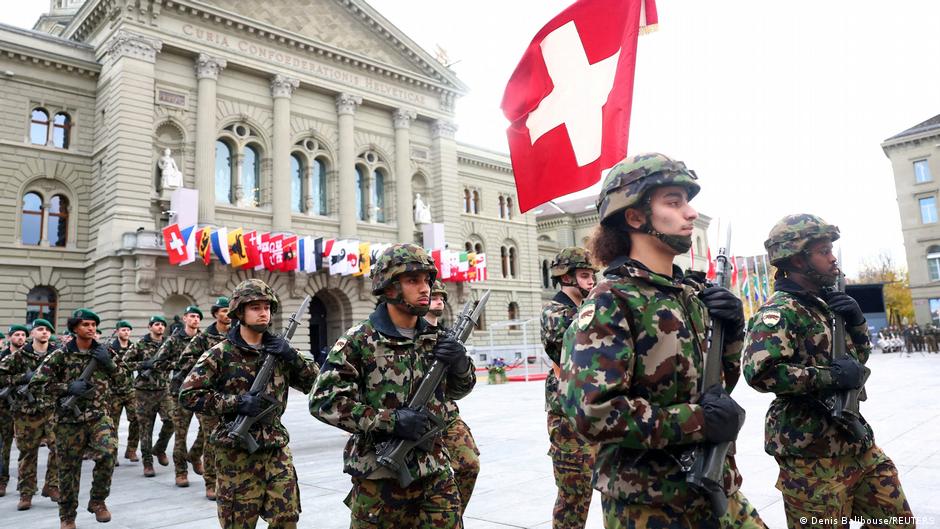
Swiss voters rejected a neutrality initiative that would have restricted sanctions policy and limited cooperation with military alliances.

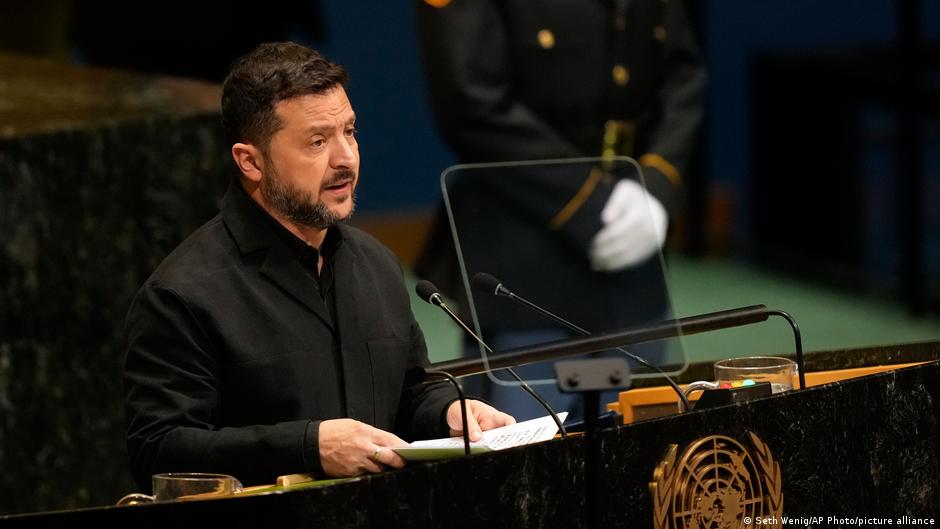
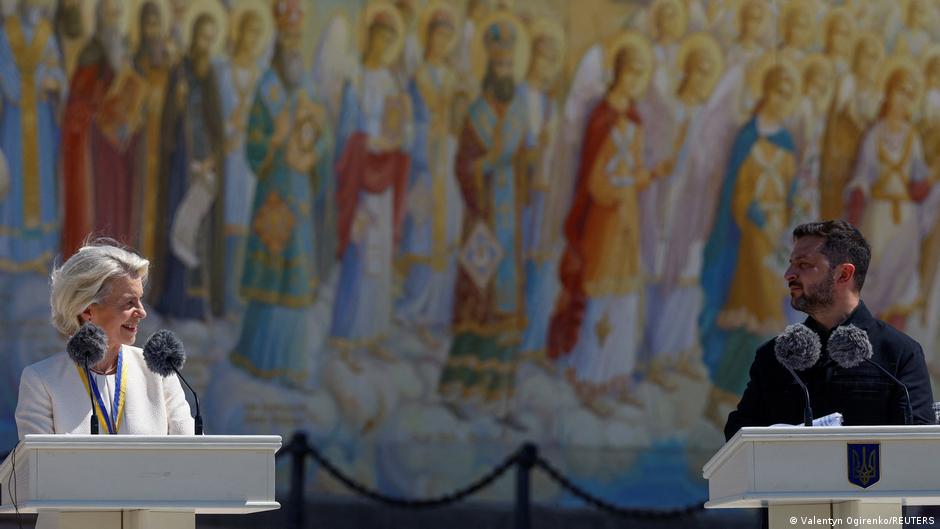
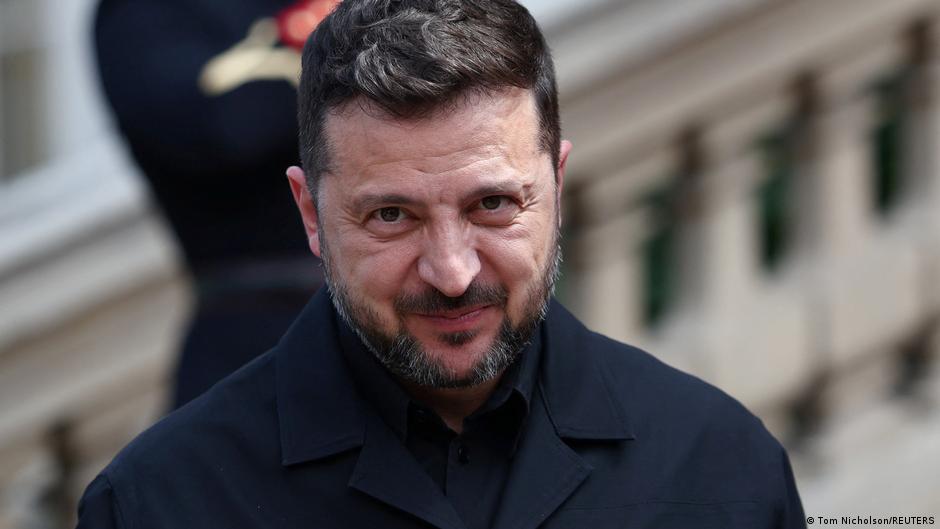
Zelenskyy told the UN that Putin is spreading the idea of war globally and said Ukraine aims to weaken Russia’s ability to finance the conflict.

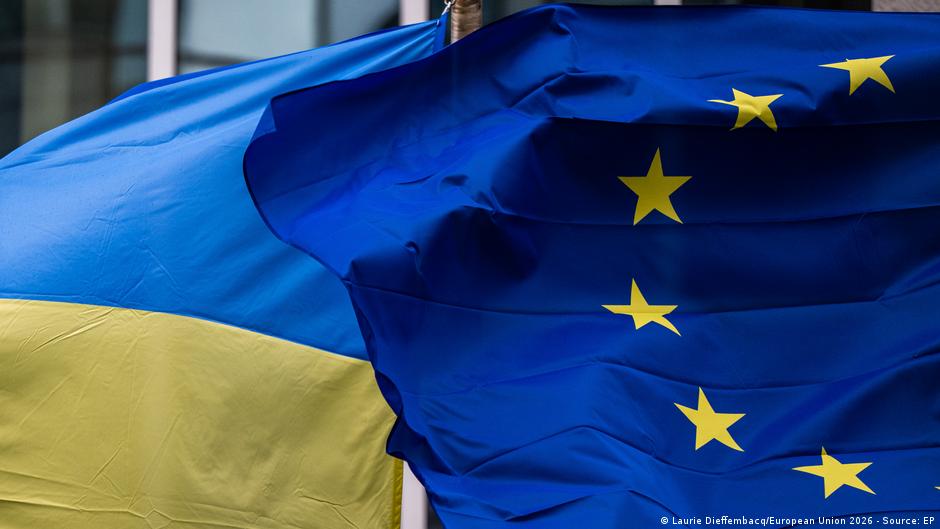
Kaja Kallas urged EU envoys to renew Russia sanctions as member states debated whether to delist Alisher Usmanov and Mikhail Fridman.

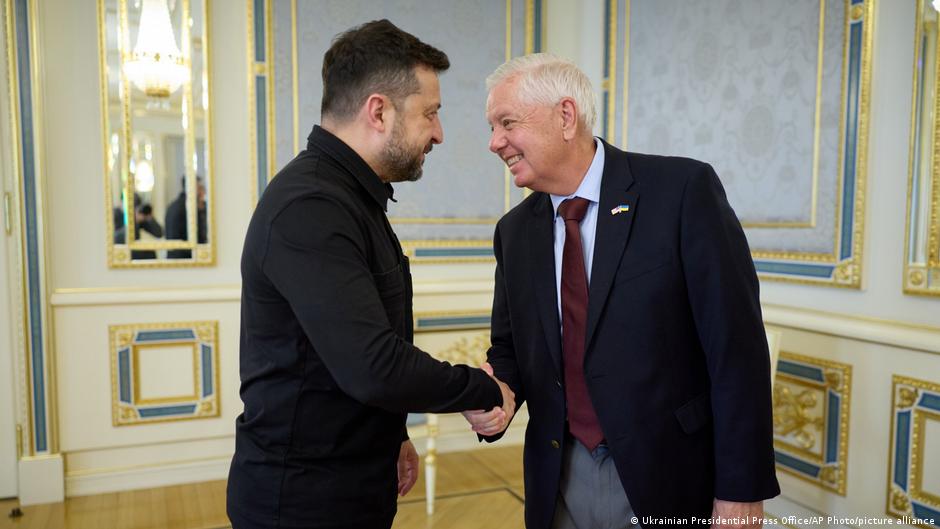
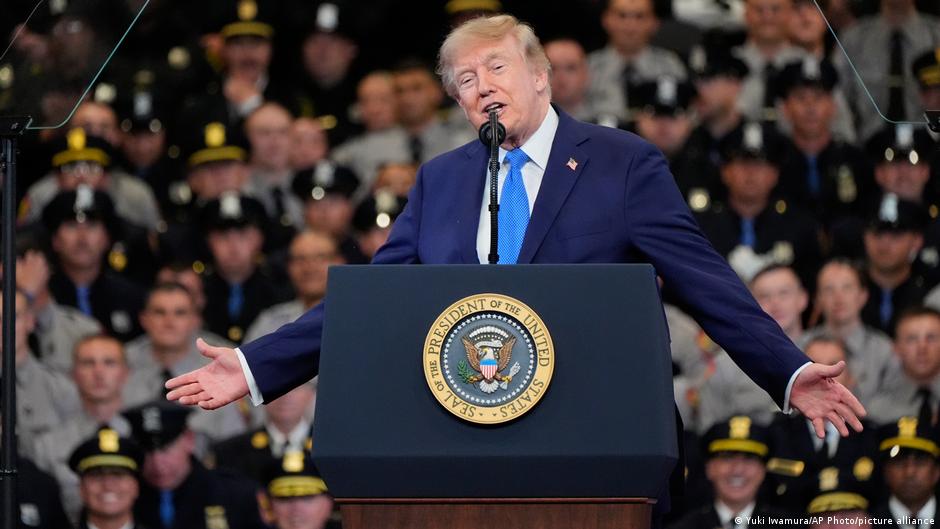
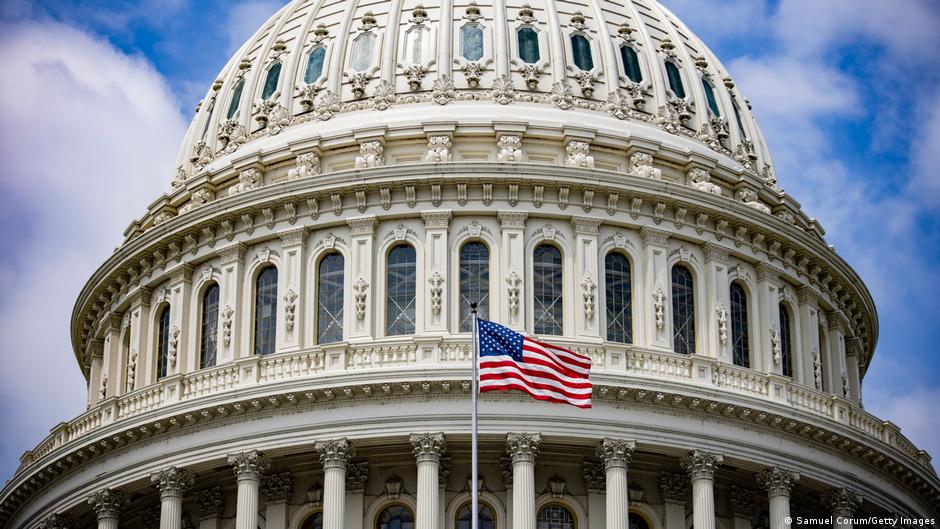
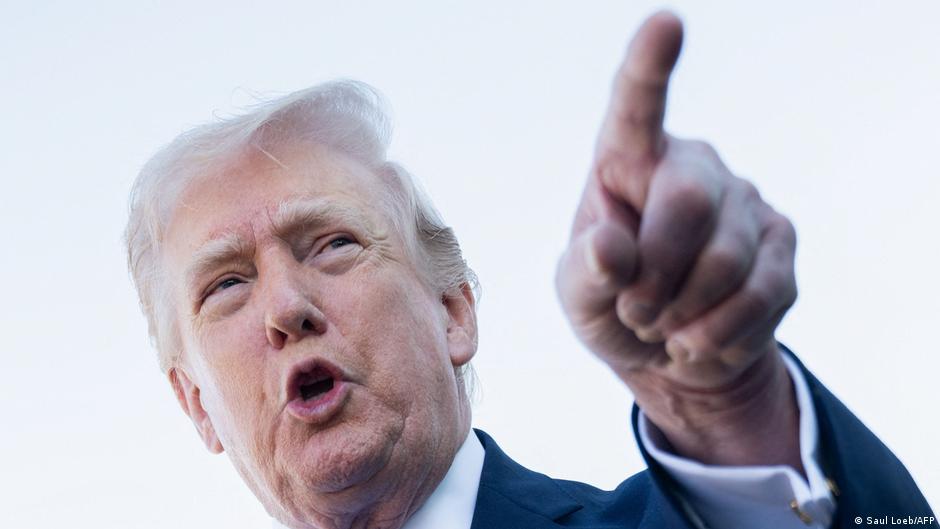
Trump signed the Graham sanctions law, giving him broad authority to target Russian energy buyers, banks, officials and sanctions evasion networks.

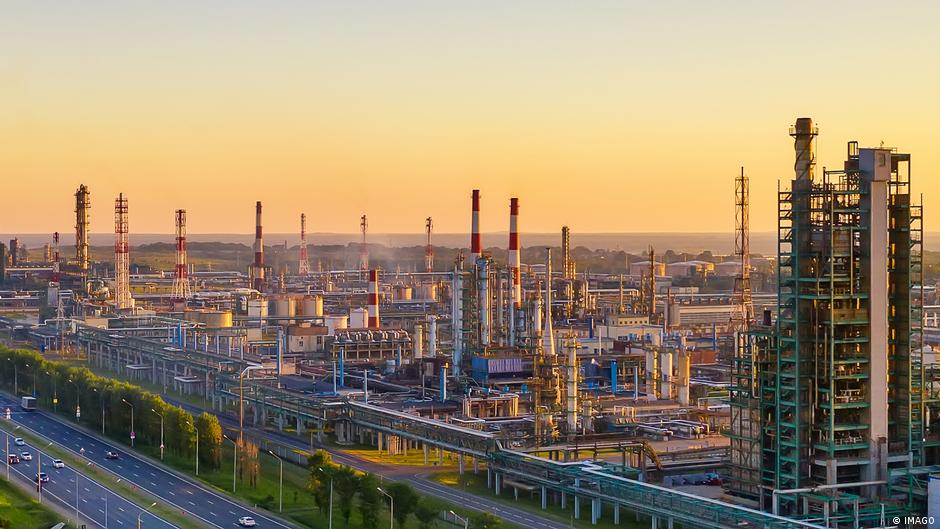
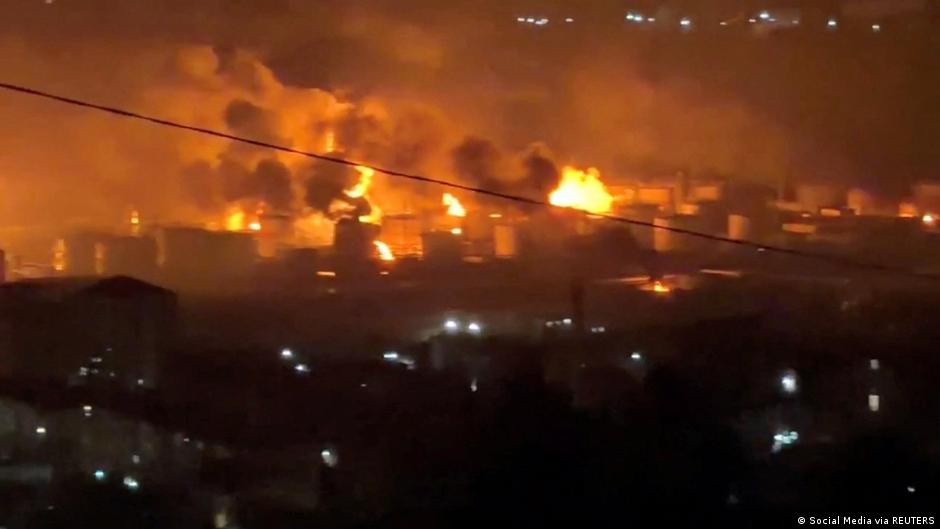
Drone damage has halted the Yaroslavl refinery, adding to Russia’s fuel shortages and exposing vulnerabilities in wartime refining capacity.

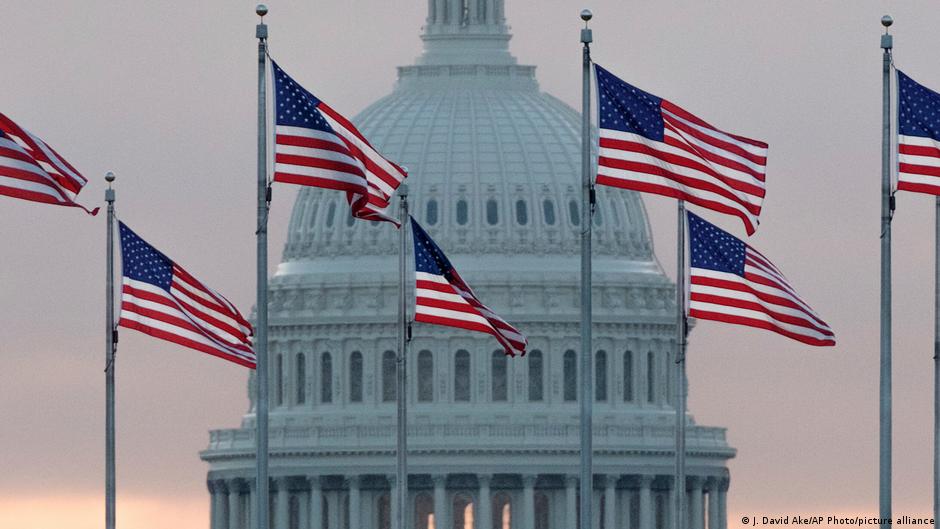
The House advanced a bill allowing Trump to impose 100% tariffs on major buyers of Russian energy, setting up a full vote this week.

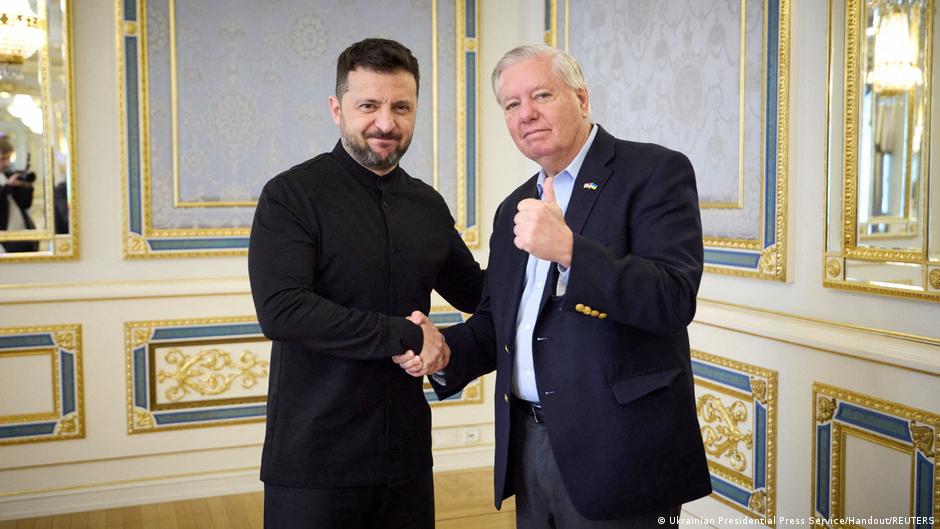
Zelensky expects late-September talks with a US delegation on grain exports, energy security and the economic pressures shaping diplomacy.

Russian strikes hit Kyiv with drones and ballistic missiles, damaging homes, logistics assets and public sites as talk of three-way negotiations resurfaced.

Norway’s seizure of the Professor Molchanov in Svalbard expands Naftogaz’s effort to enforce arbitration claims against Russian assets abroad.

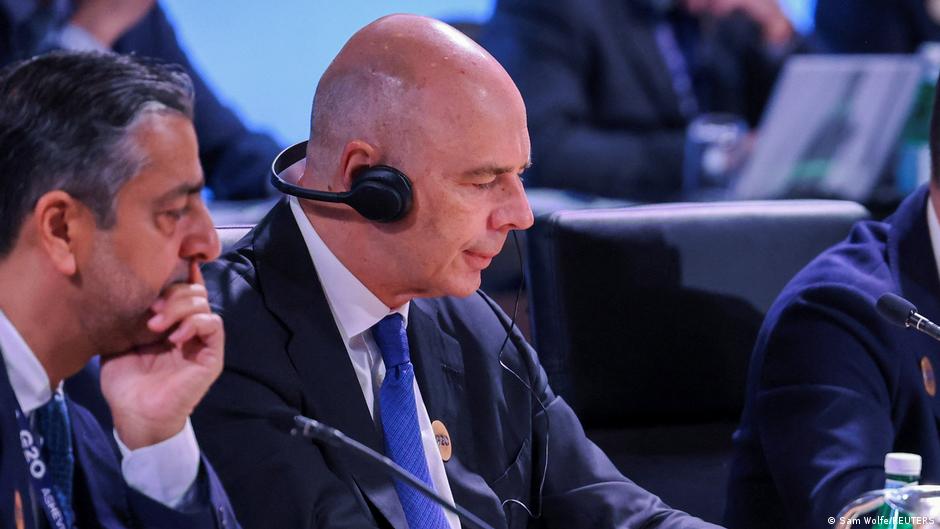
Bessent reportedly told Siluanov that U.S. sanctions pressure on Russia will not ease before the war in Ukraine ends.

President Trump announces a comprehensive economic war against Iran, threatening massive sanctions on countries supporting Tehran amid escalating regional tensions.

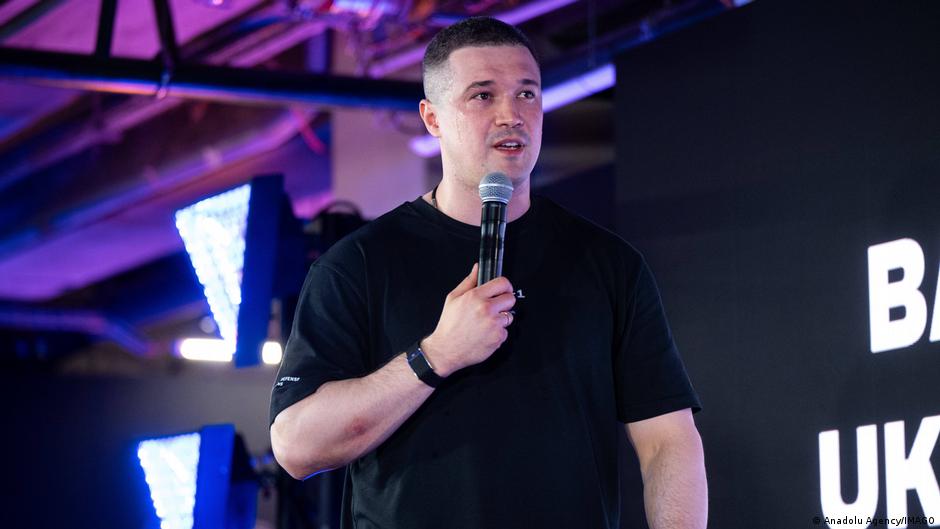
Former Ukrainian Defense Minister Mikhail Fedorov calls for legally secure elections during the ongoing war, emphasizing democracy must not be held hostage by conflict.

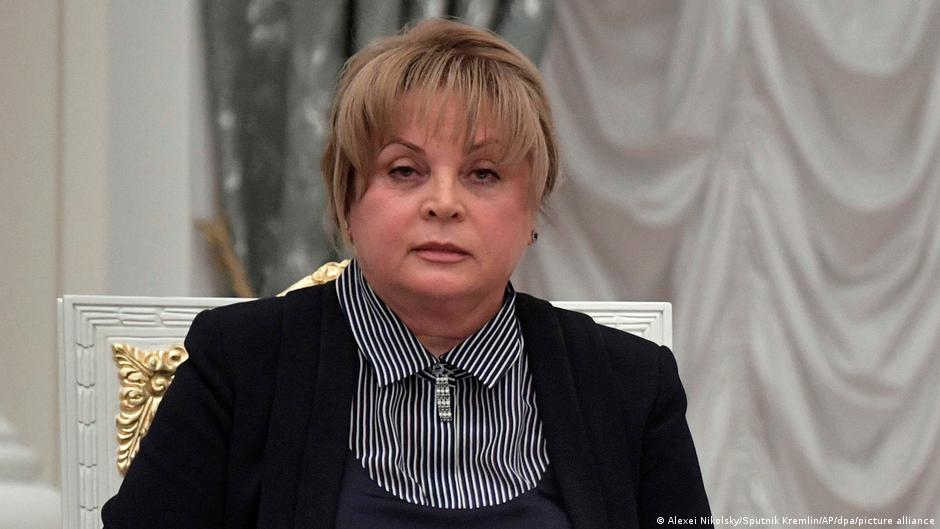
Russia's election head Ella Pamfilova advocates stripping voting rights from emigrants labeled as 'foreign agents,' highlighting tensions over diaspora engagement and electoral integrity.

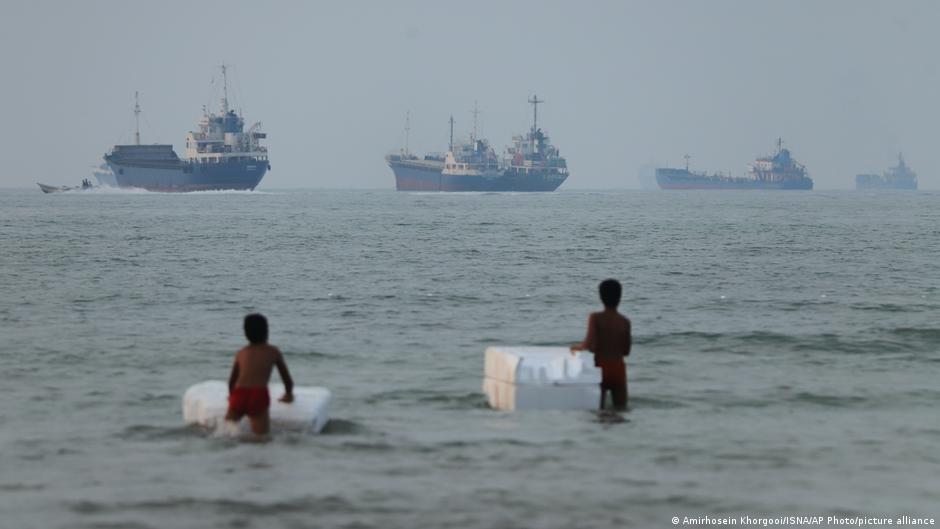
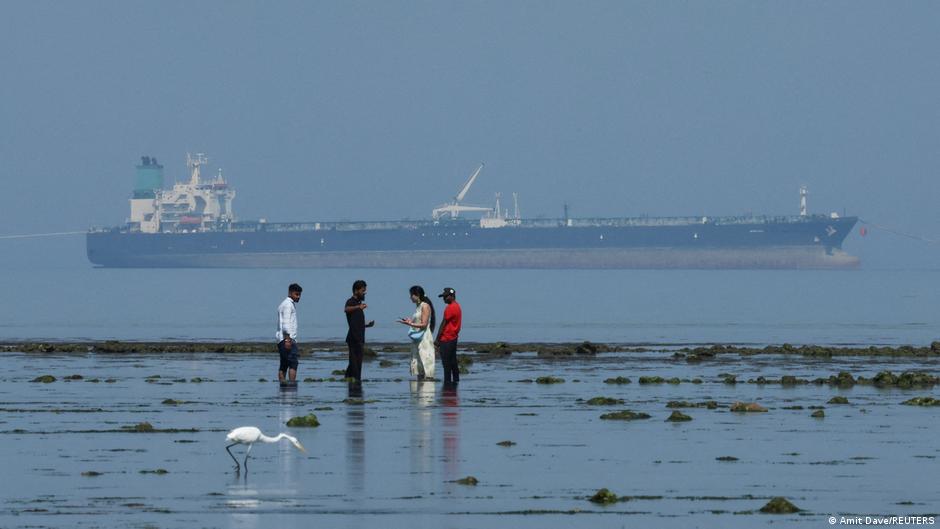
President Trump plans to declare the Strait of Hormuz US territory, signaling prolonged military presence and escalating tensions with Iran over this vital oil transit route.

The US Senate has approved a broad sanctions package targeting Russia’s economy, with strong support from the EU and Ukraine to intensify pressure amid ongoing conflict.

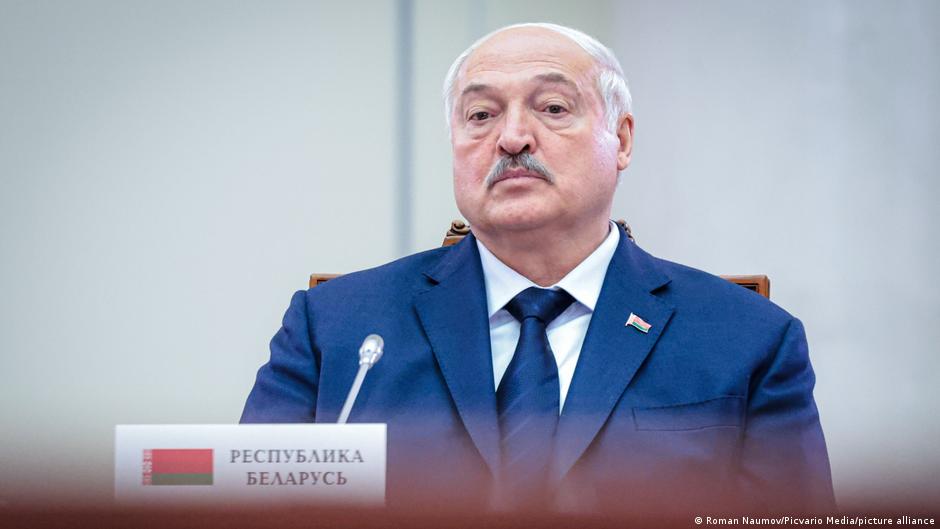
Belarus mandates military training for underperforming agricultural workers to enforce discipline and secure harvest productivity amid economic and geopolitical challenges.

The U.S. Senate advances the Graham Sanctions bill to impose steep tariffs on Russia and its energy partners, signaling a strategic intensification of economic pressure.

President Zelensky’s Washington visit coincides with a Senate vote on expanded sanctions against Russia, encompassing broader Middle East implications and diplomatic efforts.

The US begins delivering a $100 million humanitarian aid package to Cuba amidst heightened sanctions and military threats, highlighting a complex policy approach.

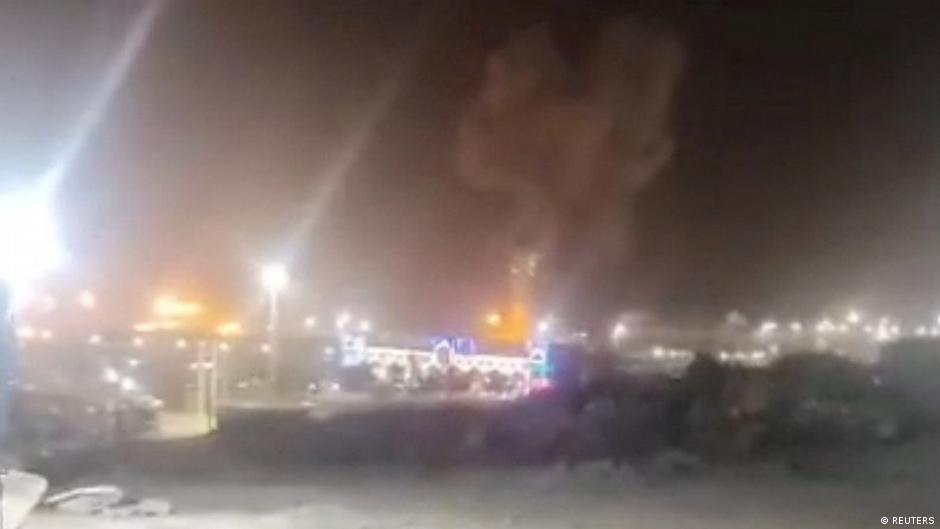
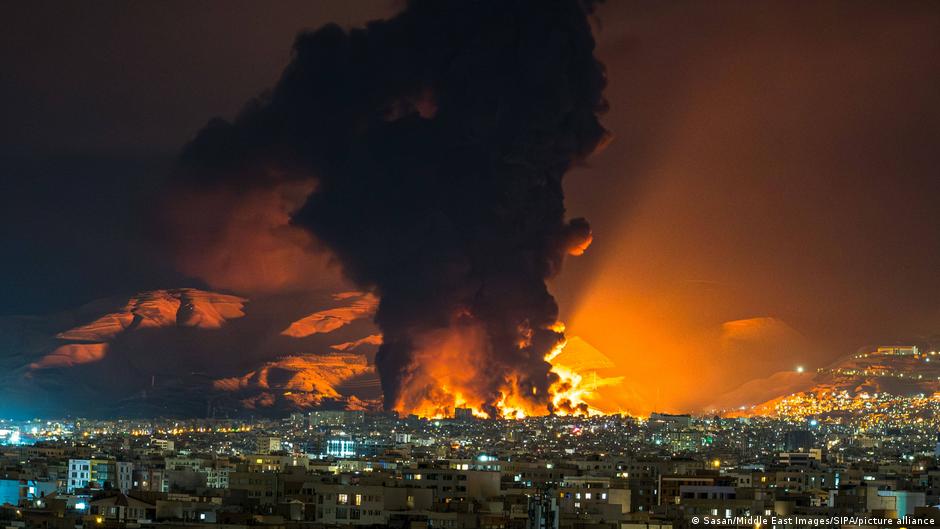
The US launched airstrikes on Iranian military and infrastructure sites, prompting retaliatory attacks on US bases in Bahrain and Kuwait, escalating tensions with significant economic ramifications.

The US has launched new military strikes against Iran to prevent interference with shipping in the Strait of Hormuz, escalating tensions amid sanctions and regional retaliations.

Russian missile and drone attacks on Kyiv and Kharkiv cause civilian injuries and infrastructure damage, worsening Ukraine's economic and urban stability.

US military strikes on Iran following attacks on commercial vessels heighten risks of conflict and disrupt critical energy trade routes through the Strait of Hormuz.

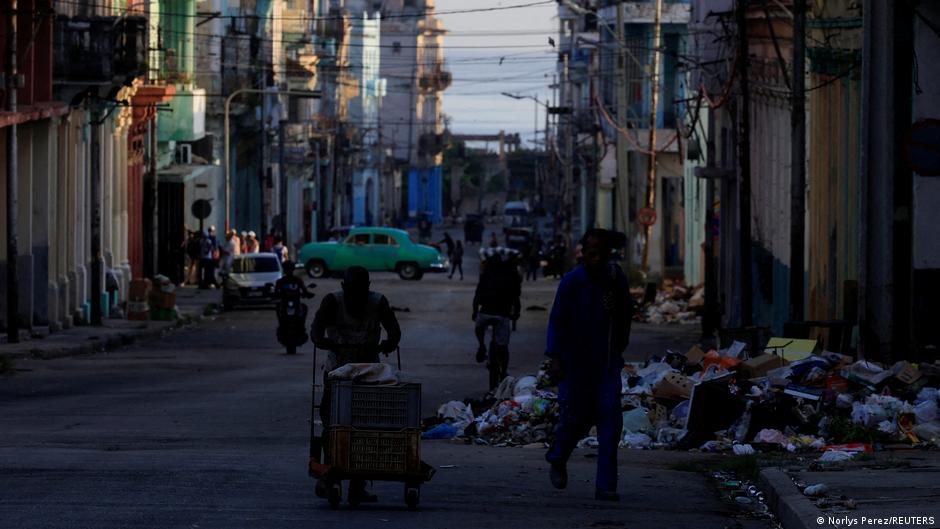
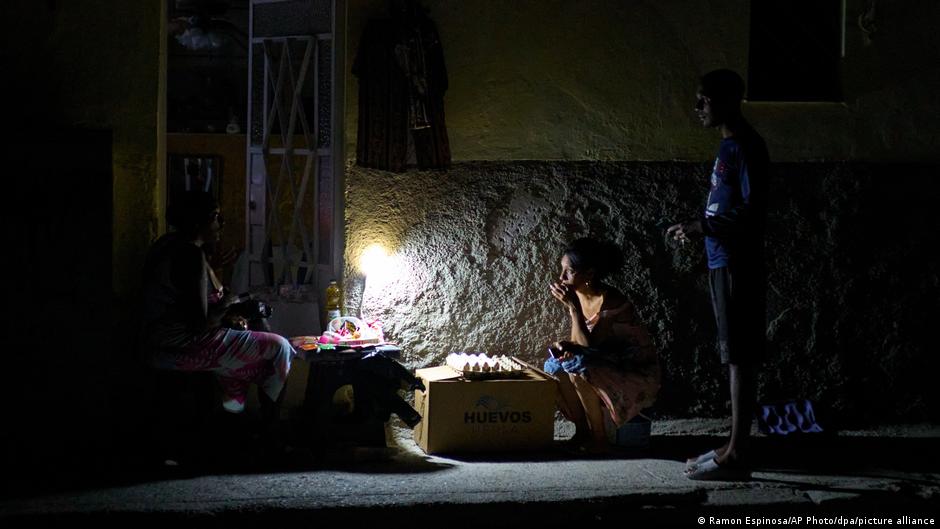
Cuba's nationwide blackout on July 6 highlights the deepening energy crisis driven by U.S. sanctions and stalled diplomatic negotiations.
A study shows 40% of Germans doubt their ability to work until retirement, highlighting the impact of physical and psychological job demands on workforce sustainability.

Two brothers in Germany admitted to smuggling industrial components to Russia via shell companies, violating EU sanctions and exposing enforcement challenges.

In June 2024, Russia reduced its drone and missile strikes on Ukraine significantly, signaling possible operational and economic adjustments amid ongoing conflict dynamics.

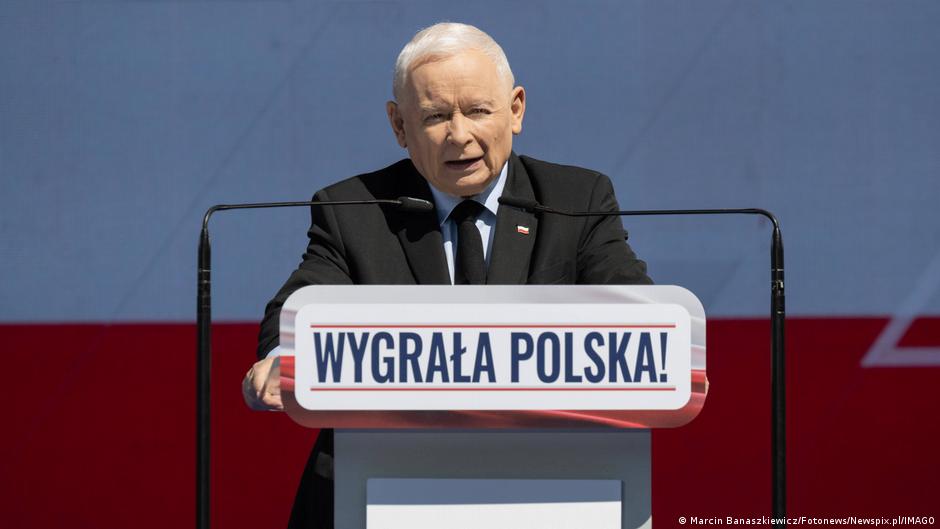
Polish opposition leader Jarosław Kaczyński calls to block Ukraine’s EU accession amid historical disputes and economic concerns, highlighting growing tensions ahead of Poland’s 2027 elections.

The US targets five Cuban state enterprises controlling 40% of GDP, intensifying economic sanctions amid historic political tensions and legal claims over nationalized assets.

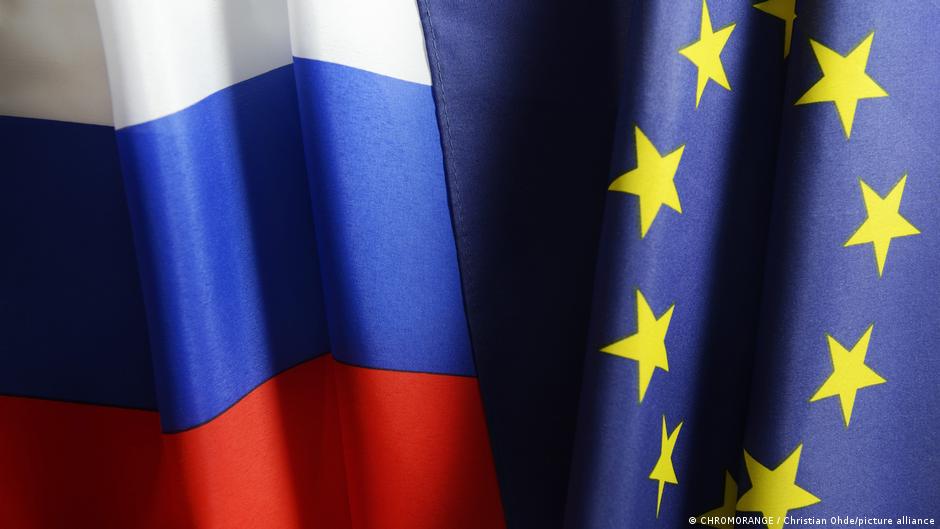
The EU agreed to extend sanctions on Russia for one year, reflecting political shifts and signaling deeper economic impacts amid ongoing conflict in Ukraine.

The EU has begun discreet talks with the Kremlin to prepare for potential peace negotiations on the Ukraine conflict, amid growing military and economic pressures on Russia.

G7 leaders commit to new sanctions targeting Russia's energy sector and pledge increased military aid to Ukraine amid evolving conflict dynamics and strategic economic pressures.

The US imposes sanctions on Cuba’s state oil company CUPET, intensifying economic pressure amid political tensions and a worsening energy crisis.

Ukrainian President Zelensky praises the active role of Trump’s special envoys in diplomacy aimed at ending the Russia-Ukraine war, amidst broader Western efforts to secure peace.

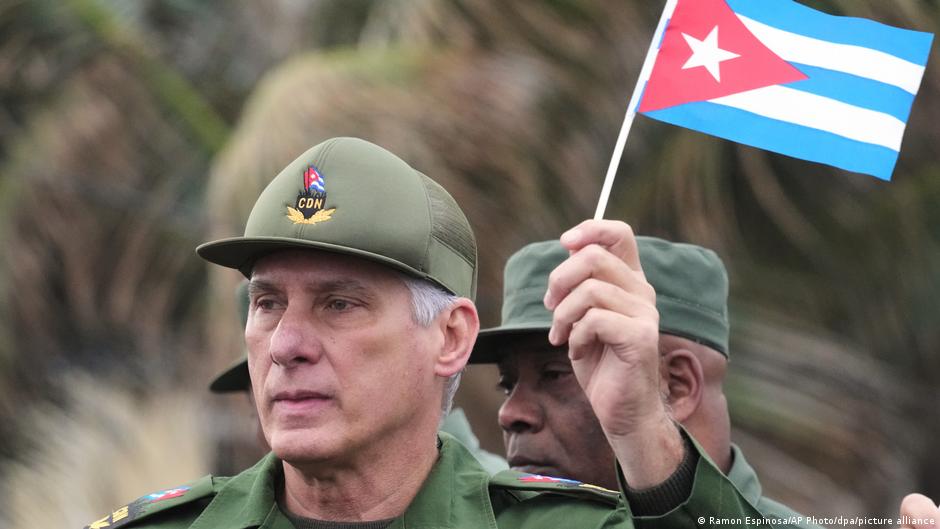
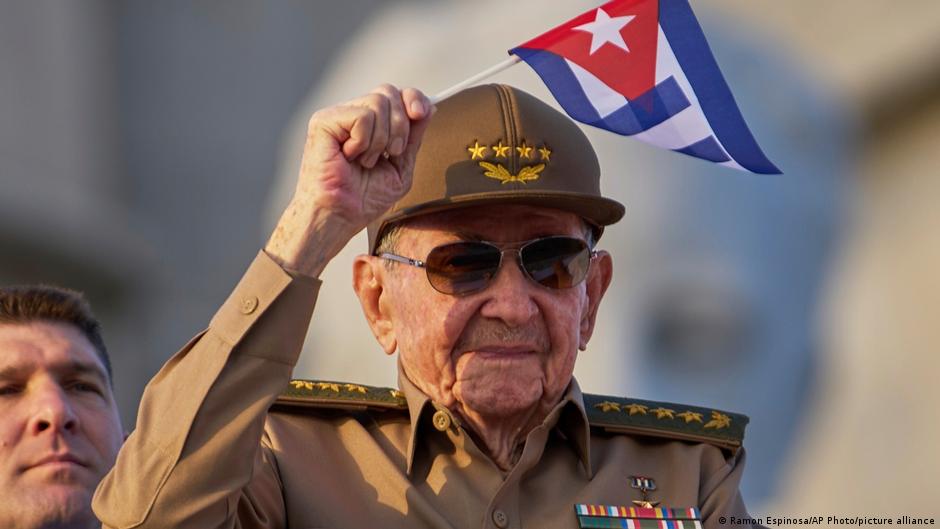
The US expands sanctions targeting Cuban President DÃaz-Canel and Raúl Castro’s family amid escalating tensions and Cuba’s worsening economic crisis.

The US House approved a bill expanding military aid to Ukraine and increasing sanctions on Russia, pending Senate consent amid partisan debates and potential presidential veto.

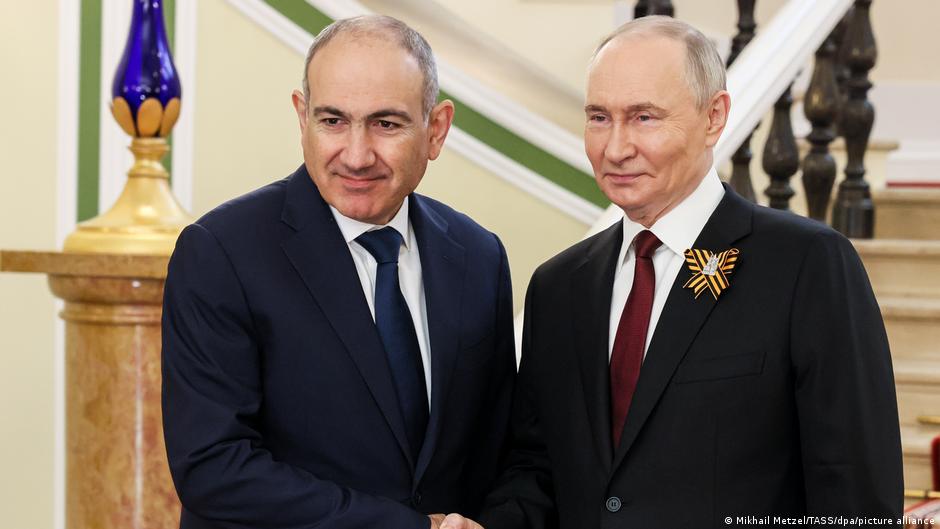
Russia warns Armenia of increased tariffs and economic restrictions if it leaves the Eurasian Economic Union amid rising geopolitical tensions and EU rapprochement.

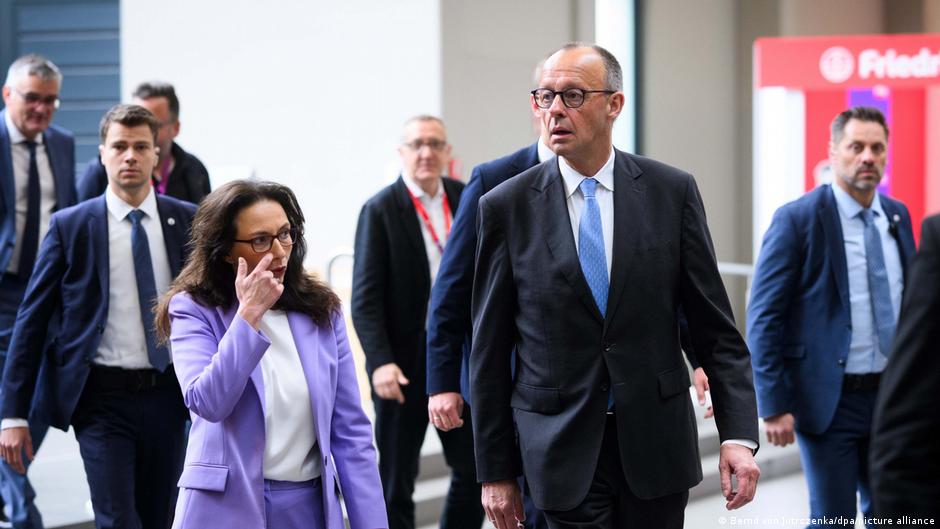
Sources close to Chancellor Friedrich Merz dismiss claims of his early replacement as unfounded, despite declining public support and media speculation amid Germany’s political challenges.

The EU has postponed appointing a special negotiator with Russia, emphasizing the need to first establish a clear strategy before engaging in talks to end the Ukraine war.

Russia threatens to suspend duty-free gas supplies to Armenia due to its EU integration efforts, signaling major economic and geopolitical ramifications for the region.

Russia intensified its assault on Kyiv with drones and ballistic missiles, threatening Ukraine’s urban infrastructure and economic recovery amid ongoing conflict.

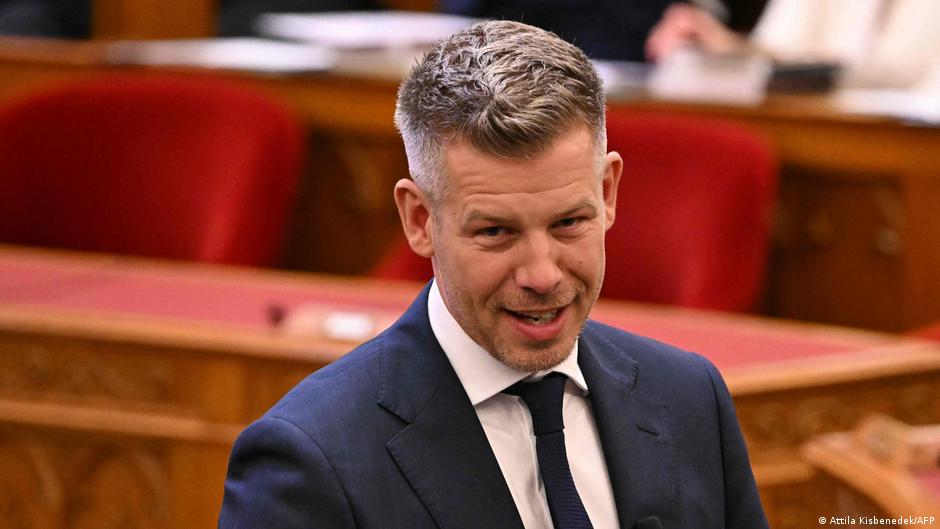
Hungary reinstates a ban on Ukrainian agricultural imports to protect domestic farmers and reverses its withdrawal from the International Criminal Court, highlighting economic and political recalibrations.

NATO intelligence reveals Russia’s secret project to deploy nuclear-capable ballistic missiles on the seabed, signaling a strategic shift in underwater nuclear deterrence.

The US charges Raul Castro with conspiracy to murder over a 1996 incident killing four American pilots, signaling intensified tensions and complex economic consequences for Cuba.

The UK has issued an indefinite license allowing imports of Russian-origin diesel and kerosene to ease fuel prices amid geopolitical energy disruptions.

President Trump delays a planned military strike on Iran following Gulf leaders' intervention, as serious negotiations continue amid complex US-Iran tensions.

Ukraine imposes sanctions on 32 Russian companies and 34 individuals tied to the military-industrial complex, extending existing restrictions to disrupt Russia’s defense supply chains.

Ukraine has taken the strategic initiative in its conflict with Russia, expanding deep-strike drone operations into Russian territory and causing significant territorial and economic impacts.