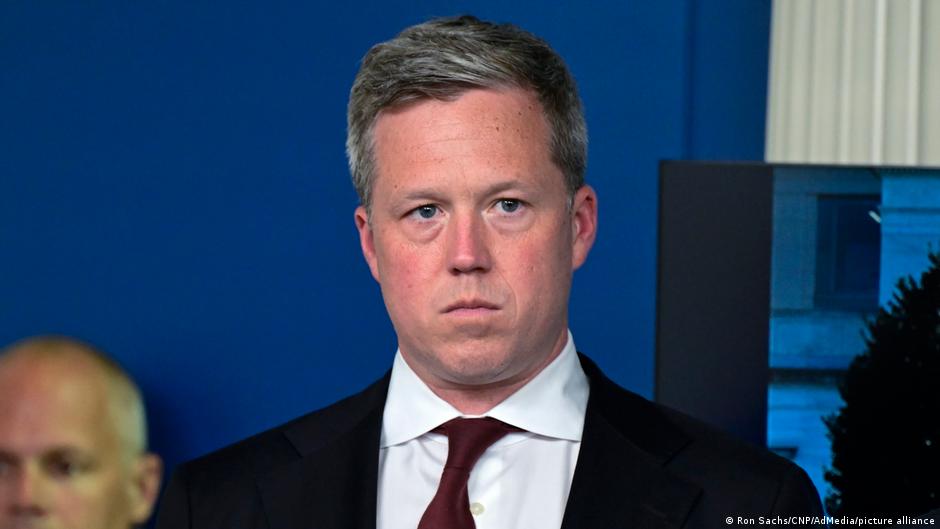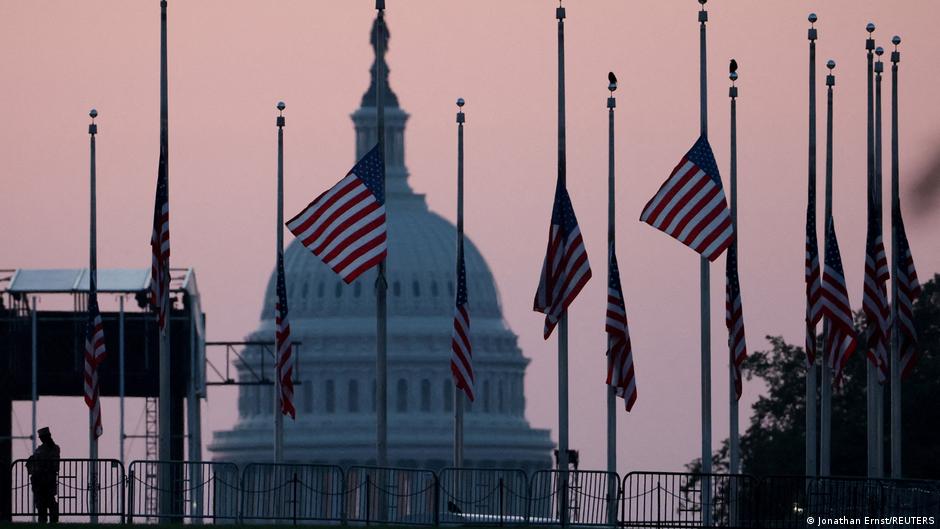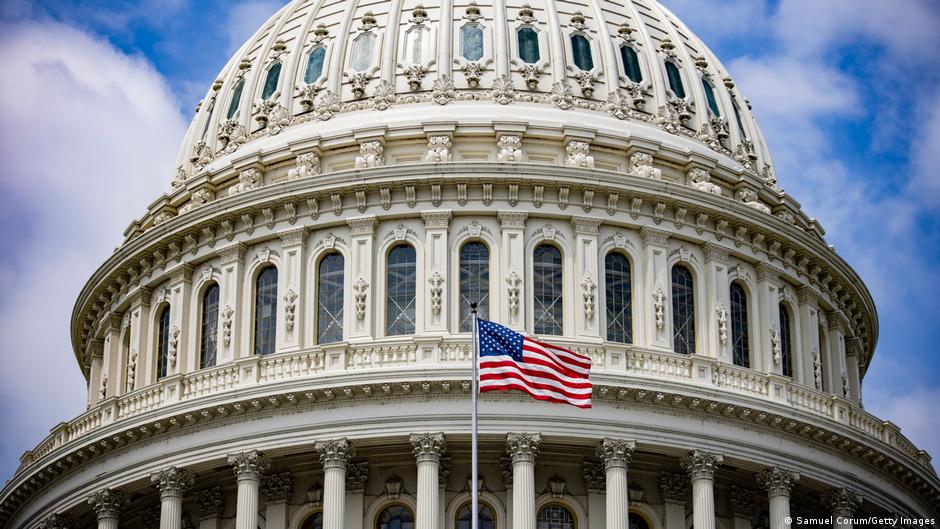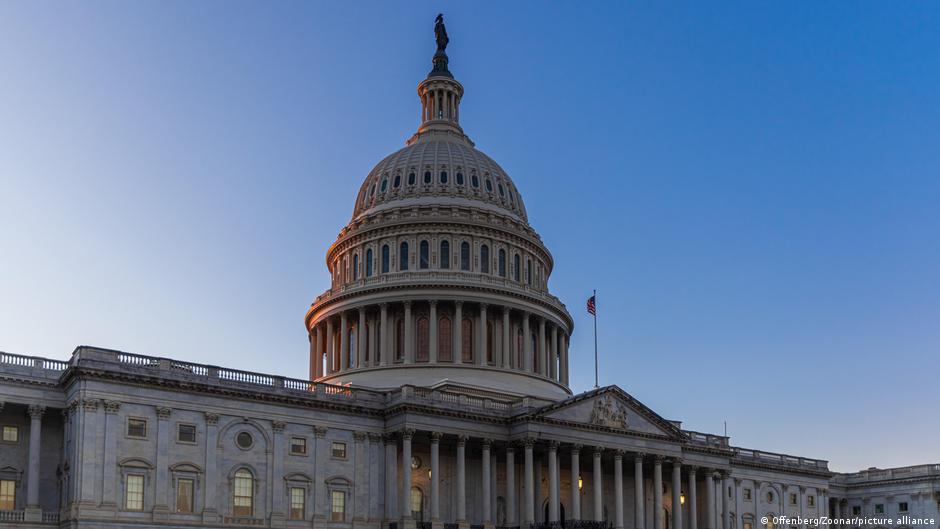
US Army secretary exits after Pentagon rift, deepening leadership churn
Daniel Driscoll’s reported resignation after a clash with Pete Hegseth adds to Pentagon turnover and raises questions over procurement, readiness and policy continuity.

Daniel Driscoll’s reported resignation after a clash with Pete Hegseth adds to Pentagon turnover and raises questions over procurement, readiness and policy continuity.

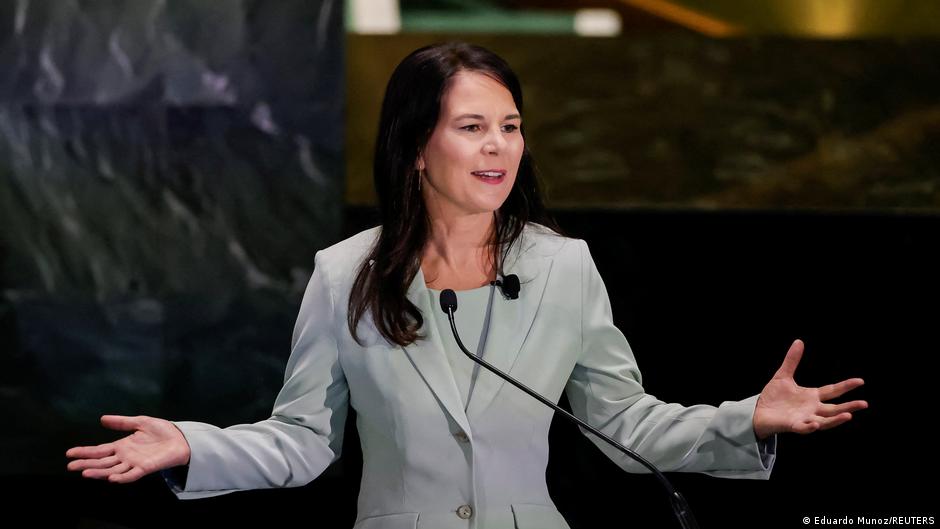
After concluding her UN General Assembly presidency, former German Foreign Minister Annalena Baerbock will join Columbia University as co-director of a global leadership master's program.

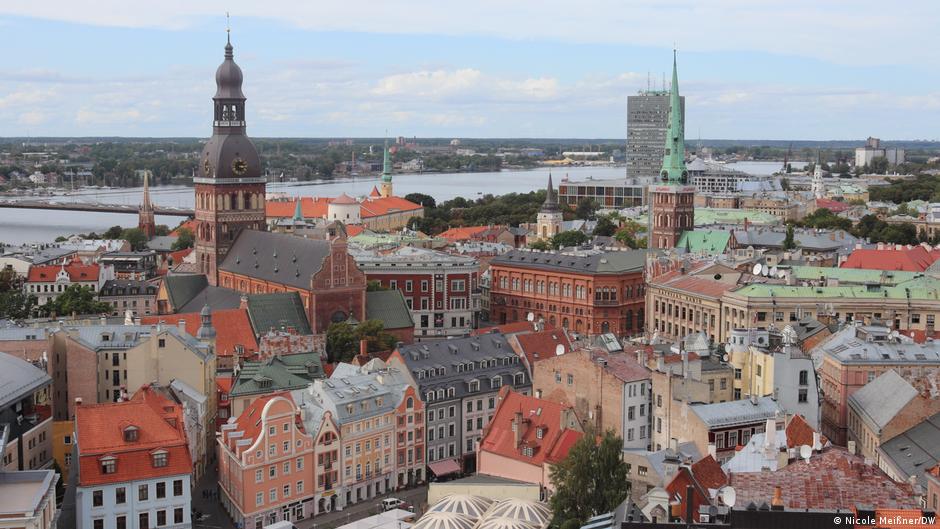
Latvia has publicly listed 170 companies trading with Russia and Belarus amid the Ukraine war, aiming to increase transparency and influence economic behavior.

President Trump announces a comprehensive economic war against Iran, threatening massive sanctions on countries supporting Tehran amid escalating regional tensions.

President Trump plans to declare the Strait of Hormuz US territory, signaling prolonged military presence and escalating tensions with Iran over this vital oil transit route.

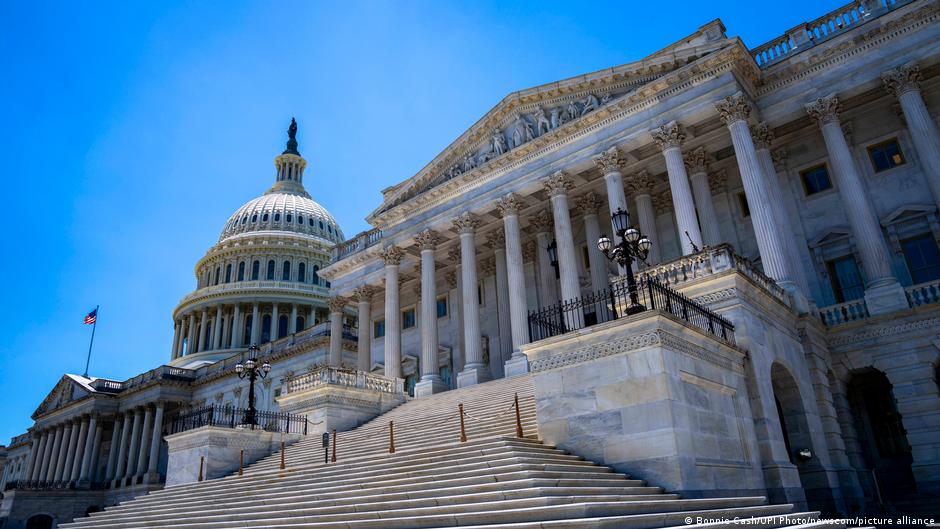
The U.S. Senate advances the Graham Sanctions bill to impose steep tariffs on Russia and its energy partners, signaling a strategic intensification of economic pressure.

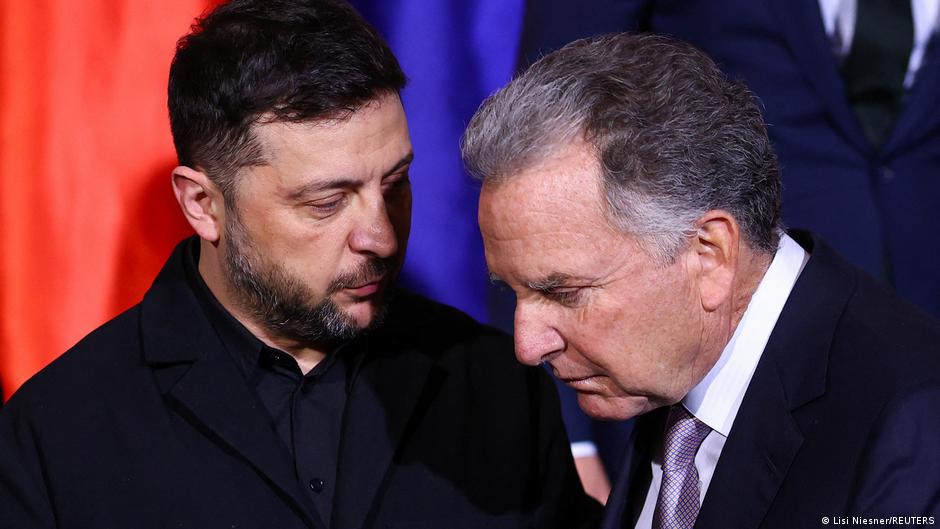
President Zelensky’s Washington visit coincides with a Senate vote on expanded sanctions against Russia, encompassing broader Middle East implications and diplomatic efforts.

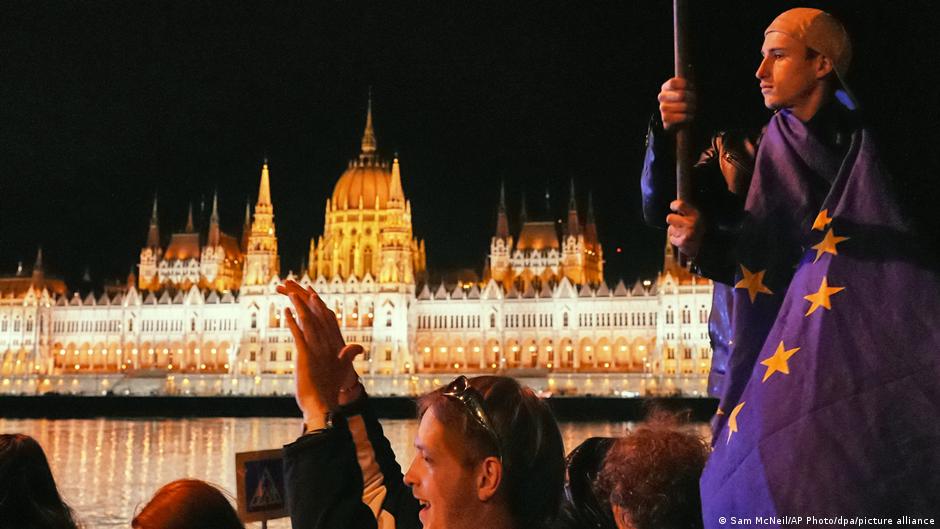
Hungary blocks Ukraine’s EU accession talks on key economic chapters, citing concerns over Western Balkans' accession timing and signaling challenges for Ukraine’s integration.

Darline Graham Norton has been appointed to her late brother Lindsey Graham's Senate seat to protect the fragile Republican majority and continue his policy legacy until 2027.

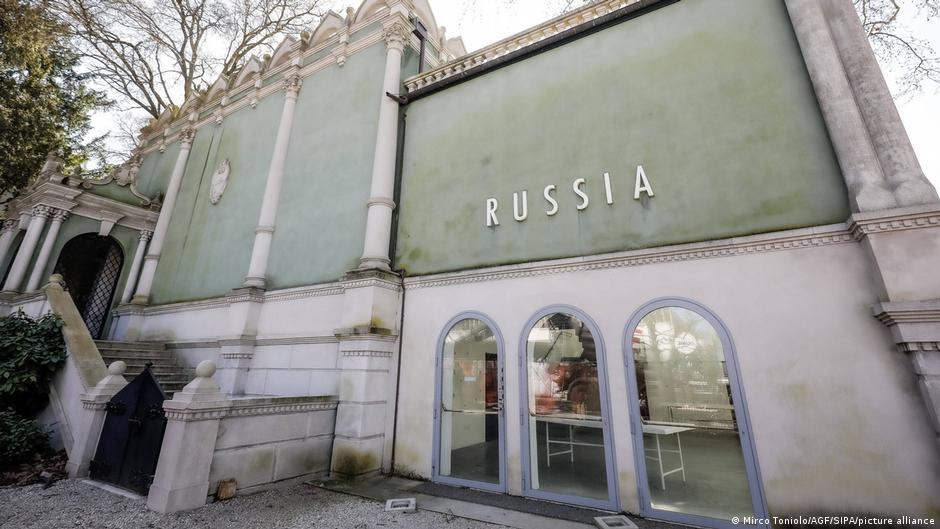
The EU recommends withdrawing €2 million funding from the Venice Biennale due to Russia’s participation, raising concerns about democratic values and sanction compliance amid geopolitical tensions.

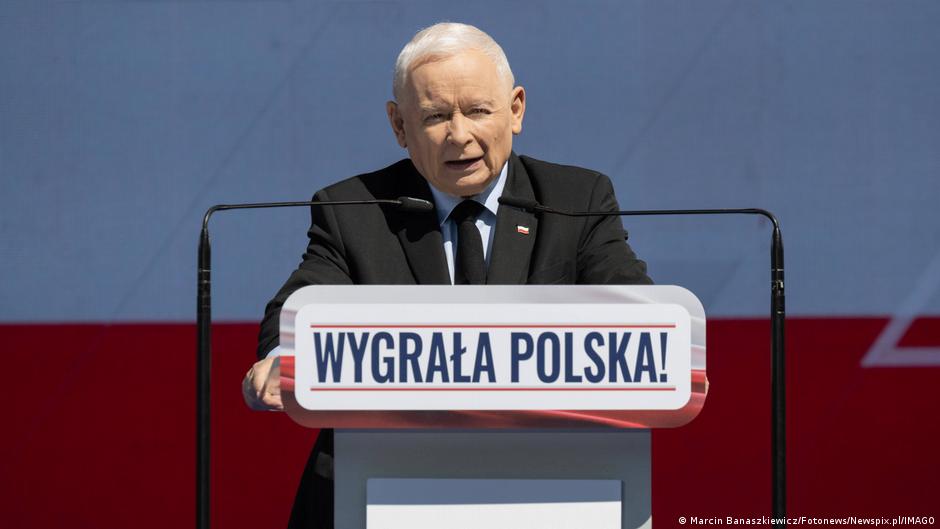
Polish opposition leader Jarosław Kaczyński calls to block Ukraine’s EU accession amid historical disputes and economic concerns, highlighting growing tensions ahead of Poland’s 2027 elections.

Former US President Trump praises Zelensky's resilience amid the Russia-Ukraine conflict, signaling shifts in US foreign policy and highlighting economic and geopolitical complexities.

The US Senate voted 50-48 in favor of a resolution urging troop withdrawal from Iran conflict zones, signaling growing congressional concern despite the resolution's symbolic nature.

The US targets five Cuban state enterprises controlling 40% of GDP, intensifying economic sanctions amid historic political tensions and legal claims over nationalized assets.

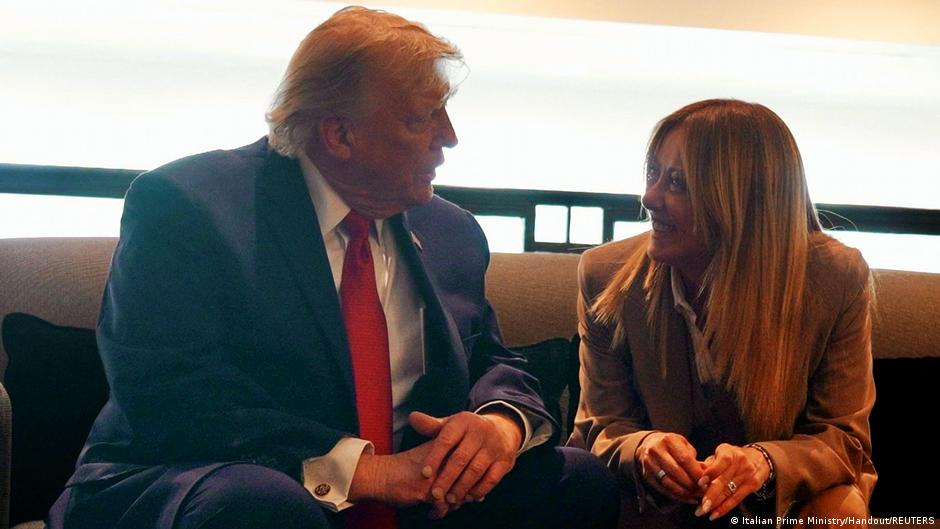
Italy's Foreign Minister cancels U.S. visit after Trump's disparaging remarks about PM Meloni, highlighting strains in transatlantic relations with economic and geopolitical implications.

US envoy Stephen Whitcoff travels to Switzerland for nuclear talks with Iran, delayed by ongoing Lebanon conflict and ceasefire demands, amid high economic and geopolitical stakes.

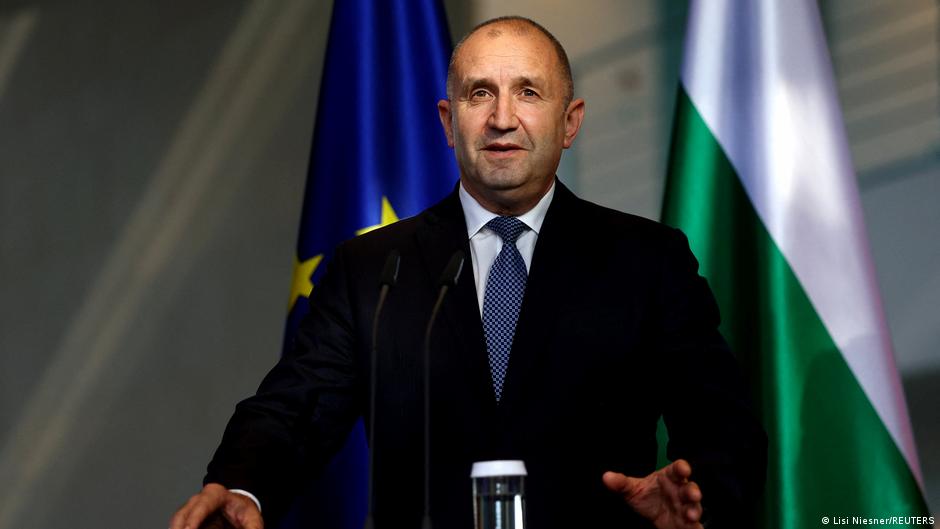
Bulgaria plans to veto the EU’s expanded sanctions on Russia, citing risks to its economy and opposing restrictions on the Russian Orthodox Patriarch.

Reports claim the UAE agreed to unfreeze billions of dollars in Iranian oil revenues to halt attacks, amid emerging US-Iran peace talks, though UAE denies these claims.

Ukrainian President Zelensky praises the active role of Trump’s special envoys in diplomacy aimed at ending the Russia-Ukraine war, amidst broader Western efforts to secure peace.

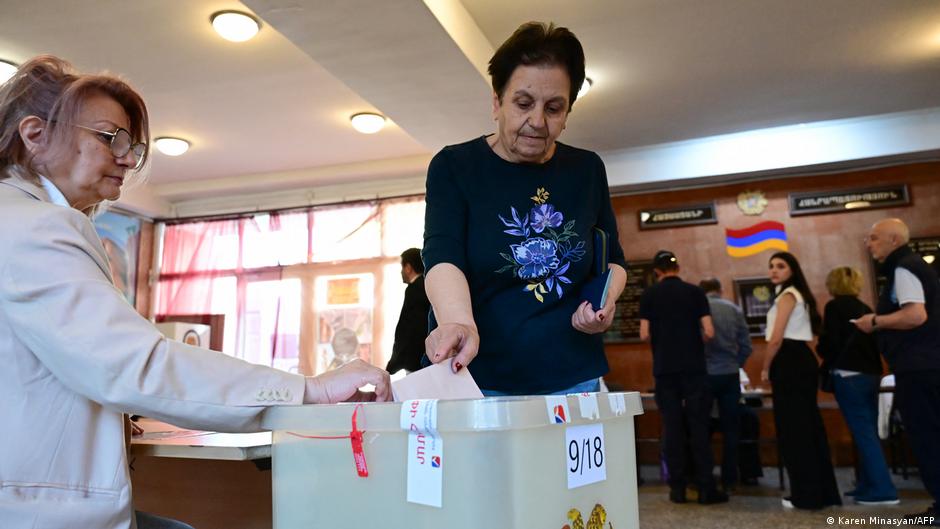
Armenia’s June 2025 parliamentary elections signal a strategic shift toward EU integration under Prime Minister Pashinyan, challenging traditional Russian influence and impacting the nation’s economic trajectory.

The US House approved a bill expanding military aid to Ukraine and increasing sanctions on Russia, pending Senate consent amid partisan debates and potential presidential veto.

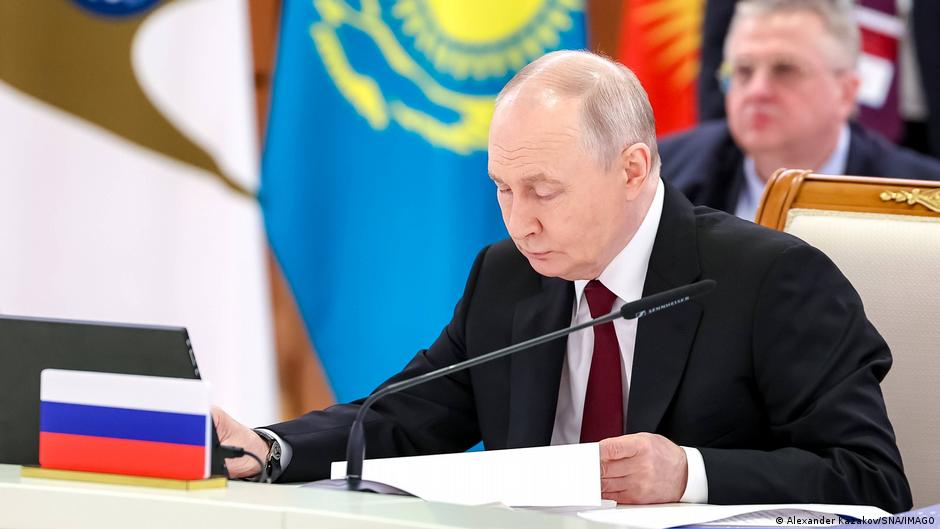
Russia warns Armenia of increased tariffs and economic restrictions if it leaves the Eurasian Economic Union amid rising geopolitical tensions and EU rapprochement.

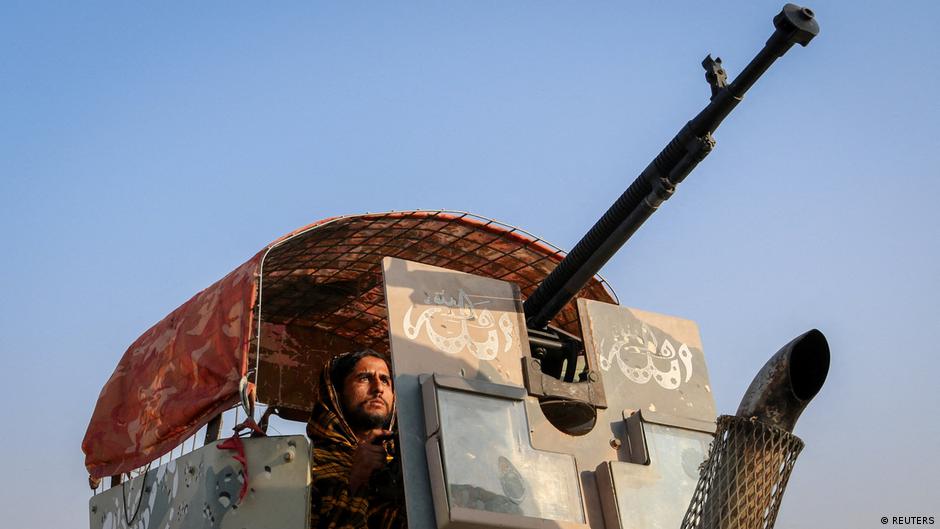
Russia and the Taliban signed a military-technical cooperation agreement that may enable arms transfers and reshape regional security and economic dynamics.

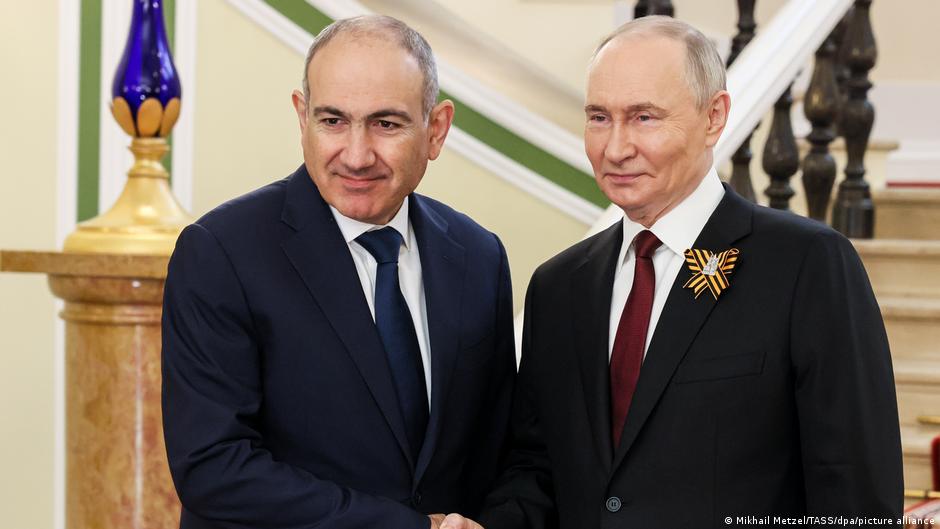
Russia threatens to suspend duty-free gas supplies to Armenia due to its EU integration efforts, signaling major economic and geopolitical ramifications for the region.

The US Senate advances a resolution requiring presidential congressional approval for military actions against Iran, highlighting constitutional and economic challenges.

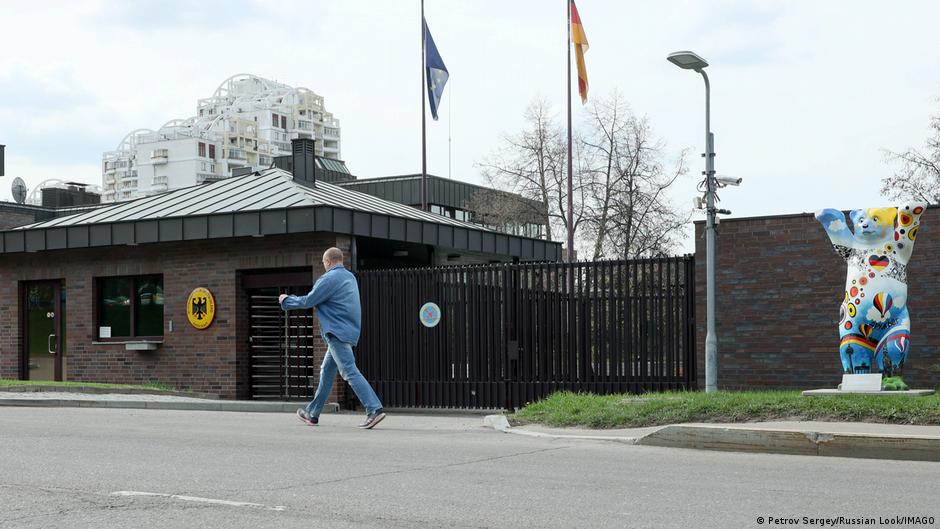
Russia has granted agrément to Clemens von Goetze to become Germany's new ambassador amid ongoing tensions following the Ukraine conflict.

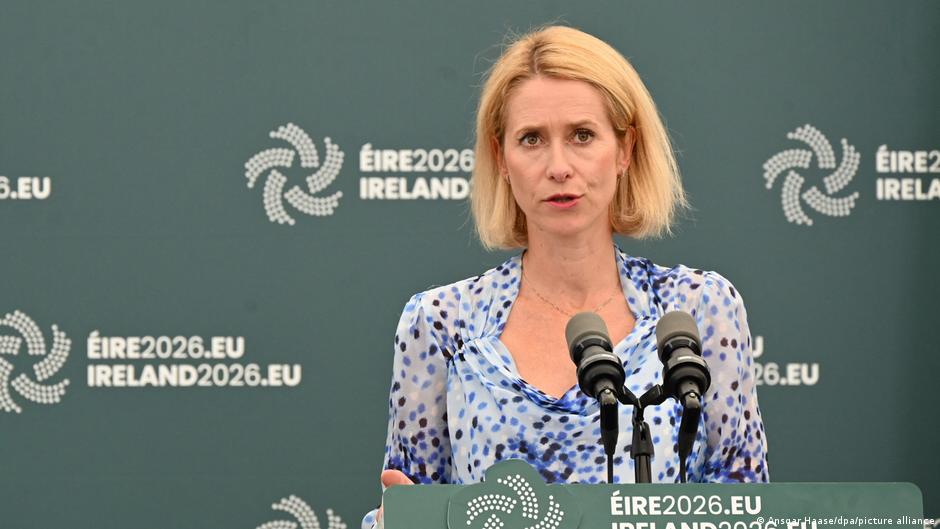
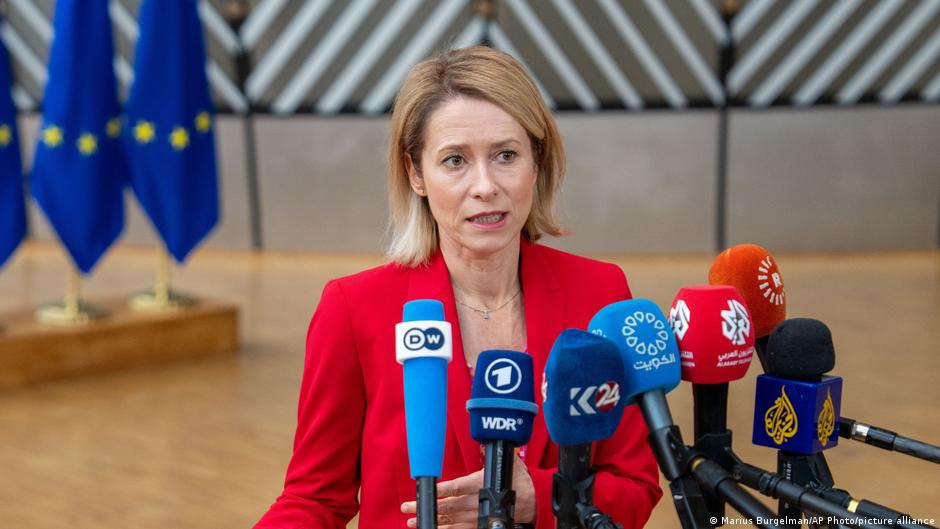
EU foreign policy chief Kaja Kallas warns that Russia, China, and the US employ divide-and-rule tactics to weaken the European Union’s unity and economic strength.

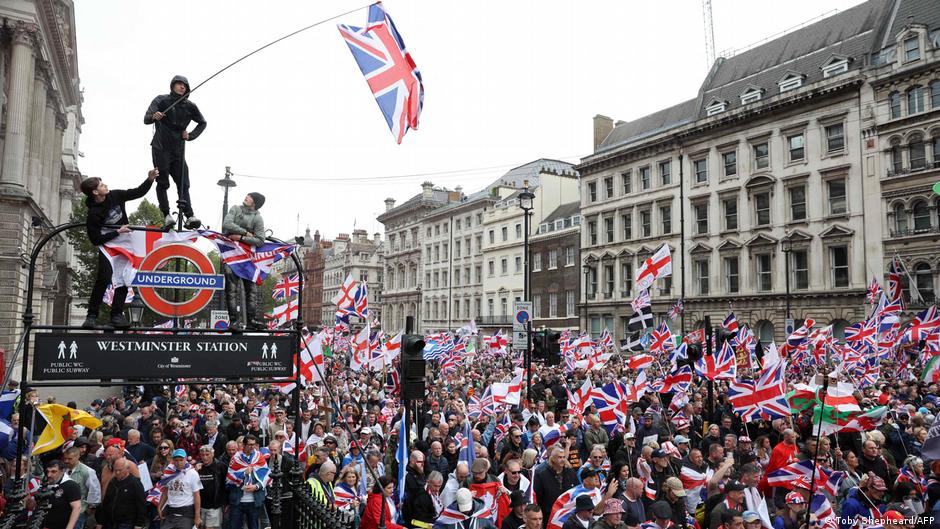
London hosted simultaneous rallies on migration and Palestinian Nakba memory, revealing deep societal divides and prompting a significant police presence.

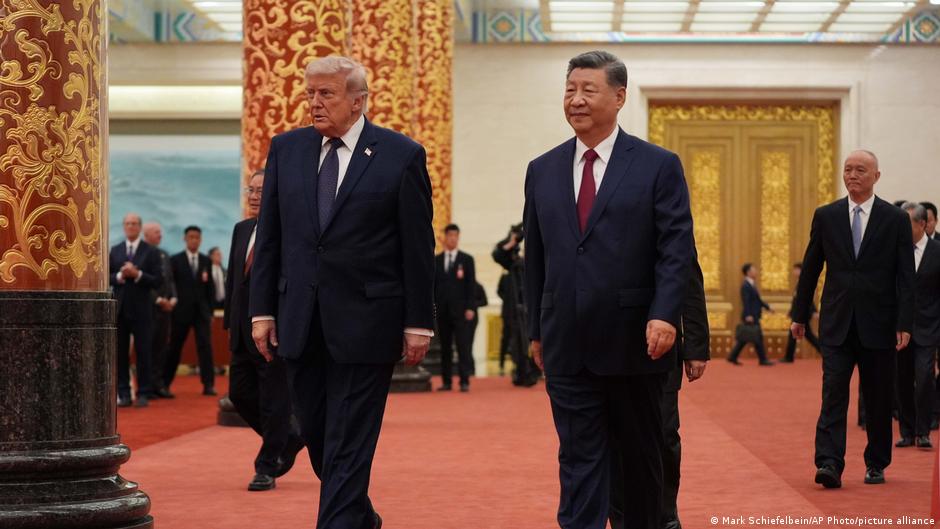
Following high-level talks, China signals renewed interest in purchasing U.S. oil and soybeans, highlighting evolving trade ties and potential geopolitical shifts involving Iran.

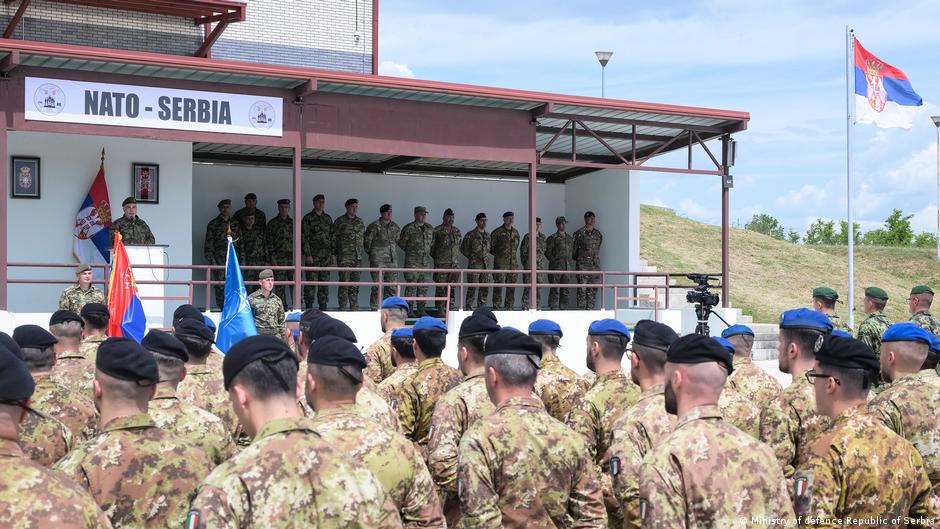
Serbia holds its first joint military exercises with NATO under the Partnership for Peace program, balancing military neutrality and regional geopolitical complexities.

US considers relocating 5,000 troops from Germany to Poland amid strategic and political shifts, impacting NATO dynamics and regional security architecture.

US President Trump announced significant progress in talks with Iran, with a potential deal to end years of conflict over Iran's nuclear program and sanctions.

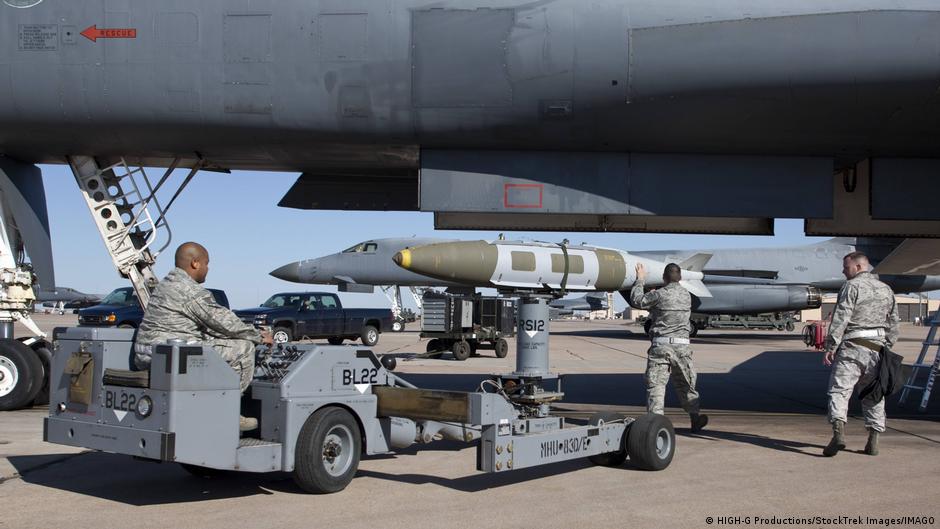
The US State Department approved a $373.6M sale of JDAM-ER kits to Ukraine, enhancing bomb range and accuracy amid operational challenges and strategic economic implications.

Germany is fast-tracking its own long-range missile development following the U.S. refusal to station Tomahawk missiles, aiming to counter Russian Iskander threats and bolster European deterrence.

President Trump announces a major US troop withdrawal from Germany, risking shifts in NATO dynamics and impacting European security and economic landscapes.

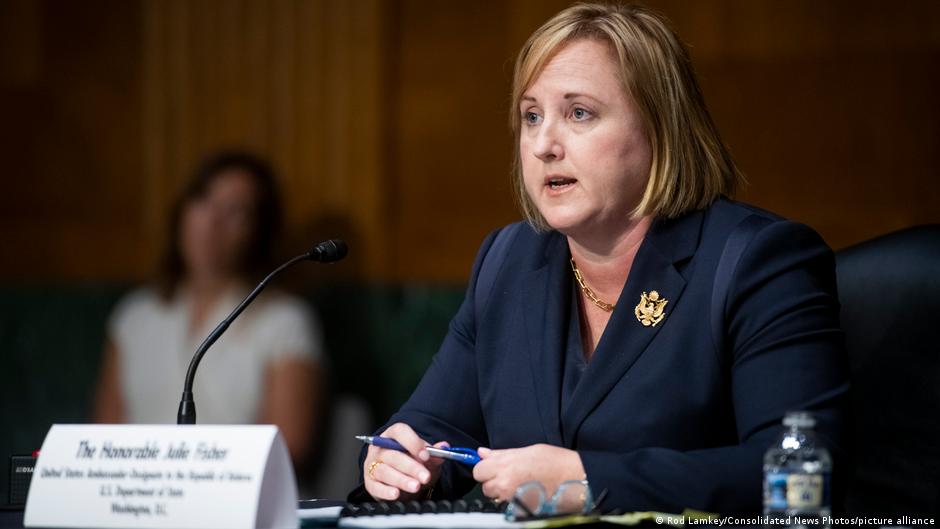
Julie Davis plans to leave her post as US Chargé d’Affaires in Ukraine amid administration disagreements, reflecting broader shifts in Washington’s policy and impacting regional stability.

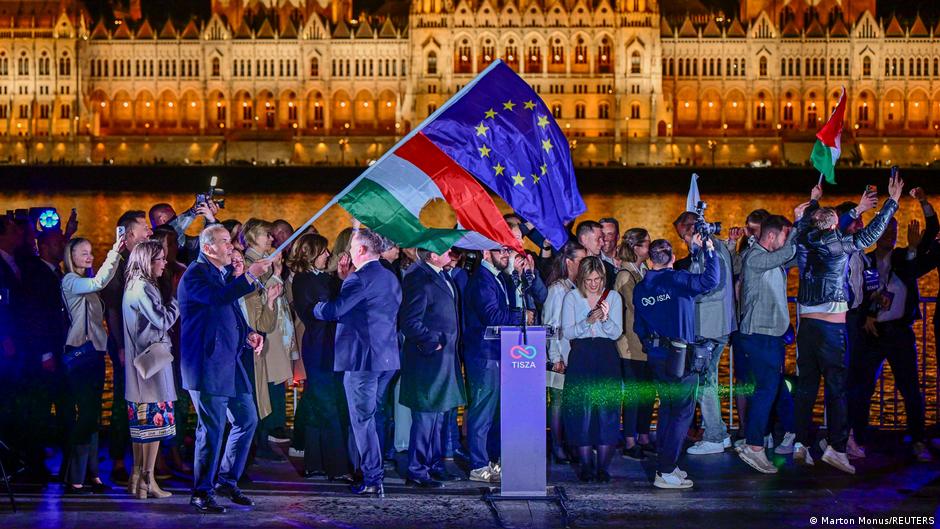
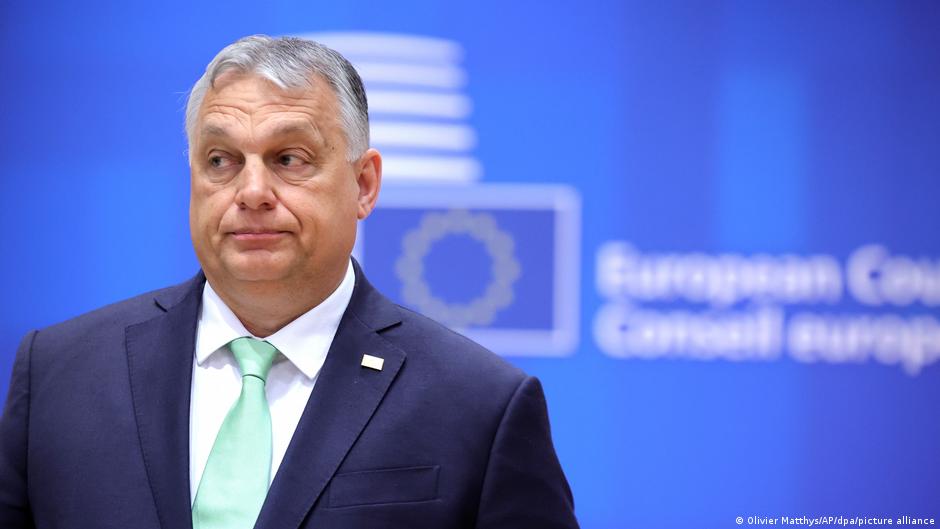
Hungary's new government initiates talks to lift the EU’s freeze on €35 billion in funds withheld over democratic concerns under Orban’s administration.

Viktor Orban declines his parliamentary mandate after electoral defeat, signaling a strategic shift as Hungary's new government under Peter Magyar prepares to take office.

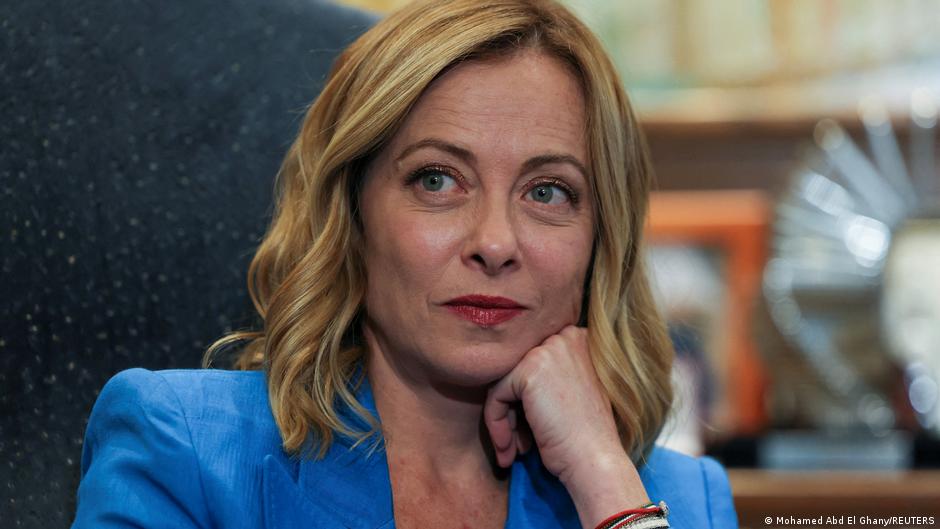
Italian PM Giorgia Meloni condemns Russian propaganda following insults by Vladimir Solovyov, highlighting Italy's sovereign foreign policy stance amid diplomatic tensions.

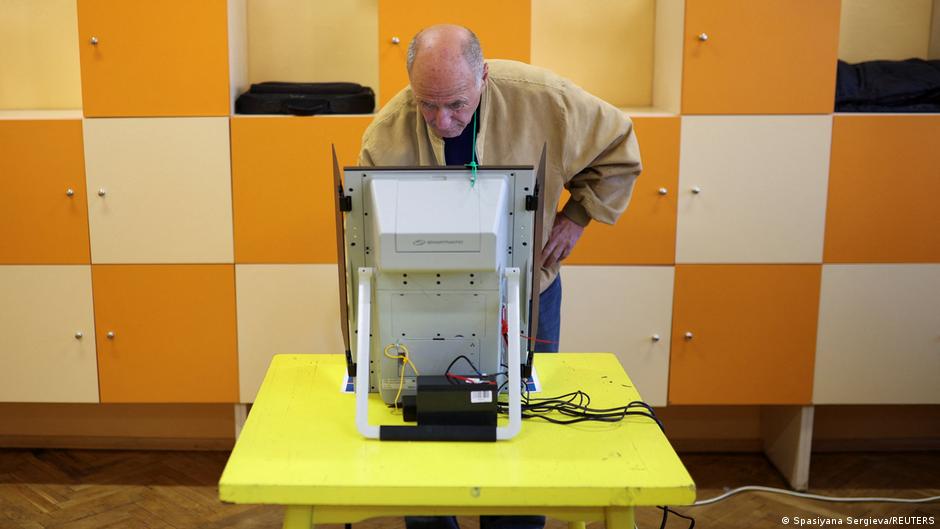
Former President Rumen Radev’s coalition leads Bulgaria’s parliamentary elections, reflecting widespread demand for anti-corruption reforms and institutional change amid political instability.

Lithuania and Latvia deny airspace access to Slovak Prime Minister Robert Fico en route to Moscow’s May 9 Victory Day events, illustrating ongoing EU-Russia tensions.

US President Trump rejects NATO's offer to assist in securing the Strait of Hormuz, while Europe plans a peaceful multinational mission amid ongoing Middle East tensions.

Pope Leo XIV sharply criticized leaders exploiting religion for war and profit during his African tour, urging peace amid geopolitical and economic tensions.

The US Senate rejected a Democratic-led resolution to end military actions against Iran, reflecting ongoing disputes over presidential war powers and congressional authority.

Germany authorized arms exports worth millions to Israel during the US-Israel-Iran conflict, highlighting tensions between export restrictions and geopolitical strategy.