Business
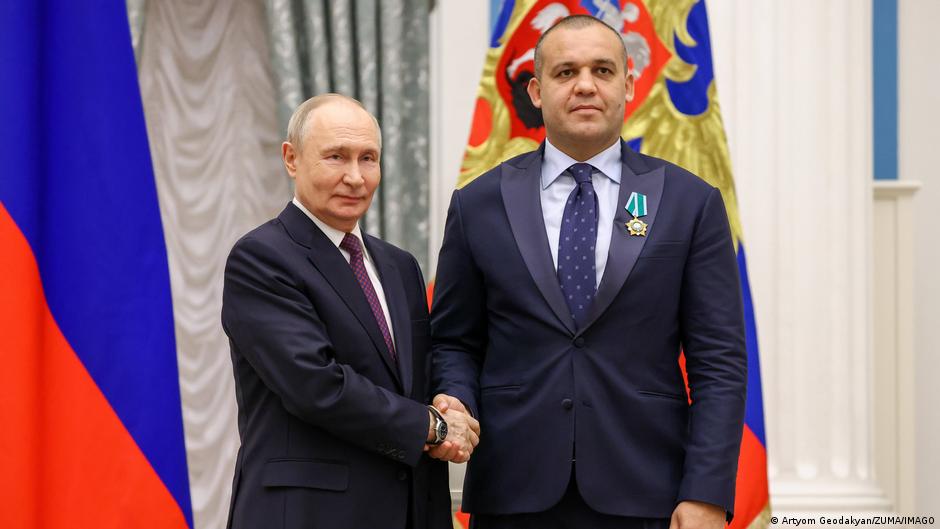
Kremlev Says Donald Trump Jr. Repaid Wedding-Event Costs
Umar Kremlev says Donald Trump Jr. repaid wedding-event costs, but the episode keeps scrutiny on political access and private finance.
By Editorial Team — October 7, 2026
Umar Kremlev says Donald Trump Jr. repaid wedding-event costs, but the episode keeps scrutiny on political access and private finance.
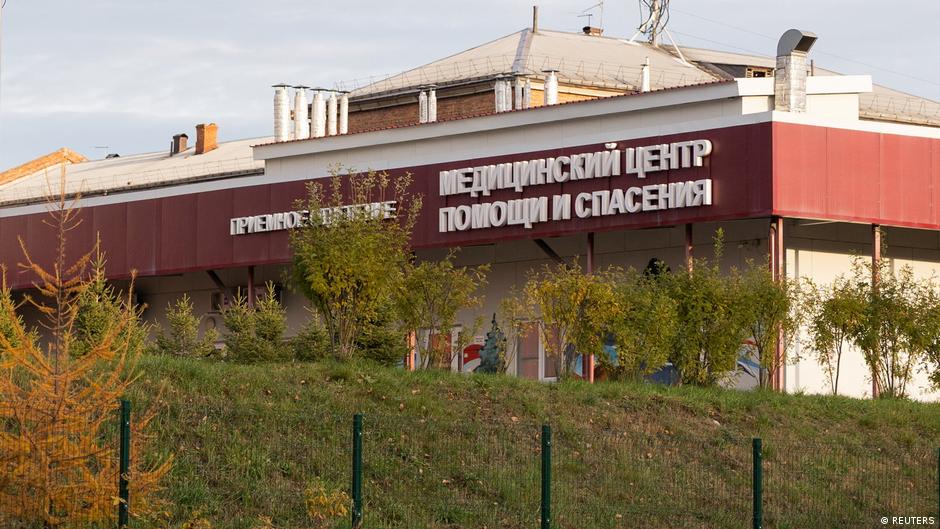
A reported possible plague-linked death in Irkutsk has prompted WHO inquiries, hospital quarantines and a planned Trump-Putin call.
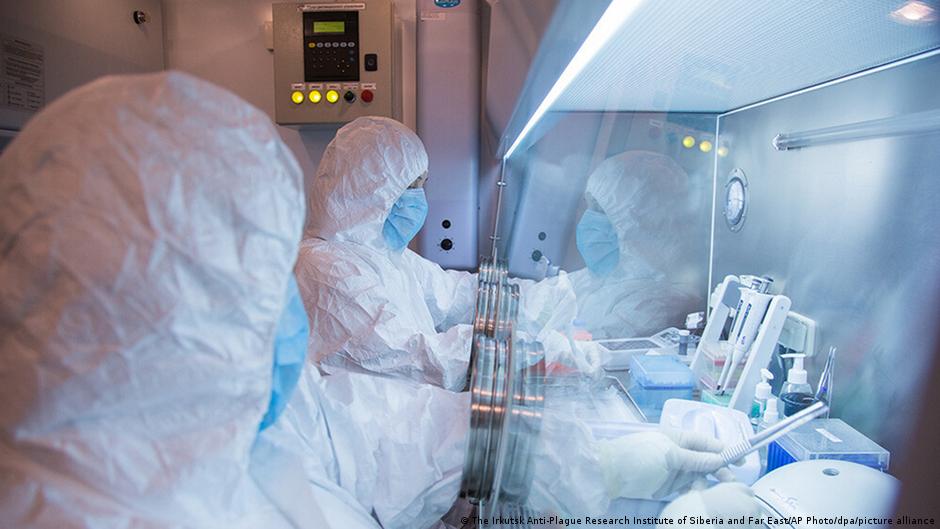
Trump said the U.S. is ready to help Russia as reports from Irkutsk raised public-health concerns and prompted border precautions in Central Asia.
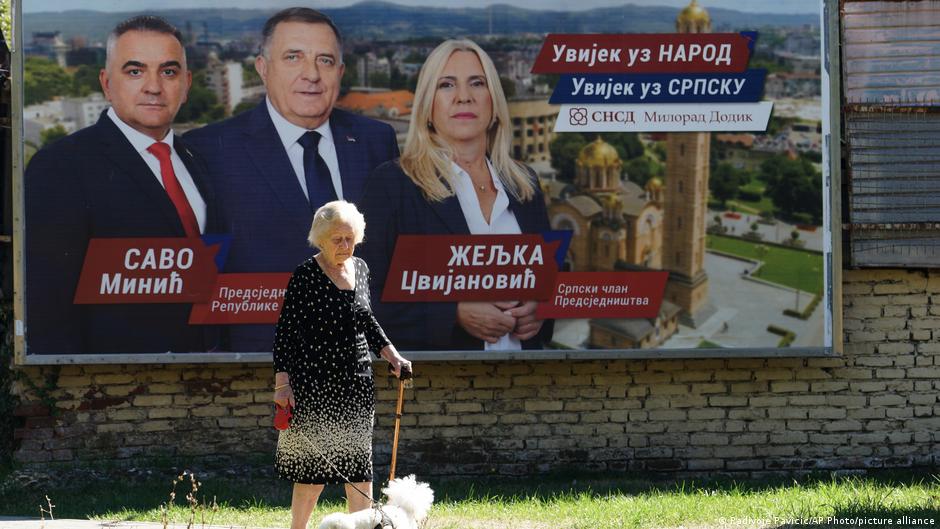
Ruling parties and Milorad Dodik’s allies prevailed in Bosnia’s elections, reinforcing continuity within the country’s fragmented Dayton system.
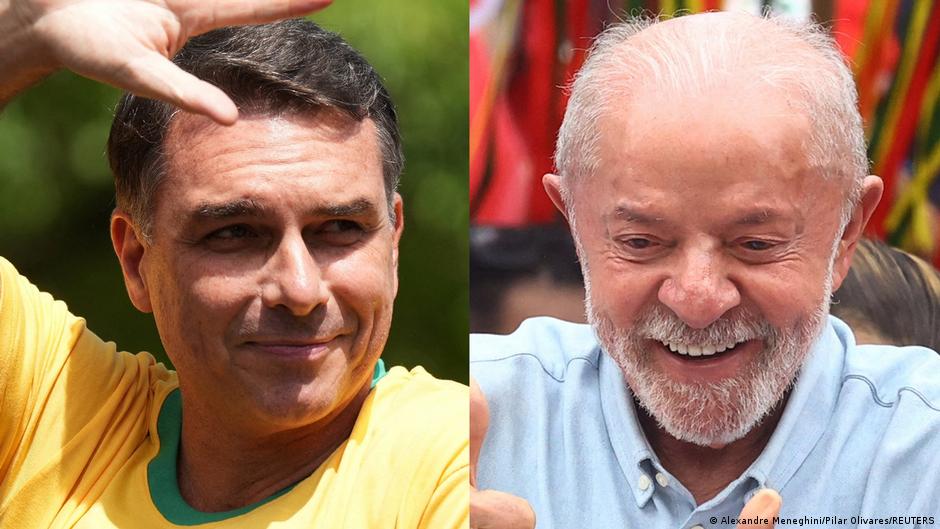
Brazil’s presidential race heads to an October 25 runoff after Flavio Bolsonaro led Lula da Silva in the first round with 47.03 percent.
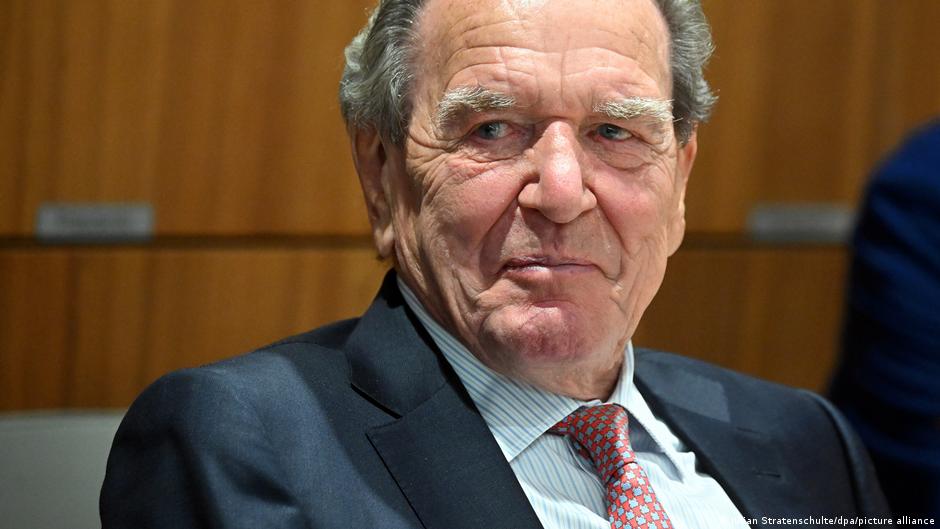
Gerhard Schröder’s new Hyperglobus role has reignited German debate over Russia exposure, political access and corporate risk.
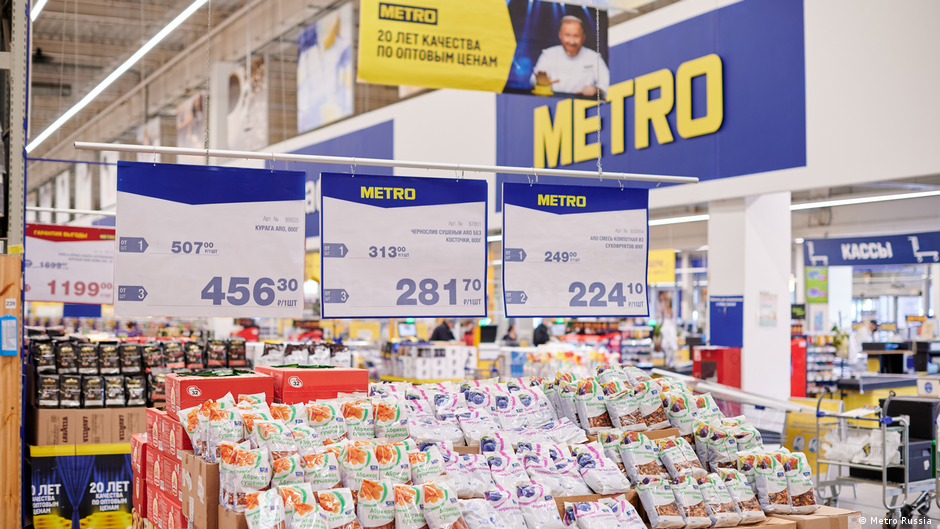
Foreign retailers in Russia face temporary administration, loss of control and political risk as assets linked to Auchan, Leroy Merlin, Metro and Globus come under pressure.
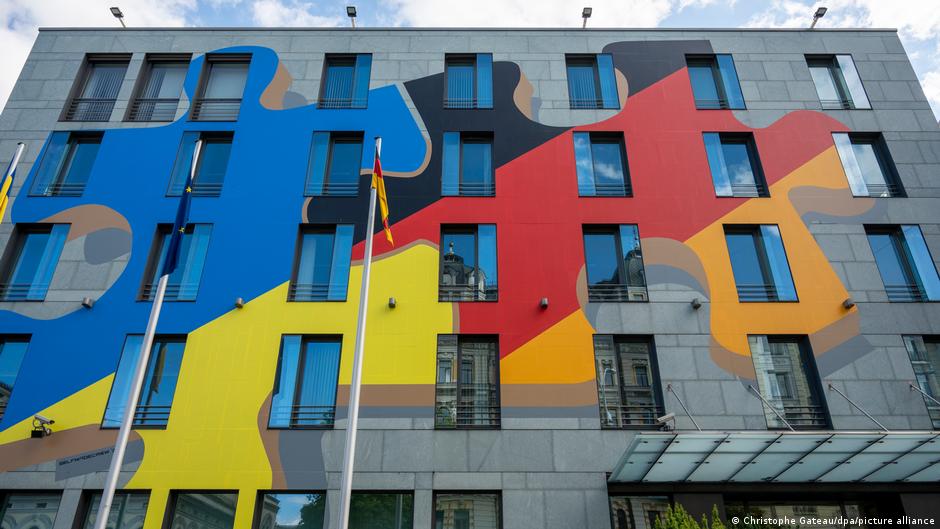
Western governments are preparing contingency plans to move embassies from Kyiv as Russian strikes intensify against Ukraine’s cities and energy system.
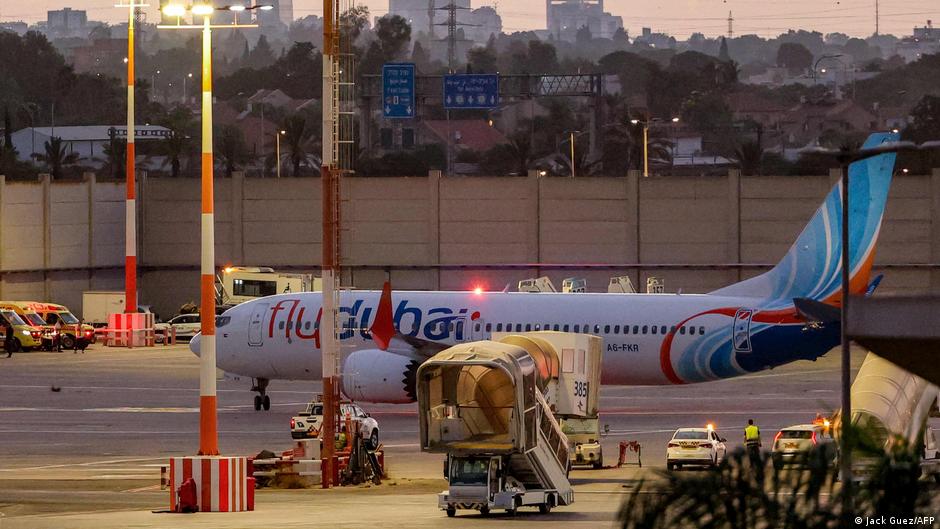
Flydubai’s Israel flight suspension turns a cockpit security incident into a test of Gulf-Israel aviation, diplomacy and economic connectivity.
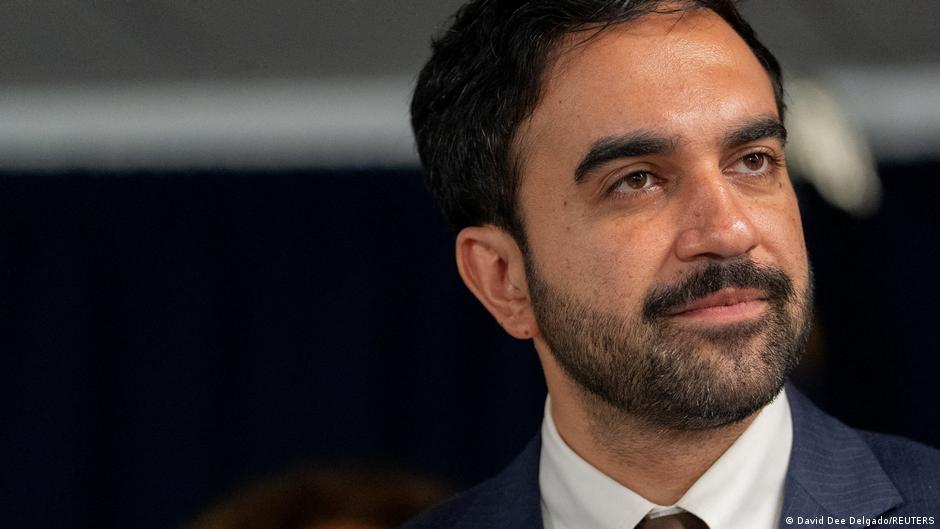
New York Mayor Zohran Mamdani raised hate-crime funding to $29 million in a broad plan targeting antisemitism and Jewish institutional security.
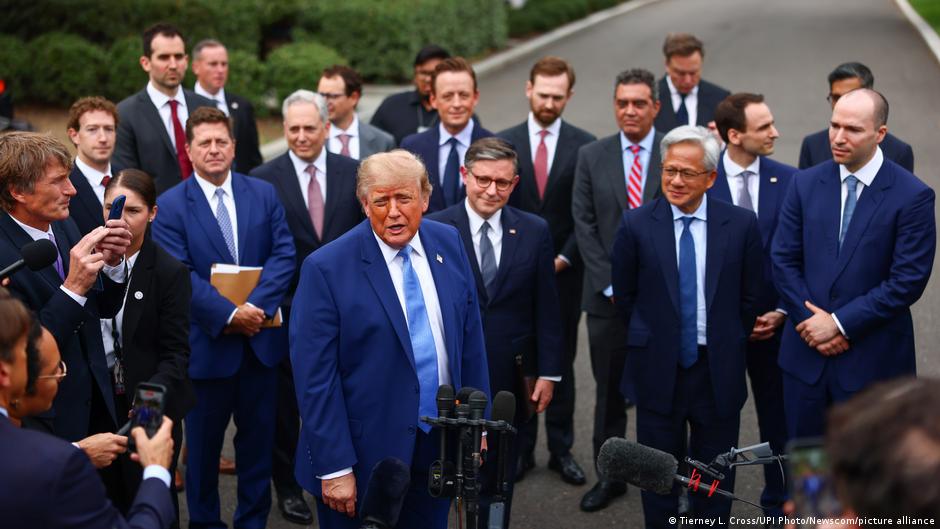
Trump’s AI pact relies on voluntary company oversight, raising questions about safety, competition and America’s race with China.
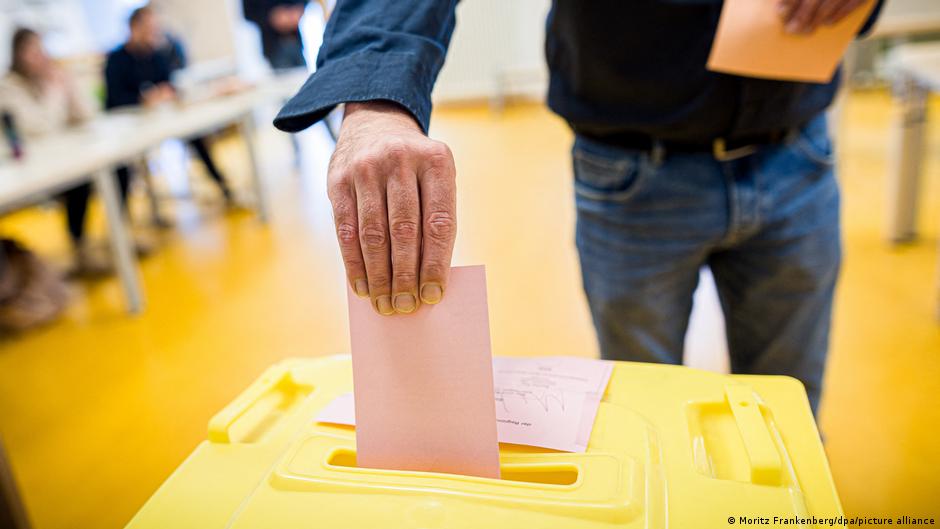
Lower Saxony’s runoffs strengthened Green urban leadership and showed the AfD’s difficulty converting first-round support into executive power.
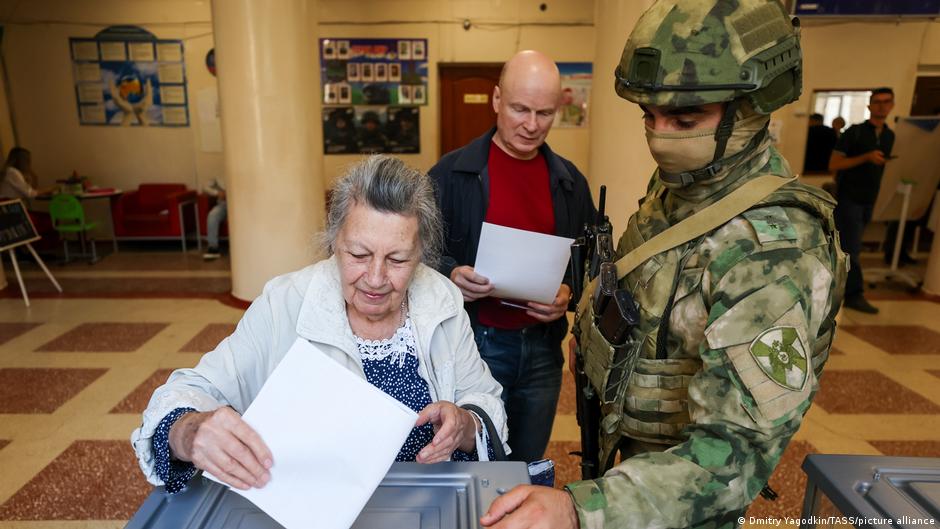
Kyiv sanctioned 44 people tied to Russia’s Duma vote in occupied Ukrainian regions, targeting Moscow’s effort to normalize control.
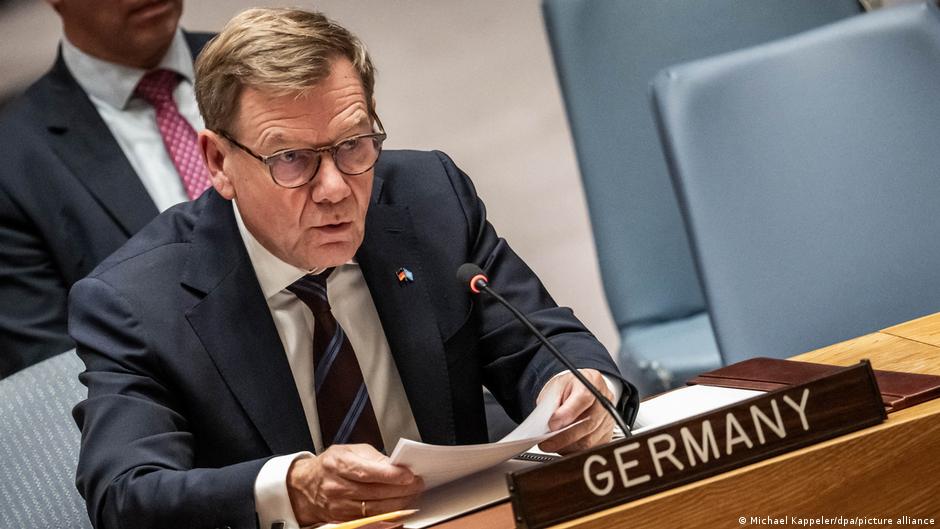
Germany says Putin’s possible G20 attendance should be judged by whether Russia first signals seriousness on Ukraine through a ceasefire.
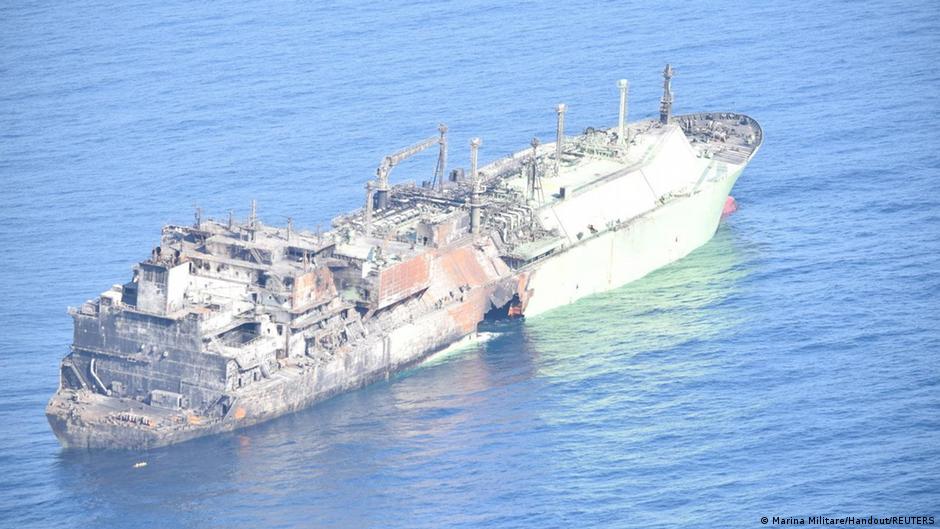
Russia’s ship registry grew 36% as sanctions pressure pushed shadow-fleet vessels toward Russian registration, CREA says.
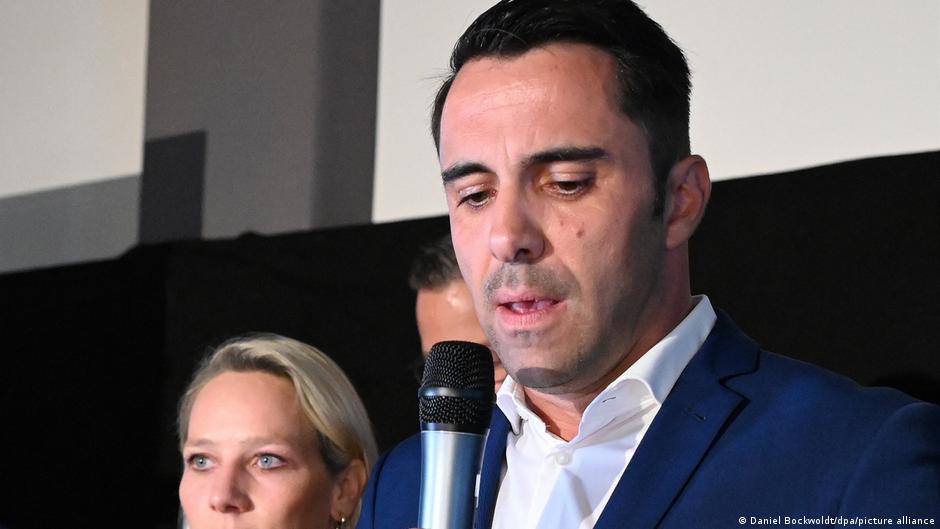
Daniel Peters resigned after the CDU won just 4.9% in Mecklenburg-Western Pomerania, missing a state parliament for the first time.
The discovery of 572 remains at Chemmani has revived Sri Lanka’s unresolved debate over wartime disappearances and accountability.
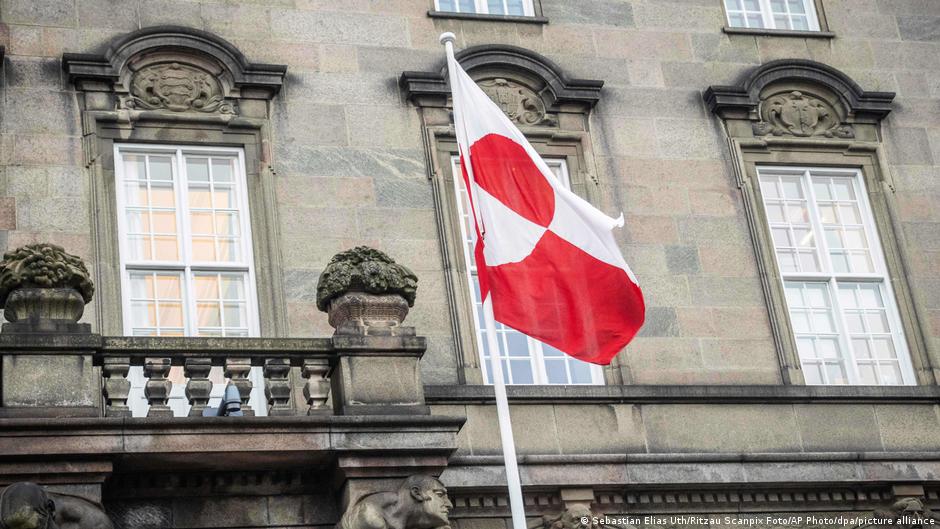
The Greenland arrangement could reshape Arctic security, investment screening and resource access while leaving key legal details unresolved.
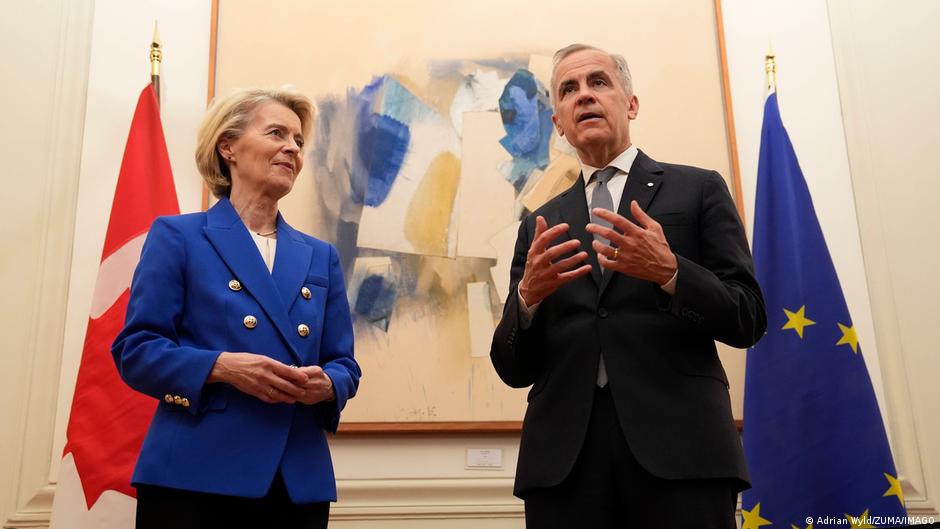
Canada is negotiating to join the EU’s €90 billion Ukraine loan as Ottawa seeks deeper European ties and less reliance on the U.S.
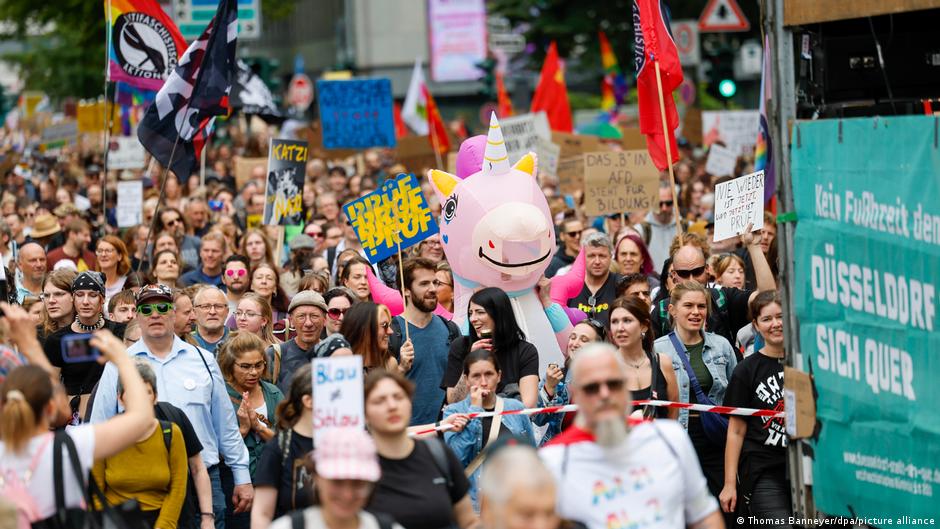
Mass protests across Germany against right-wing extremism show how the AfD debate is becoming an institutional and economic risk.

Russia is expected at G20 energy talks in Houston as wars, sanctions and Red Sea security risks complicate the economics of energy abundance.
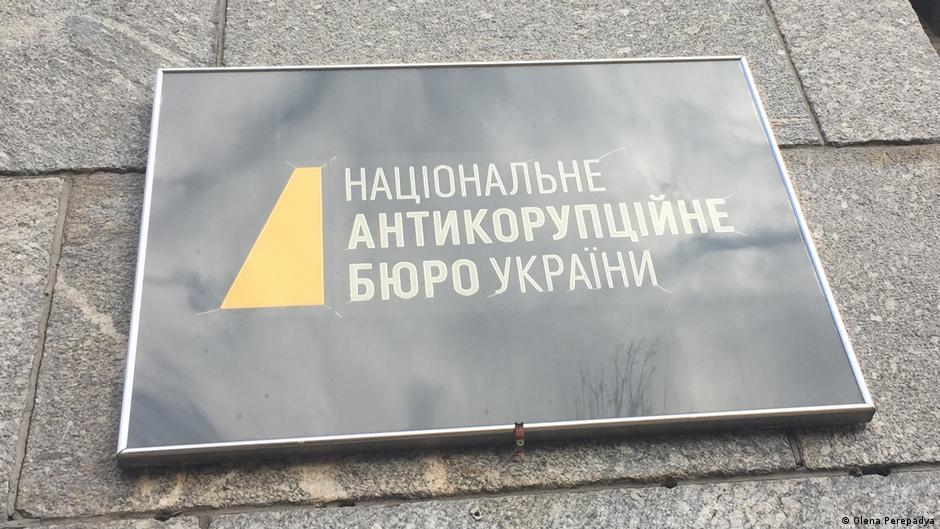
Ukraine’s anti-corruption raids point to a wider wartime economy of scam call centers, asset laundering and alleged official protection.
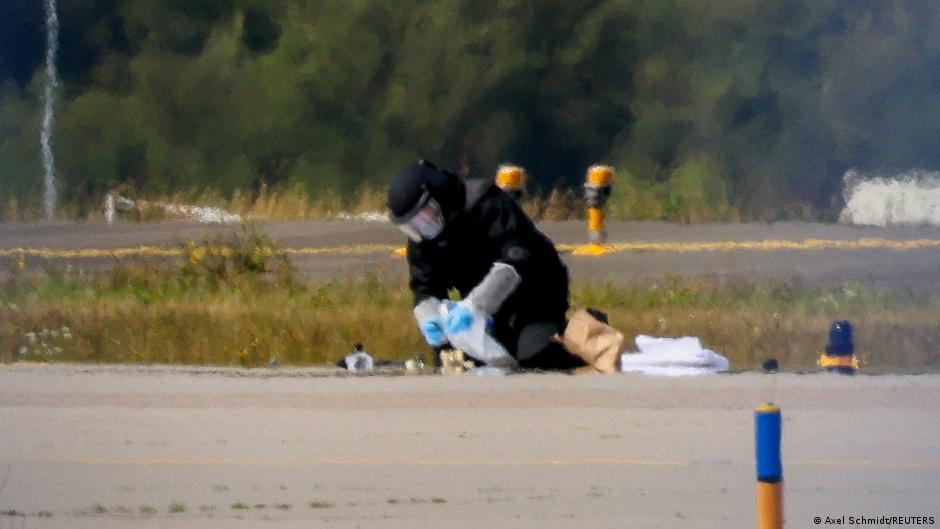
Latvia says a suspect in the Leipzig sabotage case had been living in Russia, deepening scrutiny of Europe’s logistics, visa and sanctions systems.
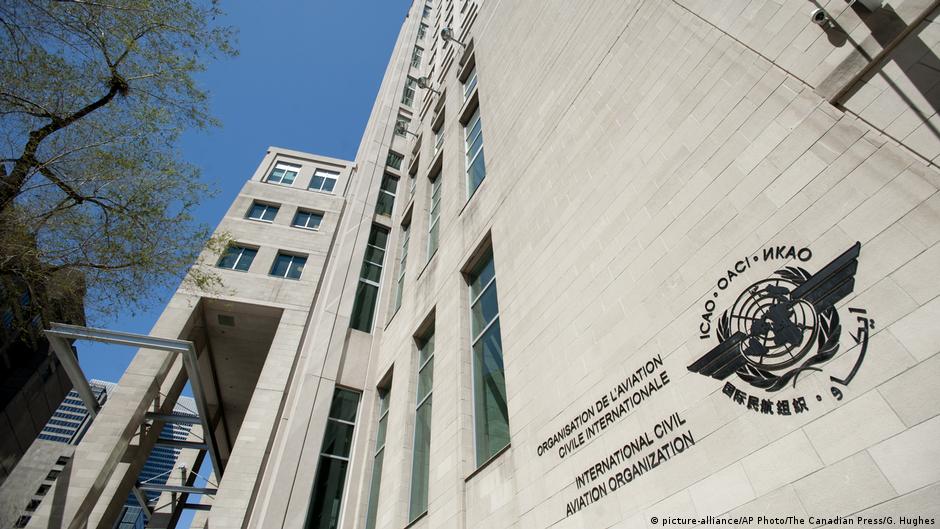
ICAO’s appeal after Ukraine’s warning over Russian airspace highlights how conflict risk is becoming a deeper structural cost for global aviation.
Foreign investment in Germany rose to 86 billion euros in 2025, with EU capital still dominant as US inflows fell and UK investment surged.
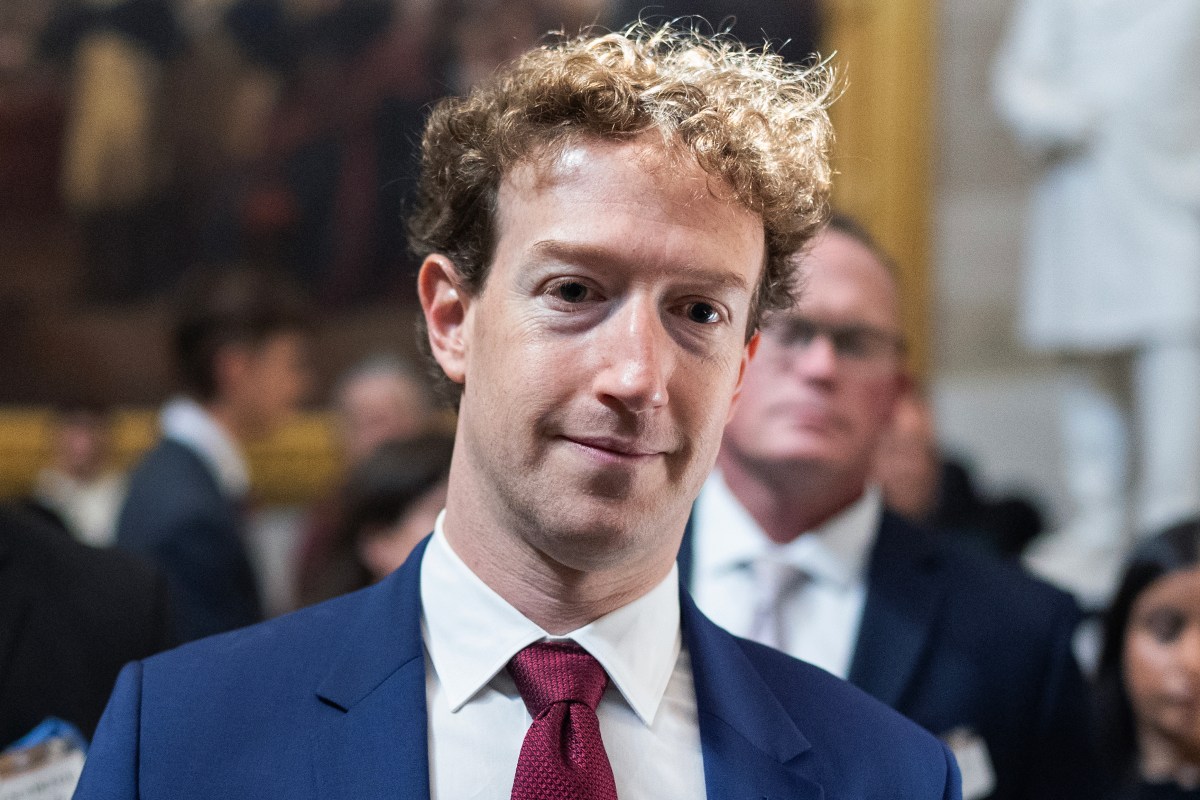
Meta’s $18 billion settlement mandates new child-safety rules reliant on flawed age-verification tech, raising privacy concerns and reshaping digital platform regulation.
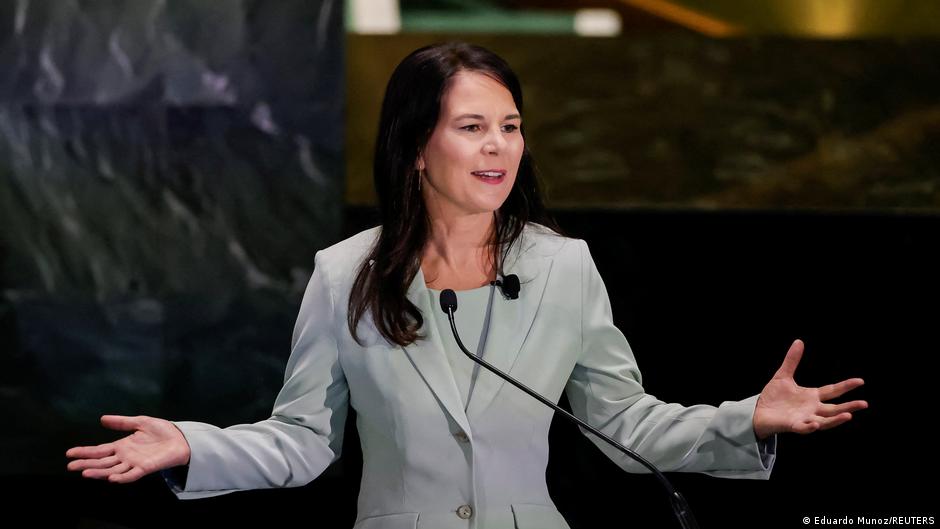
After concluding her UN General Assembly presidency, former German Foreign Minister Annalena Baerbock will join Columbia University as co-director of a global leadership master's program.
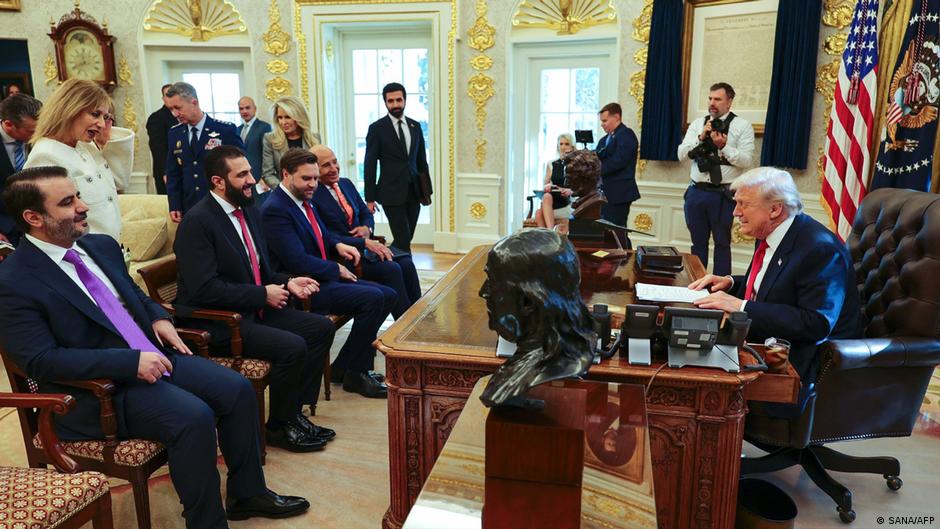
The U.S. has removed Syria from its terrorism sponsorship list after nearly 50 years, signaling new economic opportunities and shifting geopolitical dynamics in the Middle East.
On Ukraine's Independence Day, the EU recommits to sustained support and sanctions on Russia, highlighting long-term integration and regional stability amid ongoing conflict.
Serbia announces early parliamentary elections in October 2024 amid prolonged protests demanding anti-corruption reforms and political change.
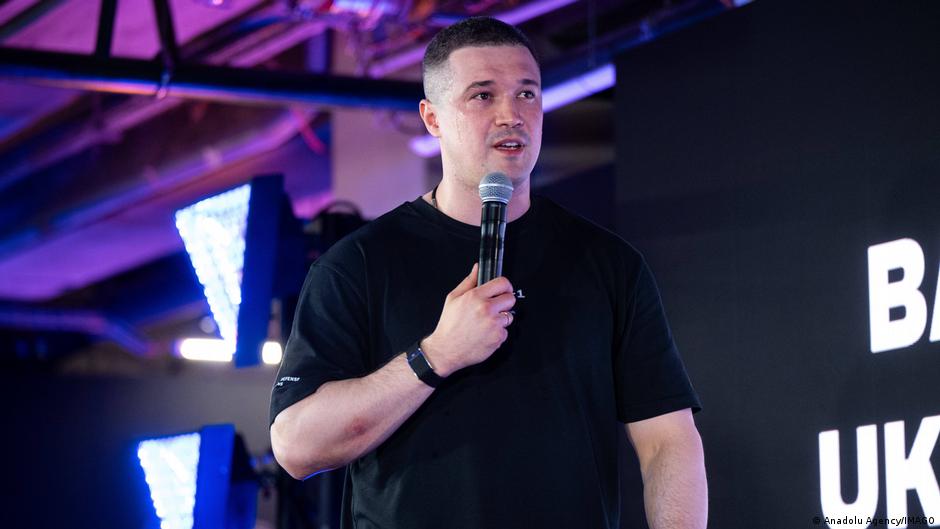
Former Ukrainian Defense Minister Mikhail Fedorov calls for legally secure elections during the ongoing war, emphasizing democracy must not be held hostage by conflict.
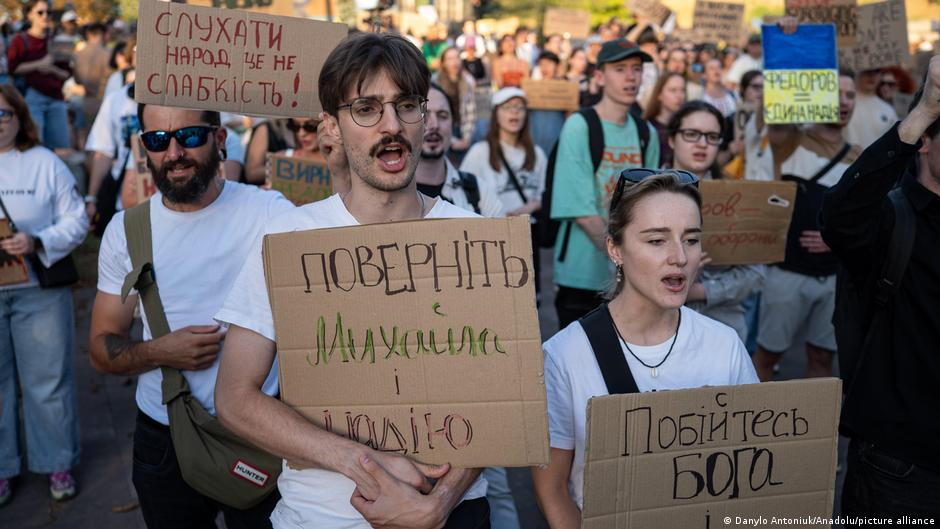
Protests in Kyiv and other cities demand reinstatement of Mykhailo Fedorov as defense minister, criticizing recent government appointments and calling for reform continuity amid governance challenges.
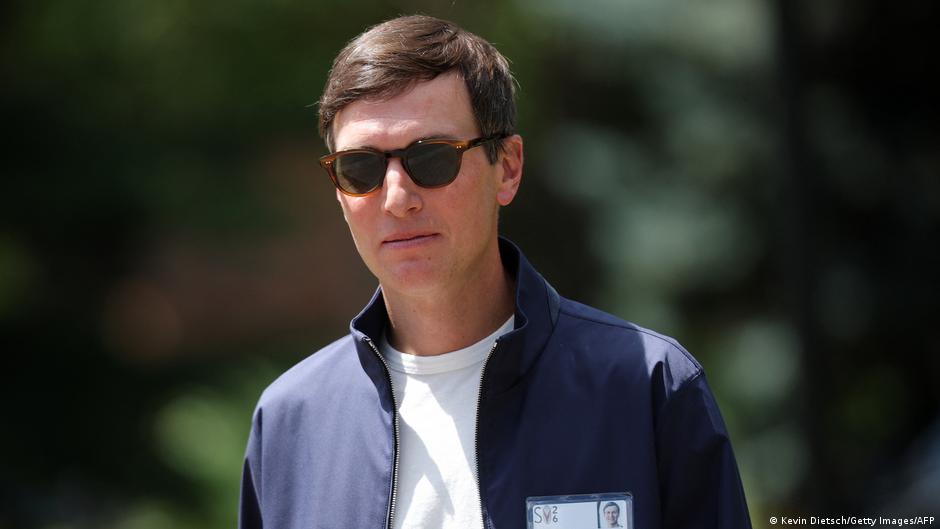
Jared Kushner’s talks with Hamas reveal the intricate challenges of disarmament and governance reforms essential for Gaza's fragile peace prospects.
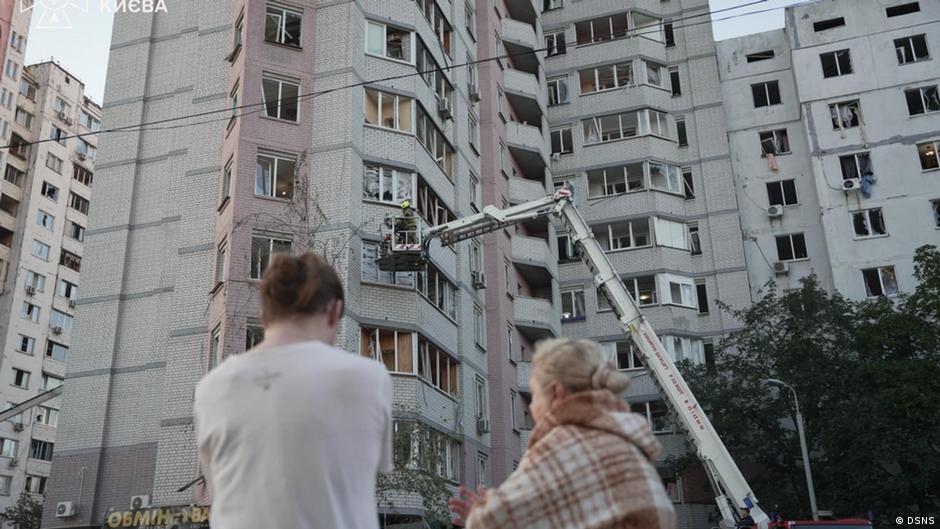
Russian missile and drone attacks on Kyiv and Kryvyi Rih resulted in casualties and industrial damage, highlighting significant economic disruption amid ongoing conflict.
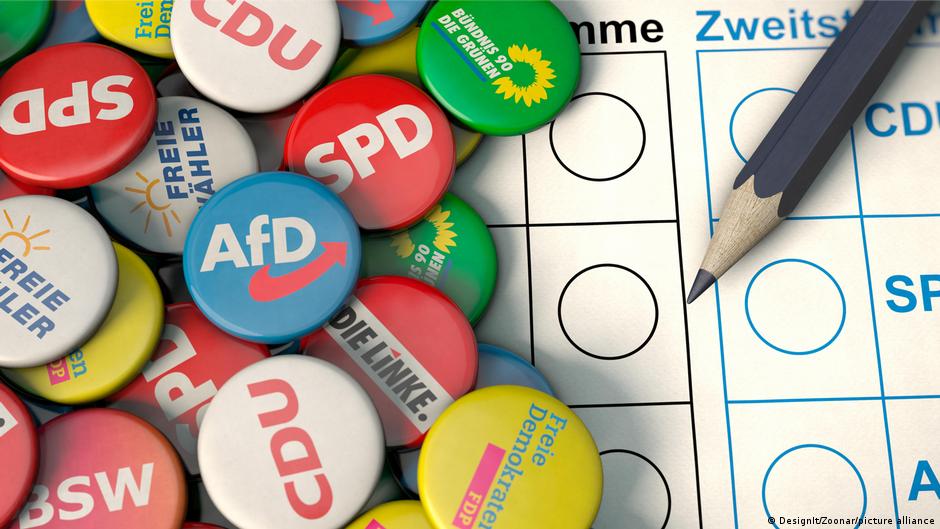
Germany’s CDU/CSU support falls to 20%, with far-right AfD leading polls ahead of key state elections, reflecting volatile voter behavior and shifting political allegiances.
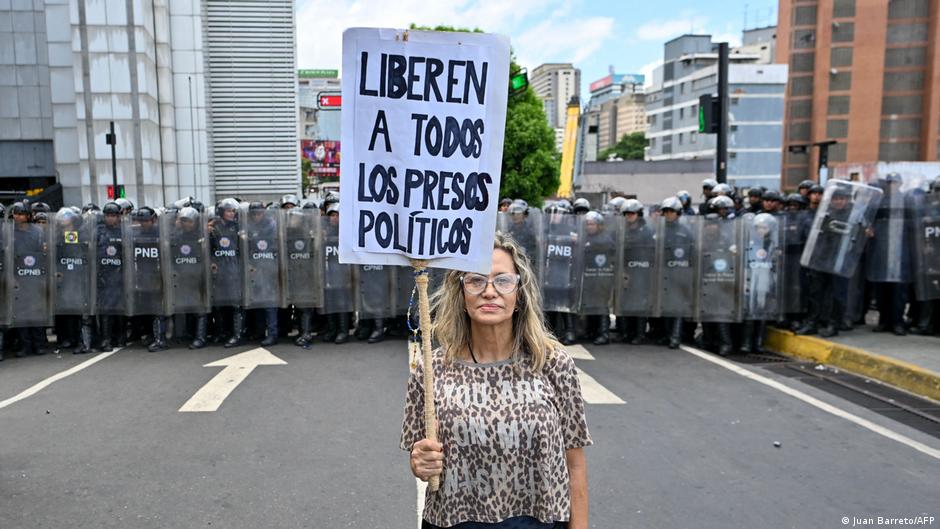
Venezuela released 131 political prisoners after initial reconciliation talks, agreeing also on judicial reforms amid ongoing economic and political challenges.
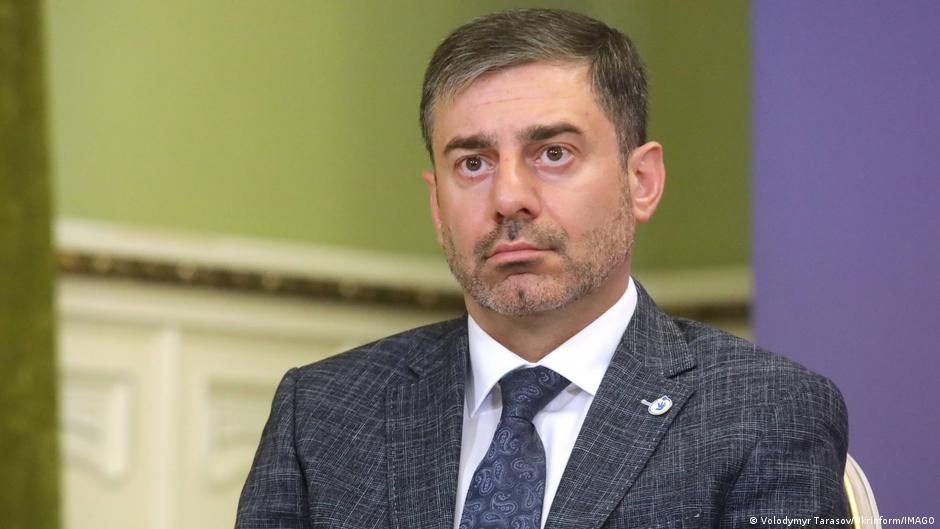
Reports reveal at least 345 executed Ukrainian POWs and widespread torture, highlighting severe war crimes with significant legal and economic consequences amid ongoing conflict.
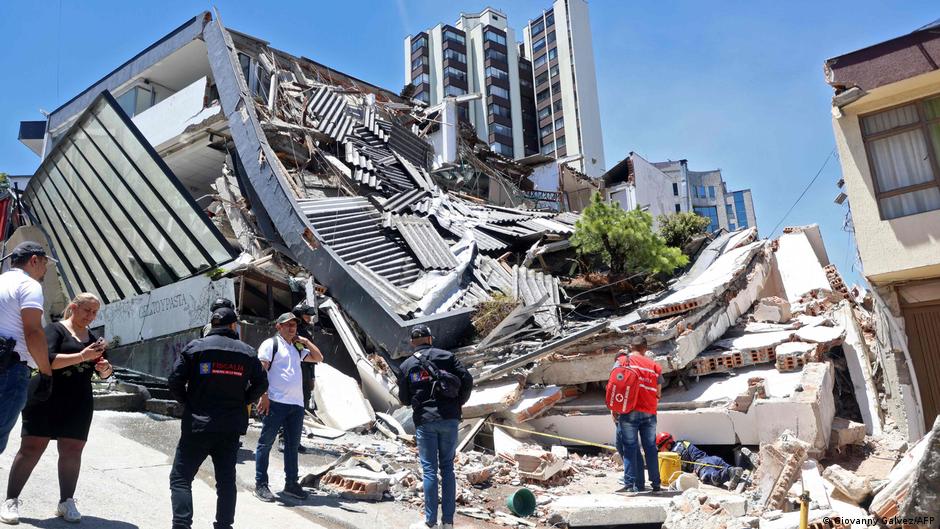
Colombia’s recent 7.4 magnitude earthquake has caused significant loss of life and widespread infrastructure damage, challenging the country’s economic stability and disaster preparedness.
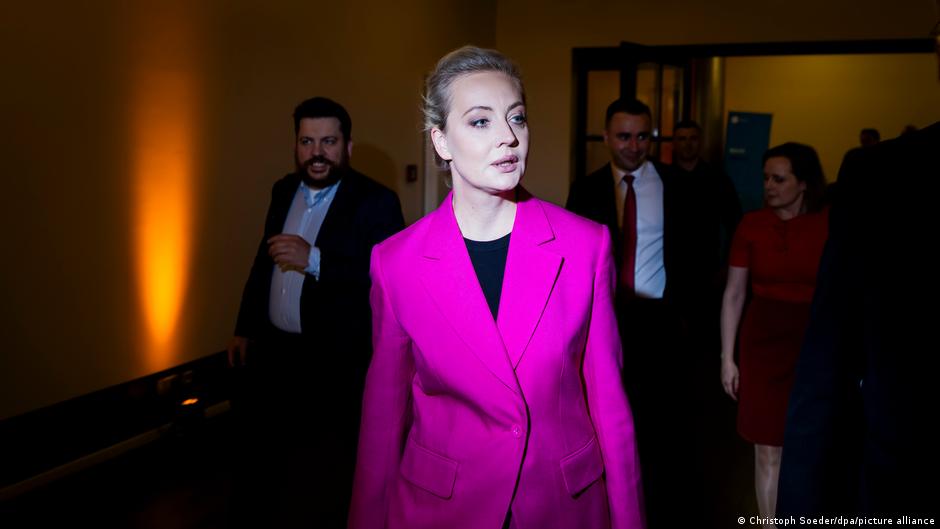
Russia's Prosecutor General has declared the American Human Rights Foundation "undesirable" due to its critical projects and leadership changes in 2024.
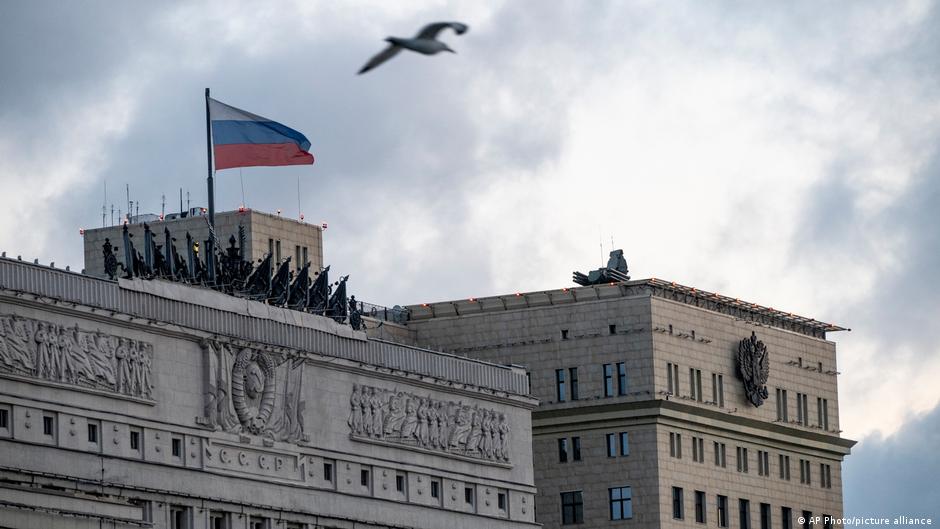
Lieutenant General Igor Yerusalimov’s death following a Moscow explosion exposes critical security challenges and internal vulnerabilities within Russia’s military leadership.
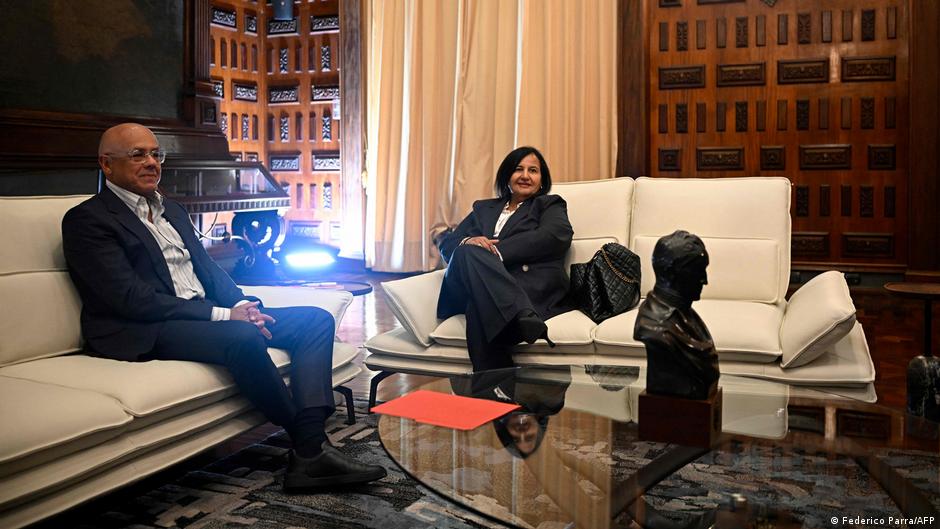
Venezuela’s government and opposition will engage in direct talks in Caracas to discuss earthquake aid and electoral reforms amid economic and political crises.
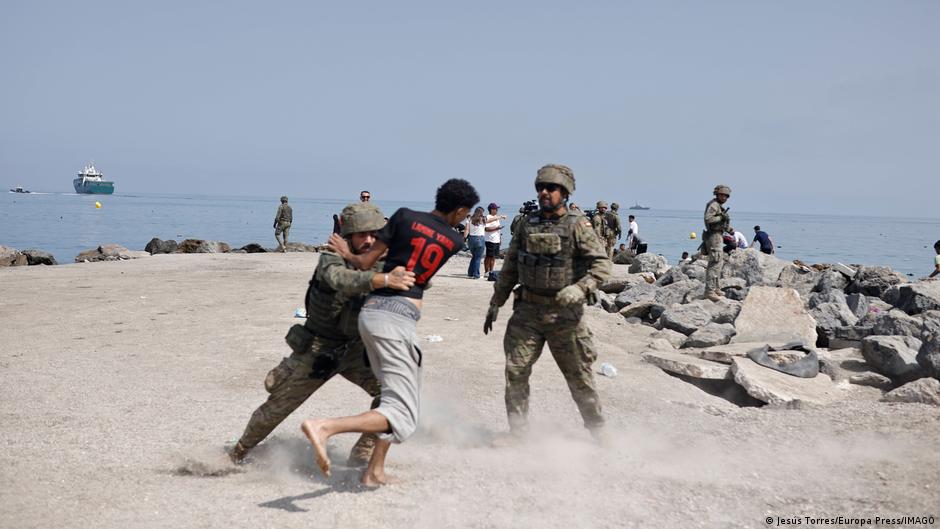
Spain's enclave Ceuta faced a sudden migrant influx, exposing economic, political, and border security challenges for Spain and the EU's Schengen framework.
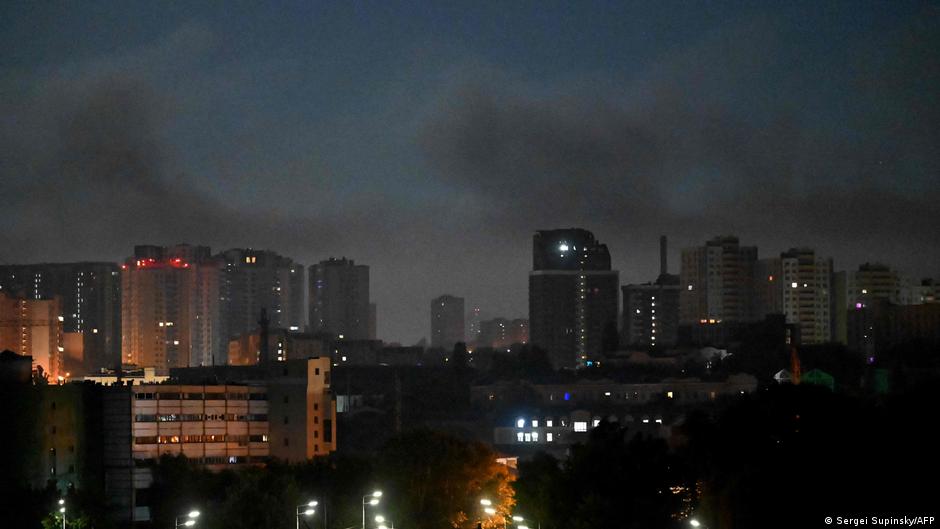
Russian ballistic missile strikes on Kyiv caused nine deaths and over twenty injuries, damaging residential and industrial infrastructure and worsening the city's economic and social challenges.
Uzbekistan advances its digital transformation with plans for a national navigation system, unified public administration platform, and expanded IT sector incentives.
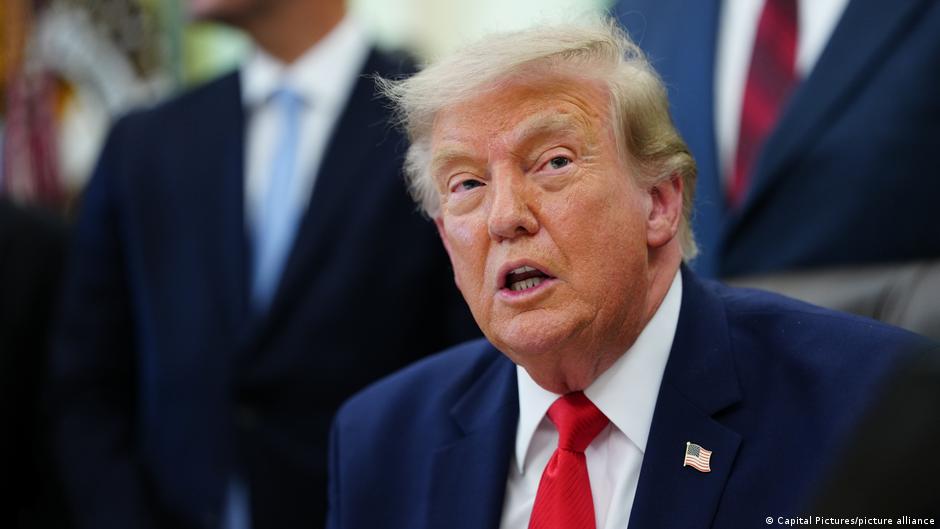
US President Donald Trump declared a historic agreement with Hamas for full disarmament, marking a crucial step toward peace and political restructuring in Gaza after years of violent conflict.
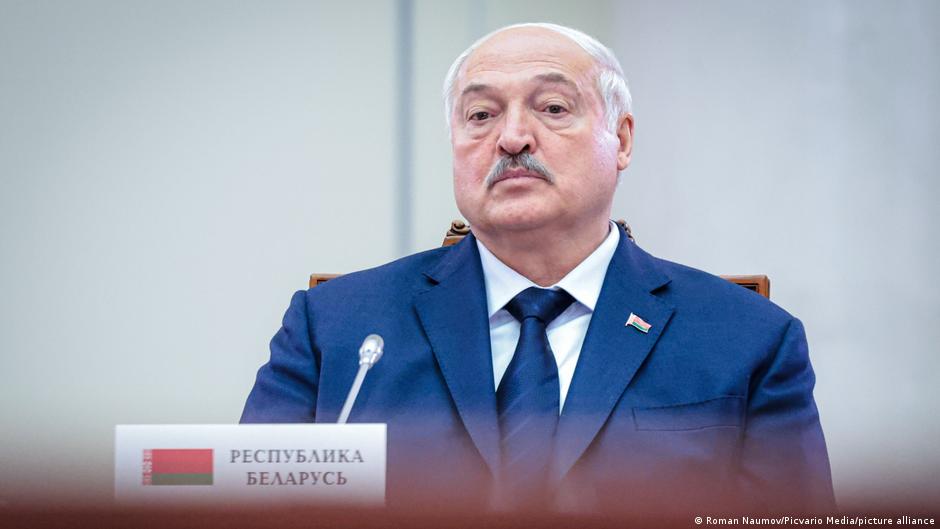
Belarus mandates military training for underperforming agricultural workers to enforce discipline and secure harvest productivity amid economic and geopolitical challenges.
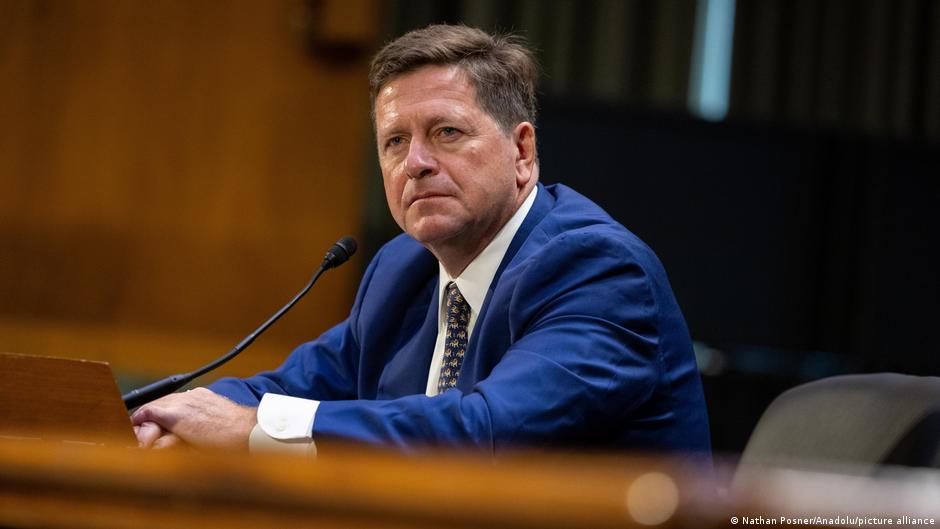
Jay Clayton was confirmed as U.S. Director of National Intelligence despite partisan opposition and no prior intelligence experience, highlighting political and structural challenges.
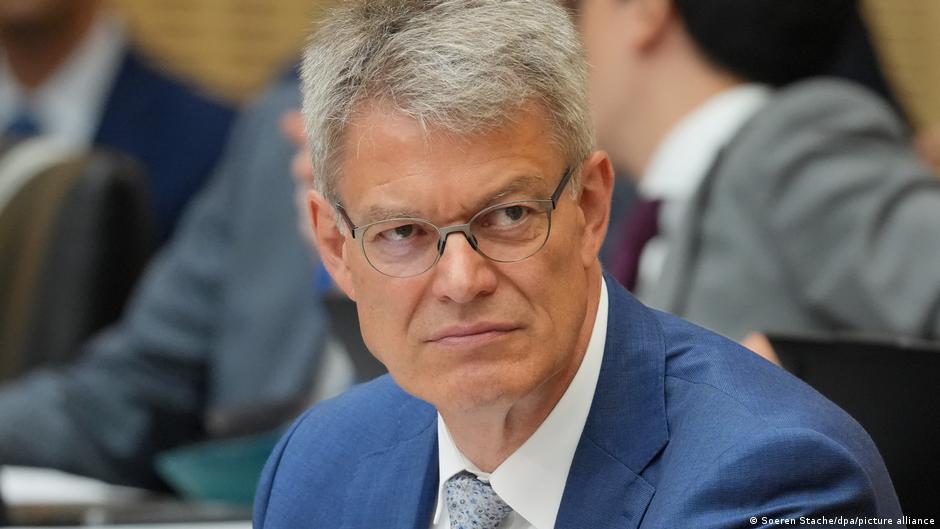
Germany's Transport Minister Patrick Schnieder resigns amid internal CDU tensions, with Steffen Bilger nominated as his successor during a period of significant policy challenges.
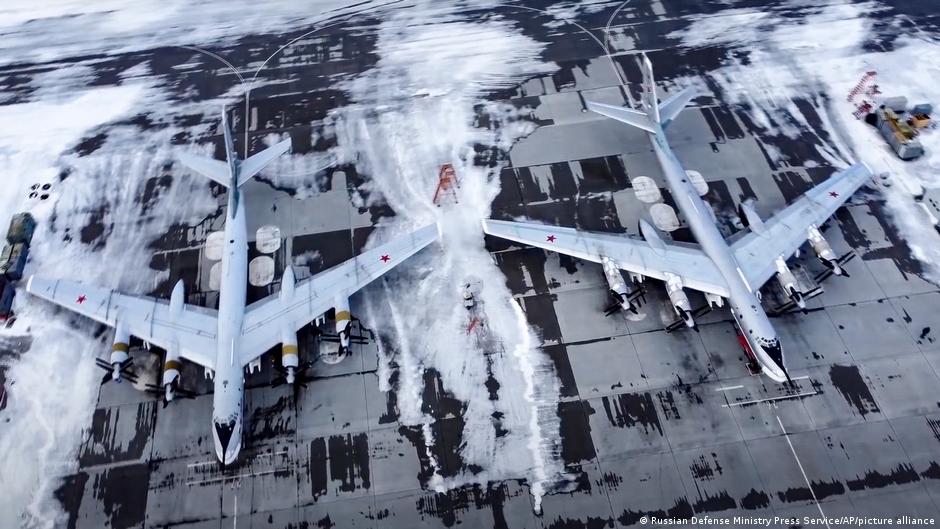
Drone strikes on Russian border cities Belgorod and Rostov-on-Don caused fires and infrastructure damage, exposing strategic vulnerabilities amid the ongoing Ukraine conflict.
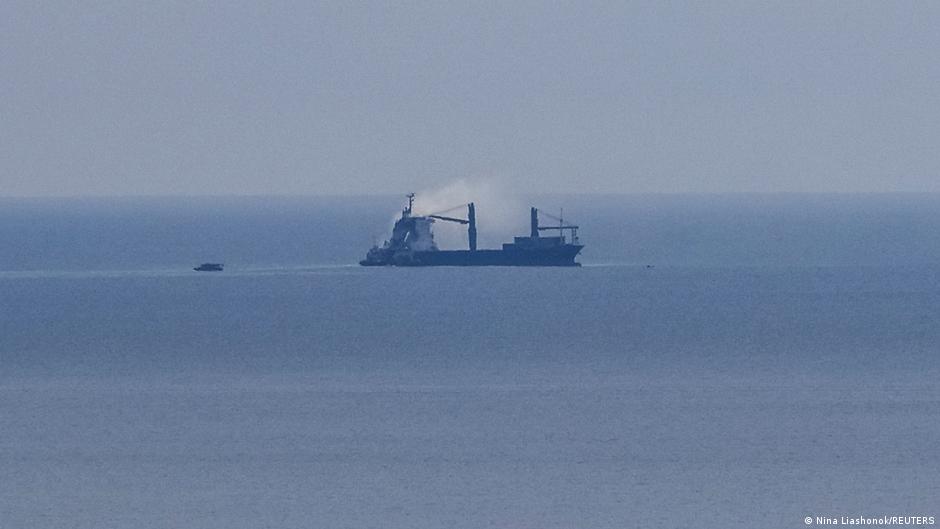
Ukraine accuses Russia of targeting Black Sea commercial vessels, calling it economic and humanitarian terror that threatens global food security and seeks urgent UN action.