Hungary’s Parliament Limits Prime Minister Terms to Two Four-Year Periods
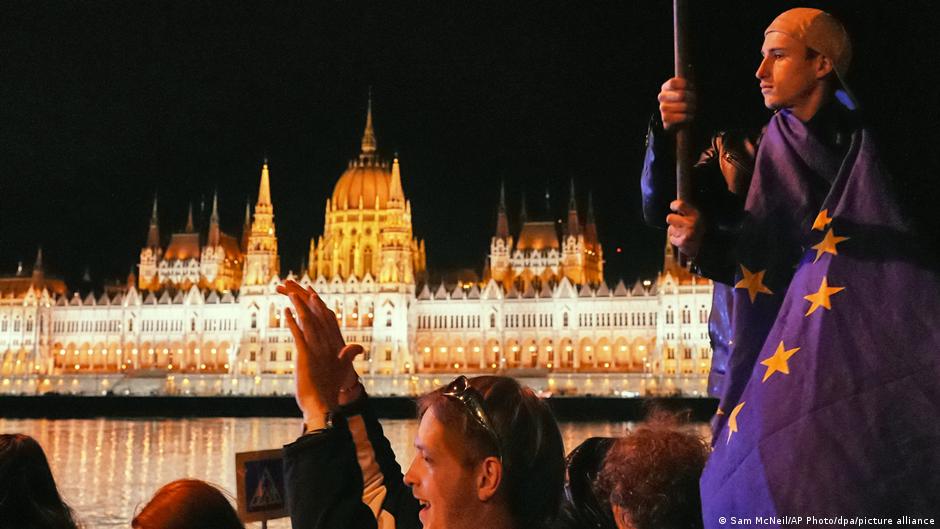
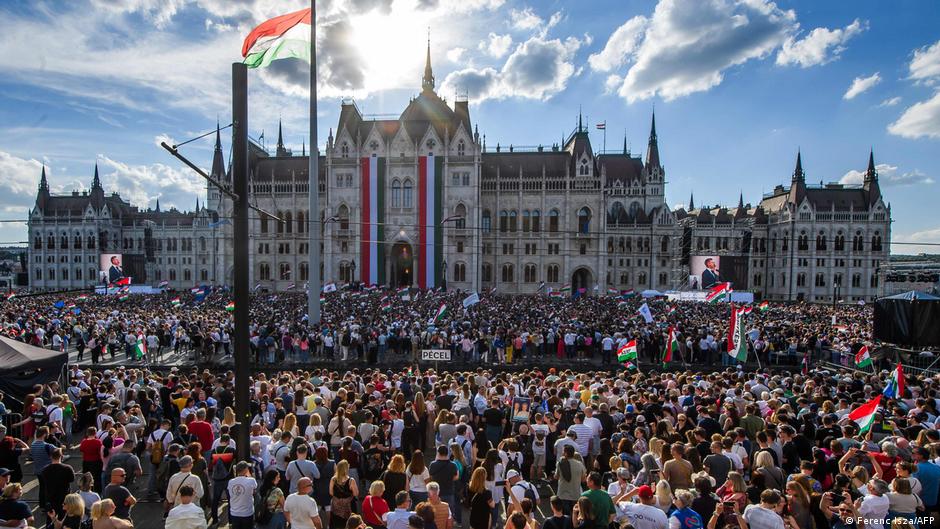
Hungary’s parliament limits prime ministerial terms to two four-year periods, barring Viktor Orbán from returning after five terms.

Hungary’s parliament limits prime ministerial terms to two four-year periods, barring Viktor Orbán from returning after five terms.

European leaders welcome the US-Iran peace deal as a path toward regional stability and global economic recovery, emphasizing non-proliferation and swift implementation.

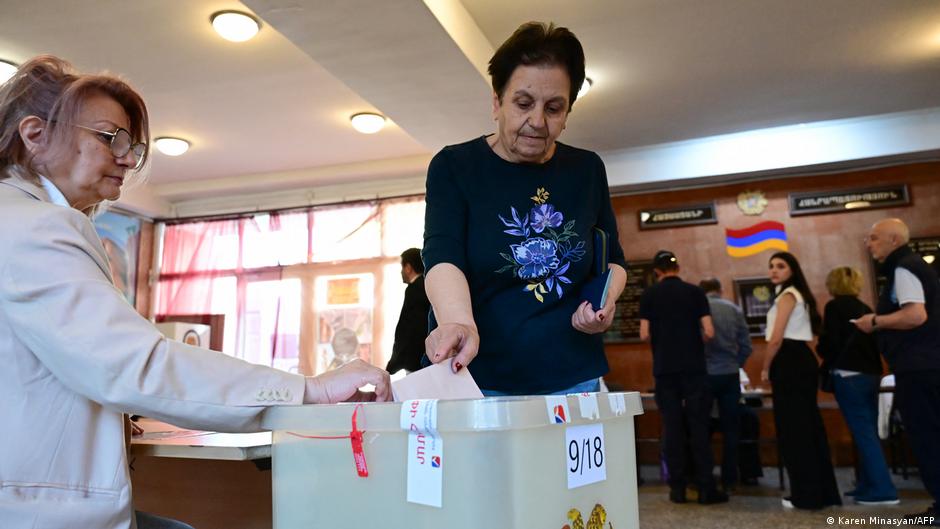
Armenia's Central Electoral Commission conducted a partial vote recount after opposition requests, revealing minor changes but affirming the ruling party's victory in the June parliamentary elections.

Reports claim the UAE agreed to unfreeze billions of dollars in Iranian oil revenues to halt attacks, amid emerging US-Iran peace talks, though UAE denies these claims.

Germany commits an additional €300 million to support the Czech-led ammunition procurement initiative for Ukraine, underscoring shifting dynamics in European defense cooperation and funding challenges.

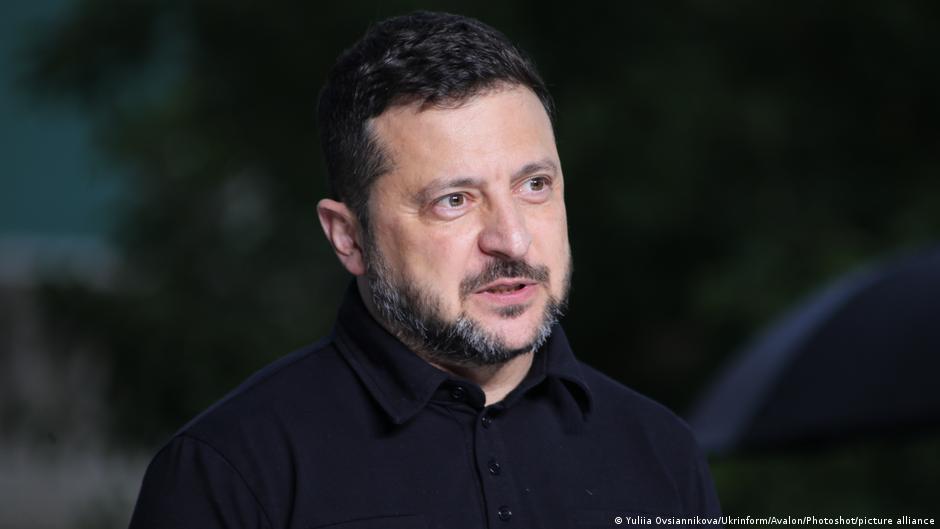
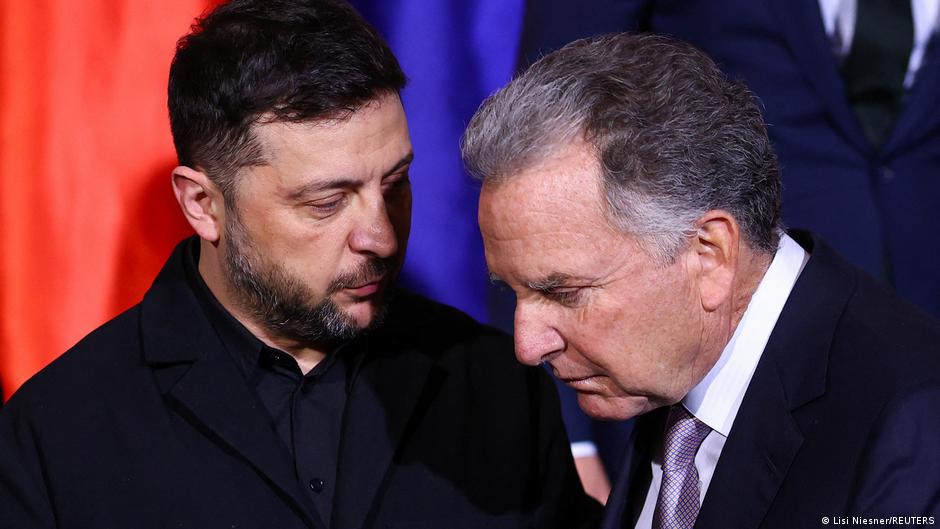
Ukrainian President Zelensky praises the active role of Trump’s special envoys in diplomacy aimed at ending the Russia-Ukraine war, amidst broader Western efforts to secure peace.

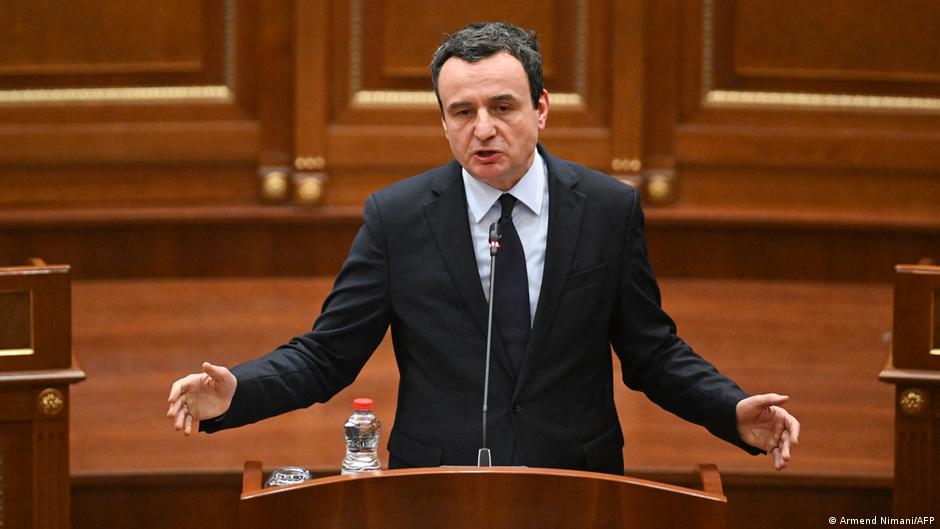
Kosovo’s Self-Determination party wins 43% in third election within 18 months, facing coalition challenges amid political instability and EU integration pressures.

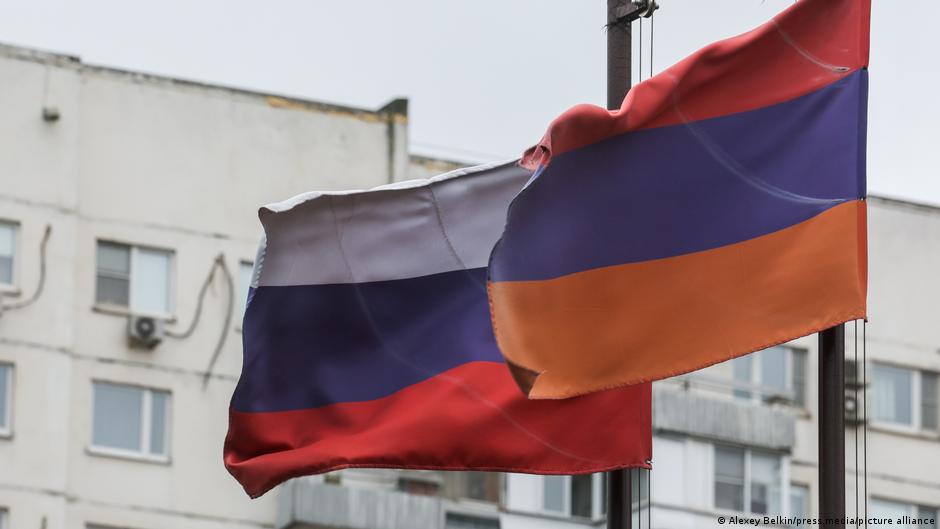
Armenia’s June 2025 parliamentary elections signal a strategic shift toward EU integration under Prime Minister Pashinyan, challenging traditional Russian influence and impacting the nation’s economic trajectory.

Israel strikes Iranian targets in retaliation for missile attacks amid US efforts to negotiate peace with Tehran, highlighting regional tensions and economic risks.

Nighttime drone alerts over Kyiv and targeted strikes on transport corridors reveal Russia’s strategic focus on disrupting Ukraine’s logistics amid ongoing conflict.

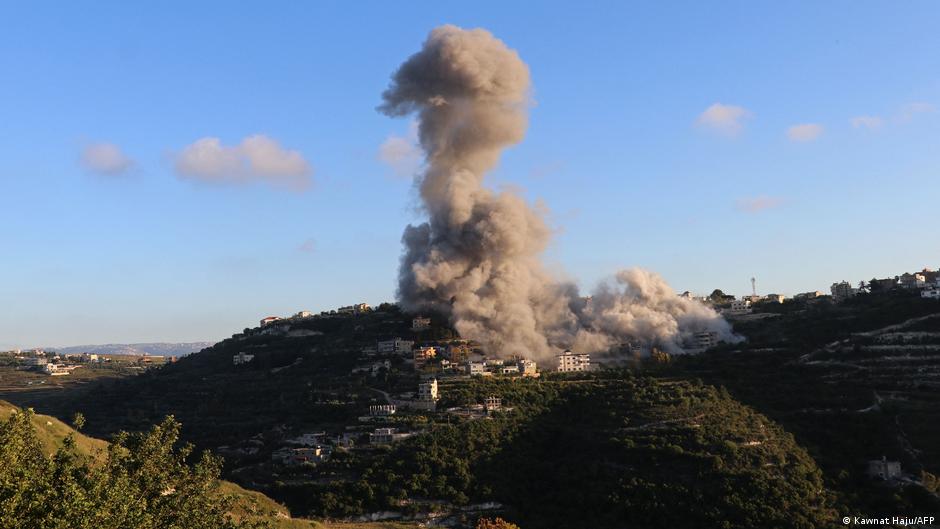
Former US President Trump harshly criticized Israeli PM Netanyahu for Beirut strikes, warning of increased isolation and risks to Middle East peace amid escalating conflict.

Sources close to Chancellor Friedrich Merz dismiss claims of his early replacement as unfounded, despite declining public support and media speculation amid Germany’s political challenges.

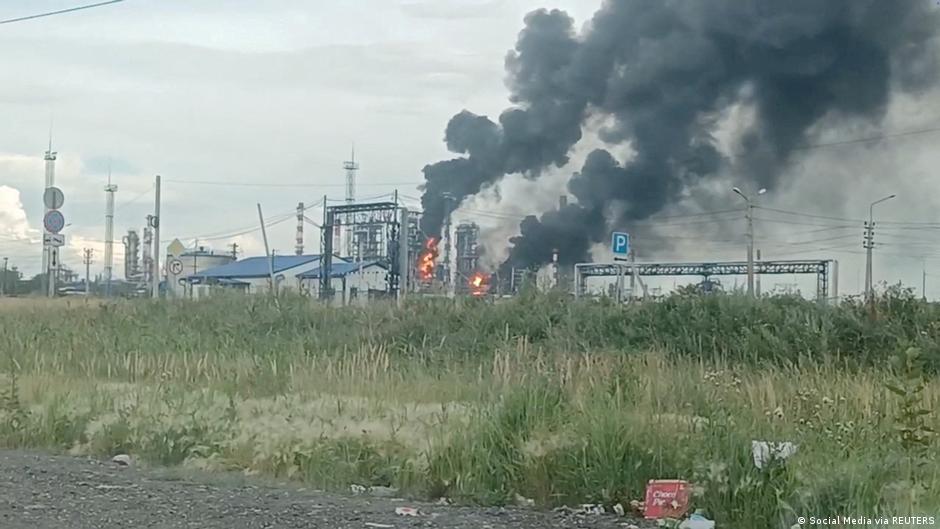
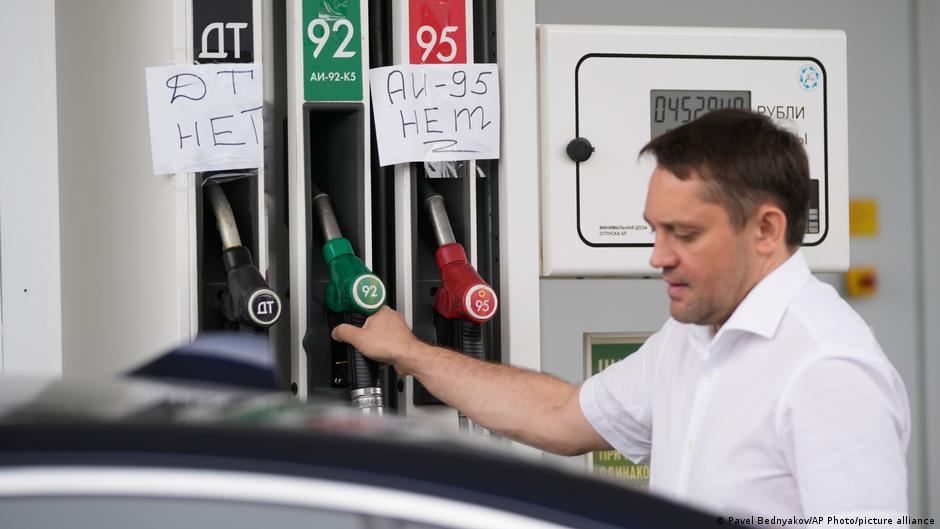
Russia plans temporary export limits on diesel and aviation kerosene to stabilize domestic fuel markets after drone attacks reduced refinery output.

Violent protests in Belgrade expose Serbia's ongoing struggles with corruption, governance failures, and economic instability following a deadly infrastructure collapse.

Ukraine’s European allies hold high-level talks with President Zelenskyy to discuss revitalizing peace diplomacy amid stalled negotiations with Russia.

Hungary reinstates a ban on Ukrainian agricultural imports to protect domestic farmers and reverses its withdrawal from the International Criminal Court, highlighting economic and political recalibrations.

Western nations criticized Israel for degrading detained activists from the pro-Palestinian Sumud flotilla, escalating diplomatic tensions over Gaza blockade enforcement.

EU foreign policy chief Kaja Kallas warns that Russia, China, and the US employ divide-and-rule tactics to weaken the European Union’s unity and economic strength.

London hosted simultaneous rallies on migration and Palestinian Nakba memory, revealing deep societal divides and prompting a significant police presence.

The UK plans to boost defense spending by £18 billion amid political unrest, raising questions about economic sustainability and strategic priorities.

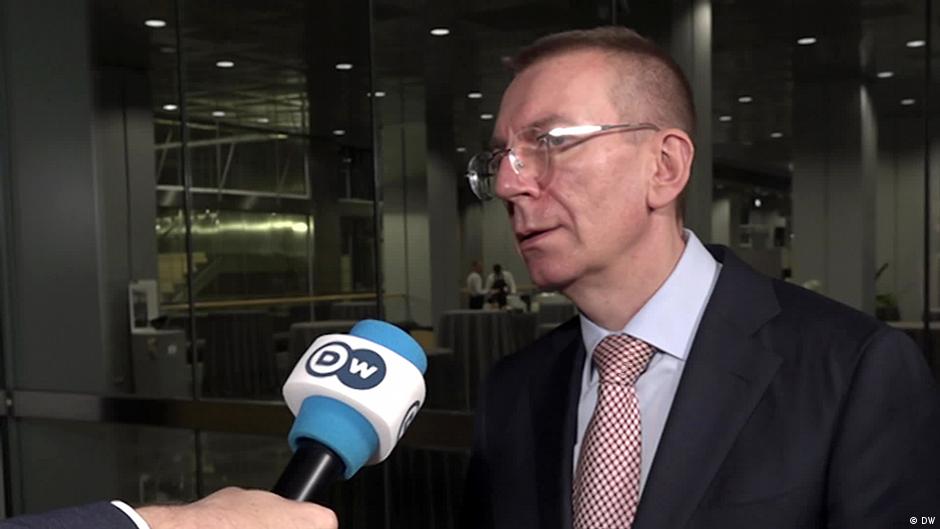
Latvia’s ruling coalition has collapsed following the defense minister’s resignation amid drone incursions, highlighting political instability and defense challenges ahead of elections.

Latvia’s Defense Minister resigned after drone incursions linked to Ukraine-Russia conflict exposed vulnerabilities in airspace security and raised political and economic concerns.

Former Polish Justice Minister Zbigniew Ziobro fled Hungary for the US amid extradition efforts by Poland and Hungary’s new government after Orbán’s era.

Putin endorses former German Chancellor Schröder as preferred EU negotiator in Ukraine peace talks, highlighting economic ties and strategic diplomacy amid ongoing conflict.

Poland signs a €44 billion EU loan agreement under SAFE to modernize its defense forces despite presidential veto, raising important questions about future fiscal impacts.

The UK plans to join the EU's €90 billion credit program to support Ukraine, enhancing defense cooperation and economic ties amid ongoing conflict with Russia.

Moscow’s 2026 Victory Day parade will exclude military hardware for the first time in years, reflecting operational challenges and heightened security concerns amid ongoing conflicts.
King Charles III’s U.S. visit underscores growing strains in Anglo-American relations amid divergent Iran policy and evolving NATO dynamics, signaling shifts in transatlantic security and economic cooperation.

Repeated Russian drone attacks on Odessa have damaged homes and key port infrastructure, highlighting risks to Ukraine's economy and civilian safety amid escalating conflict.

Hungary's new government initiates talks to lift the EU’s freeze on €35 billion in funds withheld over democratic concerns under Orban’s administration.

Viktor Orban declines his parliamentary mandate after electoral defeat, signaling a strategic shift as Hungary's new government under Peter Magyar prepares to take office.

The US brokered a three-week extension of the Israel-Lebanon ceasefire, signaling renewed dialogue amidst complex geopolitical and economic challenges surrounding Hezbollah.

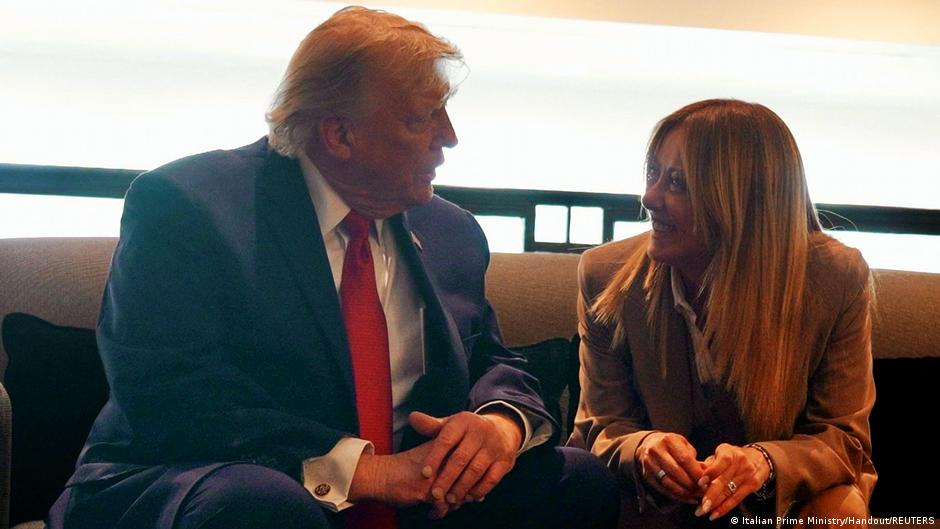
Italian PM Giorgia Meloni condemns Russian propaganda following insults by Vladimir Solovyov, highlighting Italy's sovereign foreign policy stance amid diplomatic tensions.

France and Poland announce a joint military satellite project aimed at secure communications and reducing European reliance on non-European systems by 2030.

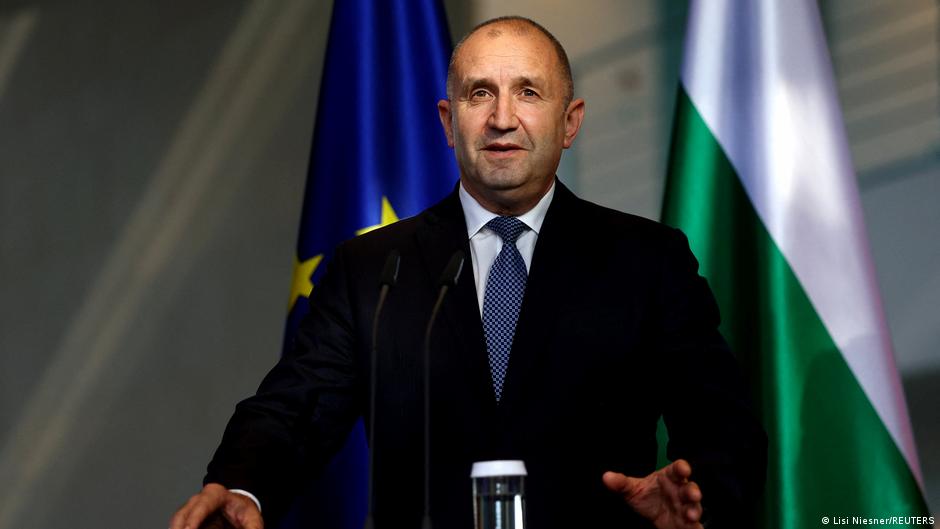
Former President Rumen Radev’s coalition leads Bulgaria’s parliamentary elections, reflecting widespread demand for anti-corruption reforms and institutional change amid political instability.

Lithuania and Latvia deny airspace access to Slovak Prime Minister Robert Fico en route to Moscow’s May 9 Victory Day events, illustrating ongoing EU-Russia tensions.

Hungary’s parliamentary elections saw opposition party Tisa claim a majority, challenging results amid fraud allegations tied to a misleading candidate with the same name as an opposition leader.

Pope Leo XIV sharply criticized leaders exploiting religion for war and profit during his African tour, urging peace amid geopolitical and economic tensions.

Slovakia will block the EU’s 20th sanctions package on Russia until its oil supply through the Druzhba pipeline via Ukraine is restored, highlighting energy security tensions.