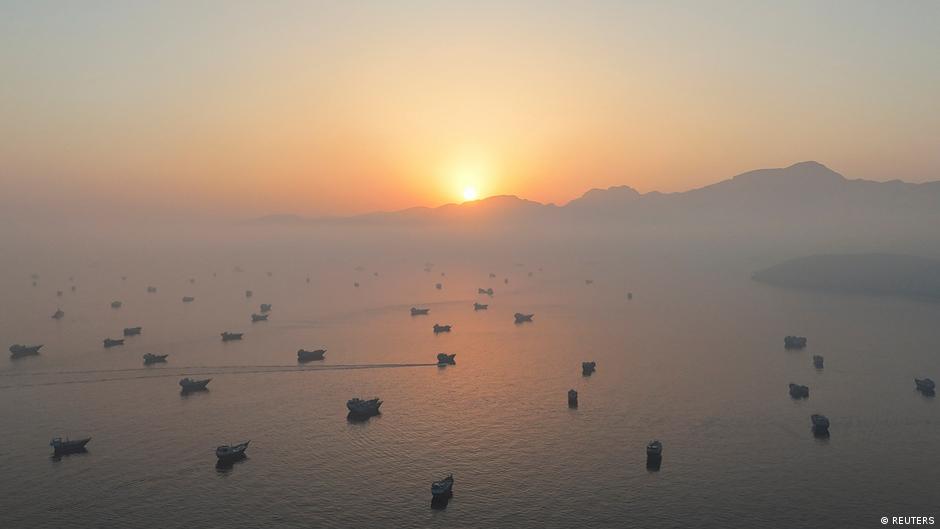
U.S. Strike on Cargo Ship Raises Economic Stakes in Gulf Blockade
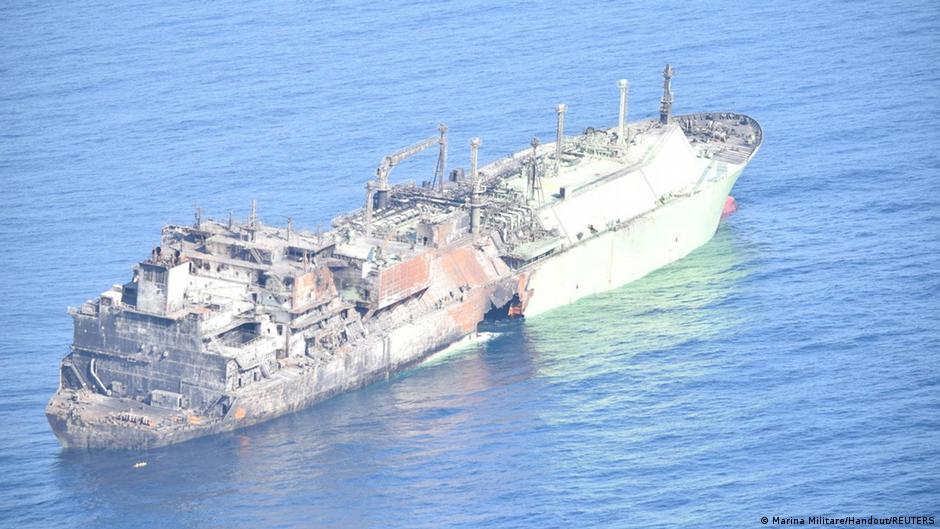
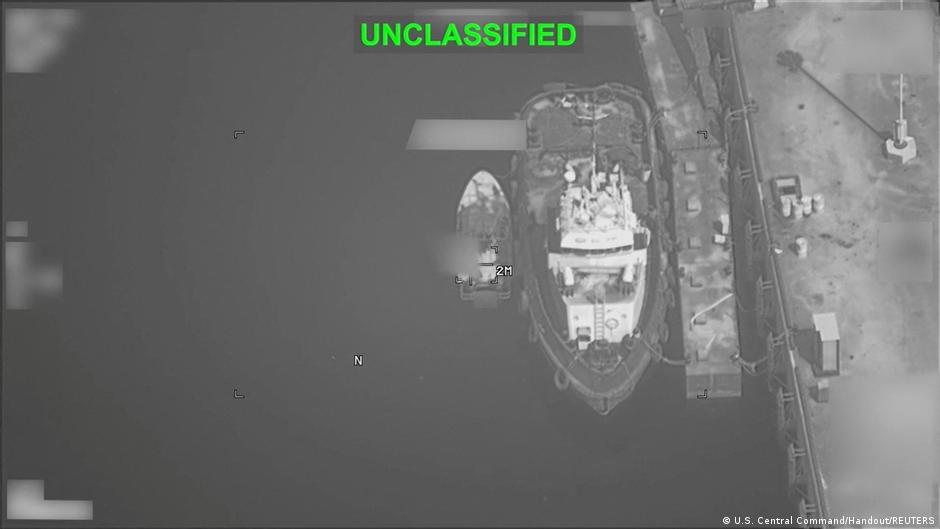
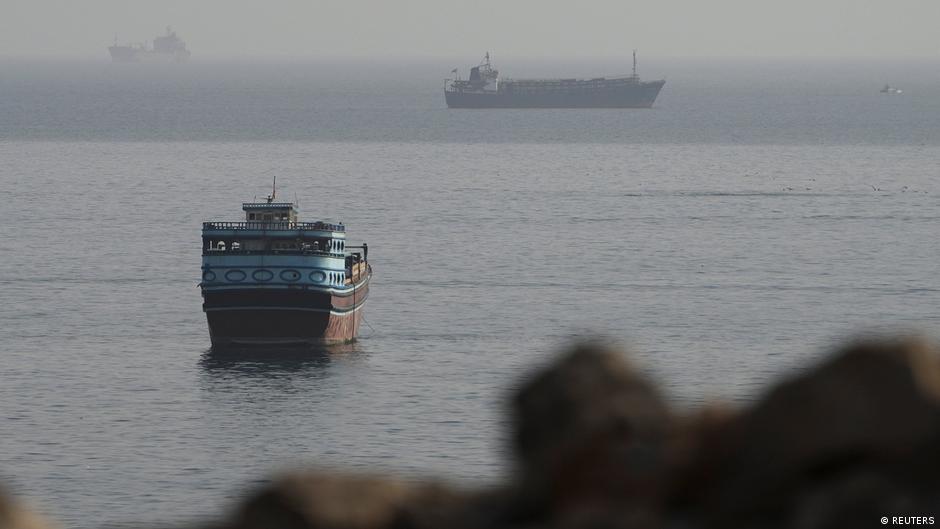
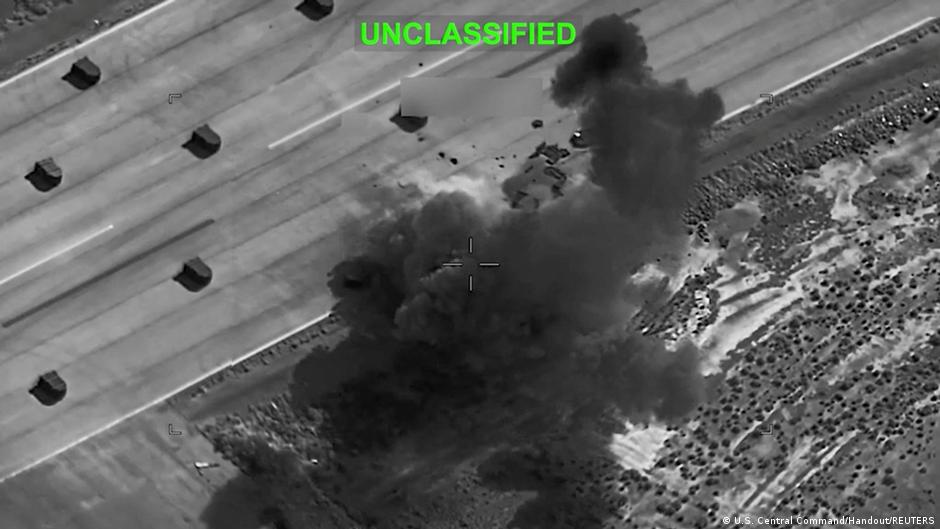
A U.S. strike disabled a Panama-flagged cargo ship near Iran, deepening Gulf trade risks as tanker attacks and fuel prices add economic pressure.

A U.S. strike disabled a Panama-flagged cargo ship near Iran, deepening Gulf trade risks as tanker attacks and fuel prices add economic pressure.

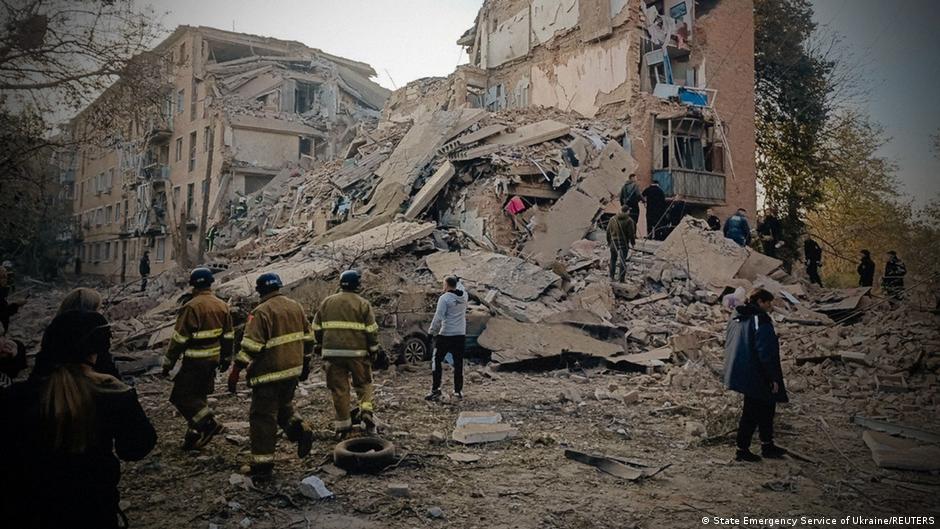
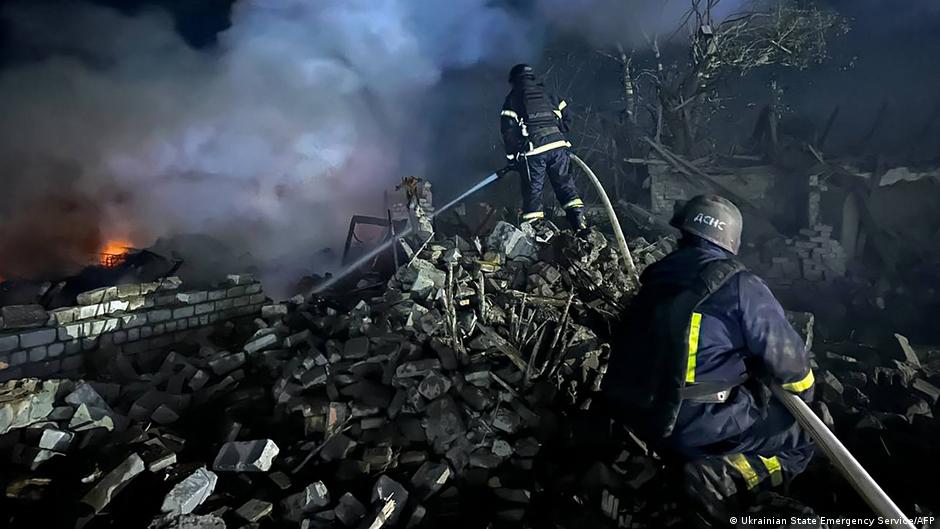
Ukraine said 28 people were killed in a Russian missile and drone barrage, while Zelensky linked the attack to sanctions pressure and oil revenue.

A tanker fire near Sochi exposes the mounting economic risks around Black Sea shipping, Russian oil exports and shadow-fleet logistics.

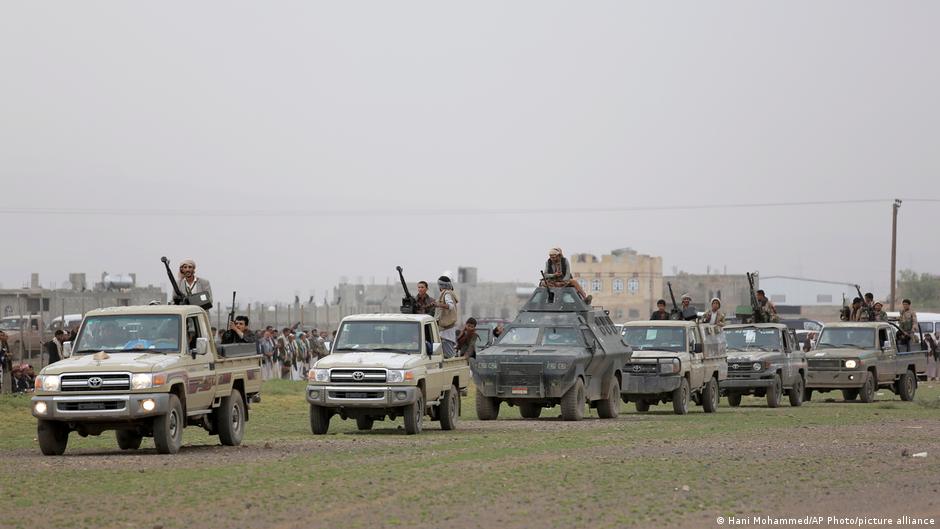
Yemen’s government says it is advancing near Mocha, while Houthis claim gains and strikes inside Saudi Arabia, raising risks for trade and energy.

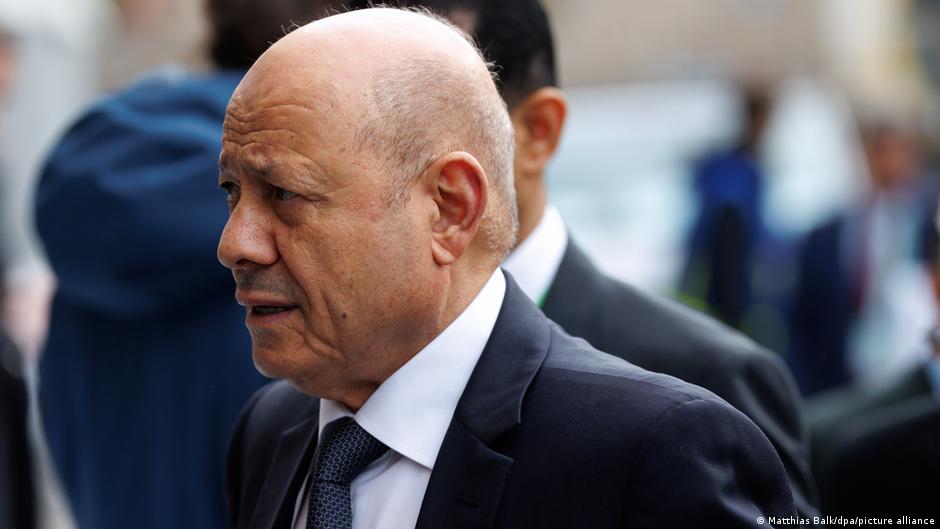
Yemen’s mobilization call comes as Houthi gains near the Red Sea and Bab el-Mandeb raise risks for trade, oil exports and energy prices.

Russia’s ship registry grew 36% as sanctions pressure pushed shadow-fleet vessels toward Russian registration, CREA says.

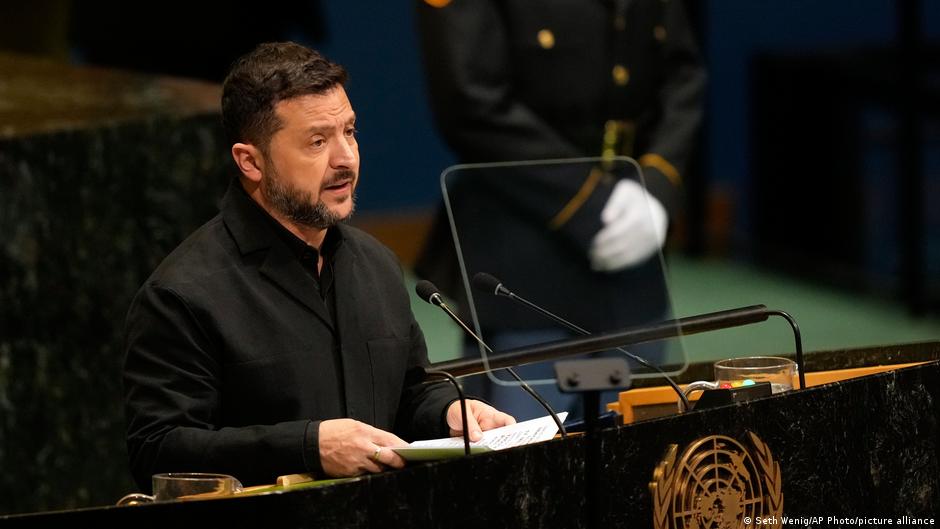
Zelenskyy told the UN that Putin is spreading the idea of war globally and said Ukraine aims to weaken Russia’s ability to finance the conflict.

U.S. and Iranian officials held mediated talks in New York as threats, sanctions and Hormuz shipping risks framed the economic stakes.

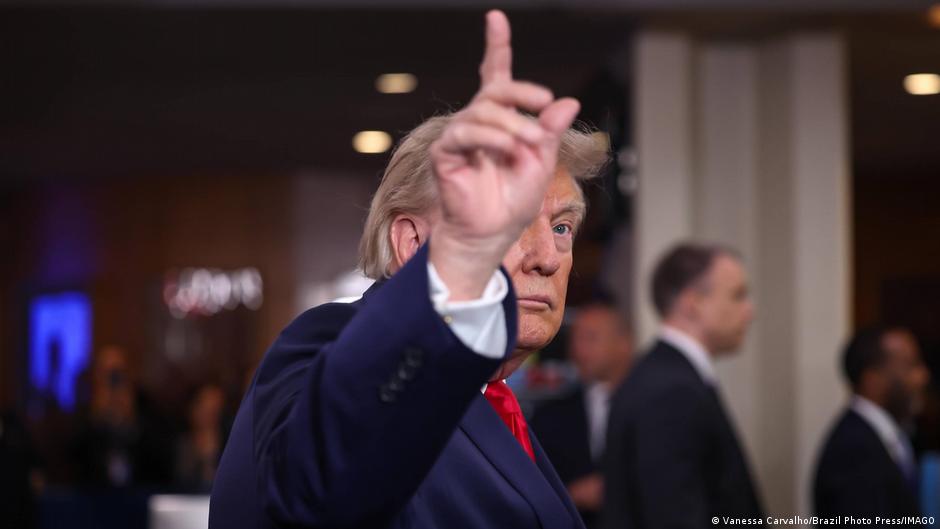
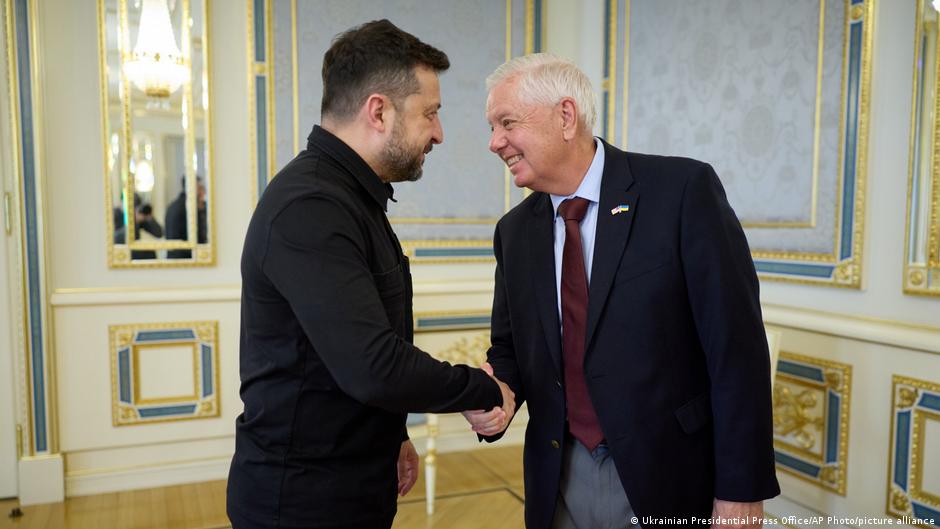
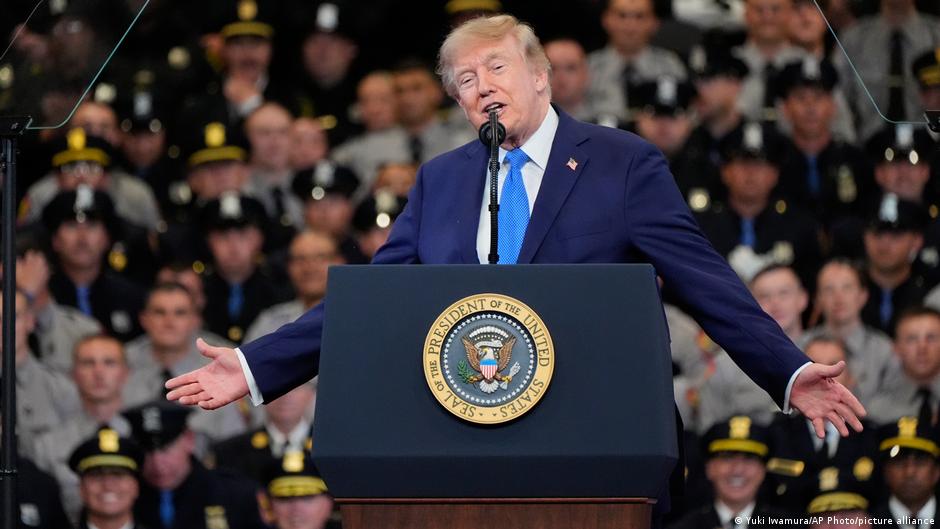
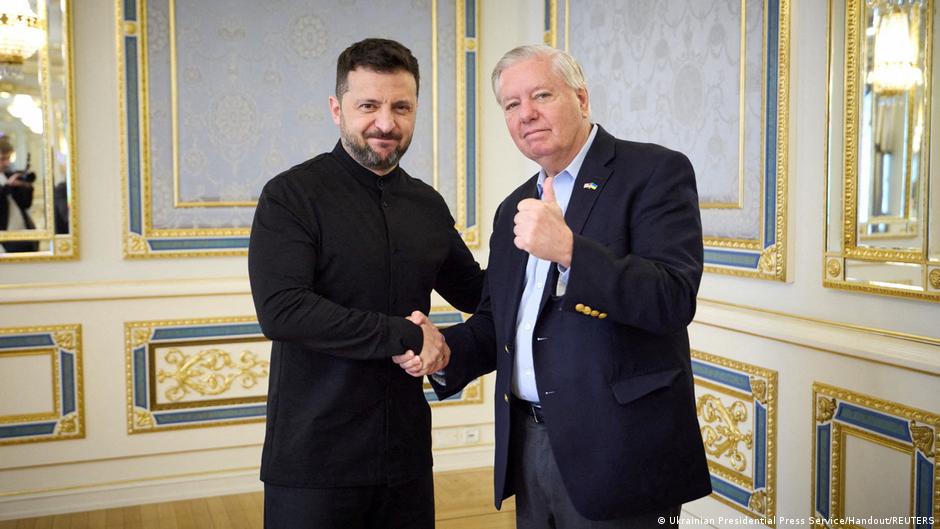
Trump signed the Graham sanctions law, giving him broad authority to target Russian energy buyers, banks, officials and sanctions evasion networks.

Russia is expected at G20 energy talks in Houston as wars, sanctions and Red Sea security risks complicate the economics of energy abundance.

The Houthi capture of Mocha strengthens their position near Bab el-Mandeb, raising risks for oil flows and global energy prices.

CENTCOM said it destroyed five Iranian oil tankers after IRGC missile attacks, escalating the economic fight over oil logistics and Hormuz.

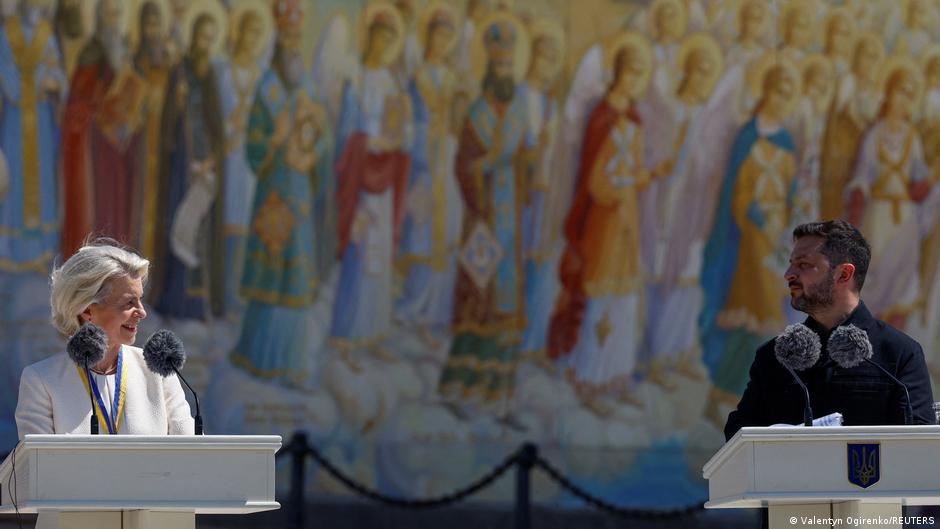
On Ukraine's Independence Day, the EU recommits to sustained support and sanctions on Russia, highlighting long-term integration and regional stability amid ongoing conflict.

NATO confirms readiness to respond to Iranian threats targeting European military bases, highlighting rising geopolitical tensions with regional economic implications.

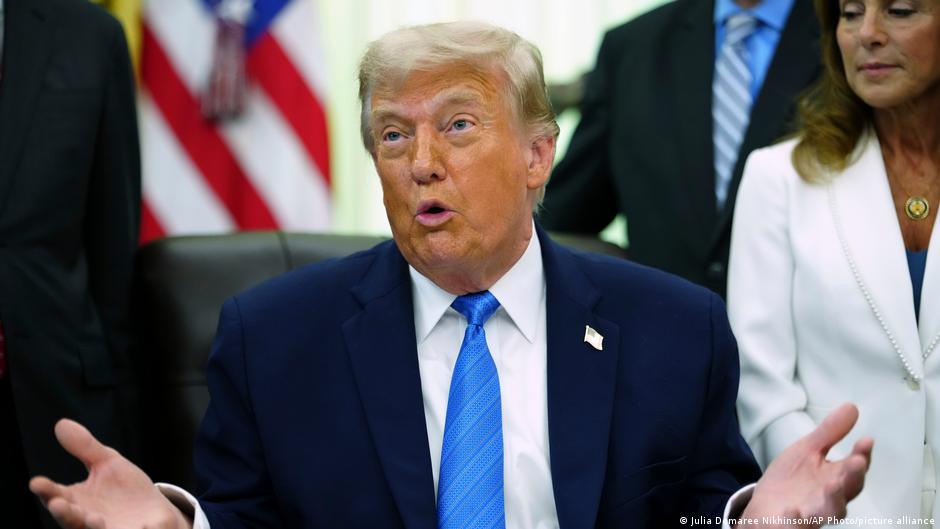
President Trump announces a comprehensive economic war against Iran, threatening massive sanctions on countries supporting Tehran amid escalating regional tensions.

US President Trump threatens Oman with bombing over its involvement in Strait of Hormuz negotiations amid renewed US-Iran tensions and regional instability.

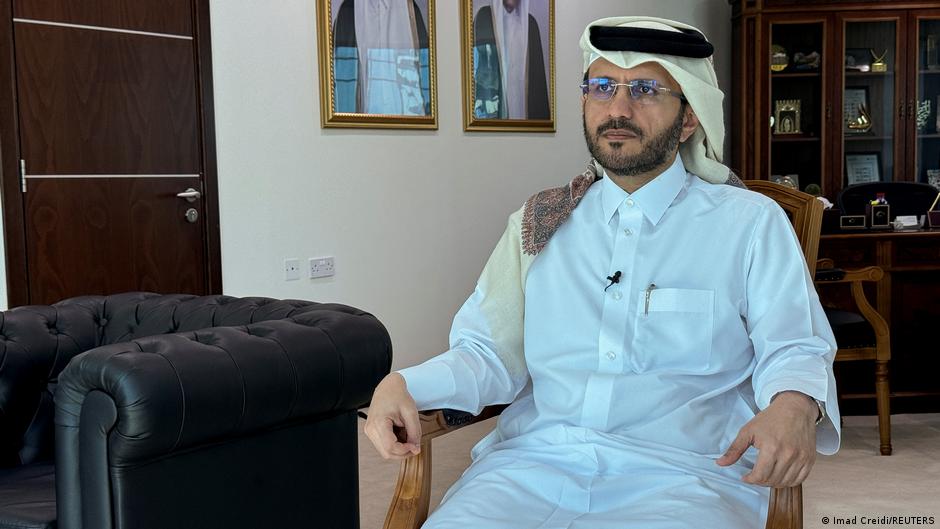
Qatar denies holding Iranian pilots allegedly captured after airspace violations amid ongoing Middle East hostilities, complicating regional diplomatic and security efforts.

President Trump plans to declare the Strait of Hormuz US territory, signaling prolonged military presence and escalating tensions with Iran over this vital oil transit route.

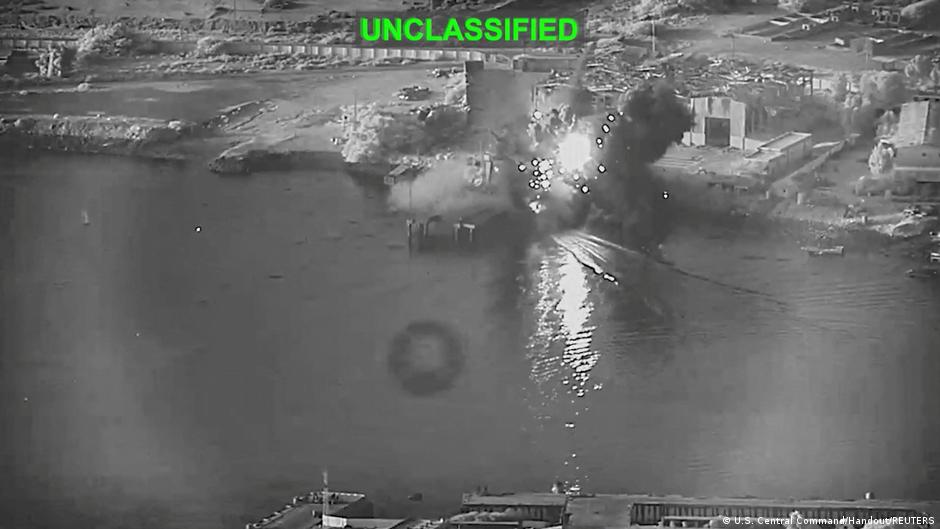
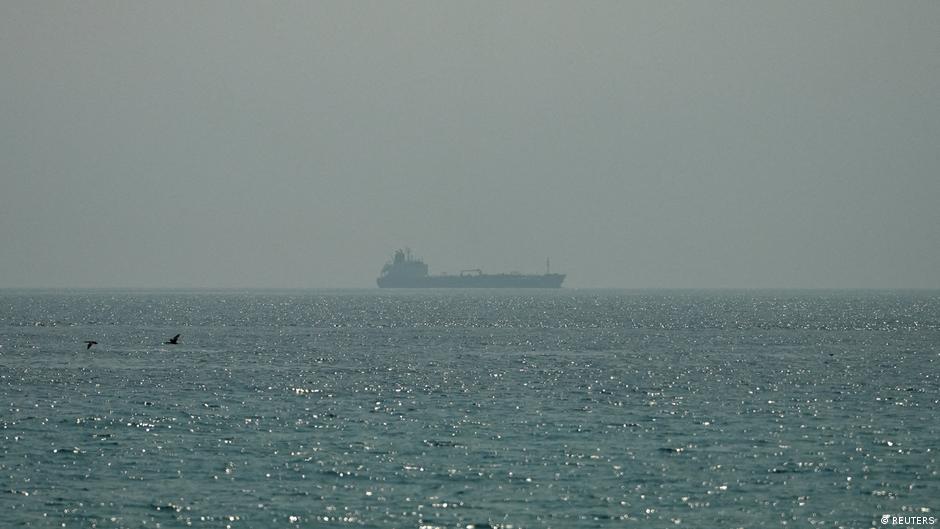
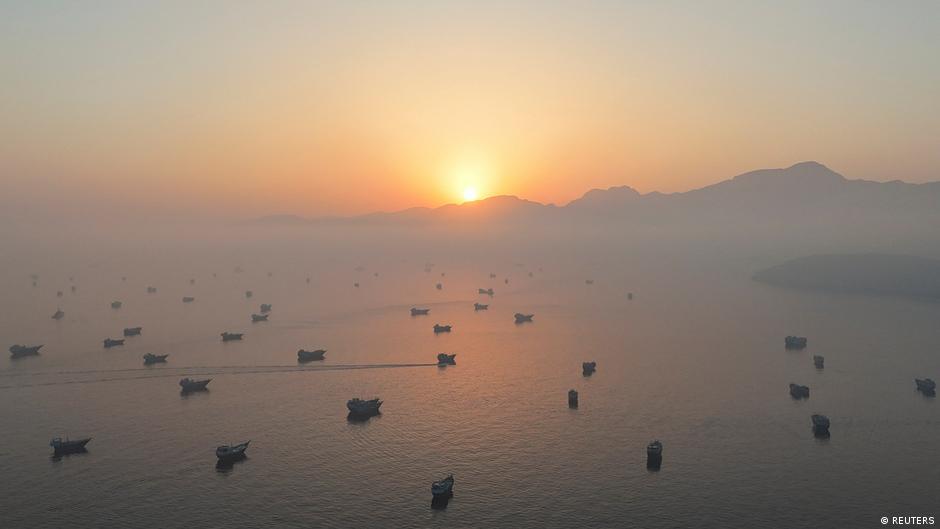
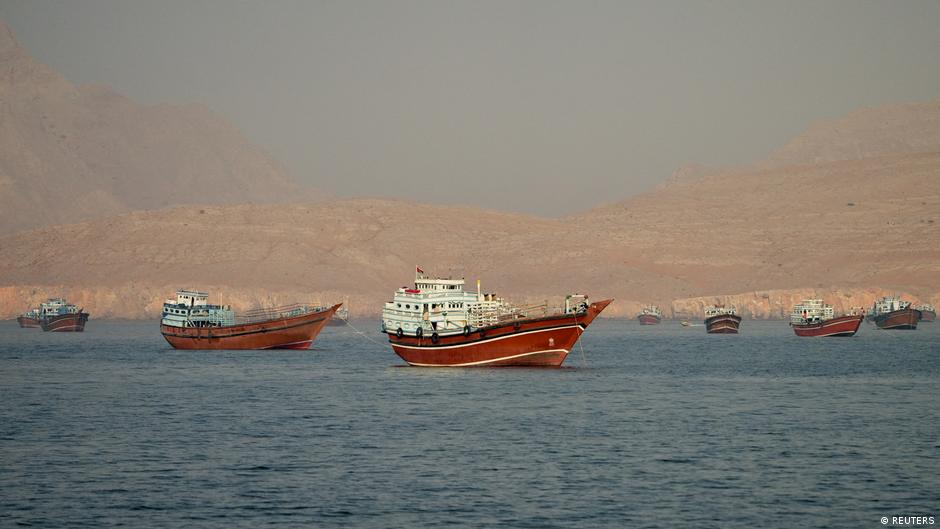
US forces disabled a Panama-flagged cargo ship attempting to breach Iran's blockade in the Strait of Hormuz, highlighting escalating maritime tensions and economic risks.

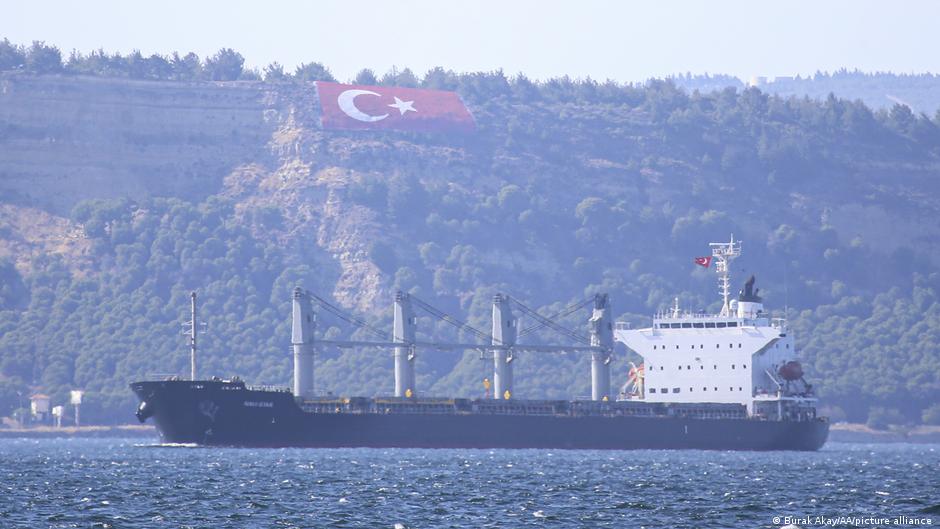
Turkey has reopened its straits to commercial ships after a temporary halt linked to security concerns amid escalating Russian-Ukrainian maritime conflicts.

The US Senate has approved a broad sanctions package targeting Russia’s economy, with strong support from the EU and Ukraine to intensify pressure amid ongoing conflict.

Ukraine claims Russia used a North Korean ballistic missile in a deadly attack, revealing deepening military ties and escalating the conflict’s complexity with broad economic implications.

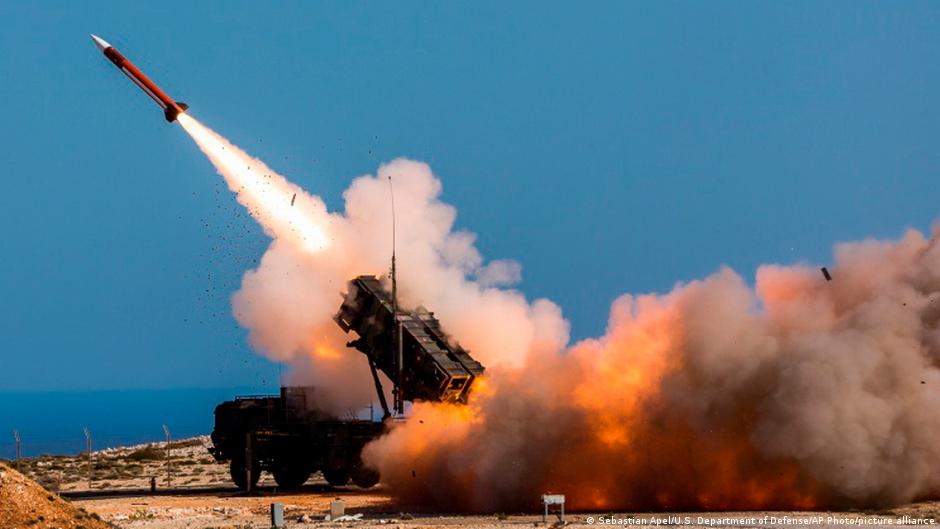
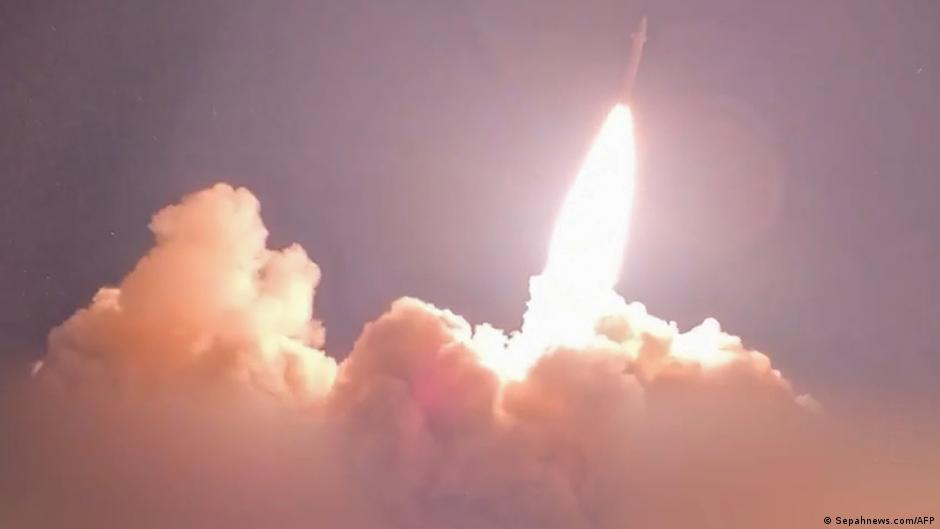
The US intercepted ballistic missiles launched from Iran targeting American forces, underscoring escalating tensions and the complex economic risks in the Middle East.

The U.S. Senate advances the Graham Sanctions bill to impose steep tariffs on Russia and its energy partners, signaling a strategic intensification of economic pressure.

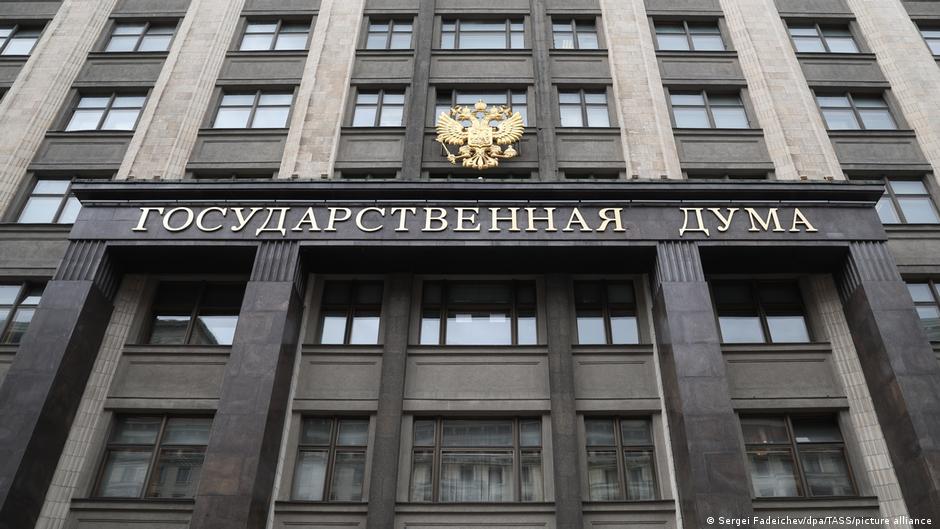
Russia’s State Duma amends fuel dampener rules and import compensations to stabilize domestic fuel prices amid refinery disruptions and export limits.

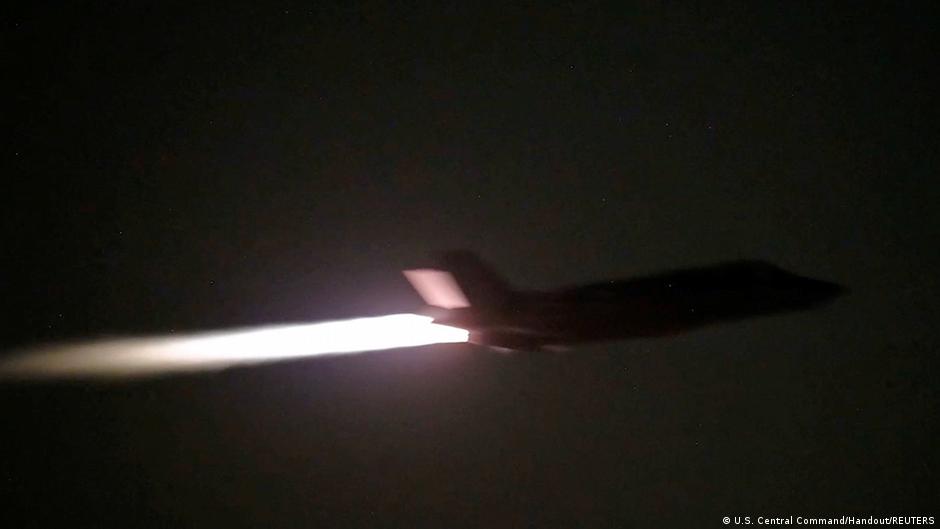
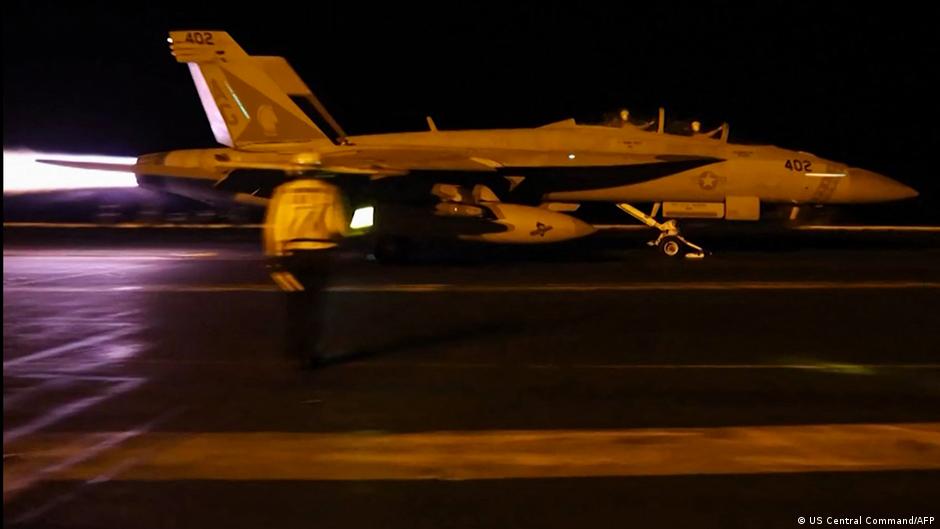
The US military conducted its 11th night of strikes against Iran targeting strategic infrastructure to counter threats to Gulf shipping amid escalating conflict in the Middle East.

The US has launched ten consecutive days of attacks against Iran, targeting military infrastructure amid reciprocal strikes and disruptions in the strategic Strait of Hormuz.

US military deaths in the conflict with Iran reach 17 after a fatal incident during ordnance disposal in northern Iraq, amid ongoing retaliatory strikes and heightened regional military activity.

US forces have launched nine consecutive nights of strikes against Iran, prompting Iranian retaliation and impacting shipping through the strategic Strait of Hormuz, with broader implications for global energy markets.

The US has launched new strikes targeting Iranian infrastructure, prompting Tehran to vow retaliatory attacks amid escalating tensions and risks to regional stability.

The US launched airstrikes on Iranian military and infrastructure sites, prompting retaliatory attacks on US bases in Bahrain and Kuwait, escalating tensions with significant economic ramifications.

Darline Graham Norton has been appointed to her late brother Lindsey Graham's Senate seat to protect the fragile Republican majority and continue his policy legacy until 2027.

US strikes on Iran escalate following attacks on civilian vessels in the Strait of Hormuz, causing closure of a vital oil shipping route and raising global economic concerns.

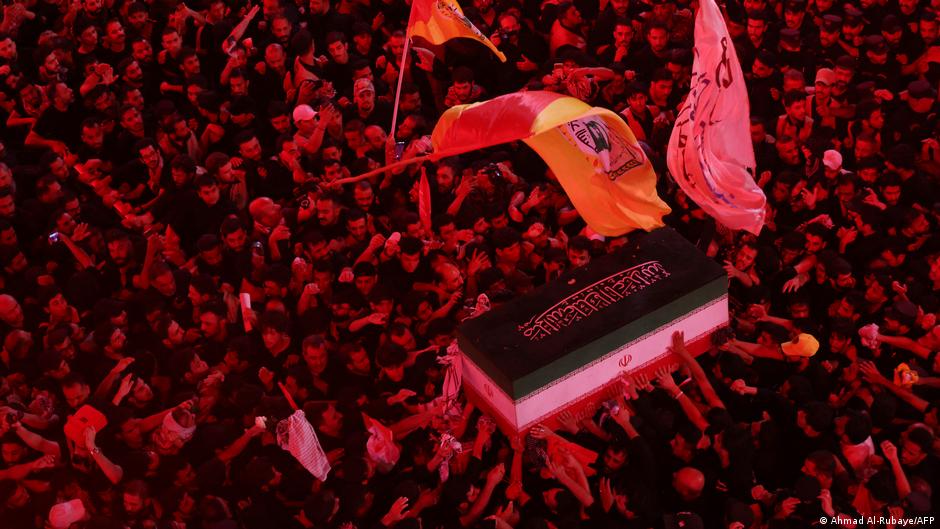
Iran buried former Supreme Leader Ali Khamenei in a closed ceremony amid regional tensions and uncertainty over his successor's public presence.

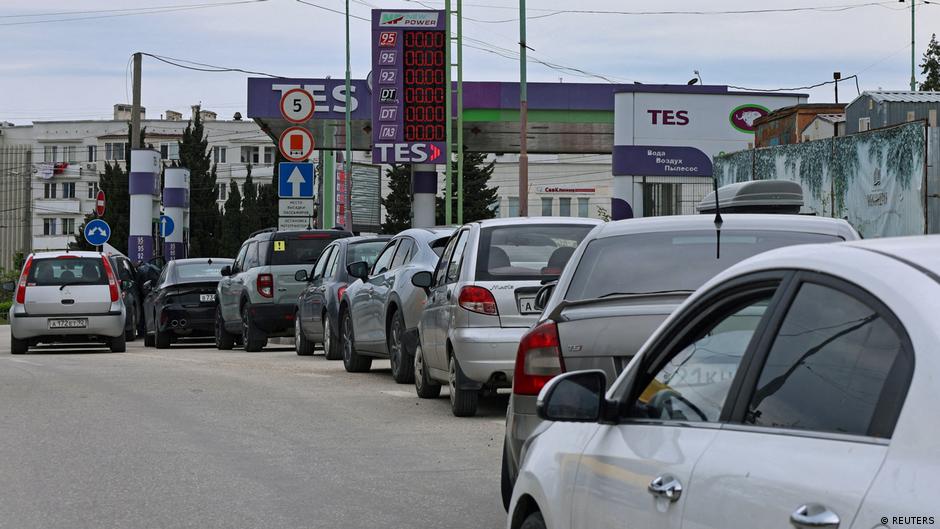
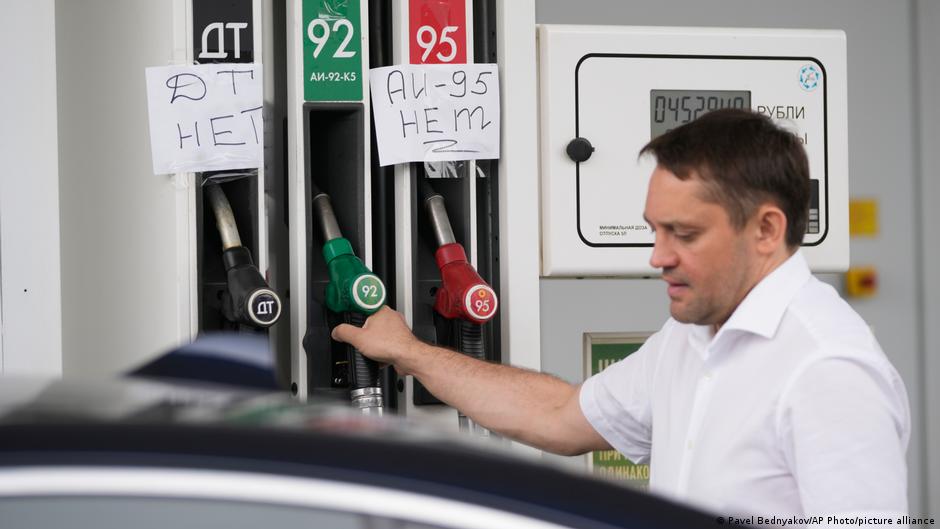
Gasoline prices in annexed Crimea nearly doubled in early July amid Russia's ongoing fuel supply crisis and policy shifts, revealing deep structural challenges in its energy sector.

US military strikes on Iran following attacks on commercial vessels heighten risks of conflict and disrupt critical energy trade routes through the Strait of Hormuz.

Russia permits use of higher-sulfur Euro-3 fuels domestically until 2026 to alleviate refinery disruptions caused by ongoing conflict, with implications for energy security and environmental standards.
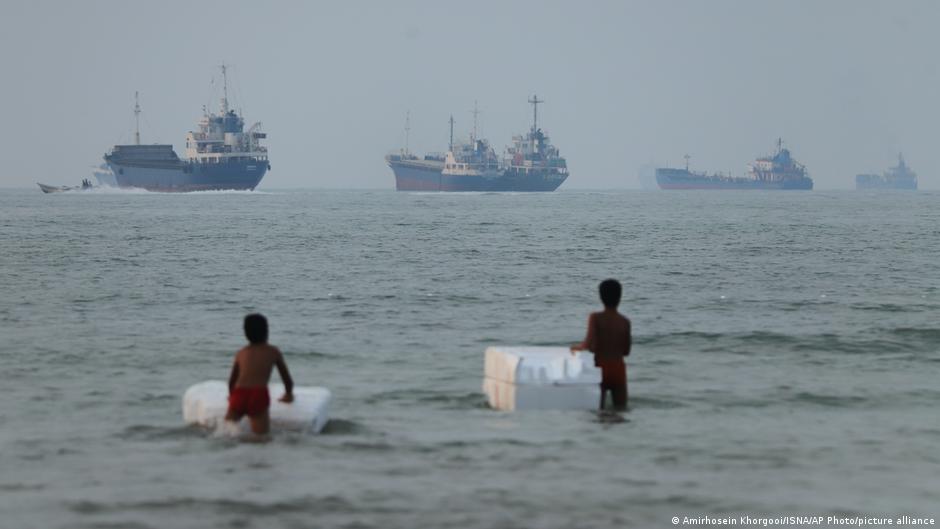
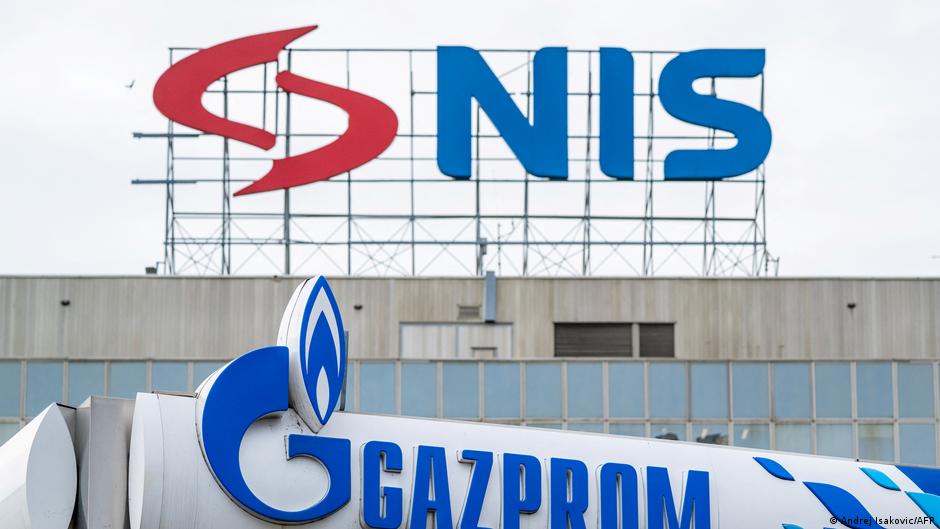
The US has extended the operational license for Serbia’s NIS under sanctions, delaying Gazprom’s divestment and highlighting complex regional energy and geopolitical stakes.

The US and Iran have agreed to a temporary ceasefire until June 30, ahead of talks in Qatar addressing the reopening of the Strait of Hormuz, a critical oil shipping route.

US airstrikes targeted Iranian military sites following drone attacks on commercial tankers in the Strait of Hormuz, escalating regional tensions and threatening global oil supply routes.

Italy and France express doubts over the EU’s proposed entry ban on Russian combatants, fearing enforcement challenges and unintended restrictions on all Russian nationals.

Former US President Trump praises Zelensky's resilience amid the Russia-Ukraine conflict, signaling shifts in US foreign policy and highlighting economic and geopolitical complexities.

The US threatens to impose transit fees on vessels passing through the Strait of Hormuz if talks with Iran fail, signaling a new economic lever in Middle East geopolitics.

US envoy Stephen Whitcoff travels to Switzerland for nuclear talks with Iran, delayed by ongoing Lebanon conflict and ceasefire demands, amid high economic and geopolitical stakes.

The US has lifted its naval blockade of the Strait of Hormuz, enabling renewed Iranian oil exports and opening a 60-day negotiation period aimed at a comprehensive peace agreement.

Pakistan announces immediate reopening of the Strait of Hormuz following a US-Iran peace memorandum, signaling a potential shift in regional stability and global energy markets.

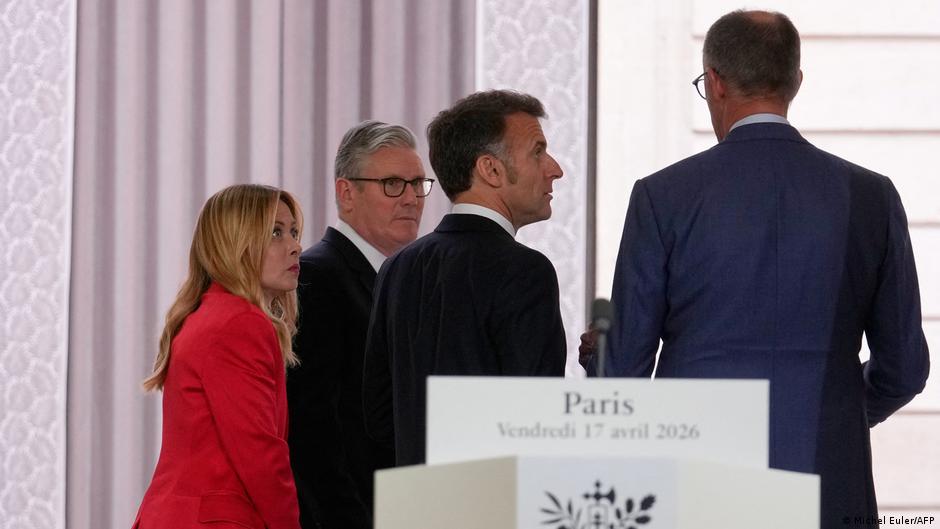
G7 leaders commit to new sanctions targeting Russia's energy sector and pledge increased military aid to Ukraine amid evolving conflict dynamics and strategic economic pressures.

European leaders welcome the US-Iran peace deal as a path toward regional stability and global economic recovery, emphasizing non-proliferation and swift implementation.

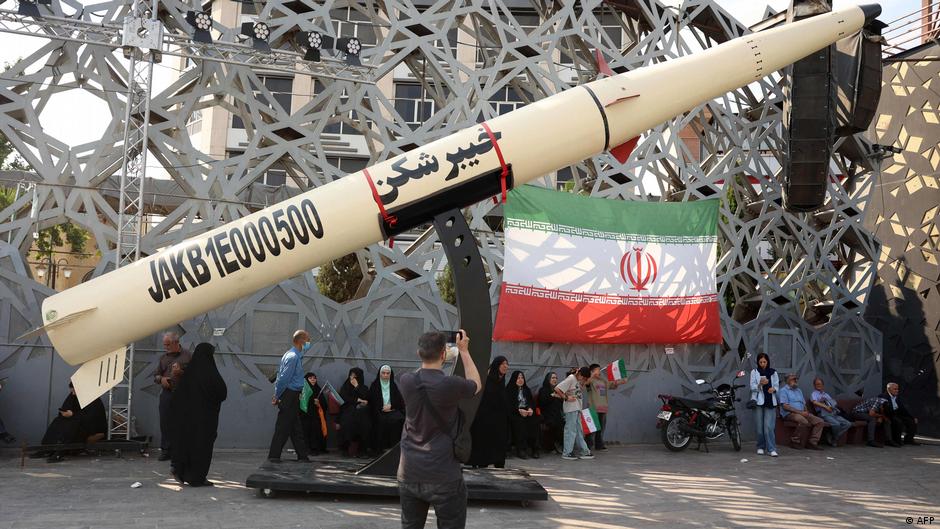
Iran has largely restored its missile arsenal during a ceasefire period, possibly aided by recent Russian missile transfers, complicating US efforts to curtail Tehran's military capabilities.

President Trump cancels June 11 airstrikes on Iran amid progress in multilateral negotiations involving regional allies, averting immediate military escalation.