US Cancels Planned Strikes on Iran Amid Promising Peace Negotiations
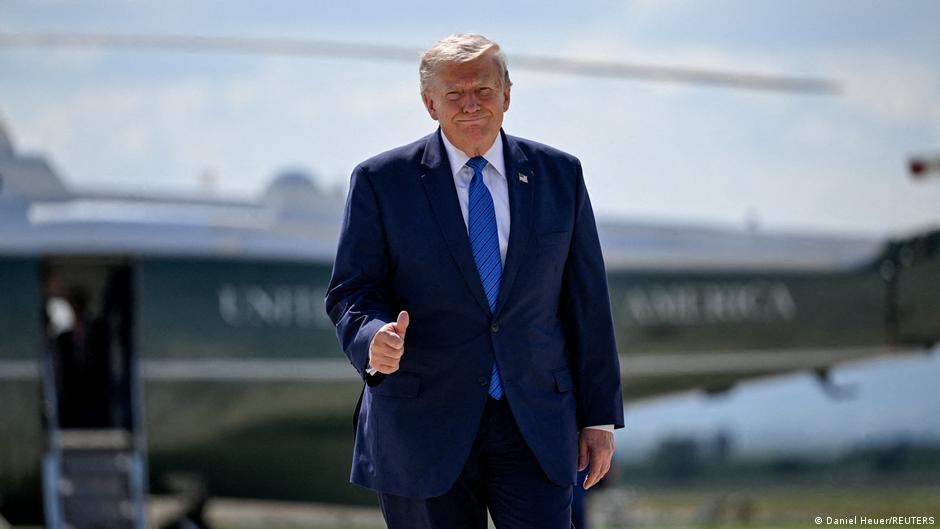
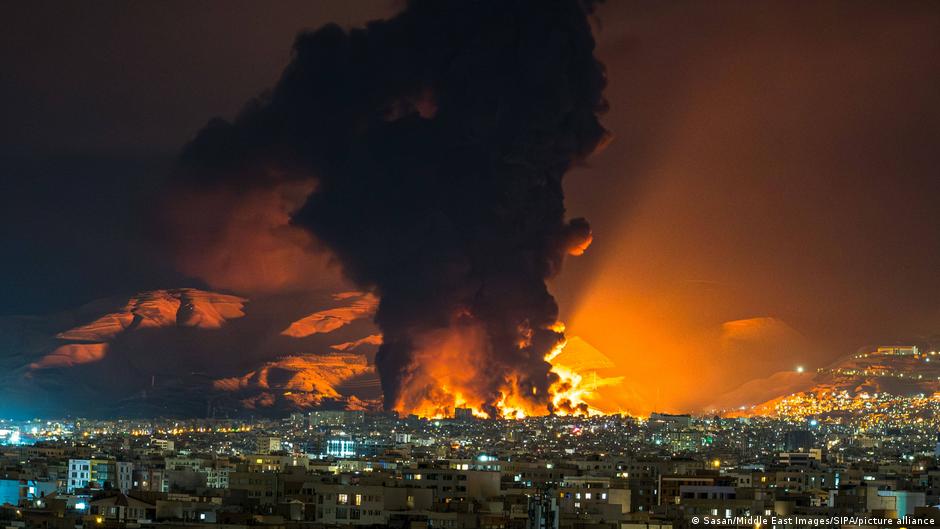
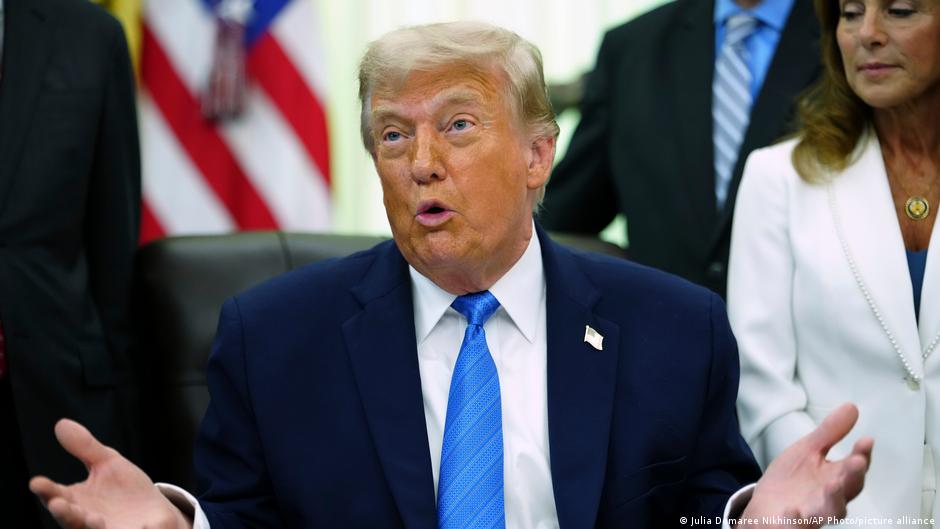
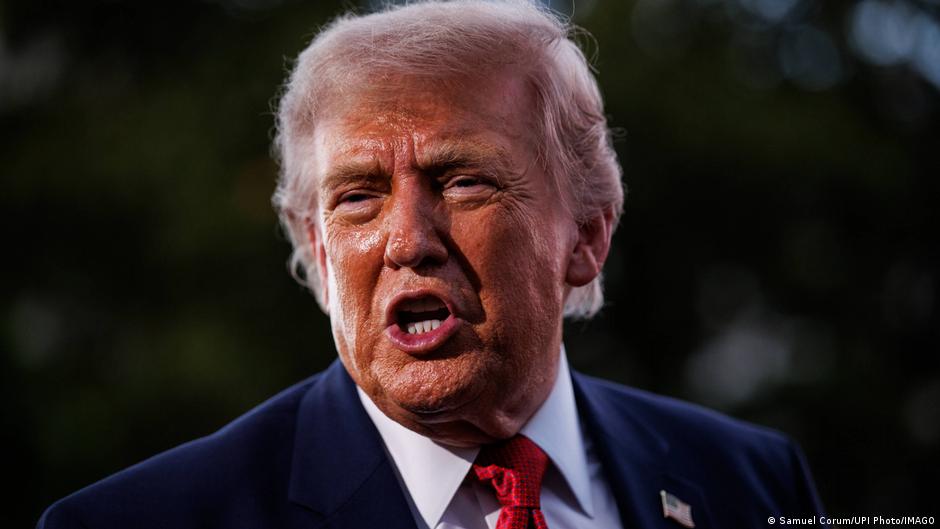
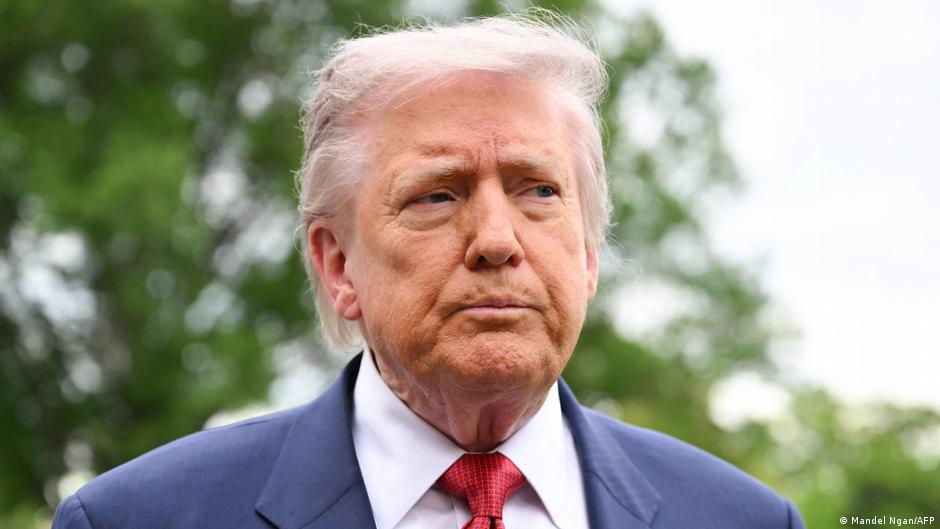
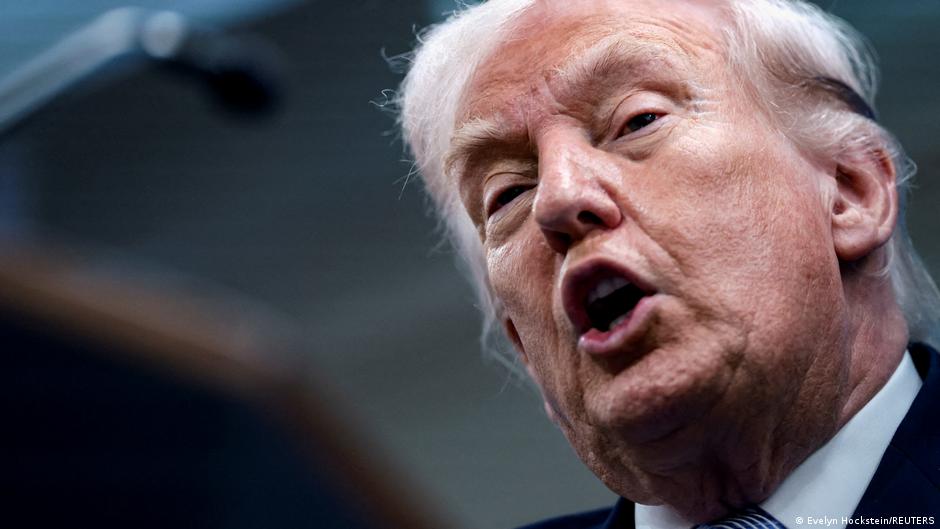
President Trump cancels June 11 airstrikes on Iran amid progress in multilateral negotiations involving regional allies, averting immediate military escalation.

President Trump cancels June 11 airstrikes on Iran amid progress in multilateral negotiations involving regional allies, averting immediate military escalation.

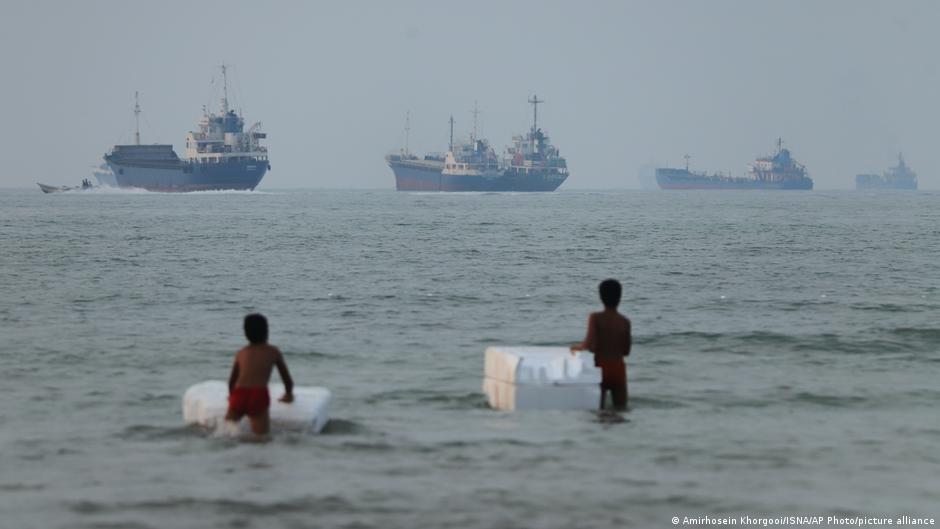
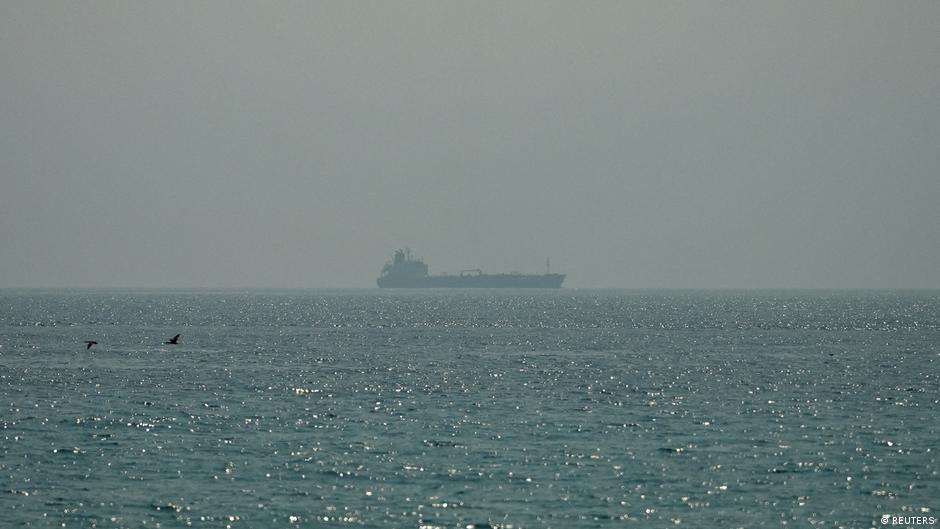
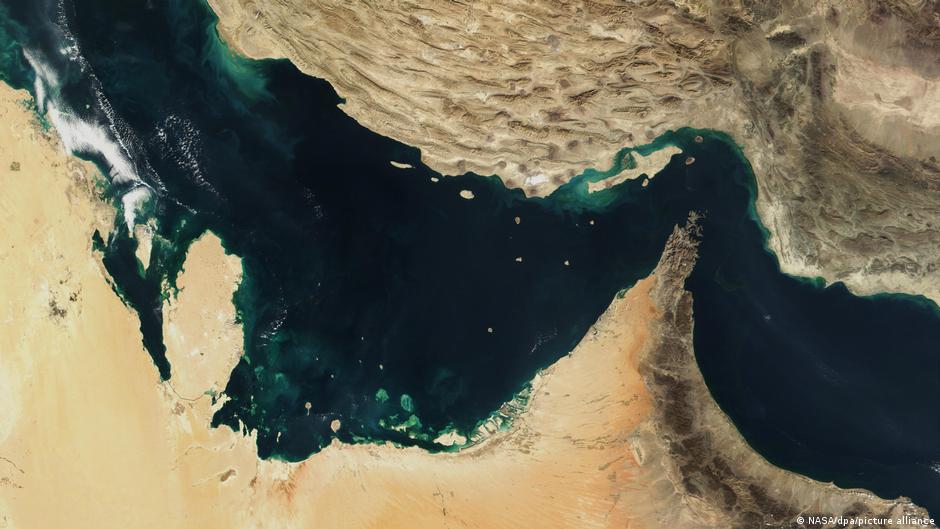
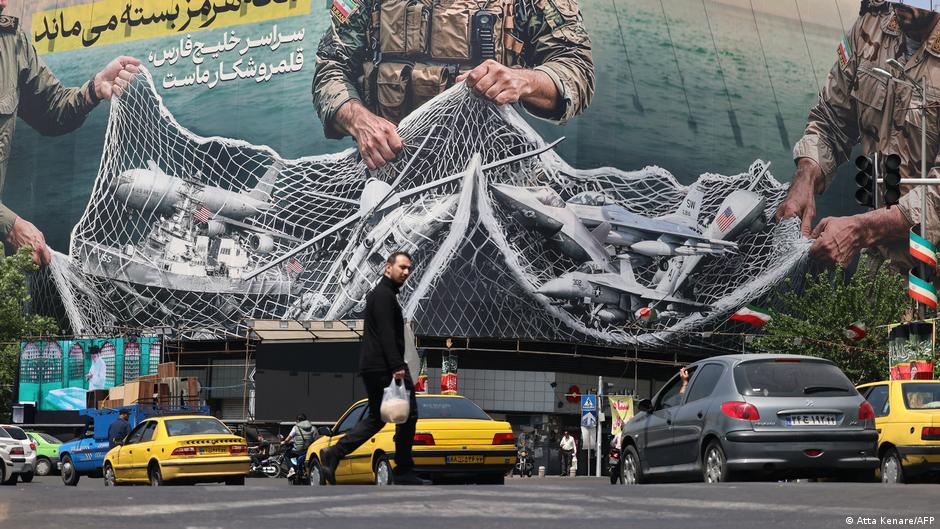
Renewed US strikes on Iran have led Tehran to close the Strait of Hormuz, escalating regional tensions with significant impacts on global energy markets.

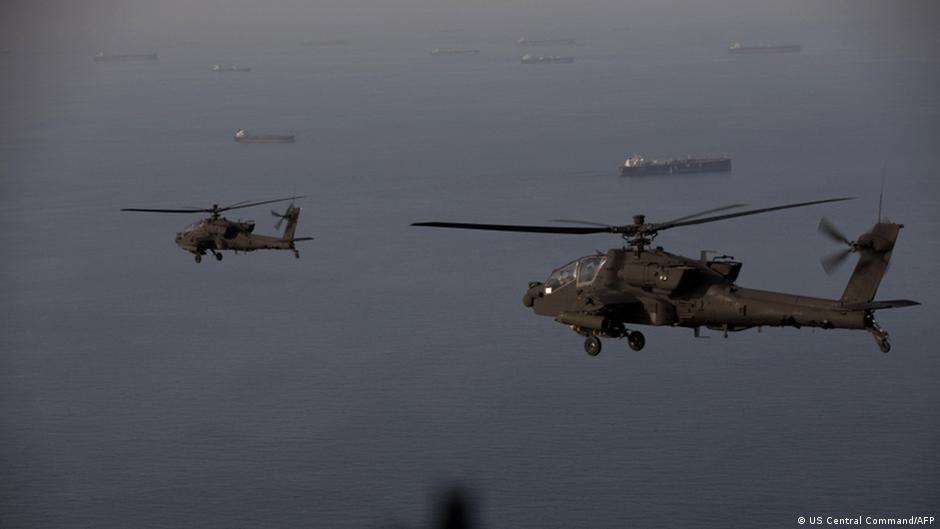
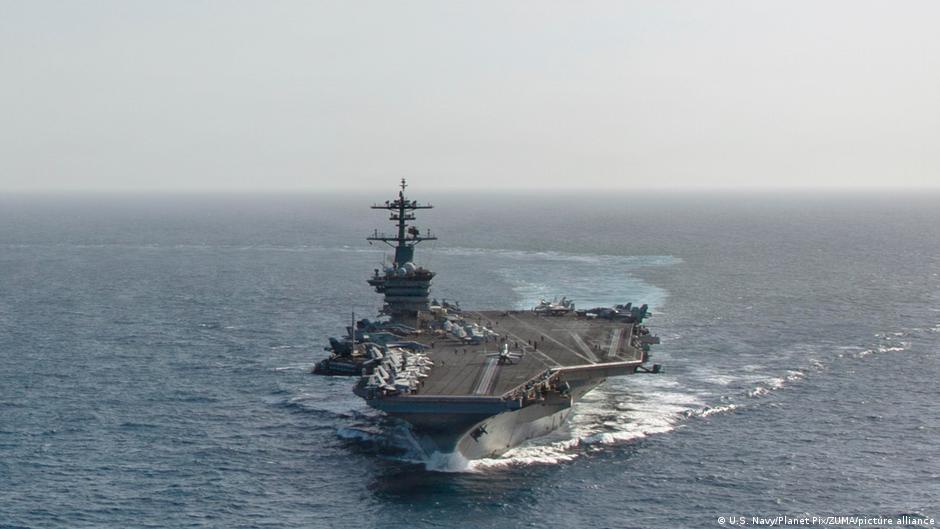
The US resumed airstrikes on Iran following the downing of an Apache helicopter over the Strait of Hormuz, reflecting escalating regional tensions with significant economic implications.

US forces intercepted four Iranian drones targeting the Strait of Hormuz and struck radar stations, highlighting escalating tensions impacting global energy security.

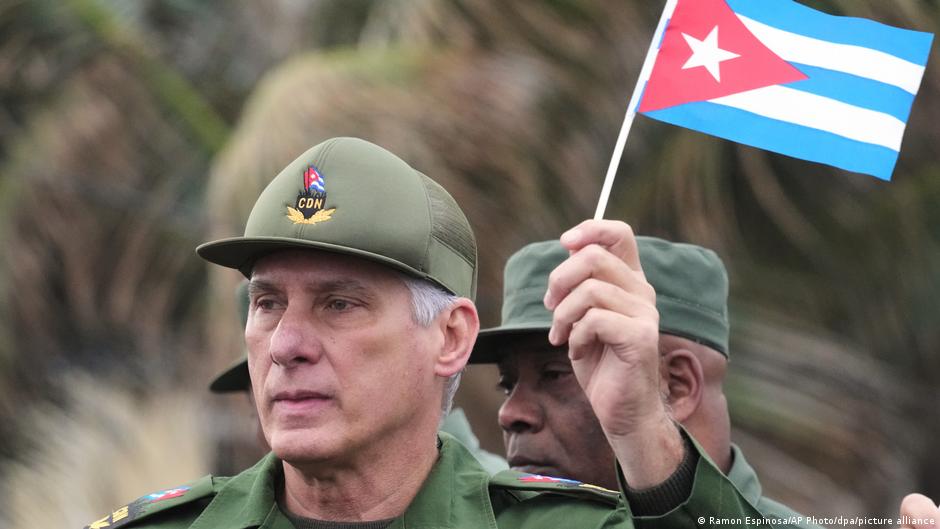
The US expands sanctions targeting Cuban President DÃaz-Canel and Raúl Castro’s family amid escalating tensions and Cuba’s worsening economic crisis.

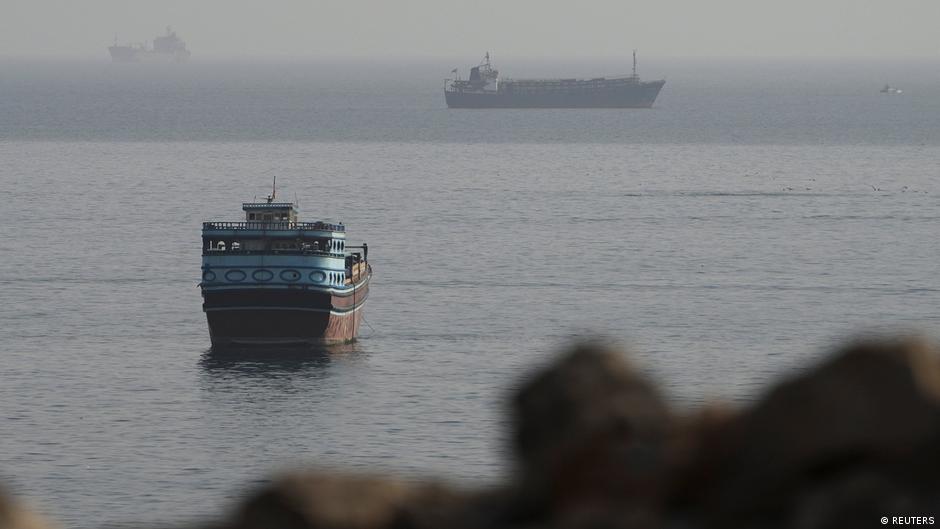
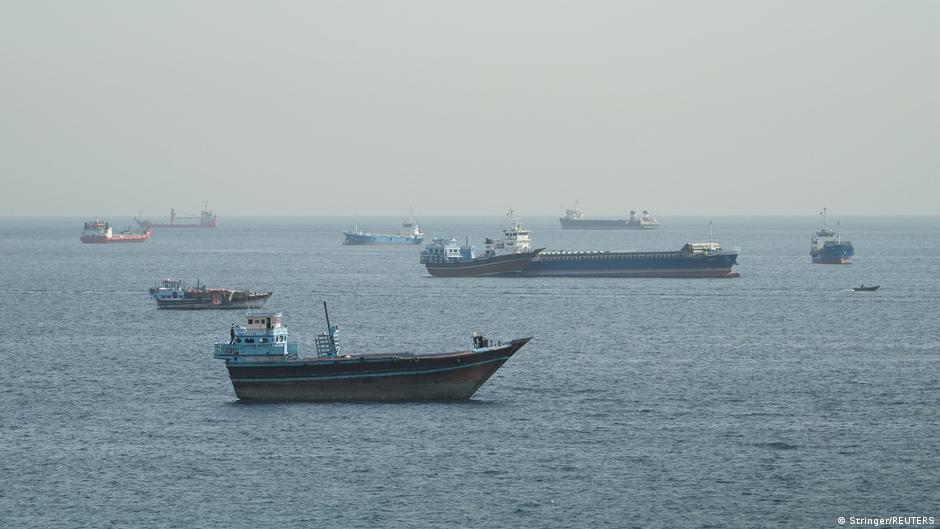
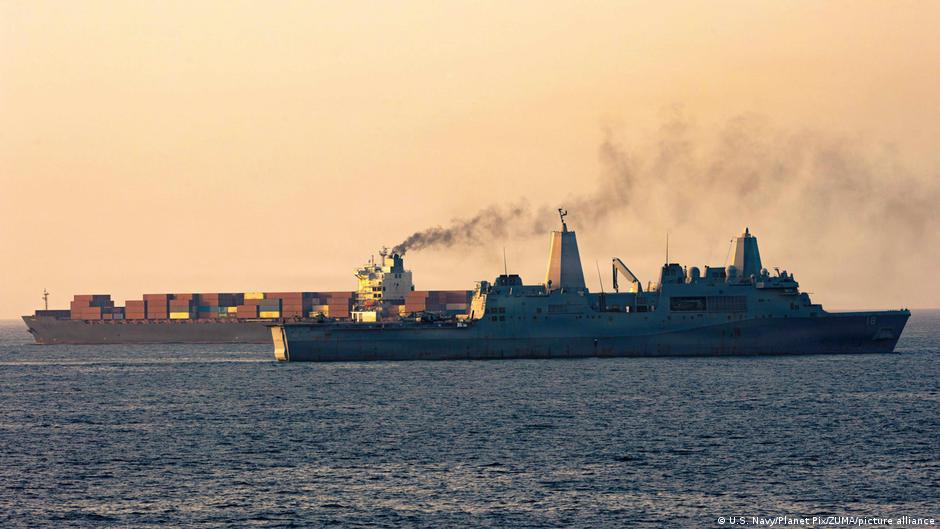
The US has covertly assisted about 70 commercial vessels through the Iran-blocked Strait of Hormuz amid escalating tensions, impacting global energy markets and maritime security.

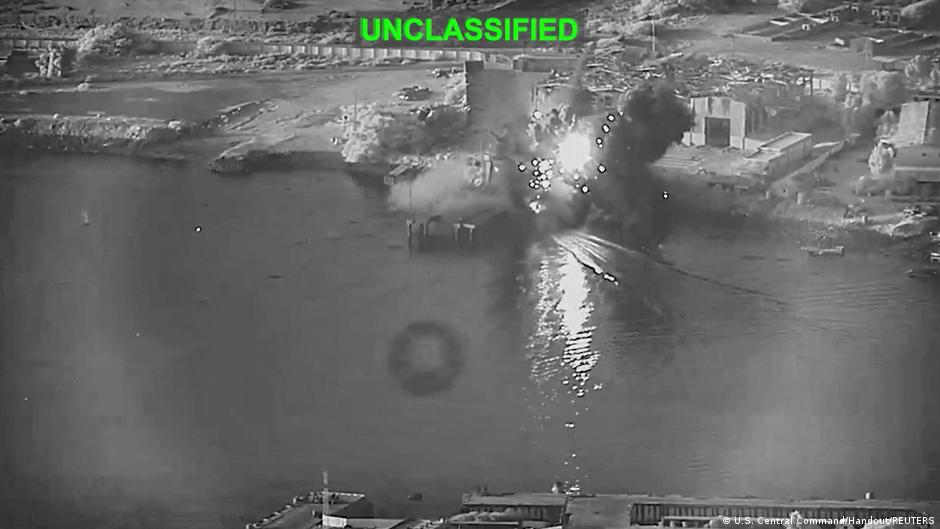
The US struck a Gambian-flagged ship enforcing the Strait of Hormuz blockade, reflecting deep geopolitical tensions that disrupt critical energy trade routes and impact global markets.

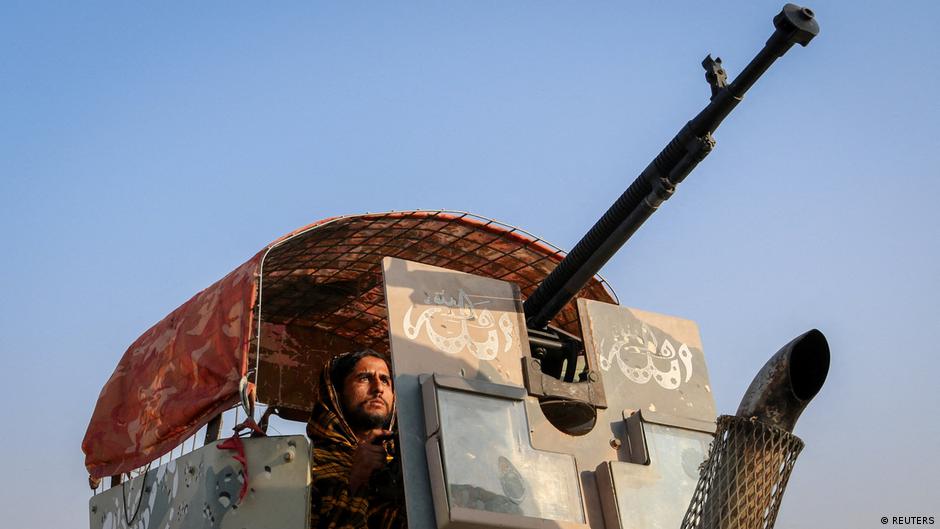
Russia and the Taliban signed a military-technical cooperation agreement that may enable arms transfers and reshape regional security and economic dynamics.

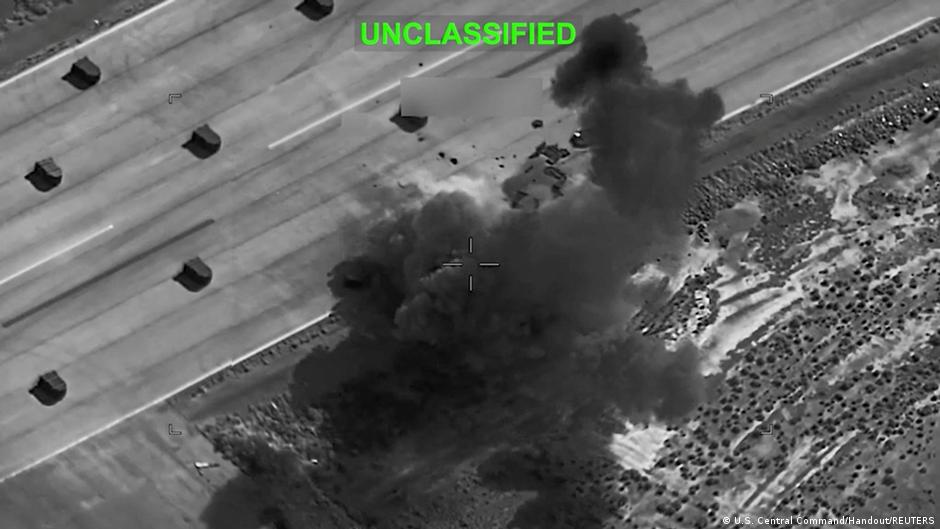
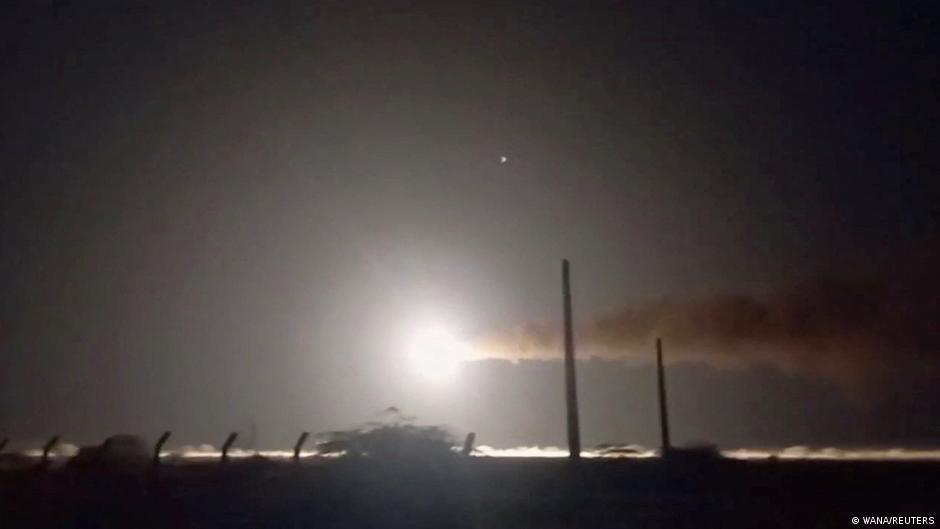
The US military conducted defensive strikes on southern Iran to counter threats amid ongoing peace talks, highlighting fragile regional stability and potential economic repercussions.

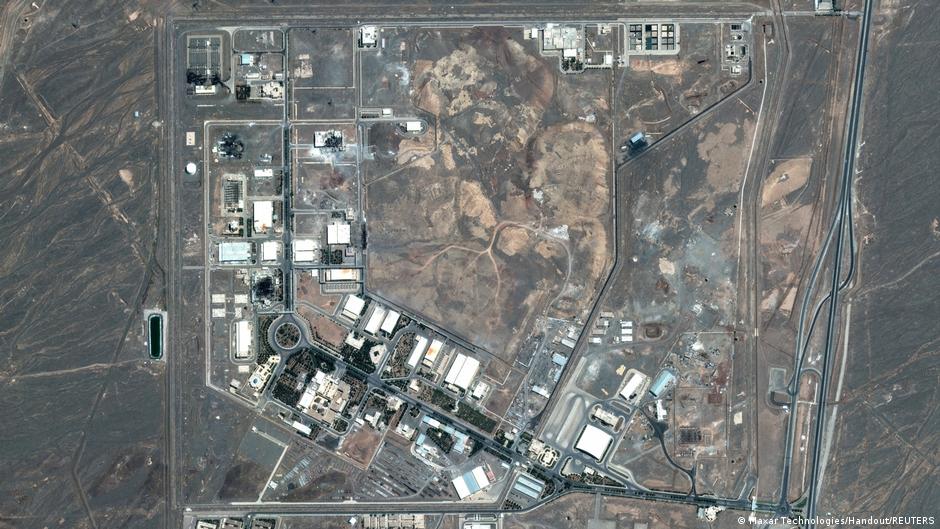
Donald Trump announces plans for Iran's enriched uranium to be destroyed either in the US or on-site under IAEA supervision amid escalating nuclear tensions.

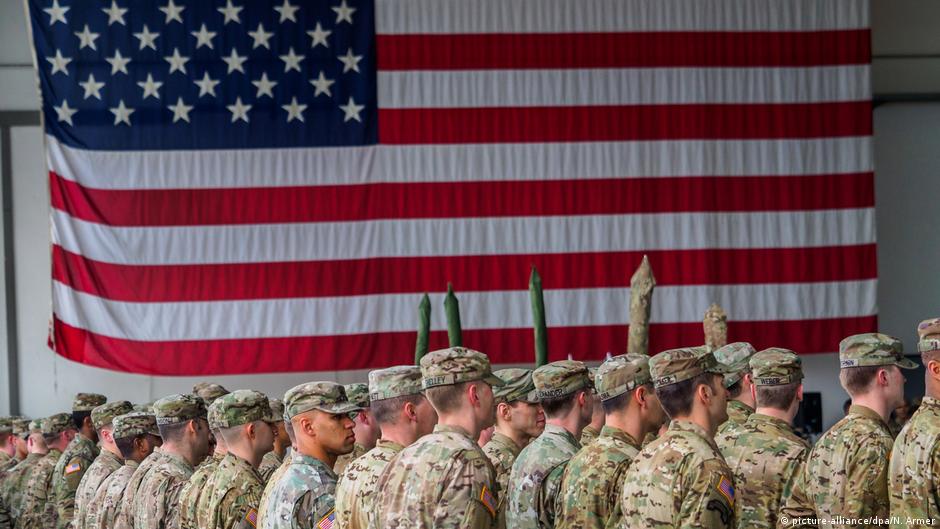
The US commits to sending 5,000 additional troops to Poland, reversing earlier Pentagon decisions and signaling a complex strategic realignment in Europe with broad economic and security implications.

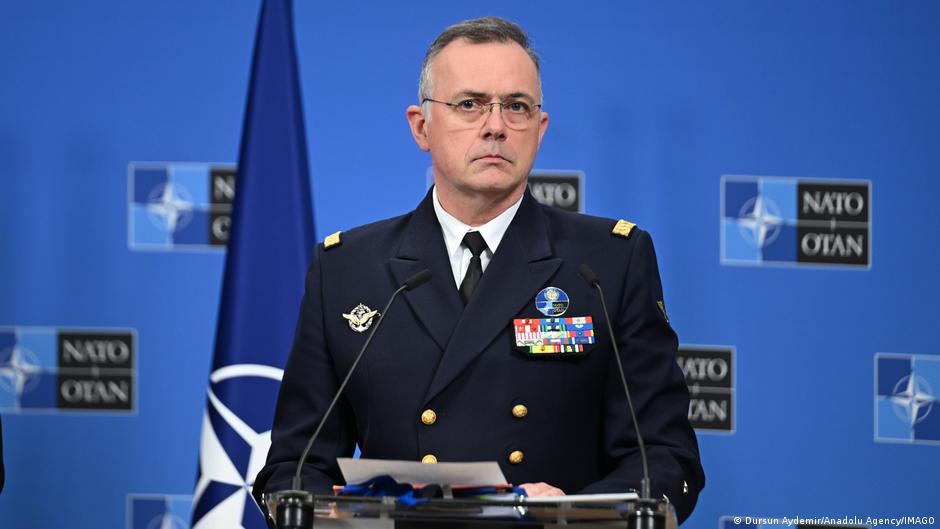
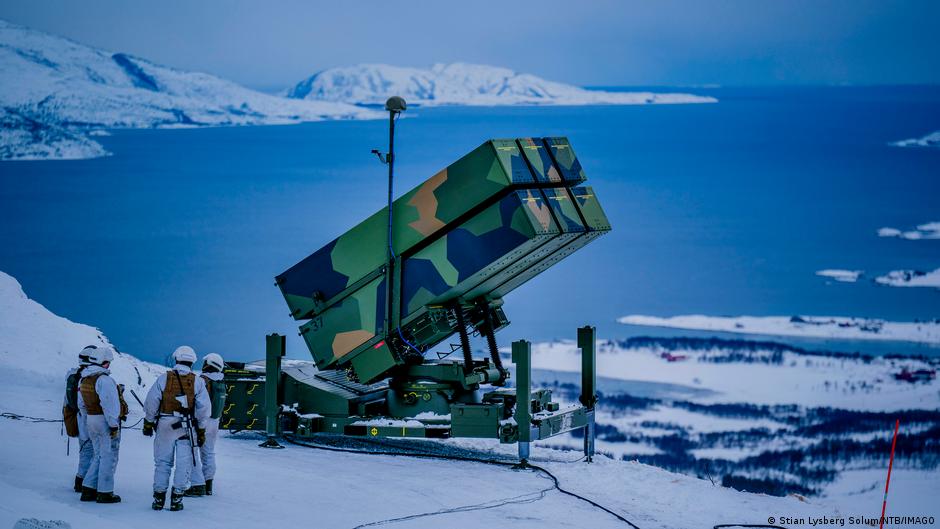
NATO confirms ongoing delivery of US air defense missiles to Ukraine via PURL, highlighting sustained alliance support and regional security implications amid the protracted conflict.

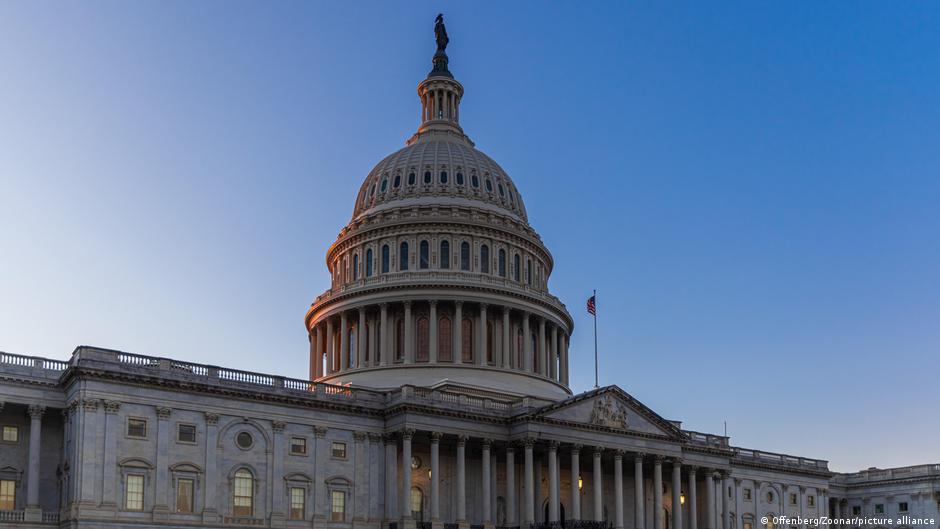
The US Senate advances a resolution requiring presidential congressional approval for military actions against Iran, highlighting constitutional and economic challenges.

US intelligence reveals Iran retains about 70% of its missile arsenal, challenging official claims of military degradation and raising strategic concerns over US munitions depletion.

US considers relocating 5,000 troops from Germany to Poland amid strategic and political shifts, impacting NATO dynamics and regional security architecture.

Iran has presented a detailed 14-point peace proposal to the US, outlining conditions for ending the Middle East conflict amid ongoing military and economic tensions.

President Trump announces a major US troop withdrawal from Germany, risking shifts in NATO dynamics and impacting European security and economic landscapes.

The US plans to cut 5,000 troops from its 35,000-strong contingent in Germany within a year, reflecting strategic recalibration of military presence in Europe.

The US delays arms shipments to Europe to replenish stocks amid Iran conflict, impacting NATO allies and signaling shifts in defense priorities and economic supply chains.

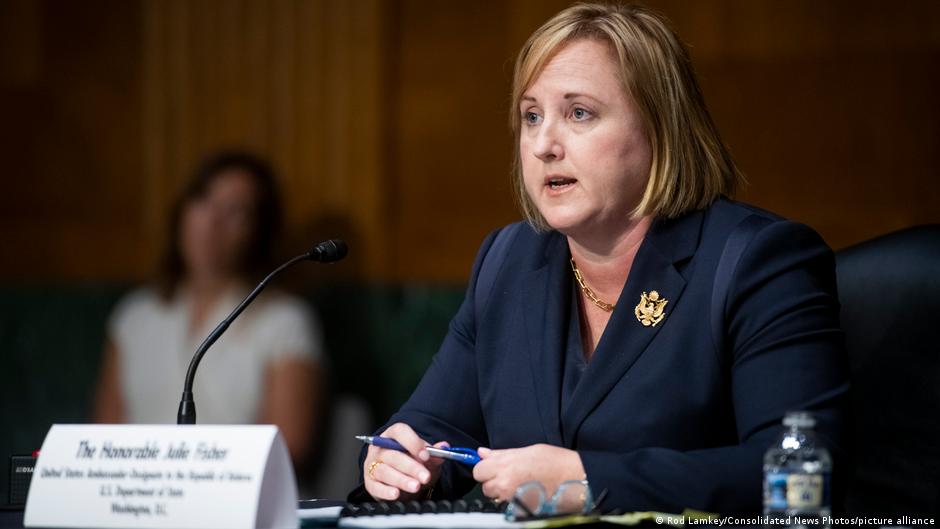
Julie Davis plans to leave her post as US Chargé d’Affaires in Ukraine amid administration disagreements, reflecting broader shifts in Washington’s policy and impacting regional stability.