US Announces New Negotiation Phase with Iran Amid Military Tensions
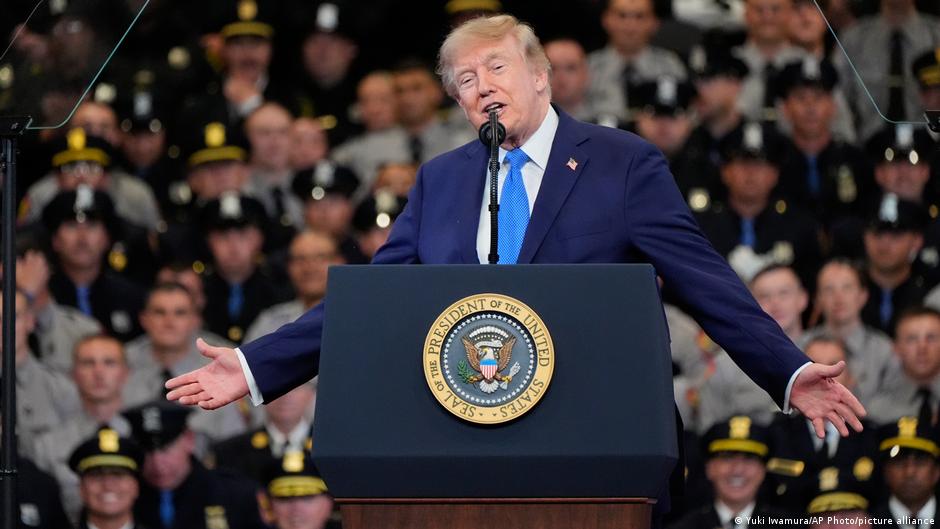
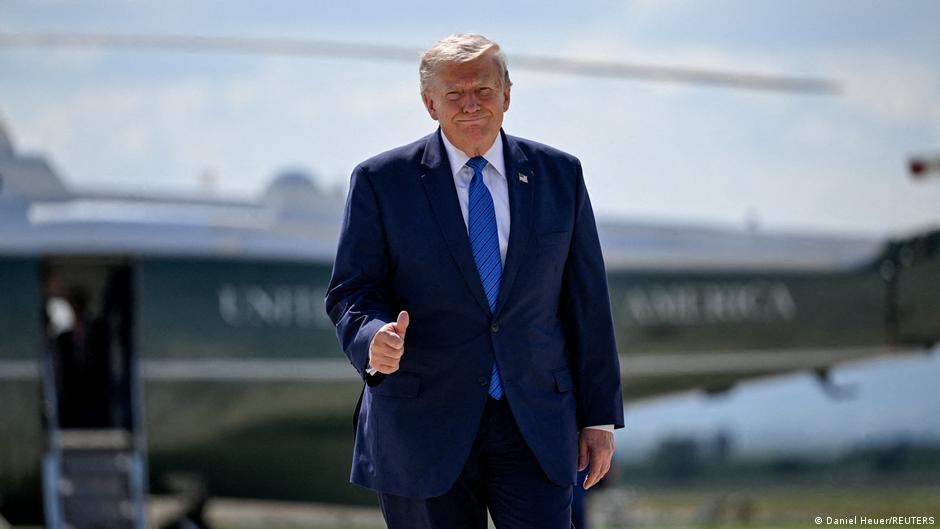
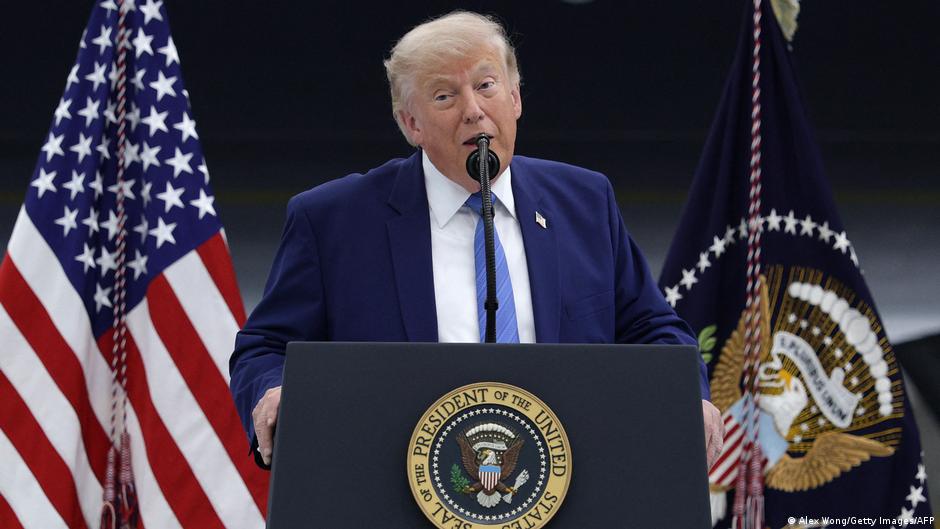
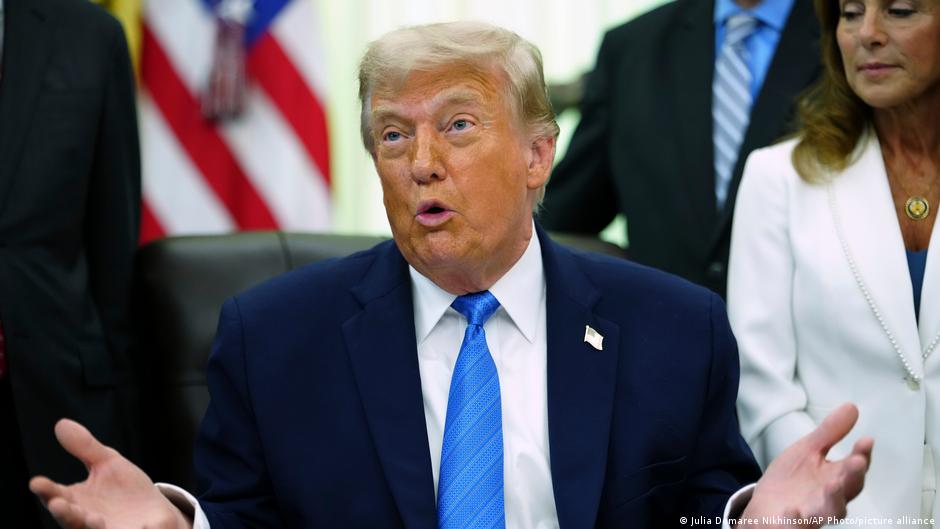
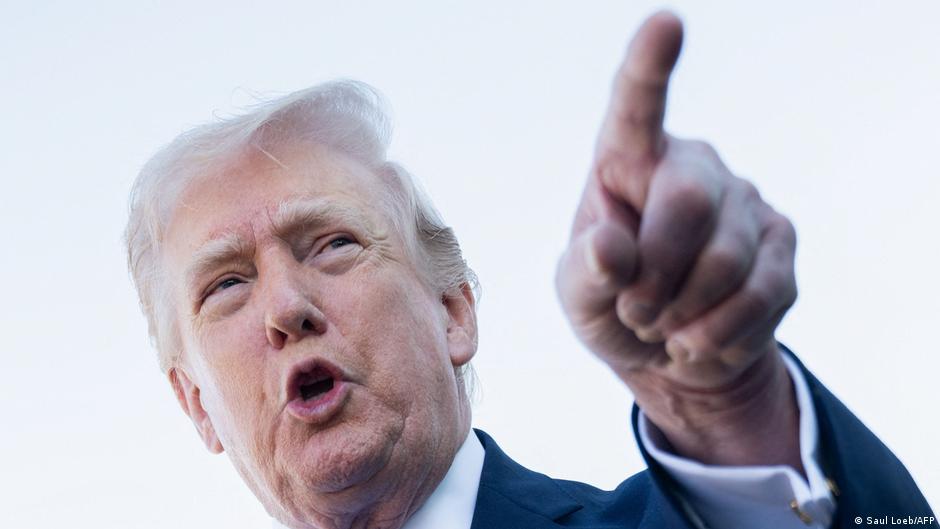
President Trump announces a new negotiation phase with Iran, postponing military strikes to pursue a deal addressing nuclear and regional security, amid ongoing US-Iran tensions.

President Trump announces a new negotiation phase with Iran, postponing military strikes to pursue a deal addressing nuclear and regional security, amid ongoing US-Iran tensions.

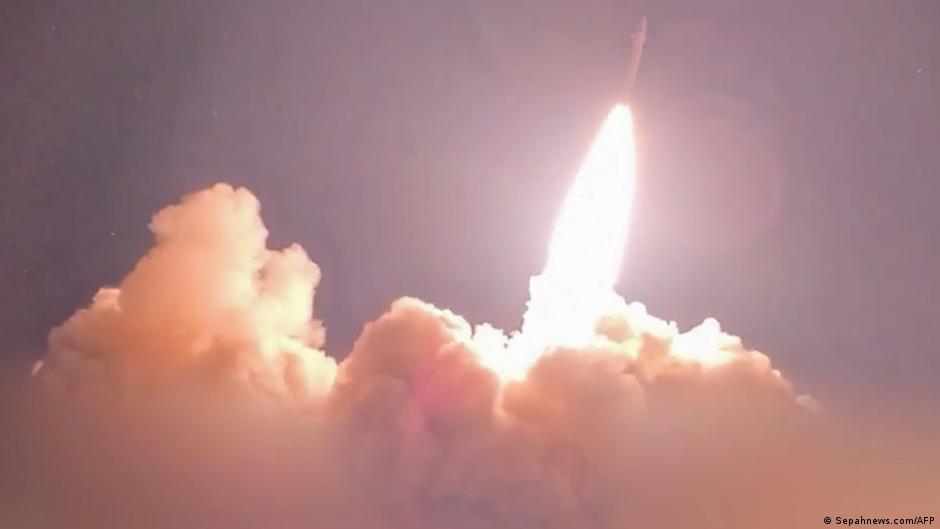
The US intercepted ballistic missiles launched from Iran targeting American forces, underscoring escalating tensions and the complex economic risks in the Middle East.

The U.S. Senate advances the Graham Sanctions bill to impose steep tariffs on Russia and its energy partners, signaling a strategic intensification of economic pressure.

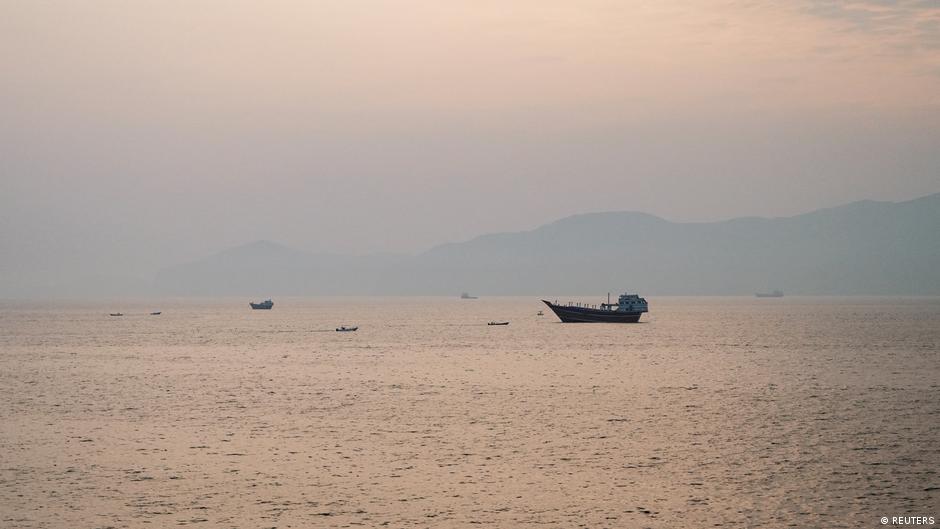
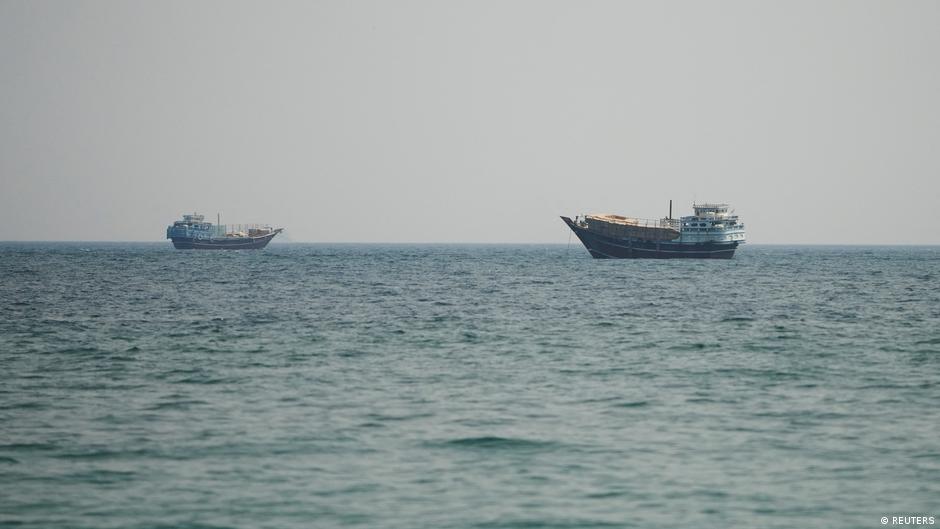
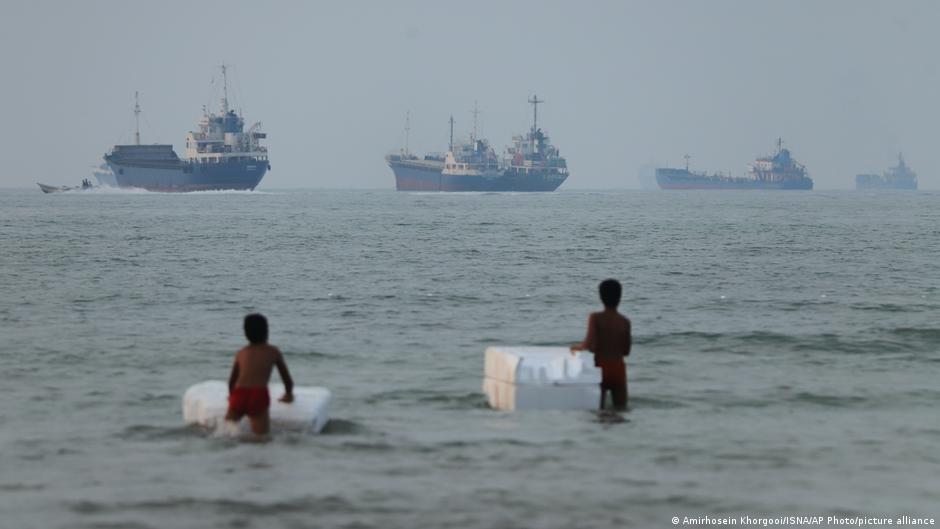
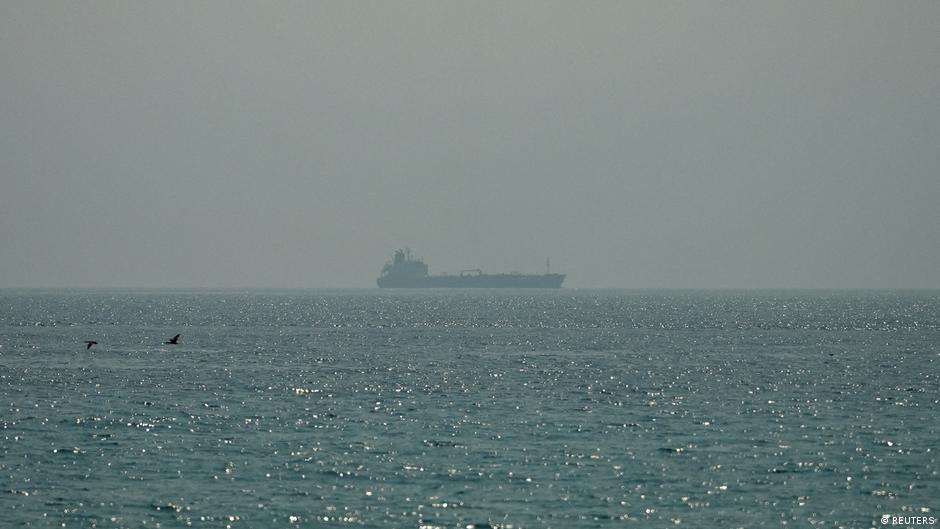
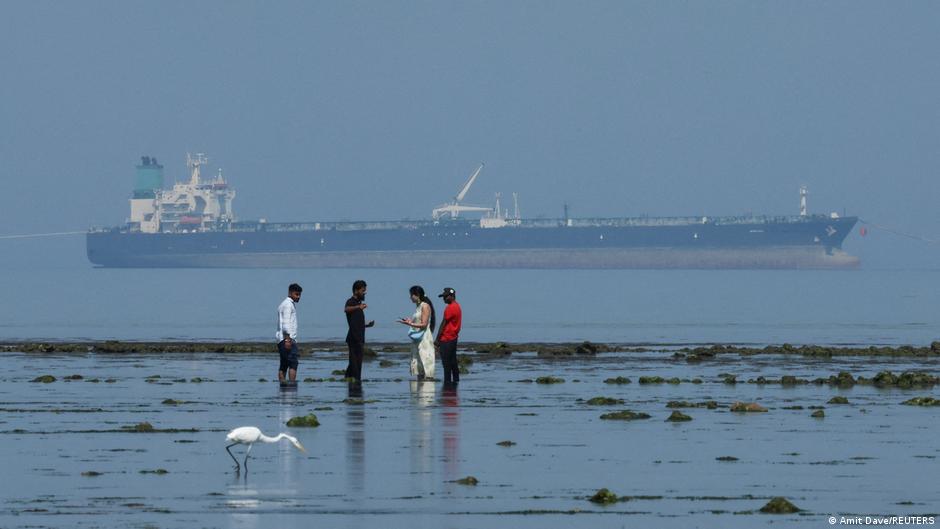
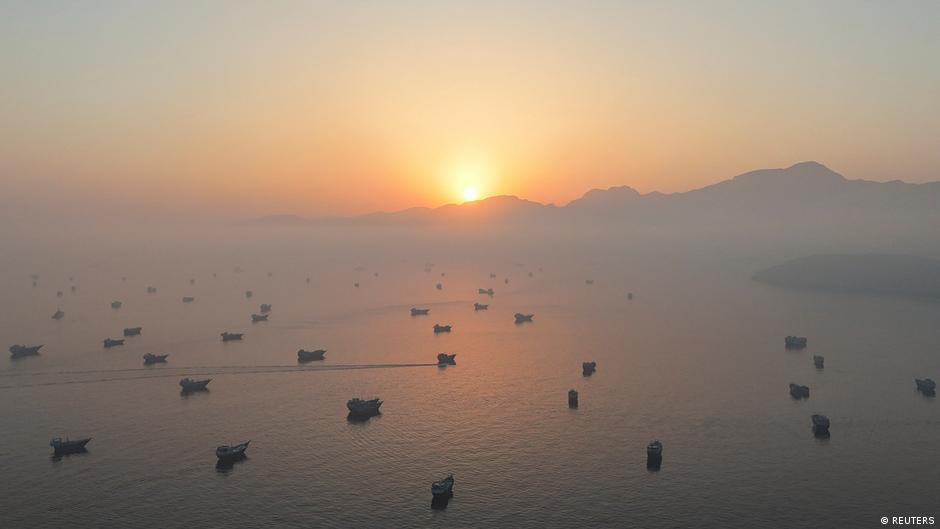
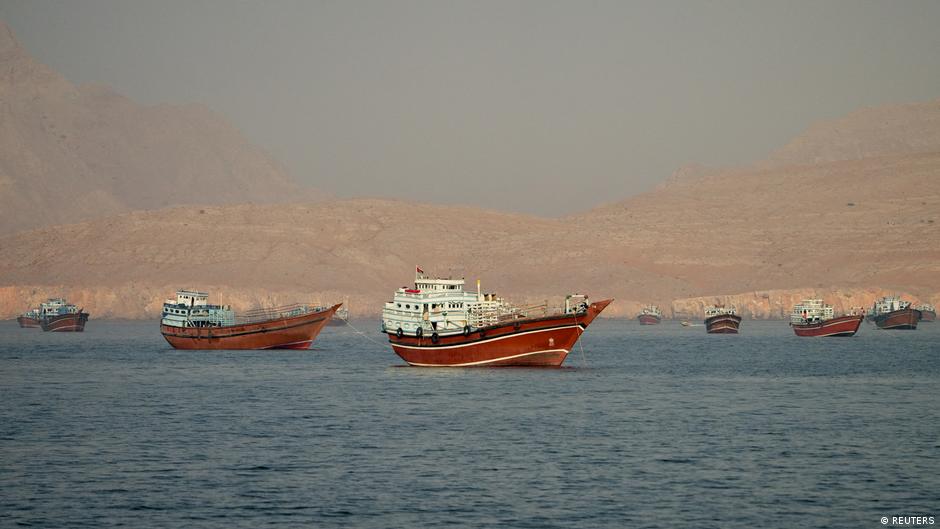
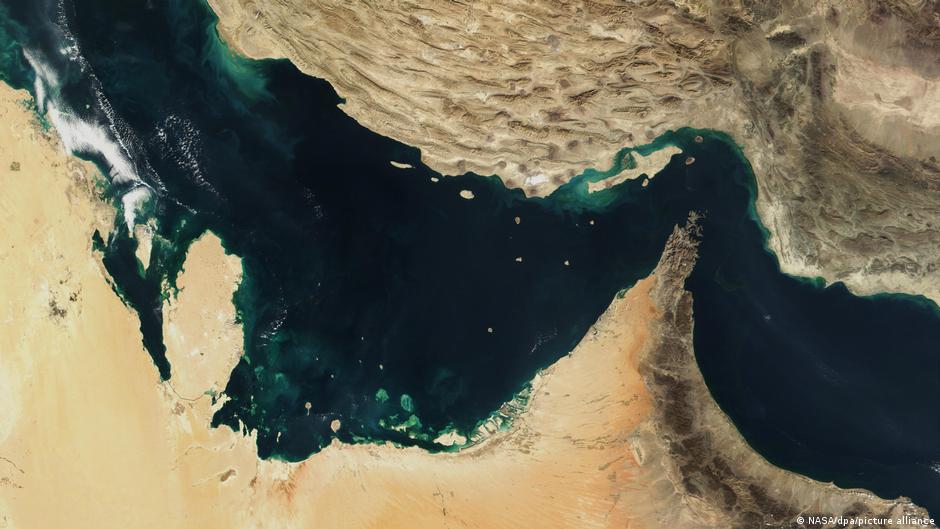
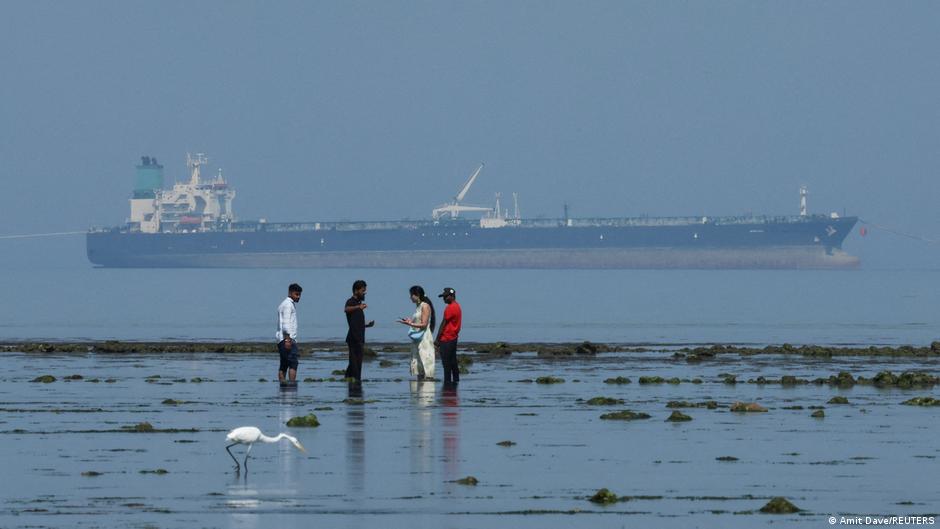
Iran's IRGC claims a tanker was mined in the Strait of Hormuz after unauthorized passage, signaling heightened risks to global oil transit through this strategic chokepoint.

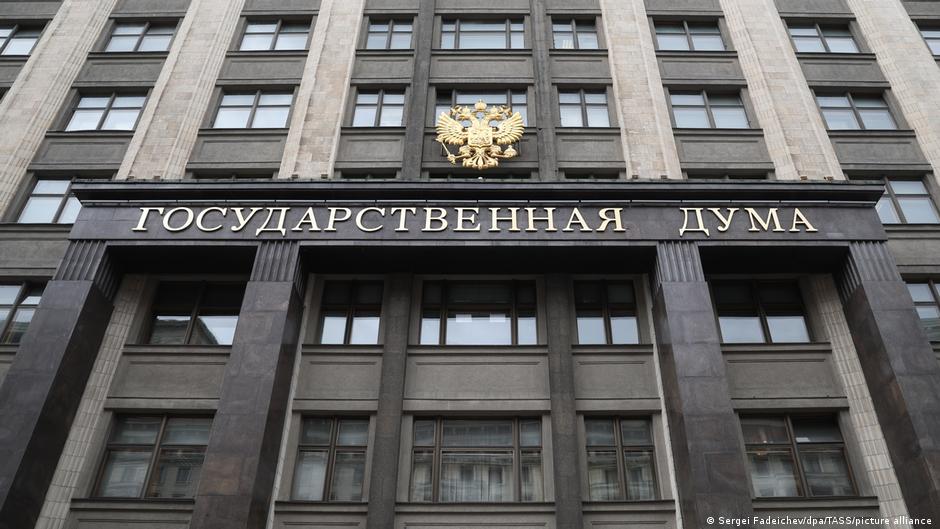
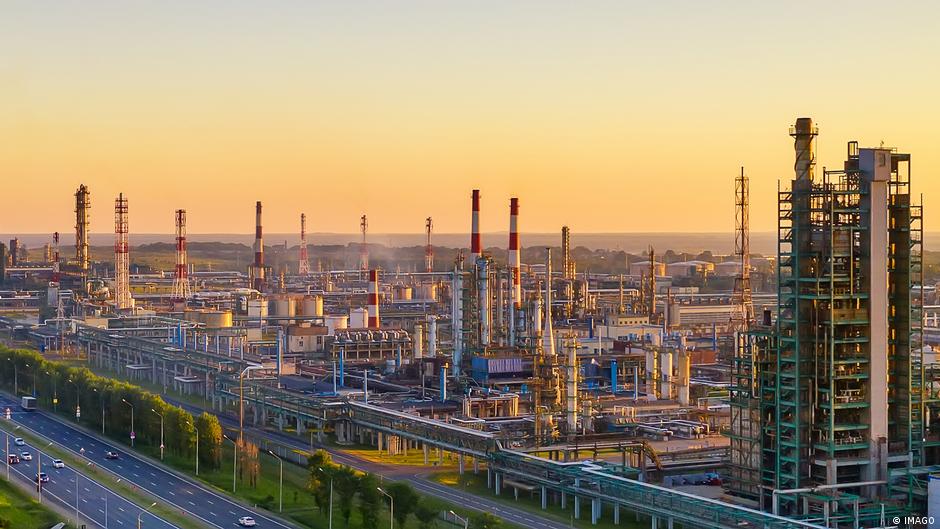
Russia’s State Duma amends fuel dampener rules and import compensations to stabilize domestic fuel prices amid refinery disruptions and export limits.

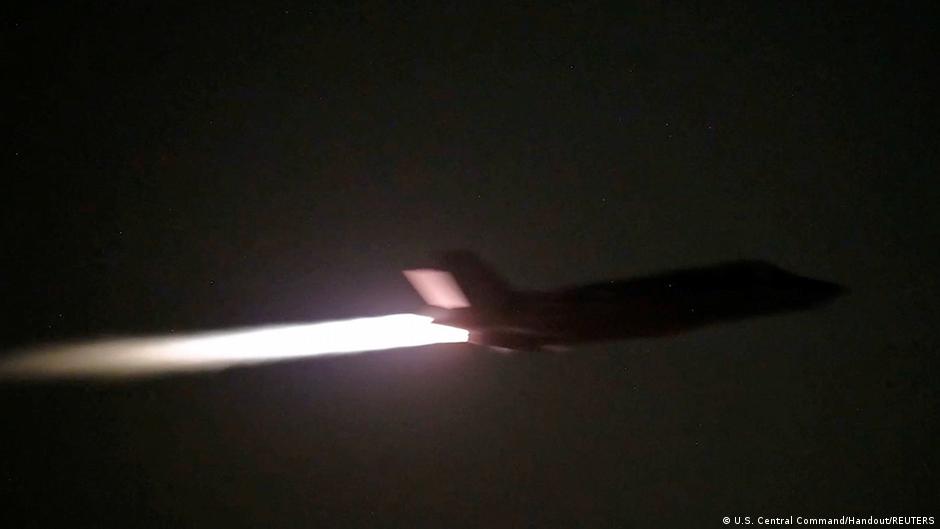
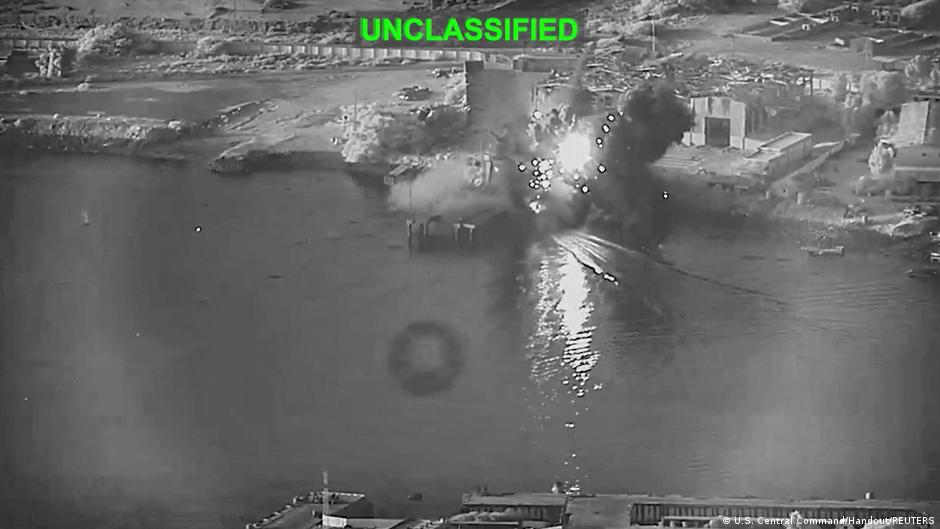
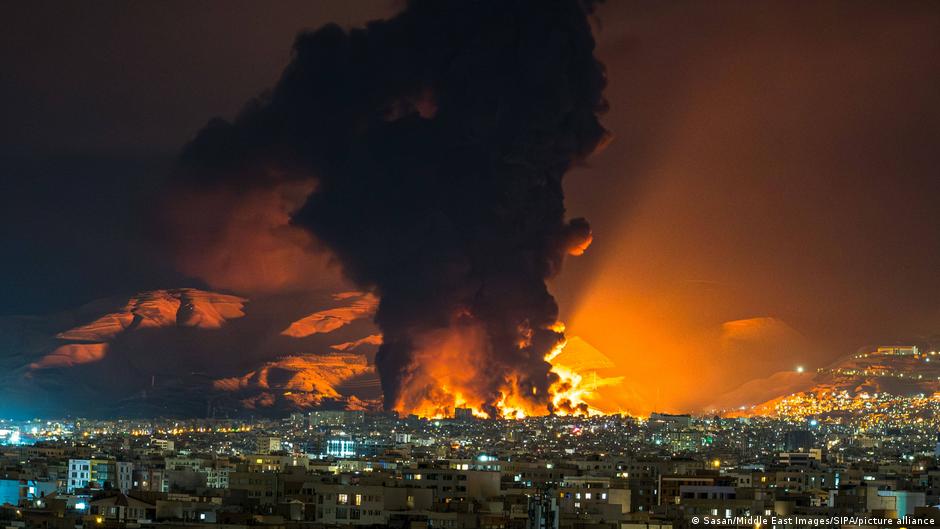
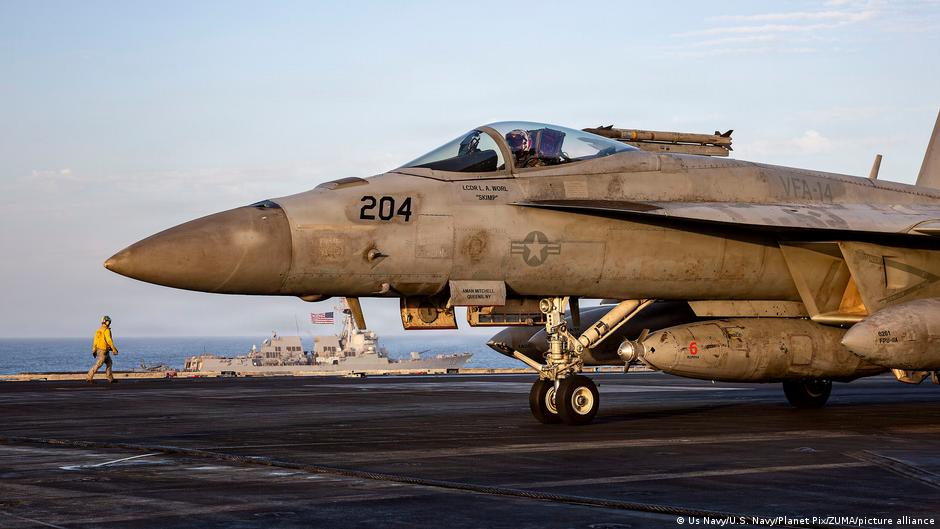
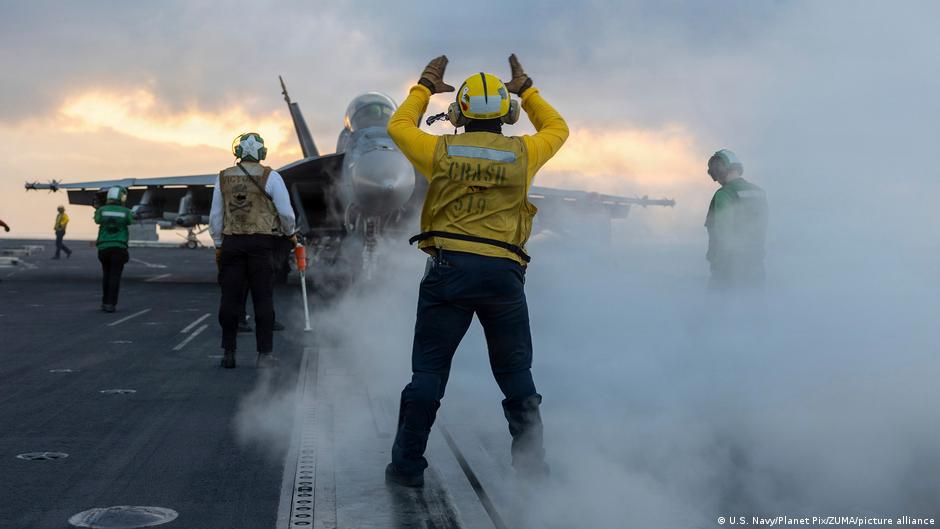
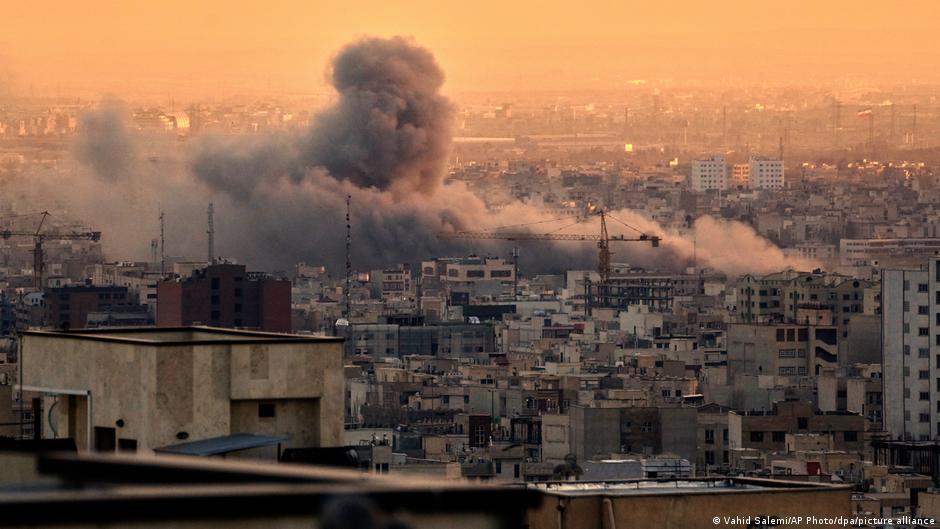
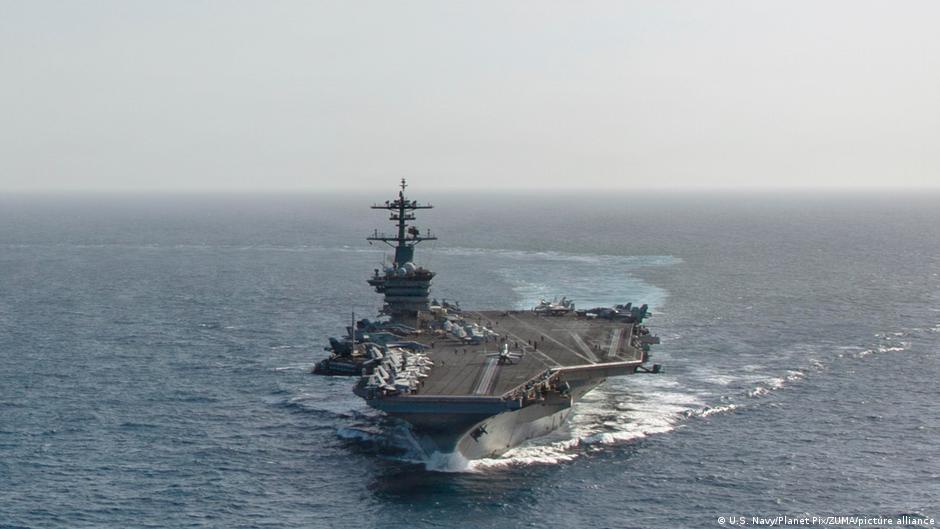
The US military conducted its 11th night of strikes against Iran targeting strategic infrastructure to counter threats to Gulf shipping amid escalating conflict in the Middle East.

US military deaths in the conflict with Iran reach 17 after a fatal incident during ordnance disposal in northern Iraq, amid ongoing retaliatory strikes and heightened regional military activity.

US forces have launched nine consecutive nights of strikes against Iran, prompting Iranian retaliation and impacting shipping through the strategic Strait of Hormuz, with broader implications for global energy markets.

The US has launched new strikes targeting Iranian infrastructure, prompting Tehran to vow retaliatory attacks amid escalating tensions and risks to regional stability.

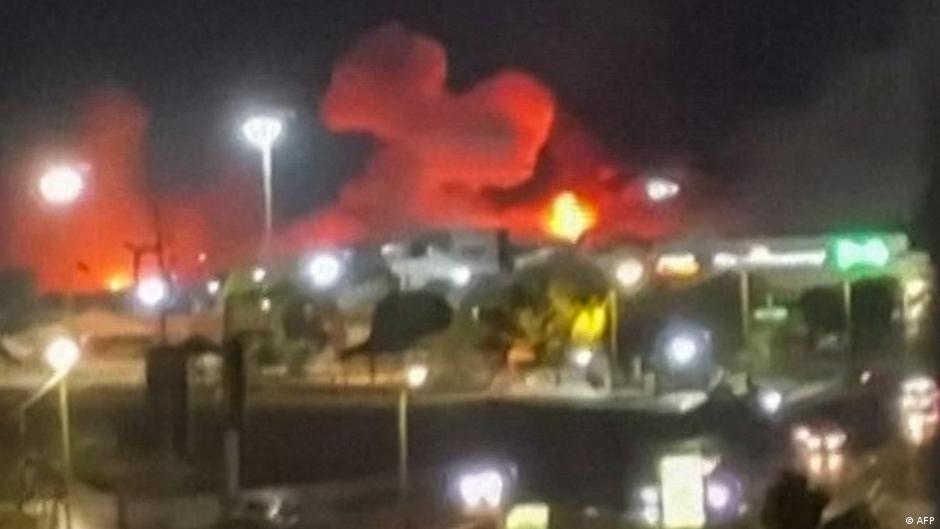
The US launched airstrikes on Iranian military and infrastructure sites, prompting retaliatory attacks on US bases in Bahrain and Kuwait, escalating tensions with significant economic ramifications.

The US is pursuing the revival of an Iraq-Syria oil pipeline to bypass the Strait of Hormuz, aiming to reduce Iran's influence and enhance global energy security amid regional tensions.

The US military launched new strikes against Iran targeting its ability to attack commercial vessels in the Strait of Hormuz amid escalating regional tensions threatening global oil trade.

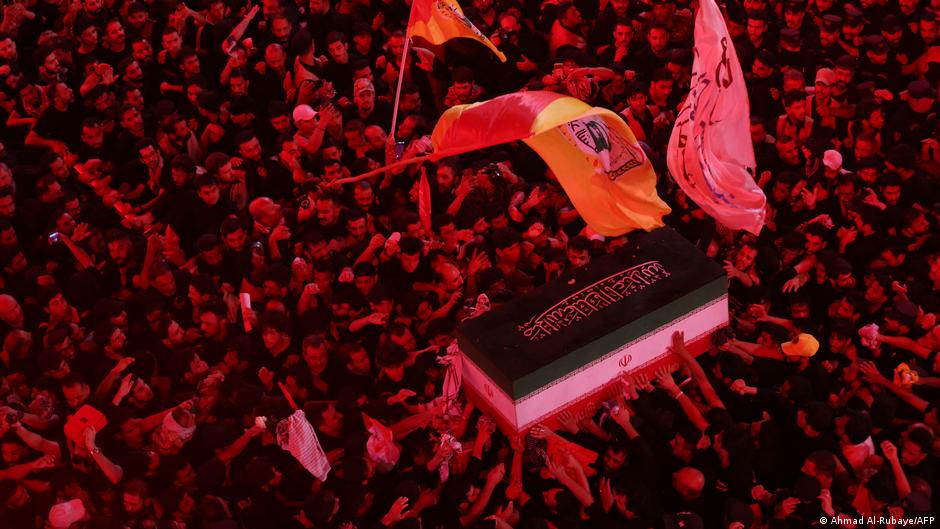
Iran buried former Supreme Leader Ali Khamenei in a closed ceremony amid regional tensions and uncertainty over his successor's public presence.

The US has launched new military strikes against Iran to prevent interference with shipping in the Strait of Hormuz, escalating tensions amid sanctions and regional retaliations.

US military strikes on Iran following attacks on commercial vessels heighten risks of conflict and disrupt critical energy trade routes through the Strait of Hormuz.

The US has extended the operational license for Serbia’s NIS under sanctions, delaying Gazprom’s divestment and highlighting complex regional energy and geopolitical stakes.

The US and Iran have agreed to a temporary ceasefire until June 30, ahead of talks in Qatar addressing the reopening of the Strait of Hormuz, a critical oil shipping route.

US airstrikes targeted Iranian military sites following drone attacks on commercial tankers in the Strait of Hormuz, escalating regional tensions and threatening global oil supply routes.

US airstrikes targeted Iranian military sites after a drone attack on a commercial ship in the Strait of Hormuz, escalating tensions and impacting global oil markets.

Italy and France express doubts over the EU’s proposed entry ban on Russian combatants, fearing enforcement challenges and unintended restrictions on all Russian nationals.

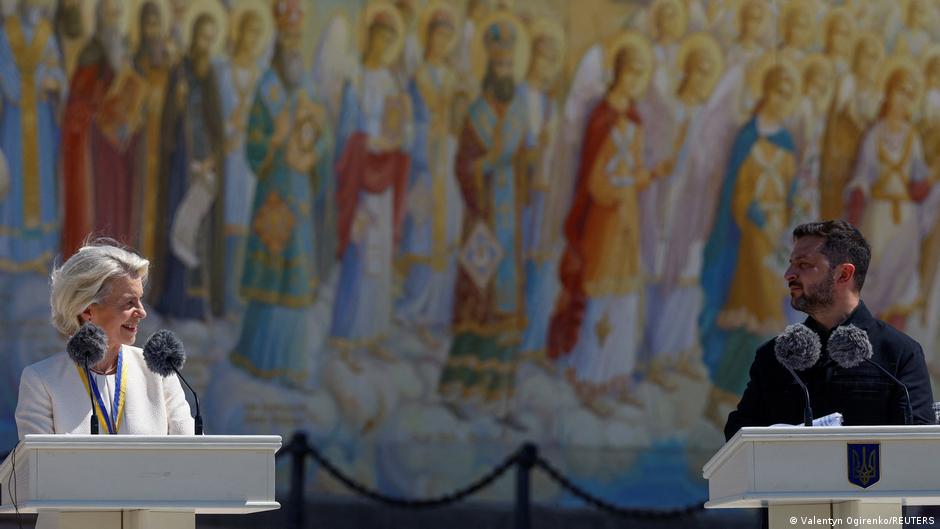
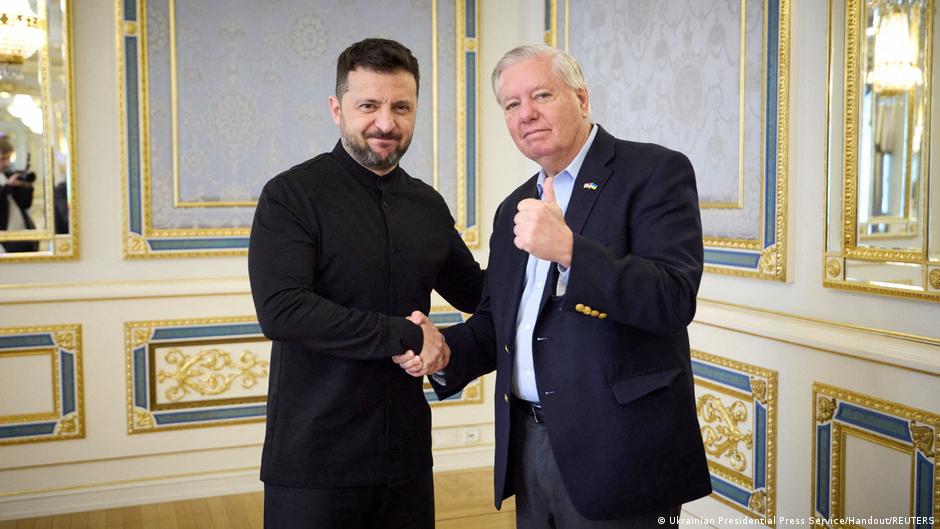
Former US President Trump praises Zelensky's resilience amid the Russia-Ukraine conflict, signaling shifts in US foreign policy and highlighting economic and geopolitical complexities.

Russia's maritime oil exports reached their highest weekly volume in 2026 amid US sanctions relief for Iran and lower global prices, highlighting complex geopolitical and economic challenges.

The US threatens to impose transit fees on vessels passing through the Strait of Hormuz if talks with Iran fail, signaling a new economic lever in Middle East geopolitics.

US envoy Stephen Whitcoff travels to Switzerland for nuclear talks with Iran, delayed by ongoing Lebanon conflict and ceasefire demands, amid high economic and geopolitical stakes.

The US has lifted its naval blockade of the Strait of Hormuz, enabling renewed Iranian oil exports and opening a 60-day negotiation period aimed at a comprehensive peace agreement.

Pakistan announces immediate reopening of the Strait of Hormuz following a US-Iran peace memorandum, signaling a potential shift in regional stability and global energy markets.

G7 leaders commit to new sanctions targeting Russia's energy sector and pledge increased military aid to Ukraine amid evolving conflict dynamics and strategic economic pressures.

European leaders welcome the US-Iran peace deal as a path toward regional stability and global economic recovery, emphasizing non-proliferation and swift implementation.

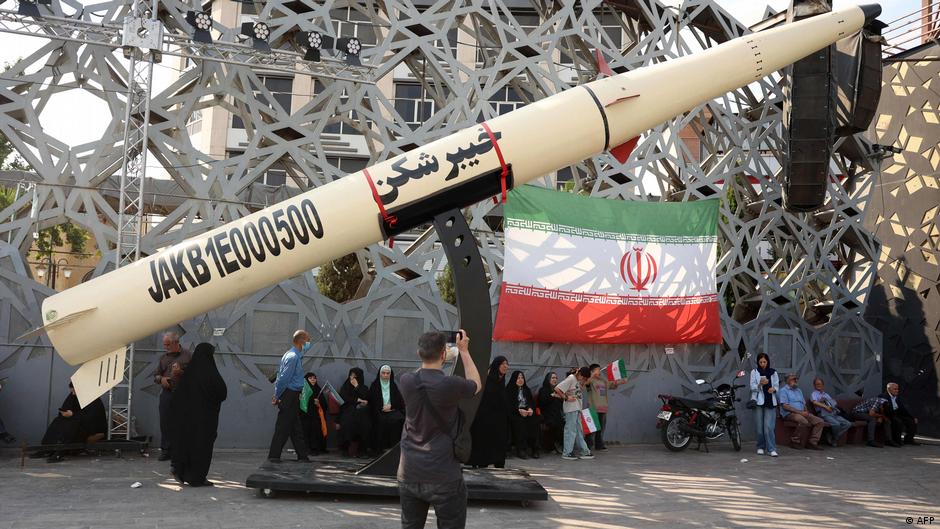
Iran has largely restored its missile arsenal during a ceasefire period, possibly aided by recent Russian missile transfers, complicating US efforts to curtail Tehran's military capabilities.

President Trump cancels June 11 airstrikes on Iran amid progress in multilateral negotiations involving regional allies, averting immediate military escalation.

Renewed US strikes on Iran have led Tehran to close the Strait of Hormuz, escalating regional tensions with significant impacts on global energy markets.

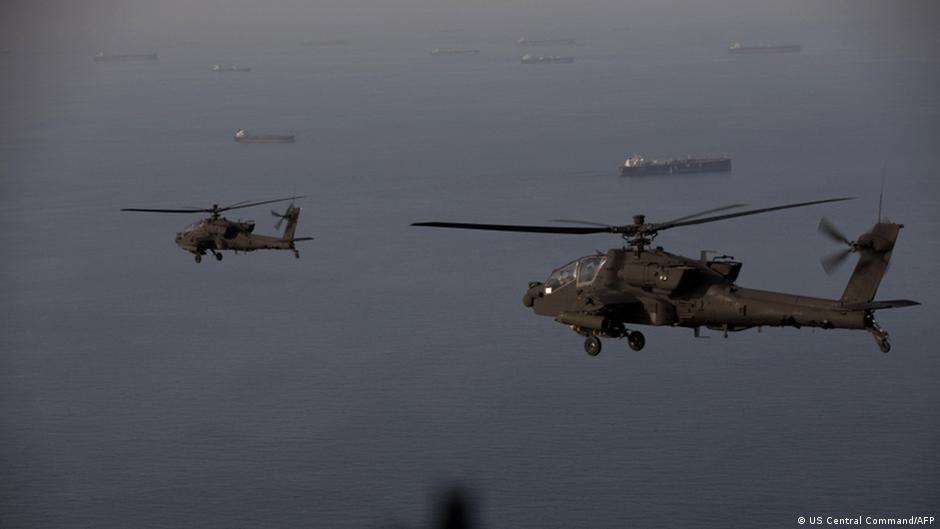
The US resumed airstrikes on Iran following the downing of an Apache helicopter over the Strait of Hormuz, reflecting escalating regional tensions with significant economic implications.

Israel strikes Iranian targets in retaliation for missile attacks amid US efforts to negotiate peace with Tehran, highlighting regional tensions and economic risks.

US forces intercepted four Iranian drones targeting the Strait of Hormuz and struck radar stations, highlighting escalating tensions impacting global energy security.

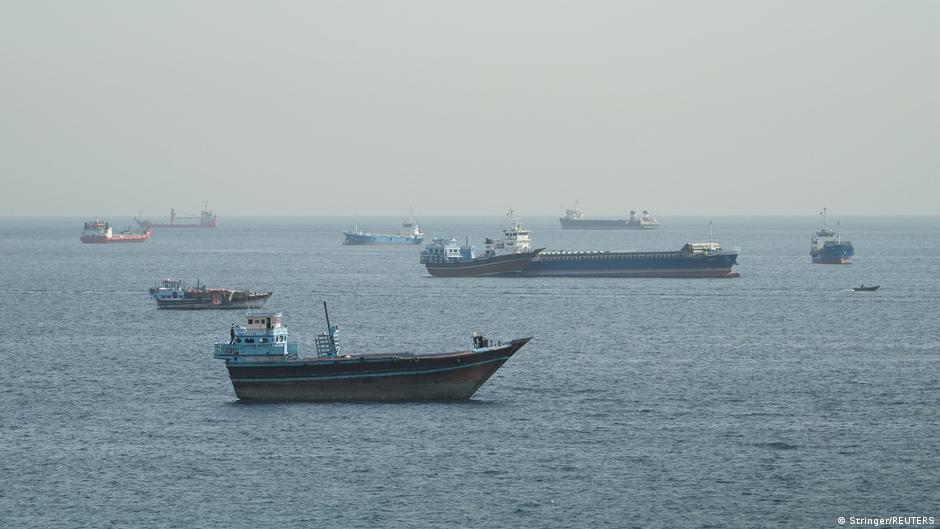
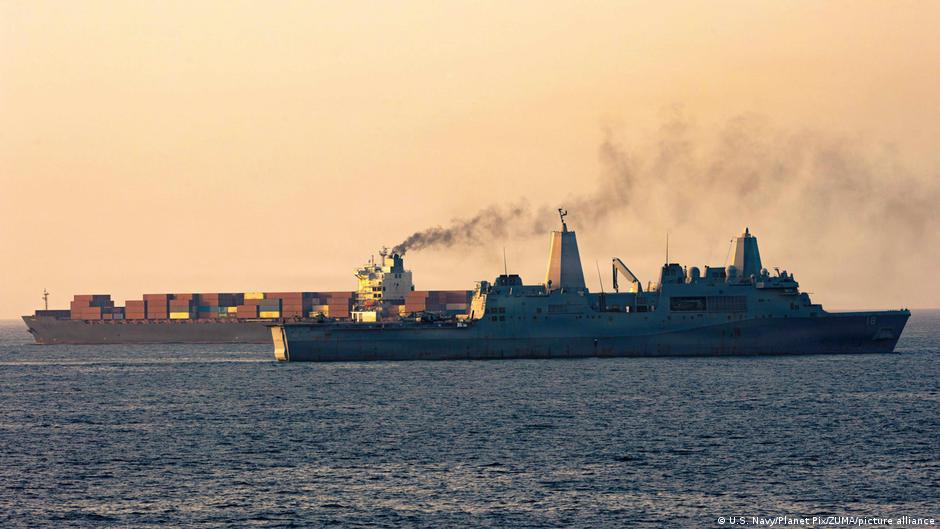
The US has covertly assisted about 70 commercial vessels through the Iran-blocked Strait of Hormuz amid escalating tensions, impacting global energy markets and maritime security.

The US struck a Gambian-flagged ship enforcing the Strait of Hormuz blockade, reflecting deep geopolitical tensions that disrupt critical energy trade routes and impact global markets.

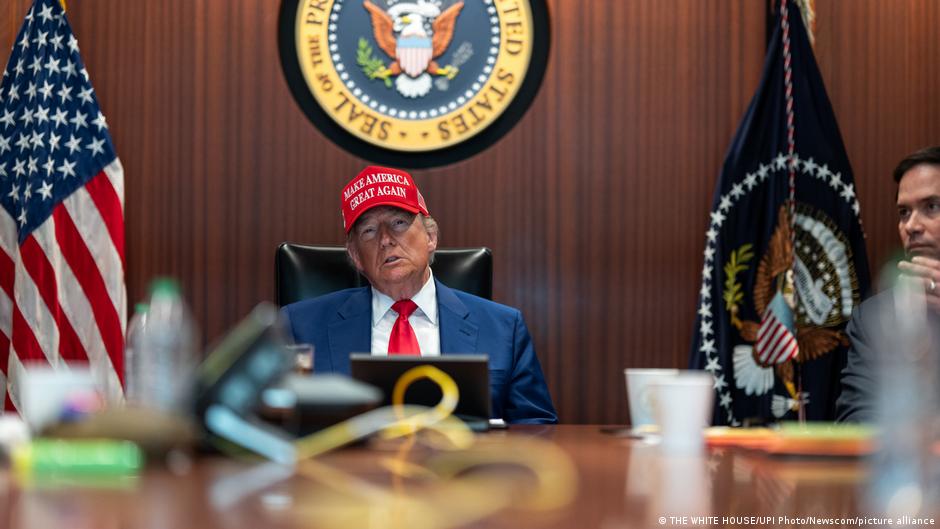
President Trump demands Iran adhere to strict 'red lines,' including a permanent ban on nuclear weapons, as negotiations for a potential agreement continue amid cautious diplomacy.

Russia plans temporary export limits on diesel and aviation kerosene to stabilize domestic fuel markets after drone attacks reduced refinery output.

The US military conducted defensive strikes on southern Iran to counter threats amid ongoing peace talks, highlighting fragile regional stability and potential economic repercussions.

The UK has issued an indefinite license allowing imports of Russian-origin diesel and kerosene to ease fuel prices amid geopolitical energy disruptions.

President Trump delays a planned military strike on Iran following Gulf leaders' intervention, as serious negotiations continue amid complex US-Iran tensions.

The US ended its temporary easing of sanctions on Russian oil, a move that had bolstered Russia's revenues amid global energy price volatility and geopolitical tensions.

Following high-level talks, China signals renewed interest in purchasing U.S. oil and soybeans, highlighting evolving trade ties and potential geopolitical shifts involving Iran.

Donald Trump and Xi Jinping met in Beijing to discuss key issues including Iran’s blockade of the Strait of Hormuz and ongoing trade disputes, signaling a potential recalibration of Sino-American relations.

Iran mandates detailed vessel information for tanker passage through the Strait of Hormuz amid geopolitical tensions and potential transit fees, impacting global oil trade dynamics.

US President Trump announced significant progress in talks with Iran, with a potential deal to end years of conflict over Iran's nuclear program and sanctions.

Global oil reserves fell by a record 200 million barrels in April amid Middle East tensions, signaling tightening supply conditions despite weakening demand.

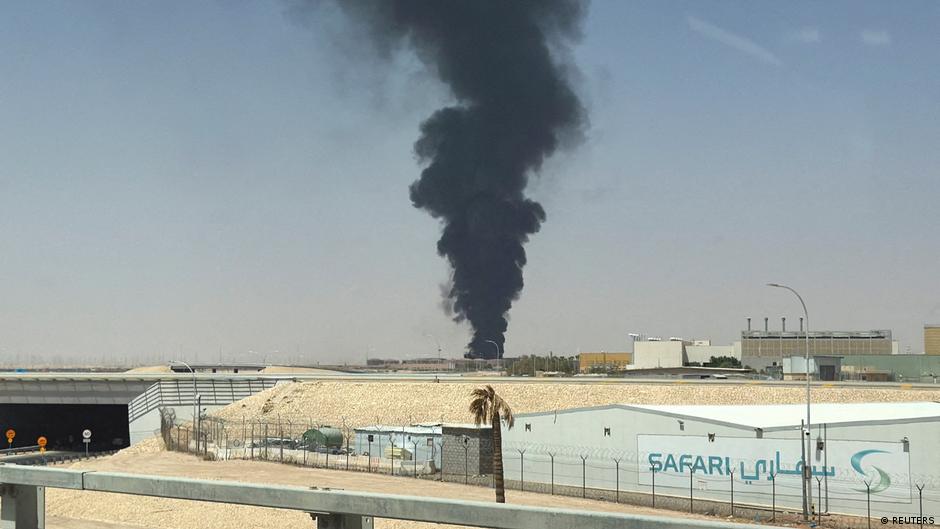
Iran's missile and drone attacks on the UAE disrupt Gulf stability, threatening vital trade routes and regional economic security in a renewed escalation.

Iran has presented a detailed 14-point peace proposal to the US, outlining conditions for ending the Middle East conflict amid ongoing military and economic tensions.

US-Iran tensions trigger a 7% rise in Brent oil prices amid threats of long-term blockade, exposing the economic vulnerabilities of global energy markets.